REVIEW · TOKYO
Tokyo : Must-see attractions private tour
Book on GetYourGuide →Operated by Guydeez · Bookable on GetYourGuide
Tokyo makes sense with a local in step. This private, customizable walking tour helps you pick the sights that fit your interests, then see them in a way that’s easier to navigate than going solo.
I like that you get more than photo stops—you get a guide who can connect what you’re seeing to Tokyo life today and tomorrow. The tour’s built around walking, plus public transport when needed, so you can move efficiently without overthinking routes.
My second favorite part is the human side: you meet the guide at your hotel, and that first exchange usually turns into smart recommendations beyond the scheduled sights. If you’re the type who wants a plan, this tour gives one—yet it still has room to adjust when you find something you want to linger on.
One caution: the history depth can vary by guide. One review flagged that basic cultural and historical context was missing on their version, so if that matters to you, ask for more explanation early and bring your questions.
In This Review
- Key highlights you’ll actually feel on this tour
- Why this Tokyo private walking tour works in real life
- Building your day around Tokyo’s top neighborhoods (without wasting steps)
- Pick a food-and-market block: Tsukiji Outer Market
- Add a classic temple moment: Asakusa and Senso-ji
- Balance it with a spiritual reset: Meiji Shrine
- Go tech and pop-culture: Akihabara
- Skyline and shopping: turning big sights into an efficient route
- Tokyo Skytree for city views (and perspective)
- Ginza: shopping plus local context
- Odaiba: futuristic architecture and photo viewpoints
- Parks and art zones: a calmer side of Tokyo
- Ueno Park for culture pauses
- Roppongi Hills for art, design, and museum time
- Price and value: what $53 per person really buys
- Guide quality: what to expect from real human styles
- Logistics that keep the day easy (hotel meet-up and transport)
- Who this tour suits best
- Should you book this Tokyo private tour?
- FAQ
- How long is this Tokyo private tour?
- Where does the guide meet you?
- Is the tour private or shared?
- What languages are available for the guide?
- Do you include transportation in the tour?
- Is it wheelchair accessible?
- What is the cancellation policy?
Key highlights you’ll actually feel on this tour
- Private and customizable route: You steer the day toward the sights you care about most.
- Hotel meet-up in Tokyo: Less stress at the start, especially after a long flight.
- Guide advice beyond the stops: You can leave with a short list of what to do next.
- Mix of classic and modern areas: Temples, shopping districts, and skyline viewpoints can fit together.
- Walking-first with optional transit: Good for saving energy while still keeping it local.
Why this Tokyo private walking tour works in real life
Tokyo is huge, and its neighborhoods don’t always “make sense” at first. A private guide fixes that problem fast. You get someone who can steer you through the day, explain what you’re looking at, and also help you avoid the typical traps—like spending too long in a place you didn’t really care about, or missing the etiquette details that make the experience smoother.
This format also respects how Tokyo actually feels underfoot. With a walking tour, you see the shop fronts, street layout, and small transitions between areas—those are often the best parts. And because the tour is customizable, you can swap in what fits your energy: temples and shopping one day, or viewpoints and tech culture another.
The tour is offered for 2 to 8 hours, so you can match it to jet lag or a packed itinerary. If you only have a short window, you can focus on a concentrated cluster of sights. If you have more time, you can string together multiple neighborhoods without rushing every stop into a checklist.
You can also read our reviews of more private tours in Tokyo

Building your day around Tokyo’s top neighborhoods (without wasting steps)
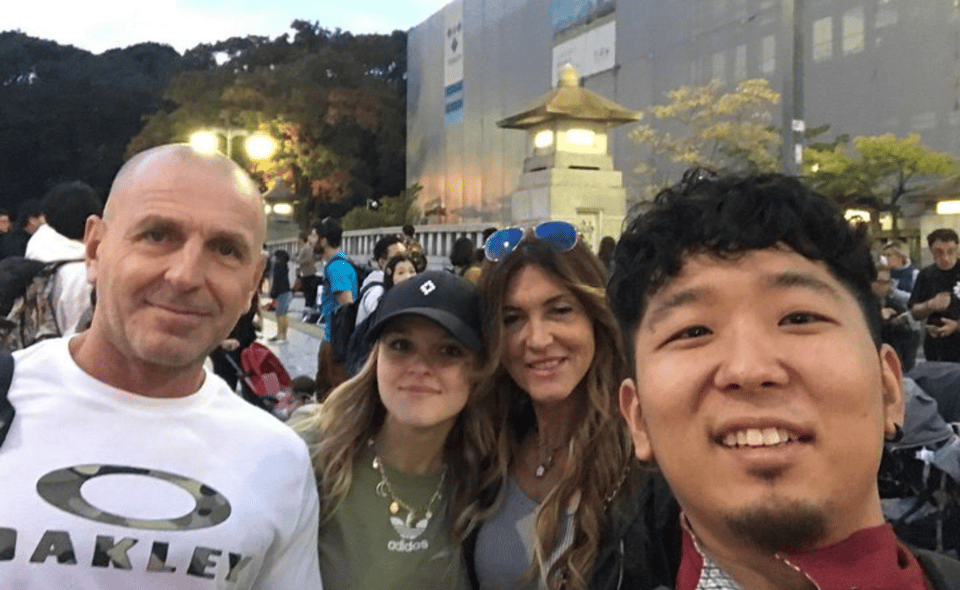
Your guide designs the route based on the sights you want. The tour materials highlight ten big Tokyo anchors: Tsukiji Outer Market, Senso-ji (Asakusa), Meiji Shrine, Akihabara, Tokyo Skytree, Ginza, Odaiba, Ueno Park, and Roppongi Hills.
Here’s how I’d think about choosing, using the “what makes it worth it” test:
Pick a food-and-market block: Tsukiji Outer Market
Tsukiji Outer Market is the kind of place where a guide can help you read the chaos. You’ll get help navigating what’s most worth trying and understanding the street-food logic—what tastes good, what to skip, and how to order without slowing everyone down.
A practical upside: a guide helps you avoid standing in the wrong line or wandering into stalls that are more souvenir than experience. A possible drawback is that your enjoyment depends on food interest—if you’re not into street snacks, you’ll want to shorten this stop or focus on the atmosphere and photos.
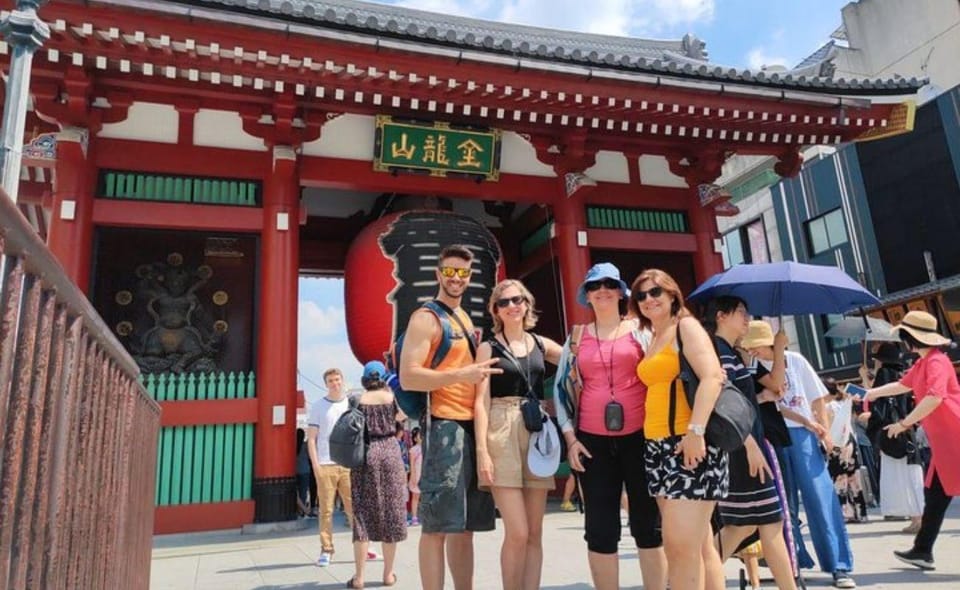
Add a classic temple moment: Asakusa and Senso-ji
Senso-ji is one of Tokyo’s most famous temple areas, and a guide makes it more meaningful than just seeing the gate and walking through. You’ll likely hear stories tied to the temple’s background, learn what the Thunder Gate means, and get guidance on traditional rituals so you don’t feel lost in the flow of visitors.
Here’s what matters for your enjoyment: if you time it well, you can experience the area without turning it into a sprint. The main consideration is crowd intensity—this is a popular stop—so it helps if your guide can steer you to the best angles and the calmer lanes for photos.
Balance it with a spiritual reset: Meiji Shrine
Meiji Shrine offers a very different Tokyo mood: quieter, more shaded, and focused on Shinto practice. With a guide, you’re not just looking at the torii gate—you get the cultural context for the rituals and what the shrine landscape is meant to convey.
This stop is a great “breather” between busy districts. The only drawback is simple logistics: you’ll want comfortable walking shoes and enough time to appreciate the setting rather than racing to the next station.





Go tech and pop-culture: Akihabara
Akihabara is where Tokyo’s electronics and anime culture gets loud. A guide can help you go past the obvious stores and spot areas that match your specific interests—gaming, gadgets, collectibles, or just the atmosphere.
Practical value: in a place this dense, it’s easy to get distracted and waste energy. A good guide keeps you pointed at what’s most interesting and helps you navigate the mix of mainstream shops and smaller specialty places. The main drawback is that it can feel overwhelming if you’re not into tech or pop culture—so tell your guide what you want to get out of it.
Skyline and shopping: turning big sights into an efficient route
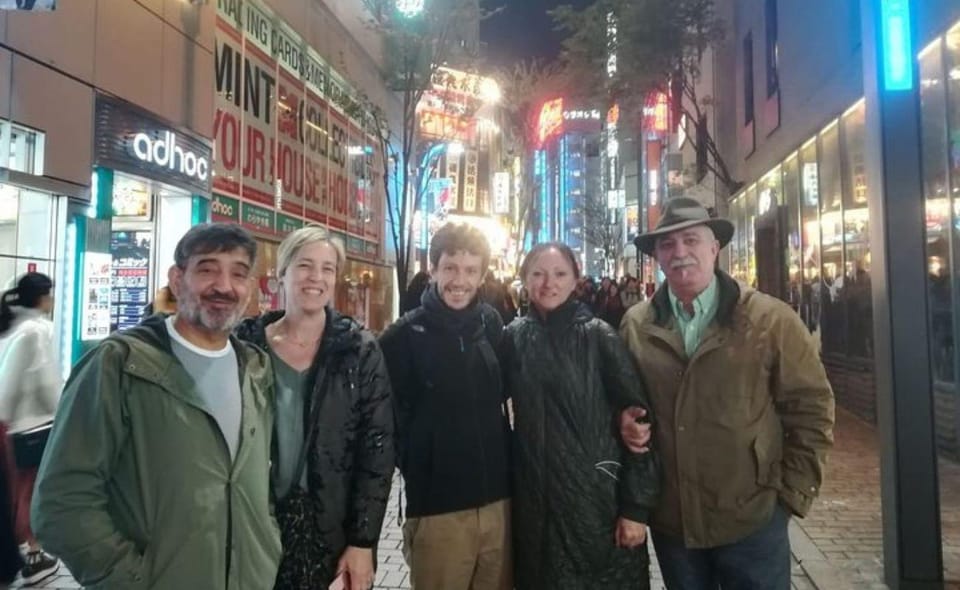
A walking tour is only half the story. The other half is smart sequencing—mixing neighborhoods so the day flows. Two of the standout options here are Ginza and Tokyo’s modern waterfront/skyline zones.
Tokyo Skytree for city views (and perspective)
Tokyo Skytree is a major skyline stop, and a guide can add context to why it matters to the city. You can also use your time at the observation level to understand the city’s structure—where things are and how different neighborhoods relate.
If you care about photos, a guide can help you think about timing and where to position yourself for better viewing. The only downside: observation deck time can eat into your budget of energy and hours, especially on a longer day. If you’re on a tight schedule, set expectations early with your guide.
Ginza: shopping plus local context
Ginza is upscale and easy to walk through, but it can also feel like just another shopping strip if you don’t know what you’re looking at. A guide can explain Ginza’s role over time and point out dining or shopping choices that fit your style, including what’s worth your time versus what’s mostly for show.
My practical advice: if you have limited hours, choose one or two shopping/dining targets in Ginza instead of trying to cover the whole area. A guide can help you decide based on taste, not just hype.
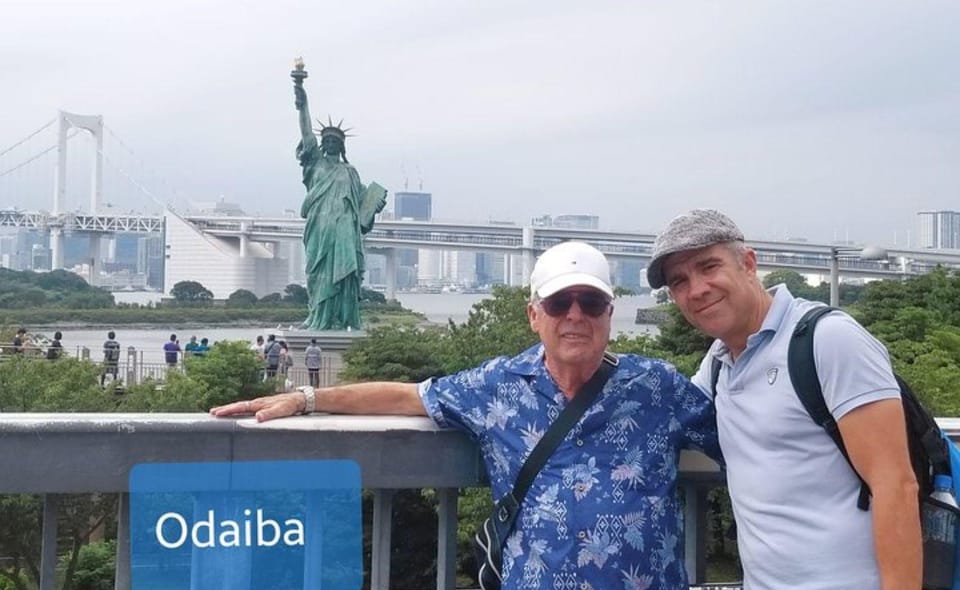
Odaiba: futuristic architecture and photo viewpoints
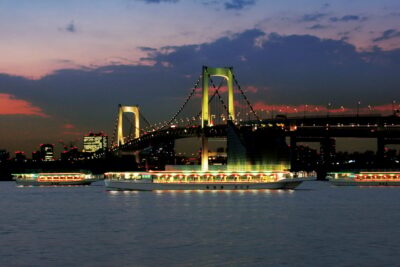
Odaiba is an artificial island with entertainment complexes and modern design. With a guide, you get the history of the area and tips for where to stand for photos—useful because the “best angle” often isn’t the first spot you’d naturally pick.
The consideration here is weather. If it’s rainy, windy, or too hot for long walks, you’ll want a plan to mix viewpoints with indoor breaks. A guide can adjust pace so the day stays enjoyable.
Parks and art zones: a calmer side of Tokyo
Ueno Park for culture pauses
Ueno Park works well when you want variety without committing to one museum for hours. A guide can route you through park highlights and help you choose what to prioritize, plus share why the area matters culturally. During seasonal peaks, your guide can also point you toward good spots for cherry blossom viewing.
The main drawback is that Ueno can spread out. If you don’t set a goal—museum, shrine, or just strolling—you could feel like you’re walking through a theme park of options. Tell your guide what you want, and they’ll keep it focused.
Roppongi Hills for art, design, and museum time
Roppongi Hills is where art and shopping mix in a more planned, modern setting. With a guide, you can take in places like the Mori Art Museum and get context on the architecture. This zone also tends to pair well with a longer day because it’s structured enough that you won’t feel constantly “on the move.”
A possible drawback: Roppongi can feel more “destination-like” than “everyday Tokyo,” depending on what you’re chasing. If you want street-level neighborhood energy, consider combining Roppongi with one older-area stop so the day doesn’t feel too uniform.
Price and value: what $53 per person really buys
At $53 per person for a private tour, you’re paying for time with a human planner plus translation and local know-how. That matters in Tokyo because the “hidden costs” of going solo are usually time and confusion—figuring out where you want to go, how to get there on foot or by train, and what you should notice once you arrive.
Here’s how the value scales:
- If you choose a route that hits multiple top sights, a guide helps you avoid backtracking.
- If you want context (rituals, local customs, neighborhood meaning), the guide’s explanations turn famous stops into something you actually remember.
- If you want a relaxed pace for photos and browsing, private format gives you control.
One thing to keep in mind: it’s offered for 2 to 8 hours, so you’ll get the most value when you match tour length to how many neighborhoods you truly want. A short tour is great for “greatest hits.” A longer one is better if you want time to slow down, shop lightly, or add a museum moment.
Guide quality: what to expect from real human styles
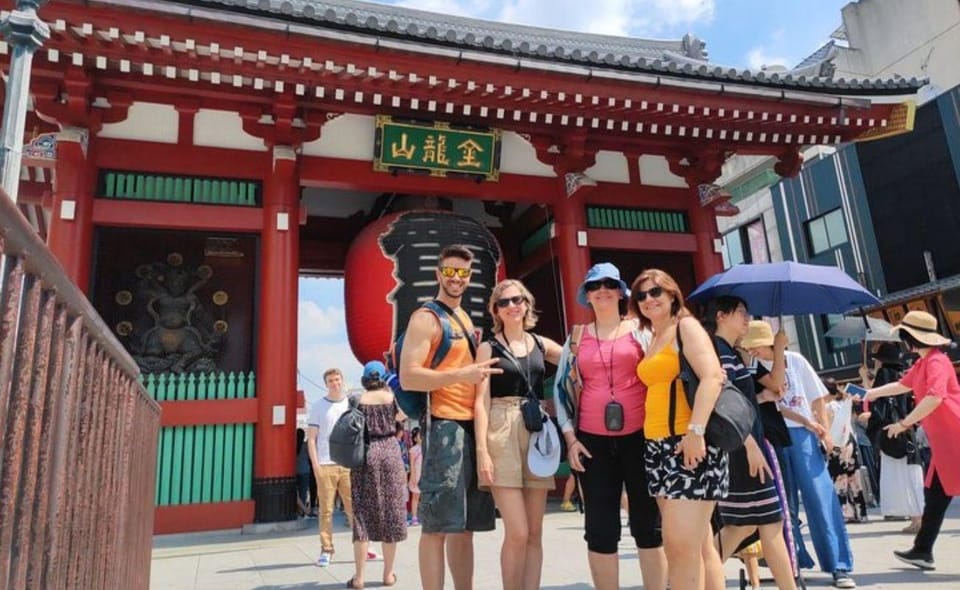
Not every guide works the same way, and that’s normal. But the reviews give you clues about the guide styles you might encounter.
I’d take these as useful signals:
- Fernando (Guatemala review) was praised for knowing history and traditions and for keeping the pace comfortable—photos, store visits, and not treating it like a race.
- Karl (South Africa review) was credited with practical etiquette advice, including norms like not talking on public transport and not eating while walking.
- Lucas (Italy review) was described as friendly and well prepared, with availability and a solid mix of major sights and typical spots. A separate review, though, suggested Lucas didn’t provide enough cultural/historical details for their liking.
So here’s my suggestion: message or ask your guide at the start about what you want—more story behind the sights, or more practical guidance and routing. If you’re the type who loves context, say so early. If you’re more into atmosphere and photos, you can steer it that way too.
Logistics that keep the day easy (hotel meet-up and transport)
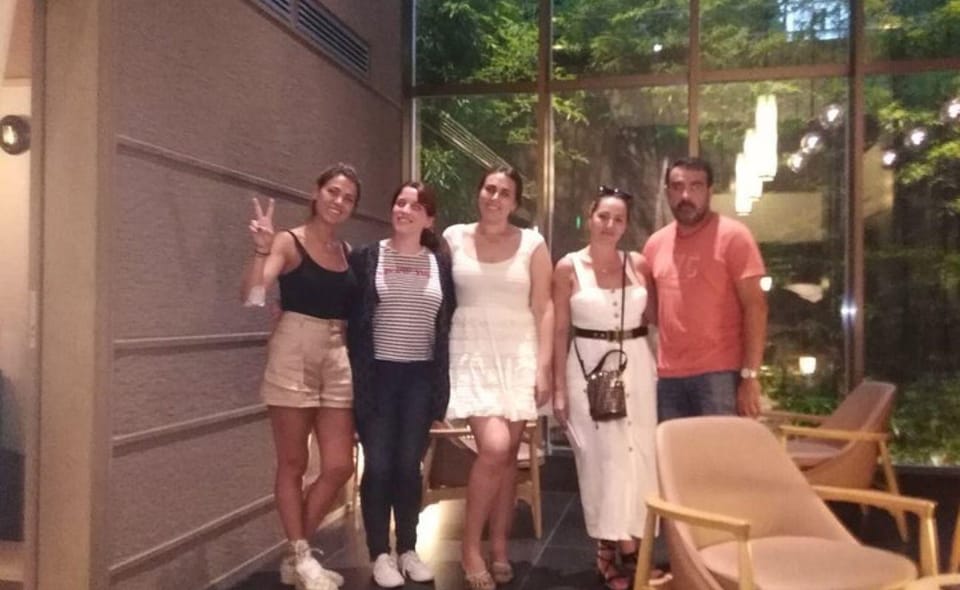
This tour is built for convenience. The guide meets you at your hotel, and pickup is optional. The walking tour includes public transport as well (with the note that certain options may change what’s covered), which matters because Tokyo distances can surprise you.
It’s also a private group, so you’re not competing with strangers for pace, photo stops, or where to spend time. And it’s wheelchair accessible, which is a strong plus if mobility needs are part of your planning.
Free cancellation up to 24 hours before can help if your schedule is still shifting. If you like flexibility, reserve now and pay later is offered.
Who this tour suits best
This is a smart fit if you:
- want a Tokyo private walking tour with a plan but still room to adjust
- like seeing major sights and also getting pointed toward neighborhoods and smaller stops
- would rather spend your time learning what to notice than figuring out transit on your own
- appreciate etiquette and practical local guidance (especially on transit and in crowded areas)
If you’re the kind of traveler who already knows Tokyo well and prefers pure independence, a private guide may feel like extra cost. But even then, the biggest win is usually that first-day advice your guide can give you so you don’t waste the rest of the trip.
Should you book this Tokyo private tour?
Yes, if you want a guide-led day that’s flexible, efficient, and built around your choices. For first-timers, the hotel meet-up plus personalized route is a relief. For repeat visitors, the value is in the guidance you can tailor—whether you’re focused on food, rituals, pop culture, or city views.
Book with one small rule: tell your guide what kind of experience you want at the start—more cultural and historical context, or more practical routing and browsing time. Do that, and this $53-per-person format can turn Tokyo from a place you studied into a place you actually understood.
FAQ
How long is this Tokyo private tour?
It runs from 2 to 8 hours, depending on the option you choose.
Where does the guide meet you?
The guide meets you at your hotel. Pickup is optional.
Is the tour private or shared?
It’s a private group.
What languages are available for the guide?
English, French, Italian, Spanish, Japanese, Chinese, and Traditional Chinese.
Do you include transportation in the tour?
The walking tour includes public transport, except if you select an option that changes how transport is handled.
Is it wheelchair accessible?
Yes, the tour is wheelchair accessible.
What is the cancellation policy?
You can cancel up to 24 hours in advance for a full refund.