REVIEW · TOKYO
Tokyo: Asakusa and Tokyo’s Oldest Temple Senso-ji Tour
Book on GetYourGuide →Operated by Traveling Tokyo · Bookable on GetYourGuide
Tokyo’s oldest temple starts the story. This Asakusa walk makes Senso-ji feel less like a postcard and more like a living neighborhood, from the first glimpse of Kaminarimon to the stories behind the crowd. I love how the route is built around real places you’ll actually stand in, like the temple approach and the shopping street atmosphere that surrounds it.
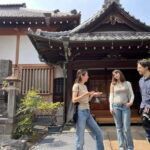
I also like the small group size, with guides such as Shino and Embla repeatedly praised for keeping everyone together and answering questions without rushing. The one thing to consider is simple: you’re outside for about two hours, so expect standing time during photo stops around the busiest spots.
In This Review
- Key things you’ll notice on this Asakusa and Senso-ji walk
- Tokyo’s oldest temple feels personal, not scripted
- Meeting at Asakusa Station: a simple start you can handle
- Kaminarimon: your orientation marker for old Tokyo
- A practical tip for this stop
- Nakamise Shopping Street: snack logic with a local guide’s nose
- Why Nakamise is more than shopping
- Sensō-ji Temple: learn the customs, not just the dates
- Photo stop reality check
- Asakusa Shrine: a second sacred stop with better context
- The main drawback to keep in mind
- Price and guide quality: why $14 can feel like a lot more
- Best fit: who should book this Asakusa tour
- Should you book the Asakusa and Senso-ji tour?
- FAQ
- Where is the meeting point for the tour?
- What is the duration of the tour?
- How much does the tour cost?
- Is this an English-language tour?
- How many people are in the group?
- What are the main stops on the route?
- Are admissions included?
- Are there photo stops during the tour?
- Can I cancel for a full refund?
- Is there a reserve now and pay later option?
Key things you’ll notice on this Asakusa and Senso-ji walk
- A max-10 group that helps you stay oriented in heavy foot traffic
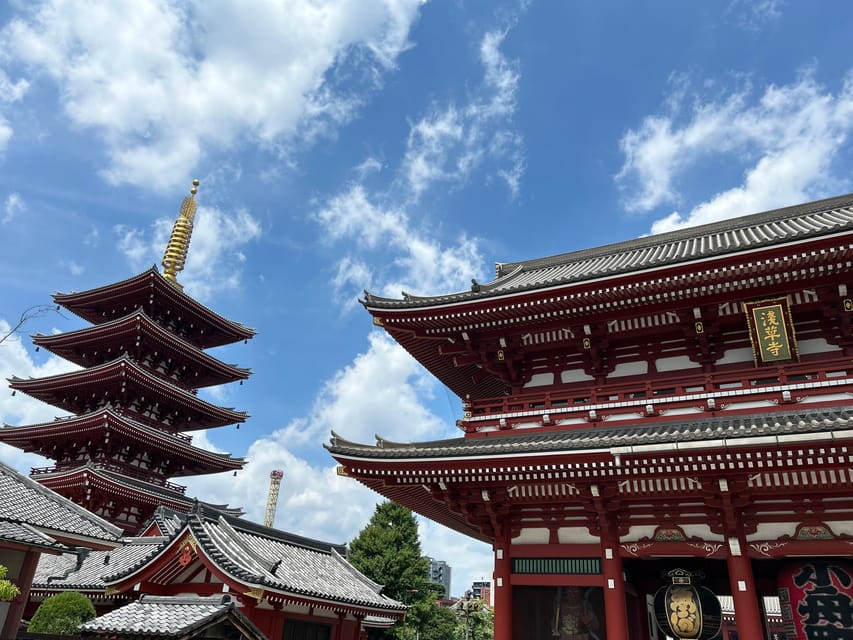
- Kaminarimon + Nakamise Street as your first lesson in how Asakusa works
- Senso-ji Temple timing built around guided viewing and photo stops
- Asakusa Shrine for a second religious stop that adds context
- English live guides praised for clear explanations and story-based history
- A starting point at Starbucks Asakusa Station that makes meeting up easy
Tokyo’s oldest temple feels personal, not scripted
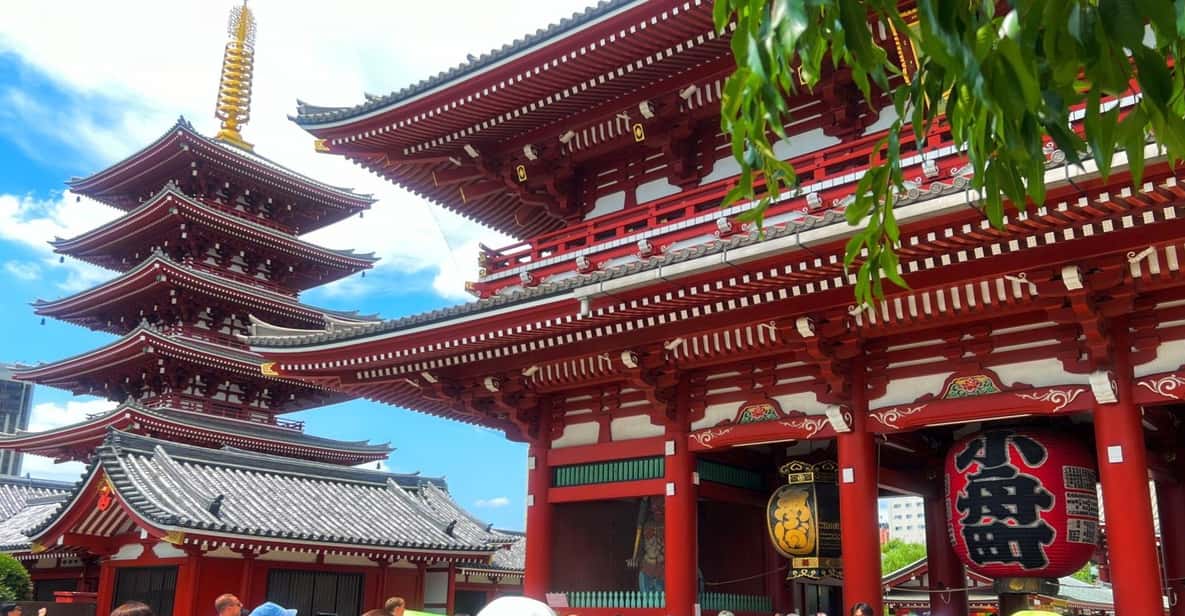
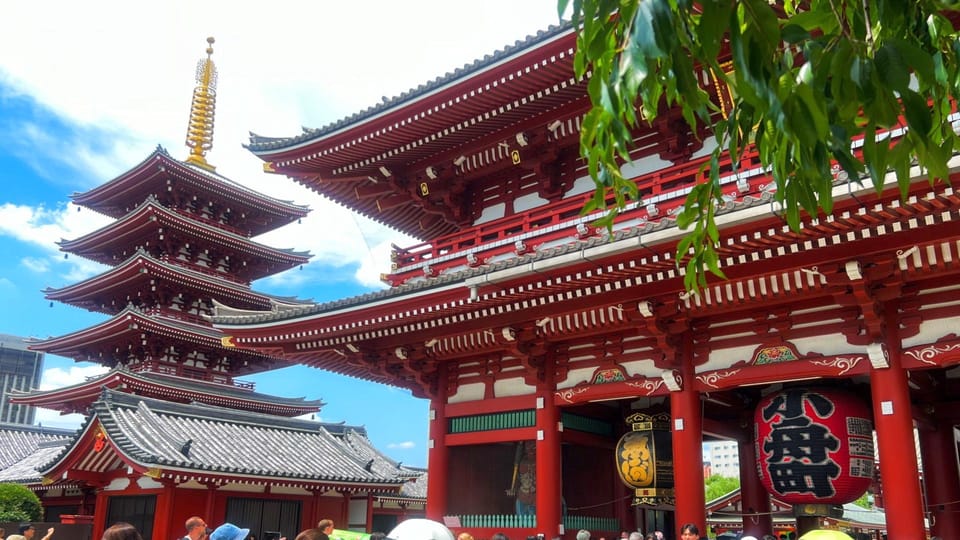
Asakusa’s draw is that it doesn’t try to be fancy. It’s about feel. The lanterns, the smells from snack stalls, the way people line up calmly at sacred spots—this is Tokyo’s older rhythm, right in the middle of the modern city.
The tour works because it gives you a framework before you get lost in details. You start with the signature sights and then your guide connects them to the customs and legends people associate with the area. That turns the visit from seeing buildings into understanding why certain things matter.
I like how the experience balances big landmarks with smaller context. You get the headline stop at Senso-ji, but you’re also guided through the surrounding streets where the neighborhood’s character comes through.
And at this price point—$14 per person for a 2-hour guided walk—you’re not buying a fancy add-on. You’re buying a guide who can translate what you’re looking at so the time doesn’t feel wasted.
You can also read our reviews of more tours and experiences in Tokyo.

Meeting at Asakusa Station: a simple start you can handle
This tour starts at Starbucks Coffee near Asakusa Station, meeting in front of the Starbucks closest to the station. That matters more than it sounds. Tokyo can be confusing when you’re coordinating with strangers, so having an easy, public landmark helps you get your bearings fast.
You’ll also want WhatsApp working before you meet. The idea is to make sure the guide can find you smoothly and that you can receive day-of updates without stress. (It’s a small thing, but small things reduce the chance of frantic scrambling.)
The tour runs about 2 hours, and it’s designed to keep you moving at a pace that still leaves time for guided stops and photos. With a group capped at 10 people, the guide can manage the flow better than a large crowd-style tour.
If you like practical structure—where you know what’s coming next—this one fits your style. If you prefer total freedom with no schedule at all, you might want a self-guided route later. But for your first pass through Asakusa, having a plan is a win.
Kaminarimon: your orientation marker for old Tokyo
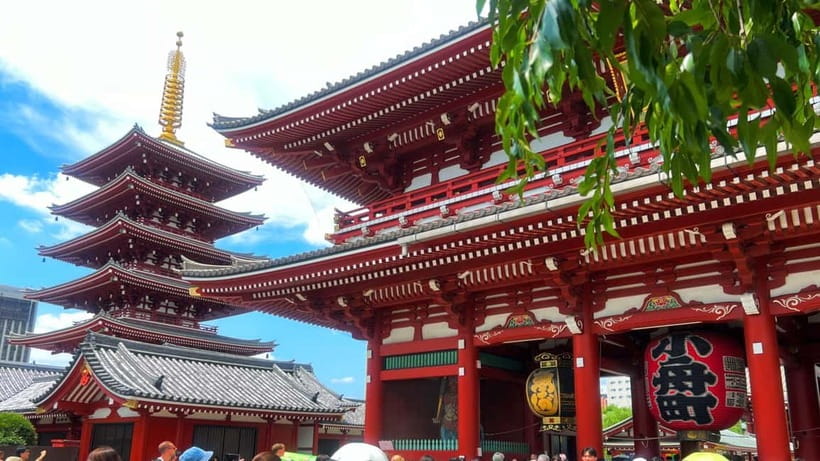
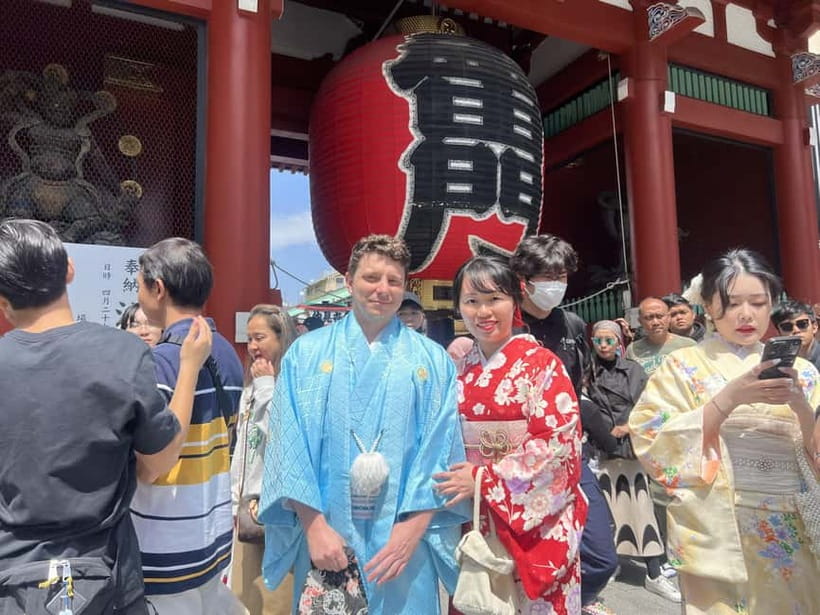
The route hits Kaminarimon early, and that’s smart. This gate is the loudest signal in the neighborhood, the place where most people stop first—so your guide can set context right away, before the temple area turns into a sea of hats and phones.
You’ll have a photo stop plus guided time here (about 30 minutes at this stage). That combination is useful because you can actually look at what you’re photographing, instead of snapping and hoping later.
What I’d watch for during this part is how your guide explains symbolism and everyday behavior. Sacred sites have etiquette, and it’s easy to miss the cues if you’re just guessing. When a guide points out what people do and why, you stop feeling like an outsider and start feeling like you understand what’s going on.
A practical tip for this stop
Kaminarimon is popular, so build in patience. Your guide’s job is to keep you together, and many of the guides on this experience (including Shino and Nicolas, based on feedback) are praised for managing crowds calmly. Still, come prepared for the fact that you’ll be standing near the flow of foot traffic.
Nakamise Shopping Street: snack logic with a local guide’s nose
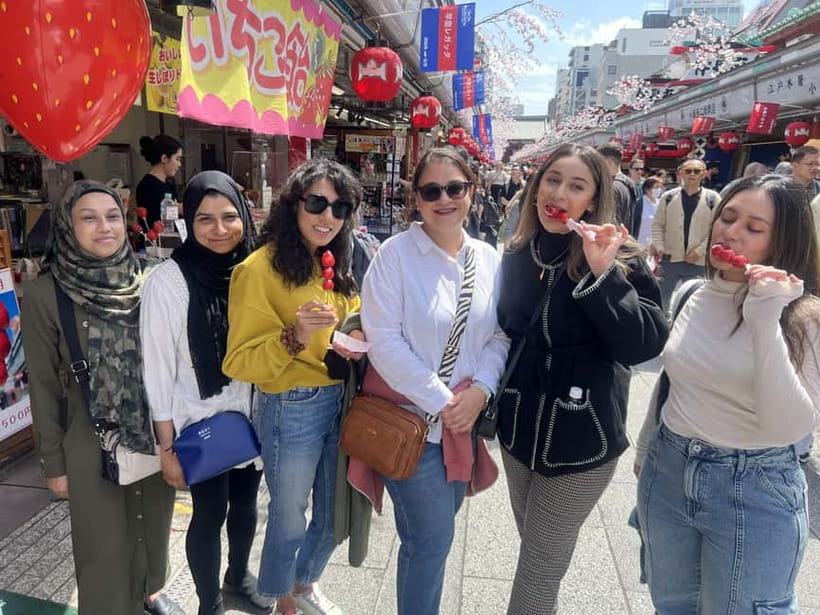
From Kaminarimon you continue to Nakamise Shopping Street, the classic approach road lined with shops. This part is fun because it’s sensory. You’ll smell sweets, see souvenirs, and watch people shop like it’s part of their routine—not a once-in-a-lifetime event.
Your guided time here is about 20 minutes, and it’s long enough to understand what you’re looking at without turning into a slow wander. The best value of a guided stop is that you don’t just get told where to walk—you get help choosing what to notice and what to skip.
Some guides in this experience are specifically praised for pointing out foods and souvenir ideas with meaningful context. That matters, because in Japan it’s easy to buy something pretty but meaningless. With a guide’s suggestions, you’re more likely to bring home a story, not just a bag.


Why Nakamise is more than shopping
This street also works like a cultural buffer. It transitions you from the gate energy into the temple mindset. The shops sit between the public and the sacred, so it’s a good place to slow down and practice being respectful while still enjoying the atmosphere.
Sensō-ji Temple: learn the customs, not just the dates
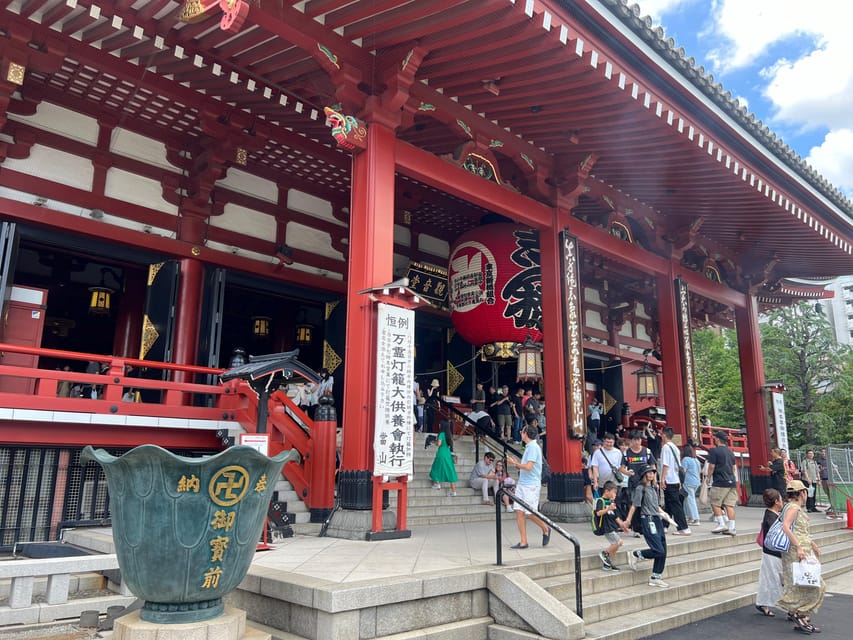
Then comes Senso-ji Temple, the headline act. You get a guided walk and photo stop, with about 30 minutes allocated to this main area.
What makes a guide worth it here isn’t memorizing facts like a quiz. It’s learning what to do and what you’re seeing while you’re standing in it. People often rush through big temples because they feel like they should. With guidance, you can move at a human pace and still cover the important parts.
One reason the experience gets such high marks is that guides are repeatedly praised for clarity and organization. In particular, feedback highlights guides teaching people how to approach and pray properly, along with explanations that make the religious meaning feel understandable instead of confusing.
If you want extra value, watch for how your guide describes the purpose of different ritual actions and what they signal in everyday terms. That’s where you start seeing the temple as more than architecture.
Photo stop reality check
You’ll have a photo moment, but you’re also sharing space with many people. The guide’s job here is pacing and positioning—so you’re not trying to decide where to stand while holding up the whole group. Guides like Embla, Connie, and Nicolas get mentioned often for making sure people stay together and don’t get left behind.
Asakusa Shrine: a second sacred stop with better context
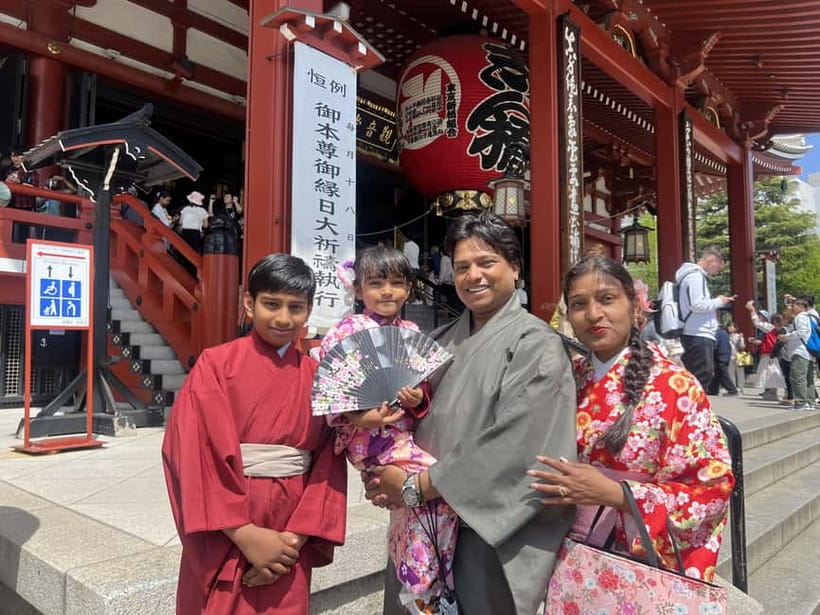
After the main temple focus, the tour adds Asakusa Shrine. This stop includes a photo stop plus guided time of about 30 minutes.
The value of a second shrine stop is context. It helps you understand that this area isn’t a one-note attraction. It’s a religious neighborhood where different sacred spaces speak to different traditions and roles in daily life.
Asakusa Shrine is also where you may see how people handle rituals beyond the temple’s busiest gate area. In feedback from the experience, some guides have helped guests with prayer and even fortune-style activities tied to shrine culture. If that interests you, ask your guide how to do it respectfully and where to focus your attention during this stop.
The main drawback to keep in mind
Sacred spots draw crowds. This tour tries to manage that with a small group and a guide who keeps things moving. Still, this is not a quiet, empty-temple visit. If you hate crowds, consider going early in the day or pair this with a slower neighborhood stroll afterward to decompress.
Price and guide quality: why $14 can feel like a lot more
Let’s talk value, because $14 for 2 hours with an English live guide is unusually good by Tokyo standards.
What makes it feel fair isn’t just the “guide” label. It’s the repeat praise for:
- organized pacing that keeps the group together (especially mentioned with small groups like 7 people)
- clear English from guides including Shino, Embla, Nicolas, Joe, and others named in feedback
- active help with questions, from etiquette to history to what to eat next
- extra attention to comfort, such as taking care during hot weather
When you combine those elements, you’re not just paying for narration. You’re paying for fewer wrong turns, better timing at crowded spots, and practical cultural guidance that you’d otherwise miss by walking alone.
Admission is also included for the stops on the route (Senso-ji and the Nakamise-area shopping street components), which helps keep your budget predictable. So you can focus on spending your money on food and souvenirs, not tickets and guesswork.
Best fit: who should book this Asakusa tour
This tour is a strong fit if you:
- are in Tokyo for a short time and want an efficient first look at Senso-ji and classic Asakusa
- prefer a small group instead of a bus-crowd experience
- want help figuring out how to act at sacred places without feeling awkward
- care about what to eat and what to buy, with guidance that adds meaning beyond price tags
It’s less ideal if you:
- need a fully private, custom route
- hate walking and standing around crowds at iconic stops
- want to do long shopping loops on your own (this tour is structured, not open-ended)
If you’re the type who likes to learn by standing right where the story happens, you’ll enjoy how the guide turns each stop into something you can picture later.
Should you book the Asakusa and Senso-ji tour?
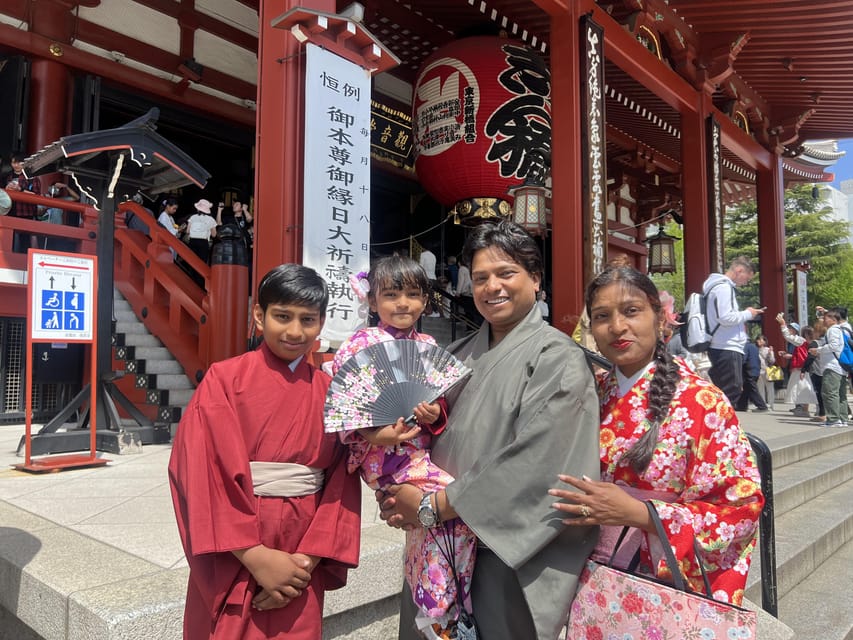
If this is your first time in Asakusa, I think it’s an easy yes. You get a tight introduction to Tokyo’s oldest-temple area, with Kaminarimon, Nakamise Street, Senso-ji, and Asakusa Shrine all covered in about two hours. The small group format helps the guide manage people through dense crowds, which is exactly where self-guided visits can get frustrating.
Book it if you want someone to translate what you’re seeing and help you slow down at the right moments. Skip it only if you’re chasing solitude or you already know all the etiquette and want pure free time.
FAQ
Where is the meeting point for the tour?
You’ll meet in front of Starbucks closest to Asakusa Station.
What is the duration of the tour?
The tour lasts 2 hours.
How much does the tour cost?
It costs $14 per person.
Is this an English-language tour?
Yes, the live tour guide speaks English.
How many people are in the group?
The group is limited to 10 participants.
What are the main stops on the route?
The tour includes Kaminarimon, Nakamise Shopping Street, Senso-ji Temple, and Asakusa Shrine.
Are admissions included?
Admission is included for Asakusa, Senso-ji Temple, and Nakamise Shopping Street.
Are there photo stops during the tour?
Yes. Photo stops are scheduled at Kaminarimon, Senso-ji Temple, and Asakusa Shrine.
Can I cancel for a full refund?
Yes. Free cancellation is available up to 24 hours in advance.
Is there a reserve now and pay later option?
Yes. You can reserve your spot and pay later.