REVIEW · TOKYO
Tokyo: Personalized Half-day Tour
Book on GetYourGuide →Operated by Ian James Kerr · Bookable on GetYourGuide
Tokyo clicks faster with a custom route. I like how this personalized half-day tour gives you control, and the flexible itinerary helps you aim for the Tokyo you actually want, from Asakusa to Shibuya to Meiji Shrine. It’s a smart way to pack meaning into a short window without feeling like you’re being dragged down a conveyor belt.
The heart of it is the guide. You get a live local host, Ian James Kerr, who adjusts the flow to your interests, and that personal angle is what makes the history and street-level details feel useful instead of generic.
One real consideration: the plan can still mean a lot of walking and moving around the city, and that matters if you use mobility aids. One guest reported an unexpected extra car expense (110,000 yen) related to cane needs, so you’ll want to flag your situation early and clearly.
In This Review
- Key Things That Make This Tokyo Tour Worth Your Time
- How a Personalized 4-Hour Private Tour Fits Tokyo’s Real Pace
- Ian James Kerr and Why a Live Guide Changes Everything
- Asakusa and Senso-ji: Old Tokyo Without the Guesswork
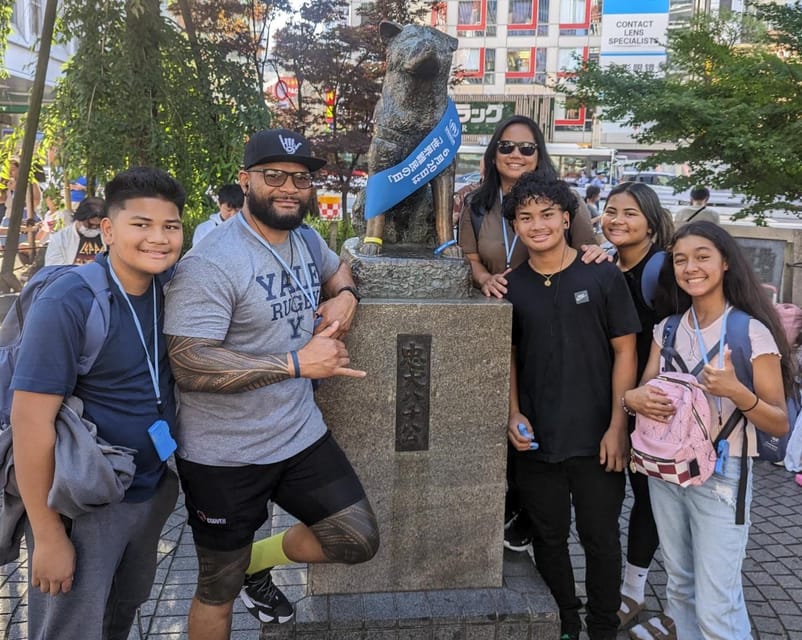
- Shibuya Crossing: Modern Tokyo Energy, Managed for Your Pace
- Meiji Shrine: The Calm Stop That Makes the Day Feel Balanced
- Markets and Themed Cafes: Turning Personal Taste Into an Actual Itinerary
- Walking, Subways, and Mobility Planning (Including Cane-Friendly Concerns)
- Price and Value: What $129 Per Person Really Buys
- Who This Tour Suits Best (And Who Might Want to Rethink It)
- Practical Tips Before You Go
- Should You Book This Personalized Half-day Tour?
- FAQ
- How long is the Tokyo Personalized Half-day Tour?
- Is this a private group tour?
- What languages are offered for the live guide?
- What Tokyo areas might we visit?
- Can I cancel for a full refund?
- Is there a reserve now & pay later option?
- Do I need to pick a specific start time?
- Who is the tour guide for this experience?
Key Things That Make This Tokyo Tour Worth Your Time
- Tailored direction: Your route can shift based on what you care about most.
- 4 hours, not half a day lost: Enough time to hit major areas without turning it into a full-day slog.
- Local guide, live coaching: You get English or Japanese guidance throughout with context, not just directions.
- Asakusa + Senso-ji: Classic Tokyo temple vibes with walkable street atmosphere.
- Shibuya Crossing: The modern-world energy, designed to fit your pace.
- Meiji Shrine for balance: A calmer stop that breaks up the city rush.
How a Personalized 4-Hour Private Tour Fits Tokyo’s Real Pace

Tokyo is huge, and in half a day you can either rush or you can choose. This tour leans toward choosing, and that’s the point. You’re not just checking landmarks—you’re steering the day toward what you’ll remember.
With a private group, the guide can spend time where it counts and cut what doesn’t. If you’re the kind of person who likes food streets, you can steer the route that way. If you’d rather focus on temples and shrines, you can aim for that instead.
You’ll also notice that the “personalized” part isn’t just a marketing line. The guide is there to shape the stops around you, and that helps the experience feel less like a script and more like a plan.
You can also read our reviews of more tours and experiences in Tokyo


Ian James Kerr and Why a Live Guide Changes Everything
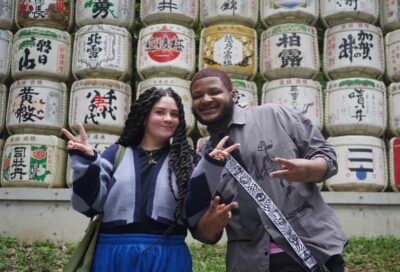
The standout in the feedback is how Ian James Kerr adapts and keeps things moving in a way that fits the people in front of him. Guests described him as helpful, polite, flexible, and quick to adjust the visit to where they wanted to go. Another guest even called him hilarious and praised the history lessons that actually added meaning to what they saw.
That matters because Tokyo can be a little tricky on your own. You’ll see plenty, but you might not understand what you’re looking at. A guide can connect the dots—why a street looks the way it does, what makes a neighborhood feel like itself, and what to pay attention to when you’re there.
And since the tour runs in English and Japanese, you’re not stuck translating on your own. You can ask questions in the moment and steer the day without awkward silence.
Asakusa and Senso-ji: Old Tokyo Without the Guesswork
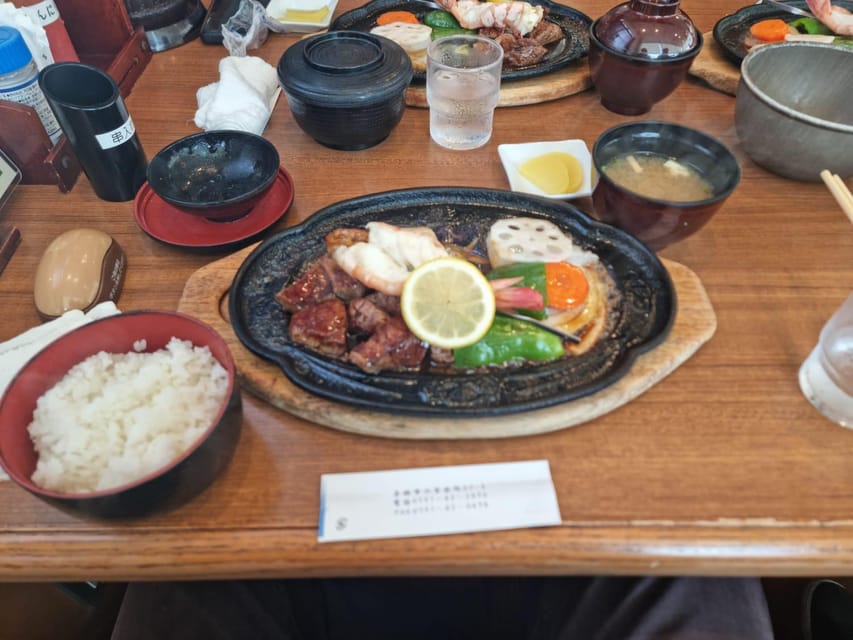
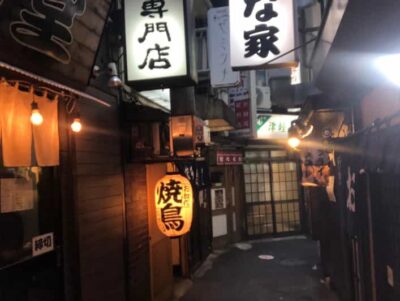
Asakusa is where Tokyo starts to feel like Tokyo. The tour’s Asakusa focus puts you in reach of Senso-ji Temple, one of the city’s most well-known landmarks, and it’s exactly the kind of place where a good guide helps you get your bearings fast.
What I like about this stop is the mix of styles. You get a major temple experience, but you also get neighborhood street life right alongside it. That’s useful for first-timers because you can soak in the culture without having to be an expert on Japanese etiquette or temple history before you arrive.
There’s also a practical angle: if you want photos, snacks, or people-watching, Asakusa supports it. If you’d rather keep things calm and structured, your guide can help you focus on what to see and what to skip.
One caution to consider from real-world experience: if you’re hoping for fewer retail distractions, you should say so. A guest felt the route became too tourist-heavy and spent time in areas with lots of souvenir shopping. If that’s not your vibe, you can request more time walking the streets and less time browsing shops.
Shibuya Crossing: Modern Tokyo Energy, Managed for Your Pace
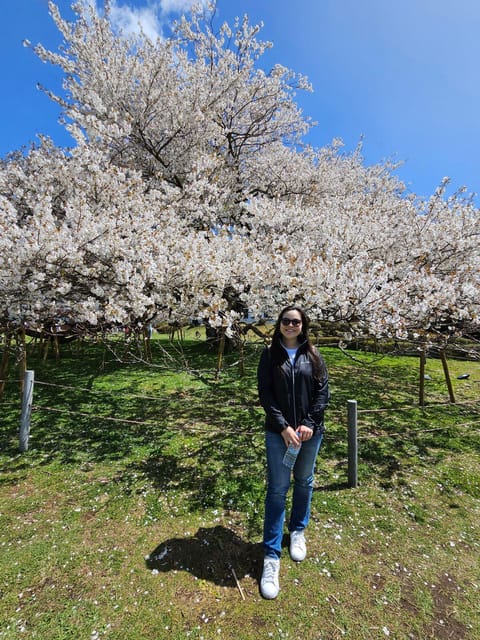
Shibuya Crossing is famous for a reason. It’s loud in a visual way, packed with motion, and it’s one of those places where your first reaction is usually something like, I can’t believe this is real.
The value of having a guide here is timing and context. Instead of arriving with no plan and wandering around, you can aim for what you want to experience: the scale, the surrounding streets, and the overall feel of contemporary Tokyo.
This stop also tends to create a good emotional rhythm for the tour. Asakusa gives you tradition and texture. Shibuya brings the speed and modern energy. In between, you can adjust how intense you want the day to feel.
If you dislike crowds, don’t just hope for the best. Tell your guide what you prefer—quieter side streets, more structured viewing points, and less time spent going in circles around the intersection. A flexible itinerary is only useful if you use it.
Meiji Shrine: The Calm Stop That Makes the Day Feel Balanced
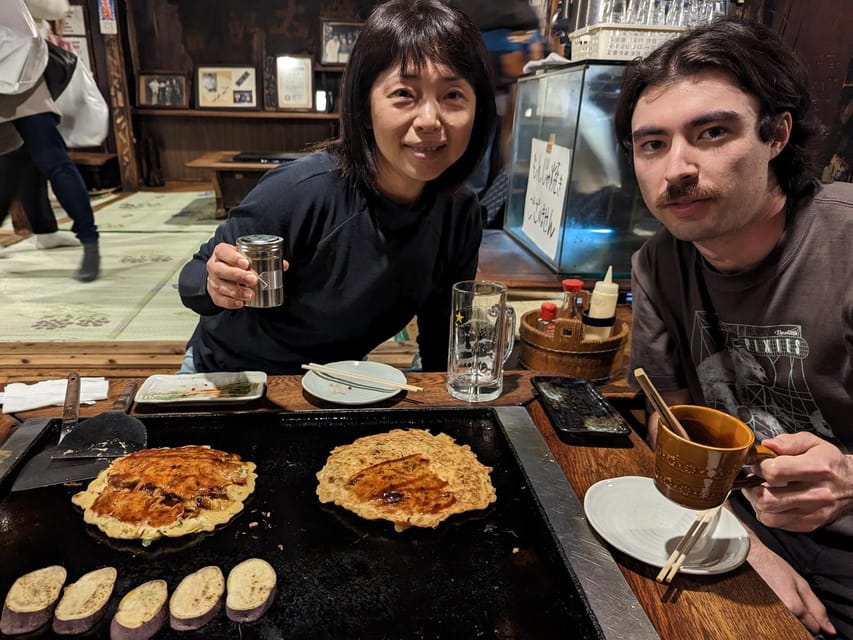
After temple streets and big-city motion, Meiji Shrine works like a reset button. It’s a chance to slow down, step away from the densest areas, and get a different Tokyo mood in the same half-day.
The tour description points to Meiji Shrine as a tranquil counterweight in the middle of the city, and that’s a good instinct. A shrine visit isn’t just a photo stop. It’s a change in pace—more stillness, more space to breathe, and a different kind of attention.
I also like that this kind of stop can help the tour feel more personal. If you’re the type who needs a breather, this is where you can steer the day toward meaning and quiet. If you’re more of an urban walker, you can enjoy it as a transition from the street noise.




Markets and Themed Cafes: Turning Personal Taste Into an Actual Itinerary
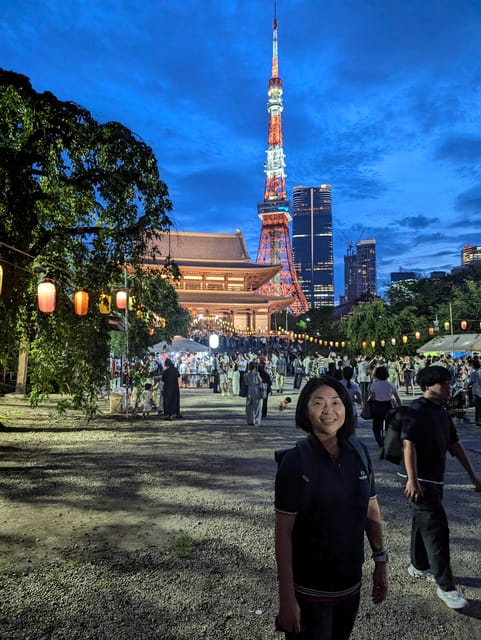
One of the practical strengths of this tour is that it isn’t limited to just three named sights. Your guide can adapt the day to include things like traditional markets or themed cafes, depending on what you’re into.
This is where a personalized tour stops being “nice” and becomes useful. Tokyo has enough neighborhoods and food options that your interests matter a lot. If you love snacks and street food culture, markets can give you that. If you’re more into pop culture or a specific theme, a cafe stop can match your curiosity without turning the tour into random wandering.
A good rule: if you have a specific place in mind—food street, market style, or a cafe theme—tell your guide early. The more precise you are, the better the route can feel crafted instead of improvised.
Just keep expectations realistic: a half-day is short. Even with flexible choices, the guide can only fit so much in, so prioritizing what you’d regret missing is key.
Walking, Subways, and Mobility Planning (Including Cane-Friendly Concerns)
Tokyo is walkable, but “walkable” doesn’t always mean “comfortable.” Several points in the experience strongly suggest that movement time can matter a lot. One guest reported that due to mobility trouble, the group spent time on the underground and that some destinations were far apart, requiring subway or taxi.
That doesn’t mean you should avoid the tour. It means you should plan it like a route, not like a list of locations. Ask your guide how much walking you should expect between stops. If you’re using a cane or need extra support, bring it up at the start and be very direct about what you can handle.
There’s also the reported cost issue to take seriously: one person said they ordered a guide with a vehicle and still had to pay an additional rental car cost of 110,000 yen because of cane needs. Whether that outcome was about vehicle access, timing, or suitability, the takeaway is simple: don’t assume mobility needs are handled automatically. You’ll get the best results by clarifying your requirements early.
Price and Value: What $129 Per Person Really Buys

The price is $129 per person for about 4 hours. On paper, that’s not “cheap,” especially in a city where you can easily DIY a day of walking. But in practice, you’re paying for something different: a private guide’s time, judgment, and adaptation to your interests.
This is where value comes from. You’re not just buying a route. You’re buying:
- a local person who can explain what you’re seeing
- flexibility to shift when your interests change mid-day
- a way to reduce wasted time caused by indecision or transit confusion
If you’re traveling with someone who’s slower to walk, or if you just want to feel confident that you’ll hit the right spots without stress, a private guide tends to pay off fast.
Still, don’t ignore the trade-offs. If you end up in areas that feel too touristy or retail-heavy, you may feel like you paid for the wrong kind of experience. The fix is straightforward: tell your guide what to avoid, and if you don’t like a stop, say so early so the plan can change.
Who This Tour Suits Best (And Who Might Want to Rethink It)
This tour makes the most sense if you want Tokyo, but on rails. It’s ideal for first-timers who want core neighborhoods—Asakusa, Shibuya, Meiji Shrine—plus a guide who can add context. It also suits repeat visitors who want their day shaped around specific interests like markets or themed cafes.
If you’re traveling solo or as a couple, the private setup can feel especially efficient. You get attention, and you can ask for exactly what you want without negotiating with a bigger group.
You might reconsider if you know you strongly dislike souvenir-focused stops or if you need a very predictable, low-walking route. The experience can involve transit and walking between distant points. With the right planning and clear communication, it can still work, but you shouldn’t assume the itinerary will automatically match a strict mobility requirement.
Practical Tips Before You Go
To get the best version of this tour, think about what you want most and what you can skip. If you’re chasing culture, emphasize temples and shrines. If you’re chasing food, highlight markets and snack stops. If you’re chasing modern Tokyo, lean into Shibuya and street life around it.
Also, pick your “energy level.” Tell the guide whether you want a relaxed pace with fewer stops or a more active route. One guest noted that time on the underground and walking demands affected the experience, so guiding your pace helps a lot.
Finally, if you have any mobility needs, put them on the table early. That one detail can determine how smoothly the route works.
Should You Book This Personalized Half-day Tour?
If your priority is a private, flexible plan that can mix Tokyo classics with your own interests, I think it’s a solid choice. The strongest evidence is the guide flexibility—Ian’s ability to adapt and keep the day feeling tailored, plus the value of live explanations in English or Japanese.
I’d book it with one condition: be upfront about preferences and mobility. If you tell the guide what you want and what you don’t, the tour is much more likely to feel like Tokyo for you, not Tokyo for a generic checklist.
FAQ
How long is the Tokyo Personalized Half-day Tour?
It lasts 4 hours.
Is this a private group tour?
Yes, it’s a private group.
What languages are offered for the live guide?
The tour is available with a guide who can speak English and Japanese.
What Tokyo areas might we visit?
The tour can include Asakusa (with Senso-ji Temple), Shibuya Crossing, and Meiji Shrine. It can also be adjusted toward options like traditional markets or themed cafes.
Can I cancel for a full refund?
Yes. You can cancel up to 24 hours in advance for a full refund.
Is there a reserve now & pay later option?
Yes, you can reserve now and pay later.
Do I need to pick a specific start time?
You’ll want to check availability to see the starting times.
Who is the tour guide for this experience?
The experience is provided by Ian James Kerr.