REVIEW · TOKYO
Private Harajuku Omotesando Architecture Tour
Book on GetYourGuide →Operated by Showcase Tokyo Architecture Tours · Bookable on GetYourGuide
Three hours in Omotesando can feel like a whole Tokyo education. This private architecture tour pairs great photo angles with building stories you’d miss on your own.
Two things I really like: you’ll see a tight hit list of famous and emerging works in just 210 minutes, and the option to go at night changes how the same facades read. What you learn isn’t just names either, but why this area pulls in designer stores and architects.
One possible drawback: it’s a walking tour, so plan for time on your feet and wear shoes you can trust.
In This Review
- Key highlights at a glance
- Where you start: Meiji Shrine area, then the Omotesando switch
- The 3-hour Omotesando architecture hit list (and why it works)
- “Designer stores” isn’t the point: the architect magnet explanation
- Back streets matter: everyday Tokyo next to sleek facades
- The night tour option: lighting changes the whole story
- Guide quality: what makes the explanations click
- Break time and the right pacing for a 210-minute walk
- Price and value: $129 for a private design-focused walk
- Who this tour suits best (and who might want something else)
- Practical tips before you go
- Should you book the Private Harajuku Omotesando Architecture Tour?
- FAQ
- How long is the Private Harajuku Omotesando Architecture Tour?
- Where do I meet the tour guide?
- Is transportation to and from Harajuku Omotesando included?
- What’s included in the tour price?
- Are meals included?
- Is the tour wheelchair accessible?
Key highlights at a glance
- Photo-ready streets and corners that make architecture look better on your phone than you expect
- A best-of Omotesando route featuring places like The Iceberg, Dior, Louis Vuitton, Sunny hills, and Prada
- Why designer stores and architects cluster here, plus how it feels different from places like Ginza
- Night tour perspective, so you see the same buildings with new lighting and mood
- Backstreet contrast, where sleek shopping lanes give way to everyday Tokyo life
- Strong guide quality, with industry and planning backgrounds showing up in the guide roster
Where you start: Meiji Shrine area, then the Omotesando switch
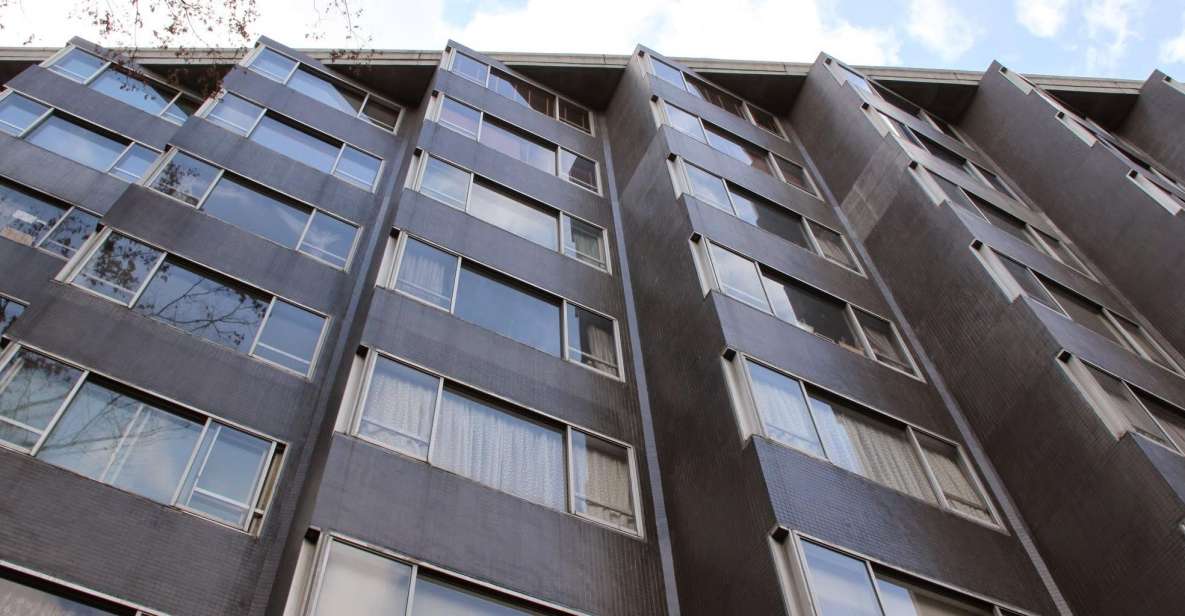
The tour begins at the large open space in front of Meiji Shrine’s big wooden entrance gate, at the cafe called CAFÉ Mori no Terrace. The exact address is 1 Yoyogikamizonocho, Shibuya City, Tokyo 151-0052, Japan.
You meet there because it’s easy to reach: from JR Harajuku Station, exit via the Omotesando exit, walk toward the forest, and you’ll find this cafe outside the shrine area. One small but important detail: this is not the cafe inside the shrine, even though the names can look confusingly similar.
From that meeting point, the walk naturally shifts from “shrine greenery” to “urban design.” You start with the mood near Jingubashi bridge, then you transition toward the Omotesando rhythm where architecture and storefronts work like a designed experience.
You can also read our reviews of more private tours in Tokyo

The 3-hour Omotesando architecture hit list (and why it works)
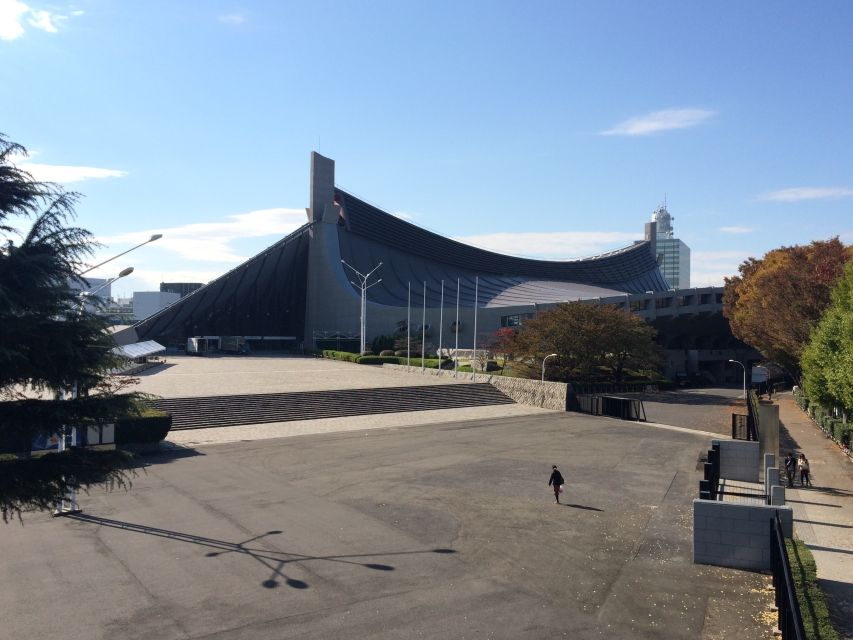
The heart of this tour is how efficiently it covers a broad slice of what makes Omotesando feel like a design gallery you can walk through. In about 210 minutes, you’re guided past a mix of iconic landmarks and contemporary statements—so you don’t just get one “pretty street,” you get a layered view.
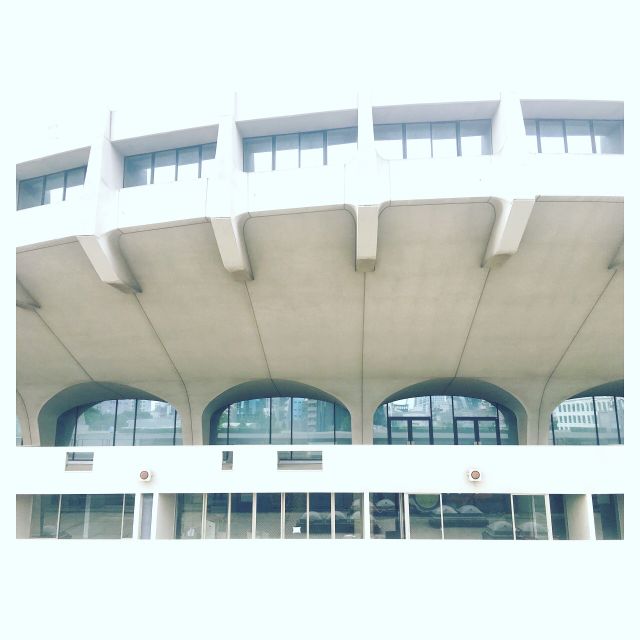
You’ll also get an early look at Yoyogi Gymnasium from a distance. Even without going deep into the venue itself, it helps you set context fast: Tokyo’s architecture isn’t just recent glass boxes, it’s a city shaped by big design moments.
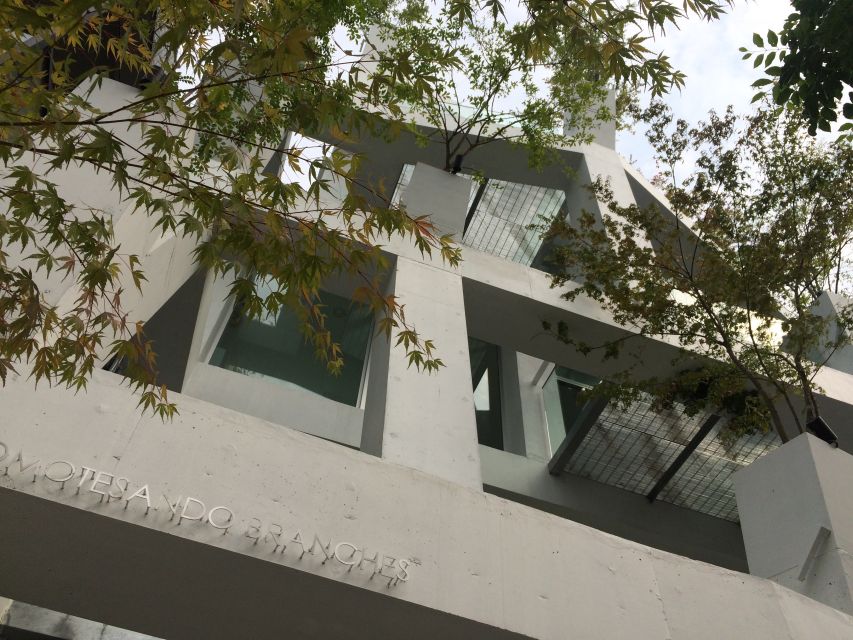
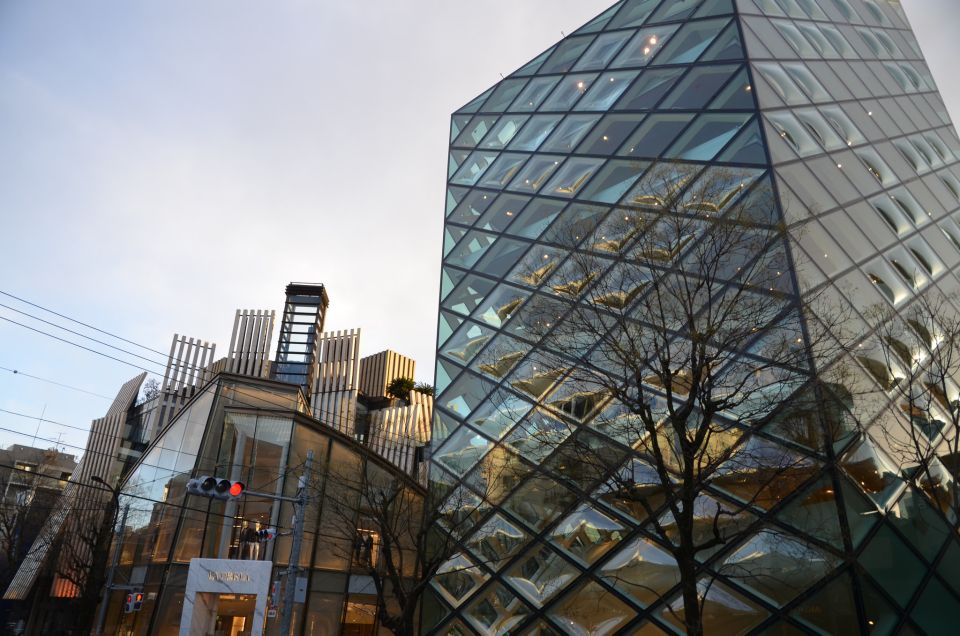
Then comes the main stretch: contemporary and emerging architectural works showcased between major brand presences. The stops include named architecture you’ll recognize quickly, such as The Iceberg, plus storefront architecture tied to Dior, Louis Vuitton, Sunny hills, and Prada.
Why this grouping matters: it’s not only about fancy brands. The tour uses those buildings as anchors so you can understand design choices—how massing, materials, and street rhythm create a specific mood. When you walk these streets by yourself, you might see storefronts. With a guide, you start noticing how the buildings are trying to communicate.
And yes, you’ll be encouraged to slow down. The tour is built around photo opportunities at every corner, not “walk fast and hope you get a shot.” If you care about photography, this pacing is a big deal.
“Designer stores” isn’t the point: the architect magnet explanation
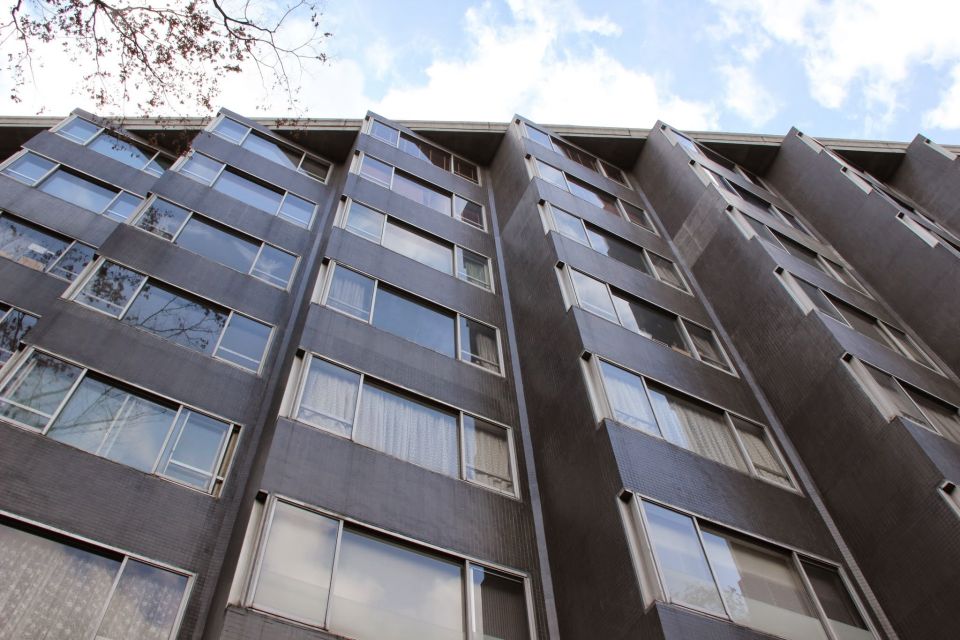
Omotesando gets compared to other shopping areas, but the tour aims at something more useful than shopping hype: why this place attracts both designer stores and famous architects in the first place.
You’ll learn what makes Omotesando different from other well-known boutique shopping areas like Ginza. Instead of just “one is luxury and one isn’t,” the explanation focuses on the feel of the street and the relationship between commercial activity and architectural expression.
In plain terms, you’ll get the logic of the neighborhood: the area doesn’t just sell products—it stages design. That’s why architecture here feels like part of the retail experience, not a background detail.
Back streets matter: everyday Tokyo next to sleek facades
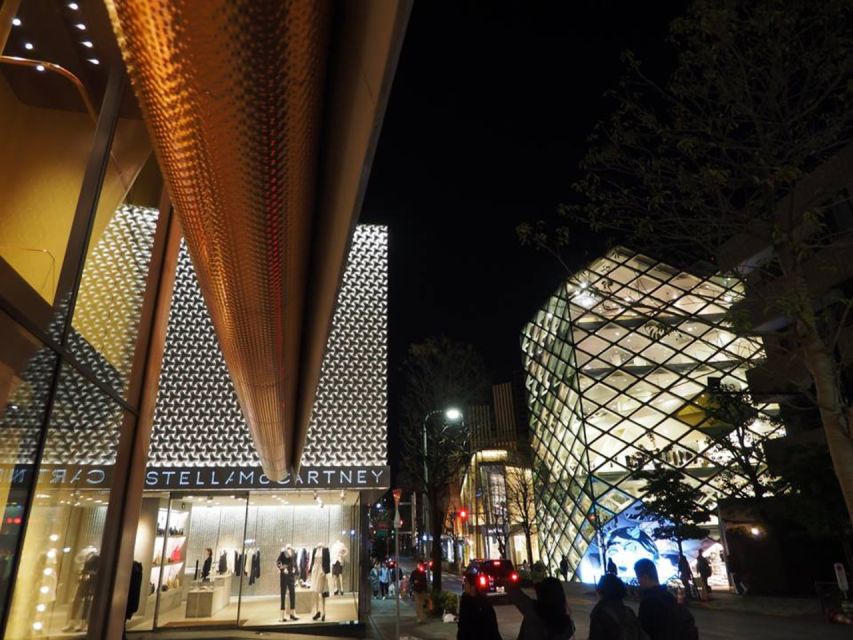
One of the best parts of this tour is the deliberate shift away from only the headline storefronts. You’ll take a side trip into the backstreet neighborhood to see the area from a different angle—where Japanese daily life shows up alongside the curated main lanes.
A couple guide-led moments stand out here because they match what you’d want if you’re trying to learn a city, not just photograph it. One example from the guide experience: some routes include time around Cat Street, which has a livelier, more lived-in feel than the main Omotesando strip.
The reason this works is simple: architecture is easier to understand when you can see how it fits into real street life. Side streets help you feel the scale, the human pace, and the way people actually move through the space.
The night tour option: lighting changes the whole story
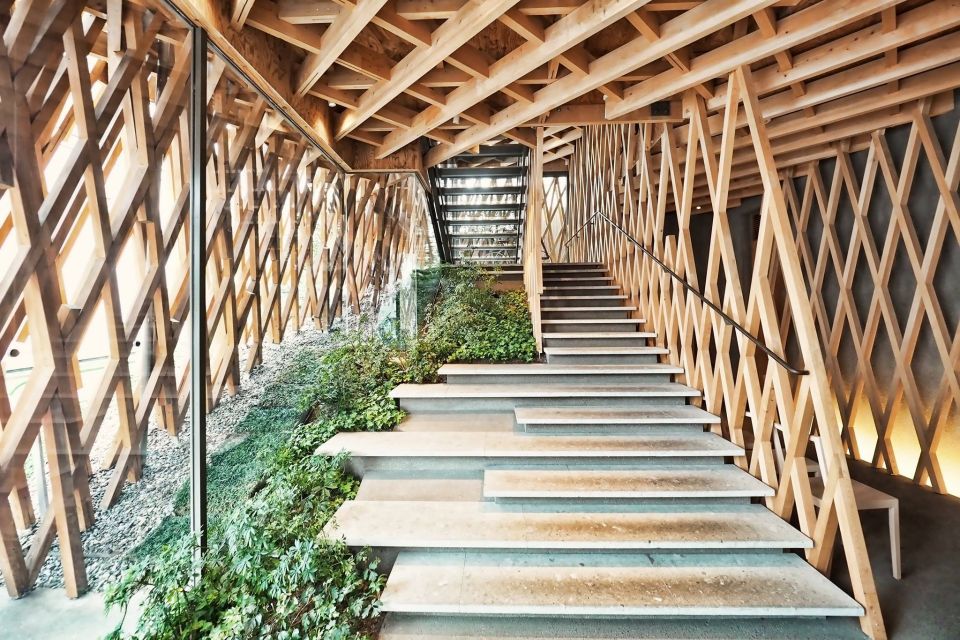
If you can choose your time slot, take the tour at night. The tour specifically calls out that night is when you can appreciate the same architecture from a different perspective.
Street lighting tends to flatten bright daytime detail and emphasize shape, edges, and contrast. That’s helpful here because Omotesando architecture includes lots of surfaces and forms where shadow and illumination make the design language more readable.
Also, night makes the experience feel more cinematic. You’re still walking through a real neighborhood—just with a different mood—so the buildings don’t just look attractive. They look intentional.

Guide quality: what makes the explanations click
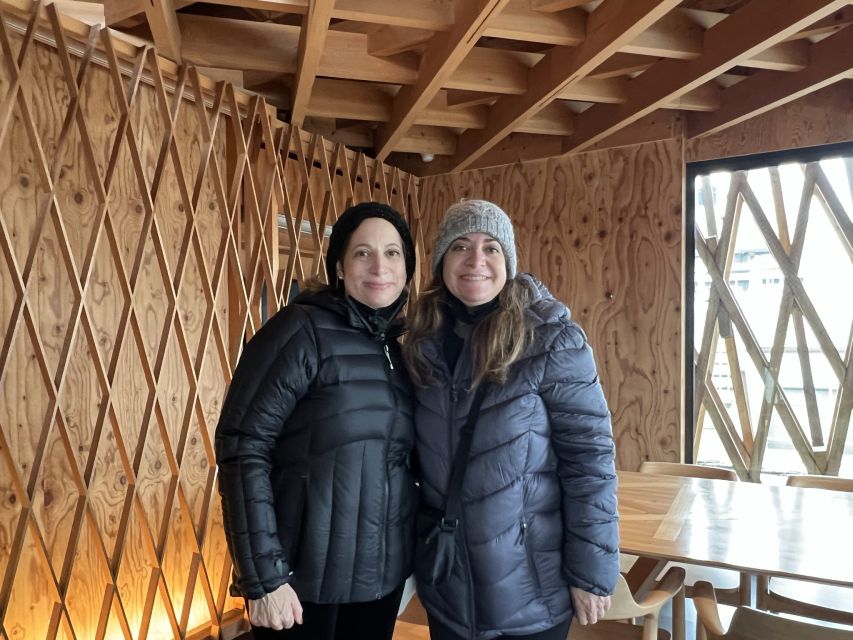
The tour runs with a licensed English-speaking guide, and the guide quality shows up in how the experience is described. Some guides have serious design credentials and can answer follow-up questions without turning the walk into a lecture.
For instance, Taka has been described as a retired urban planner who graduated from MIT and can connect Tokyo architecture to major global design context. Other guides mentioned include Mrs. Sakai Mari, Fuki, Yoshi, and Hal, each praised for passion and clarity.
You’ll also notice a practical difference in how guided this feels: you’re not stuck on a rigid script. One solo traveler experience notes that the tour can be catered to what you want to see, and that answers came quickly and naturally.
That flexibility is a big value-add if you have specific architecture interests, even if you’re not an architecture expert. You can ask about what you’re seeing and get something more than a one-line label.
Break time and the right pacing for a 210-minute walk
You get a scheduled break time with drinks. This matters more than it sounds because architecture walking can turn into nonstop looking. The break keeps your attention sharp for the next stretch—especially when you’re hopping between dramatic facades and quieter side lanes.
Bring comfortable shoes. That’s the one hard requirement, and it’s worth treating seriously. The tour is wheelchair accessible, but like many Tokyo city walks, you’ll still be on sidewalks and moving continuously for a little over three hours.
If you’re pairing this with other activities the same day, keep it as a centerpiece. It’s long enough to absorb, and short enough that you won’t feel like you sacrificed your whole schedule.
Price and value: $129 for a private design-focused walk
At $129 per person for about 210 minutes, this is priced like a true guided experience, not a budget walking tour. The value comes from three practical factors.
First, you get a licensed English-speaking guide. Second, you’re getting interpretation tied directly to specific buildings and streets, including major brand architecture and contemporary works like The Iceberg. Third, you get structured time for photos and a break, so you’re not left managing your energy and timing on your own.
Self-guided walking in Omotesando is doable, but you’d likely miss the “why this street works” layer and the architectural context that helps you recognize what you’re seeing. This tour is built for people who want more than pretty storefronts.
And because it’s a private group, it’s easier to match your pace and interests. If your travel style is “ask questions, take notes with my feet,” this is a good fit.
Who this tour suits best (and who might want something else)
This tour is a great match if you enjoy architecture, street design, and photo walks where the guide helps you see patterns. It’s also a solid choice if you’re the kind of person who likes comparing neighborhoods—because the tour explicitly addresses what’s different here versus shopping districts like Ginza.
You’ll also enjoy it more if you like contrast: sleek Omotesando main streets, then a turn into backstreet life. That structure keeps the walk from becoming repetitive.
If you’re only looking for general shopping time and don’t care about architecture explanations, you might find the focus too specific. But if you’re after the design story behind the area, this tour is tuned for that exact goal.
Practical tips before you go
- Wear comfortable shoes. You’ll be walking continuously for 210 minutes.
- If photography matters, go into it expecting to stop often for angles and details—this tour is built around photo opportunities.
- Consider choosing a night slot if your schedule allows. The tour is explicit that nighttime gives a different perspective on the same architecture.
- Plan meals outside the tour. Meals aren’t included, so you won’t have to worry about food timing taking over the itinerary.
Should you book the Private Harajuku Omotesando Architecture Tour?
If you want Omotesando to make sense—why it attracts designer stores and architects, how it differs from other shopping zones, and what to actually look for—this is an easy yes. The structure covers major buildings you’ve probably been curious about, and the night option adds a second way to see the area without changing your itinerary.
Book it especially if you’re traveling with someone who likes design, or if you want a guided walkthrough that turns a street walk into an architecture lesson. I’d pass only if you’re mostly after shopping time and don’t want to spend 3+ hours on foot with a design-focused focus.
FAQ
How long is the Private Harajuku Omotesando Architecture Tour?
The tour lasts 210 minutes (about 3.5 hours).
Where do I meet the tour guide?
Meet in front of the cafe called CAFÉ Mori no Terrace at the large open space where Meiji Shrine’s big wooden entrance gate stands. Address: 1 Yoyogikamizonocho, Shibuya City, Tokyo 151-0052, Japan.
Is transportation to and from Harajuku Omotesando included?
No. Transportation fee to/from Harajuku Omotesando area is not included.
What’s included in the tour price?
The tour includes a licensed English-speaking tour guide and break time with drinks.
Are meals included?
No. Meals are not included.
Is the tour wheelchair accessible?
Yes. The tour is listed as wheelchair accessible.