REVIEW · TOKYO
Tokyo: Guided Exploration with a Private Driver
Book on GetYourGuide →Operated by YUMI TOURS(SMC-PRIVATE)LIMITED · Bookable on GetYourGuide
Tokyo can feel like a maze on day one. This private 10-hour drive-and-walk tour stitches together the landmarks you’re supposed to see, plus a few slower moments for photos and shopping. You get hotel pickup/drop-off and a route designed to cut down on train transfers, so you can focus on what matters.
I especially like the mix of big icons and quieter cultural stops: Meiji Shrine for a calm reset, then Shibuya Crossing for the energy spike. I also like that you’re not stuck alone—an English-speaking driver keeps you moving, helps with directions, and handles the car logistics in one go.
One possible drawback: you’ll pay for entrance fees yourself, and the day is only as good as the communication with your driver. In at least one case, timing and English clarity were an issue, so I’d confirm key plans right before you leave the hotel.
In This Review
- Key takeaways
- Why a private 10-hour Tokyo driver beats winging it
- Getting picked up in Hakone or Tokyo, and how the day starts
- Tokyo Skytree orientation: photos, height, and first-day momentum
- Meiji Shrine: the calm reset before Shibuya’s chaos
- Shibuya Crossing and the quick street-level reality check
- Ueno Park photo stop: a pause that keeps the day from overheating
- Tsukiji Outer Market: lunch that doesn’t require a map degree
- Midday sightseeing block: your chance to connect neighborhoods
- Tokyo Tower plus Imperial Palace: two kinds of Tokyo formality
- Tokyo National Museum: when the tour slows down (a good thing)
- Akihabara in 40 minutes: how to shop without losing the plot
- Guides and communication: why your driver can make or break the day
- Price and value for up to 6 people (plus the entrance fees reality)
- Who this Tokyo private driver tour suits best
- Should you book this Tokyo private driver tour?
- FAQ
- How long is the Tokyo private driver tour?
- What is the price for this experience?
- Where are the pickup and drop-off locations?
- Does the tour include hotel pickup and drop-off?
- Is there a guide during the tour?
- Are entrance fees included?
- What transportation is provided?
- Do I need to bring cash?
- How will the driver confirm my pickup location?
- Is cancellation possible?
Key takeaways
- Hotel pickup and drop-off make the whole day easier, especially if you’re not near major train lines
- A tight 10-hour landmark route reduces transit time between Skytree, Meiji Shrine, Shibuya, Tokyo Tower, and more
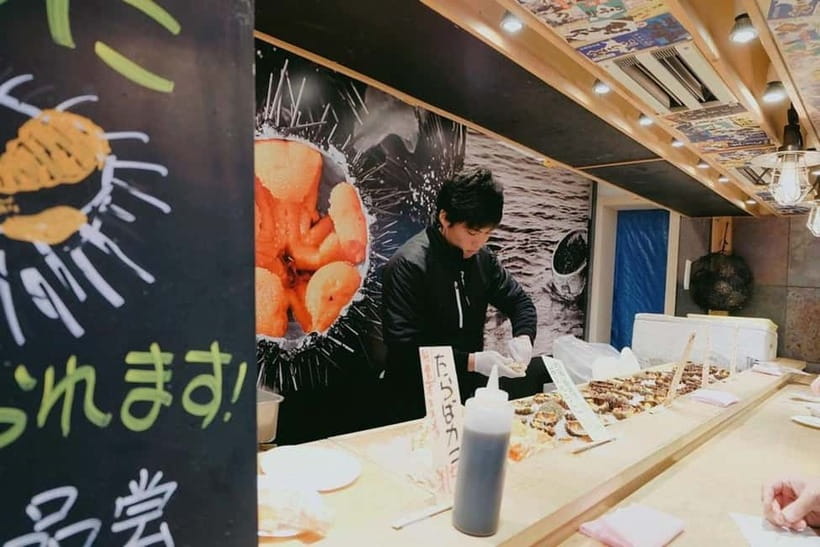
- Tsukiji Outer Market lunch time gives you a chance to eat on your feet without planning the logistics yourself
- English, Hindi, and Japanese support is available through the live driver/guide
- Bring cash for on-the-ground purchases, since the tour notes cash as a requirement
Why a private 10-hour Tokyo driver beats winging it
Tokyo is amazing, but it can also be exhausting when you’re bouncing between areas with luggage, changing train routes, and last-minute decisions. This is built for you if you want a planned day without being locked into a group bus schedule.
With a private vehicle and hotel pickup/drop-off included, you trade subway navigation for sit-back time. You’re paying for convenience, yes—but also for reduced friction. When you have only one day (or only a few hours of daylight), that friction matters.
This tour also focuses on the kind of places that make sense in a car-and-walk format: big photo stops (Tokyo Skytree, Tokyo Tower), temple grounds (Meiji Shrine), street-level city scenes (Shibuya Crossing), and a museum that works well with guided pacing (Tokyo National Museum). You’ll still walk, but you won’t lose half your day figuring out how to get from one district to the next.
You can also read our reviews of more guided tours in Tokyo


Getting picked up in Hakone or Tokyo, and how the day starts
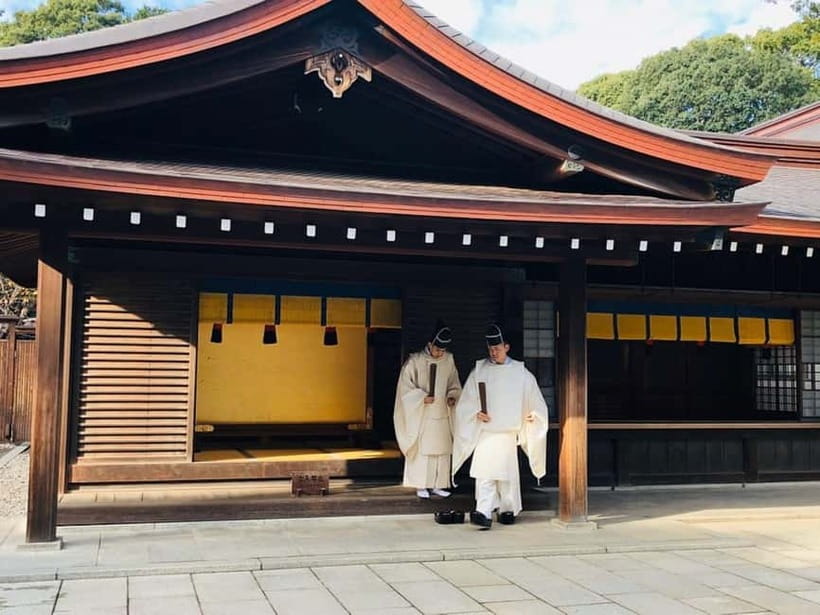
Pickup is offered from Hakone or Tokyo, with drop-off back in those areas. The driver contacts you before pickup via WhatsApp, text message, or phone call, and you should wait outside your hotel for pick-up.
That process sounds simple, but it’s worth treating as important. One review described a guide who changed the time earlier without proper contact to the booking person. So here’s my practical tip: save the driver’s message method, and if the pickup is for someone else (family plans, separate hotel bookings), make sure the correct person is reachable.
Also note that the tour is structured around a 10-hour window. That means your day will feel more efficient than a DIY checklist—but it also means you’ll want to go in with a realistic mindset: yes, you can request preferences, but the route is already built as a coherent loop.
And if you’re using a wheelchair, the vehicle/tour is listed as wheelchair accessible, which is a real factor when you’re choosing private transportation in Tokyo.
Tokyo Skytree orientation: photos, height, and first-day momentum
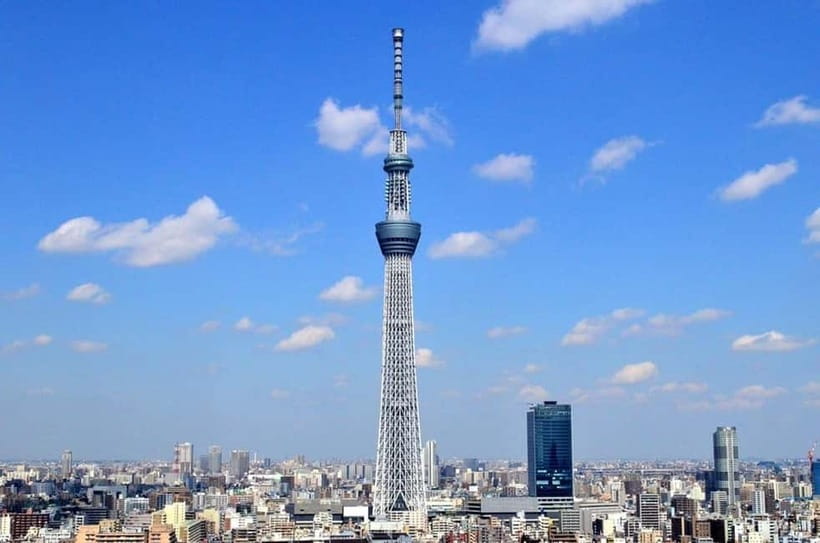
Your day starts by getting you moving quickly, then you hit Tokyo Skytree for about an hour (including a photo stop). Skytree is one of those landmarks that helps you visually connect distances in your head. Seeing it from ground level, and getting that first “this is where everything spreads out” feeling, makes later stops easier to understand.
The best way to use your Skytree time is to think of it as an orientation layer, not a full deep-dive. Even if you only get photos and a bit of walking, you’re setting your bearings for the rest of the day—especially when you’re headed into areas that can feel chaotic from the first street corner.
Possible consideration: the tour includes no entrance fees, so if you plan to go inside any observation areas, you’ll need to budget that separately. Build your choices around that, and you won’t get stuck doing math at the gate.
Meiji Shrine: the calm reset before Shibuya’s chaos
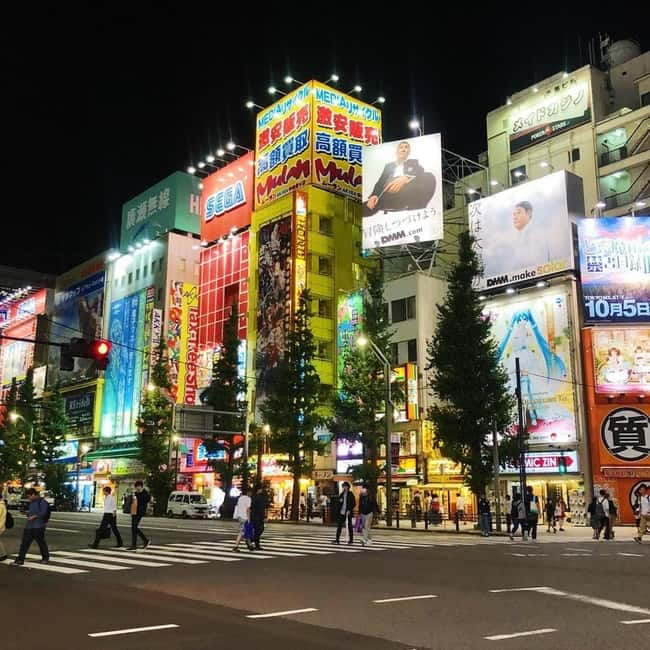
Next up is Meiji Shrine, with about an hour set aside for guided tour and sightseeing. This stop is valuable because it changes the pace. Tokyo is loud; the shrine grounds give your mind a breather.
Meiji Shrine is dedicated to Emperor Meiji, and the experience is less about “tourist spectacle” and more about space, ritual, and atmosphere. It’s the kind of place where you slow down naturally—so even with a timed tour, you’ll feel like you got something real, not just a quick photo.
One practical tip: if you’re the type who wants a particular shot, aim for it early. The tour schedule is efficient, and crowds can build as the day goes on. Use the guided time to ask questions about what you’re seeing, especially if the guide explains the shrine’s meaning and the Shinto setting.
Shibuya Crossing and the quick street-level reality check
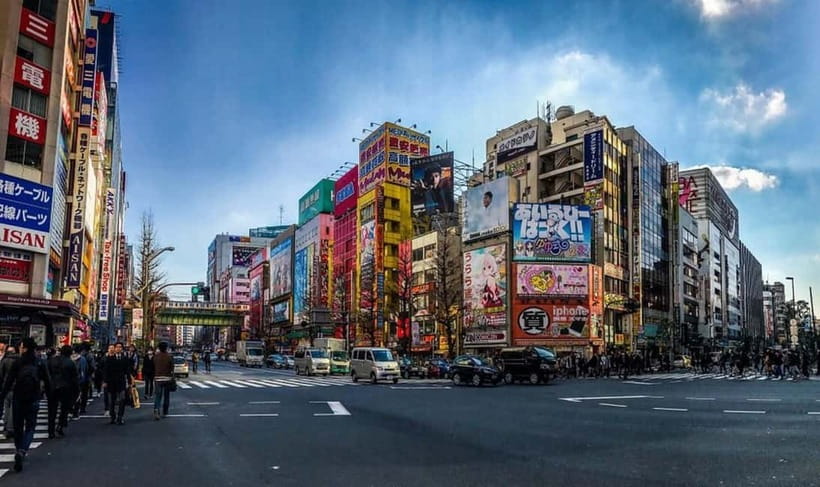
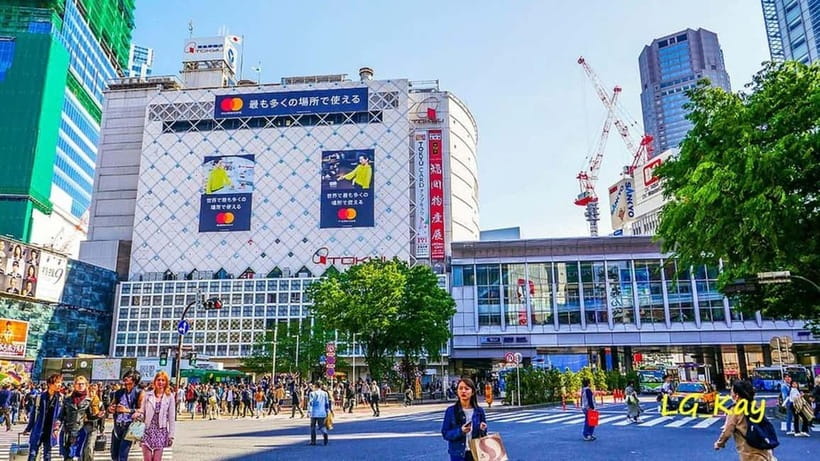
After Meiji, you move to Shibuya Crossing, with about 30 minutes for sightseeing and walking. This is the classic Tokyo moment: crossing streams, bright signage, and a neighborhood that’s all motion.
This is exactly where having a driver matters. Shibuya can be a navigational puzzle. You want to arrive, get your bearings, and then spend your energy looking—not fighting your phone map.
Is 30 minutes enough? For photos and the main crossing experience, it’s usually fine. But if you want deeper shopping time or longer wandering, keep your expectations tight. The tour gives you a snapshot, not hours of free-form exploration.
Also: Shibuya is easy to overdo. If you’re photographing, consider stepping just slightly away from the center so you’re not only stuck behind the crowd. Those side angles often look better anyway.
You can also read our reviews of more private tours in Tokyo



Ueno Park photo stop: a pause that keeps the day from overheating
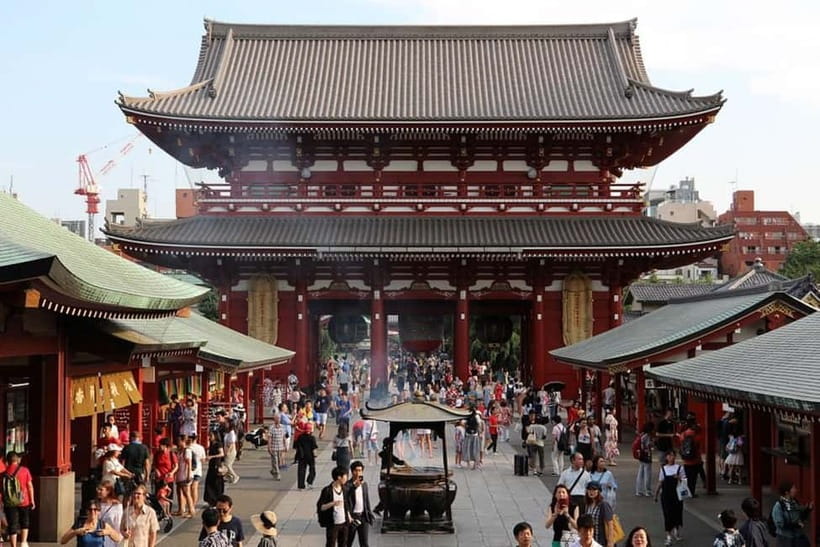
You’ll get a photo stop at Ueno Park for about 30 minutes. This is a smart “cooldown” move in a day that otherwise swings between loud city icons and major transit areas.
Ueno Park is a flexible stop—you can use it for quick views, photos, or a short walk to stretch your legs before heading toward the food and market segment. It’s not trying to be the entire park experience; it’s more about giving you a breather and a change of scenery.
The drawback to keep in mind is simple: this is time-boxed. If you’re hoping for museum-level exploring here, this tour may not be the right fit. The museum time you’ll have later is built around Tokyo National Museum instead.
Tsukiji Outer Market: lunch that doesn’t require a map degree
Then comes Tsukiji Outer Market, with about an hour for visit and sightseeing, plus lunch time. This is one of the most practical parts of the tour because food is the one area where DIY planning can easily go sideways.
Tsukiji Outer Market works well in a guided format because you can walk the lane-by-lane feel without worrying you’ll miss the key stalls. Even if you don’t know exactly what you want, you’ll see what’s fresh, what’s selling, and what locals queue for.
Budget note: entrance fees aren’t the same as food costs. The tour doesn’t list food as included, so expect to pay for your own lunch. The tour guidance also says to bring cash, which matters for small purchases in market-style environments.
This is also where a good guide earns their pay. A driver who understands pacing can keep you from getting stuck in one line too long. If your driver is like the ones described in feedback—efficient and on time—you’ll likely get more variety with less stress.
Midday sightseeing block: your chance to connect neighborhoods
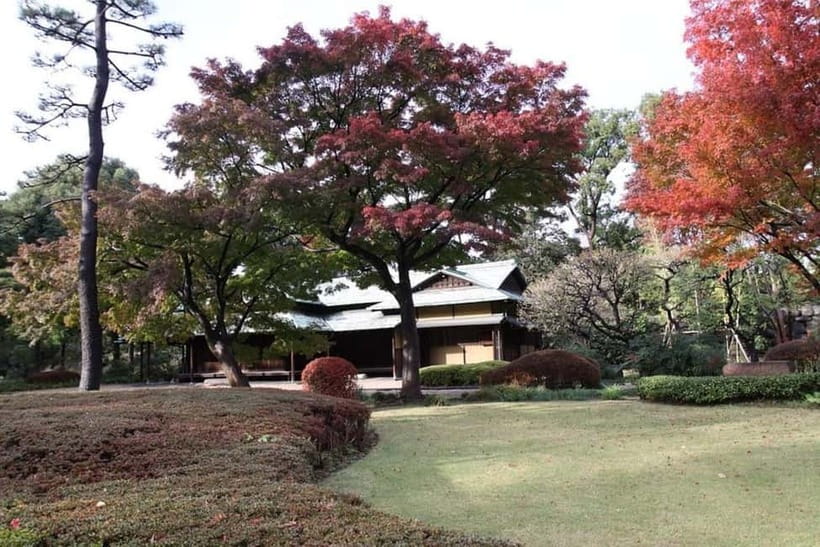
After Tsukiji, there’s another sightseeing and walk segment of about an hour. The day is designed to connect not only landmark points, but also neighborhoods that people associate with Tokyo style and culture.
The tour description specifically calls out areas such as Harajuku, Asakusa, and Daikanyama as part of the overall experience plan. Even when time is limited, weaving through different districts helps you understand Tokyo’s “feel” without forcing you to plan multiple separate transit days.
What to watch for: you may not get one neighborhood long enough for everything you hoped. Think of this as your “Tokyo mood” hour—great for window shopping, photo moments, and noticing street details you’d otherwise skip.
If you have a must-do request, this is also the time to bring it up early, not at the last minute.
Tokyo Tower plus Imperial Palace: two kinds of Tokyo formality
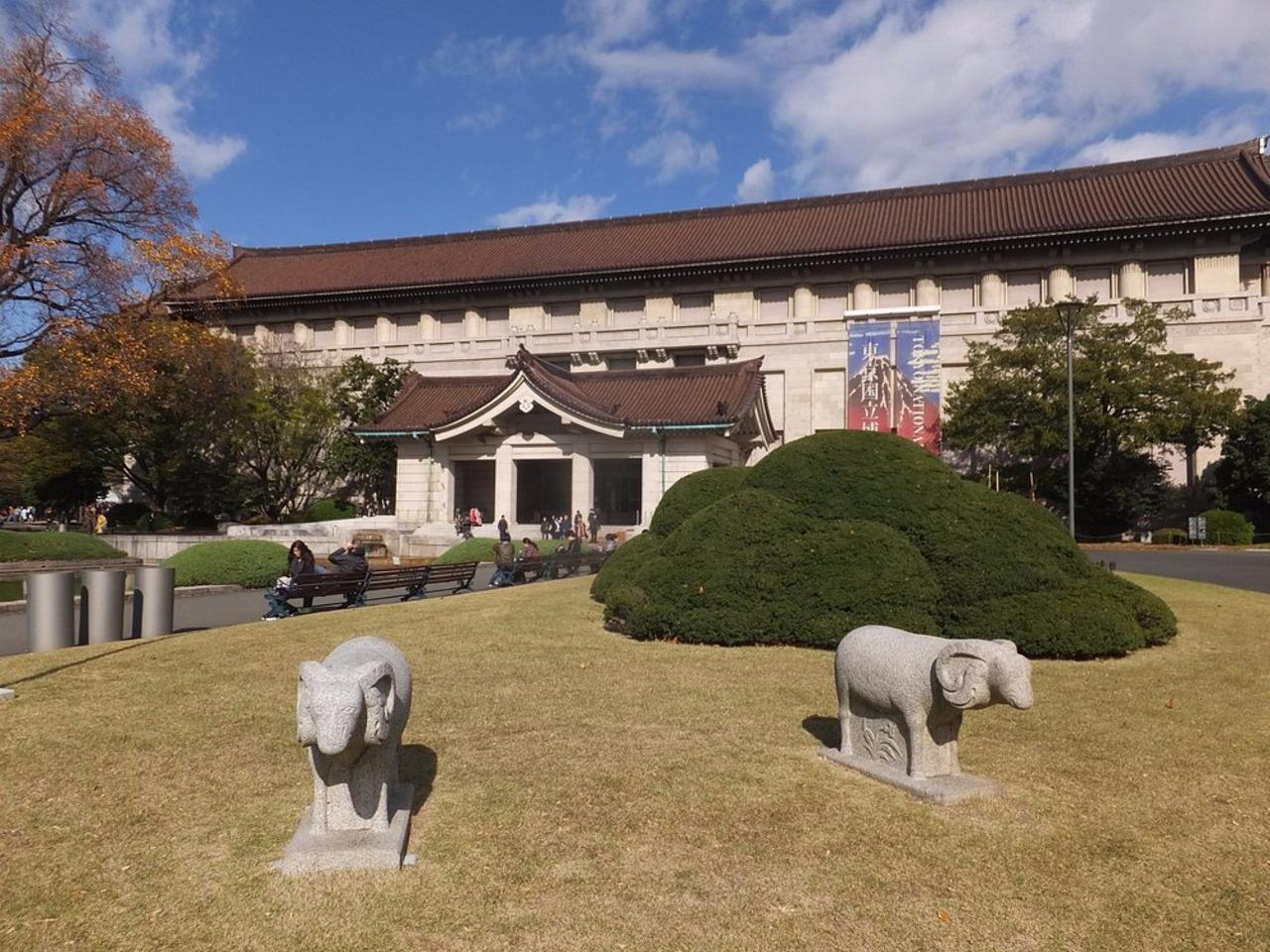
Later, you’ll visit Tokyo Tower for about 40 minutes, then spend about an hour at Tokyo Imperial Palace with guided tour and sightseeing.
Tokyo Tower is the fun, photogenic icon. Even if you don’t go inside, it anchors your understanding of the city skyline. You’ll get time to see it and move around enough to take the kind of photos you’ll actually want to look back on.
Imperial Palace brings the contrast: a more formal, reflective Tokyo. Having a guided component matters here because the grounds and context can feel confusing if you’re just following signposts. Guided pacing helps you notice what the location is communicating—history and symbolism without needing a textbook.
Possible drawback: these are big stops with expectations attached. If you’re someone who wants deep architectural facts or long museum-like pacing, the time slots may feel short. But if your goal is to hit the essentials while seeing real Tokyo neighborhoods, this pair works well.
Tokyo National Museum: when the tour slows down (a good thing)
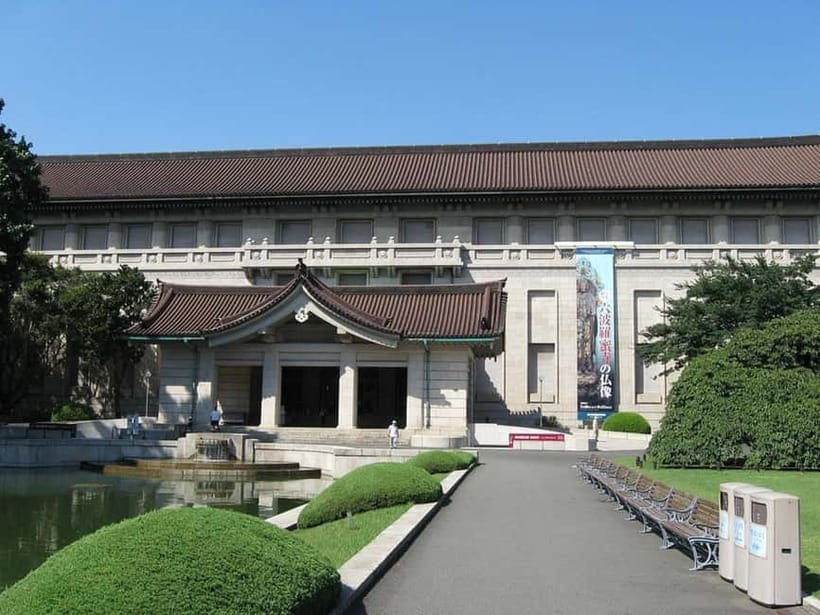
The final major culture anchor is the Tokyo National Museum, with about an hour for sightseeing and walking. This works because it’s not just another street photo stop. It’s structured for learning-by-looking, and it gives you a calmer rhythm near the end of the day.
Museums can be a gamble with time. Here, the time is limited, so you’ll likely focus on highlights rather than trying to see everything. That’s not a problem if you go in with a flexible approach: pick a few things that interest you and let the guide help you prioritize.
This tour is also designed around the idea that you’ll get at least one major museum/culture experience. The description also references other cultural options like Ghibli Museum and Hamarikyu Gardens, but your day’s exact selection will depend on scheduling and what fits into the 10-hour loop.
Akihabara in 40 minutes: how to shop without losing the plot
Then you’ll end with Akihabara for about 40 minutes, with shopping and sightseeing plus a walk. Akihabara is perfect for a timed visit because it’s visual. If you like tech, games, and pop-culture retail, you’ll feel like you’re in the right place immediately.
The trick is deciding what you’re shopping for before you arrive. If you wander without a plan, 40 minutes can vanish. If you know whether you’re chasing electronics, anime-style merchandise, or just browsing, you’ll get way more satisfaction from the time.
Also, remember the tour notes cash to bring. Even in a modern shopping district, some smaller counters or quick purchases may favor cash.
One practical note from feedback patterns: when your guide is efficient and keeps timing tight, Akihabara can feel like a bonus. When communication is weaker, you might feel rushed or unsure where to go next—so it’s worth staying engaged and asking simple questions.
Guides and communication: why your driver can make or break the day
The tour runs with an English-speaking driver/guide, and languages listed include English, Hindi, and Japanese. That’s a big plus for peace of mind, especially if you’re not fluent in Japanese.
In positive feedback, drivers named Shamas, Mo, and another guide referenced as Mo were described as efficient, on time, and helpful in getting a lot done in one day. That matters because the itinerary is packed, and good pacing can make the difference between feeling rushed and feeling satisfied.
But there’s also a cautionary side. One account described a guide who changed the time earlier and didn’t connect properly with the booking contact. Another mentioned the driver did not provide an activity someone requested. The lesson for you is simple: don’t assume every wish will fit. Confirm what you want before the day starts, and if something is not possible, ask what can be swapped.
If your group has specific needs, use the driver’s contact method to set expectations. A quick message the day-of can save you a lot of stress.
Price and value for up to 6 people (plus the entrance fees reality)
The price is $419 per group up to 6 people for a 10-hour private experience. That’s not a cheap “one person” deal, but it can be strong value for families or small groups because you’re splitting private vehicle cost.
Where it becomes cost-effective:
- If you’re 2–6 people, you’re paying per group, not per person for the car and driver time.
- If you want to avoid multiple train transfers, especially between districts that don’t line up neatly for a smooth day.
Where it’s less ideal:
- If you’re traveling solo or as a couple, the private vehicle portion is less likely to feel like a bargain compared to public transit.
- Entrance fees are not included, so if you plan to go inside major sites (observation areas, museums), add that cost up before you go. The tour will still be great for photos and guided pacing, but you’ll want a clear budget.
Also note what is included: an air-conditioned vehicle, private transportation, petrol and gas, highway tolls, and hotel pickup/drop-off. Those are the hidden costs that public transit doesn’t handle for you.
Who this Tokyo private driver tour suits best
This tour fits you well if:
- You want a single-day hits tour with famous Tokyo stops plus structured pacing
- You’d rather spend time exploring than calculating transfers
- You’re traveling with kids or a group where everyone’s pace needs to match
- You want English support and a driver who can guide you through the day’s flow
It may not be ideal if:
- You want every hour fully customizable. The route is built around major landmarks, and time-boxed stops mean trade-offs.
- You’re planning lots of paid add-ons at each site. Entrance fees are extra, so the total budget depends on what you choose to do inside.
Should you book this Tokyo private driver tour?
If you want a stress-light Tokyo day that covers Meiji Shrine, Shibuya Crossing, Tokyo Skytree, Tokyo Tower, Akihabara, Tsukiji Outer Market, Imperial Palace, and Tokyo National Museum—with hotel pickup and a driver handling transport—you should seriously consider booking.
My advice for making it worth it: message your driver before pickup, confirm the meeting time and who’s attending, and share your must-do priorities early (especially if you care about a specific cultural activity). If you do that, the best version of this tour is the one people describe: on time, efficient, and able to help you see a lot without the usual Tokyo chaos.
FAQ
How long is the Tokyo private driver tour?
The tour duration is 10 hours.
What is the price for this experience?
It costs $419 per group, up to 6 people.
Where are the pickup and drop-off locations?
Pickup and drop-off are available in Hakone and Tokyo.
Does the tour include hotel pickup and drop-off?
Yes. Hotel pickup and drop-off are included, and the driver will contact you before pickup.
Is there a guide during the tour?
Yes, it includes a live guide/driver and listed languages are English, Hindi, and Japanese.
Are entrance fees included?
No. Entrance fees are not included.
What transportation is provided?
You’ll have an air-conditioned vehicle with private transportation, petrol and gas, and highway tolls included.
Do I need to bring cash?
Yes. The tour information specifically says to bring cash.
How will the driver confirm my pickup location?
Prior to pickup, the driver contacts you via WhatsApp, text message, or phone call, and you should wait outside your hotel.
Is cancellation possible?
Yes. Free cancellation is available up to 24 hours in advance for a full refund.
![[Self-Drive] Tokyo & Daikoku Custom Car Driving Tour - The all-important paperwork and age rules (don’t skip this)](https://b.tokyosights.com/wp-content/uploads/self-drive-tokyo-daikoku-custom-car-driving-tour-400x400.jpg)