REVIEW · TOKYO
Tokyo: Tsukiji Market and Hama-rikyu Gardens Guided Tour
Book on GetYourGuide →Operated by Reelu inc · Bookable on GetYourGuide
A morning with seafood chaos and quiet calm. That mix is the whole point of this Tsukiji and Hama-rikyu guided walk, sliding you from a historic wholesale market into a serene Edo-period garden. I especially like how the guide frames what you’re seeing at Tsukiji Hongwanji Temple before you hit the food stalls, so the day starts with context instead of just crowds.
My favorite part is the market time: you get a structured walk plus free time to snack your way through favorites like grilled scallops, tamagoyaki, sushi, wagyu skewers, and matcha sweets. I also love the payoff at Hama-rikyu, where the paths and ponds feel peaceful and then you glance up and see the Tokyo skyline.
One thing to consider: this is a lot of walking on foot, and the tour info flags that it may not be suitable for people with mobility impairments or wheelchair users. If that’s you, double-check fit before booking and plan for slower movement.
In This Review
- Key highlights you’ll actually care about
- Tsukiji Outer Market on a guided route (without losing your appetite)
- Tsukiji Hongwanji Temple: the calm start that changes how you see the market
- Tsukiji Outer Market snacks: what you can eat, and how to choose smart
- The short walk break: letting your feet catch up
- Hama-rikyū Gardens: Edo-period pond views with a Tokyo skyline backdrop
- Optional matcha and wagashi tasting: when it’s worth the extra yen
- How long is this, and how much walking does it really mean?
- Price and value: why $31 makes sense for this mix
- Practical tips that make this tour smoother
- Who should book this Tsukiji and Hama-rikyu guided walk
- Should you book it? My honest take
- FAQ
- Where do I meet the guide?
- How long is the tour?
- What’s included in the price?
- Are meals included?
- Can I buy food at the Tsukiji Market stalls?
- Is the matcha and wagashi tasting included?
- Is this tour wheelchair accessible?
Key highlights you’ll actually care about
- Tsukiji Hongwanji Temple first, so the day has a calm, spiritual warm-up before the food sprint
- Market counts you can picture: about 480 seafood types and 270 produce types handled through the wholesale system
- Smart snack pacing: guided time for orientation, then free time to buy what looks good
- Edo-period garden at Hama-rikyu, over 370 years old, built for strolling and pond views
- Optional matcha and wagashi tasting in the garden area for about 1,000 yen, with etiquette tips
- Simple start and finish: meet in front of Starbucks near Tsukiji Station, end at Hama-rikyu
Tsukiji Outer Market on a guided route (without losing your appetite)

Tsukiji’s name alone gets people excited, but what makes this experience work is the way it’s timed. You don’t just get dropped in the maze. You start with a short guided stop at Tsukiji Hongwanji Temple to set the mood, then you move into the Outer Market with a clear sense of what’s where and what you’re looking at.
The market is the heart of this portion. It’s a central wholesale market with 83 years of history, and it handles staggering variety—roughly 480 seafood types and 270 produce types. Even if you’re not trying to memorize items, that scale helps you understand why the whole area feels like a working engine, not a theme park.
A practical note: the market section includes guided time plus shopping/free time. That means you’ll get direction up front, then you’re free to choose your own pace and snack choices afterward. If you love food but hate being rushed, this balance is a win.
You can also read our reviews of more guided tours in Tokyo

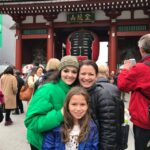

Tsukiji Hongwanji Temple: the calm start that changes how you see the market
The tour begins at Starbucks Tsukiji Station front, and your first stop is Tsukiji Hongan-ji for a guided visit of about 15 minutes. It’s short, but it matters. Temples in Tokyo can feel like a reset button, and starting here helps you shift gears from street motion to mindful looking.
Tsukiji Hongwanji is known for unique architecture and a serene atmosphere. You’ll have a chance to spend a peaceful moment there, and your guide can give you context so you’re not just walking through pretty buildings.
Why I like this order: it makes the market feel more meaningful. Instead of jumping straight to eating, you understand that food culture and daily life in Japan include spiritual spaces too. That contrast is part of what you’ll carry into Hama-rikyu later.
Tsukiji Outer Market snacks: what you can eat, and how to choose smart
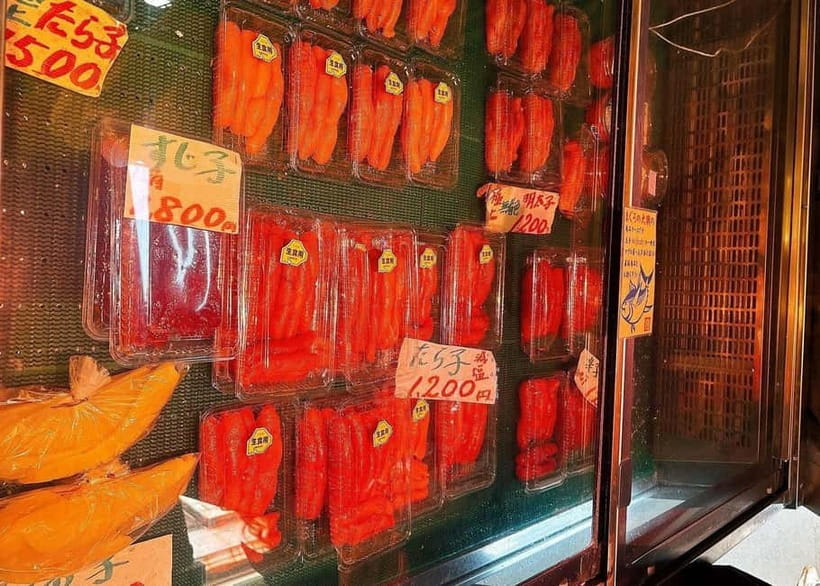
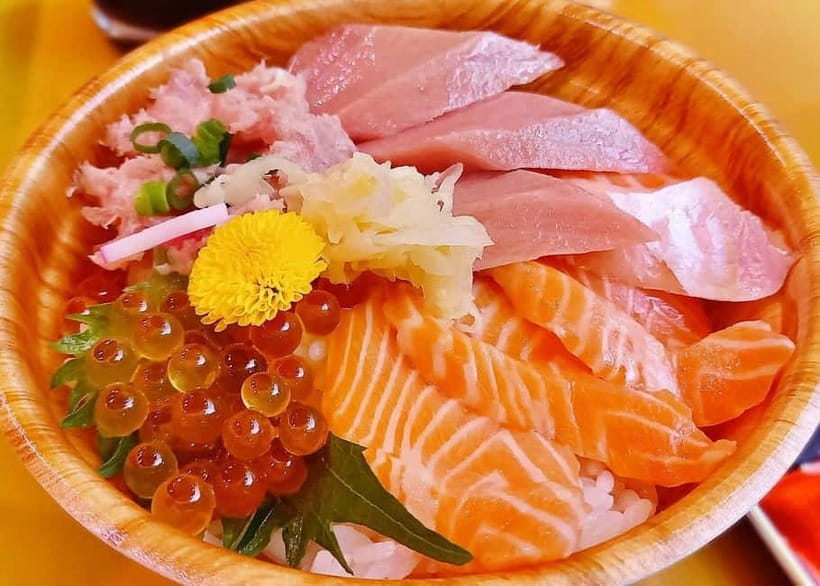
After the temple, you head into the Tsukiji Outer Market. This part is guided, then you’ll get free time and shopping for about 45 minutes. That guided walk helps you get your bearings fast—what to look for, where stall clusters tend to be, and how to spot the items you’ll actually want to buy.
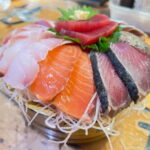
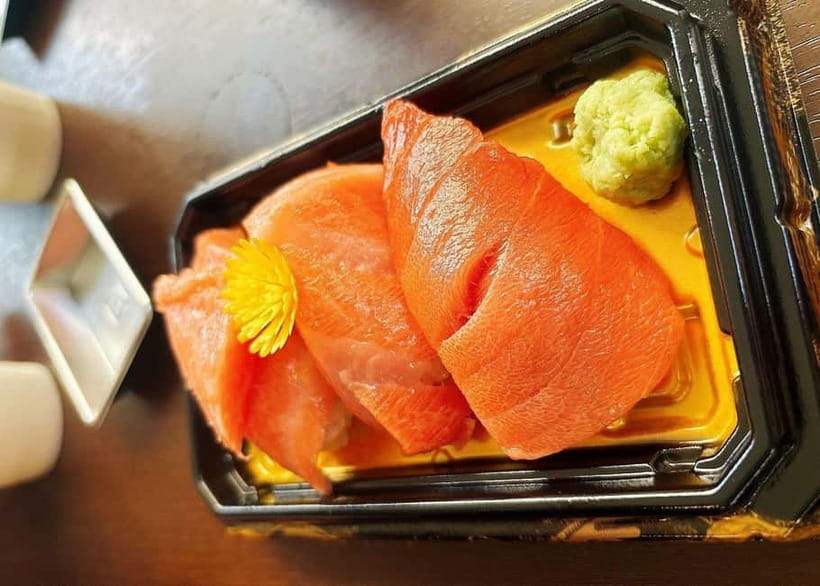
In the market, you can sample grilled scallops, tamagoyaki (Japanese omelette), sushi, wagyu skewers, and matcha sweets. The key word is sample. You’ll be tempted to buy everything, but you’ll have better results if you think of your snack plan as a few small stops rather than one giant meal.
Here’s my practical approach for the 45-minute window:
- Pick one savory hot item (something grilled or seared).
- Pick one egg/noodle/bite item like tamagoyaki if you see it moving quickly.
- Save a small sweet or matcha treat for the end, when you’re already satisfied and just want something nice.
Also, remember that foods from stall holders are not included. You pay on-site for whatever you choose. That keeps the tour flexible, but it also means you should budget a bit extra beyond the tour price.
The short walk break: letting your feet catch up
There’s about 15 minutes on foot between the market area and Hama-rikyu Gardens. This is good pacing. It’s long enough to get you from one scene to the next, but not so long that you burn your energy before the big garden stop.
Bring water and wear comfortable shoes. You’ll move at city pace, and you’ll likely spend time standing, queuing, and walking between stalls and garden viewpoints.
Hama-rikyū Gardens: Edo-period pond views with a Tokyo skyline backdrop
Now for the payoff. The Hama-rikyu portion includes a guided tour plus about 1 hour of free time inside the gardens. This is where the day flips. You go from food alley buzz to paths, ponds, and slow strolling.
Hama-rikyu is a landscape garden created during the Edo period over 370 years ago. Depending on the season, you’ll see flowers in bloom. The seasonality matters because it changes the mood: spring tends to feel lively, while other months can be calmer and more focused on pond and path views.
The best part is the built-in contrast. You experience tranquility in the garden, and then—depending on where you look—you get a glimpse of the Tokyo skyline. That moment of seeing modern towers beyond carefully designed grounds is one of those Tokyo lessons: history and present-day life share the same frame.
If you like slow sightseeing, you’ll use your free time well. If you prefer lots of photos, this is also a strong stop because the garden gives you different sightlines without needing extra travel.
You can also read our reviews of more shopping tours in Tokyo



Optional matcha and wagashi tasting: when it’s worth the extra yen
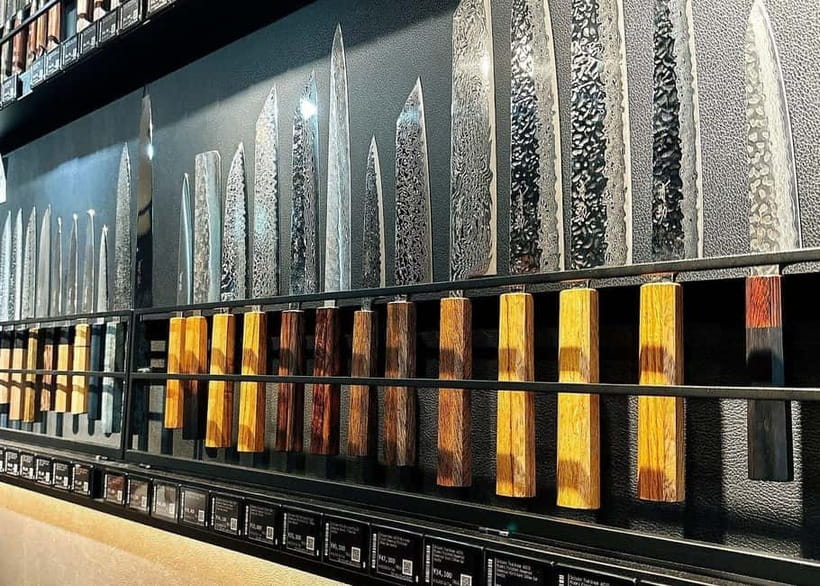
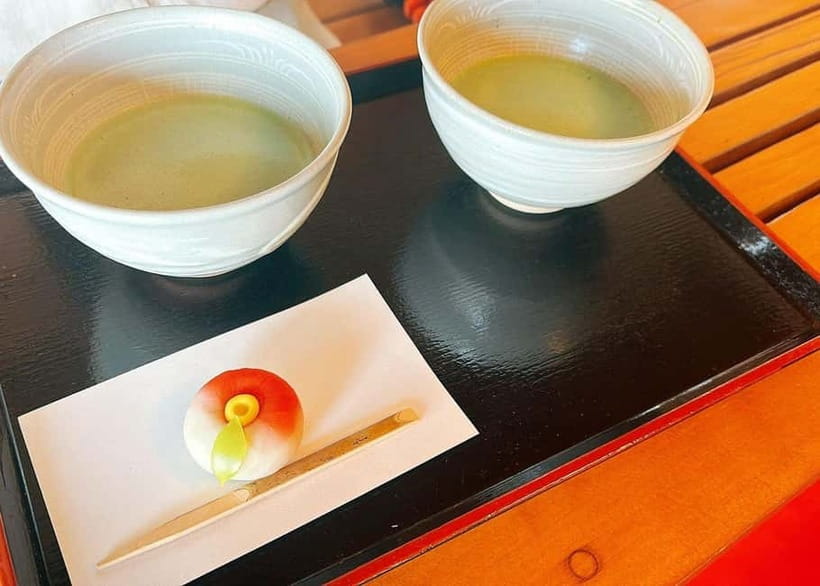
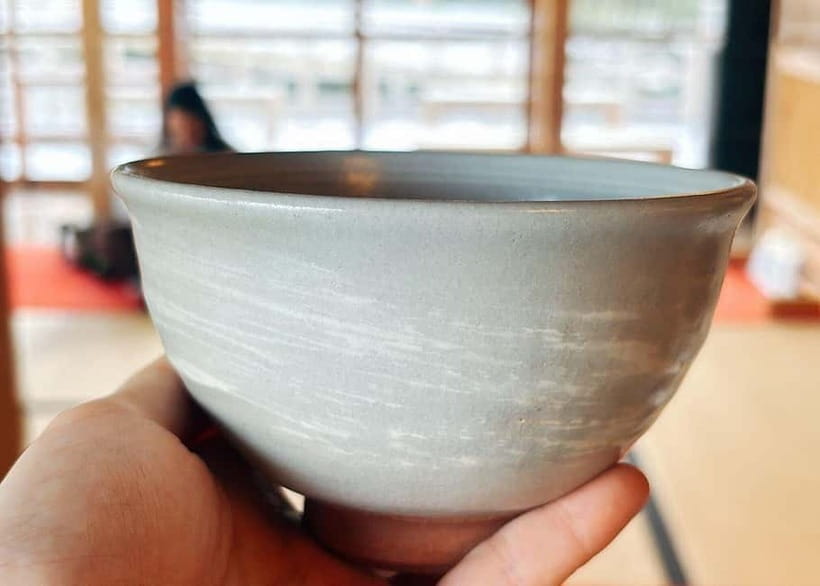
In the garden area, there’s an optional matcha and wagashi tasting. It’s priced at about 1,000 yen, payable on-site. The tour info also notes you can learn Japanese etiquette while doing this tasting.
So should you add it? If you like small guided cultural moments, it’s worth considering. It’s not a full meal, and it won’t replace the market snacks. But it does give you a structured way to slow down at the exact moment you’re most likely to feel the garden atmosphere.
If you’re already matcha’d out from the market (totally possible), you can skip it and just enjoy the gardens at your own pace. The best part is you get to choose.
How long is this, and how much walking does it really mean?
The total duration is 150 minutes to 3 hours. That range gives you a realistic sense of what to expect: this isn’t a long day tour. It’s built like a focused city experience.
Even so, it’s still a walking tour. You’ll do:
- A guided stop at Tsukiji Hongwanji (about 15 minutes)
- Guided Outer Market time plus around 45 minutes of free time
- About 15 minutes walking to Hama-rikyu
- Guided garden tour plus around 1 hour of free time
That adds up quickly once you factor in standing time at stalls, taking photos, and moving between areas. If you’re used to strolling in cities, you’ll be fine. If you’re not, plan for slower movement and don’t try to cram another activity right after.
Price and value: why $31 makes sense for this mix
At $31 per person, the value comes from three things you’re not paying for separately in the tour price:
- A live local guide for both key stops
- Hama-rikyu admission
- Guided orientation in both the temple and market areas
Meals aren’t included, and stall foods are extra. But for a tour that covers two major cultural zones—temple + wholesale market + major garden—that price can feel fair, especially when admission is already included for Hama-rikyu.
Think of it like this: if you were to self-plan, you’d spend time figuring out where to go and you’d likely still want a way to understand what you’re seeing. Here, you’re paying for that translation layer. It’s most helpful at Tsukiji, where the layout and food culture can be confusing if you’re only reading signs.
Practical tips that make this tour smoother
A few small things make a noticeable difference:
- Comfortable shoes are non-negotiable. You’ll walk more than you think between stalls and viewpoints.
- Camera helps because both Tsukiji and Hama-rikyu give you different textures and photo angles.
- Water is a good idea, especially if you snack frequently.
- No smoking is part of the rules, like most Tokyo public spaces.
Also, plan your expectations: this tour is designed as a guided taste-and-stroll. It’s not about formal dining or long museum-style explanations.
Who should book this Tsukiji and Hama-rikyu guided walk
This is a strong fit if you:
- Want food culture with structure, not just aimless wandering
- Like contrasts—temple calm, market energy, then garden peace
- Prefer a short, efficient outing that still feels like you did something significant
You might skip it if you need a very low-walking day or have mobility concerns. The info you provided includes flags about not being suitable for people with mobility impairments or wheelchair users, even though it also lists wheelchair accessibility—so if that applies to you, confirm compatibility with the operator before you commit.
Should you book it? My honest take
Book it if you want a compact Tokyo experience that connects food, culture, and scenery. The best reason: the guided pacing. You get orientation at Tsukiji, a calm temple start, and a garden finish with that Tokyo skyline contrast. At $31 with Hama-rikyu admission included, it’s priced for value, and the optional matcha tasting lets you add a cultural stop only if you want it.
Skip or research more if you’re sensitive to walking or you need guaranteed accessibility support. Otherwise, this one’s an easy “yes” for anyone who likes eating, strolling, and seeing Tokyo from two very different angles in a single morning.
FAQ
Where do I meet the guide?
Meet your guide in front of Starbucks Tsukiji Station front.
How long is the tour?
The tour runs about 150 minutes to 3 hours.
What’s included in the price?
The price includes a local guide and admission to Hama-rikyu Gardens.
Are meals included?
No. Meals are not included, and food from stall holders is also not included.
Can I buy food at the Tsukiji Market stalls?
Yes. You can sample foods like grilled scallops, tamagoyaki, sushi, wagyu skewers, and matcha sweets, but you pay on-site for what you choose.
Is the matcha and wagashi tasting included?
It’s optional. The tasting costs about 1,000 yen, payable on-site.
Is this tour wheelchair accessible?
The information says wheelchair accessible, but it also notes it is not suitable for wheelchair users or people with mobility impairments. If accessibility matters for you, confirm details with the operator before booking.