REVIEW · TOKYO
Tokyo: Guided Walking Tour of Tsukiji Market with Breakfast
Book on GetYourGuide →Operated by True Japan Tour · Bookable on GetYourGuide
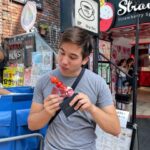
Breakfast meets wholesale fish reality. Starting at Tsukiji Hongwanji Temple, this guided walk turns a famous market into a real-life lesson in what Japanese people eat first thing. You’ll head into Tsukiji Outer Market with a small group and sample everything from skewers to tea, with just enough structure to make sense of the chaos.
I especially love the way the tour connects food to culture. The temple stop isn’t just a photo op; it’s a quick window into how Japanese faith and cuisine share the same mindset. I also like the hands-on tasting mix, including items like Japanese-style omelette, tuna sandwiches, wagyu beef, and dashi stock that you’d probably miss if you were wandering alone.
One thing to watch: this is a true breakfast tasting route, so you’ll eat a lot and keep moving. If you’re picky or have food limits, tell your guide early so they can adjust on the fly.
In This Review
- Key things to know before you go
- Tsukiji Hongwanji Temple: The breakfast meet-and-greet with meaning
- Tsukiji Outer Market: Watching the wholesale machine in real time
- The 7 tastings: What you eat, why it matters, and how it builds your morning
- How the guide experience really helps: lines, translation, and swaps
- Temple-to-market timing: why 150 minutes feels just right
- Meeting point and how to get there without stress
- Price and value: is $85 fair for Tokyo breakfast?
- Who should book this Tsukiji breakfast walk
- Should you book? My quick decision guide
- FAQ
- How long is the Tsukiji Market guided walking tour with breakfast?
- Where do I meet the tour guide?
- How do I get to the meeting point from Tsukiji Station?
- What’s included in the breakfast tastings?
- Is the tour offered in English, and how big is the group?
- Can I cancel for free?
Key things to know before you go
- Temple exterior start sets the tone, then you walk straight into market life.
- 7 planned tastings cover seafood, meat, egg, sandwiches, fish paste skewers, tea, and dashi.
- Outer Market perspective gives you a front-row view of wholesalers and how stalls work.
- Small group size (10 max) helps you get attention and translation when lines get long.
- Food customization happens when you flag what you do or don’t want to try.
- 150 minutes is tight but fair—you finish while there’s still plenty to explore on your own.
Tsukiji Hongwanji Temple: The breakfast meet-and-greet with meaning
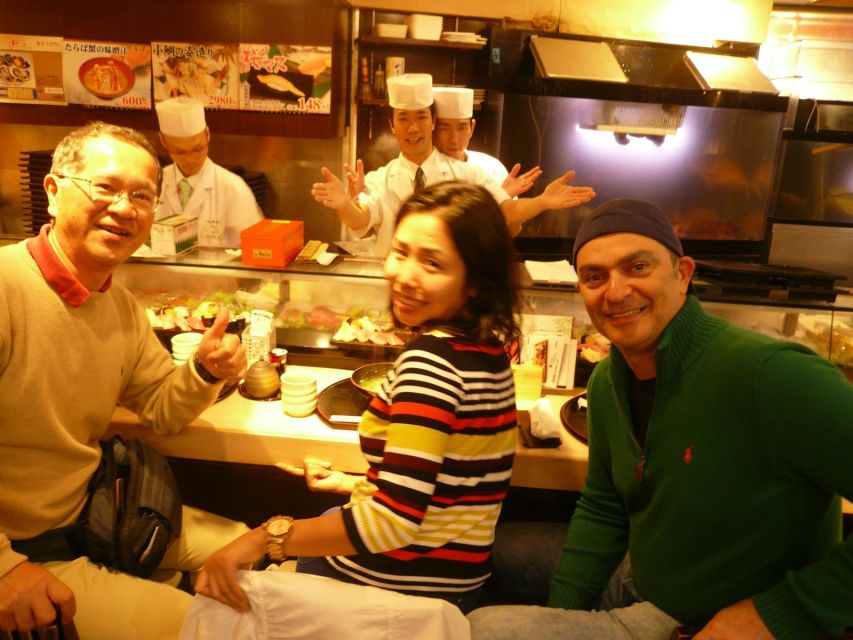
Most Tokyo food tours start cold. This one begins warm, at the entrance area of Tsukiji Hongwanji Temple. You’ll look at the exterior architecture and get context for how Buddhist-inspired design elements link to Japanese food culture and everyday rituals.
Think of this as a mental warm-up. Before you see fish sellers and steaming kitchens, you learn to notice patterns: respect, routine, and the idea that food is part of something bigger than taste alone. It makes the market feel less like a spectacle and more like a working community.
If you’re the kind of person who likes understanding what you’re seeing, you’ll appreciate the cultural framing here. And if you’re not, don’t worry. You still get great walking momentum into the market right after.
You can also read our reviews of more walking tours in Tokyo
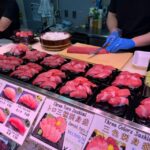
Tsukiji Outer Market: Watching the wholesale machine in real time
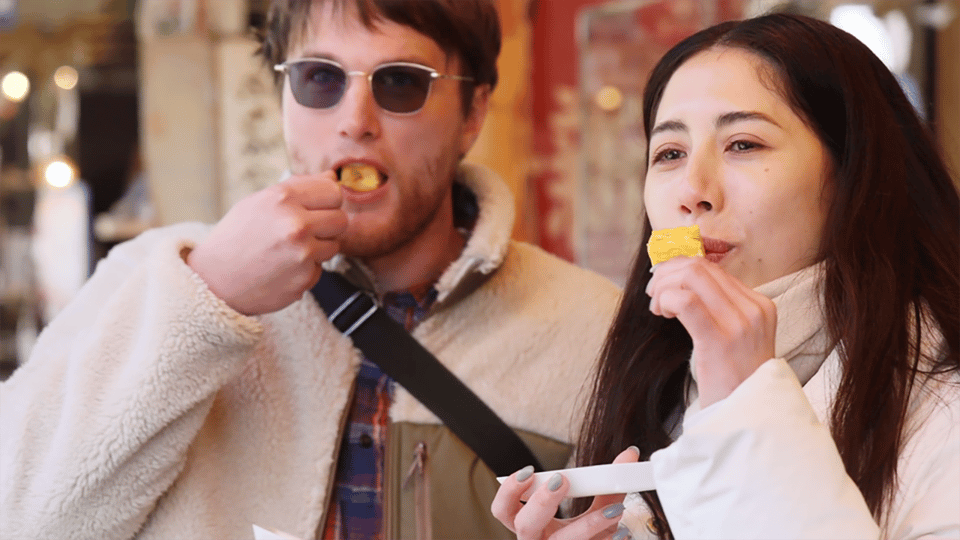
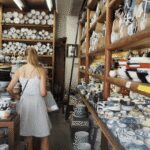
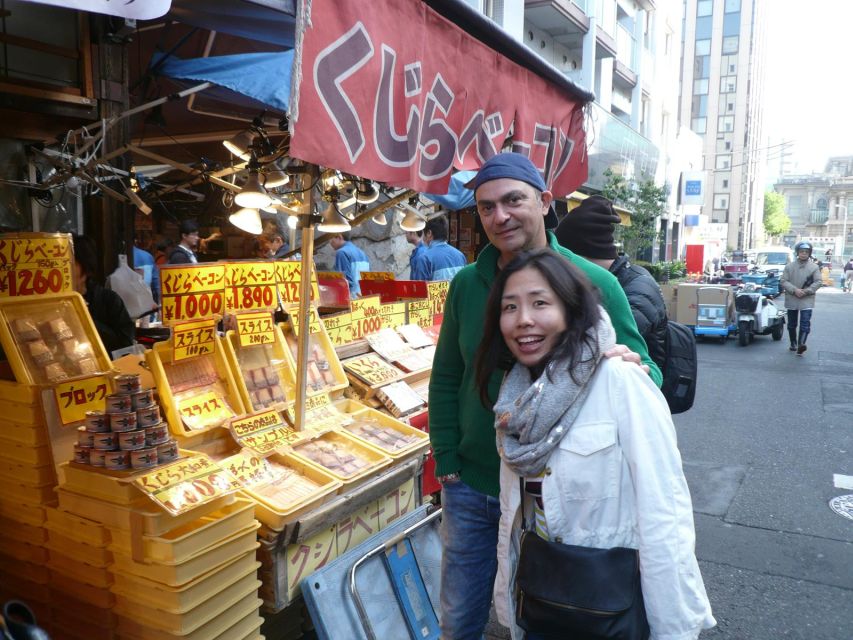
After the temple start, the tour shifts to Tsukiji Outer Market, known for its role as one of the largest wholesale fish markets in the world. This is the area where you’ll spot restaurants, shops, and stalls packed close together, with workers moving like they’ve done it a thousand times.
What makes it special is the pace of actual work. You’ll spend time observing expert wholesalers and pass by a mix of products that look unusual if you’re not used to Japanese seafood culture. The guide helps you read what you’re looking at—what’s ready, what’s specialty, and what’s there for eating versus buying in quantity.
Also, the route is designed for walking. Comfortable shoes matter here, because you’re on your feet through narrow lanes and busy areas. If you need a break, ask the guide, but don’t expect a slow, museum-like tempo. This tour works like a breakfast run through the neighborhood’s busiest food corridor.
The 7 tastings: What you eat, why it matters, and how it builds your morning
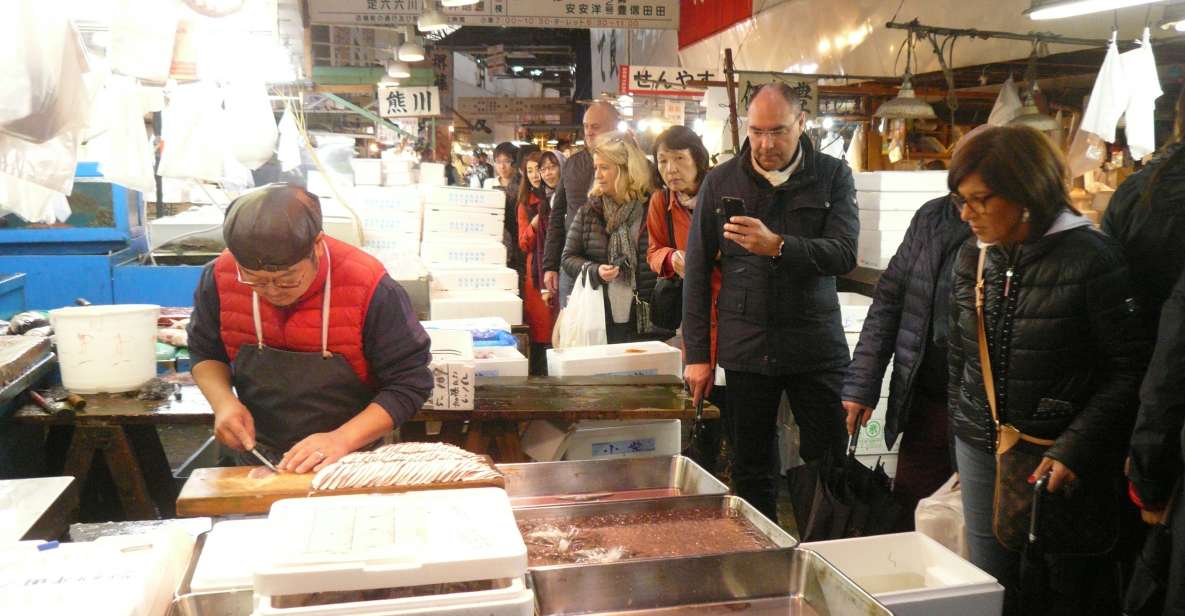
The headline is 7 tastings during about 150 minutes. It’s not random nibbling. It’s a smart variety pack that helps you understand the market in one sitting.
Here’s what’s included in the tasting lineup:
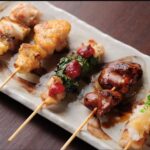
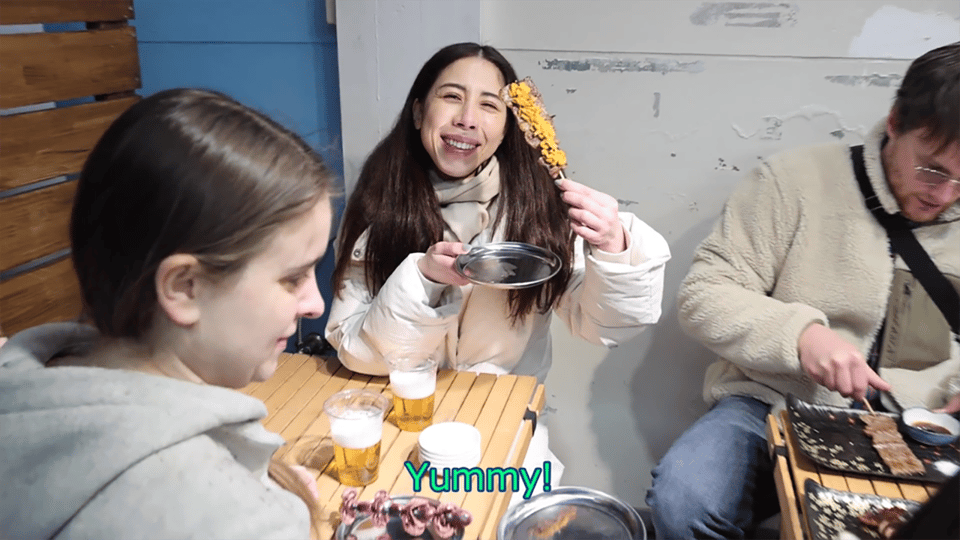
- grilled seafood or beef skewers (including yakitori-style skewers)
- wagyu beef
- a Japanese-style omelette
- tuna sandwiches
- fried fish paste skewers
- a drink
- a sample of Japanese tea
- a sample of dashi soup stock
That spread is doing a lot of work for you. You’re getting fat and savoriness (like wagyu), clean salt-and-umami from seafood, comfort flavors from egg and sandwiches, and the foundational taste of Japanese broth through dashi. In other words, you’re not just tasting food. You’re tasting the flavor logic behind a lot of Japanese cooking.
One small practical point: the tour is heavy enough that you’ll want breakfast hunger fully operational. People repeatedly mention it’s a lot of food, so even if you plan to try just a few bites elsewhere later, this tour already covers plenty.
How the guide experience really helps: lines, translation, and swaps
A good market tour lives or dies by the guide. Here, the guides focus on making sure you can order, taste, and keep moving without getting stuck behind language or long waits.
In past groups, guides named Rico, Yumi, and Minoko have led tours. What you can take from that is the human style: they’re friendly, they help you navigate what’s in front of you, and they work with vendors so you get exactly what you want to try.
Here’s the practical advantage: if you don’t want everything, the guide can adjust. One tour experience described telling the guide preferences so the route and food choices could shift to match what you’re comfortable eating. That’s a big deal in a market where you’re surrounded by tempting things and sometimes you just want a safer bite.
Language is also a factor. On at least one tour, someone noted the English could be harder to follow at times. The good news is that the guide team still handled translation with vendors and kept the experience running smoothly. Still, if you rely on perfect clarity, come with patience and ask questions when you want specifics.
Temple-to-market timing: why 150 minutes feels just right
This tour lasts 150 minutes. That matters more than you might think. The market can be overwhelming because it’s packed with sensory input, and you’re also trying to catch breakfast before the day really takes off.
This format gives you:
- a quick cultural start at the temple
- enough time in the Outer Market to see the workflow and stall variety
- enough time to taste a meaningful range without turning it into a long, drawn-out food crawl
You’ll likely finish while the market still feels active, which helps if you want to keep wandering afterward. The stop length is also part of the value proposition: you pay for guided direction and tastings, not for hours of standing in place.
You can also read our reviews of more guided tours in Tokyo

Meeting point and how to get there without stress
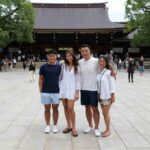
You meet in front of Tsukiji Hongwanji Temple. If you’re coming by train, use Tsukiji Station on the Hibiya Line, take Exit A1, then turn left. The temple entrance is about 50 meters (55 yards) from the station.
This is one of those locations that’s easy once you know the direction, but it’s also simple to miss if you show up late. Give yourself buffer time so you’re not trying to catch a moving group in a maze of streets.
Once you’re there, you’re set for a tight walking morning with a guide leading you into the market area.
Price and value: is $85 fair for Tokyo breakfast?
$85 per person sounds like a lot until you break down what you’re actually buying.
You’re paying for:
- a live English-speaking guide
- a small group limited to 10 participants
- 7 tastings of specific items that cover multiple categories of flavors
- direction through a crowded market where buying and ordering can be complicated
If you tried to recreate this on your own, you’d still face problems. Tokyo markets are great, but they’re also confusing if you don’t know what you’re looking at. With a guide, you’re not only eating—you’re learning what matters, when to try things, and how to choose vendors efficiently.
Also, the guide isn’t just pointing. They’re coordinating tastings and working with vendors, including helping with translation when needed. That kind of labor is real, and it’s what turns $85 from a random fee into a practical shortcut.
So yes, it’s not cheap. But for a first real taste of Tokyo market breakfast, it’s a strong value if you want structure and variety more than you want to wander freely the whole time.
Who should book this Tsukiji breakfast walk
This tour fits best if you want:
- a structured introduction to Tsukiji Outer Market
- multiple tastings packed into a short, walkable route
- cultural context tied to what you’re eating
- a small group format that keeps you from getting lost in the crowd
It’s also a good choice for people who want help with what to order. If you’d rather not gamble on translations or guess at specialties, the guide makes that easier.
It may be less ideal if you want a long, slow market experience with lots of personal free time during the tasting portion. This tour is about getting you in, tasting key foods, and moving along.
Should you book? My quick decision guide
If you’re visiting Tokyo and want a real breakfast-focused market experience, I’d book this. You get a temple start with cultural context, then you get 7 targeted tastings plus time watching wholesale work up close. The small group size also makes it feel personal enough to ask questions and get swaps if needed.
Go for it especially if you’re new to Tokyo food markets or you want your first morning there to make sense fast. Just come prepared to eat, wear comfortable shoes, and speak up right away if you have any food limits.
FAQ
How long is the Tsukiji Market guided walking tour with breakfast?
The tour lasts 150 minutes.
Where do I meet the tour guide?
Meet in front of Tsukiji Hongwanji Temple.
How do I get to the meeting point from Tsukiji Station?
From Tsukiji Station (Hibiya Line) take Exit A1 and turn left. The temple entrance is about 50 meters (55 yards) from the station.
What’s included in the breakfast tastings?
You get a guide and tasting of 7 local specialties, including items such as yakitori-style skewers, wagyu beef, a Japanese-style omelette, tuna sandwiches, fried fish paste skewers, a drink, Japanese tea, and dashi soup stock.
Is the tour offered in English, and how big is the group?
Yes, the tour guide speaks English. The group is limited to 10 participants.
Can I cancel for free?
Yes. You can cancel up to 24 hours in advance for a full refund.