REVIEW · TOKYO
Tokyo: Full-Day Tour of the Six Majestic Spots of Mt Fuji
Book on GetYourGuide →Operated by JRT Group · Bookable on GetYourGuide
Mount Fuji days can be hit-or-miss. This one boosts your odds by timing Hirano Beach for the best mirror shots, then stacking in classic Fuji spots across the lake region. It’s a full-day way to see a lot without wrestling trains and transfers.
I especially liked two parts: the morning calm at Hirano Beach with resident swans and serious reflection potential, and the end-of-day payoff at Oishi Park where seasonal flowers frame Fuji like a postcard. The itinerary also gives you multiple chances to see the mountain, not just one quick stop.
One drawback: Fuji visibility depends on weather. If the sky is gray, you’ll still enjoy the sights, but the iconic views can soften, and some stops rely on clear, bright conditions.
In This Review
- Key Points Worth Your Attention
- Why This Mount Fuji Full-Day Trip Makes Sense From Tokyo
- Hirano Beach Morning Reflections and Swans at Lake Yamanaka
- Higashikawa Clock Shop and the Lawson Fuji-Window Selfie Stop
- Asama Park as Your Fuji Viewpoint Reset
- Arakurayama Sengen Park: The Red Pagoda Framed by Seasons
- Oshino Hakkai: UNESCO Springs With Eight Clear Water Scenes
- Kawaguchiko Oishi Park: Flowers Changing With the Calendar
- Photo Tactics When Weather Plays Games
- The Pace, the Bus Ride, and How the Guide Support Works
- Price and Value: Is $45 a Good Deal?
- Who Should Book This Tour (and Who Might Want to Rethink It)
- Should You Book This Tokyo to Fuji Full-Day Tour?
- FAQ
- What’s the best time for Mount Fuji reflections at Lake Yamanaka?
- Is food included in the tour price?
- What does the $45 per person include?
- Will I definitely see Mount Fuji every stop?
- Which flowers can you expect at Oishi Park by season?
- Is this tour wheelchair accessible?
- What should I wear or bring?
Key Points Worth Your Attention
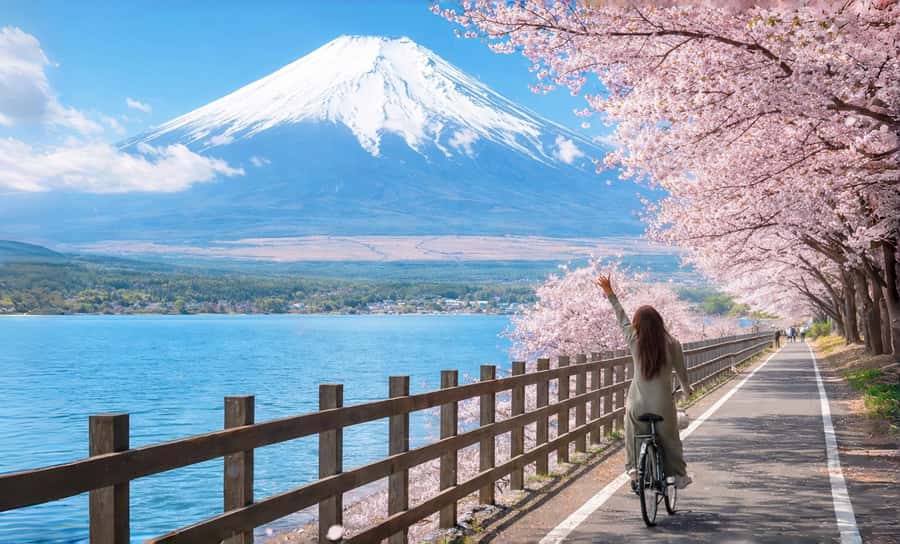
- Hirano Beach morning-only reflections: the lake is your mirror, and it’s best before crowds and haze
- Higashikawa Clock Shop illusion: a straight road effect makes Fuji look almost within reach
- Arakurayama Pagoda viewpoint: the red five-story pagoda plus seasonal cherry blossoms or autumn color
- UNESCO Oshino Hakkai: eight crystal springs and a walkable thatched-roof village
- Oishi Park flower seasons: tulips in spring, moss phlox, lavender, begonias, and scarlet maples later in the year
Why This Mount Fuji Full-Day Trip Makes Sense From Tokyo
You’re leaving Tokyo and heading straight into the Fuji zone where the views actually happen. The value here is simple: for about $45, you get air-conditioned vehicle transport plus a guide and driver for a full circuit of major sights. That’s a lot easier than piecing together buses, local trains, and taxis on your own.
You also get the practical benefit of a plan. Fuji is weather-dependent, so the day gives you several “shots on goal” across different locations—lake views, viewpoint walking, and the UNESCO spring area.
This is a small-group style day tour (with small daily groups mentioned), but the exact meeting point can vary based on what option you book. Either way, the trip is designed to run like a smooth circuit rather than a free-form scavenger hunt.
You can also read our reviews of more tours and experiences in Tokyo
Hirano Beach Morning Reflections and Swans at Lake Yamanaka
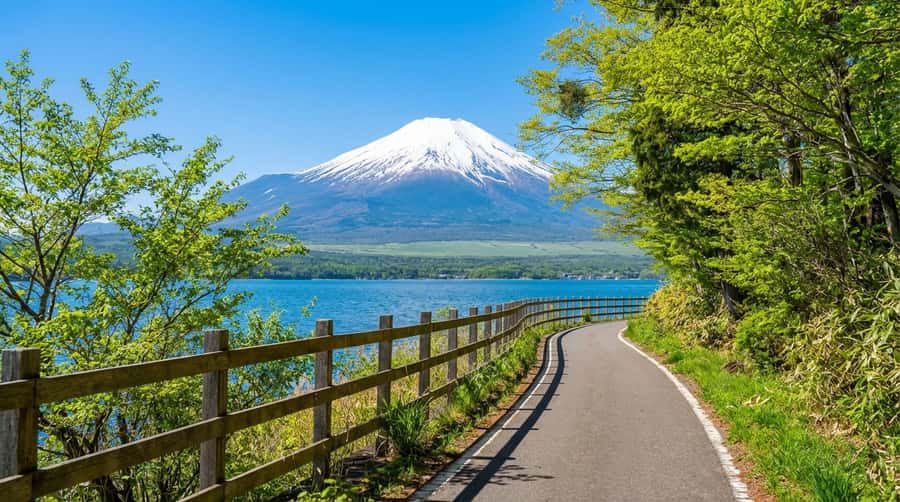
This is the star of the show, and it’s not subtle about it. Hirano Beach sits in the northeastern area of Lake Yamanaka, and it’s a gravel shoreline built for mirror-like photography.
Here’s why the timing matters: the tour notes make it clear that the reflection opportunities are morning-only. That means you’re aiming for softer light and calmer water before the day heats up and the lake starts acting like a lake instead of a mirror.
You’ll also encounter swans that live in the area. If you like nature moments that don’t feel staged, this is one of the best parts of the trip. It’s not a zoo-style attraction; it’s a lakeside meeting with locals-of-the-wild.
Practical tip: wear comfortable shoes. The shoreline is gravel, and you’ll want stable footing for composing photos and walking a bit along the water’s edge.
Higashikawa Clock Shop and the Lawson Fuji-Window Selfie Stop
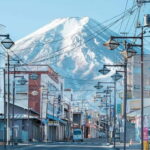
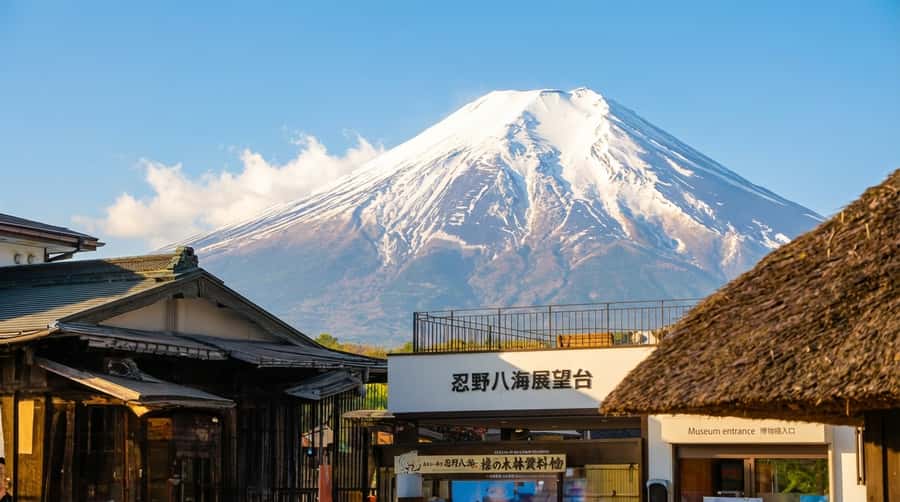
After the lake morning, you shift from quiet reflection to something more cinematic. The Higashikawa Clock Shop area is often described as a postcard-like streetscape, and the road setup is part of the magic.
You’ll get that long, straight-road feeling where the mountain appears to sit at the end of the street—close in the frame even when you aren’t right next to it. The tour’s wording leans into this as an illusion of infinite proximity, and the result is that “Fuji is almost calling you over” photo vibe.
Then there’s the Lawson stop—yes, a convenience store. The important point isn’t shopping; it’s the Fuji-facing windows and the minimalist look that makes easy phone photos. You can grab a quick snack, take a few shots, and reset before the viewpoint-heavy part of the day. It’s also a helpful break when you’re traveling in Japan and want something fast and familiar.
Keep your expectations realistic: this is a short, photo-friendly stop, not a full meal moment.
Asama Park as Your Fuji Viewpoint Reset
Between the more famous photo targets, you’ll also spend time at Asama Park. The provided details don’t go deep on what you’ll find there besides it being one of the six majestic spots of Mount Fuji, so I treat it as a walking-and-view break in the flow of the day.
That matters because it keeps the trip from turning into a nonstop sprint. In these long day tours, your comfort and stamina decide how much you truly enjoy. A park pause can be the difference between “I got the photos” and “I actually had fun seeing where I was.”
If you’re sensitive to stair climbing later (especially at Arakurayama), you’ll appreciate having a calmer stop mid-day where you can stretch a bit and breathe.
Arakurayama Sengen Park: The Red Pagoda Framed by Seasons

This is one of the most iconic viewpoint setups in the Fuji region. You’ll go to Arakurayama Sengen Park, not far from Shimoyoshida Station, and the walk to the viewpoint is part of the experience.
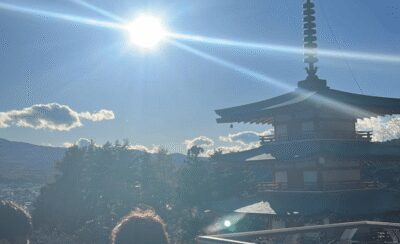
The highlight is the red five-story pagoda, with Mount Fuji framed in the background when conditions cooperate. In spring, you’re looking for cherry blossoms. In autumn, the tour’s details point to vibrant foliage. Either way, the idea is the same: Fuji gets framed by a seasonal layer so your photos don’t feel flat.
There’s also a charming village below where you can grab a coffee afterward. That small “sit and recover” moment is more valuable than it sounds. When you’ve just climbed steps, a quiet break helps you enjoy the view you worked for.
One consideration: the notes say this stop’s pagoda steps are not wheelchair-accessible. Even if you’re not using a wheelchair, this is still a heads-up if you’re uneasy with lots of stair climbing or long stone steps.
Oshino Hakkai: UNESCO Springs With Eight Clear Water Scenes
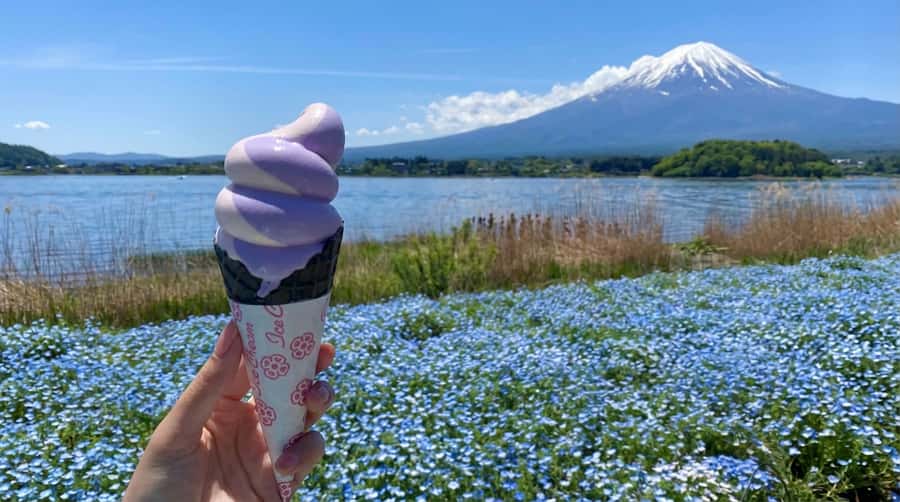
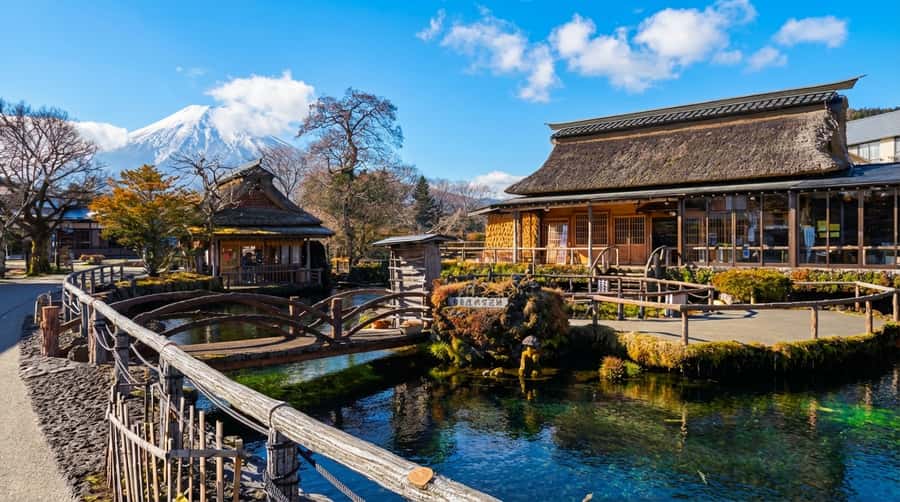
Then you hit the UNESCO area: Oshino Hakkai, often described as Japan’s answer to Jiuzhaigou, but the difference is you’re in a Fuji village setting. The core of this stop is straightforward and beautiful.
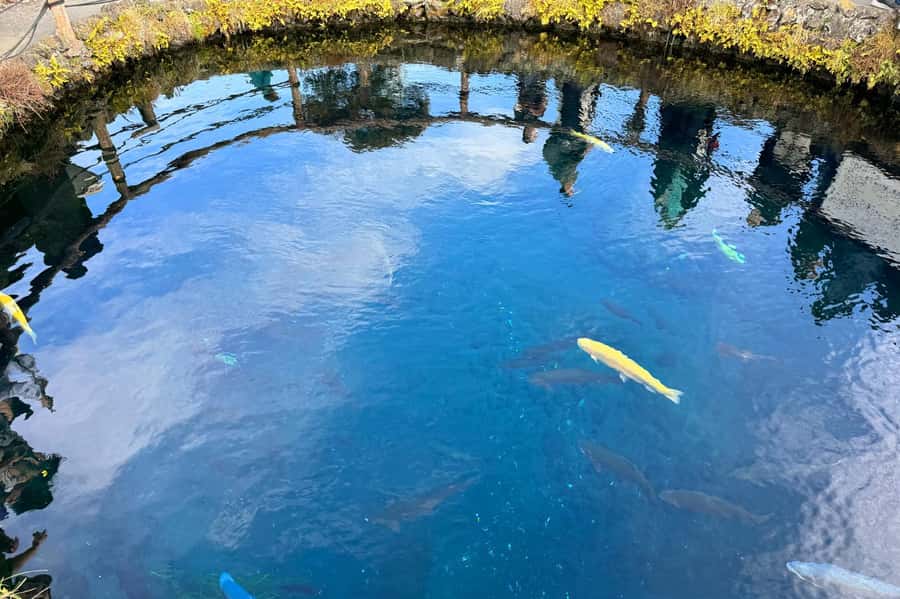
Oshino Hakkai has eight springs, fed by melted snow from Mount Fuji. You’ll walk through a traditional village with thatched roofs, cross wooden bridges, and look at turquoise waters that reflect the mountain and sky.
This is where the day shifts from “photo targets” to “slow wandering.” Even if clouds hide Fuji from the background, the springs still give you water color and texture up close. The village layout is walkable, so you can choose your pace instead of feeling rushed.
If you enjoy atmospheric travel—old-style buildings, careful water channels, and quiet footbridges—this is the stop that tends to feel most real compared to pure viewpoint hopping.
Kawaguchiko Oishi Park: Flowers Changing With the Calendar
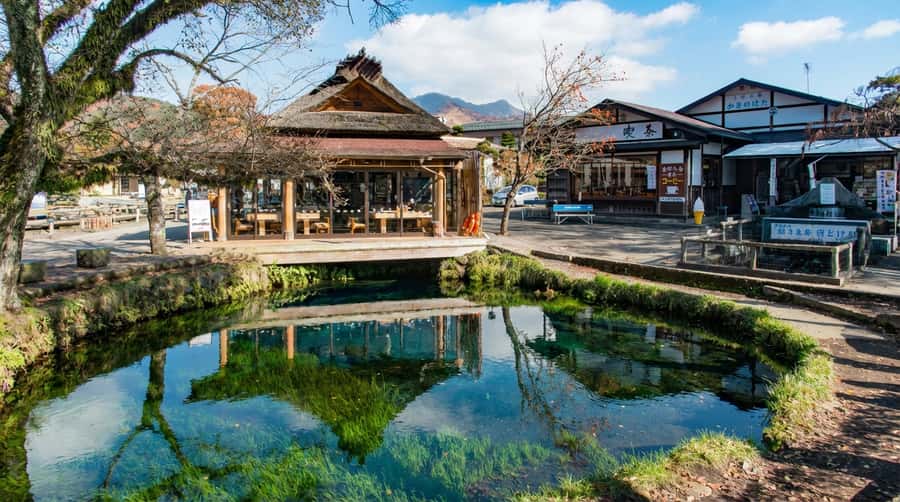
In the later part of the day, the tour goes to Kawaguchiko Oishi Park, where the big idea is simple: Mount Fuji gets a seasonal outfit.
The tour notes list seasonal flower highlights:
- April: tulips, daffodils, and rapeseed flowers
- May: carpet-like moss phlox
- June–July: lavender (co-host of the Kawaguchiko Herb Festival)
- August–October: begonias
- November: scarlet maple leaves
You’re not just looking at flowers; you’re using them as foreground and color layers for the Fuji view. The park setting is the kind where you can keep changing your angle and still feel like you’re getting something new.
One practical reality: flower timing can vary slightly, and the tour suggests checking updates before visiting. So if you’re going at the edge of a season—late April or early May, for example—plan for the possibility that the mix looks a bit different than you expected.
Photo Tactics When Weather Plays Games
Fuji days test your patience. The tour’s own timing emphasis gives you the clue: the lake reflections at Hirano Beach are morning-only, and many other shots look best in clear light.
So I’d use this day like a smart photographer, not a lucky gambler:
- Treat morning as your reflection window at Lake Yamanaka.
- Build in the habit of shooting wide and shooting close, because clouds can change the mountain’s contrast fast.
- If the day starts cloudy, don’t assume it’s over. The route gives you multiple viewpoints—pagoda views, springs, and the flower fields.
Also, bring comfortable clothing and plan to walk. The tour notes focus on comfortable shoes and clothes for a reason: you’re going to move.
Finally, keep in mind that a memorable Fuji day isn’t only about a crisp mountain outline. The parks and springs still deliver shapes, colors, and textures even when the background view is softer.
The Pace, the Bus Ride, and How the Guide Support Works
This is a full-day tour by air-conditioned vehicle. That’s a big deal in Japan, especially in hot summer months. One practical note from the trip experience: a couple of small comfort issues can happen, including reports of air-conditioning not feeling strong enough on one bus and the bus speaker volume being loud during guide announcements.
What I take from that as a traveler: don’t assume every comfort feature will be perfect. If you’re heat-sensitive, consider light layers and bring a small cooling strategy you already like.
Guide support is also important. The tour language notes specify Chinese and English. For small daily groups, the driver can double as a guide with limited English commentary, and there’s also mention of multilingual services onboard for international guests (not single-language).
In plain terms: you’ll get the key info you need at each stop, but don’t expect every second of the ride to be a live, flowing narration in one language all day.
One more logistics note you should know: no eating or drinking in the vehicle. That means your snack plan should happen at stops, not mid-drive.
Price and Value: Is $45 a Good Deal?
At $45 per person, this tour is trying to solve a specific problem: seeing multiple Fuji-region highlights without spending your whole day commuting. You get transportation in an air-conditioned vehicle plus a tour guide and driver. Food and drinks are not included, and you’ll also cover personal expenses and travel/accident insurance if you choose.
To judge value, I’d look at the structure:
- You’re bundling several major stops that would otherwise require separate tickets and coordination.
- You’re paying for time-savings and for someone else to handle the driving.
- You’re paying a modest amount for a day circuit that includes walking viewpoints and a UNESCO area.
If you’re short on time in Tokyo, this kind of bundle is often the best use of money. If you have plenty of time and you like self-planned travel, you might do it independently. But for most people who want Fuji highlights without headaches, the price-to-effort ratio is strong.
Who Should Book This Tour (and Who Might Want to Rethink It)
This tour is best for travelers who want classic Fuji sights and can handle a full day on the move.
It’s not suitable for:
- Pregnant women
- Wheelchair users (and one stop’s steps are specifically not wheelchair-accessible)
- People with high blood pressure
- People over 70
If you fall into any of those categories, I’d skip this one and look for a more tailored option.
Also, if you’re uncomfortable with steps and walking, keep in mind that Arakurayama’s pagoda viewpoint involves stone steps. The rest of the day includes walking around springs, parks, and waterfront areas.
On the bright side, if you want photos, Fuji scenery, and a smooth plan from Tokyo, this itinerary gives you a lot of “busy-but-controlled” structure.
Should You Book This Tokyo to Fuji Full-Day Tour?
I’d book it if:
- You want a multi-stop Mount Fuji day without the logistics stress of planning each leg.
- You care about photography and want a morning plan for Lake Yamanaka reflections.
- You like mixing viewpoints (pagoda and parks) with walkable nature-and-culture stops like Oshino Hakkai.
I’d hesitate if:
- You’re traveling with mobility limits and aren’t comfortable with steps.
- You’re the type of traveler who needs guaranteed clear Fuji views. There’s no guarantee, and cloudy weather can change the mood fast.
- You’re especially sensitive to bus comforts (like A/C performance and loud announcements). It’s usually fine, but not every vehicle ride is identical.
If your goal is to spend your day wisely chasing Fuji highlights instead of maneuvering transport, this tour earns its place.
FAQ
What’s the best time for Mount Fuji reflections at Lake Yamanaka?
Hirano Beach reflection chances are morning-only. Go early to maximize the mirror-like water conditions.
Is food included in the tour price?
No. Food and drinks are not included, so plan to buy or bring snacks for your day.
What does the $45 per person include?
You get transportation in an air-conditioned vehicle, a tour guide, and a driver.
Will I definitely see Mount Fuji every stop?
No. The day depends on weather. If it’s cloudy, the view can be limited even though the sightseeing still continues.
Which flowers can you expect at Oishi Park by season?
The tour lists April tulips/daffodils/rapeseed, May moss phlox, June–July lavender, August–October begonias, and November scarlet maple leaves.
Is this tour wheelchair accessible?
It’s listed as not suitable for wheelchair users. The notes also say all stops are wheelchair-accessible except Arakurayama Sengen Park’s pagoda steps.
What should I wear or bring?
Bring comfortable shoes and comfortable clothes. You’ll be walking at parks and viewpoints.