REVIEW · TOKYO
From Tokyo: Must-Visit Mount Fuji Highlight Full-Day Tour
Book on GetYourGuide →Operated by JTOURSTORY · Bookable on GetYourGuide
Seeing Fuji from multiple angles is the point.
This full-day tour is built around iconic Mount Fuji photo stops and a real slice of western Honshu—lakes, waterfalls, and viewpoints around Fujiyoshida and the Fuji Five Lakes area. I especially like that you can choose two route styles: one leans classic postcard scenes, the other swaps in more culture-and-lakes wandering. The trade-off is time feels packed, and lunch is on your own, so you’ll want snacks ready.
The structure is also practical. You get round-trip transport from central Tokyo and an English/Korean (plus Chinese) live guide, so you’re not fighting trains and bus connections when your goal is simply to see the mountain. Group size can be large (up to 49), so expect a schedule where you move, you look, you shoot, and you move again—no long, slow roaming for every stop.
In This Review
- Key Takeaways Before You Go
- Two Routes, One Magic Mountain: Course A vs Course B
- Getting Out of Tokyo: Bus Time, Realistic Pacing, and What It Means
- Arakurayama Sengen Park and Chureito Pagoda: The Postcard Moment
- Shimoyoshida Honcho Street and the Lawson Fujikawaguchiko View: Small-Town Intermissions
- Lake Kawaguchi, Oishi Park, and Shiraito Waterfall: Water, Flowers, and Mist
- Oshino Hakkai: The Pond Village That Feels Like Another Era
- Mt. Fuji World Heritage Centre and Lake Yamanaka: Context and Calm Finish
- Obuchi Sasaba Tea Fields: When Fuji Meets Green Slopes
- Guides Make the Day: How Kei, Goldie, Yui, and Yuichi Change the Experience
- Price and Value: Does $69 Really Add Up?
- Weather Reality Check: Clear Sky Luck Still Matters
- Who This Tour Fits Best (and Who Might Want Another Plan)
- Should You Book This Mount Fuji Day Trip?
- FAQ
- What are the main Route options for this Mount Fuji tour?
- How long is the tour, and how much time is spent on the road?
- Is lunch included?
- What languages are available with the guide?
- Is transportation and a guide included in the price?
- Can I bring a stroller?
- What should I bring for comfort during the day?
Key Takeaways Before You Go
- Two route options (Course A for classic shots, Course B for lakes and village calm) let you match your mood.
- Chureito Pagoda at Arakurayama Sengen Park is the headline view, with a short steep climb worth it.
- Oshino Hakkai’s crystal-clear ponds add real local texture beyond the big viewpoints.
- Lake Kawaguchi / Oishi Park / Shiraito Waterfall mix water, flowers, and misty scenery in one stretch.
- Guides like Kei and Goldie are highlighted for keeping the day organized and staying upbeat with changing weather.
- Lunch isn’t included, so plan quick buys and bring snacks.
Two Routes, One Magic Mountain: Course A vs Course B
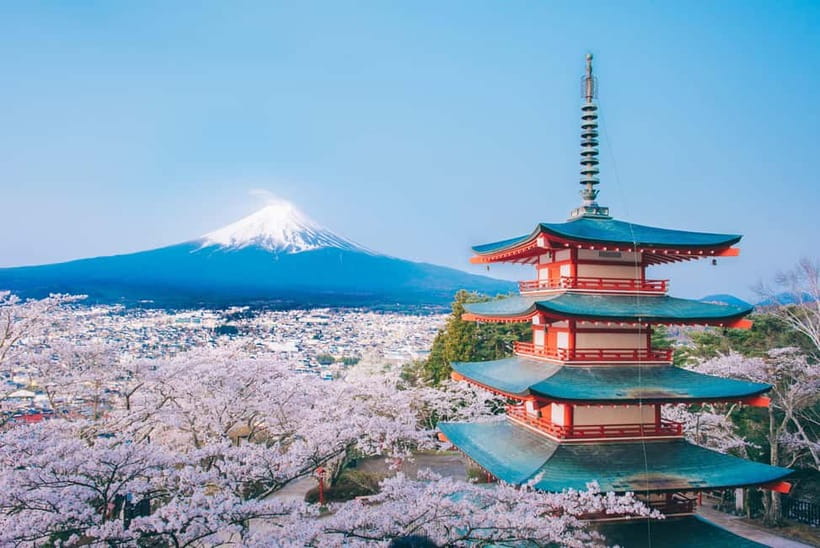
You’re not locked into one version of Fuji-land. You pick a course that changes the feel of the day, but both routes still start with the same big hitter: Arakurayama Sengen Park and Chureito Pagoda. That’s your postcard frame—Fuji rising behind the five-story pagoda.
Course A – Highlight Photo Spots is the tighter “greatest hits” plan. After the park, you get Shimoyoshida’s nostalgic Honcho Street, then head to the Lake Kawaguchi area for reflection views and flowerbeds at Oishi Park. You’ll also hit Shiraito Waterfall, then finish with Obuchi Sasaba, a tea-plantation viewpoint where the green slopes meet the mountain in the distance.
Course B – Signature Scenic Spots feels more relaxed and culture-forward. You still pass through the Arakurayama Sengen Park area and Honcho Street, but then you pivot to Mt. Fuji Museum (or you can opt for a nearby matcha cafe). After that, you spend time at Oshino Hakkai’s spring-pond village, then end with Lake Yamanaka and Hirano Beach for wide, quiet water views.
If you’re a photographer, I’d lean Course A. If you like adding context—water sources, geology, local life—Course B usually lands better.
You can also read our reviews of more tours and experiences in Tokyo
Getting Out of Tokyo: Bus Time, Realistic Pacing, and What It Means
This is an 11-hour day trip with a coach bus. The ride from Tokyo takes about 2.5 hours to get you to the Fuji region, and the day is then paced with shorter transfers and photo stops along the way.
That means two things for you:
- You’re getting a lot done in one shot, not a slow country week.
- You’ll want to treat each stop like a mission: arrive, orient fast, take your photos, then enjoy the few minutes you’re given.
Also, there’s a legal timing limit in Japan: vehicles can’t run for more than 10 hours, so the guide may adjust the order or timing depending on real conditions. Translation: don’t panic if the day feels like it flexes. A good guide keeps the goal intact even when traffic and weather change.
One small practical detail: a lot of the best Fuji views depend on angles. If you care about getting the mountain framed in photos from the bus, choose a side seat when possible—some visitors recommend sitting on the left side for better positioning on driving segments.
Arakurayama Sengen Park and Chureito Pagoda: The Postcard Moment
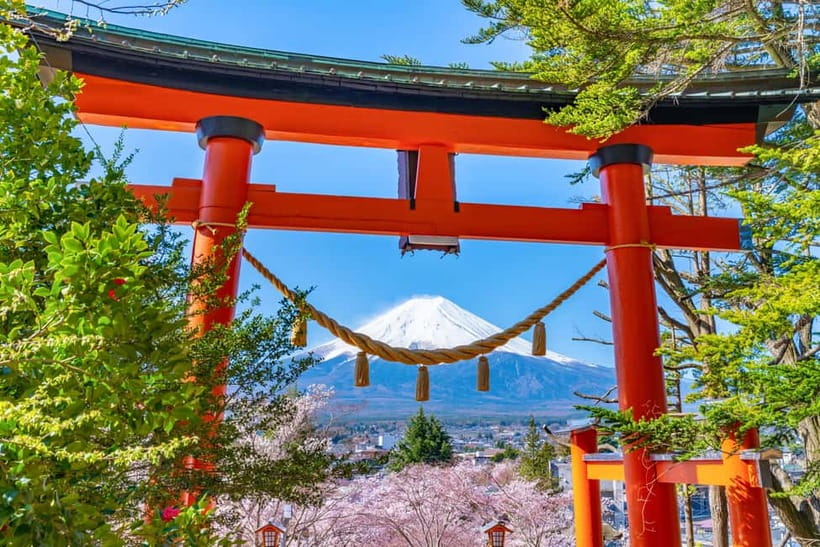
If you’ve seen the famous Mount Fuji-with-pagoda image online, this is where it comes from: Chureito Pagoda inside Arakurayama Sengen Park.
Plan for a bit of effort. The pagoda visit involves steps, and it’s not a flat stroll. Expect an easy-to-moderate climb, not a workout. Once you’re up, the payoff is the classic composition: pagoda lines and Fuji’s shape aligned in one scene.
This is also one of the best spots in the day to time your photos. If the sky is clear, you’ll get that crisp “Fuji poster” look. If it’s cloudy, you’ll still enjoy the park and viewpoints, but Fuji may be partially hidden.
The guide’s job here is to keep you moving without rushing you into a bad spot. In past groups, guides such as Kei and Goldie are specifically praised for explaining what’s coming next and helping people get the right photo angle.
Shimoyoshida Honcho Street and the Lawson Fujikawaguchiko View: Small-Town Intermissions
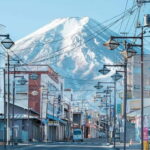
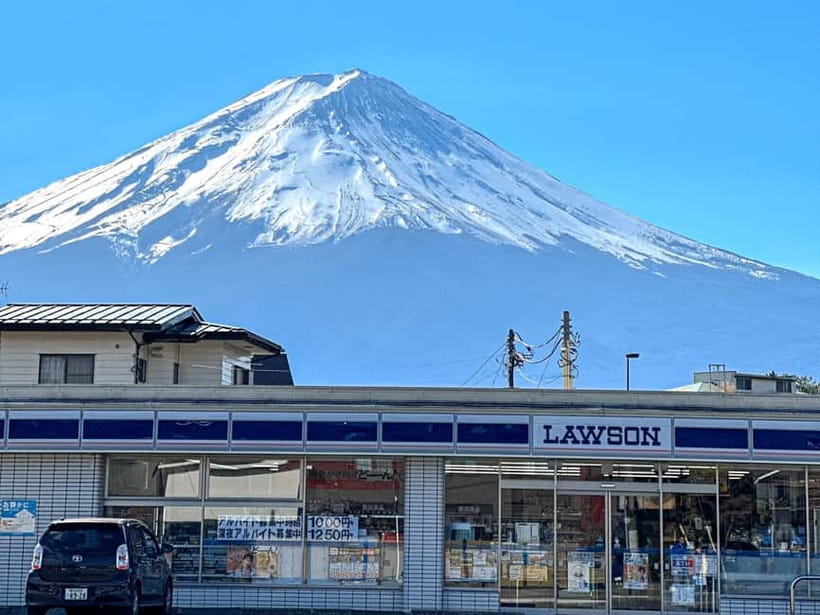
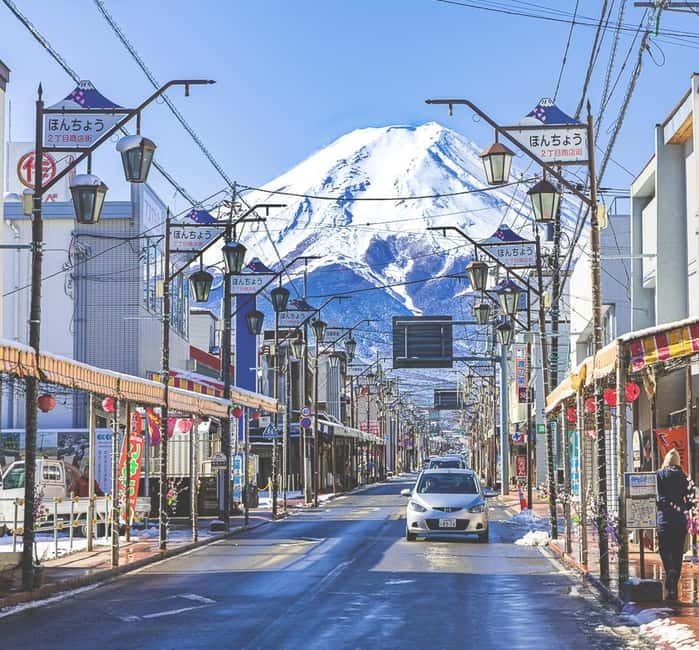
After the big pagoda photo moment, the tour adds human-scale flavor with Honcho Street in Shimoyoshida. Think retro shopfronts, local snack energy, and quick photo stops with Fuji sometimes peeking into the background depending on the weather.
Then there’s a short break at Lawson Fujikawaguchiko—often treated as a quick reset point for drinks and snacks. Course A and Course B use this area slightly differently, but the logic stays the same: you get a chance to recharge before the lakes and ponds.
The Lawson stops matter more than they sound. You’re spending a full day outdoors around viewpoints where food isn’t guaranteed. If you’re the type who waits until you’re hungry to find snacks, you’ll enjoy having a reliable place to top up energy.
Lake Kawaguchi, Oishi Park, and Shiraito Waterfall: Water, Flowers, and Mist
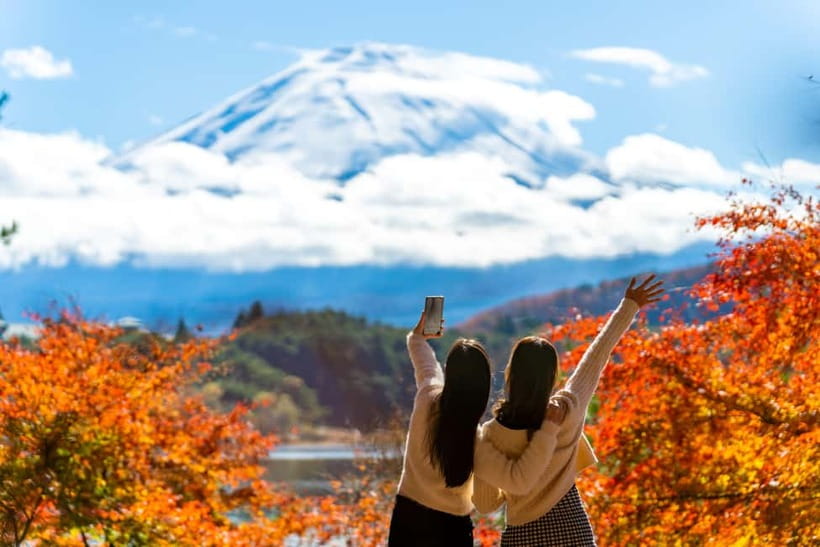
Course A leans hard into the “Fuji reflections and color” combo.
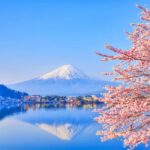
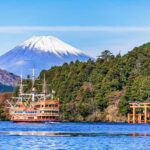
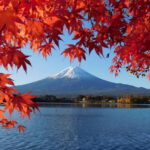
At Lake Kawaguchi, you’re aiming for one of the most iconic Fuji effects: the mountain mirrored across calm water. Even if the reflection isn’t perfect, the lake’s views give you scale—the mountain doesn’t look like a distant painting anymore.
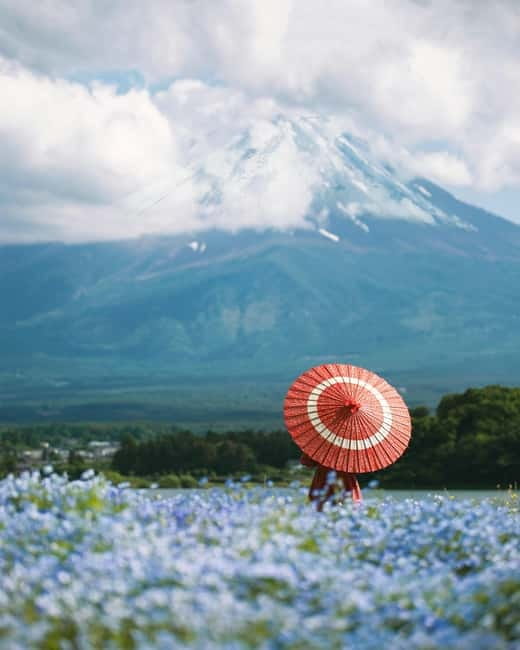
Next is Oishi Park. Here, the goal is color around Fuji—flowerbeds and seasonal planting that makes your photos feel less like a single landmark and more like a scene. If you love autumn color or spring bloom vibes, this is one of the most direct ways to get it.
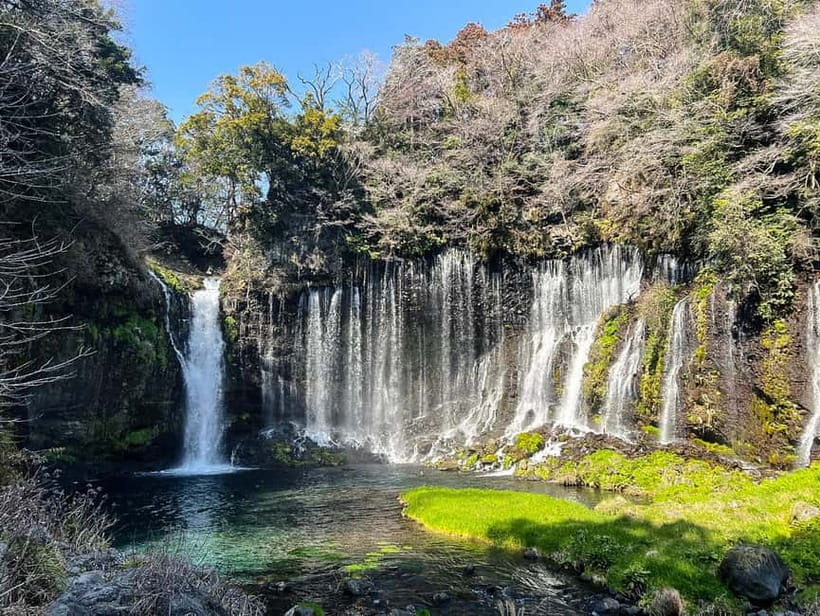
Then you reach Shiraito Waterfall. This is where the day shifts from lakes and flowers to moving water and cool mist. You’ll get a lunch break time here (lunch itself isn’t included), which makes sense: after sitting at lakeside viewing areas, you get a quick break with a change of scenery.
One caution: waterfall areas can be damp underfoot. Wear shoes you’re comfortable walking in.
Oshino Hakkai: The Pond Village That Feels Like Another Era
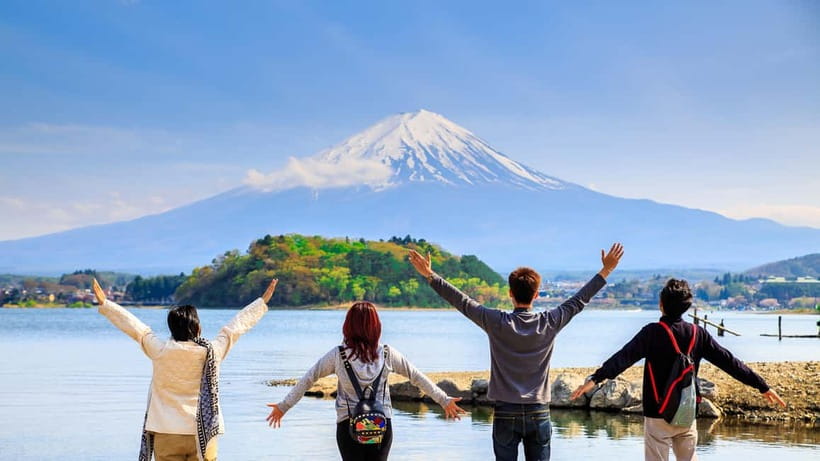
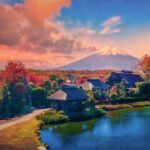
Oshino Hakkai is often the stop people remember when they want something real, not just scenic. It’s known for eight crystal-clear spring ponds fed by Mt. Fuji water systems.
This is one of the best contrast points in the day. The pagoda is dramatic. The lakes are wide. Oshino Hakkai is intimate—stone edges, calm water, small bridges and water mills, and the sense that the landscape has a long memory.
Course B gives Oshino Hakkai a full hour on the schedule, which is useful because you don’t want to rush this kind of place. You’ll get time to walk, look closely, and appreciate how the water shapes the village.
If your weather is cloudy and Fuji is hiding, Oshino Hakkai still delivers. You’re not relying on the mountain silhouette to enjoy the stop.
Mt. Fuji World Heritage Centre and Lake Yamanaka: Context and Calm Finish
Course B includes the Mt. Fuji World Heritage Centre (with an hour for photo stop, visit, and free time). Even if you’re not a museum person, it helps you understand what you’re seeing all day: why Fuji matters culturally and how the region’s systems connect.
After that, the day softens with Lake Yamanaka and Hirano Beach. This is a good ending zone because it gives you more open-water views after the heavier concentration of photo stops earlier. If you got lucky with clear skies, you’ll often see Fuji more clearly at the lakes. If not, the lakes still provide a calm finale.
Course A doesn’t include the museum and Yamanaka segment, but it ends with a different kind of “Fuji meets nature” view at Obuchi Sasaba.
Obuchi Sasaba Tea Fields: When Fuji Meets Green Slopes
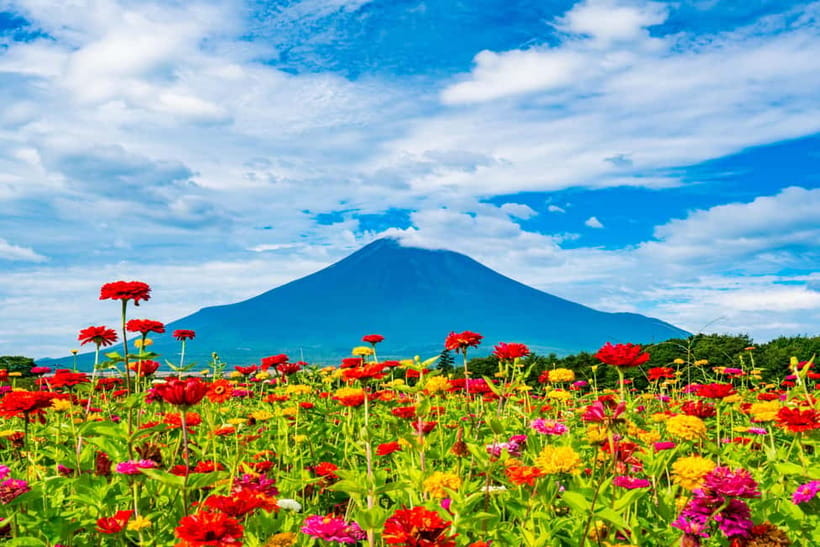
Course A finishes with Obuchi Sasaba, a tea plantation area where rolling green fields sit in front of distant mountain views.
Tea fields change the photos in a good way. You’re no longer dealing only with water and stone scenes. Instead, the mountain sits above layered greenery, creating depth that a lot of city photos just can’t match.
The stop includes a photo moment plus time to visit and look around. It’s also a nice place to breathe for a few minutes before the return ride begins.
Guides Make the Day: How Kei, Goldie, Yui, and Yuichi Change the Experience
A coach day trip lives or dies by the guide’s energy and clarity. On this tour, that part matters. Guides are described as upbeat and attentive, and several names come up repeatedly—Kei, Goldie/Goldy, Yui, Yuichi, and others.
What I’d watch for in a good guide on a Fuji day trip:
- They set expectations early and tell you what’s next step by step.
- They manage time so the group doesn’t feel like they’re being herded.
- They respond to weather without panic. Clear skies are the dream, but clouds are common around mountains.
Even when Fuji isn’t fully visible, a strong guide helps you still enjoy the lakes, ponds, and waterfall stops. That’s where the tour stays worth it rather than turning into a “where is Fuji” disappointment spiral.
Price and Value: Does $69 Really Add Up?
At $69 per person for an 11-hour day trip, the big value is what’s included:
- round-trip transport from central Tokyo
- an English- and Korean-speaking guide (with Chinese also available)
What you don’t get: meals. And that’s where you’ll need to budget a bit. Still, the math usually works out because getting to the Fuji Five Lakes region on your own can mean multiple transfers, timed tickets, and added stress when you’re trying to hit specific viewpoints.
For many people, this tour is the best way to do Fuji without turning the day into a full logistics project. You pay for convenience and coordination, then spend your energy on photos and scenery.
If you’re traveling solo, it’s even more appealing because you’re not paying for private transport. If you’re a family, it’s a simple plan too—stroller-friendly, with an advance note to the operator if you’re bringing one.
Weather Reality Check: Clear Sky Luck Still Matters
Let’s be honest: Mt. Fuji visibility can change fast. On a mountain day, the weather decides how “poster perfect” things look.
Here’s what’s fair to expect:
- When the sky is clear, you can get Fuji sightings from multiple stops, including the classic pagoda viewpoint.
- When it’s cloudy, you may still enjoy the ponds, waterfall, tea fields, and lakes, even if Fuji itself is partly or fully hidden.
- The guide may adjust timing based on real-time conditions and traffic.
That last point is key. On a day trip with limited time, being flexible is the difference between wasting hours and maximizing the chances you have.
Who This Tour Fits Best (and Who Might Want Another Plan)
This tour fits best if you:
- want a structured day with transport handled
- care about getting to major Fuji viewpoints without rail-and-bus planning
- like a mix of famous photo spots and local stops like Oshino Hakkai
- can walk stairs and uneven ground a bit (especially for Chureito Pagoda)
It may not be ideal if you:
- need wheelchair access (this tour isn’t wheelchair-accessible)
- want long unhurried time at every site (the pace is built for coverage, not extended lounging)
If you’re easy-going and want a high-success day, this tour is a strong fit. If you’re the type who wants to linger for hours at one place, you may feel the schedule tightening.
Should You Book This Mount Fuji Day Trip?
I’d book it if your priority is seeing Mt. Fuji around key viewpoints without juggling transportation. The combination of Chureito Pagoda, lakes, Oshino Hakkai, and tea fields is exactly the kind of packed-but-reasonable day trip that makes sense from Tokyo.
I wouldn’t book it if you need a calm, slow itinerary. You’re choosing a day that’s designed to hit a lot of places, and the trade-off is shorter stays.
If you do book, come ready: wear comfortable shoes, bring snacks, and be okay with weather changing your view of Fuji. The tour’s strength is that even when the mountain doesn’t fully show, the stops around it still make sense and still feel worth the time.
FAQ
What are the main Route options for this Mount Fuji tour?
You can choose between Course A (photo-focused stops including Chureito Pagoda, Honcho Street, Lake Kawaguchi, Oishi Park, Shiraito Waterfall, and Obuchi Sasaba) and Course B (includes Chureito Pagoda and Honcho Street, plus Mt. Fuji Museum, Oshino Hakkai, and ends at Lake Yamanaka and Hirano Beach).
How long is the tour, and how much time is spent on the road?
The tour is 11 hours in total. The bus ride from Tokyo takes about 2.5 hours each way, with additional short transfers between stops during the day.
Is lunch included?
No. Lunch isn’t included. The schedule includes a lunch break time, and it’s recommended to bring snacks or plan to buy a light meal on site.
What languages are available with the guide?
The live guide is available in English, Korean, and Chinese.
Is transportation and a guide included in the price?
Yes. The price includes round-trip transportation and an English-/Korean-speaking guide (Chinese is also listed as available).
Can I bring a stroller?
Yes. The tour is stroller-friendly, but you should inform the operator if you’re bringing a baby stroller.
What should I bring for comfort during the day?
Bring comfortable shoes and snacks (and plan for meals to be on your own during the day).