REVIEW · TOKYO
Mt. Fuji & Lake Kawaguchiko Ropeway Panorama Full-Day Tour
Book on GetYourGuide →Operated by TAIHOU CO,LTD · Bookable on GetYourGuide
Fuji day, but with a plan. This Mt. Fuji & Lake Kawaguchiko full-day tour strings together the Kachikachi Ropeway for big panoramic views and a guided matcha experience that slows things down in the middle of all the sightseeing. It is a classic way to see the region fast without renting a car or playing transportation roulette.
I especially like how the day mixes photo-worthy icons with small cultural moments. The Ichigo Ichie matcha session is short, but it feels meaningful, and the later stop at Oshino Hakkai lets you end with quiet, crystal-clear ponds at Mt. Fuji’s foot. The main drawback is that it is a long, packed day with brief stops—plus some spots (yes, including the Lawson photo area) can get crowded.
In This Review
- Key moments that make this tour worth your time
- A 10-hour Fuji day from Tokyo, priced like convenience
- Kachikachi Ropeway: the Mt. Fuji reveal (and how to make it count)
- Tenjozan Park and Lake Kawaguchiko: where the view turns calm
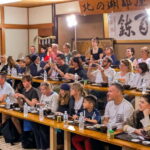
- Matcha by the lake: a hands-on break that actually sticks
- Lawson Fuji photo stop: iconic for a reason, crowded for a reason
- Oshino Hakkai: eight spring ponds and a softer ending
- Lunch, timing, and what to pack for a smoother day
- Who this Mt. Fuji group tour suits best
- Should you book this Mt. Fuji & Lake Kawaguchiko tour?
- FAQ
- How long is the Mt. Fuji & Lake Kawaguchiko Ropeway tour?
- How much does it cost?
- What is included in the tour price?
- Is lunch included?
- What languages are available for the guide?
- Where does the tour start in Tokyo?
- What if Mt. Fuji is not visible?
- What if the ropeway is closed?
- What should I bring?
Key moments that make this tour worth your time
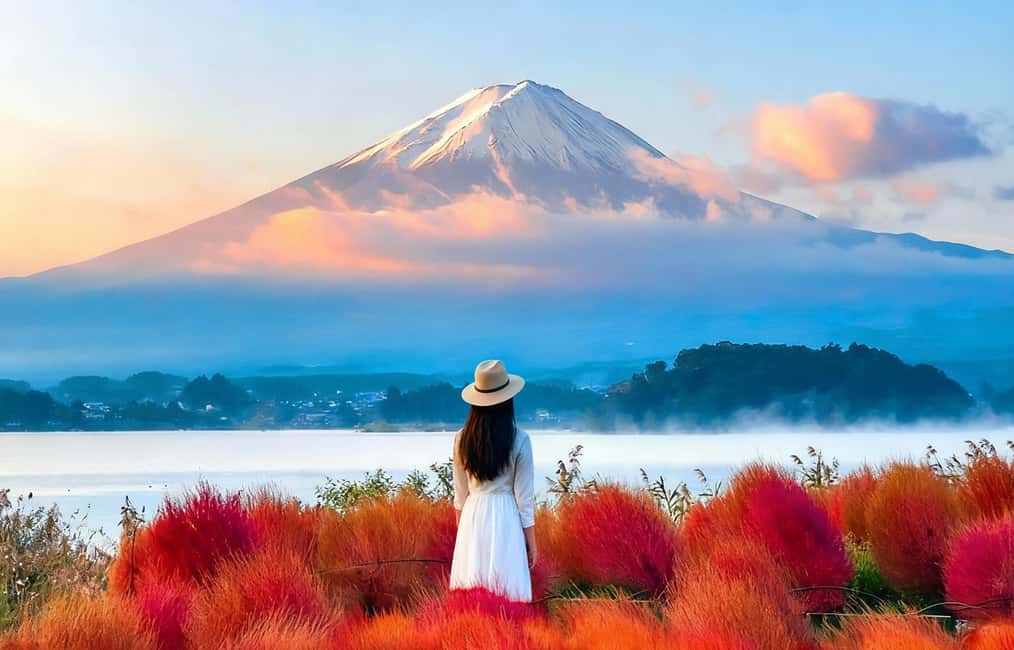
- Kachikachi Ropeway: 1 hour up high with wide-open 360° views and the Bell of Tenjo
- Hands-on matcha: you whisk, serve, and sip, guided with the Ichigo Ichie idea
- Lawson Mt. Fuji photo stop: iconic alignment view across the street
- Oshino Hakkai ponds: eight spring ponds from Mt. Fuji snowmelt, filtered through lava rock
- Guide quality: multilingual hosts are repeatedly praised for humor, organization, and photo tips (names like Alex, Leonard, Sawaki, Brewski, Laner, and Peter come up often)
A 10-hour Fuji day from Tokyo, priced like convenience
At $54 per person for about 10 hours, this tour is mostly about removing the hassle of planning your own route. You get round-trip transportation on an air-conditioned bus, plus expressway tolls, fuel, parking, and a professional driver. That is not just comfort; it is also time savings. Getting from central Tokyo to Lake Kawaguchiko, then hopping between photo stops, adds up fast if you try to DIY.
This is a shared group tour with a multilingual guide. In practice, that matters because the whole day runs on a tight timeline, with short windows for photos and walking. Many guides are praised for keeping people moving without feeling bossy, and you can feel the difference when the itinerary is managed well. Names like Alex and Leonard get credit for being informative and making the morning view feel easier to enjoy.
The trade-off: you are doing a lot in one day. If you want long, slow wandering or you hate crowds, you may feel the pace.
You can also read our reviews of more tours and experiences in Tokyo
Kachikachi Ropeway: the Mt. Fuji reveal (and how to make it count)
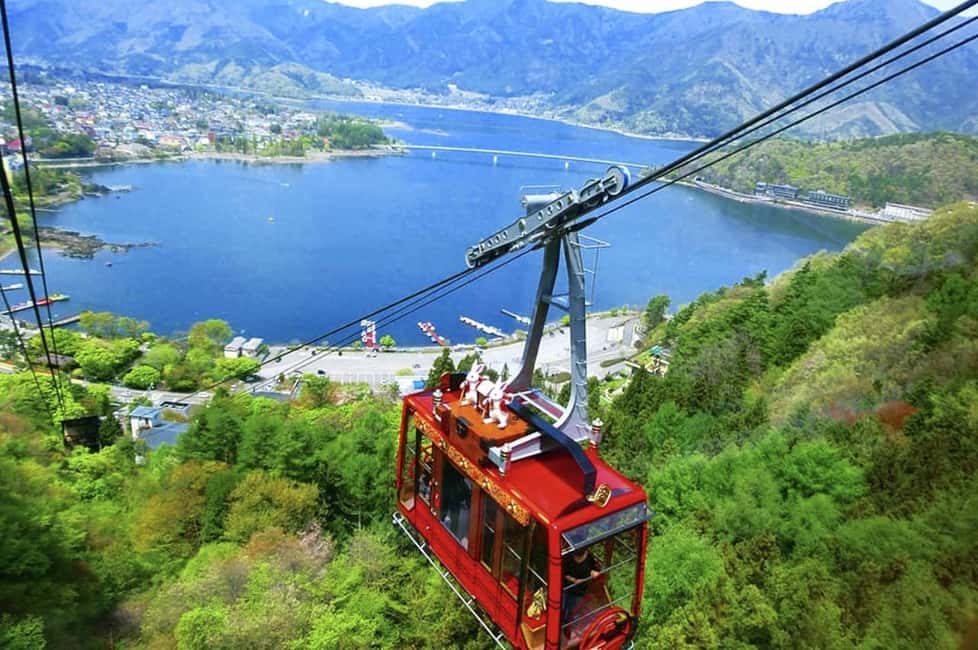
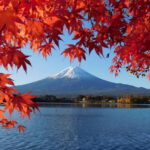
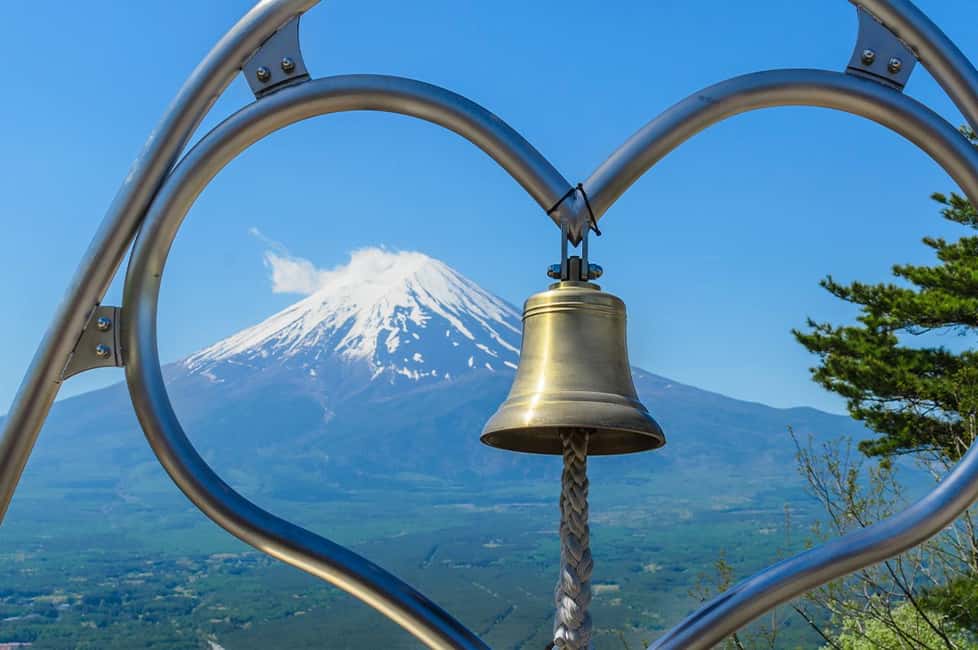
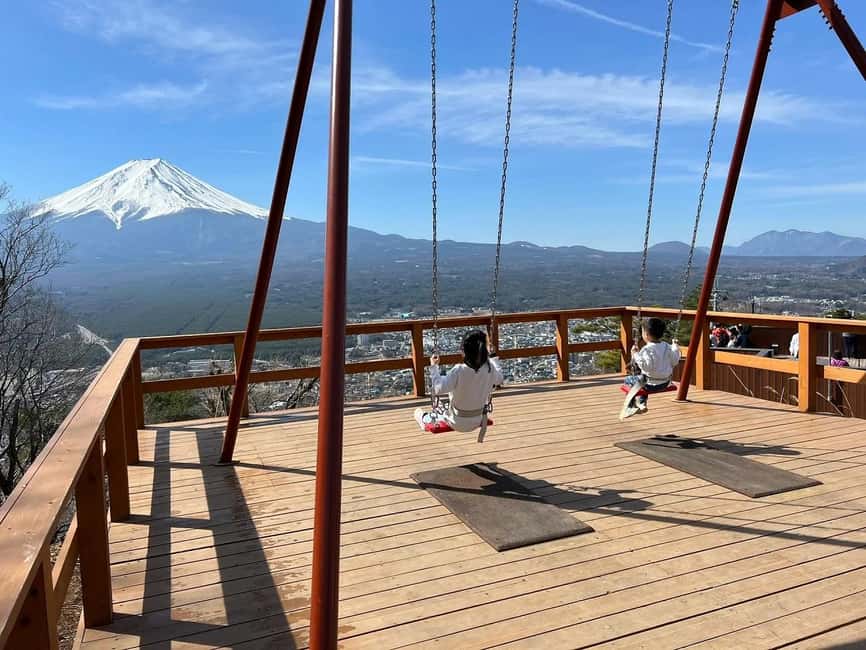
The tour’s first big wow is the Kachikachi Ropeway at Lake Kawaguchiko. You ride up for a 360° outlook, reaching an observatory at about 1,075 meters above sea level. On clear days, Mt. Fuji can appear like a gradual reveal as the cable car climbs, and the lake below looks almost unreal.
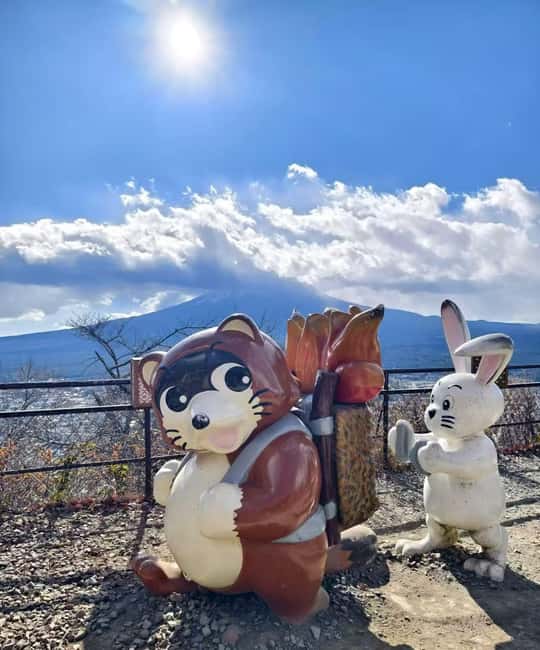
There is also fun detail up top: a Bell of Tenjo, where a local legend says ringing the bell can make your wish come true. The stations and observatory are decorated with tanuki (raccoon dog) and rabbit mascots tied to the folktale Kachikachi Yama by Osamu Dazai. It’s not just decoration; it gives you something to do besides stare at the view while you wait for the best photo angle.
A few practical notes so your money goes further:
- Plan on weather-dependent views. The tour does not promise full visibility of Mt. Fuji. If clouds roll in, you still get mountain views, but the famous peak might be partly hidden.
- If you are afraid of heights, this is not the day for you. Ropeway cabins involve exposure, and this tour explicitly notes it is not suitable for people with that fear.
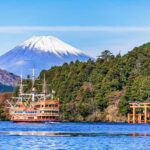
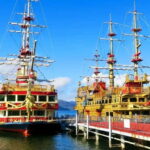
- If regular maintenance affects the ropeway: from Dec. 8 to Dec. 19, 2025, the ropeway closes for regular maintenance. The itinerary is adjusted to include an experience on the Samurai Ship instead.
Guides can help you here. Several reviews highlight hosts like Sawaki who give clear instructions and point out the best places to stand for photos. Even when the weather is perfect (lucky group days happen), knowing where to position yourself saves time and stress.
Tenjozan Park and Lake Kawaguchiko: where the view turns calm
After coming down, you shift from sky-level views to a more relaxed lakeside rhythm. There is a stop at Kawaguchiko Tenjozan Park (about 30 minutes). This is your quick reset for photography and orientation. You want to use this time to check which angles show Mt. Fuji best, then move on with less guessing.
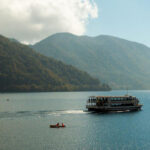
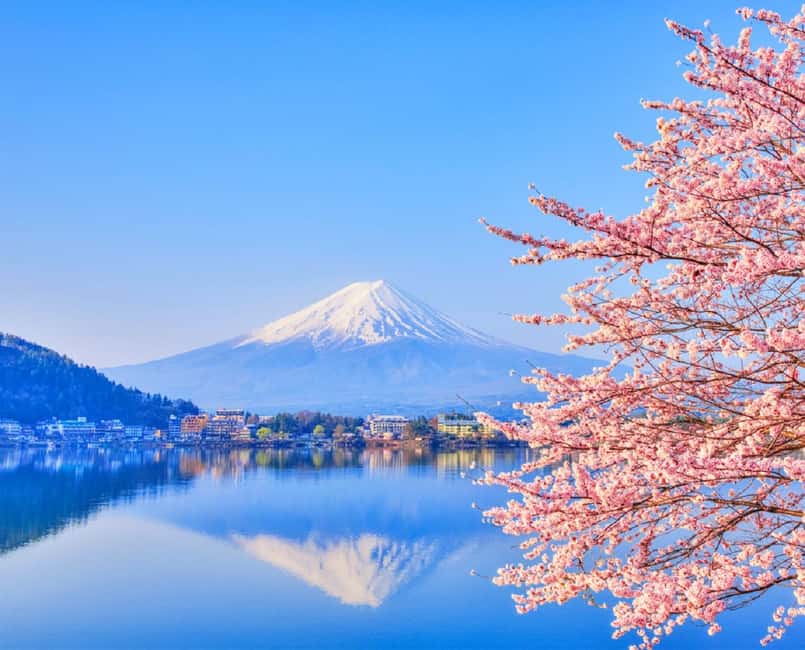
Next is Lake Kawaguchiko itself (about 45 minutes). This is when the reflection possibilities start to feel real. On calm water and clear days, Mt. Fuji can show up as a mirror-like shape. Even when conditions are less than perfect, the lake still gives you breathing room between the ropeway excitement and later photo stops.
One thing to set expectations: the schedule is efficient, not slow. Some people feel the lake time can be a touch rushed depending on traffic and how the day runs, but it still gives enough to walk a bit, grab photos, and feel the atmosphere.
Matcha by the lake: a hands-on break that actually sticks
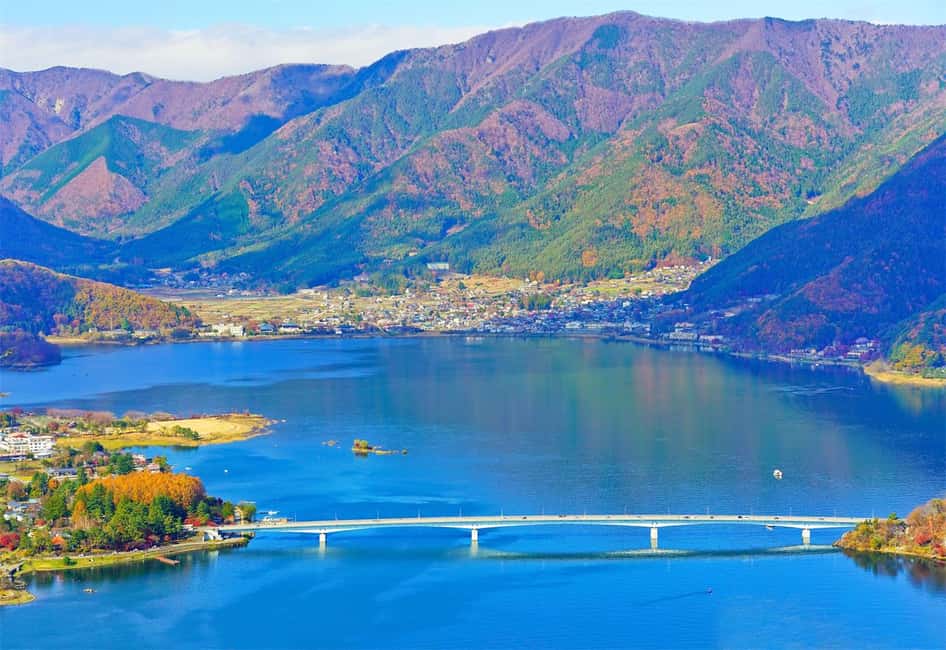
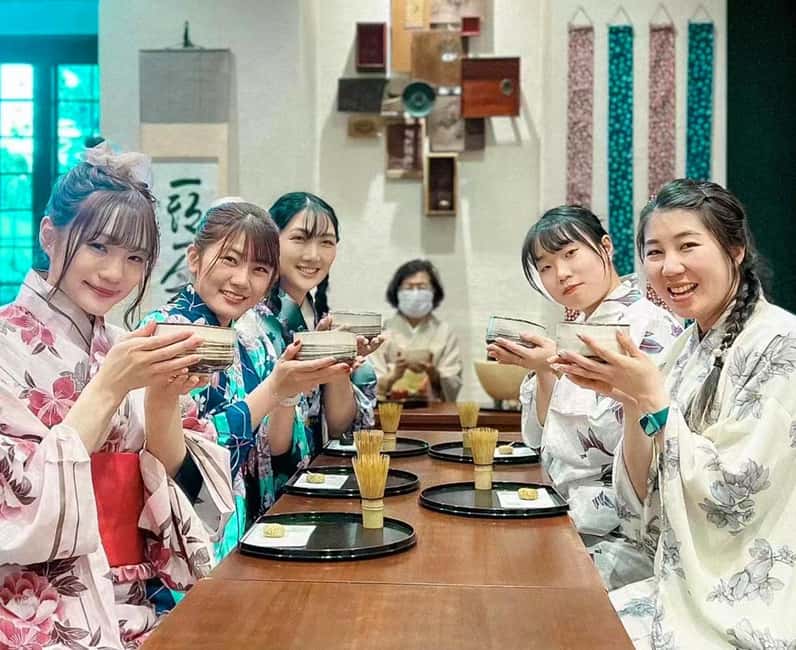
The matcha experience is one of the best reasons to choose this tour. It is not just sipping in a café. You get a guided, hands-on session (about 15 minutes) in a tea space by Lake Kawaguchiko.
Here is what you should expect:
- You learn the steps, from whisking to serving and finally sipping your own bowl.
- Your instructor shares the philosophy of Ichigo Ichie, meaning one time, one encounter. It reframes the break from a routine activity into a short moment you try to fully pay attention to.
That mindset shift matters when you have spent most of the day hopping between viewpoints. Matcha becomes a soft landing. In reviews, guides like Brewski and Evita get praise for making cultural context easy and fun, not lecturing. If your guide is on that level, the matcha session feels less like an add-on and more like the heart of the experience.
Tip: bring your camera, but also look up. The point is not only the bowl; it is the feeling of being quiet with Mt. Fuji in the background.
Lawson Fuji photo stop: iconic for a reason, crowded for a reason
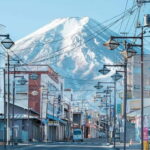
Then comes the quirky star: the Lawson convenience store facing Mt. Fuji at Kawaguchiko. It sounds silly until you see the alignment. Mt. Fuji can line up with the storefront, and the place has become an Instagram magnet for that exact reason.
This stop lasts about 20 minutes. That is enough time to get a photo if the crowd moves smoothly, but it is also why some people call it disruptive. One review even suggests it could be reduced because the street gets busy and people cluster across the road.
My advice: treat it like a quick photo mission. Arrive with a plan:
- Decide what you want first—Fuji centered, Lawson sign visible, or a wider shot with people minimized.
- Keep moving while you take shots so you do not get stuck waiting for space.
If your group is organized, the guide can help you keep it painless. The best guides are the ones who give quick direction and then let you enjoy the moment without micromanaging.
Oshino Hakkai: eight spring ponds and a softer ending
By the time you reach Oshino Hakkai, the day shifts into something calmer. This scenic area at Mt. Fuji’s foot is fed by snowmelt from the mountain, and the water is filtered naturally through layers of lava rock.
Oshino Hakkai is known for eight spring ponds with extremely clear water. The site is a nationally designated Natural Monument. It is also one of the best places on the itinerary to use your eyes instead of just your camera, because the water invites slow observation: ripples, reflections, and the contrast between rocky ground and glassy surface.
You get about an hour here, with guided tour elements included. That extra guidance helps a lot when you are surrounded by Japanese history and local explanations. Reviews repeatedly praise guides for adding context, and names like Laner and Peter show up with comments about organization and making geography feel clear.
This is also a smart timing choice. Earlier stops are energy-heavy. Oshino Hakkai gives you a chance to cool down and enjoy the air before you head back toward Tokyo as the afternoon fades.
Lunch, timing, and what to pack for a smoother day
Lunch is not included in the tour price, even though the schedule includes a local restaurant break (about 40 minutes). You also have options: you can bring food, buy lunch near attractions, or follow your guide’s suggestion. Because lunch is not guaranteed to match every dietary preference, it helps to be flexible.
A few practical tips from the tour’s structure and common feedback:
- Bring cash. The tour notes personal expenses may require cash, and lunch is on you.
- Bring water. You will walk a bit at multiple stops and spend time outdoors.
- Wear comfortable shoes. Ropeway access and pond areas both involve walking and uneven surfaces.
- Plan to carry a camera (your phone camera is fine, but bring a backup battery if you can).
Timing is the other big variable. Bad weather, traffic, or heavy crowds around holidays can delay returns, and some stops may be shortened or rescheduled. That is why you should not book another activity immediately after this tour.
If you want a low-stress day, you also need to do your part: arrive at the meeting point early. The tour asks for arrival at least 15 minutes ahead, and late arrivals can lose their place.
Who this Mt. Fuji group tour suits best
This is a strong fit if:
- You are visiting Tokyo for the first time and want a structured Mt. Fuji route without navigating trains and buses.
- You care about photo stops and want help with pacing, so you do not waste time guessing which viewpoint comes next.
- You like a mix of iconic sights and culture, like the matcha ritual and the Oshino Hakkai pond explanations.
This may not be the right fit if:
- You are sensitive to heights. The ropeway is part of the core experience.
- You want a quiet, uncrowded day. Some places, especially the Lawson photo area, can get busy.
- You hate long schedules. Expect a full-day rhythm and a return to Tokyo later in the day.
One more note on guide impact: reviews consistently mention that guides can make the bus ride feel shorter. People talk about humor, trivia, clear directions, and photo tips. Even the small stuff gets attention—one guide, Sawaki, is praised for making the ride fun with trivia and even origami Mt. Fuji props.
Should you book this Mt. Fuji & Lake Kawaguchiko tour?
If you want an easy day trip that hits the big Mt. Fuji checklist—Kachikachi Ropeway, matcha by the lake, an iconic Lawson photo stop, and Oshino Hakkai—this tour is good value. The price makes sense because transport, ropeway entry, and the matcha experience are folded in.
Book it if you can handle a fast-paced itinerary and you are okay with crowds at photo hotspots. Also book it if your top priority is seeing the area efficiently with a guide who helps you get the best shots.
Skip it (or consider a different format) if you need lots of free time to wander, if you are afraid of heights, or if you need a more flexible schedule. And remember: Mt. Fuji visibility depends on weather, so bring patience for cloud chances.
If you are traveling in peak season, you will be happier when you show up early, pack cash and water, and trust the plan.
FAQ
How long is the Mt. Fuji & Lake Kawaguchiko Ropeway tour?
The tour runs for about 10 hours.
How much does it cost?
The price is $54 per person.
What is included in the tour price?
You get the Kachikachi Ropeway ride, the matcha experience, round-trip transportation by air-conditioned bus, a multilingual tour guide, expressway tolls, vehicle fuel, and parking fees.
Is lunch included?
Lunch is not included in the tour price. The day includes a lunch break at a local restaurant, but you will pay for your meal.
What languages are available for the guide?
The guide is available in English, Japanese, Korean, and Traditional Chinese.
Where does the tour start in Tokyo?
The meeting point may vary. One starting option is Tokyo Station Marunouchi North Exit 2, near the Robert Indiana sculpture Love.
What if Mt. Fuji is not visible?
Visibility depends on weather conditions, and the tour cannot guarantee you will see Mt. Fuji clearly.
What if the ropeway is closed?
From Dec. 8 to Dec. 19, 2025, the ropeway closes for regular maintenance and the itinerary is adjusted to include an experience on the Samurai Ship. If the ropeway is canceled due to weather or other reasons, you can request a refund of 1000 JPY per person for the ropeway fee.
What should I bring?
Bring comfortable shoes, a camera, water, and some cash. The tour also suggests bringing some food.