REVIEW · TOKYO
Mt. Fuji Heritage Tour: Traditional Villages, Lakes & Shrine
Book on GetYourGuide →Operated by TAIHOU CO,LTD · Bookable on GetYourGuide
Fuji photos start with the ride. This is a full-day loop around Saiko Iyashi no Sato Nenba and the Chureito pagoda area, built for that iconic Mt. Fuji framing while still giving you real village-and-shrine atmosphere. I like how the stops stack practical photo time with guided context, so you know where to stand and what you’re looking at.
One thing to plan for: Mt. Fuji visibility is weather-dependent, and lunch isn’t included—you’ll need to buy food during the breaks.
In This Review
- Key highlights to know before you go
- A 10-hour Fuji day from Tokyo: how the pace and timing feel
- The weather reality check (it matters here)
- Saiko Iyashi no Sato Nenba: thatched houses, snack breaks, and easy Fuji framing
- A fun photo add-on (optional)
- Practical tip
- Lake Kawaguchi viewpoints: Oishi Park and the Maple Corridor timing swap
- Oishi Park: seasonal color when it’s in season
- Maple Corridor: peak autumn foliage dates and the route change
- What to do if Fuji is partially hidden
- Arakurayama Sengen Park: the shrine-to-pagoda climb that gives you the iconic view
- Photo strategy that saves time
- Bonus: goshuin tip if you plan to collect stamps
- Lunch break reality: what to eat and how to plan without stress
- Oshino Hakkai: quiet spring ponds, reflections, and local treats
- Eat something local while you’re here
- Money, what to bring, and the small logistics that keep the day smooth
- What you should bring
- The meeting timing matters
- Souvenir shopping is separate at each stop
- What makes this tour feel worth it: the guide and the organization
- A note on group comfort
- Who should book this Mt. Fuji Heritage Tour—and who should skip it
- Should you book this tour?
- FAQ
- How long is the Mt. Fuji Heritage Tour?
- What is included in the $50 price?
- Is lunch included?
- What languages will the guide speak?
- Will I definitely see Mt. Fuji clearly?
- Is the tour wheelchair accessible?
Key highlights to know before you go
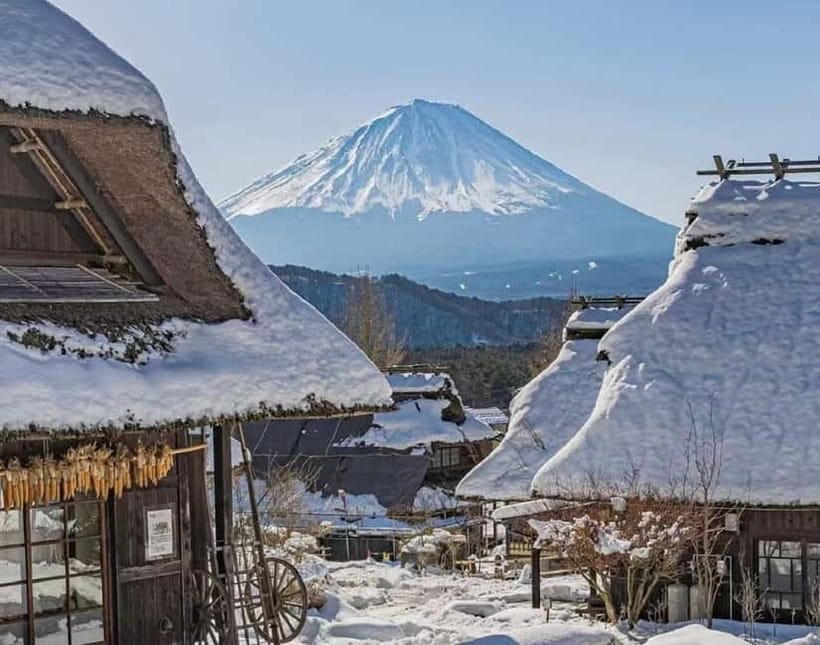
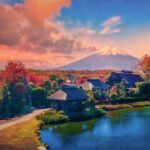
- Saiko Iyashi no Sato Nenba thatched-roof village with Mt. Fuji in the background and snack options right at the entrance
- Oishi Park or Maple Corridor timing changes by season, especially at peak autumn foliage
- Arakurayama Sengen Park steps to the pagoda viewpoint, a global photo target made for framing Fuji behind it
- Oshino Hakkai’s eight spring ponds for calm reflections and a slower ending to the day
- Multi-language guide support to keep you on schedule and pointed to the right rejoin times
A 10-hour Fuji day from Tokyo: how the pace and timing feel
This is a shared group tour that runs about 10 hours, with pickups offered at two meeting options in Tokyo (Marunouchi). You’ll spend a chunk of the day riding—bus time is part of the experience here, because Mt. Fuji is surrounded by several distinct viewing zones.
What I like about this pace is that it doesn’t feel like a mad dash. You get multiple “stop, look, shoot, regroup” moments rather than one long photo scramble, and the guide keeps the timing tight enough that you don’t miss the best light windows at each location. That said, weekend and holiday traffic can push return time later, and attraction times may shorten if the schedule gets squeezed.
You can also read our reviews of more historical tours in Tokyo
The weather reality check (it matters here)
Mt. Fuji can vanish behind clouds on any given day. The tour schedule assumes you’ll try for clear views, but you should treat visibility as luck-plus-planning, not a guarantee. If you’re traveling in a season when Fuji is commonly clear, check the forecast anyway, and keep your expectations flexible.
Saiko Iyashi no Sato Nenba: thatched houses, snack breaks, and easy Fuji framing
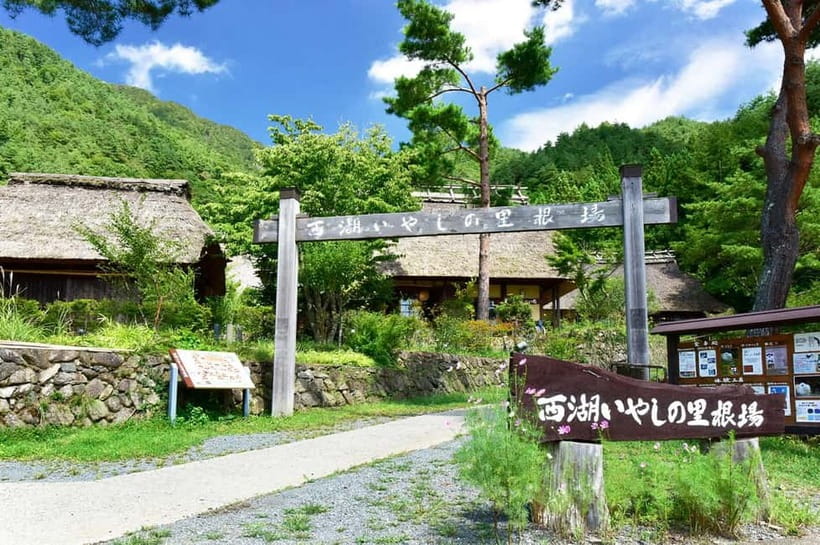
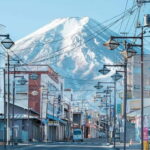
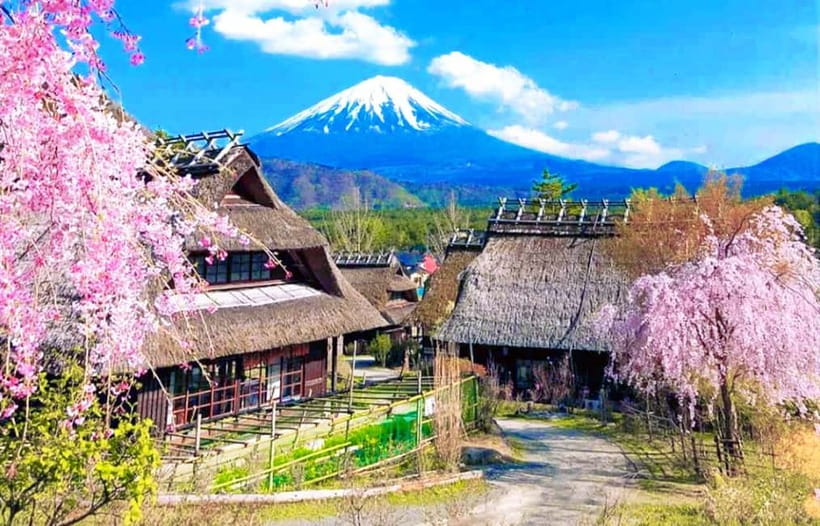
Your first major stop is Saiko Iyashi-no-Sato Nenba, a traditional village known for thatched-roof houses with Mt. Fuji as the backdrop. This is the kind of place where you can spend time just walking slowly and letting the framing happen naturally—especially if you like photos that look like they belong in an old print.
You’ll get guided time plus a photo stop window, and admission is included. There are also Japanese street snacks right at the village entrance, which is a nice low-effort option if you don’t want to hunt down food later.
A fun photo add-on (optional)
If you want something playful for your pictures, there’s an option to rent a ninja costume for extra cost. It’s not required for the village experience, but it can be a good way to make your Fuji photos feel more like a memory than just a postcard.
Practical tip
Wear comfortable shoes. Village paths and photo angles can mean extra steps, and you’ll be happiest if your feet don’t become the limiting factor.
Lake Kawaguchi viewpoints: Oishi Park and the Maple Corridor timing swap
After the village, you head toward Lake Kawaguchi, which is the core viewing area for a lot of the region’s classic Fuji angles. This part of the day is about switching styles: one location for wide open seasonal color, another for a more structured “path-and-frame” feel.
Oishi Park: seasonal color when it’s in season
Oishi Park is the stop designed for seasonal drama. In summer, it can mean lavender fields, and in autumn it’s tied to vivid grasses like red broom grass. The point is simple: you’re not just chasing Fuji—you’re pairing Fuji with foreground color so the images look layered.
Maple Corridor: peak autumn foliage dates and the route change
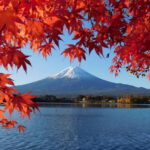
Here’s the important wrinkle: at peak autumn (Oct 26–Nov 20), the tour focuses on the Maple Corridor, and it doesn’t go to Oishi Park during that time. So if your travel dates land in that window, you’re trading one seasonal foreground scene for another.
The Maple Corridor stop is a photo-driven break with quick access to angles that showcase Fuji framed by fall leaves. If you’re going in late October to mid-November, treat Maple Corridor as the main event for color.
What to do if Fuji is partially hidden
Even with clouds, these spots can still work because you’re photographing reflections, layers, and color. Also, bus stops and short walks can help you find a better angle without losing too much time.
Arakurayama Sengen Park: the shrine-to-pagoda climb that gives you the iconic view
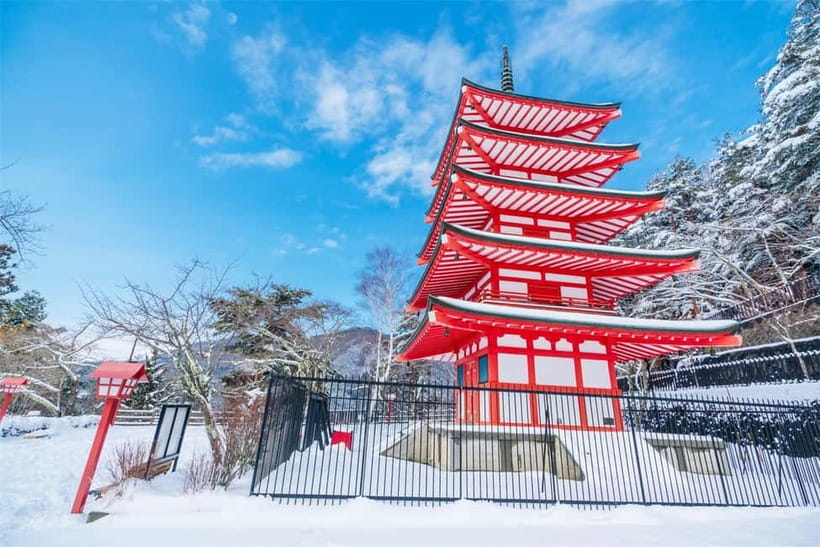
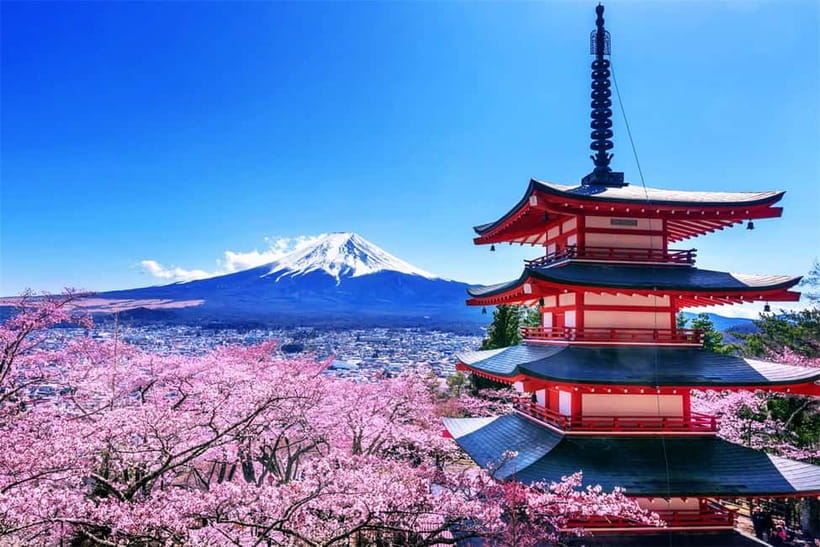
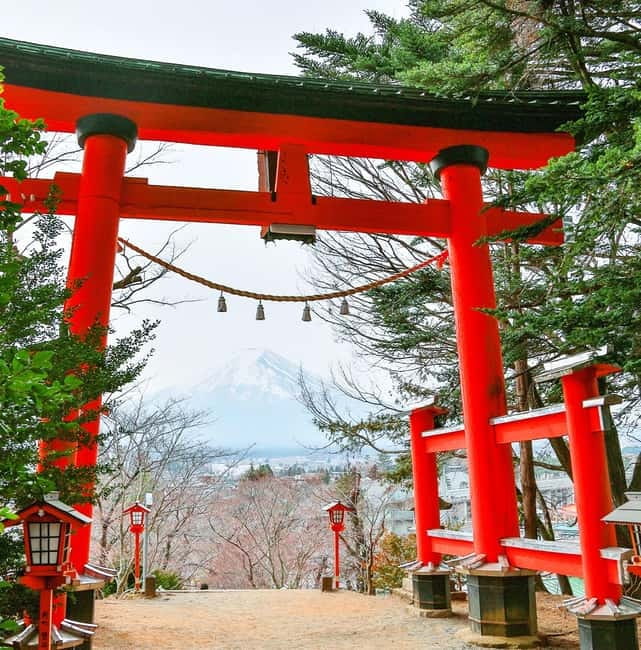
Next comes Arakurayama Sengen Park, where the shrine area leads up toward the Five-Story Pagoda / Chureito Pagoda viewpoint. This is the globally famous composition: the pagoda framed with Mt. Fuji behind it.
The climb is part of what makes the view feel earned. You’ll visit the shrine area and then get time around the photo spots, including steps that lead to higher vantage points. This is also one of the best places to slow down and feel the change in atmosphere as you get above the crowds and closer to the viewpoint line.
Photo strategy that saves time
When you’re at the pagoda area, you want clean framing and quick regrouping. Give yourself a little buffer so you can adjust after you take the first shots, especially if Fuji appears and disappears behind cloud breaks.
Bonus: goshuin tip if you plan to collect stamps
If you want a goshuin (shrine seal), do it early. The practical trick is to hand over your book before you climb the stairs. Otherwise, you may face a longer wait when you’re ready to collect it.
Lunch break reality: what to eat and how to plan without stress
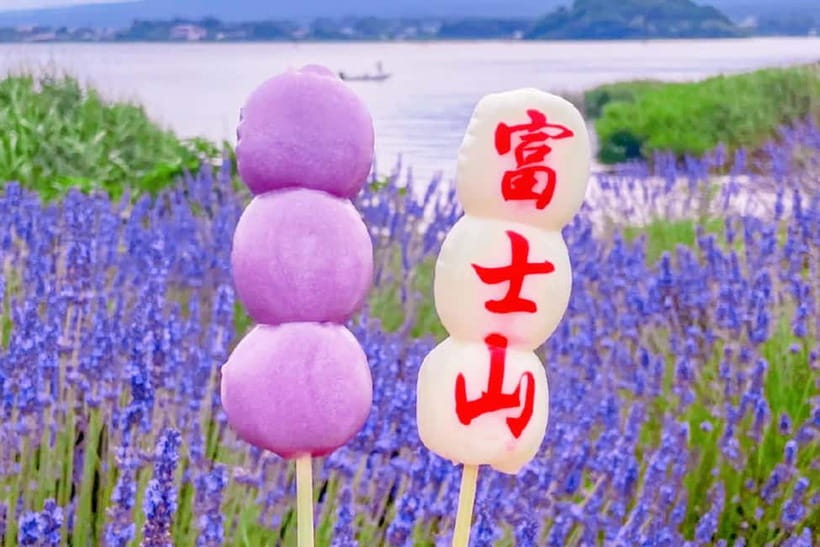
Lunch is not included. You’ll have a break time during the day where you can eat at a local restaurant suggested by the guide, or you can buy food at attractions. Since this tour is schedule-driven, it’s smart to keep it simple: grab something quick, then use the rest of your time at the stop.
Because the tour requires cash sometimes, bring some with you. Credit cards may not be accepted at certain locations, especially smaller stands around sightseeing spots.
Oshino Hakkai: quiet spring ponds, reflections, and local treats
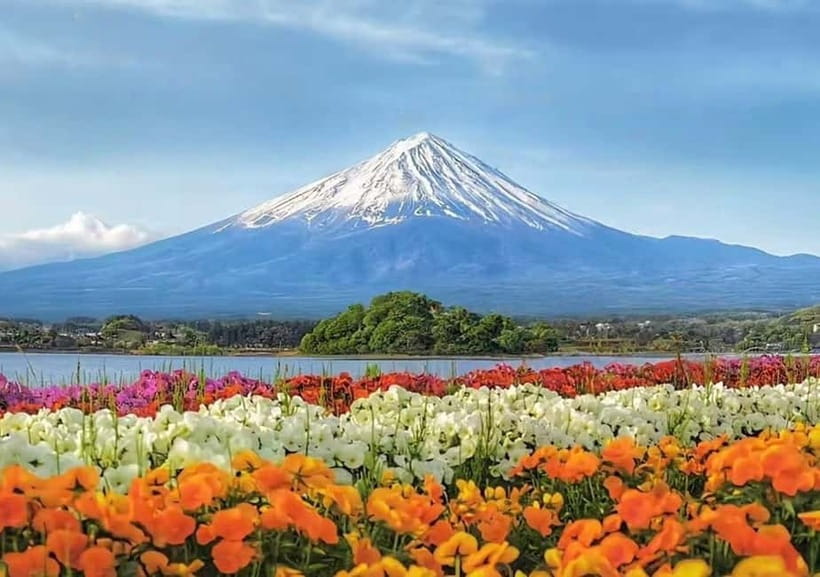
The day’s calmer finish is Oshino Hakkai, a set of eight spring ponds fed by melted snow from Mt. Fuji. The setting is peaceful and often feels like a break from the heavier photo spots earlier in the day.
This is one of the best places on the route for reflections—whether you’re looking for a calm pond mirror effect or just enjoying the cool, clear water visuals. You’ll get a longer sightseeing window here, which helps the day feel less rushed at the end.
Eat something local while you’re here
Around Oshino Hakkai, you can find local treats such as fresh rice crackers and even wasabi ice cream. These aren’t required, but they’re a fun way to end the day with something small and local rather than another standard meal.
Money, what to bring, and the small logistics that keep the day smooth
This tour is priced at about $50 per person for a full 10-hour day with guide time, admission to the village, and bus transport. For what you get—multiple Mt. Fuji photo zones plus shrine access—this is good value if you’re okay with a group schedule and want the “greatest hits” route.
What you should bring
- Comfortable shoes for walks and steps
- Water, because you may be moving between locations
- Cash, since some stops may not take cards
The meeting timing matters
Arrive about 15 minutes early at the meeting point. Late arrivals can be a problem on shared tours, and the schedule is built around not falling behind the bus.
Souvenir shopping is separate at each stop
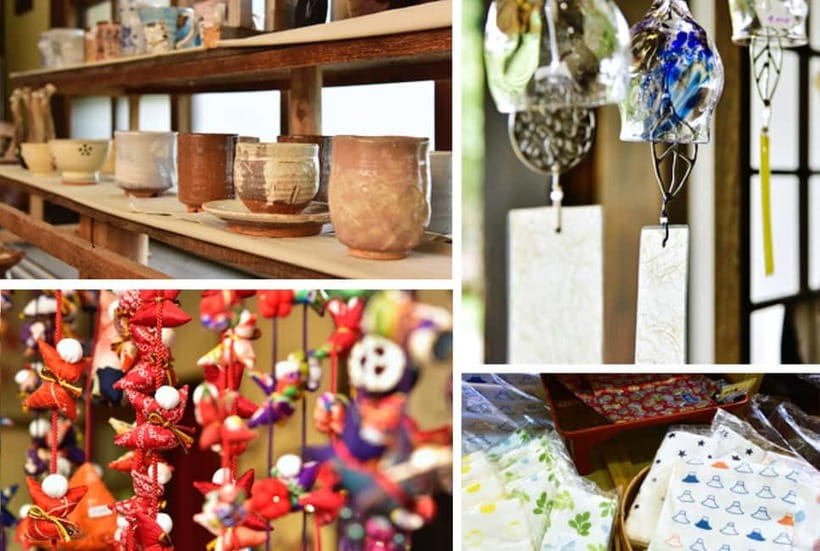
Souvenir shops exist at attractions, but they operate independently. Plan to buy what you like without assuming everything is part of one single stop or store.
What makes this tour feel worth it: the guide and the organization
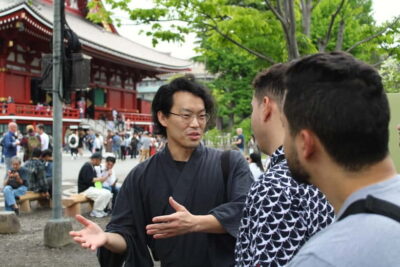
One of the strongest parts of this experience is how well the day runs. Many people emphasize that the guide keeps the group organized, gives clear explanations at each stop, and helps with timing cues like where to rejoin the bus and when to head back.
You may also notice the tour leans into practical support. In past runs of this day, guides such as Sia, Kazi, Wanting, Rachel, or Alex have been mentioned for being friendly, organized, and good at keeping everyone moving without chaos. Even if your guide isn’t one of those names, the format is designed around smooth coordination.
A note on group comfort
Because it’s a shared group bus tour, you’ll get the benefit of staying together and not fighting transit connections. The tradeoff is that you’re on the same timeline as everyone else, which is ideal for people who like structure—and less ideal if you want total freedom.
Who should book this Mt. Fuji Heritage Tour—and who should skip it
Book it if you want a one-day circuit that hits the major Fuji viewing areas with minimal planning. It’s especially good for first-timers around Lake Kawaguchi who want the traditional village vibe, the shrine-pagoda viewpoint, and the calm ponds in one go.
Skip it if you need wheelchair-friendly access. The tour is not suitable for wheelchair users, and the route includes walking and stairs at the pagoda area.
Also skip it (or at least adjust expectations) if you want lunch included in the price. Here, lunch is on your dime, and the day is built around breaks where you can purchase food.
Should you book this tour?
If your goal is classic Mt. Fuji scenery with a guided day that removes the stress of route planning, this is a solid choice. The value is strongest when you’re traveling light, bringing cash, and going in with flexible expectations about weather.
If your dates fall in Oct 26–Nov 20, go in expecting Maple Corridor to be the color focus, with Oishi Park not on the list during that period. And if you’re sensitive to long days, remember this is a full bus-and-stop schedule—about 10 hours—so plan your energy accordingly.
In short: I think this is worth booking when you want the highlights and don’t want to piece the day together yourself.
FAQ
How long is the Mt. Fuji Heritage Tour?
The tour duration is listed as 10 hours.
What is included in the $50 price?
Included items are admission to Saiko Iyashi no Sato Nenba, a tour guide, a driver, pickup and drop-off at two designated meeting points, and the parking fee.
Is lunch included?
No. Lunch is not included, and you can bring your own food or purchase food at attractions or a restaurant suggested by the guide during the break time.
What languages will the guide speak?
The tour guide speaks English, Japanese, and Traditional Chinese.
Will I definitely see Mt. Fuji clearly?
No. Weather conditions can prevent a clear view, so check the forecast and be prepared for clouds.
Is the tour wheelchair accessible?
No. The tour is not suitable for wheelchair users.