REVIEW · TOKYO
Tokyo: 3-Hour E-Bike Tour of the City’s Riverside Areas
Book on GetYourGuide →Operated by Tokyo Rental Bicycle · Bookable on GetYourGuide
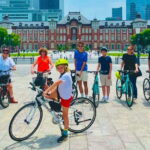
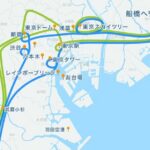
Tokyo by bicycle feels like a shortcut. You get to skip long walks and still see the city’s most memorable neighborhoods and river views in just 3 hours. This tour is built around the riverside and downtown belt, starting from Hibiya Park and rolling through places like Tsukiji and Kiyosumi Gardens, with your guide explaining what you’re looking at as you ride.
What I like most is how the route mixes big-name icons with quieter stretches that are harder to reach on foot. You also ride high-quality electric bikes with a basket, and you’re in a small group capped at 8, so it stays friendly and manageable. One thing to think about: this isn’t for people who can’t comfortably ride a bike, and it’s not suitable for children under 12 or anyone with back problems.
In This Review
- Key highlights worth your time
- Entering Tokyo’s riverside rhythm from Hibiya Park
- Ginza to Kabuki-za: iconic photos with an e-bike advantage
- Tsukiji Hongan-ji and Tsukiji Outer Market: where the morning pace shows up
- Tsukishima Monja Street and Sumiyoshi Jinja: everyday Tokyo on two wheels
- Kiyosumi Gardens: the included slow-down that makes the tour feel worth it
- Naritasan Fukagawa Fudōdō: finishing strong without forcing the last entrance
- How the guides shape the ride (and why it shows up in reviews)
- Value check: is $78 for 3 hours a smart buy?
- What to pack and how to ride comfortably
- Who this tour is best for
- Should you book Tokyo’s riverside e-bike tour?
- FAQ
- Where do I meet for the Tokyo 3-hour e-bike tour?
- How long is the tour?
- What does the price include?
- Is the temple entrance at the end included?
- What should I bring?
- Who should not join this tour?
- Is the tour offered in English?
Key highlights worth your time
- Small group of 8 keeps the pace human and the streets easier to manage
- E-bikes with a basket make the ride smooth even if you’re not a hardcore cyclist
- English-speaking guides share local context at each stop
- Kiyosumi Gardens entrance included, so you get one “slow down” moment without extra planning
- Tsukiji Outer Market time gives you a real sense of what the area feels like
- Bike insurance included, which is a nice safety net on busy roads
Entering Tokyo’s riverside rhythm from Hibiya Park
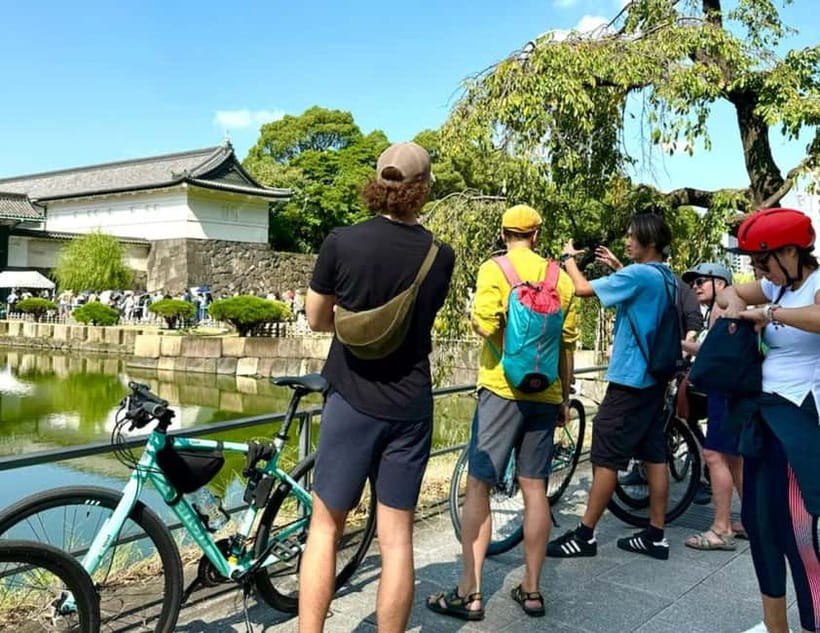
The tour starts at the right of the kiosk in Hibiya Park. It’s a good launch point because you’re close to downtown energy without immediately being trapped inside it. I like that the first part of the ride sets you up with a clear sense of where you are before you start hopping between major sights.
You’ll be on an electric bike designed for road use, and you’ll have a basket for your bag. That sounds small, but it matters: carrying things while cycling is the fastest way to ruin the experience. Your guide keeps the group moving and helps you adjust as needed, and a few past groups specifically praised how carefully their guides handled the ride.
You’ll want comfortable shoes, water, and comfortable clothes. Bring sunscreen, and I’d also add sunglasses since you’ll be exposed to daylight for stretches. Arrive about 10 minutes early so you’re not rushing setup.
You can also read our reviews of more cycling tours in Tokyo

Ginza to Kabuki-za: iconic photos with an e-bike advantage
After meeting up, the route heads toward Ginza. You get a guided stop with time for a photo and a quick orientation—about 10 minutes. This is the kind of stop that works well by bike. You’re close enough to feel the district’s famous polish, but the ride keeps you from doing the slow, crowded shuffle you’d get if you just walked.
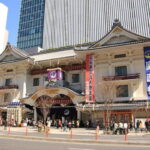
Next comes Kabuki-za for another 10-minute guided/photo stop. This is where the bike format helps again. You can look, stop, listen, and then move on before your legs cool down. If your day in Tokyo is already packed, this is a smart way to still hit a headline sight without turning the morning into a marathon.
A practical note: Ginza traffic can be a little more intense than the calmer streets that come after. Don’t stress it, but do keep your focus and follow your guide’s cues. If you’re comfortable on city streets, you’ll be fine.
Tsukiji Hongan-ji and Tsukiji Outer Market: where the morning pace shows up
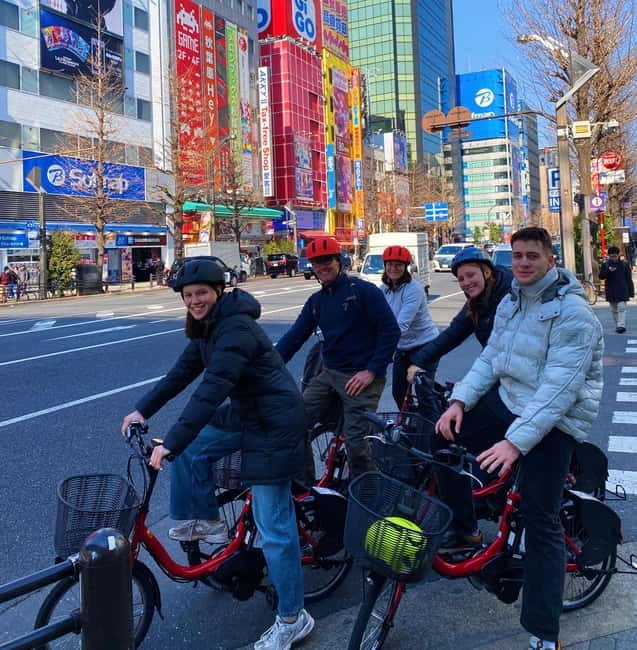
Then you shift into the Tsukiji area. You start with Tsukiji Hongan-ji—a 15-minute guided stop. The value here isn’t just the building itself. It’s the contrast: Tsukiji can feel fast and commercial, and the temple pause gives your eyes a different anchor point. Your guide’s stories help you understand why this place matters beyond a quick photo.
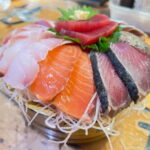
Right after that, you get time at the Tsukiji Outer Market for about 20 minutes. This is the part I’d tell you not to over-plan. You’ll likely notice how tightly packed the lanes feel, and you’ll be close enough to see what vendors and shoppers are doing in real time. The tour time is short, but it’s long enough to walk a few lanes, read the vibe, and decide if you want to grab something to eat (food isn’t included, but buying a snack is easy here).
In one review, the fish-market segment came with praise for a delicious snack moment. Even if you skip food, the market break adds texture to the ride: it’s Tokyo as a working city, not just a sightseeing slideshow.
Tsukishima Monja Street and Sumiyoshi Jinja: everyday Tokyo on two wheels
From Tsukiji, the route continues toward Tsukishima Monja Street for about 10 minutes. This stop is great if you want Tokyo that feels more lived-in. You’re not just seeing monuments—you’re seeing the kind of street identity that locals know instantly.
Then it’s on to Sumiyoshi Jinja for another 10-minute guided stop. Shrines on foot can take time, especially when you’re bouncing between neighborhoods. By bike, you can cover more ground without rushing the experience into a checklist. Your guide’s commentary helps connect the shrine setting to what you’ve seen earlier in the day, so it doesn’t feel random.
One review specifically mentioned crossing Tokyo’s Sumida River during the tour, and that makes sense for this riverside-focused route. Even if you don’t catch every architectural detail, the water crossing is a nice mental reset from street density.
Kiyosumi Gardens: the included slow-down that makes the tour feel worth it
Here’s a big reason I think this tour is good value: Kiyosumi Gardens entrance is included. The stop runs about 25 minutes. That extra time matters because gardens can’t be rushed without losing the point. You get a calmer pocket of Tokyo, and the e-bike makes it easy to move there and back without feeling like you’ve just left one long day for another.
If you’re the type who likes a visual variety, this is your payoff. The garden segment gives you a break from traffic and crowds, and it’s also where your guide’s stories can land best—because you can actually slow down and look.
This stop is also a smart planning piece for your whole trip. Tokyo has tons of places to see, but time inside the city can slip away. Getting a timed, guided garden visit with entrance handled is a simple win.
You can also read our reviews of more city tours in Tokyo

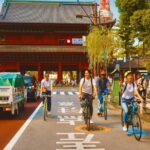

Naritasan Fukagawa Fudōdō: finishing strong without forcing the last entrance
The final major stop is Naritasan Fukagawa Fudōdō, with about 20 minutes for photo and guided time. The tour ends at Fukagawa Fudō-dō at the Naritasan Tokyo branch temple.
One important detail: there’s an optional entrance fee of ¥1000 in cash. If you don’t want to pay, you can skip it and still complete the tour. That’s useful if you’re traveling with tight schedules, want to conserve cash, or would rather keep moving.
This ending works because by then you’ve already stitched together the day: downtown sights, market energy, everyday streets, then a calmer garden section. The finale feels like a natural “close the loop” moment on the riverside side of Tokyo.
How the guides shape the ride (and why it shows up in reviews)
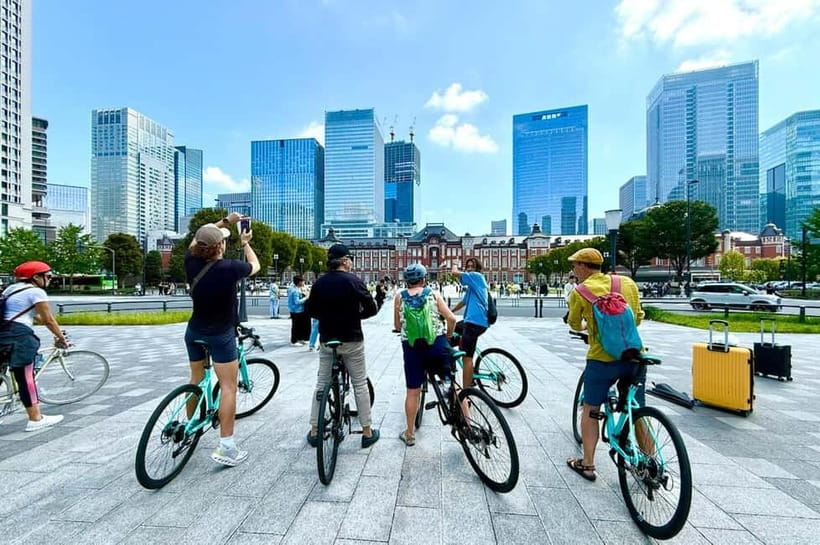
This is a guided tour in English (and also Japanese). What stands out in the feedback isn’t only that guides were friendly—it’s that they managed the ride with care. Names that came up include Nooki and Casey, and in another group experience the guides were Naoki and Show. Across these mentions, the common thread was a ride that felt safe, smooth, and thoughtful.
That matters because e-bike tours are partly about logistics and partly about interpretation. If you’re just cycling, you might miss why a stop matters. If you’re just listening, you might miss the fun of moving through the city. Good guides do both: they keep you oriented and they explain what you’re seeing in a way that actually helps you notice it.
Value check: is $78 for 3 hours a smart buy?
At $78 per person for 3 hours, you’re paying for more than the bike. You get:
- an English-speaking guide
- e-bikes with a basket
- bike insurance
- Kiyosumi Gardens entrance included
- guided stops at multiple sights
A lot of Tokyo experiences charge you extra for entry, and then still ask you to figure out transport between scattered points. Here, the bike handles most of the “getting there” problem, and one paid attraction is already covered. That combination is why the price tends to feel fair, especially if you already walked a few days and want a different rhythm.
If you’re on a tight schedule, the route also gives you efficient “coverage.” You see both headline areas and more local-feeling streets without turning the day into a bus-transfer puzzle. One review even pointed out that some areas would be difficult by bus, which tracks with why a bike tour works in Tokyo’s tight neighborhoods.
What to pack and how to ride comfortably
Keep it simple. Bring:
- water
- comfortable shoes
- comfortable clothes
- sunscreen
- sunglasses (recommended)
Don’t bring:
- alcohol or drugs
- smoking
- anything messy that leads to littering
The tour also lists who should avoid it. It’s not suitable for children under 12, pregnant women, people with back problems, or anyone who can’t ride a bike. If any of those apply, you’ll have a better time choosing a different format (and you’ll avoid the stress of trying to force a ride that isn’t right for your body).
Who this tour is best for
You’ll likely love this if:
- you want Tokyo in 3 hours without cramming in subway transfers
- you like street-level details, not only big monuments
- you want a guide to connect the dots between neighborhoods
It’s also ideal if you’ve already spent several days in the city. Reviews described joining after a few days and still finding new spots. That’s a common win with bike routes: you see areas you might skip because you wouldn’t pick them for a self-guided walk.
If you’re an absolute beginner cyclist, it might still work, but you’ll need to be honest about your comfort on a bike in city traffic. This tour is designed to accommodate different skill levels, yet you still have to ride.
Should you book Tokyo’s riverside e-bike tour?
I’d book it if you want a practical, time-efficient way to see Tokyo’s riverside areas plus standout sights like Tsukiji and Kiyosumi Gardens. The fact that Kiyosumi Gardens entrance is included, you have a small group, and the ride uses electric bikes makes this feel like a smart use of your limited sightseeing time.
Skip it if cycling is a no-go for you, especially if you have back issues or you’re not comfortable riding. Also consider the optional ¥1000 cash entrance at the end if you care about visiting that temple interior.
If your Tokyo trip needs one experience that feels both active and grounded in local context, this is a strong pick.
FAQ
Where do I meet for the Tokyo 3-hour e-bike tour?
You meet at the right of the kiosk in Hibiya Park.
How long is the tour?
The tour runs for 3 hours.
What does the price include?
It includes a friendly English-speaking guide, e-bikes with a basket, bike insurance, local insights, and entrance fees to Kiyosumi Gardens.
Is the temple entrance at the end included?
The tour ends at Fukagawa Fudō-dō, and entry is optional. There is an extra ¥1000 cash entrance fee if you choose to enter.
What should I bring?
Bring comfortable shoes, water, and comfortable clothes. Sunscreen and sunglasses are recommended.
Who should not join this tour?
It’s not suitable for children under 12, pregnant women, people with back problems, or anyone who can’t ride a bike.
Is the tour offered in English?
Yes. The live tour guide is available in English (and also Japanese).