REVIEW · TOKYO
From Tokyo: Guided Day Trip to Nikko World Heritage Sites
Book on GetYourGuide →Operated by H.I.S. Co Ltd(TIC) · Bookable on GetYourGuide
Nikko in one day is a fast magic trick. You’ll stroll through Nikko Toshogu with its UNESCO-worthy details, then hit the big scenery hits at Kegon Falls and Lake Chuzenji without the hassle of planning. One possible drawback: it’s a long day, and one passenger noted the bus seats can feel hard for a full run.
I like tours like this because they shrink the effort. You meet at Shinjuku, ride out with an English-speaking guide, eat first in Nikko, and come back to Tokyo around early evening. The pace is sightseeing-heavy, so comfortable shoes matter.
In This Review
- Key Points Before You Go
- Nikko in One Guided Day: How the 10 Hours Really Works
- Meeting at Shinjuku i-Land LOVE Sculpture: The Start That Sets the Tone
- Riding the Bus: Comfortable Plans, Realistic Comfort
- Lunch First in Nikko: Chestnut Okowa Aoi Gozen and What to Watch
- Nikko Toshogu Shrine: Where the Day Gets Its Wow-Factor
- Kegon Falls: The 97-Meter Drop and the View You Came For
- Lake Chuzenji After the Falls: Scenery With Four-Season Timing
- Price and Value: Is $110 Worth a One-Day Nikko Hit?
- Guide Quality and Group Energy: How YIRIKO and SamSam Fit In
- Who Should Book This Nikko Day Trip?
- Should You Book? A Simple Decision Guide
- FAQ
- Where do I meet the guide?
- How long is the tour, and when will I be back in Tokyo?
- What’s included in the price?
- Is lunch included?
- Are there dietary options?
- What should I bring?
- Is the tour wheelchair accessible?
- Can I cancel for a full refund?
Key Points Before You Go
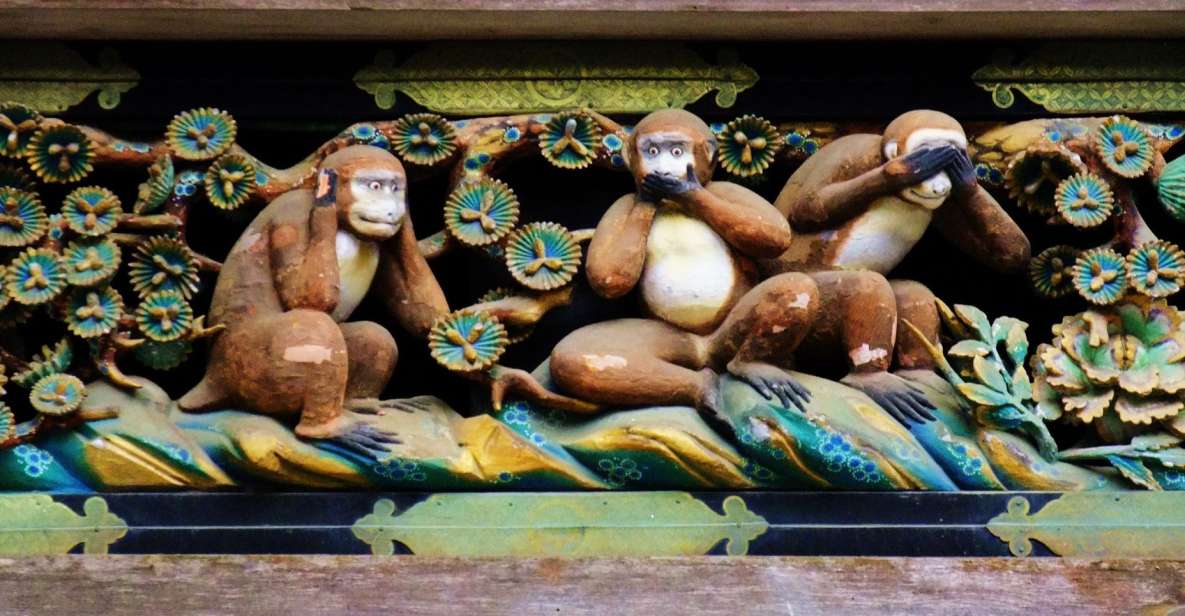
- Nikko Toshogu Shrine visit is included (entry tickets covered), so you can focus on the sights instead of logistics
- Kegon Falls + Lake Chuzenji give you the full “water meets viewpoint” experience, including the 97-meter drop
- Chestnut Okowa Aoi Gozen lunch can be included depending on what you book, with meal details subject to change
- English live guide with high satisfaction for transportation quality (92% perfect-score on transport)
- You’ll be back in Tokyo at about 18:30–19:00, after roughly 3 hours each way by bus
Nikko in One Guided Day: How the 10 Hours Really Works
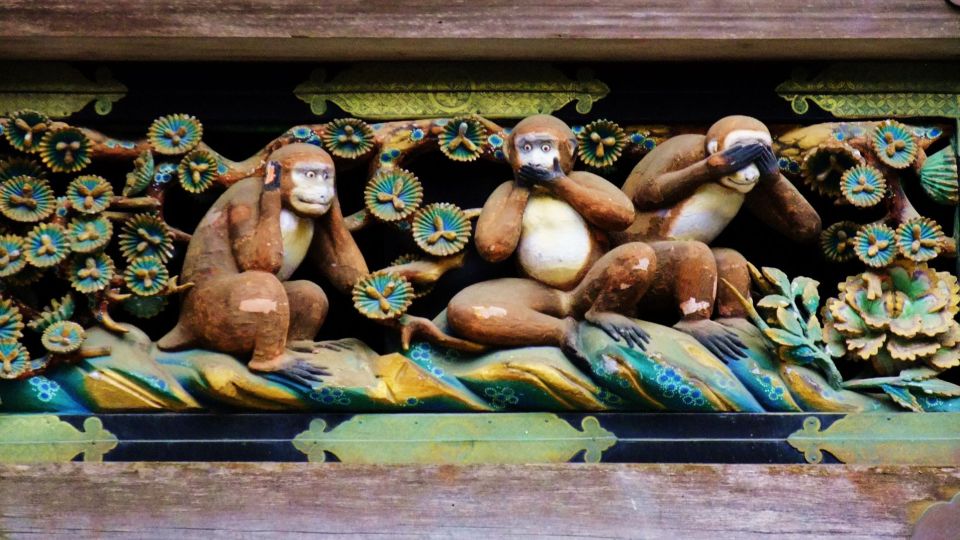
This is a classic “big sights, minimal planning” day trip. The day is built around three main stops, and everything is scheduled to move you along while you still get time to look, photograph, and breathe between locations.
You start in Tokyo at the meeting spot near Nishi Shinjuku. From there, the bus ride does what it should: it gets you out of the city and into Nikko without transfers and route hunting. Once you arrive, the tour keeps momentum by eating first, then sightseeing in an order that makes sense: shrine → waterfall → lake.
Just keep your expectations realistic. Ten hours with lots of time spent on the go means your legs will do work. If you’re coming from Tokyo, plan to treat this as a full-day outing, not a casual half-day stroll.
You can also read our reviews of more guided tours in Tokyo

Meeting at Shinjuku i-Land LOVE Sculpture: The Start That Sets the Tone
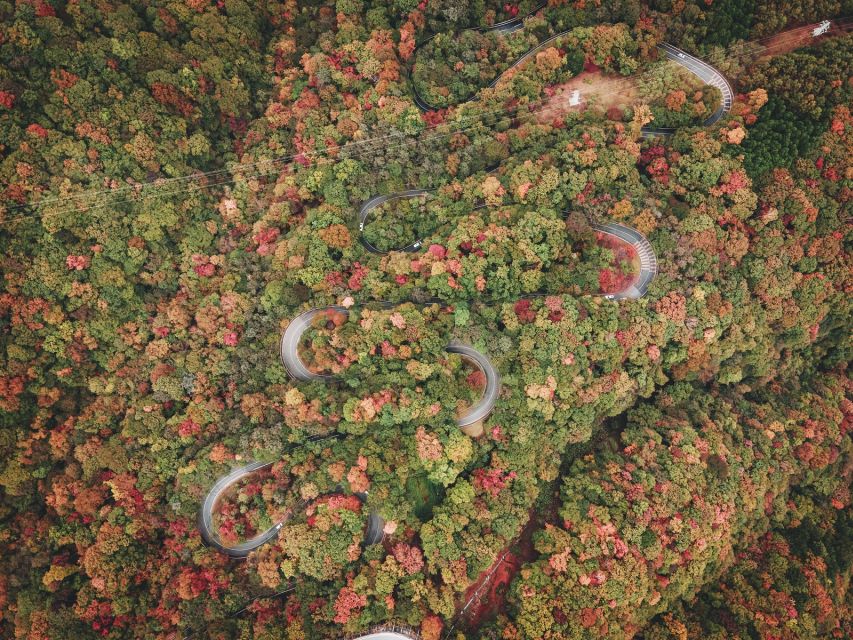
Your day begins by finding the guide outside the Shinjuku i-Land building, at the Nishi Shinjuku LOVE sculpture near Shinjuku Station. This matters more than it sounds—late arrivals can cause problems, and the tour can’t just pause and re-slice the schedule if you’re not there on time.
The practical upside is that this meeting location is in a recognizable area. If you know how to orient yourself around Shinjuku, you’ll likely find it without drama. If you don’t, give yourself extra time to reach the meeting spot, then double-check that you’re lining up with the guide’s instructions before boarding.
Once on the bus, you’ll be in a group setting where the guide can manage timing. That’s part of why the experience feels organized, especially for first-timers who don’t want to figure out buses and ticket counters on their own.
Riding the Bus: Comfortable Plans, Realistic Comfort
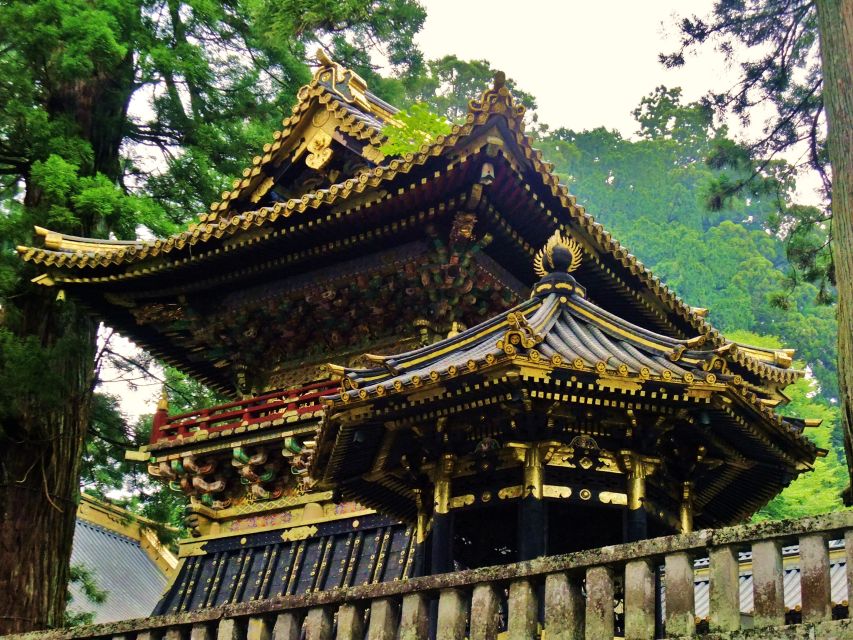
The transportation is rated highly, with 92% of people giving it a perfect score. That’s a good sign for things like smooth timing and overall quality of the ride.
Still, here’s the honest part: one traveler specifically mentioned that the bus seats felt hard for a full day trip, and another noted they couldn’t hear the guide when they were off the bus. So while the ride is considered good, it’s not a luxury coach with plush cushions and perfect sound for everyone.
My suggestion: treat comfort like part of your strategy. Wear clothes you can sit in comfortably for hours, bring anything you like for minor motion-soreness (like a neck pillow), and be ready to listen when you can. The guide is there to help you enjoy the day, but the bus environment isn’t always perfect for audio.
Lunch First in Nikko: Chestnut Okowa Aoi Gozen and What to Watch
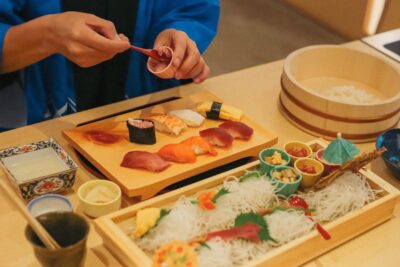
Once you arrive in Nikko, lunch comes before the main sightseeing. The lunch option described is Chestnut Okowa Aoi Gozen. If you choose an option with lunch, this is what you’re aiming for, and the menu is subject to change without notice.
That “subject to change” line is important. It doesn’t mean it’ll be bad—it means you shouldn’t treat your meal like an exact recipe that never varies. Think of it as a Nikko set meal experience rather than a guaranteed, identical dish every day.
Two practical notes based on the tour info:
- If you want vegetarian/vegan meals or wheat/soy allergy meals, you need to request that at booking. The cutoff is strict (you can’t request it after 3 PM the day before the tour).
- If you’re traveling with a child under 5, they may join free of charge, but they won’t automatically get a bus seat or lunch.
Also, one guide experience stood out in a review: SamSam was praised not only for explanations, but also for handing out cakes during the bus ride. So even if you’re not expecting snacks, the day can include a small “keep morale up” moment on the way.
Nikko Toshogu Shrine: Where the Day Gets Its Wow-Factor
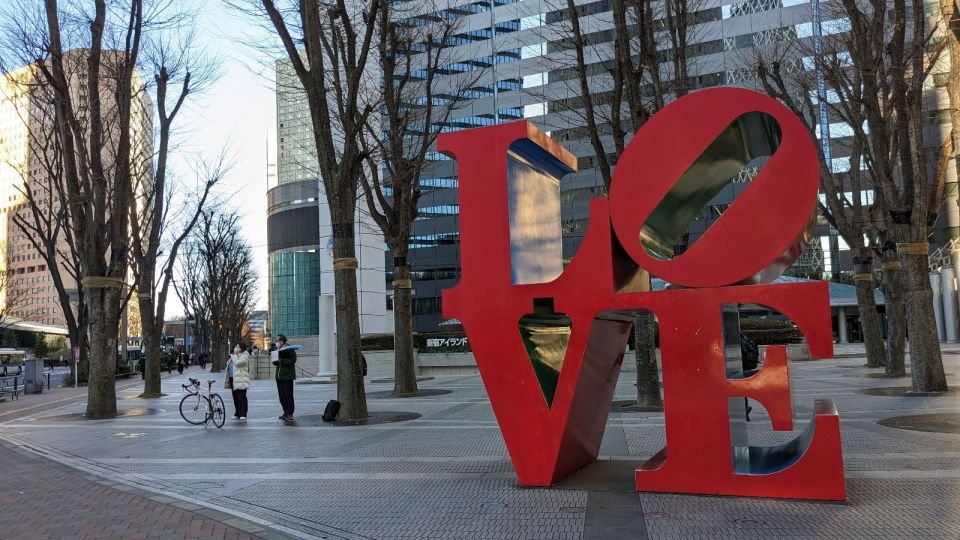
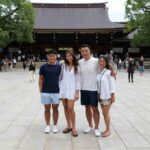
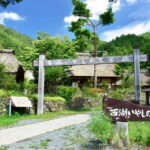
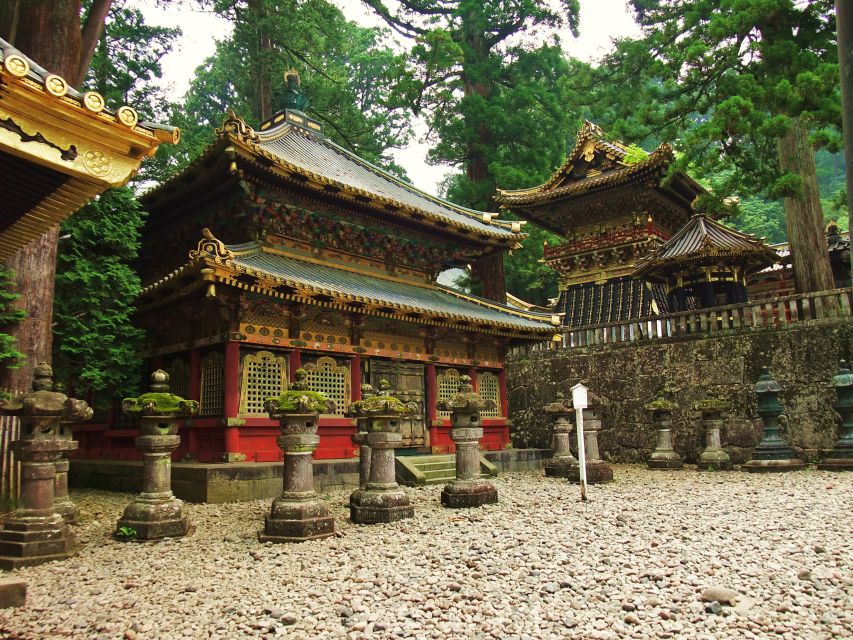
After lunch, the tour heads to Nikko Toshogu, a gorgeous shrine complex registered as a UNESCO World Heritage Site. This is the cultural heart of the day, and it’s the stop that gives the tour its identity.
What I love about this kind of shrine visit (when you go at a guided pace) is that you’re not just looking at buildings—you’re learning how to see. The guide’s job here is to point out what matters visually and historically, helping you understand why certain details get so much attention.
You’ll be doing a walk-through style visit, and that means:
- Take your time with the details, even if you’re tempted to rush for photos.
- Wear shoes you can stand in for a while.
- Keep your camera ready, but don’t let it fully control your pace.
One small downside to expect: shrine visits can involve steps and changing ground levels. If you have limited mobility, the tour’s accessibility note warns that full wheelchair use isn’t recommended. The stop itself is beautiful, but it’s also physically active.
This is the place where your “Nikko is more than nature” argument becomes real.
You can also read our reviews of more historical tours in Tokyo

Kegon Falls: The 97-Meter Drop and the View You Came For
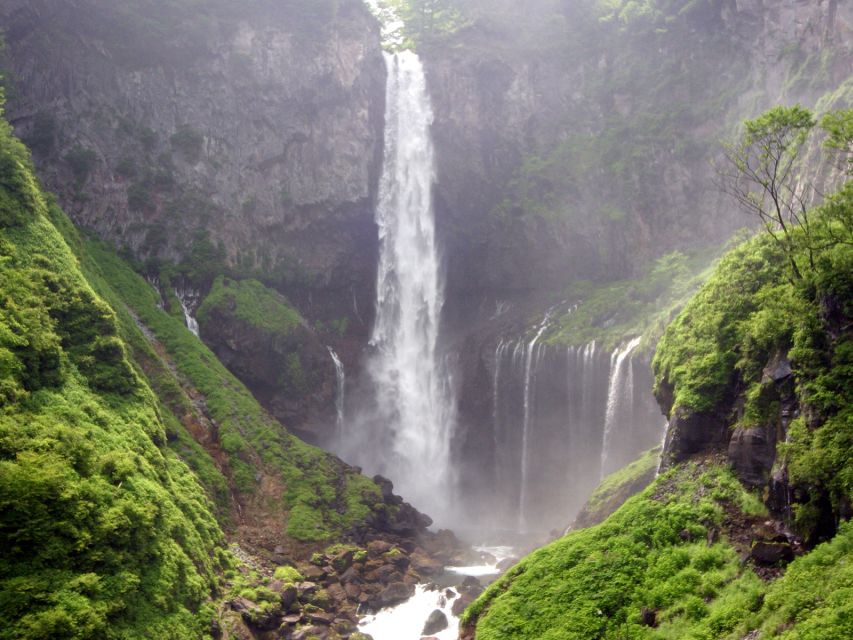
Next is Kegon Falls, described as a spectacular waterfall that drops down a 97-meter-high cliff from Lake Chuzenji. That’s a big number, and the point isn’t just the height—it’s the sense of scale you get when you’re physically there, watching water move in a way that feels larger than a postcard.
Why this stop works in a guided day:
- You’re taken directly to the viewpoint area without figuring it out yourself.
- You get context for what you’re seeing, rather than just a photo and a walk away.
Depending on weather, the experience can look very different. In misty conditions, you might get softer visuals; in clear conditions, the view tends to be crisp. Either way, the falls are the dramatic centerpiece of the day’s scenery.
One practical tip: bring your patience. Waterfall viewpoints attract crowds and people tend to linger. It’s not a quick drive-by. If you want good photos, be willing to wait a few minutes for the scene to settle after the biggest group flows through.
Lake Chuzenji After the Falls: Scenery With Four-Season Timing
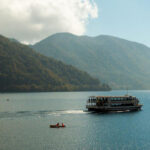
After Kegon Falls, you’ll visit Lake Chuzenji. The tour emphasizes that the scenery is beautiful in each of the four seasons, which is true in the broad sense—this is a place that changes character as the year turns.
Even without getting too specific about the exact season you’ll visit, you can still get value here:
- The lake works as a breather after the intensity of the waterfall.
- It’s a chance to see the area as more than one attraction.
- If you like calm views and a bit of walking time, this stop gives you that.
I also like that the tour sequence makes the geography feel connected. Kegon Falls ties directly back to Lake Chuzenji as the source area. So even if you’re not a “nature expert,” you’ll understand the relationship quickly: water comes from the lake and drops dramatically over the cliff.
Price and Value: Is $110 Worth a One-Day Nikko Hit?
At about $110 per person for a 10-hour guided day trip, this is the kind of price that only makes sense if you value time, convenience, and a guided flow.
Here’s what you’re getting for your money:
- A full-day schedule that covers multiple major sights
- An English live guide
- Entry tickets to Nikko Toshogu Shrine included
What you’re not getting:
- Hotel pickup and drop-off (so you’re meeting at Shinjuku and handling your own start/end around Tokyo)
- Drinks (you’ll want to budget for water or other beverages)
- Lunch only if you choose the option that includes it (the chestnut okowa set meal is only for those who select that option)
So, is it value? For many first-time visitors, yes—especially because you avoid the mental load of route planning, ticket entry, and time wasted negotiating local transport. If you’re already comfortable navigating Tokyo and regional bus routes, you could theoretically do Nikko on your own. But if you’d rather spend your mental energy enjoying the sites, the included shrine ticket and guided timing help justify the cost.
My practical take: if you’re the type who hates “what time is the last bus?” questions, this price starts to feel fair.
Guide Quality and Group Energy: How YIRIKO and SamSam Fit In
Two guide names show up in praised experiences: YIRIKO and SamSam. Both were recognized for how they handled the day—especially giving explanations that made the sites easier to understand and enjoy.
That matters. On a trip like this, the difference between a good day and a forgettable day is often communication: can the guide connect you to what you’re seeing, can they manage timing so you don’t feel rushed, and can they keep the group moving calmly?
One traveler specifically said SamSam was formidable and kind, and also mentioned cakes being distributed along the bus route. That’s a small detail, but it signals something bigger: the guide wasn’t just reciting info. They were working on the overall experience.
As for group energy, this is a bus day trip, so you should expect a mixed crowd and a shared pace. You don’t control the schedule, but you do benefit from it.
Who Should Book This Nikko Day Trip?
This is a strong match if you:
- Want to see UNESCO Nikko Toshogu, Kegon Falls, and Lake Chuzenji without planning transit
- Like guided storytelling and appreciate context at cultural sites
- Are comfortable with a long day and lots of walking
It may not be the best match if you:
- Need wheelchair-friendly step-free routes (the tour notes it isn’t recommended for full-time wheelchair users due to stairs, steps, and uneven ground)
- Have very limited mobility and can’t manage short distances/steps with support
- Expect a luxury-comfort bus experience all day (seating comfort has been questioned)
If you’re traveling solo, couples, or a small group of friends, the guided structure can be a real advantage. If you’re traveling with kids, just pay close attention to the child seat and meal rules for children up to 5.
Should You Book? A Simple Decision Guide
Book it if you want Nikko’s big hits in one day with shrine entry included and an English guide doing the hard work of timing. The itinerary flows shrine first, then waterfall, then lake—so your day has a clear visual arc.
Skip it (or consider a different approach) if you’re sensitive to long sitting time, or if mobility limitations mean the shrine and viewpoints might feel unsafe or exhausting. Also, if you’re hoping for lots of downtime, this isn’t that kind of tour.
If your goal is: see the sights, keep logistics simple, and enjoy a guided day out of Tokyo, this one is a solid fit. Wear comfortable shoes, plan to arrive on time at the Shinjuku i-Land LOVE meeting point, and you’ll be set up for a memorable Nikko day.
FAQ
Where do I meet the guide?
You meet the guide outside the Nishi Shinjuku LOVE sculpture, near Shinjuku i-Land building.
How long is the tour, and when will I be back in Tokyo?
The duration is about 10 hours, and the tour arrives back in Tokyo around 18:30 to 19:00.
What’s included in the price?
The tour includes entry tickets to Nikko Toshogu Shrine and an English live tour guide.
Is lunch included?
Lunch is included only if you choose the option with lunch. The described lunch is Chestnut Okowa Aoi Gozen, and the menu can change.
Are there dietary options?
Vegetarian/vegan meals and wheat/soy allergy meals can be requested at the time of booking. Requests can’t be arranged after 3 PM of the day before the tour.
What should I bring?
Bring comfortable shoes. This tour involves walking and sightseeing.
Is the tour wheelchair accessible?
The tour is not recommended for full-time wheelchair users due to unavoidable stairs, steps, and uneven ground. If you have limited mobility, contact the provider before booking. Electric wheelchairs are not allowed.
Can I cancel for a full refund?
Yes. Free cancellation is available up to 24 hours in advance for a full refund.