REVIEW · TOKYO
Tokyo: Mt. Fuji and Hakone Tour with Cable Car and Cruise
Book on GetYourGuide →Operated by H.I.S. Co Ltd(TIC) · Bookable on GetYourGuide
Mt. Fuji meets Hakone in one long, packed day. You ride up to Mt. Fuji’s 5th Station and then work your way down through Hakone’s volcanic zone to Lake Ashi by cruise. It’s a classic Japan mix: big mountain energy, sulfur steam, and calm lake views in the same 11 hours.
What I like most is how the plan concentrates the money on the big sights: guided access to the 5th Station (around 2300 m) plus Hakone Ropeway and a Lake Ashi cruise. I also really appreciate the optional lunch that’s built into the route, instead of forcing you to hunt for food between time gaps.
The main thing to keep your expectations grounded is timing. Weather can steal the Fuji view, and tight schedules plus traffic can reduce how long you get at each stop—so you need a flexible mindset for the day.
In This Review
- Key things to know before you go
- Mt. Fuji’s 5th Station, and why 2300 m changes everything
- Weather is the real schedule boss here
- Lunch at Hakone: hot pot and a half buffet (if you choose it)
- Hakone Ropeway to Owakudani: sulfur steam and the black egg moment
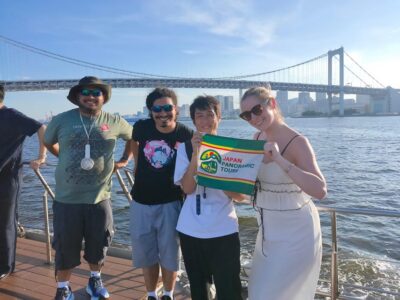
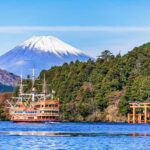
- Lake Ashi cruise: your best chance at Fuji from the water
- The long-day logistics: bus time, return drop-offs, and JR pass thinking
- Price and value: what you’re really paying $92 for
- Who should book this Mt. Fuji and Hakone day trip
- Should you book this tour?
- FAQ
- How long is the Tokyo to Mt. Fuji and Hakone tour?
- Where does the tour depart from?
- Is lunch included?
- What’s included besides transportation?
- What happens if the tour can’t reach Mt. Fuji 5th Station?
- If the ropeway doesn’t operate, are there alternatives?
- Can wheelchair users join?
Key things to know before you go
- 5th Station access (around 2300 m): closer to the summit, with clouds moving fast.
- Owakudani by ropeway: see geothermal activity up close, including fumaroles and solfataras.
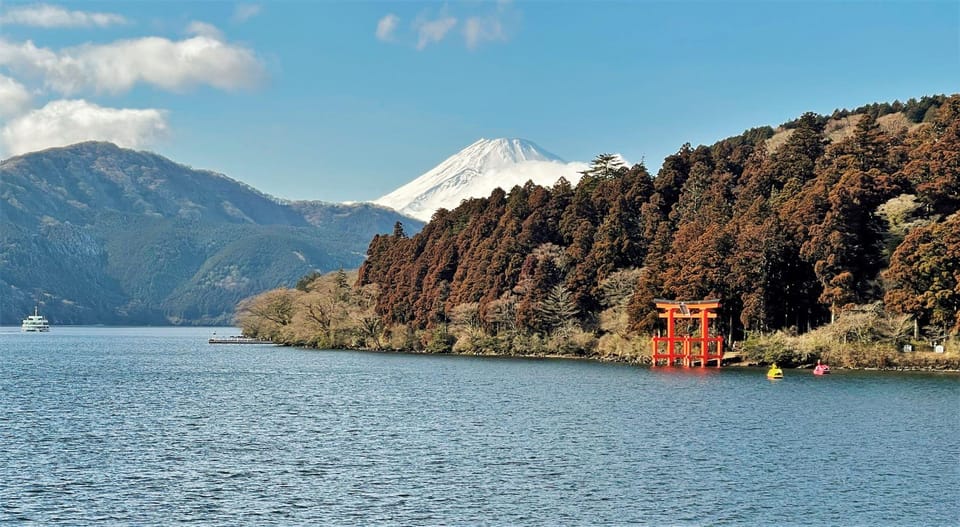
- Lake Ashi cruise: your clearest chance for Fuji-from-the-water views when conditions cooperate.
- Volcanic souvenirs like black eggs: famous, but the fee isn’t included.
- Weather-driven substitutions: alternatives exist if activities can’t run.
- Return options after Hakone: bus back to Tokyo Station, or drop-offs at Hakone-Yumoto / Odawara.
Mt. Fuji’s 5th Station, and why 2300 m changes everything
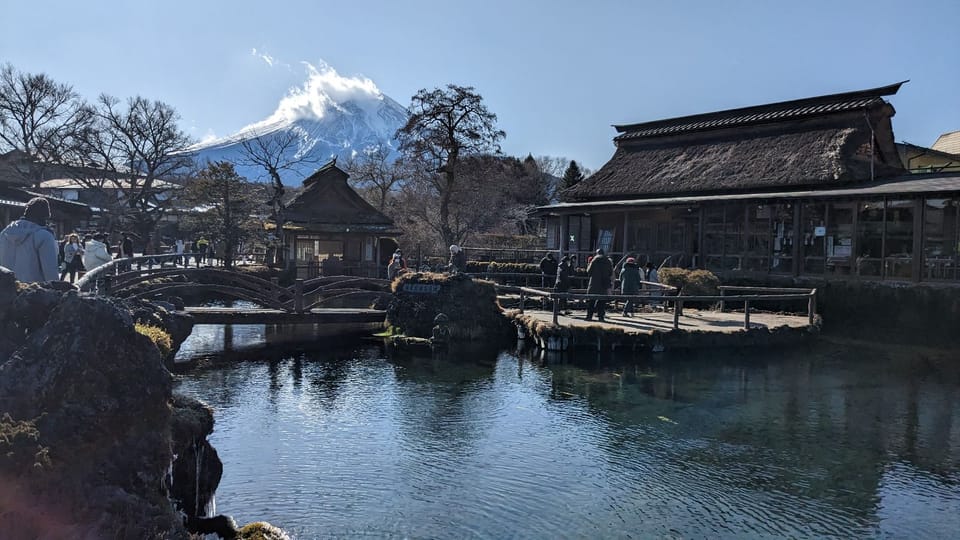
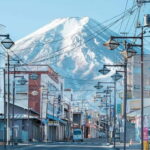
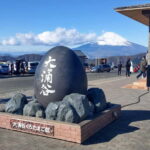
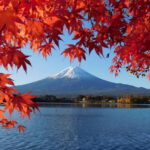
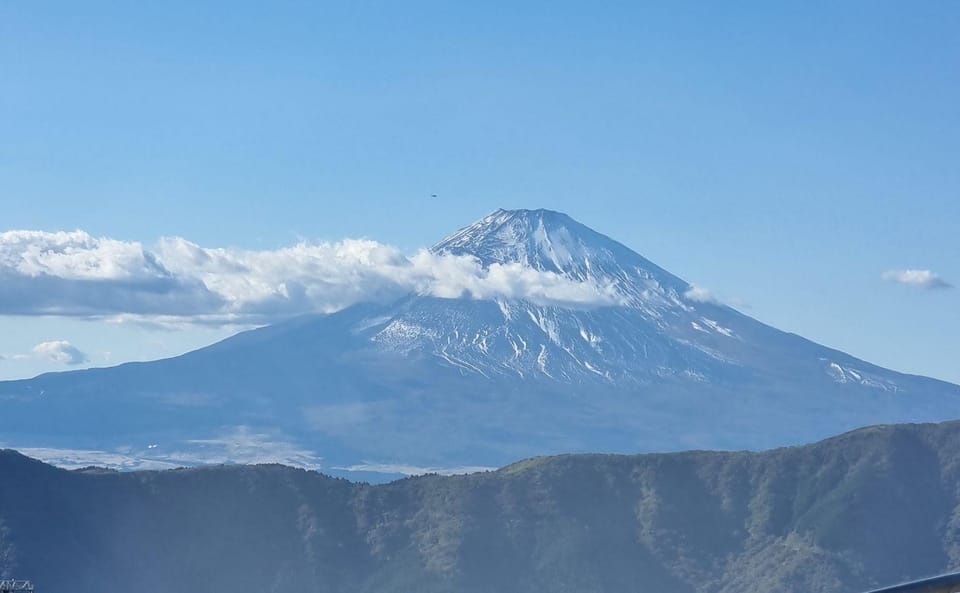
This tour starts with a bus ride from Shinjuku (Shinjuku Love Object) to the Mt. Fuji area, about 2.5 hours by road. Then the heart of the day begins at Mt. Fuji 5th Station, roughly 2300 meters above sea level. That elevation is the reason the stop feels different from a basic viewpoint. You’re much closer to the summit, and it makes a real visual impact when the sky cooperates.
The key detail: clouds move fast. When you arrive at the 5th Station, you’re not just waiting for a postcard moment—you’re watching conditions update in real time. If you want the best odds, stand where you can look outward quickly, take photos early, and don’t treat every minute like you’ll have another chance.
You’ll also have time for small explorations around the area, including the Komitake Shrine and some souvenir browsing. One practical tip from past experiences on this route: the shopping area can eat time when you’re trying to catch Fuji in the open. If your priority is views, I’d spend your time outside and keep shopping as a quick stop, not a mission.
You can also read our reviews of more boat tours in Tokyo
Weather is the real schedule boss here
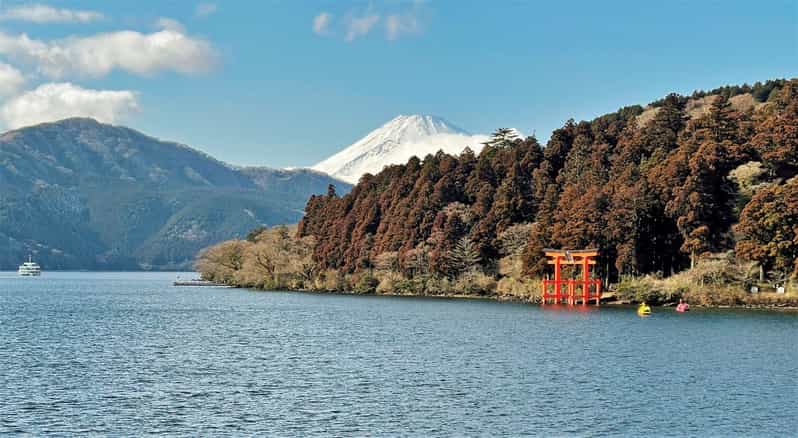
Let’s be blunt: visibility at Mt. Fuji isn’t guaranteed. The tour notes that humidity, heavy rain, and fog can limit what you see. If that happens, you’re still going to Hakone—just with less Fuji in the background.
There are two important built-in workarounds:
- If the group can’t reach the 5th Station due to bad weather or road accidents, you’ll visit the highest point possible instead.
- If an activity like the Hakone Ropeway can’t operate, the tour swaps in alternatives.
The alternative options listed are: Lake Kawaguchi cruise, Mt. Fuji Panoramic Ropeway, Mishima Skywalk, Odawara Castle, Hakone-en Aquarium, Narukawa Art Museum, Hakone Checkpoint, or Hakone Shrine. That’s not just a random change. It helps you avoid a wasted day if the sky turns uncooperative.
The bottom line for your planning: treat the Fuji view as a bonus you can’t force, not a product you can demand. Go for the experience of being in the zone—altitude, shrine stop, and the Hakone sequence—then enjoy whatever the weather gives you.
Lunch at Hakone: hot pot and a half buffet (if you choose it)
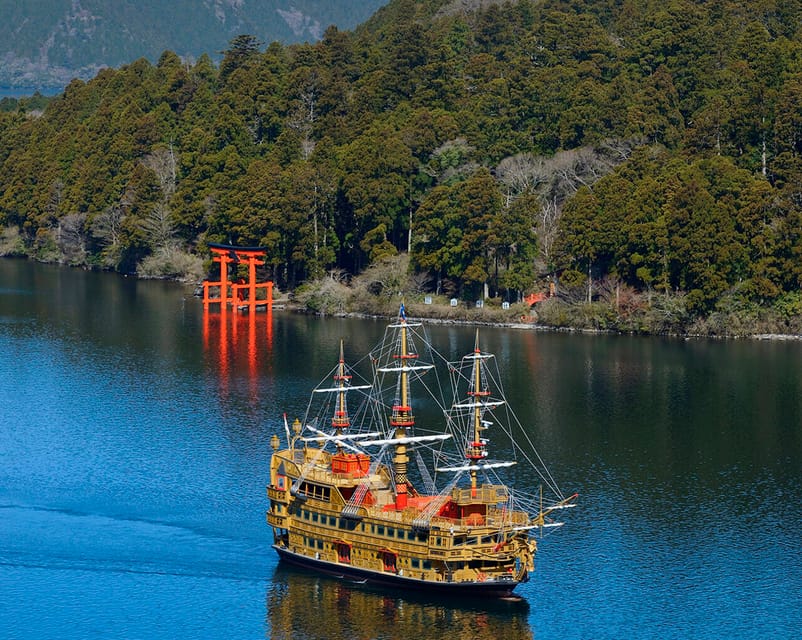
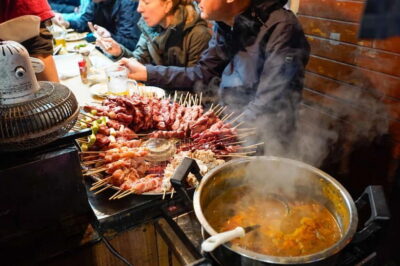
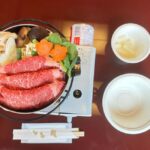
Lunch is only included if you pick the lunch option. If you do, expect 45–60 minutes at a local restaurant. The meal is described as a hot pot with a half buffet setup, and you can tell the operator about food restrictions so they can try to accommodate everyone.
This is a smart inclusion for one big reason: it keeps your day from unraveling. On a route like this, time at each stop can get compressed by traffic and weather. When lunch is planned and timed, you’re less likely to lose an hour chasing meals you can’t find quickly.
Should you pick the lunch option? If you don’t want to think about where to eat between the ropeway and the lake, it’s a good value add. If you’re a fast eater and want more flexible timing, you might skip it—but then you’re taking on responsibility for finding food during the day’s gaps.
Hakone Ropeway to Owakudani: sulfur steam and the black egg moment
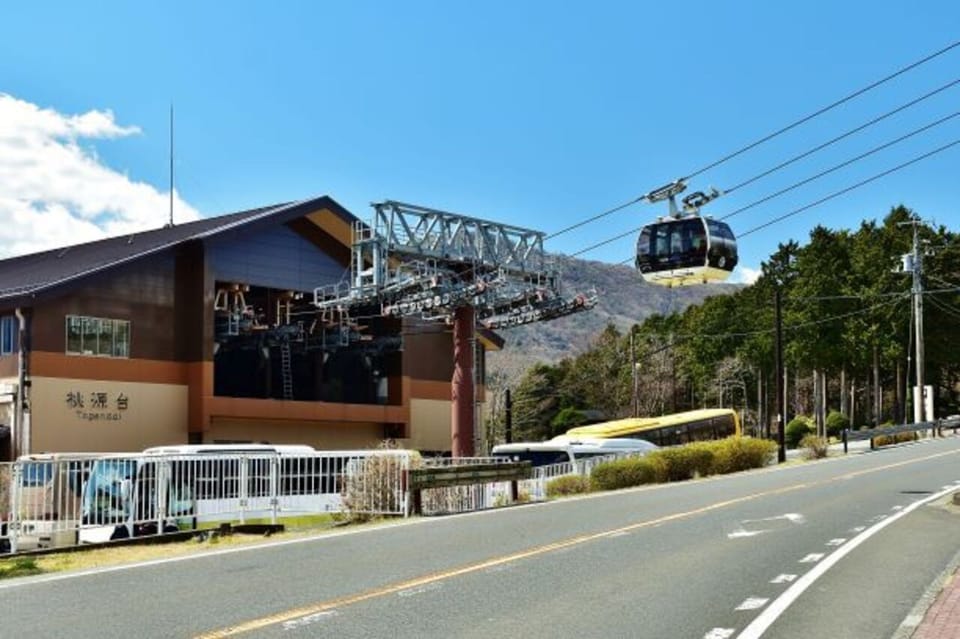
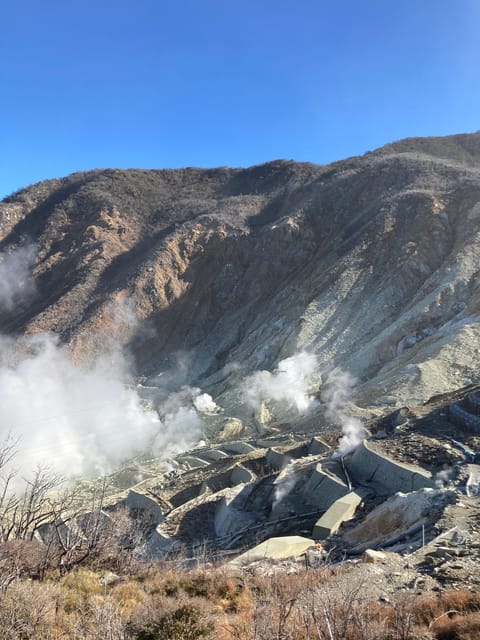
After lunch, you head to the Hakone Ropeway (gondola) for the Owakudani volcanic area. This is where the day shifts tone. Mt. Fuji is about height and weather. Owakudani is about heat, geology, and visible activity.
You’ll see fumaroles and solfataras in multiple directions. And here’s an important note for comfort and safety: the tour explicitly asks you to check yourself if you have respiratory problems. If the idea of sulfur air makes you nervous, take that seriously.
One of the iconic things to look for is the black eggs boiled in sulfuric water, heated by geothermal activity below. These are sold as a memorable souvenir, and the tour notes that the fee is not included—so budget for it if you want to try or buy. Even if you don’t eat one, it’s a fun moment because it ties the volcanic theme to something you can actually take home.
Also, try to slow down here if your schedule allows. Owakudani can feel like a quick photo stop, but it’s one of the few places on this day where the scenery isn’t just a view—it’s an active landscape of steam vents.
Lake Ashi cruise: your best chance at Fuji from the water
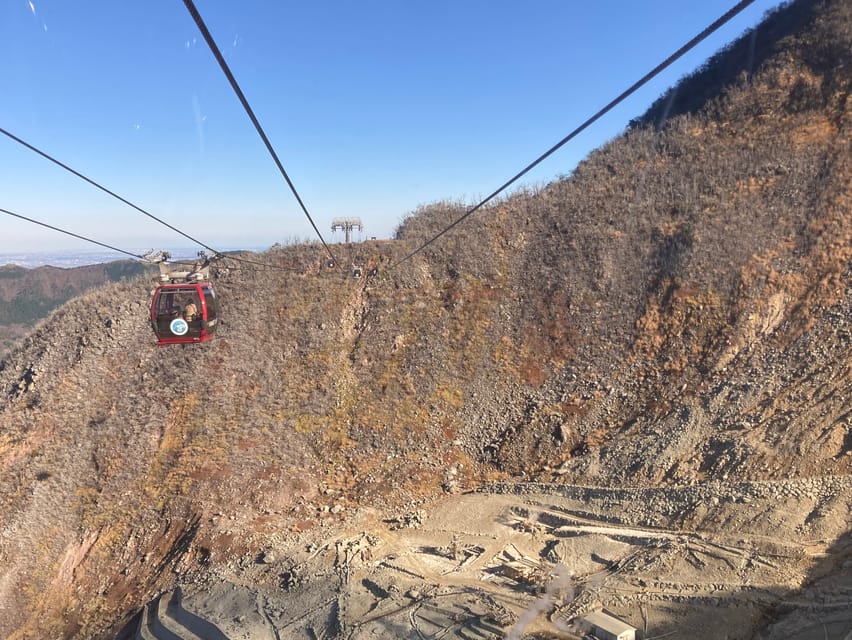
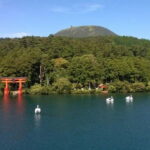
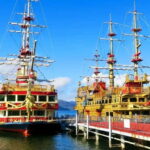
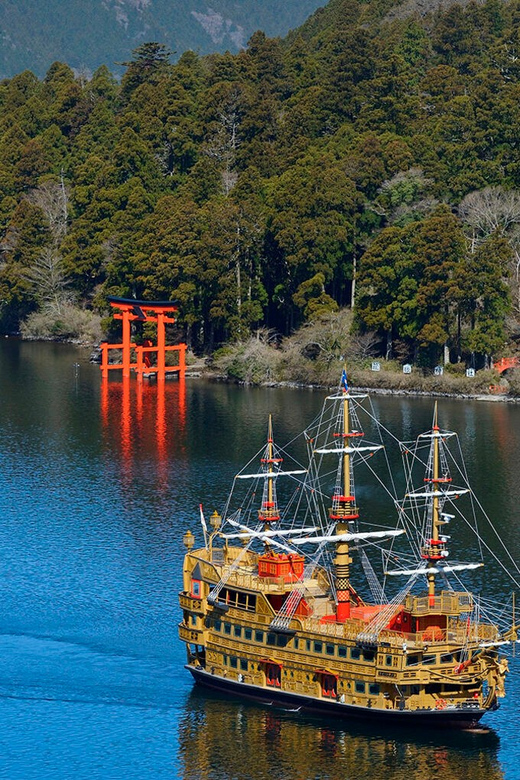
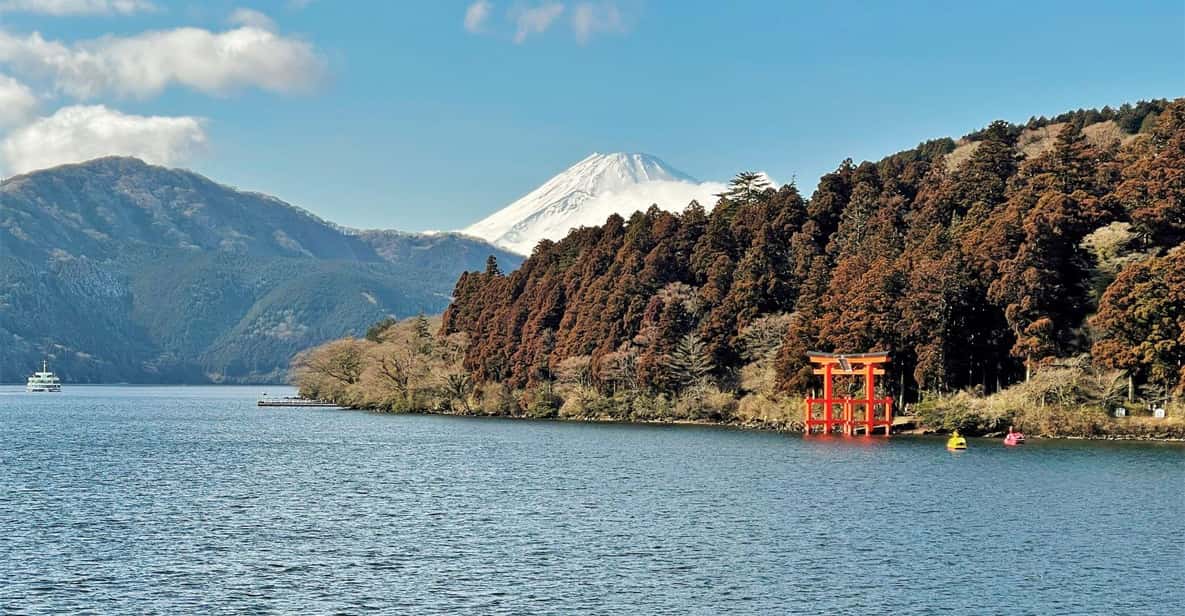
Next comes the Lake Ashi cruise. This part is often where the whole day relaxes. After the climb-up-and-volcanic stop energy, being on the deck of the ship gives you a different pace: open water, long sightlines, and the possibility of seeing Mt. Fuji from the deck when it’s clear.
The tour doesn’t promise that. It’s weather-dependent, and that’s the same story as the 5th Station. But if the sky clears even briefly, this is a great place to catch it because you’ll be watching the shoreline and the mountain alignment from water level.
A practical mindset: don’t only stare for Fuji. Enjoy the motion, the wider views, and the fact that the day has a rhythm now. You’ll come off the cruise feeling like you actually saw two different sides of Hakone—geothermal up close, then calm and scenic from the lake.
The long-day logistics: bus time, return drop-offs, and JR pass thinking
This is an 11-hour, one-day format, and bus time is real. The route includes a drive out from Shinjuku (about 2.5 hours). On the way back, the typical duration to Tokyo Station is listed as about 120 minutes. Even with that, the total day can feel tight, especially if traffic hits or if the group has to adjust because of conditions.
Return options matter because they affect your next step:
- You can be taken back by bus to Tokyo Station (typical 120 minutes).
- Or you can choose plans to be dropped at Hakone-Yumoto or Odawara.
Odawara is the key for people using a JR Pass since it can help with onward travel planning. If you need a shinkansen ticket, the tour information points to booking it from a specific link. Keep that in mind if your itinerary requires train connections right after the tour.
One more detail worth watching: if you arrive late to the meeting point, you can’t just join midway. This tour is built like a moving machine, and it doesn’t stop for late arrivals.
Price and value: what you’re really paying $92 for
At $92 per person for an 11-hour day, this tour isn’t cheap in the way a simple bus ride is cheap. But it also isn’t just a scenic drive. You’re paying for three major, time-consuming components that are expensive to DIY in one smooth day:
- Guided access and the structured route (including navigating up to the 5th Station area)
- Hakone Ropeway ticket
- Lake Ashi cruise ticket
- Air-conditioned bus transport
- Lunch only if you select that option
When you compare it to the cost of independently buying ropeway and cruise tickets and arranging transport that lines up with those attractions, the price starts to make more sense. The guide also matters because the day includes weather-related decisions. You’re not just buying transportation—you’re buying a plan that adjusts when conditions change.
My value verdict: this is a strong option for first-time visitors who want a guided “greatest hits” route and don’t want to manage timing between Fuji access, volcanic Hakone, and the cruise.
Who should book this Mt. Fuji and Hakone day trip
This tour fits best if you:
- Want Mt. Fuji plus Hakone in one day without rail planning.
- Like the idea of a guided English day with built-in tickets for ropeway and cruise.
- Prefer a set schedule when time is limited in Tokyo.
It’s less ideal if you:
- Need lots of unstructured free time at each stop.
- Are highly sensitive to sulfur air (check the explicit caution for respiratory problems).
- Have a strict need for guaranteed Mt. Fuji visibility (weather can reduce it fast).
And one more personal-style tip: if you care most about Fuji photos, treat the 5th Station window like a sprint. Plan to take your shots early, then enjoy the rest without constantly watching the clock.
Should you book this tour?
I’d book it if your priority is a guided, efficient day that hits Mt. Fuji’s 5th Station, Owakudani by ropeway, and a Lake Ashi cruise in one flow. The $92 price feels fair because the big ticket items are included, and you’re saving time versus trying to line everything up on your own.
I’d hesitate if your main goal is absolute Fuji visibility and you can’t handle weather changes. This route adapts when activities can’t run, but you still need the mindset that clouds, fog, and traffic can shift how much you get to see.
If you’re flexible and you want the classic Fuji-Hakone combo with an English guide (you may even encounter guides such as Mary-san or Yoko/Yoyo based on past departures), this is a solid way to spend a day in Honshu.
FAQ
How long is the Tokyo to Mt. Fuji and Hakone tour?
It runs for 11 hours (one day).
Where does the tour depart from?
The tour departs from Shinjuku (starting point is listed as Shinjuku Love Object). The exact meeting point may vary depending on the option booked.
Is lunch included?
Lunch is included only if you choose the lunch option. It’s scheduled for about 45–60 minutes and is described as a hot pot with a half buffet. You can share food restrictions.
What’s included besides transportation?
Included items are the Hakone Ropeway (gondola) ticket, the Lake Ashi cruise ticket, a tour guide, and air-conditioned bus transportation. Drinks are not included.
What happens if the tour can’t reach Mt. Fuji 5th Station?
If it’s not reachable due to bad weather or an accident on the road, the tour visits the highest point possible instead.
If the ropeway doesn’t operate, are there alternatives?
Yes. If an activity doesn’t operate, the tour includes one of the alternatives listed: Lake Kawaguchi cruise, Mt. Fuji Panoramic Ropeway, Mishima Skywalk, Odawara Castle, Hakone-en Aquarium, Narukawa Art Museum, Hakone Checkpoint, or Hakone Shrine.
Can wheelchair users join?
All sightseeing spots on the tour are wheelchair-accessible, but the standard tour buses don’t have wheelchair lifts or ramps. Folding wheelchairs can generally be stored in the luggage compartment. Electric wheelchairs may not be accommodated due to size and weight limits, so you should inform the provider when booking.