REVIEW · TOKYO
Tokyo: Meiji Jingu Shrine and Shinto Culture Walking Tour
Book on GetYourGuide →Operated by Traveling Tokyo · Bookable on GetYourGuide
Tokyo’s calm begins at the torii gate. This Meiji Jingu Shinto culture walk is a simple 2-hour route, but it feels like you’re stepping into a different rhythm—one guided by rituals, symbolism, and a sacred forest of 100,000 trees.
I like how it focuses on the why, not just the what. You’ll learn Shinto practices tied to the shrine, plus you’ll get a guided look at key features like the consecrated sake and wine barrels. One possible drawback: if you’re the type who wants only big landmarks and zero explanation, this tour’s value depends on your interest in the meaning behind the sights.
In This Review
- Key highlights worth planning for
- Entering Meiji Jingu: why this tour starts with understanding, not pictures
- From Harajuku to Meiji Jingu Gyoen: the first scenic reset
- Meiji Jingu Gyoen photo stop: how to use it well
- Big Torii: the moment you start seeing symbols, not just scenery
- Consecrated sake barrels: a small stop with big meaning
- Consecrated wine barrels: seeing the shrine as a living tradition
- The main shrine experience: your guided hour inside the grounds
- The sacred forest of 100,000 trees: why the walk is the point
- Wheelchair accessible and easy to follow: what that means on the ground
- Value check: why $19 can feel like a steal (if you care about meaning)
- What kind of traveler this tour fits best
- Practical tips to get the most out of your 2-hour walk
- Should you book the Meiji Jingu Shinto Culture Walking Tour?
- FAQ
- How long is the Meiji Jingu Shinto Culture Walking Tour?
- What’s included in the price?
- Where do we meet for the tour?
- Is the tour offered in English?
- Can I get a refund if I cancel?
- Is it accessible for wheelchair users?
- Does the tour offer photos?
Key highlights worth planning for
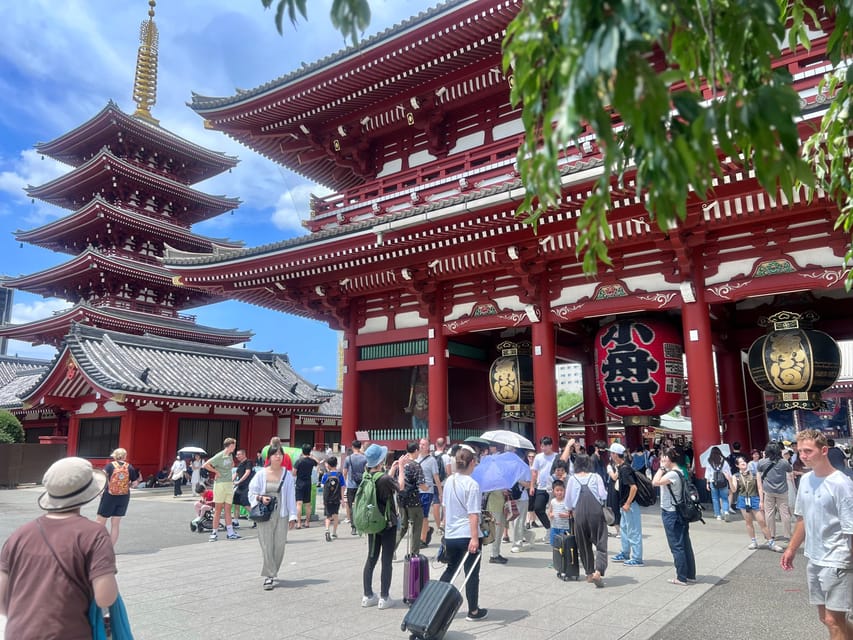
- A guided introduction to Shinto rituals at Tokyo’s most iconic shrine, so you know how to observe respectfully.
- Imperial Garden of Meiji Jingu (Meiji Jingu Gyoen) with a calm photo stop that breaks up the walking.
- Big Torii moment—you’ll understand what you’re looking at before you reach it.
- Consecrated sake and wine barrels explained in plain terms, tied to shrine tradition.
- A sacred forest walk under 100,000 trees, which makes the shrine visit feel like a retreat.
- Photos taken during the tour, plus an English-speaking guide who stays focused on your questions.
Entering Meiji Jingu: why this tour starts with understanding, not pictures
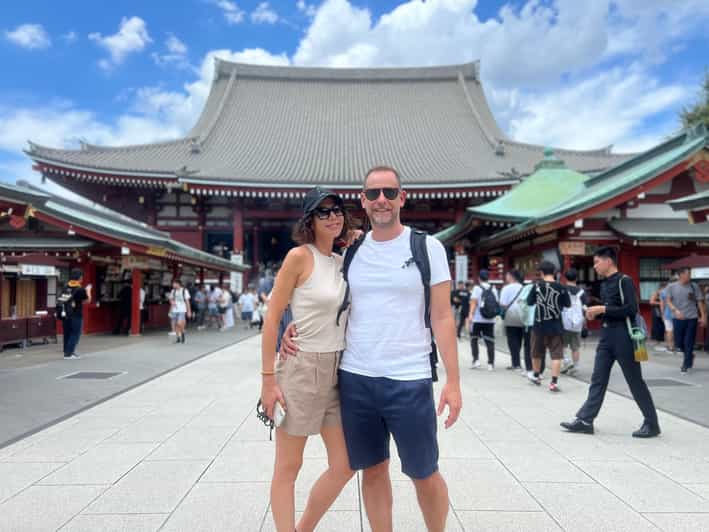
Meiji Jingu doesn’t work like a typical Tokyo attraction. Yes, you’ll see postcard-perfect scenes—especially the approach and the torii gates—but the real payoff comes when you understand what you’re supposed to notice. This tour gives you that context early, so you’re not just walking through a forest that happens to have famous buildings.
You meet at Starbucks Coffee – With Harajuku (the Starbucks closest to Meiji Shrine). The tour then moves into the shrine grounds with a guide leading the pace and the focus. That structure matters because Meiji Jingu is large, and if you show up cold, you can easily miss small details that make the whole place click.
The group format is also a big deal for how it feels. You’re kept in a small group, which means you’re more likely to get real answers instead of hearing the same general speech everyone else hears. The reviews you’ll read about this tour consistently talk about friendly, engaging guides and lots of questions—names that come up include Maya, Minori, Nicholas, Hoshi, Naruto, Yumi, Hyden, Matt, Sara, Andres, Yota, Rio, Ryota, and Doren.
You can also read our reviews of more walking tours in Tokyo


From Harajuku to Meiji Jingu Gyoen: the first scenic reset
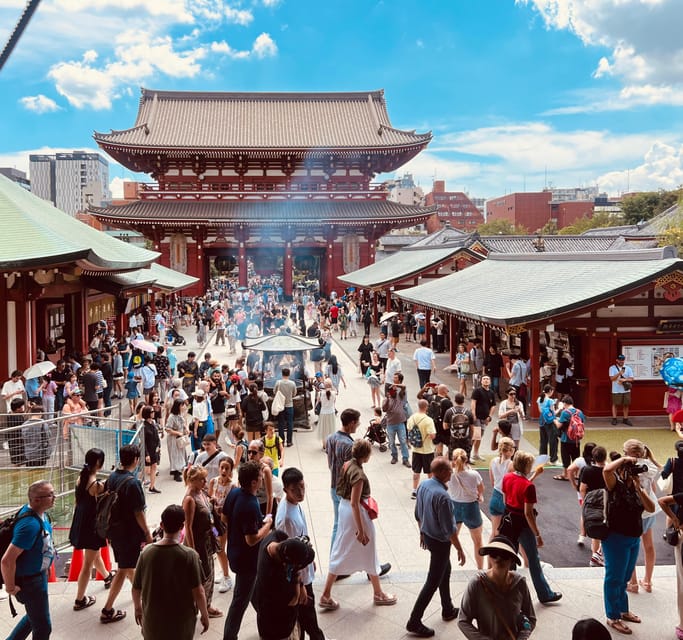
The opening part of the tour is built like a breather. You start near Harajuku (at that Starbucks), then head to Meiji Jingu Gyoen. You’ll get a photo stop and a guided walk here—about 30 minutes—which is a smart move in a city that otherwise runs nonstop.
What I like about this stage is that it sets expectations for the day. Instead of sprinting straight to the main structures, you ease into the shrine’s atmosphere. You get a sense of the grounds and how nature shapes the experience. Meiji Jingu is known for its serenity, and that’s exactly what you’ll feel before the big “wow” moments.
A small practical consideration: this is a walking-focused tour. If you hate stepping for two hours straight, bring comfy shoes and plan for a steady pace. The good news is that the route is short enough that it doesn’t turn into a forced workout.
Meiji Jingu Gyoen photo stop: how to use it well
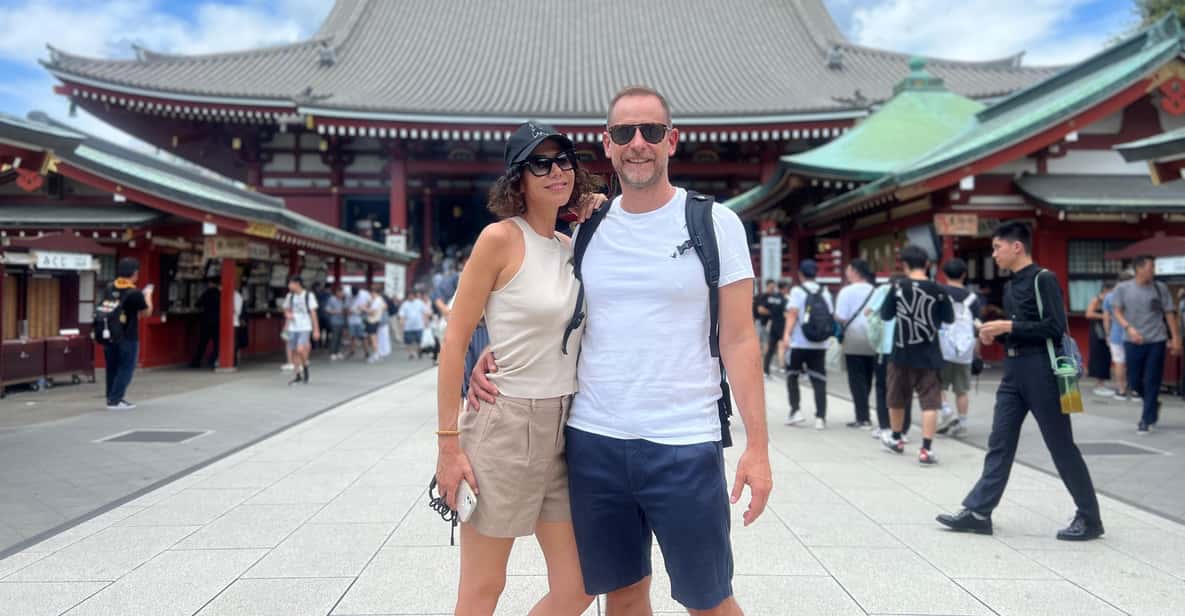
That first photo moment isn’t random. It’s timed so you’re ready to take pictures while your guide is also pointing out what to look for. If you’re the type who uses photos to remember details, you’ll do better here because you’ll have talking points in your head while you shoot.
Also, you’re not stuck with your camera the whole time. The tour includes photos taken during the tour, which means you can relax and keep your attention on the ritual and the scenery instead of constantly asking strangers to take pictures.
Big Torii: the moment you start seeing symbols, not just scenery
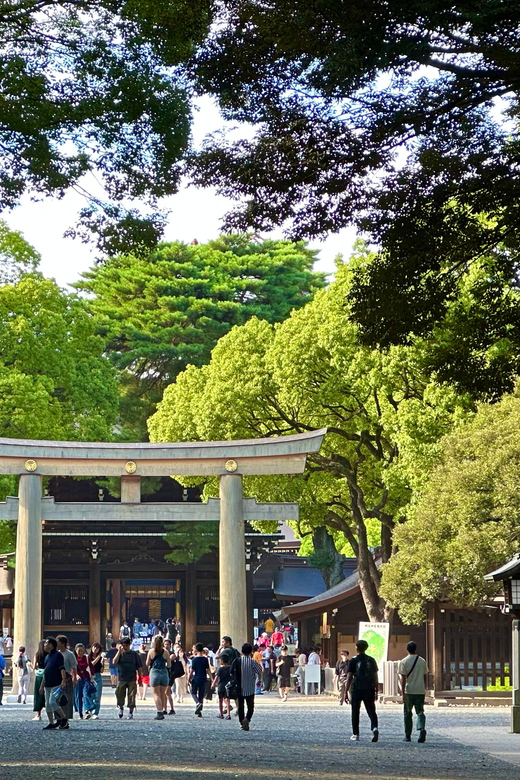
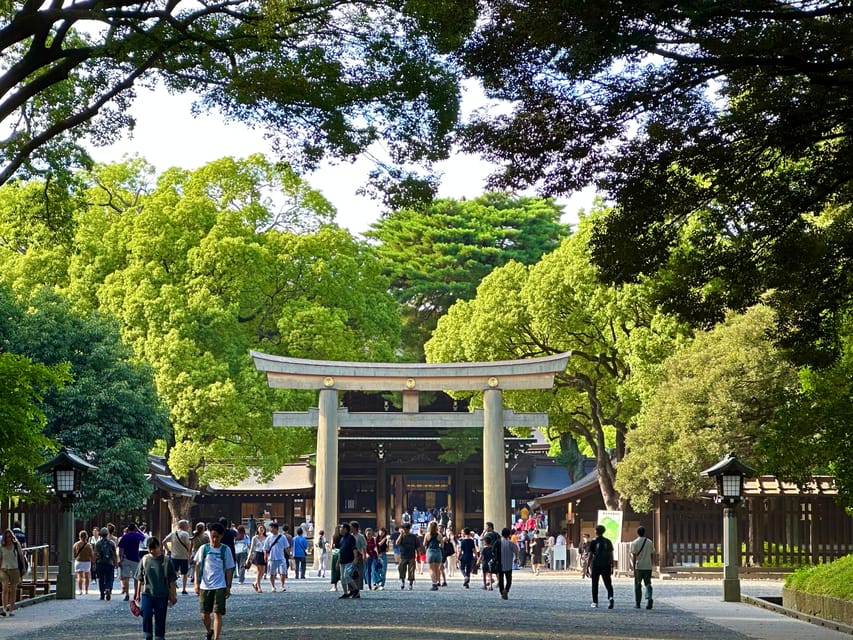
Next comes the Big Torii stop, around 10 minutes. This is a classic shrine landmark, but the value of a guided approach is knowing what the space is telling you to do as you move through it.
A torii gate isn’t just a visual feature. In Shinto practice, it marks a boundary between the everyday world and the sacred space beyond. When you understand that, the walking rhythm changes. You’ll be more observant about how you approach, where you look, and how you behave while you’re inside the shrine area.
One possible drawback if you’re short on time in Tokyo: this isn’t a “fast in, fast out” tour. You’re paying for the context, and the guide builds meaning into multiple stops. If you only have one hour total before your next reservation, you might want a different format.
Consecrated sake barrels: a small stop with big meaning
Then you’ll reach a set of shrine features that many visitors simply photograph and move past: the consecrated sake barrels. This is another 10-minute guided segment, which sounds brief—yet it’s usually the kind of place where “learning” makes a real difference.
Why? Because Shinto practices can look subtle and easy to miss. The barrels are part of the shrine’s offerings tradition. With a guide explaining what you’re seeing, you’ll understand how these objects connect to the shrine’s relationship with nature, community, and reverence.
If you’re curious about the spiritual side of Japan (even if you’re not religious), this is the kind of stop that turns the visit into something personal. It’s not just decoration. It’s ritual language you can read once someone points out the grammar.




Consecrated wine barrels: seeing the shrine as a living tradition
Right after the sake barrels, the tour includes the Meiji Jingu consecrated wine barrels segment, also about 10 minutes. The pairing matters. You’re not only learning about one offering tradition—you’re seeing how different forms of offerings show up within the shrine setting.
This also helps you avoid a common mistake: thinking shrine culture is frozen in the past. When you understand how the offerings concept works, you’re more likely to notice other details on the grounds that reflect continuity. It’s the difference between “I saw it” and “I understood it.”
A practical note: these stop points can be visually busy because people are taking photos. A guide helps you time your viewing so you can actually absorb the details without fighting the crowd flow.
The main shrine experience: your guided hour inside the grounds
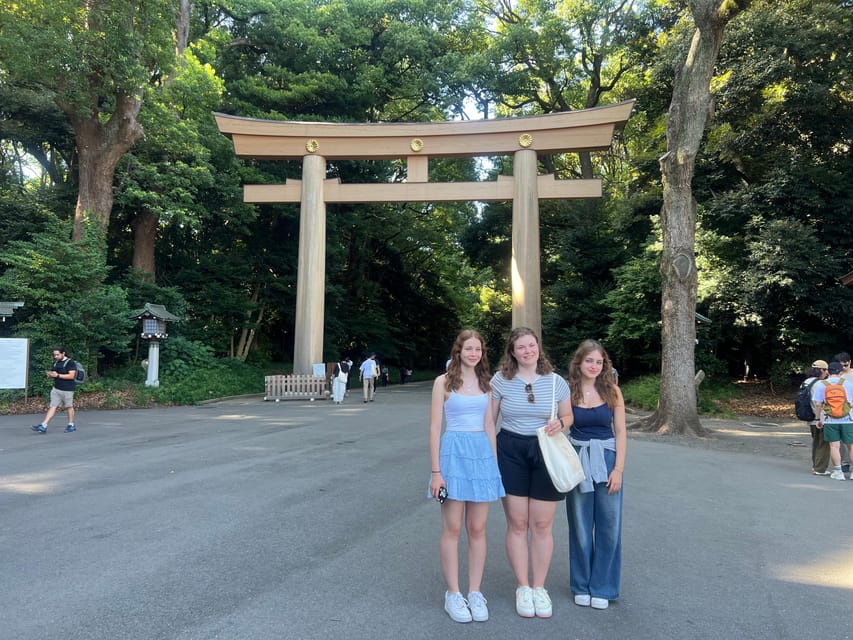
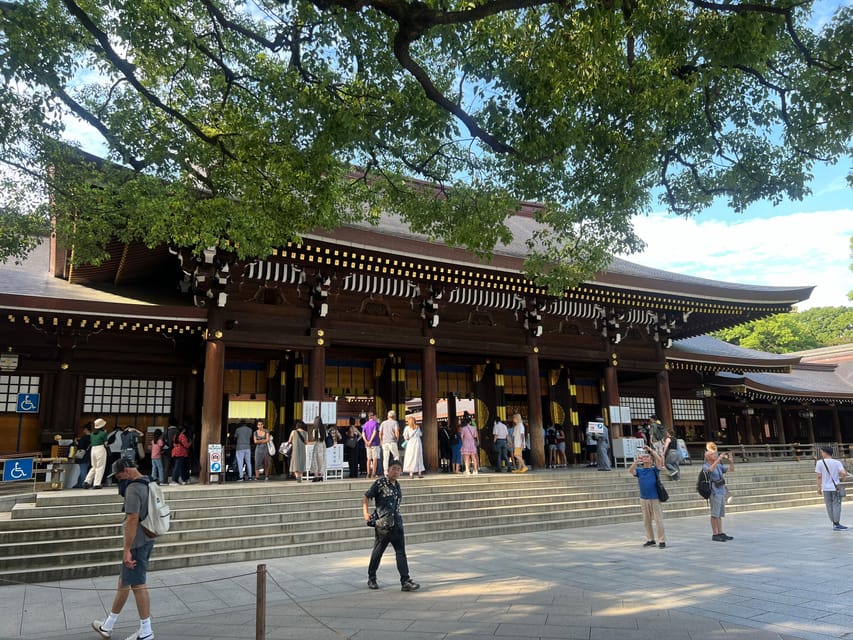
The heart of the tour is 1 hour at Meiji Shrine for guided sightseeing. This is where the route earns its reputation.
You’ll slow down enough to actually take in the space, but you’re not left wandering alone. A strong guide will point out what to notice, then help you interpret it. In past group experiences, guides named in feedback like Minori, Nicolas, Hoshi, Naruto, Yumi, Hyden, Matt, Sara, and Andres are often described as especially good at explaining Shinto customs and answering questions—sometimes even covering the practical side of how people do things respectfully.
A big plus here: you’re likely to learn how shrine etiquette works, not just the theory. That matters in Japan, because behavior is part of the experience. Knowing what you’re supposed to do (and why) makes the whole visit feel more respectful and less awkward.
The sacred forest of 100,000 trees: why the walk is the point
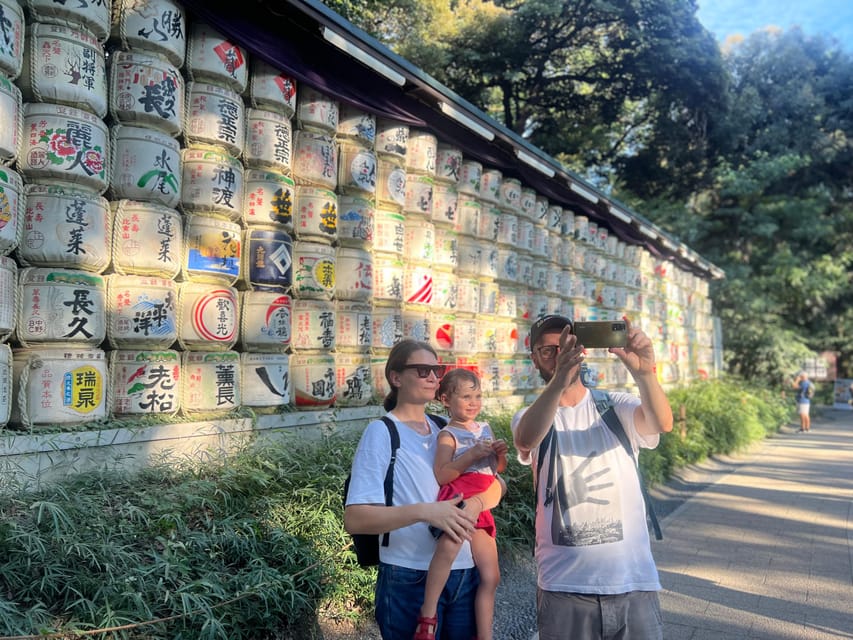
One of the headline promises of this tour is the sacred forest of 100,000 trees. Even if you’ve seen forest-shrine images online, nothing replaces the feeling of walking into a space where the sound changes and the air feels cooler under the canopy.
This isn’t just scenic. The forest is part of how Shinto relates to nature—spirit and place connected through environment. When a guide points out the symbolism, the walk becomes more than a scenic transfer between points.
And honestly, this is why the tour can be worth it even if you’re not the type to obsess over religious sites. The forest path gives you mental space. Tokyo’s noise feels far away once you’re inside the grounds.
Wheelchair accessible and easy to follow: what that means on the ground
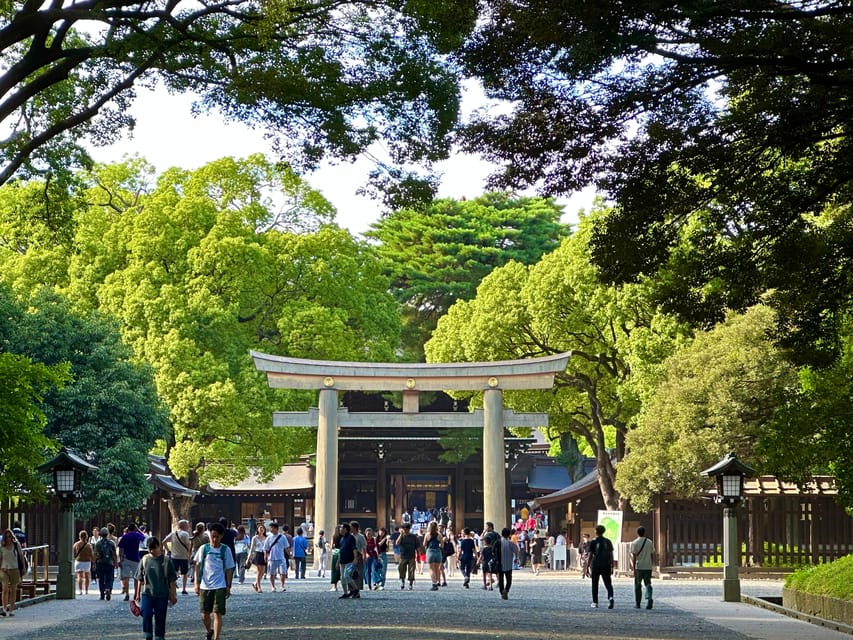
The tour lists wheelchair accessibility, which is helpful to know upfront. You’re still moving through shrine grounds, so the experience will depend on day conditions like ground surfaces and crowds, but it’s not positioned as a rough, steep hike.
The route is also clearly timeboxed—2 hours total—so you can plan the rest of your day with confidence. It’s long enough to understand what you’re seeing, short enough to fit into a busy Tokyo itinerary.
Value check: why $19 can feel like a steal (if you care about meaning)
At $19 per person for a guided 2-hour experience, the price sits in the “good deal” zone for Tokyo. The value isn’t only the access to major sights. It’s that you’re paying for:
- A professional English-speaking guide
- Entry/admission to Meiji Shrine and the Imperial Garden area
- Guided stops at multiple features (not just one main hall)
- Photos taken during the tour, which saves you time and hassle
If your travel style is “I want context,” this price makes sense. You’re basically buying a crash course in how to look at Meiji Jingu properly, and doing it with a guide who can answer questions. If your style is “I only want to walk around and browse,” you could technically do it on your own—but you’d miss the symbolism and the etiquette coaching that makes the shrine feel more personal.
What kind of traveler this tour fits best
This is a great fit if you:
- Want a first-time Tokyo introduction to a major spiritual site without getting lost in details
- Like learning culture in a structured way (short stops, clear explanations)
- Value photo help and a guide who answers questions
- Are curious about the difference between Shinto practices and wider religious life in Japan
It’s less ideal if you:
- Prefer self-guided “wander and photograph” with zero explanation
- Only have a very short window and need a fast hit
Practical tips to get the most out of your 2-hour walk
- Wear comfortable shoes. You’re walking a forest route plus shrine grounds.
- Keep your phone charged, but don’t let the camera take over. Let your guide explain the meaning first.
- If you’re unsure about shrine behavior, treat this tour like training wheels. The guidance on customs is part of the value.
- Plan to be curious. The best moments usually come after a question—if you ask, the guide can often make the whole place click faster.
Should you book the Meiji Jingu Shinto Culture Walking Tour?
I’d book this tour if you want Meiji Jingu to feel understandable, not just impressive. For a low-cost, 2-hour guided experience, you get a thoughtful route: Meiji Jingu Gyoen, the Big Torii, consecrated sake and wine barrels, the main shrine sightseeing, and that calm walk under the sacred forest.
Skip it only if you’re committed to doing everything on your own and you don’t care about Shinto rituals or etiquette. If you’re open to learning—really learning how to look—this is one of the most efficient ways to start your Tokyo trip with something genuinely grounded.
FAQ
How long is the Meiji Jingu Shinto Culture Walking Tour?
The tour lasts 2 hours.
What’s included in the price?
The tour includes a professional English-speaking guide, photos taken during the tour, entry/admission to Meiji Shrine and Meiji Shrine Imperial Garden, and guided historical insights.
Where do we meet for the tour?
You meet in front of the Starbucks Coffee closest to Meiji Shrine (coordinates 35.6705208, 139.7031067), in the area of With Harajuku.
Is the tour offered in English?
Yes. The tour is English.
Can I get a refund if I cancel?
You can cancel up to 24 hours in advance for a full refund.
Is it accessible for wheelchair users?
The tour is listed as wheelchair accessible.
Does the tour offer photos?
Yes. The tour includes photos taken during the tour.