REVIEW · TOKYO
Daikoku Parking : going by this mini JDM – one customer only
Book on GetYourGuide →Operated by toshiro · Bookable on GetYourGuide
Tokyo hits different from an S660. I love the one-passenger private setup with Toshiro, because you’re not squeezed into a mini-van with strangers. I also like how the route is built for real Japanese car culture moments, from Daikoku and Tatsumi to the night drive angles you normally only see in video games and movie scenes.
The one real drawback to plan around: this is a tiny car, with no luggage space and seat size more like airplane economy class, so pack light and expect a snug ride.
In This Review
- Key Things That Make This Tour Worth It
- What You’re Really Booking: A One-Person JDM Drive, Not a Bus Tour
- Meeting Point at Ōba (MOS BURGER): How the Start Feels
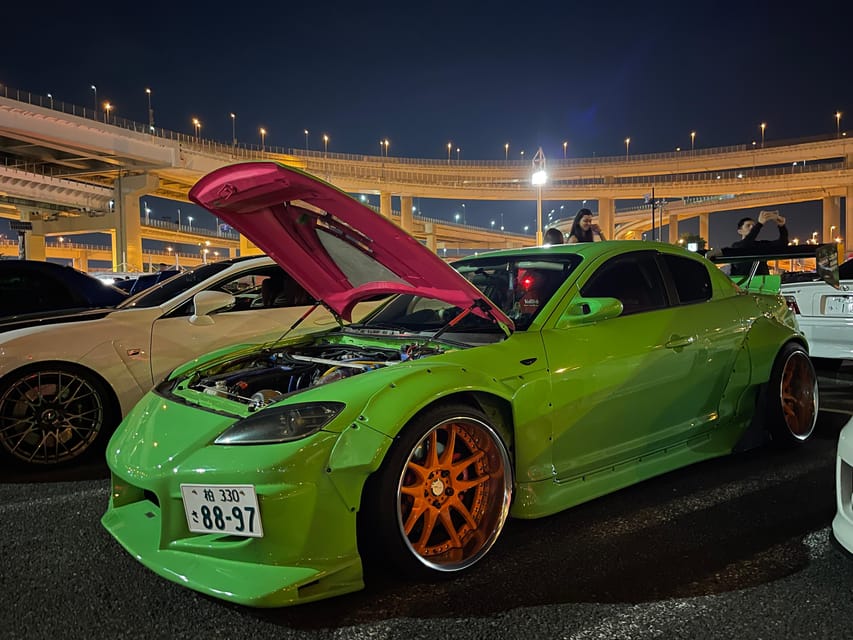
- Daikoku Parking Area: Your JDM Time Capsule (Plus Photos)
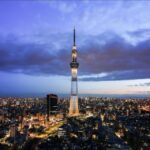
- Tokyo Skytree Pass-By: Quick Context From the Expressway
- Tatsumi 1st PA: The Longer Stop Where You Can Slow Down
- Rainbow Bridge Crossing: The Big Night-Moment
- Tokyo Tower Pass-By: A Classic Ending Note
- The S660 Ride: What It Feels Like and What to Watch For
- Tiny car, tiny space
- You’re not riding for racing
- Toshiro’s role matters
- Timing Tips: Friday and Saturday Nights Need a Plan
- Price and Value: Why $192 Feels Different Here
- What you get for that money
- Who This Tour Is For (and Who Might Skip It)
- You’ll probably love it if you:
- You might want to think twice if you:
- Booking Checklist: Simple Choices That Make the Night Better
- Should You Book This Daikoku Parking Mini JDM Ride?
- FAQ
- Is this a private tour or a shared tour?
- What car will I ride in?
- How long is the tour, and what stops are included?
- What is the meeting point?
- Do I need to self-drive?
- What happens if it rains?
Key Things That Make This Tour Worth It
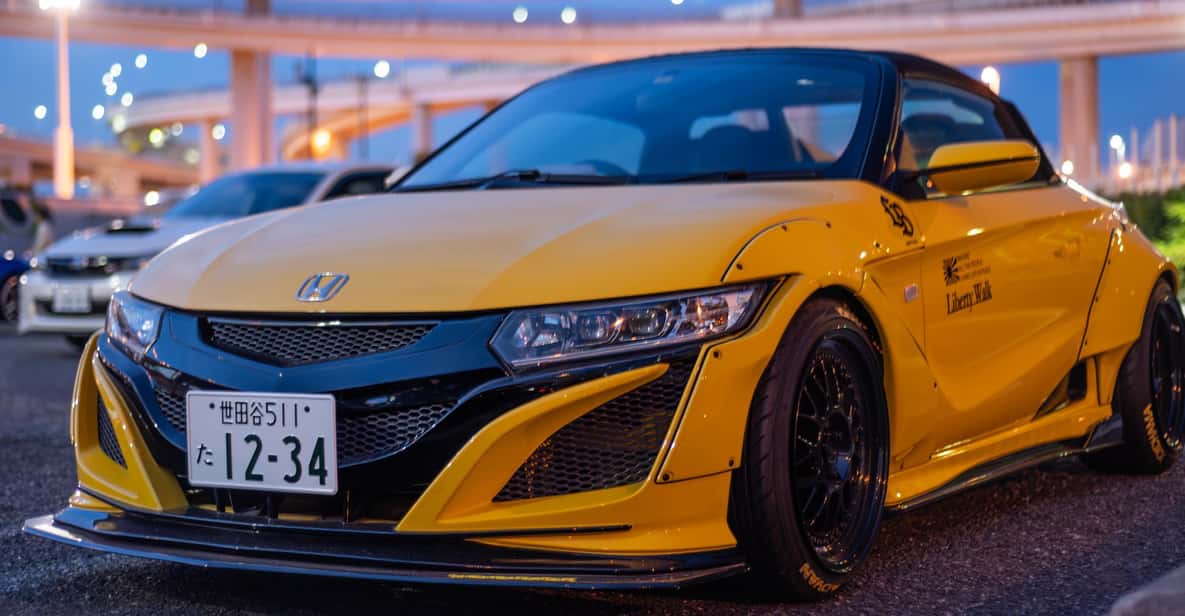
- One customer, one guide, one car: no shared group, just you and Toshiro in a modified Honda S660
- JDM meets with actual time to look: Daikoku Parking Area plus a longer Tatsumi 1st PA stop for photos and browsing
- Night-drive Tokyo angles: you ride parts of the city from the Metropolitan Expressway and bay shore routes
- Icon stops from the road: Skytree passing, Rainbow Bridge crossing, and Tokyo Tower passing
- Car culture references you’ll recognize: Wangan Midnight and Shuto Ko Battle visuals show up in the actual scenes
- Traffic-respect mindset: this isn’t racing, it’s a lawful drive with great views and good vibes
What You’re Really Booking: A One-Person JDM Drive, Not a Bus Tour
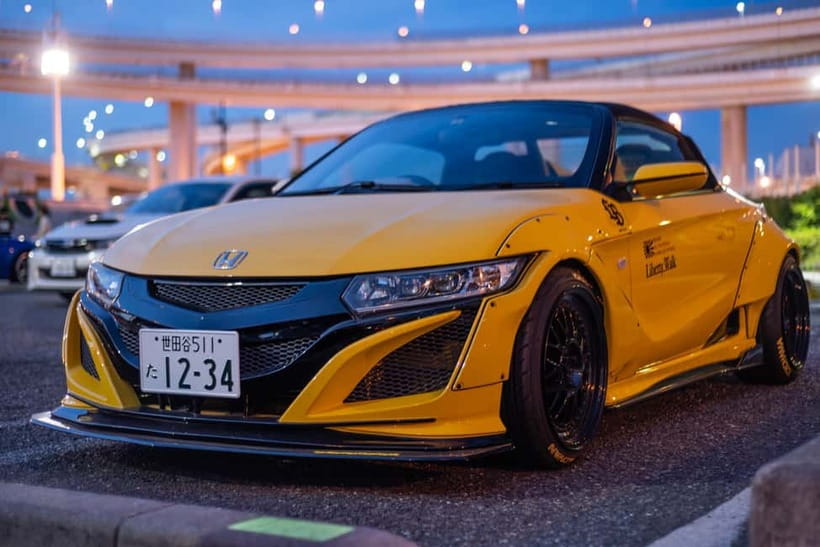
This experience is exactly what car fans usually wish for in Tokyo: you get the ride, not just the roadside photos. The tour runs with one customer at a time—one passenger plus a local Japanese driver/guide (Toshiro). That small group size matters. You spend less time waiting, less time managing other people’s schedules, and more time focusing on the sights you came for.
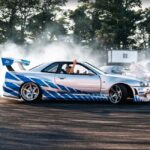
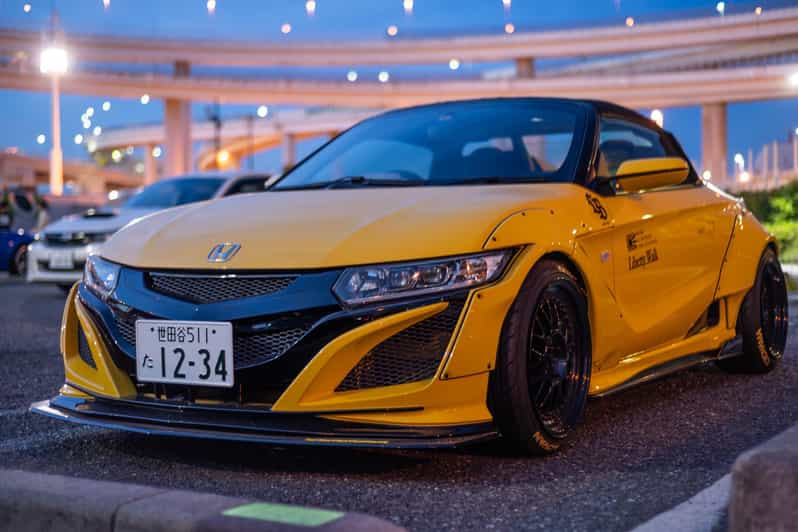
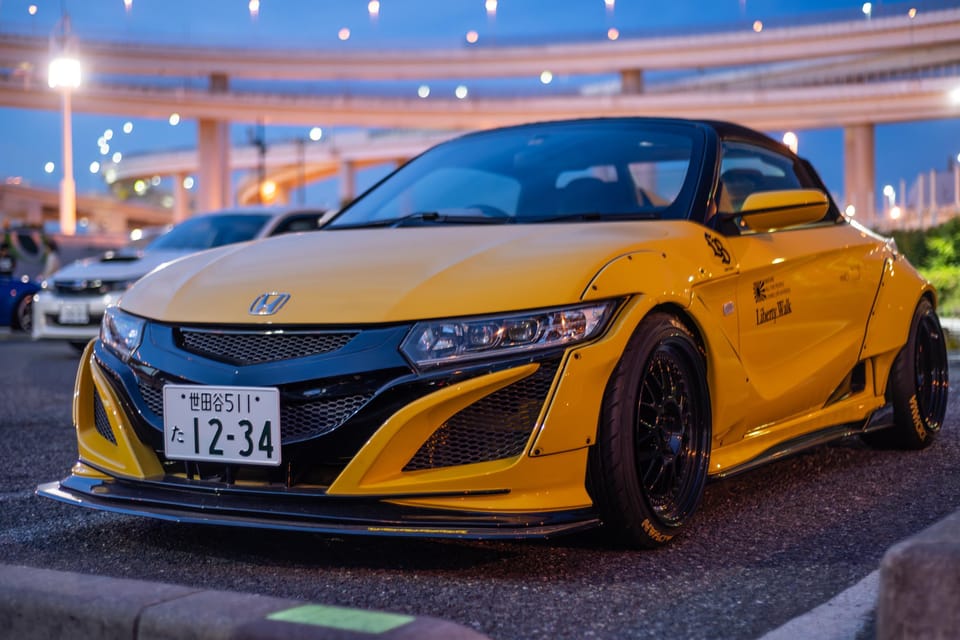
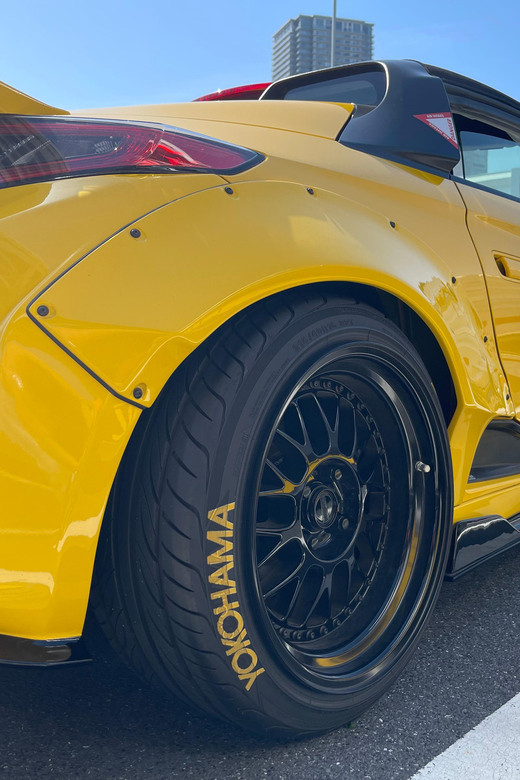
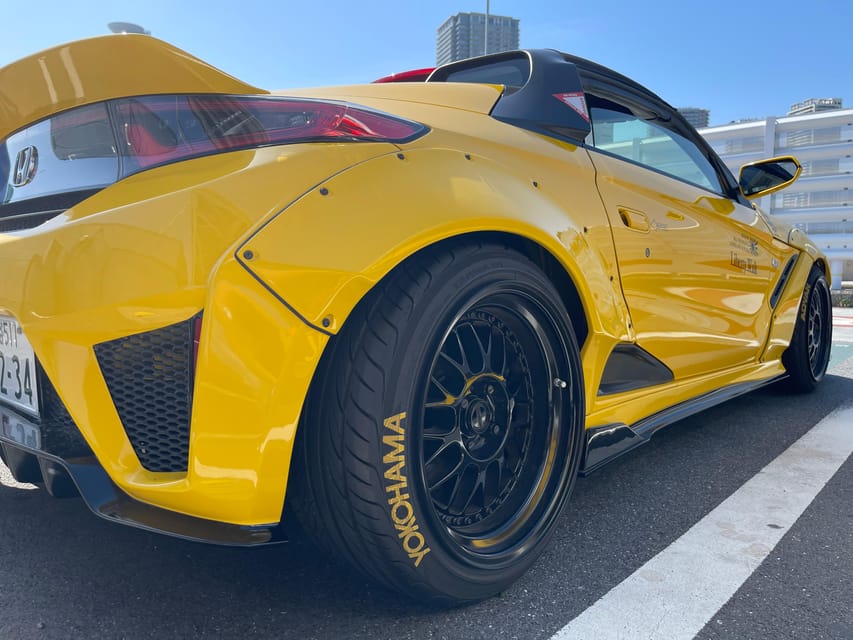
The car is a domestic, mid-engine Honda S660 that’s been heavily modified in a JDM style. You’ll see the kind of Liberty Walk (LBWK) vibe people chase in Japan’s aftermarket world. The point isn’t just the spec sheet. It’s that you’re inside the culture: the drive itself feels like part of the show.
And since the tour includes expressway and bay shore routes, you’re not only seeing car-meet places—you’re also getting the “Tokyo at night” views that make these scenes feel cinematic. The Rainbow Bridge crossing is the obvious highlight, but the in-between stretches are where you get the best sense of scale.
If you’re the type who likes Tokyo as a living city (not a checklist), this format makes the whole night feel more personal and less rushed.
You can also read our reviews of more tours and experiences in Tokyo.
Meeting Point at Ōba (MOS BURGER): How the Start Feels
You meet in front of MOS BURGER. That’s your clean starting point in Ōba. From there, the tour begins the moment you get into the S660. There’s no waiting around for a mini-van to collect extra people, and no awkward “hold on while the group regroups” moment.
The language for your live guide is English, which is a big deal here because you’ll likely want to ask questions as you go. Also, since Toshiro is both the driver and the guide, the conversation stays natural—about cars, the meet culture, and why certain places matter.
Practical note: this is a small car, and you’ll want to keep your bag minimal. There’s no luggage space in the S660, so treat your belongings like a carry-on you must be able to hold close.
Daikoku Parking Area: Your JDM Time Capsule (Plus Photos)
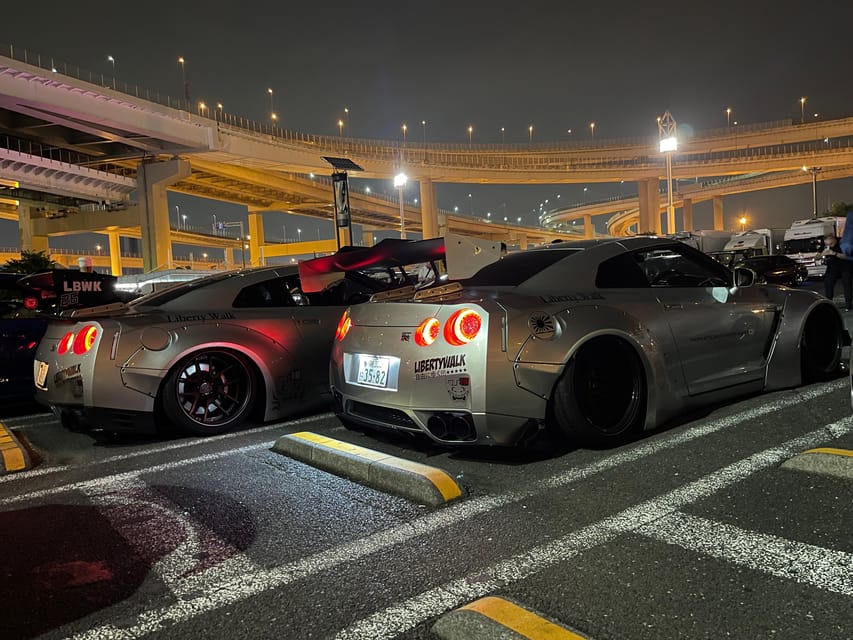
Daikoku Parking Area is the headline stop for anyone who’s watched Japanese car culture videos. Here, you’re not just passing by for a quick look. You get a real break and time to walk around and see what’s happening.
The plan at Daikoku includes:
- a break time and photo stop
- visit and free time
- sightseeing and a short walk (about 15 minutes)
Fifteen minutes doesn’t sound long, but it works because you’re driving a night route where the scene can change quickly. The value isn’t hanging out for hours—it’s getting you close enough to feel the energy, then moving on with the rest of the night still intact.
What makes this stop especially fun is the “recognition” factor. The tour is designed around those real visuals people associate with titles like Wangan Midnight and Shuto Ko Battle. You don’t have to be a superfan to enjoy it, but if you are, you’ll probably notice how closely the vibe matches what those stories romanticize: modified cars, late-night atmosphere, and Tokyo’s car culture community feeling very real.
One more practical angle: this is also where timing matters. Depending on the day and traffic/police rules, parking access can change in the evening. The tour plan accounts for that (more on timing later).
Tokyo Skytree Pass-By: Quick Context From the Expressway
After Daikoku, you don’t stop at Skytree—you pass by it. That might sound like a “miss,” but it’s the right choice for this kind of night drive. You get the skyline presence without turning the tour into slow sightseeing.
Passing Skytree also keeps you on schedule for the next meet area and the iconic crossing later. And from a car on Tokyo roads, the view is different than from a street-level photo spot. You catch angles and layers—buildings, lights, expressway lines—without needing to spend time parking or walking.
If you’re hoping for long photo time at every landmark, this tour isn’t built for that. It’s built for motion, timing, and car culture.
Tatsumi 1st PA: The Longer Stop Where You Can Slow Down
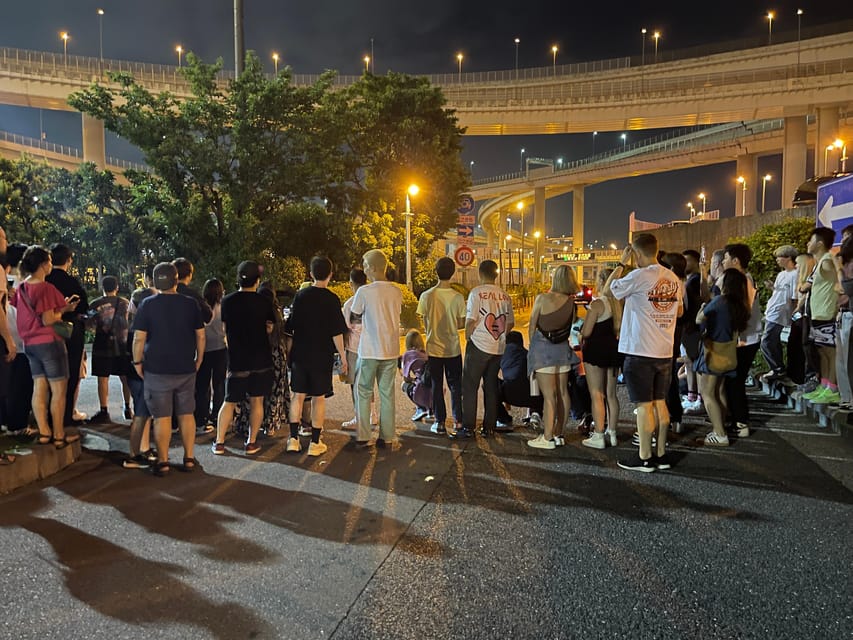
Tatsumi 1st PA is where the schedule gives you more breathing room. The stop is about 1.5 hours, with:
- break time
- photo stop
- visit and free time
- sightseeing
- a longer walk (about 1.5 hours)
That longer window is useful. It means you can actually look around instead of rushing. You can reposition for better photos, watch how the meet atmosphere shifts, and take your time chatting with people—or just enjoy the cars and night views.
Because this is still part of a one-person private tour, you control the pace more than you would on a shared tour. You’re not trying to match the slowest or fastest person in a group. If you want photos, you get the time to take them. If you want to stand back and soak it in, you also get that space.
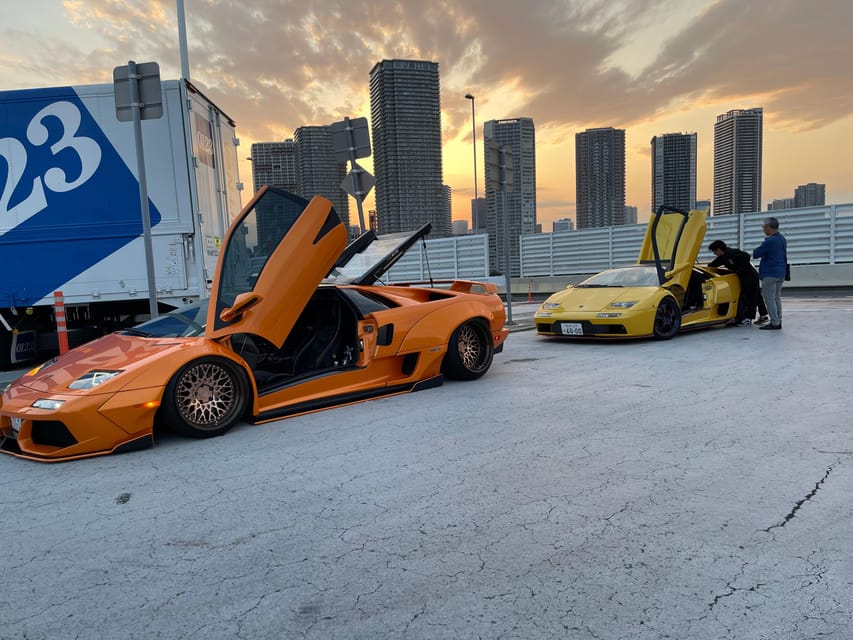
And since this is a Japanese car-meet type location, it’s the kind of place where even non-experts can enjoy the spectacle. You don’t need to know every model to appreciate the styling, the stance, and the sheer variety of modified builds.
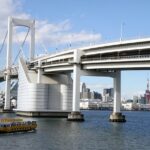
Rainbow Bridge Crossing: The Big Night-Moment
Then comes Rainbow Bridge. You’ll cross it during the drive, which gives you a special kind of Tokyo view: open water, bright city lights, and that feeling of moving through a set.
This part often becomes the emotional peak of the tour for people who love Japanese pop culture references. The night lights and the bridge scale are the exact visual ingredients that show up again and again in car scenes. Even if you’re not quoting a specific series, you’ll understand why those scenes look the way they do.
From a practical point of view, the crossing also helps you see Tokyo from a different angle than you get on typical city sightseeing days. You’re already in a night-drive mode, and Rainbow Bridge makes that mode feel intentional.
Tokyo Tower Pass-By: A Classic Ending Note
Tokyo Tower is another pass-by. It’s not a long visit with a guided walk. Instead, you get a passing view that still works because it’s surrounded by night driving and landmark timing.
Passing Tokyo Tower at night can feel a bit like seeing the city’s “postcard version,” but in a good way. It closes the loop on the Skyline-and-lights theme that started with your expressway approach and Skytree passing.
Then you return back to Ōba.
The S660 Ride: What It Feels Like and What to Watch For
Let’s talk reality. This is a mini JDM experience, and your comfort depends on accepting the car as it is.
Tiny car, tiny space
- No luggage space
- Seat size is compared to airplane economy class
- It’s a snug fit, not a roomy cruiser
If you like long road trips with space to stretch out, you might feel cramped. If you’re okay with a short, focused night ride for car culture, you’ll likely enjoy the novelty.
You’re not riding for racing
The tour is explicit about respecting traffic law. That matters because it sets expectations. This isn’t a high-speed fantasy run meant to mimic arcade race behavior. Instead, you get a driver who handles the night route professionally while still letting you see the fun parts.
In the real world, that’s what makes the experience feel safer and more relaxed. You don’t spend the night white-knuckling fear. You enjoy the views and the moment.
Toshiro’s role matters
Toshiro is more than a driver. The experience is described as friendly and knowledgeable, and he’s the kind of person who’ll chat during the ride about the automotive scene. That’s part of why this doesn’t feel like a mechanical transfer from place to place. You’re learning as you go—at least as much as you want to.
Timing Tips: Friday and Saturday Nights Need a Plan
The day of the week changes the night rhythm.
For Friday and Saturday nights, you may need to leave around 18:00 and return around 21:00. Why? Traffic police rules can lead to parking closures from about 20:30. The tour adjusts for that reality so you don’t lose the core stops.
You can also go on weekdays, but the schedule notes suggest Friday, Saturday, or Sunday nights tend to be better for the meet atmosphere.
Also, if it rains, you can postpone to a convenient day. That’s important for a car-meet style plan, because the vibe and safety conditions can change fast in wet weather.
If you’re traveling as a group larger than two, you’ll need to message in advance, because the tour is arranged as a private group experience and can’t just automatically scale up.
Price and Value: Why $192 Feels Different Here
The price is $192 per group up to 1 for about 3 hours. That’s not cheap in the abstract, but it’s easier to judge when you look at what’s included.
What you get for that money
- A private ride in a modified Honda S660 (not a shared group)
- Fuel and toll road costs included
- A local Japanese guide who speaks English
- Time at Daikoku plus a longer session at Tatsumi
- Key night-city elements: Rainbow Bridge crossing, Skytree passing, and Tokyo Tower passing
- No self-driving responsibility on your end
So you’re paying for access and for time in a very specific car-culture format. You’re not buying a generic sightseeing hour. You’re buying an intimate night drive with real meet locations and a driver who knows how the night works.
Also, the “one customer only” nature makes a difference. You’re essentially paying for a tailored experience around your schedule and your comfort level.
Who This Tour Is For (and Who Might Skip It)
You’ll probably love it if you:
- are a car fan who recognizes names like Wangan Midnight or Shuto Ko Battle
- want to see Daikoku and Tatsumi without the hassle of a shared tour
- care about the drive itself, not just landmark photos
- like talking with a guide who’s actually part of the car world
You might want to think twice if you:
- need luggage space or extra seat comfort
- hate cramped seating environments
- expect a race-like, game-style driving experience
- want lots of walking and landmark entry tickets
This tour is built around car culture and night city angles. If you match that mindset, it’s a strong choice.
Booking Checklist: Simple Choices That Make the Night Better
Before you book, plan like this is a focused night drive rather than a full-day tour.
Bring:
- minimal items since there’s no luggage space
- comfortable clothing for a short walk and a car ride that’s tight
- your camera/phone plan, because you’ll have photo stops at Daikoku and Tatsumi
And adjust expectations:
- You’re respecting traffic laws, so it’s not about speed stunts
- Parking timing can affect the schedule, especially on Fri/Sat nights
- The car fit is part of the experience—just make sure it works for you
Should You Book This Daikoku Parking Mini JDM Ride?
If you’re going to Tokyo for car culture, this is the kind of activity that makes the whole trip feel more specific and more real. The private format, the modified S660 drive, and the actual meet locations combine into a night plan that feels like it belongs to Japanese JDM culture rather than a generic sightseeing script.
Book it if:
- you want a one-person experience
- you like night driving views like Rainbow Bridge
- you’re okay with tiny-car comfort trade-offs
Skip it or choose another option if:
- you need luggage space
- you’re uncomfortable in very tight seating
- you’re looking for racing-style thrills
For the right person, it’s an easy yes.
FAQ
Is this a private tour or a shared tour?
It’s private. You’ll ride with only one customer (you) and one local Japanese driver/guide in the Honda S660. There is no mini-van sharing and no group mixing.
What car will I ride in?
You ride in a modified domestic Honda S660 (mid-engine). The setup is described as a JDM Liberty Walk (LBWK) style modification.
How long is the tour, and what stops are included?
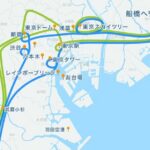
The duration is about 3 hours. The route includes Daikoku Parking Area, Tatsumi 1st PA, Rainbow Bridge crossing, and pass-by views of Tokyo Skytree and Tokyo Tower.
What is the meeting point?
You meet in front of MOS BURGER at Ōba.
Do I need to self-drive?
No. You are not expected to self-drive. The local guide drives, and the tour includes fuel and toll road costs.
What happens if it rains?
If it rains, the tour can be postponed to a convenient day.