REVIEW · TOKYO
Tokyo: Kintsugi Workshop to Learn the Art of Golden Joinery
Book on GetYourGuide →Operated by Bloom Voyage JP · Bookable on GetYourGuide
Golden seams turn a break into art.
This Tokyo Kintsugi workshop is a calm, hands-on way to learn the centuries-old craft of repairing pottery with gold so the damage becomes part of the story.
I love how practical it is: you get an English instructor, you work at your own pace with a small group (limited to 6), and you leave with a finished keepsake. I also like the mindset lesson, the wabi-sabi-style philosophy of valuing flaws instead of hiding them. One possible drawback: if you’re expecting a major repair of a big piece, you may be surprised by how small your gold seam result can feel if the supplied broken pottery has limited damage (and you’ll also need to arrange the plate to work with, since that part isn’t included).
In This Review
- Golden Joinery Workshop in Tokyo: What You’re Really Signing Up For
- Small Group, English Instruction, and the Meeting Point at Gakugei Daigaku Station
- The Kintsugi Process: From Broken Pot to Golden Seams
- What Makes the Philosophy Part Worth Your Time (Not Just the Craft)
- Your Take-Home Keepsake: More Than a Souvenir
- Price and Value: Is $63 Worth It?
- Who This Workshop Fits Best (And Who Should Skip)
- Tips for Planning Your Tokyo Day Around This Class
- Should You Book This Kintsugi Workshop?
- FAQ
- FAQ
- What is the duration of the Tokyo Kintsugi workshop?
- Where do I meet the guide?
- What is the price for the workshop?
- Is the workshop taught in English?
- How big is the group?
- What’s included in the workshop?
- What is not included?
- Can I cancel for a refund?
- Is it wheelchair accessible?
- What ages is it suitable for?
Golden Joinery Workshop in Tokyo: What You’re Really Signing Up For
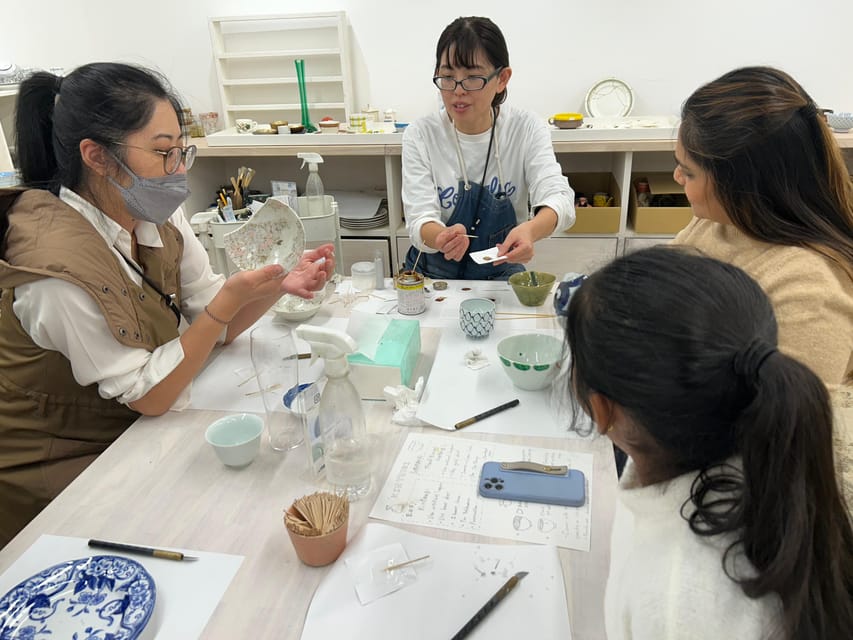
Tokyo has no shortage of craft experiences, but Kintsugi is different. You’re not just making something pretty—you’re learning a method and a way of looking at cracks. The workshop focuses on repairing broken ceramics using lacquer plus powdered gold, silver, or platinum (gold is the star of the show here), turning fractures into clean, deliberate lines that look intentional instead of accidental.
The origin story matters too. Kintsugi (金継ぎ) literally means golden joinery, and it grew out of a Japanese tradition of cherishing what’s broken rather than tossing it. That’s why the workshop doesn’t treat damage as a problem to erase. It treats the break like a chapter you keep.
In practice, this makes the experience feel more reflective than typical “make a souvenir” classes. You’ll spend time working through steps, learning what each material does, and getting a better sense of Japanese aesthetics through the idea of wabi-sabi—accepting impermanence and imperfection. If you like thoughtful activities that still feel hands-on and concrete, this fits well.
Small Group, English Instruction, and the Meeting Point at Gakugei Daigaku Station
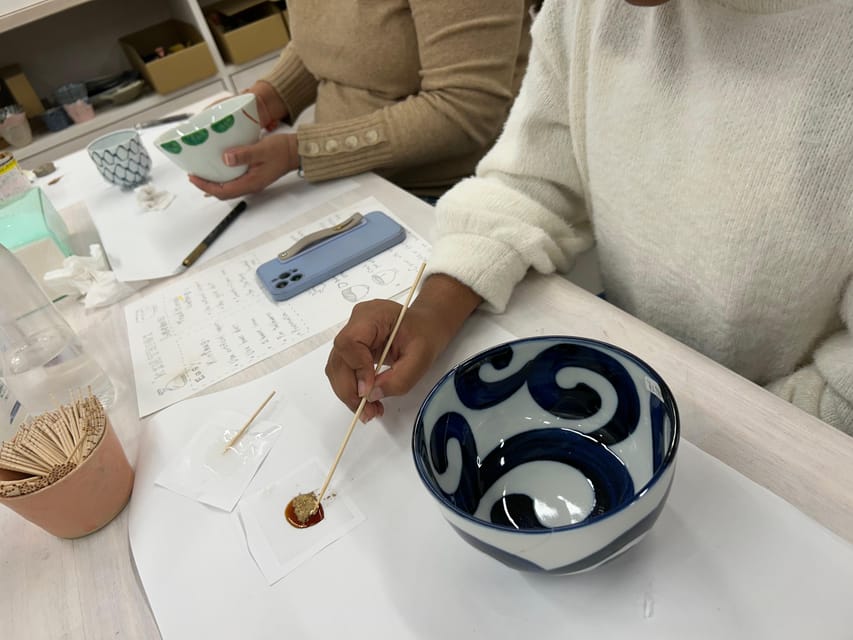
The logistics are pretty straightforward, and that’s a plus after a long day in Tokyo. You’ll meet the guide at Gakugei Daigaku station. The guide will message a picture of themselves before the meeting time, which helps you avoid that usual frantic guesswork at station exits.
This is a small group workshop capped at 6 participants. That matters because Kintsugi has a “do it right” component—you’re handling fragile ceramic edges and working with fine materials. A smaller class usually means you can ask questions and get quick help when you need it.
Timing is also friendly. The workshop runs about 2 hours, which is long enough for you to finish a meaningful project, but not so long that you feel cooked by the schedule.
A note on accessibility: the activity info says wheelchair accessible, but it also lists not suitable for wheelchair users. If accessibility is important for you, contact the provider before booking so you don’t end up surprised on the day.
You can also read our reviews of more tours and experiences in Tokyo


The Kintsugi Process: From Broken Pot to Golden Seams
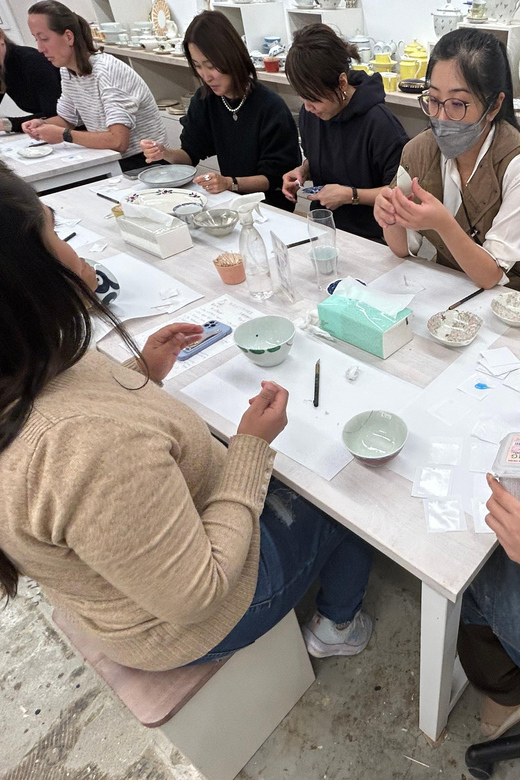
The workshop’s core promise is simple: learn Kintsugi repair techniques and take home your finished piece. The included materials cover the main components of the process, including lacquer and gold powder. You’ll also be supplied with the broken pottery you’ll work on, plus the artificial lacquer used for the joining process.
Even without getting too technical, here’s what you can expect from a 2-hour session like this:
- You start with a brief introduction to Kintsugi and the philosophy behind it. This is where you learn why the visible seam is the point, not the flaw.
- Next comes the hands-on work. Kintsugi requires careful preparation so the ceramic edges meet cleanly.
- You’ll then work with the lacquer and powdered metal. The powdered gold is used to create the signature golden joinery effect.
- You finish with your repaired piece—something you can actually keep, not just admire behind glass.
One detail worth knowing: the craft includes a period of filing the pottery (about a half hour). That’s normal for getting the break-ready for repair, but it can be tough for very young kids. If you’re traveling with children, plan for that effort stage.
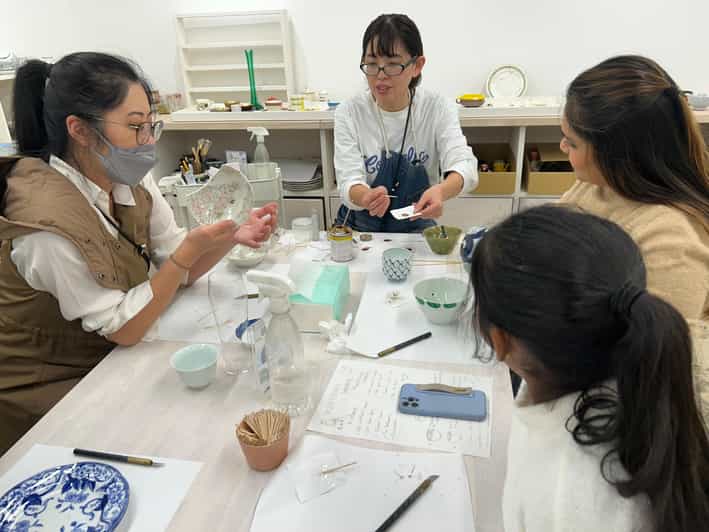
Also, expect your instructor to guide you through the steps clearly. In past sessions, instructors such as Anne and Chiara have been praised for explaining each step well and staying patient when participants need help. You’ll get enough direction to feel confident, and enough freedom to put your own touch on the final result.
What Makes the Philosophy Part Worth Your Time (Not Just the Craft)
Some workshops include “a little culture talk” and call it a day. Kintsugi does not feel like that. The philosophy is woven into the actions.
You’ll hear the basic idea: cracks and breaks aren’t something to hide. They’re evidence that something lived, broke, was kept, and was cared for enough to repair. In Japanese aesthetics, that lines up closely with wabi-sabi: valuing the imperfect, the temporary, and the incomplete.
What I like about this for travelers is that it changes how you look at everyday stuff. After a class like this, you can see a ceramic bowl, a chipped cup, or a scratched photo frame as objects with a history—not objects that failed. It’s not just sentimental talk. It’s a way to practice attention.
And because you make the repair yourself, the lesson lands harder. When your gold seam shows where the break was, you feel the change immediately. It’s hard to forget.
Your Take-Home Keepsake: More Than a Souvenir
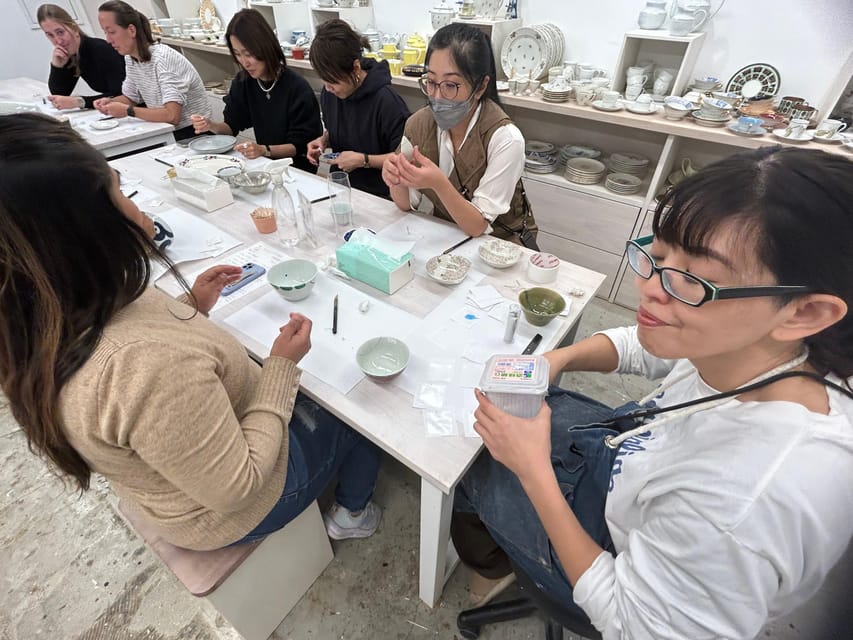
At the end of the workshop, you take your repaired piece home. That’s a big deal for value.
Why? Because most Tokyo “craft” classes give you something to photograph and then store. Kintsugi gives you something with a real story embedded in it: your hands doing the repair, the gold seam marking the break, and the philosophy behind why it looks beautiful.
One practical consideration: your final piece is based on what you’re given to work on. The workshop does provide broken pottery, but the size and shape of the break can affect how dramatic the gold seam looks. If you want something that feels like a major transformation, ask ahead about the kind of piece used for your session—especially since you also need to arrange the plate to work with (not included).
That plate detail is easy to miss when planning. The activity notes that you’ll need to arrange a plate (or similar working item) in the range of ¥1,000–2,000. It’s not a dealbreaker, but it’s part of the real cost of the day.
Price and Value: Is $63 Worth It?
At about $63 per person for a 2-hour, small-group, instructor-led session with take-home materials, this workshop can be good value—if you’re there for the real experience, not just the outcome.
Here’s the value breakdown that matters:
- You’re paying for more than crafting time. You’re paying for guided technique with lacquer and gold powder.
- You get the materials included for the joining work, which reduces the “shop for supplies” hassle.
- You leave with a repaired piece, meaning the experience converts into something tangible you can use or display.
- You get English instruction, so you’re not stuck translating steps and hoping for the best.
Where the value can feel weaker is expectation mismatch. A small repair area can look subtle compared to the anticipation of seeing lots of gold. And because you may need to arrange the plate for an extra ¥1,000–2,000, your total spend might tick upward.
Still, if you like thoughtful crafts and you want a personal, meaningful Tokyo memory, Kintsugi is one of those activities that tends to feel worth it because it changes how you see imperfection.




Who This Workshop Fits Best (And Who Should Skip)
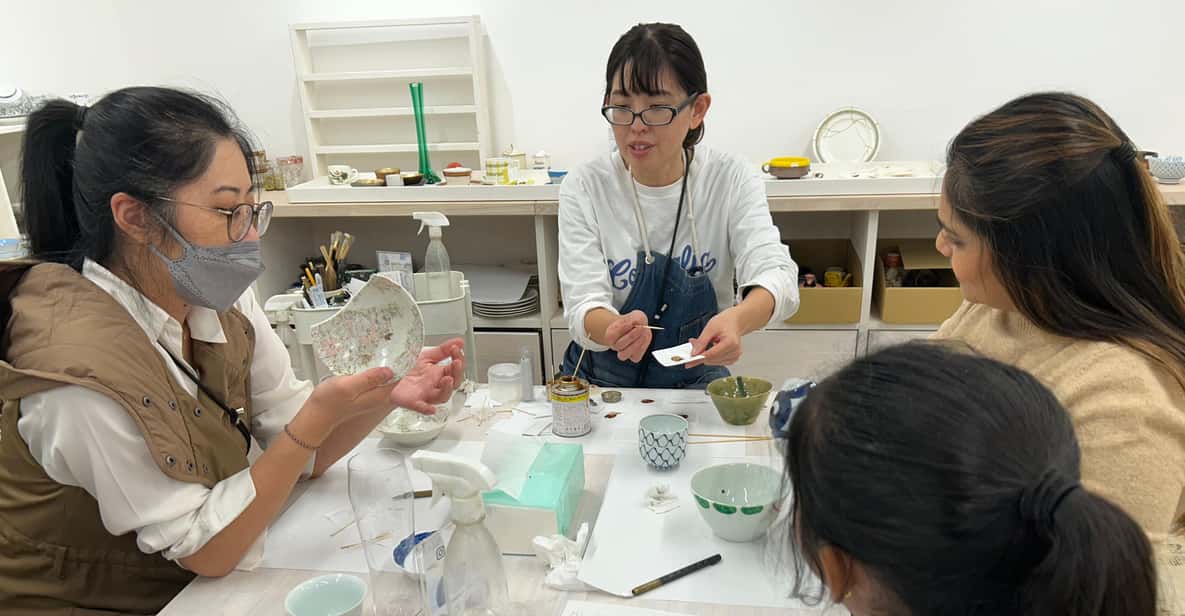
This class is ideal if you:
- want a hands-on Tokyo activity that teaches a philosophy, not just a technique
- like quiet, careful work and don’t mind spending time on detail steps
- want a take-home piece with real meaning
It can be less ideal if you:
- want a fast, low-effort craft session (the filing and careful work takes attention)
- need a session with a guaranteed large, dramatic repair area
- have limited tolerance for fine dust materials (gold powder is part of the process, and it can get everywhere if you’re careless)
For families, it’s best with kids older than very young ages. The activity isn’t set for babies under 1 year, and the filing step can be demanding for younger children.
Tips for Planning Your Tokyo Day Around This Class
Since this workshop is 2 hours and centered around a single meeting point, it’s easy to slot into a flexible day.
A few planning tips that will make it smoother:
- Arrive a few minutes early at Gakugei Daigaku station, and keep an eye on messages from the guide with their photo.
- Since you’re working with lacquer and gold powder, plan for the workshop to be the main event, not a quick stop before dinner with a strict schedule.
- Give yourself buffer time after class so you can safely transport your repaired piece.
If you’re booking around a busy season, remember slots are limited to 6 per group. If the date you want is full, contact the provider via WhatsApp to see if they can adjust the schedule.
Should You Book This Kintsugi Workshop?
If you want a Tokyo experience that’s calm, hands-on, and genuinely different, I’d say yes. The best part isn’t just learning the mechanics of golden joinery—it’s walking away with a repaired object that looks intentional because you chose to keep it and fix it.
Book it if:
- you like quiet craftsmanship
- you want a take-home keepsake with a story
- you’re curious about Japanese aesthetics like wabi-sabi
Think twice if:
- you expect a massive rework of a large piece
- you’re on a tight budget once you factor in the plate you need to arrange
- you require confirmed wheelchair suitability (the info is mixed, so ask first)
If you like the idea of turning damage into design—and you enjoy careful work—this is the kind of class you’ll remember long after the gold seam fades into your everyday life.
FAQ
FAQ
What is the duration of the Tokyo Kintsugi workshop?
The workshop lasts about 2 hours.
Where do I meet the guide?
You meet the guide at Gakugei Daigaku station.
What is the price for the workshop?
It costs $63 per person.
Is the workshop taught in English?
Yes, the instructor teaches in English.
How big is the group?
It’s a small group limited to 6 participants.
What’s included in the workshop?
You get a brief introduction to Kintsugi and the main tools/materials for the joining work, including lacquer and gold powder (and you’re provided with broken pottery to repair).
What is not included?
A plate to work with is not included; you may need to arrange it separately (noted as ¥1,000–2,000).
Can I cancel for a refund?
Yes. You can cancel up to 24 hours in advance for a full refund.
Is it wheelchair accessible?
The activity information lists wheelchair accessible, but it also states not suitable for wheelchair users. You should confirm directly with the provider before booking.
What ages is it suitable for?
It’s not suitable for babies under 1 year.