REVIEW · TOKYO
Tokyo: Roll and Authentic Sushi Making Class in Asakusa
Book on GetYourGuide →Operated by Sushi Making Japan | Cooking Class in Japan · Bookable on GetYourGuide
Sushi lessons in Asakusa feel like instant time travel. This class pairs a lighthearted, interactive quiz about sushi history with real hand skills, and I really like the quiz and the English-speaking instructors who keep things calm when you’re learning. One drawback to plan for: the whole session is about 100 minutes, so you’ll be moving along at a steady pace.
Plan on making two styles: a roll (maki) and classic nigiri, then eating what you make right after. The meeting point is about three minutes from Asakusa Station, which makes this a smart add-on to a day already focused on temples, street snacks, and riverside Tokyo views.
In This Review
- Key things you’ll notice right away
- Asakusa location: sushi, temples, and easy transit
- The 100-minute class flow: quiz first, then hands-on
- Make maki rolls and nigiri: what you’ll learn to produce
- English-speaking instructors and the patient teaching style
- Ingredients and the best part: eating what you made
- Dietary needs: vegan, vegetarian, halal, gluten-free, and allergy limits
- Price and value: $58 for a hands-on meal in Asakusa
- Practical tips to make your session smoother
- Should you book this Asakusa sushi-making class?
- FAQ
- How long is the sushi making class?
- Where is the meeting point?
- Do I need any sushi experience before I go?
- What language is the instructor teaching in?
- What dietary options are available?
- Is free cancellation available?
Key things you’ll notice right away
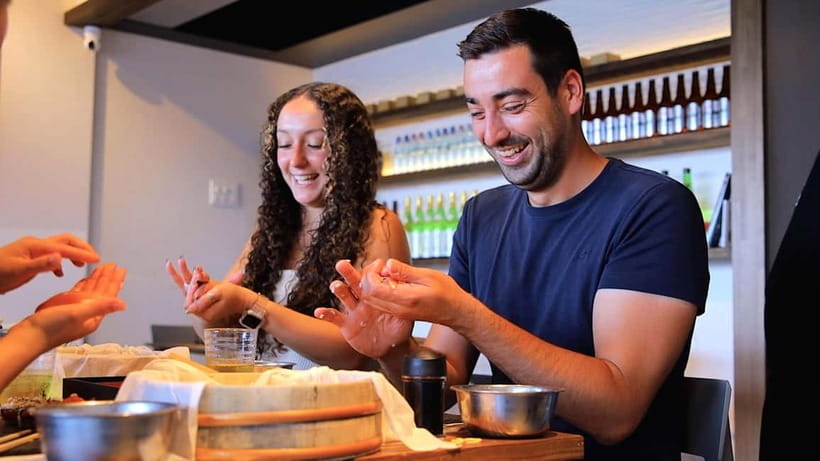
- Sushi history taught through a quiz that stays playful, not lecture-heavy.
- Two hands-on formats: roll sushi plus classic Japanese sushi (nigiri).
- English support from local staff, with patient coaching built into the flow.
- You eat your results, so the “show and taste” moment is part of the fun.
- Asakusa location near major sights, close to Tokyo Skytree and easy to reach from Asakusa Station.
Asakusa location: sushi, temples, and easy transit
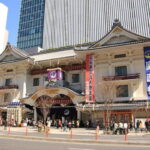
If you’re doing Tokyo like a human (walk, eat, repeat), Asakusa is a strong base for this kind of class. You meet up at a spot that’s about three minutes from Asakusa Station, which matters more than it sounds. With short connections, you’re less stressed, and you can actually enjoy the lesson instead of rushing through it.
This also puts you in the heart of the old-town vibe. You’re close to big landmarks like Tokyo Skytree, and Asakusa’s temple area is the kind of place where you’ll naturally want to keep exploring before or after your session. I like that the class doesn’t feel like a random activity floating in the middle of a travel day. It fits the neighborhood.
The class is also listed as wheelchair accessible, which is useful if you need an option that’s more straightforward than finding your way through tight streets and stairs.
You can also read our reviews of more tours and experiences in Tokyo

The 100-minute class flow: quiz first, then hands-on
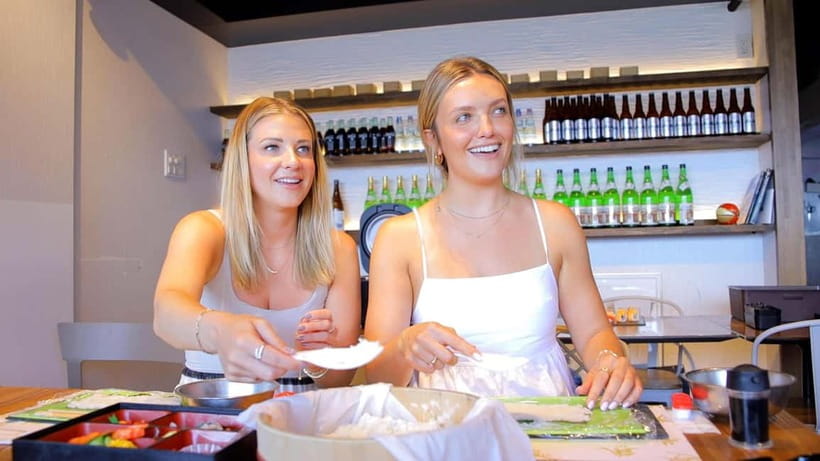
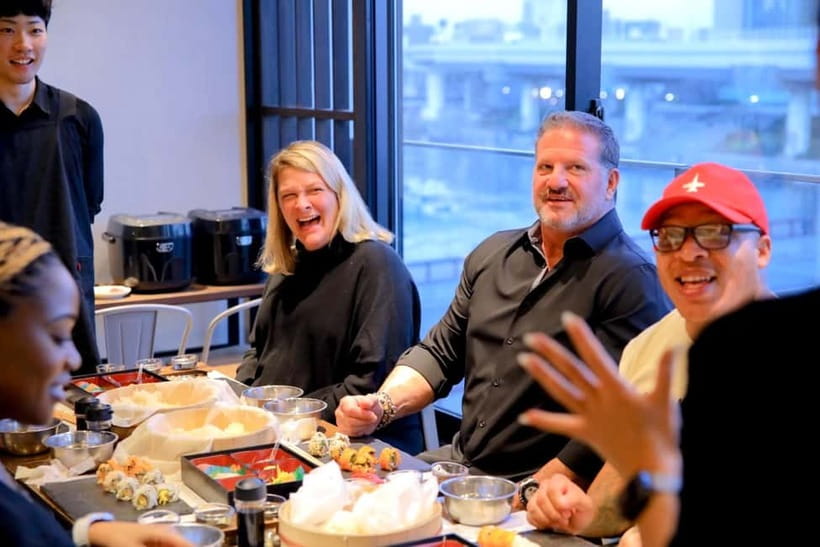
This is not a “watch someone else cook” experience. The structure is built for momentum: you start with an interactive quiz about sushi history, then you move into cooking steps you can actually perform.
The quiz format is a smart choice for first-timers. Sushi history can get heavy fast, but the game-style approach makes it feel lighter while still giving you the context behind what you’re doing. You’re not just assembling food. You’re learning what sushi is, where key ideas came from, and how the basics fit together.
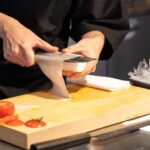
Then comes the work part. You’ll learn processes for making roll sushi and classic Japanese sushi. The pace is friendly, but it’s still a cooking class with time limits. If you’re the type who likes to go slowly, do a little extra practicing on the side, and ask a million follow-up questions, just know you’ll have less time than a full-day workshop would allow.
If you want a calmer feel and more attention, you may find that starting earlier can help the class feel less rushed.
Make maki rolls and nigiri: what you’ll learn to produce
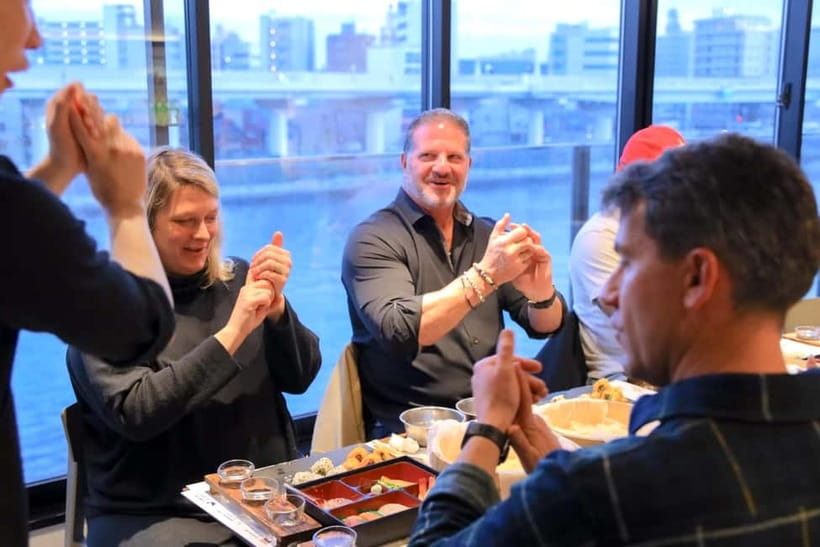
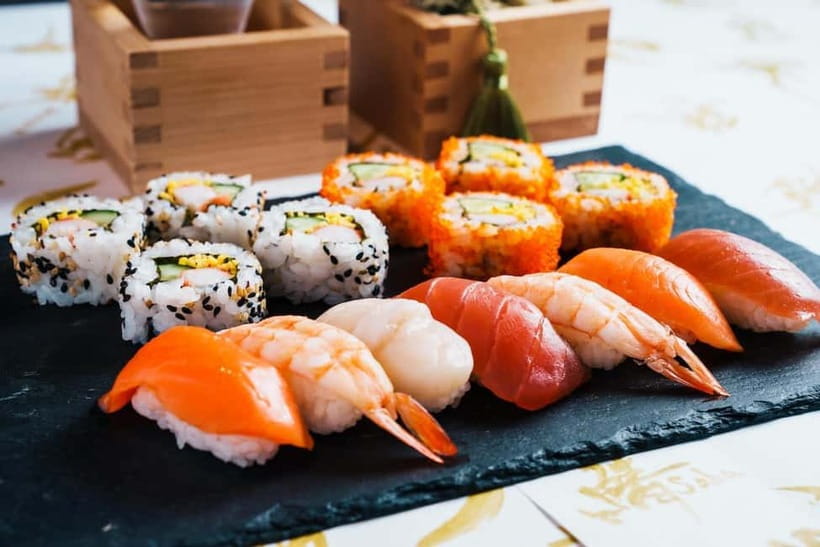
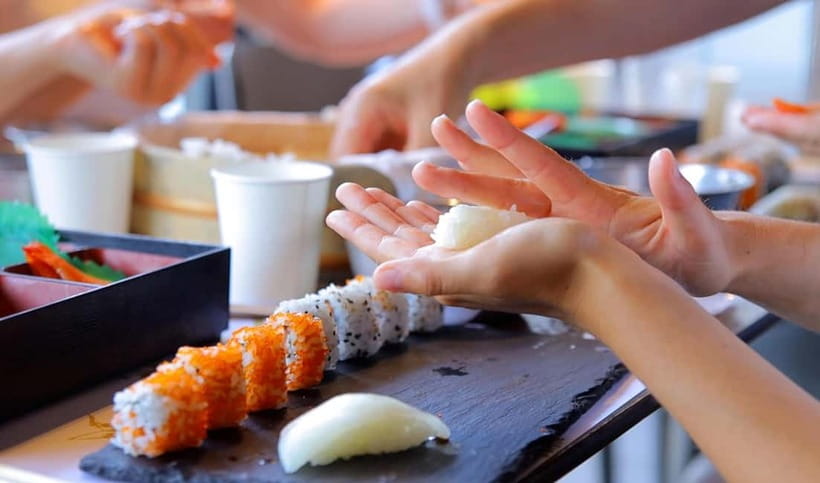
The menu is built around two outcomes, and that clarity is a big value point. You’ll make a roll (maki) and classic Japanese sushi (nigiri), which is exactly the pairing you want if you’re trying to understand sushi beyond one style.
For the maki, you’ll get guided instruction on how to assemble a roll and make it presentable. The key takeaway here is technique plus structure: you’re learning the steps in a way you can repeat later at home.
For the nigiri, you get a chance to understand a different approach. Nigiri is all about shaping and balance, and the class format makes it easier to learn because you’re doing it with instructor help rather than trying to decode it from a recipe.
A recurring theme in what people enjoy is that the process feels both structured and fun. You’re not left guessing. And when you finally eat, you’ll have a direct comparison between what you made and what you usually order in restaurants.
English-speaking instructors and the patient teaching style
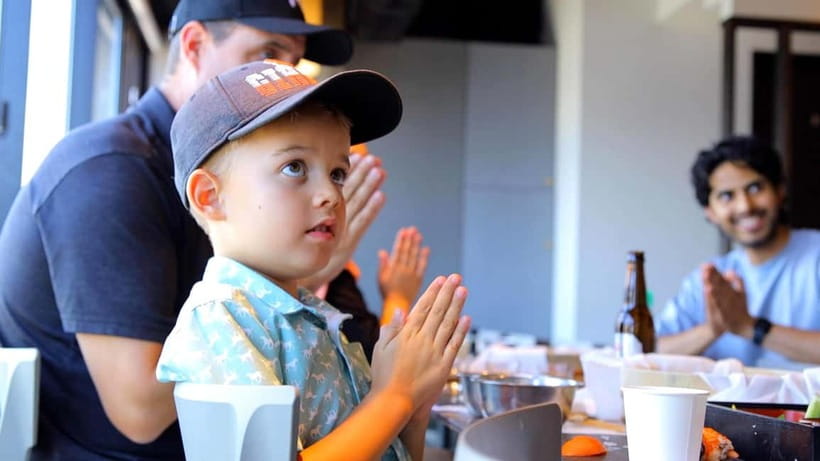
This class is designed for English speakers, with English-speaking local staff guiding you through every step. That’s a big deal in Japan, because sushi is one of those foods where tiny instructions really matter. The good news is that the coaching style is built for beginners.
You might be taught by instructors such as Hitomi, Tomona, Hide, Ken, or Jun (names vary by session). What stays consistent is the vibe: entertaining, encouraging, and very hands-on. People also mention that the team is patient, and that helps when rice-handling and shaping don’t go perfectly on your first try.
One more practical benefit: if you’re traveling solo, the staff’s English support helps you feel included quickly. You’re not stuck watching what others understand. You’re learning with them, step by step.
If you care about getting real technique (not just a token experience), this is the right kind of class to choose in Tokyo.
Ingredients and the best part: eating what you made
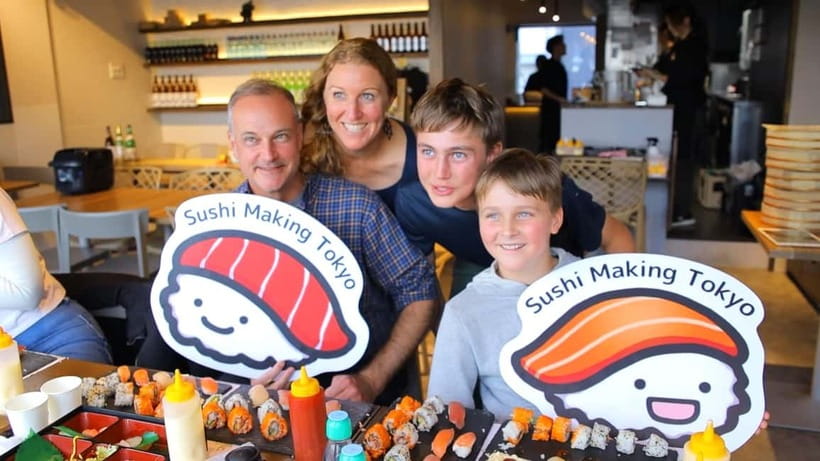
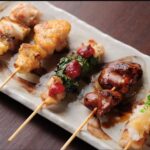
The experience culminates in the most satisfying way possible: you eat the sushi you make. That sounds obvious, but it’s exactly why cooking classes beat passive tours. Your “final exam” is also your lunch (or early dinner).
The ingredients are repeatedly described as fresh and high quality, and that matters. Sushi is simple on paper, but it depends on quality to taste right. When the fish and components are good, your homemade sushi tastes like something more than a novelty.
Portion size seems generous for most people. Still, one consideration worth noting: a couple of comments mention that the rice portions felt a bit limited for the appetite they wanted. If you’re especially hungry, don’t plan to arrive after a huge snack. Go in ready to taste and learn.
If the session includes add-ons like sake tasting or beer, you’ll likely have a way to pair your meal with a drink. That said, don’t assume it’s guaranteed on every schedule—treat it as a possible extra if it’s offered at your time slot.




Dietary needs: vegan, vegetarian, halal, gluten-free, and allergy limits
This class offers flexibility for a range of dietary needs. The current menu availability includes vegan, vegetarian, gluten-free, and halal options.
For allergies, the note provided is specific: meat, nuts, fruits, and dairy are not used. That’s helpful if your needs match that list, but it also signals you should plan ahead carefully.
Here’s the practical part: menu changes require you to contact when you make the reservation. They also state they can’t respond on the day, and they do not accept ingredient specifications. So if you have a complicated situation (multiple allergies, cross-contact concerns, or very specific ingredient rules), you’ll need to communicate early and keep expectations aligned with what they can actually offer.
If your diet matches one of the listed categories, this is a strong choice because you’ll still be making sushi rather than getting a separate, less satisfying substitute.
Price and value: $58 for a hands-on meal in Asakusa
At $58 per person, this class is in the middle of the range you’ll see for Tokyo cooking activities. What makes it feel like solid value is that you get three key things included: the cooking class itself, the ingredients, and an instructor.
You also get two products to take home in your brain: maki and nigiri, which is more educational than a class that only teaches one style. Then there’s the biggest hidden value: you’re eating what you make. That turns the lesson into a meal, not just a souvenir activity.
One thing to factor in: hotel pickup and drop-off aren’t included. You’re responsible for getting to the meeting point on your own, and the good news is that the location is easy—about three minutes from Asakusa Station.
So for value, it’s really about logistics plus included food. If Asakusa is already on your route, the $58 price tends to feel fair.
Practical tips to make your session smoother
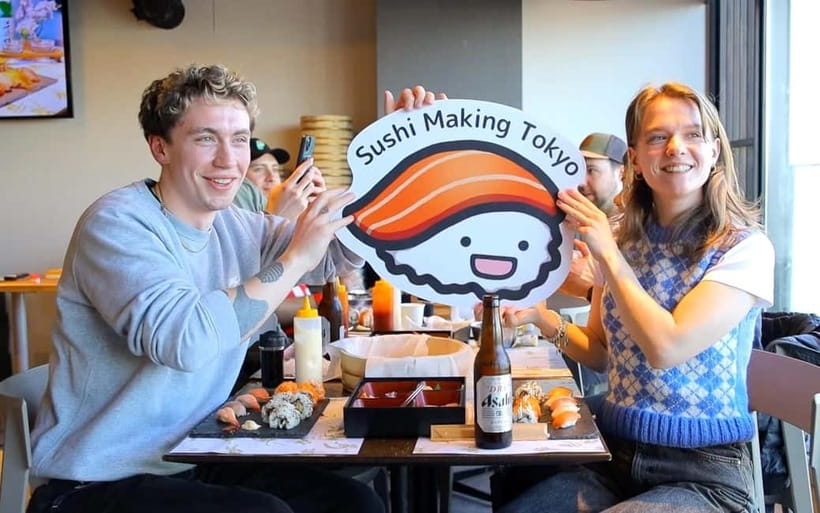
First, build your day around the class. Because it’s only 100 minutes, you don’t want to schedule it when you’re rushing to a train or trying to squeeze in three other stops right before.
Second, come ready to get your hands a little busy. Sushi-making isn’t just “light chopping.” You’ll be shaping and assembling, which means you’ll probably want comfortable clothes and a relaxed mindset.
Third, use the English help. If you don’t understand a step, ask right then. The staff guidance is part of the value, and the class is built for you to learn in real time.
Finally, take your tasting seriously. The best way to remember the lesson is to notice what tastes right and what needed adjustment. That’s how you go from making sushi once to making it again when you’re back home.
Should you book this Asakusa sushi-making class?
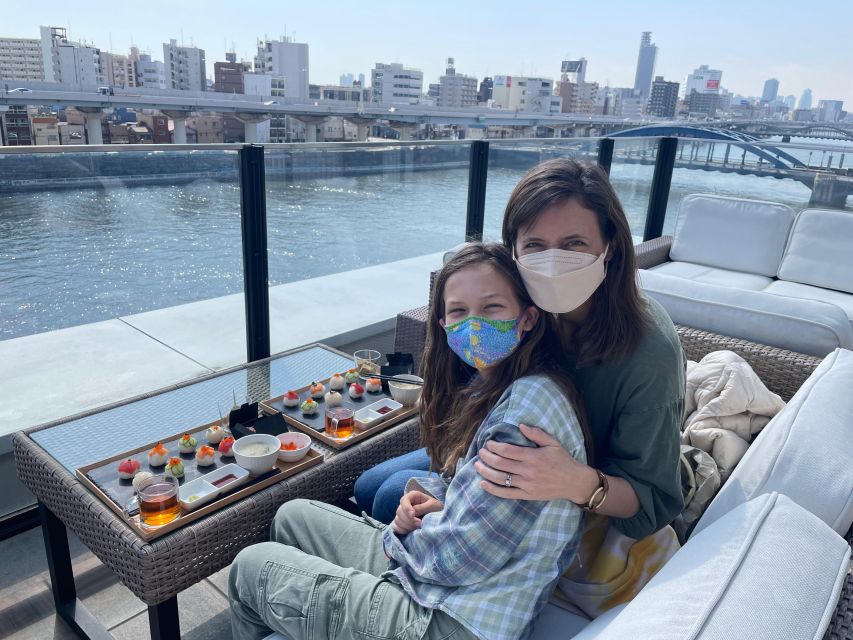
Book it if you want a fun, structured introduction to sushi that includes both maki rolls and nigiri, plus sushi history explained in a way that doesn’t feel like homework. The English-speaking instruction makes it beginner-friendly, and the Asakusa location makes it easy to fit into a Tokyo sightseeing day.
Skip it (or at least manage expectations) if you strongly prefer slow, ultra-detailed practice. The class is timed at about 100 minutes, so you’ll learn the key steps without getting unlimited repeat rounds. Also plan ahead for dietary needs, since they can’t handle same-day changes and they don’t take ingredient specifications.
If you’re choosing one “food experience” in Asakusa, this is one of the more practical picks because you leave with knowledge you can use and a meal you helped make.
FAQ
How long is the sushi making class?
The class runs for about 100 minutes.
Where is the meeting point?
The meeting point is about three minutes from Asakusa Station.
Do I need any sushi experience before I go?
No. No experience is needed, and the staff will guide you in English.
What language is the instructor teaching in?
The class is taught in English.
What dietary options are available?
Vegan, vegetarian, gluten-free, and halal options are available. For allergies, the note says meat, nuts, fruits, and dairy are not used. Changes should be requested when you make the reservation.
Is free cancellation available?
Yes. You can cancel up to 24 hours in advance for a full refund.