REVIEW · TOKYO
Asakusa Classic Ramen & Crispy Gyoza Cooking Class
Book on Viator →Operated by 茶御飯東京 · Bookable on Viator
Ramen lessons in Asakusa are oddly satisfying. In this small-group class at 茶御飯東京, Masa and Junko guide you through both shoyu-style ramen and gyoza, step by step, in a real working kitchen. You end up eating a bowl you built with your own hands.
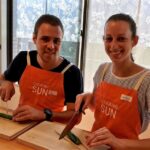
I like that you don’t just watch. You get hands-on prep (including vegetable cutting), you fold gyoza by hand, and you sit down at the end with your food, not just a snack. I also like that you leave with recipes you can use to repeat the dishes later.
One consideration: ramen broth and shoyu stock have multiple steps and timing, and the chef may handle parts of the trickier process while you learn the workflow. If you want total control over every simmer, expect to learn more than you fully run the kitchen.
In This Review
- Key things to know before you book
- Arriving at 茶御飯東京: a calm start in Asakusa
- The 3-hour rhythm: how you go from prep to a finished bowl
- Shoyu ramen: what “from scratch” really teaches you
- Gyoza by hand: getting juicy filling and a crisp edge
- A couple-led kitchen class: why max 8 feels different
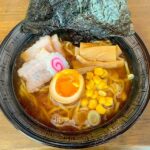
- What you eat at the end: ramen bowl satisfaction
- Ingredients and diet: no MSG, plus vegetarian or vegan planning
- Price ($167.81) and what you actually get for it
- Practical tips: make your class day smoother
- Should you book this ramen and gyoza class?
- FAQ
- How long is the cooking class?
- What is the group size?
- Do I need to bring cooking tools or an apron?
- Will I get recipes to make the dishes at home?
- Are vegetarian or vegan options available?
- Can I get a refund if I cancel?
Key things to know before you book
- You make both ramen and crispy gyoza in the same 3-hour class, so your meal feels earned.
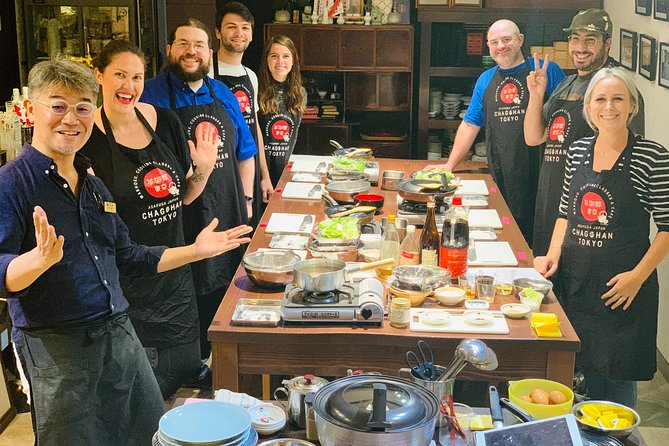
- Max 8 people keeps the pace friendly and the questions actually get answered.
- Appron and tools are provided, so you can show up light.
- No MSG or artificial additives are used for the ingredients you’re cooking with.
- Vegetarian/vegan options are available if you request in advance.
- Recipes are included so you can recreate the dishes at home (often with digital copies).
Arriving at 茶御飯東京: a calm start in Asakusa
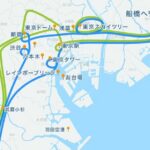
This class meets at 茶御飯東京 (Chagohan Tokyo), in Nishiasakusa, Taito City. It’s an easy stop because it’s near public transportation, and the activity ends back at the meeting point, so you’re not stuck changing plans afterward.
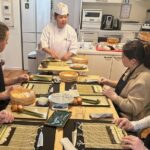
What you’re really signing up for is the feel of a focused kitchen class, not a demo. Multiple reviews call out that it’s a real setup—clean, organized, and suited to hands-on cooking. That matters because ramen and gyoza have a lot of small moves. If you’re working with the right tools and space, you learn faster.
Class times run twice daily: 10:00 a.m.–1:00 p.m. and 3:00 p.m.–6:00 p.m. (durations are estimates). If you’re in Tokyo and trying to fit one “food experience” into a tight schedule, these windows are practical. You can pair it with sightseeing before lunch or before your evening food crawl.
You can also read our reviews of more cooking classes in Tokyo



The 3-hour rhythm: how you go from prep to a finished bowl
The format is built around three goals: learn ramen basics, master gyoza technique, then enjoy what you made. The schedule is short, so everything runs on a steady tempo.
Here’s the general flow you should expect:
- You start with ramen base/broth from scratch, plus ramen topping prep.
- Then you move to gyoza filling and folding, including cutting vegetables by hand.
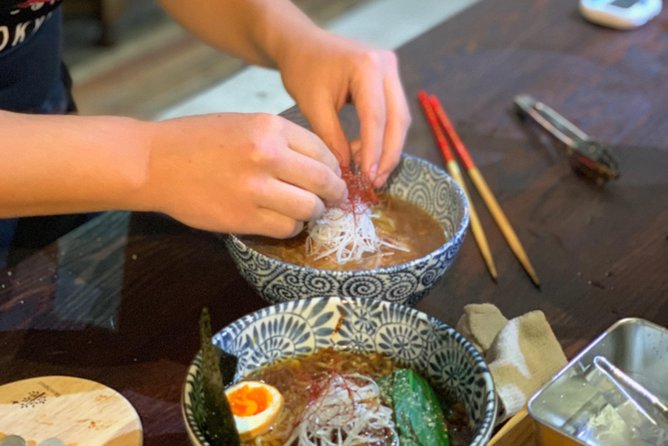
- Finally, you assemble and eat your ramen bowl.
This matters for value. A lot of cooking classes in big cities are either too short to teach much or too long to feel efficient. Here, you get a full arc: learn, cook, eat. You’re not leaving hungry or stuck with only one dish.
Also, because the group is capped at 8 travelers, you’re more likely to get coaching when your hands are going the wrong way. That’s important for gyoza, where the fold and pleat style affects texture. It’s also important for ramen topping handling, where small differences change how the bowl feels.
Shoyu ramen: what “from scratch” really teaches you
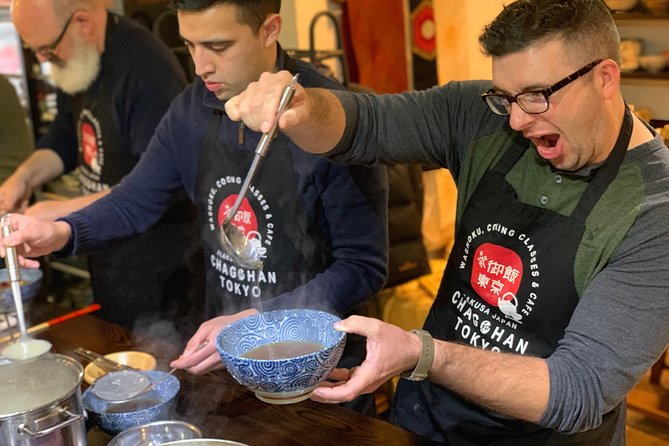
This class focuses on making the ramen base and broth from scratch, plus preparing toppings. In plain terms, you’re learning how Japanese cooks build flavor: not just throwing ingredients together, but layering taste through method.
You’ll also get insider tips on ramen—things like how different components work together and why certain steps matter. And because the chefs (Masa and Junko) teach with explanation, you’re not just memorizing a recipe. You’re learning what to pay attention to next time you cook.
One detail to keep your expectations realistic: shoyu stock has a lot of steps, and it’s not instant. Some parts of the shoyu process may be chef-led so the timing stays right, while you focus on learning the workflow and doing the hands-on parts. That still counts as valuable—because the real skill is understanding the sequence, not just doing every simmer alone.
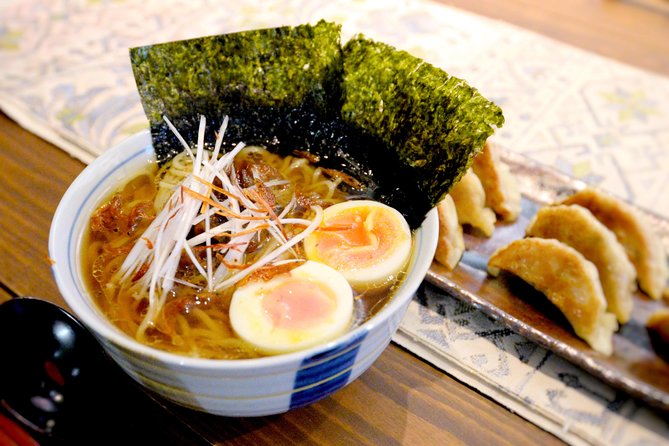
When you assemble your bowl at the end, it’s also “photogenic” in the sense that you get to build a clean, balanced final plate. Reviews mention great outcomes and a ramen that people felt confident they could taste again at home. That confidence comes from doing the steps, not just tasting the final result.
Gyoza by hand: getting juicy filling and a crisp edge
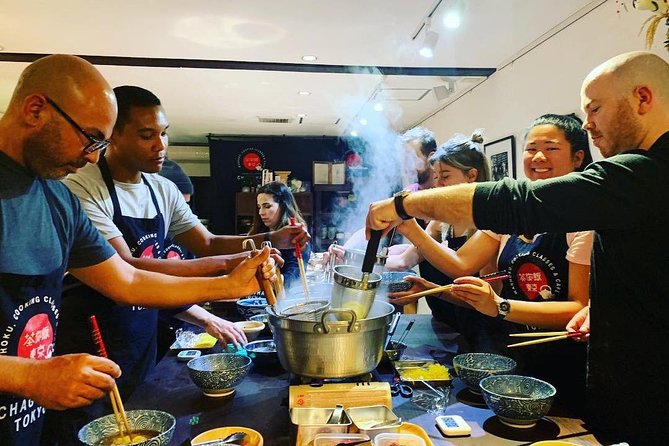
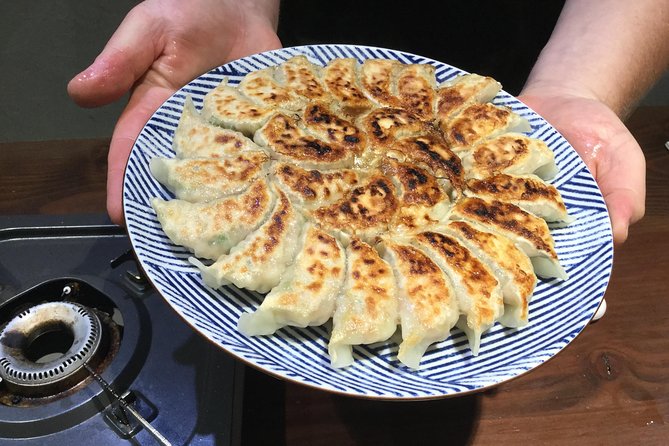
If ramen is comfort, gyoza is technique. This class aims for dumplings that are juicy on the inside and crisp outside. You’ll make the filling, fold the dumplings by hand, and work on vegetable prep with cutting techniques.
The crisp part is what most people never get right at home. It’s not only about the pan—it’s about portioning, sealing, and timing. When you fold and handle dumplings in a guided setting, you start to understand what the “crunch” depends on. That’s the difference between eating good gyoza and making decent gyoza.
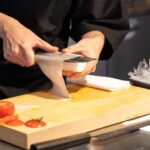
Vegetable cutting is included, and that’s where you’ll feel the work level. Reviews specifically note that there’s a fair bit of knife work, and that’s a reason to plan for older kids rather than tiny beginners. If you’re comfortable with basic knife handling, you’ll likely enjoy this part. If you’re not, ask questions early—Masa’s style is described as clear, step-by-step, and often funny.
Also, expect that the class is structured around doing the folds yourself. That’s why it’s so fun. Gyoza may look simple until you try making them repeatedly. Once you’ve made a batch, you’ll understand why the world has dumpling traditions for every region.
A couple-led kitchen class: why max 8 feels different
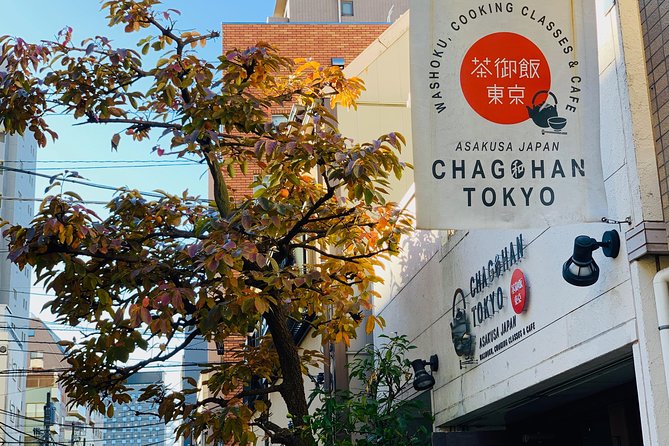
This is run by a small couple team. The teaching dynamic is part of why people rate it so highly. Masa leads the class and explanations, while Junko helps manage the flow and documentation.
You’ll likely notice their English is strong, which reduces the typical “cooking class language barrier” problem. And because the group is small—maximum 8—questions don’t disappear into the background. When you’re folding dumplings, you need quick feedback. When you’re assembling toppings, you want to know how it affects the bowl.
Reviews also mention that Junko takes photos and even video during the activity. That’s a nice practical perk, especially if you’re cooking in a smaller kitchen where taking your own photos can be awkward. You can focus on cooking while someone else captures the moment.
You can also read our reviews of more tours and experiences in Tokyo



What you eat at the end: ramen bowl satisfaction
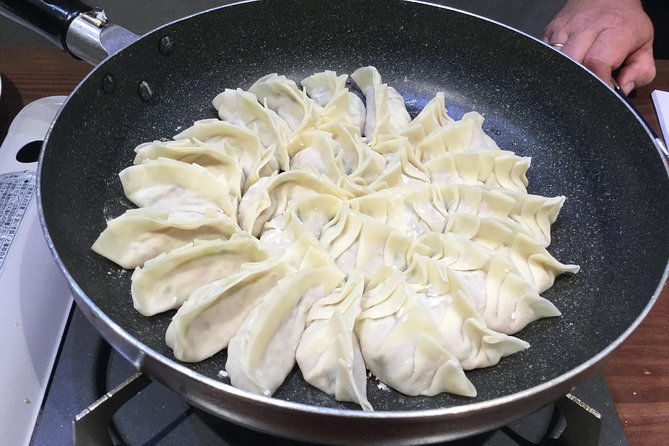
This class ends with you sitting down and eating the dishes you prepared. That’s a big deal. Many classes end with tasting or a quick bite. Here, you get a full meal experience.
You’re going to eat:
- A bowl of ramen you assembled
- The gyoza you made and cooked as part of the class
Multiple reviews highlight that the gyoza and ramen tasted excellent. One review points out that the ramen was a standout shoyu, and another notes confidence in making gyoza at home after the class. That lines up with the teaching focus: gyoza technique and ramen flavor building.
One more subtle point: the class is designed so the final bowl looks put-together. “Photogenic” isn’t about Instagram only. It’s about arrangement and portioning, which also means better balance when you eat.
Ingredients and diet: no MSG, plus vegetarian or vegan planning
The class uses all-natural ingredients and specifically avoids MSG and artificial additives. That’s not just a health claim—it affects flavor. MSG can make savory tastes pop, so removing it forces you to pay attention to what creates depth in stock and toppings.
If you eat vegetarian or vegan, you’re not out of luck. Vegetarian and vegan options are available if you give advance notice. For anyone with dietary limits, I’d treat this as a must-do: request your option early so the kitchen can plan the ingredients and timing.
Also, because this is a cooking class, dietary tweaks can change the workflow. Planning ahead helps you get an experience that stays authentic rather than a last-minute substitution.
Price ($167.81) and what you actually get for it
At $167.81 per person, this isn’t a bargain snack class. It’s more like paying for a guided, hands-on skill session plus a full meal and take-home instructions.
To judge value, look at what’s included:
- Instruction for both ramen and gyoza (two dishes, not one)
- Ingredients, including natural items (and no MSG/added artificial flavors)
- Apron and utensils provided, so you don’t have to bring gear
- You eat what you make
- Recipes provided so you can recreate the dishes later
When I compare it to lower-priced classes that are mostly tasting or short demos, the difference is clear. You’re not just learning “what it tastes like.” You’re learning how to do it. That’s why people leave feeling they can repeat at least part of the process at home—especially gyoza.
Group size also affects value. A max of 8 means the instructors can actually guide technique. In cooking classes, technique coaching is usually what you pay for.
One practical budgeting note: because it’s a popular class (on average booked about 27 days in advance), you’ll want to lock in your slot sooner rather than later.
Practical tips: make your class day smoother
You don’t need to bring anything for tools, since aprons and utensils are provided. Still, you can show up ready to work and learn.
Here are the habits that usually make these classes feel easier:
- Wear comfortable clothes you’re okay getting a little food on.
- If you’re not used to knife work, start relaxed and go slow on your cuts—speed isn’t the goal.
- Ask one question at the moment you’re stuck. Don’t wait until the end.
Also plan your day around the class time. With ramen and gyoza cooking, you’ll be standing and working for much of the session. Eat a light snack beforehand if your schedule allows, so you’re hungry but not stuffed.
If you’re coming with kids, this is one of the better “family fun” food experiences—but keep in mind the knife work noted in reviews. Older kids will likely do better than younger ones.
Should you book this ramen and gyoza class?
Yes, if you’re a ramen fan who wants more than eating. This class is a rare combo: you learn the flavor logic behind shoyu ramen and the hands-on technique for crisp gyoza. The small group size helps, and the fact that you take recipes home boosts the value beyond the meal.
You might skip it if:
- You want a purely leisurely, no-prep food experience. This is hands-on cooking.
- You need total control over every ramen stock step. Some stages may be chef-led to keep the process correct.
If you’re in Tokyo and you want one food activity that teaches real skills you can repeat, this is a strong pick—especially if you book your preferred time slot in advance.
FAQ
How long is the cooking class?
The class runs for about 3 hours (the schedule is listed as 10:00 a.m. to 1:00 p.m. or 3:00 p.m. to 6:00 p.m., with durations as estimates).
What is the group size?
The class has a maximum of 8 travelers, and it’s designed for small-group instruction.
Do I need to bring cooking tools or an apron?
No. Apron and utensils are provided, so you can come as you are.
Will I get recipes to make the dishes at home?
Yes. You receive recipes so you can recreate the ramen and gyoza later (reviews also mention digital copies).
Are vegetarian or vegan options available?
Yes, vegetarian and vegan options are available with advance notice.
Can I get a refund if I cancel?
This experience is non-refundable and cannot be changed for any reason. If it’s canceled due to poor weather, you’ll be offered a different date or a full refund.