REVIEW · TOKYO
Tokyo: Meiji Shrine Walking Tour — Shinto & Imperial System
Book on GetYourGuide →Operated by Local Guide Stars · Bookable on GetYourGuide
Tokyo turns quiet inside this shrine walk. Meiji Jingu is famous for the forest inside the city, with about 100,000 trees and a shaded path where noise drops away fast. This small-group tour (up to 10 people) helps you slow down and notice what you’d otherwise rush past, from the torii gates to the offering areas.
What I like most is the way the guide connects the everyday details to meaning: you’ll learn the Shinto customs for visiting properly, including how to walk along the edges after you enter (to avoid the seichu, the central route reserved for deities). The second big win is the historical thread through Japan’s imperial system—expect the kind of explanation that makes “samurai to modern” feel less like trivia and more like a story you can follow. Guides like Tomo and Keiko come up again and again in the reviews for making that all click in clear English.
One consideration: this is English only. If you’re hoping for Japanese-language support, plan to rely on the guide and your own phone translation for anything extra. Also, Meiji Jingu is a top destination, so you’ll want to accept a bit of crowd flow—this tour moves with it, and that’s part of the deal.
In This Review
- Key things you’ll notice on this Meiji Shrine tour
- Why Meiji Shrine’s quiet forest and 12-meter torii matter
- Small-group pacing (up to 10) for a 90–135 minute plan
- Getting there from Harajuku Station and what to expect on the walk
- Ichino Torii, consecrated wine barrels, and consecrated sake barrels
- The Big Torii and the seichu walking etiquette
- Emperor Meiji poetry and the Omigokoro clue for non-Japanese readers
- Main shrine time: 45 minutes for praying, charms, and respectful wandering
- Café Mori no Terrace tea break and souvenir stops that feel worth it
- Price and value: why $23 can make sense for an English guide
- Who this tour is best for (and who might want to skip)
- Final verdict: should you book this Meiji Shrine walking tour?
- FAQ
- How long is the Tokyo Meiji Shrine walking tour?
- Is the tour offered in English?
- What group size is it?
- Where do I meet and where does it end?
- What can I do at the main shrine area?
- Is there any food or tea included?
Key things you’ll notice on this Meiji Shrine tour
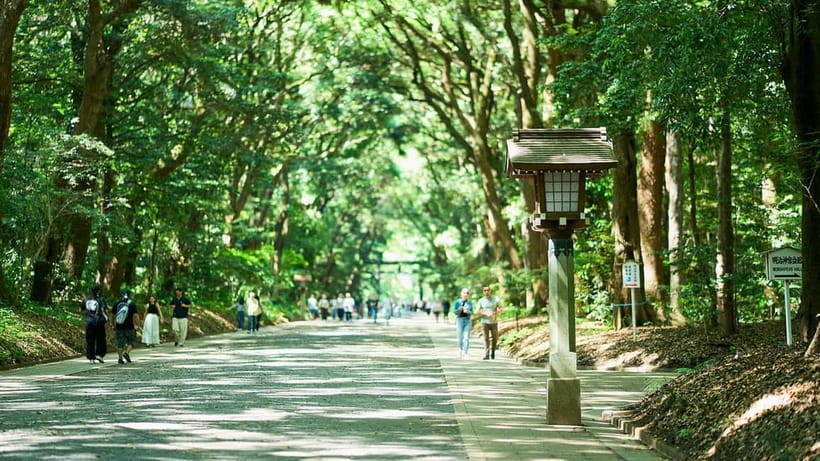
- A forest route where the city noise fades as you walk under dense trees toward the torii gates
- Japan’s massive wooden torii (about 12 meters, made from 1,500-year-old Taiwanese cypress)
- Consecrated wine and sake barrels stops that turn the shrine grounds into a lesson on offerings
- Imperial poetry you can actually read via Emperor Meiji and Empress Shoken themes, plus English support for the omikuji
- Hands-on guidance for shrine etiquette so you know what to do, and what not to do, without guessing
Why Meiji Shrine’s quiet forest and 12-meter torii matter
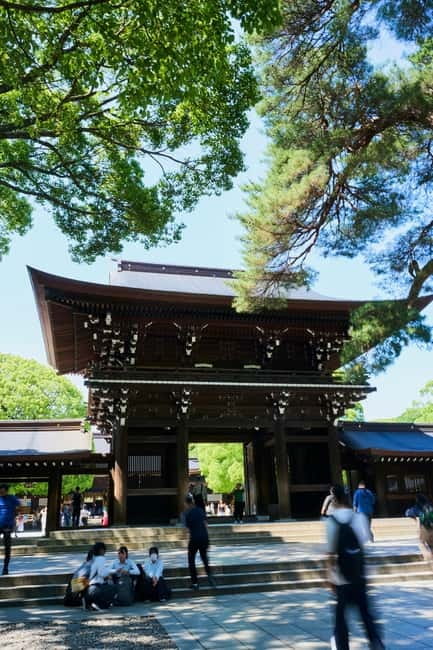
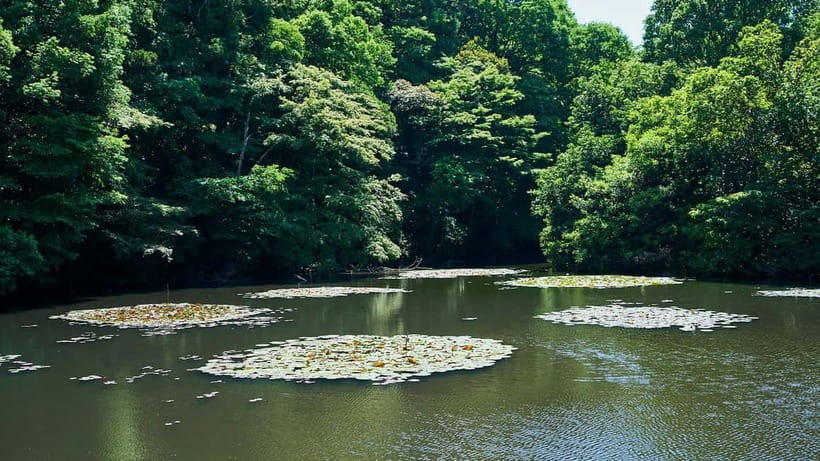
Meiji Shrine’s main magic is the contrast. You start in Tokyo mode—trains, people, motion—then step into a forest that’s designed for calm. The tour route is built around that shift: shaded walking, birdsong energy, and the sense that you’re entering a different world without leaving the city.
Then comes the torii moment. You’ll get a photo stop and guided visit at Japan’s largest wooden torii gate, a towering 12-meter structure made from 1,500-year-old Taiwanese cypress. Even if you’ve seen torii before, the scale here changes the experience. It’s the kind of structure that makes you stand there a second longer, just to register size and age.
This is exactly the reason a guided walk helps. Without context, you might treat it like another photo spot. With guidance, you start seeing the torii as a threshold with rules—and you pay attention to how people move once they pass through.
You can also read our reviews of more walking tours in Tokyo



Small-group pacing (up to 10) for a 90–135 minute plan
This tour is short enough to fit early or mid-day, but structured enough that you don’t waste time figuring out where to go next. Duration runs 90 to 135 minutes, and you’ll have a guided flow plus time for photos and shrine activities.
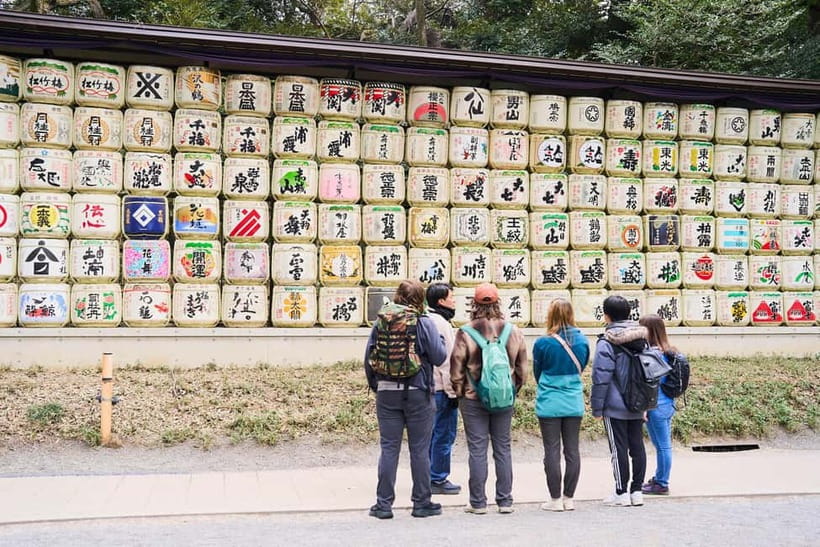
A small group matters more at Meiji than you might expect. The grounds are popular, and the tour includes multiple “look here, notice this” moments—like the two sets of consecrated barrels and the poetry stop. With a larger group, those details get lost. With up to 10 people, you’re more likely to keep up and ask questions.
You also get English-only interpretation, so you won’t have to hunt for someone who speaks your language. Reviews repeatedly flag guides who explain customs clearly and answer questions patiently, including how to handle the offering experience respectfully.
Getting there from Harajuku Station and what to expect on the walk
Most people will meet near Harajuku Station and also finish there. That’s a convenient setup if you’re already planning to explore Harajuku or nearby areas afterward.
The tour begins with an easy, guided approach to the shrine entrance stops—so you’re not walking in blind. One early photo and visit point is Meiji Jingu Ichino Torii, where you’ll take photos and get orientation.
From there, the tour keeps you moving along the shrine approach rather than dumping you in the middle and hoping you’ll figure it out. That’s a real time-saver on a first visit, especially if you want to understand what you’re seeing without reading a stack of signs.
Ichino Torii, consecrated wine barrels, and consecrated sake barrels
This section of the walk feels like the tour’s “how the place works” lesson.
After Ichino Torii, you’ll stop at Meiji Jingu Consecrated Wine Barrels for a short guided look and photo time. Then you’ll move to Consecrated Sake Barrels, which is even shorter but still included as a focused moment. The point isn’t just to see barrels—it’s to understand how offerings fit into Shinto practice and shrine life.
Why this is valuable: Meiji Jingu can look like a pretty park if you only focus on architecture. These stops push you to notice function. A barrel is not just a decoration. It’s part of a ritual system, and the guide’s explanations make it easier to read the grounds like a story, not a scenery stop.
If you care about cultural context, these are the stops that tend to earn the “that was actually meaningful” reaction later.
The Big Torii and the seichu walking etiquette
You’ll also get time at the Big Torii with photo stop and guided visit. This is where you’re likely to see many visitors pause for pictures, but the tour gives you something better than posing.
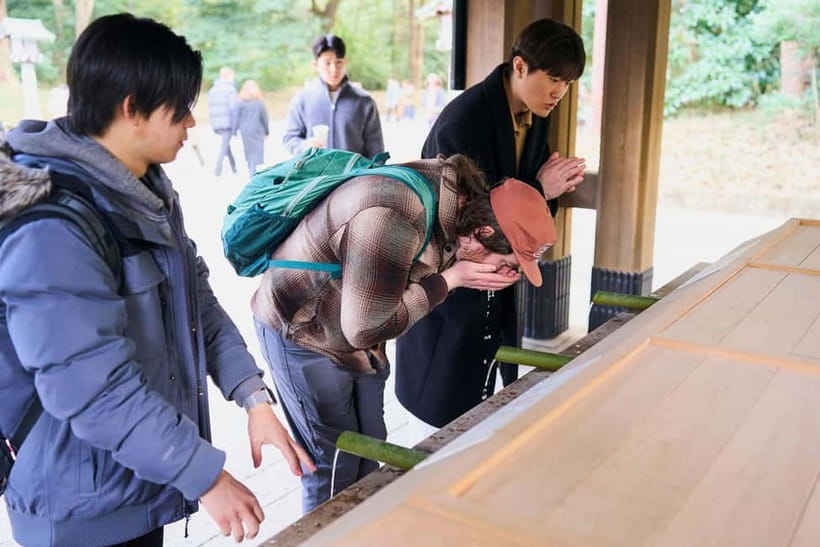
The guide covers a key etiquette detail: when you pass through the torii, it’s customary to walk along the edges of the path. The center route is seichu, reserved for deities. That might sound small, but it changes your awareness immediately. You’re not just moving through—your body language starts matching the respect being shown around you.
In practice, this is why a guided tour beats self-guided guessing. You may notice everyone walking a certain way, but you won’t know why unless someone explains it. Once you understand seichu, you’ll feel more confident moving through the shrine flow without worrying you’re doing something “wrong.”





Emperor Meiji poetry and the Omigokoro clue for non-Japanese readers

One of the most visitor-friendly parts of this tour is the stop for Imperial Poetry of Emperor Meiji. You’ll get a photo stop and guided explanation at this point. This matters because it connects the imperial system theme to something concrete you can actually stand beside.
Then there’s the unique shrine reading option tied to Omigokoro. After you pay your respects at the main shrine area, the tour includes time for shopping—so you can buy an omamori (protective charm) or a special omikuji called Omigokoro.
What makes Omigokoro useful for international visitors: it features poems associated with Emperor Meiji and Empress Shoken, and the poems come with English translations. That’s a big deal, because lots of fortune-style experiences fall apart when you can’t read what you bought. Here, you’re more likely to walk away with something you can actually understand.
Think of this stop as your “I want to participate, not just watch” moment.
Main shrine time: 45 minutes for praying, charms, and respectful wandering
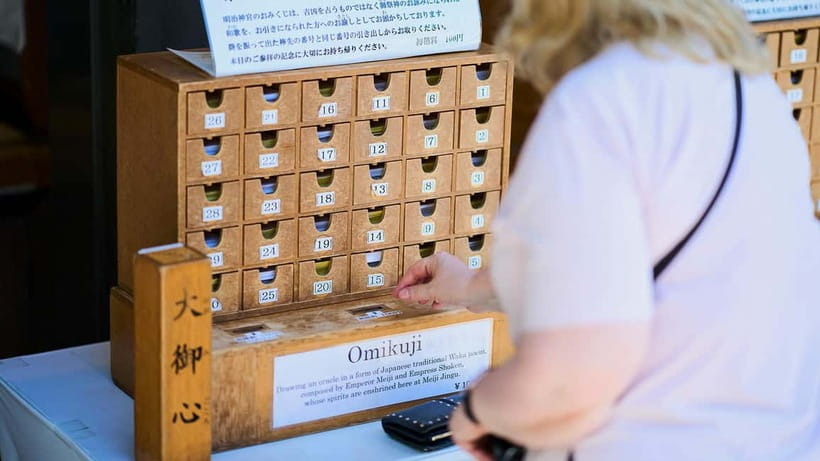
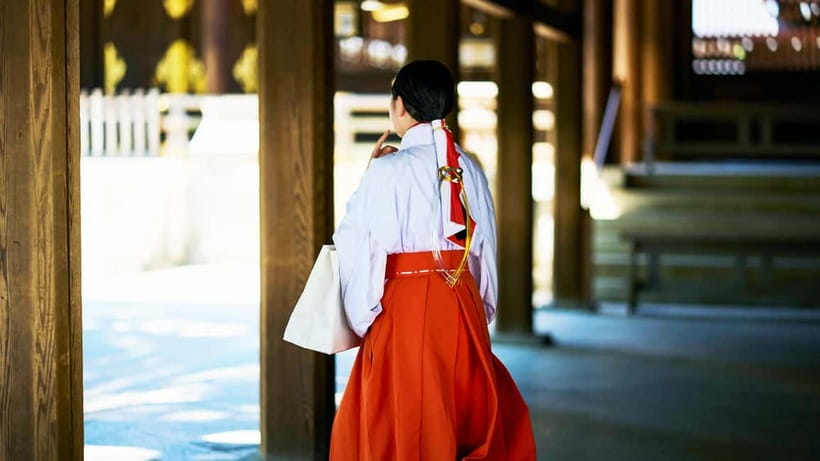
The itinerary includes a longer stretch at Meiji Jingu itself, with guided time plus about 45 minutes of free time, including opportunities to shop.
During this segment, you’ll get to experience Shinto at the main shrine level. You’ll also have time to purchase omamori or Omigokoro, which is where the tour’s earlier etiquette lesson pays off.
From the reviews, the guides are often praised for helping guests handle the practical parts too—like where to go for fortunes and how to approach the activities calmly. Some people also mention help with writing wishes and praying, and assistance with fortune poems. That kind of support matters most if you’re anxious about etiquette or don’t know where the “right place” is.
One caution: this part of Meiji is popular. Even with guidance, don’t expect everything to feel quiet and empty. The benefit is that you’re not stuck trying to interpret the scene alone.
Café Mori no Terrace tea break and souvenir stops that feel worth it
After the shrine time, you head to Forest Terrace Meiji Jingu, including a stop at Café Mori no Terrace. This is your break period, with about 15 minutes for a photo stop, guided visit, and some shopping time.
You’ll have Japanese tea and light snacks here, which is a welcome reset after shrine walking. If you’re doing other Tokyo plans the same day, this kind of planned pause helps you avoid the “we left too late” stress.
The gift shop is also part of the value. The tour points you toward mementos like:
- Eco-blocks made from fragrant Japanese camphor
- Miniature barrels of sacred sake
These aren’t generic tourist trinkets. They connect to the shrine offering theme you just learned about. That makes your souvenirs feel like closure, not just extra luggage.
Price and value: why $23 can make sense for an English guide
At $23 per person, this tour is priced like a “high-impact, short-format” experience rather than an all-day excursion. You’re paying for several things bundled together:
- A small-group English guide (up to 10 people)
- A guided walk through multiple specific stops: torii, barrels, poetry point, main shrine
- Built-in time to participate (charms/omikuji) rather than just look
- A planned break with tea and light snacks
- Practical help with etiquette so you don’t waste time figuring out what’s allowed
If you’re the type who reads signs but still wants context, you’re exactly the target. If you only want scenic wandering and don’t care about the meaning or customs, it may feel like more structure than you need. But if you want Meiji Jingu to make sense fast, the value is easier to see.
Also note: this tour is English only and runs 90 to 135 minutes, so it’s a tidy use of a limited Tokyo day.
Who this tour is best for (and who might want to skip)
This fits best if you:
- Want an introduction to Shinto etiquette without second-guessing your behavior
- Like history when it’s tied to places, not just lectures
- Plan to buy an omamori or Omigokoro and want help making sense of it
- Appreciate a calm walking pace through a very popular site
You might think twice if you:
- Prefer a totally independent visit and don’t want a structured route
- Rely on Japanese-language support for everything and don’t want to translate
- Want more free time at the shrine beyond the scheduled 45 minutes
A lot of first-timers love this tour specifically because the guide helps you avoid the awkward tourist mistakes—like not knowing how to move properly after the torii.
Final verdict: should you book this Meiji Shrine walking tour?
I’d book it if you want Meiji Jingu to feel more than pretty. The forest walk, the giant wooden torii, the consecrated wine and sake barrel stops, and the Imperial poetry thread all work together. Then the practical part seals the deal: you get enough free time to participate (and shop) with guidance, plus English support for Omigokoro.
If you’re in Tokyo for a limited number of days and Meiji Jingu is on your must-see list, this is a strong way to do it efficiently—especially at the start of your trip, when you’ll benefit most from learning shrine etiquette early.
If English-only is fine for you and you like guided meaning over pure wandering, this tour is an easy yes.
FAQ
How long is the Tokyo Meiji Shrine walking tour?
The tour runs about 90 to 135 minutes, depending on the starting time and how the schedule plays out.
Is the tour offered in English?
Yes. The tour is conducted in English only, and Japanese language support is not available.
What group size is it?
It’s a small-group tour limited to up to 10 participants.
Where do I meet and where does it end?
You can meet at one of two options, including Harajuku Station (原宿駅). Drop-off is also at Harajuku Station (原宿駅).
What can I do at the main shrine area?
You’ll have time to experience Shinto, pay your respects, and purchase items like omamori or Omigokoro (an omikuji with poems and English translations).
Is there any food or tea included?
Yes. After the shrine visit, there’s a stop at Café Mori no Terrace where you can enjoy Japanese tea and light snacks.