REVIEW · TOKYO
Asakusa: Geisha Performance and Tea House Experience
Book on GetYourGuide →Operated by 料亭都鳥 · Bookable on GetYourGuide
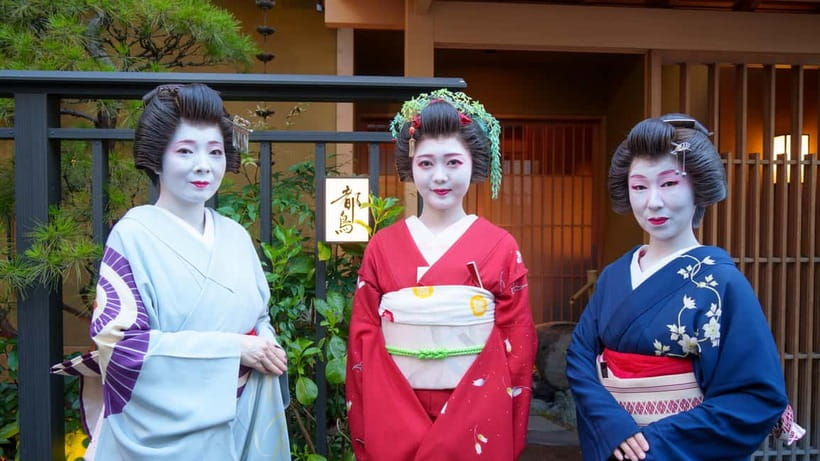
A quiet door opens to a world of performance. In Miyakodori’s Ozashiki Tea House in Asakusa, I love the chance to meet real geisha, and I also love the way you taste fresh matcha right in the room. One possible drawback: you’ll have to order one drink per guest (alcoholic or non-alcoholic) in addition to the complimentary matcha.
You’re stepping into an evening that feels more like an invitation than a show. The lineup is clear and focused: welcome, dance with live shamisen, an ozashiki-asobi game, seasonal sweets, and a commemorative photo. If you hate structured schedules, this may feel a bit tight—because it’s designed to move smoothly from moment to moment.
In This Review
- Why Miyakodori’s Ozashiki Tea House Feels So Special in Asakusa
- Key highlights you’ll notice right away
- Entering Miyakodori’s Tea House: A Ceremony-First Welcome
- The Geisha Dance + Live Shamisen: Watching Craft, Not Just Motion
- Konpira Fune Fune: The Ozashiki-Asobi Game That Breaks the Ice
- Matcha and Seasonal Sweets: Why This Tasting Moment Matters
- Talking With the Performers: Learning Without Being Pushed
- The Commemorative Photo: A Keepsake That Fits the Evening
- Group Feel and Timing: Why 75 Minutes Works
- Price and Value: Is $106 for 75 Minutes Fair?
- Who Should Book This (and Who Might Pass)
- A few practical tips to make your night smoother
- Should You Book Miyakodori’s Geisha Performance and Tea House Experience?
- FAQ
- How long is the Asakusa tea house and geisha experience?
- Is the experience in English?
- What is included besides the matcha?
- Do I need to order a drink?
- Where is it located?
- What is not included in the price?
Why Miyakodori’s Ozashiki Tea House Feels So Special in Asakusa
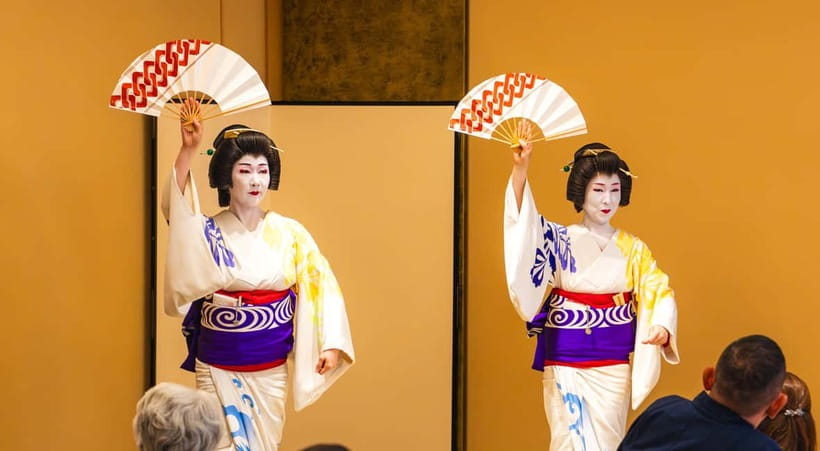
This isn’t a generic performance loop. It’s arranged like a traditional tatami-room gathering, where you watch the art, then get pulled into the playful side of the culture.
The provider is 料亭都鳥, and the setting in Asakusa matters. Asakusa is where you can still feel Tokyo’s old-city rhythm—temples close by, streets that reward slow walking, and visitors who don’t mind a little ceremony.
Key highlights you’ll notice right away
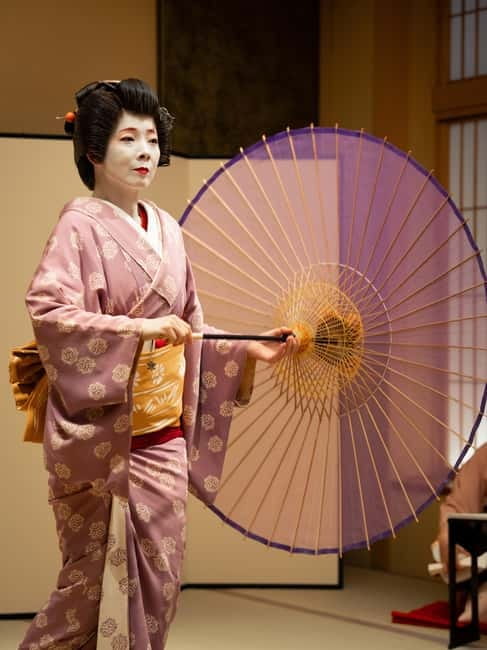
- Real geisha interaction in an intimate tea-house setting
- Live shamisen paired with a graceful dance performance
- Ozashiki-asobi game Konpira Fune Fune, with plenty of audience participation
- Seasonal Japanese sweets plus freshly whisked matcha
- A commemorative photo with the geisha as a keepsake
You can also read our reviews of more tours and experiences in Tokyo.



Entering Miyakodori’s Tea House: A Ceremony-First Welcome
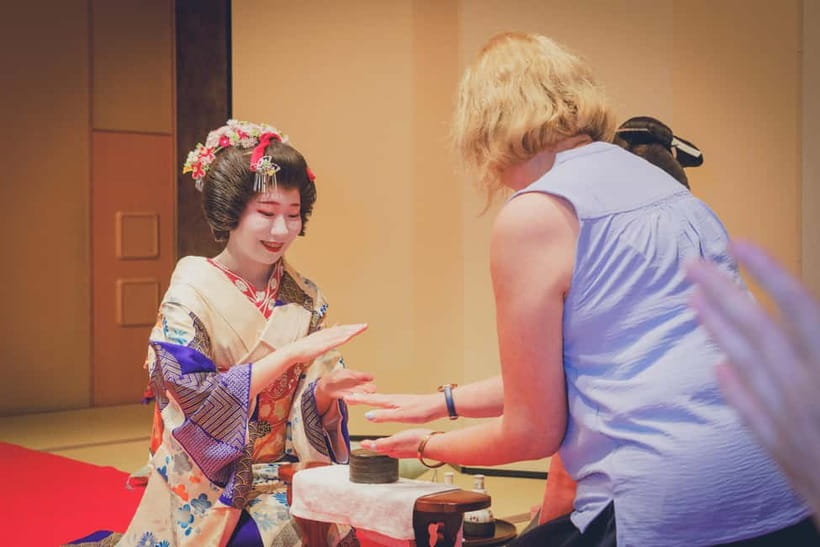
The experience starts with a welcome that sets the tone. You’re not treated like a pass-through ticket. You’re guided into a refined space where people dress, speak, and perform with care.
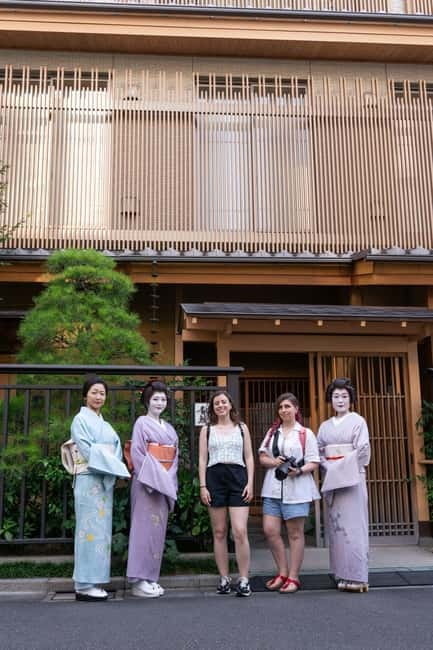
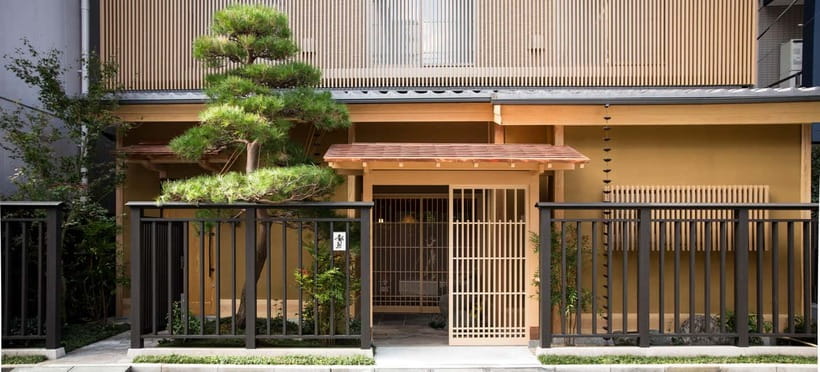
One review detail I really like: people talk about arriving at a hidden-style entrance and then being met by the owner and staff. Even if you don’t know the tea-house etiquette ahead of time, the team helps you get settled—so you can focus on what matters: watching skilled performers up close and understanding what you’re seeing.
What to keep in mind: because this is inside a traditional space, you’ll likely spend time seated on low stools. If you have any mobility issues, consider that before you book.
The Geisha Dance + Live Shamisen: Watching Craft, Not Just Motion
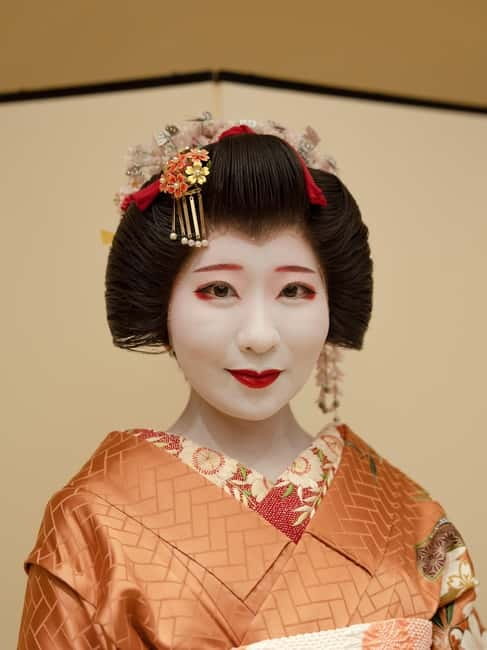
The core of the evening is a dance performance backed by live shamisen music. That combination is the point. The shamisen isn’t background noise; it drives the pacing, mood, and phrasing of the dance.
In one standout account, you can see how trained the performers are—precision, control, and a stage presence that doesn’t rely on big gestures. Another helpful detail: English support is provided through an English host/greeter, and there’s also translation support mentioned in guest experiences. That matters because it helps you connect the dance to the cultural context, not just the spectacle.
If you want to enjoy the performance more fully, arrive a bit early. It gives you time to settle, look around, and stop rushing your attention.
Konpira Fune Fune: The Ozashiki-Asobi Game That Breaks the Ice
After the dance, the evening shifts from watching to playing. You’re guided through ozashiki-asobi, and the specific game you’ll do is Konpira Fune Fune.
This part is surprisingly important. Many cultural shows keep you in the audience. Here, the game turns the room into a shared experience. It’s lighthearted, laughter-friendly, and it helps you understand the social rhythm of an ozashiki setting: playful rules, quick turns, and audience energy that doesn’t feel awkward.
One guest said they enjoyed the games the best, and another described the interaction as fun and genuinely memorable. That’s consistent with the idea of ozashiki-asobi: it’s entertainment you do with the performers, not just something they do for you.
Matcha and Seasonal Sweets: Why This Tasting Moment Matters
You’ll get seasonal Japanese sweets and freshly whisked matcha. The sweets are often where the season shows up—textures, sweetness levels, and flavors that feel tied to the time of year rather than a generic dessert plate.
The matcha is the real ritual here. Freshly whisked means it’s prepared for the moment, not pre-mixed. The taste difference is noticeable: more aroma, smoother texture, and that clean, earthy profile that pairs well with the sweet course.
Practical note: you’ll also be asked to order one drink per guest during the experience (alcoholic or non-alcoholic). The tea is complimentary, but your drink requirement is separate. If you’re budgeting, assume you’ll pay for that add-on drink.



Talking With the Performers: Learning Without Being Pushed
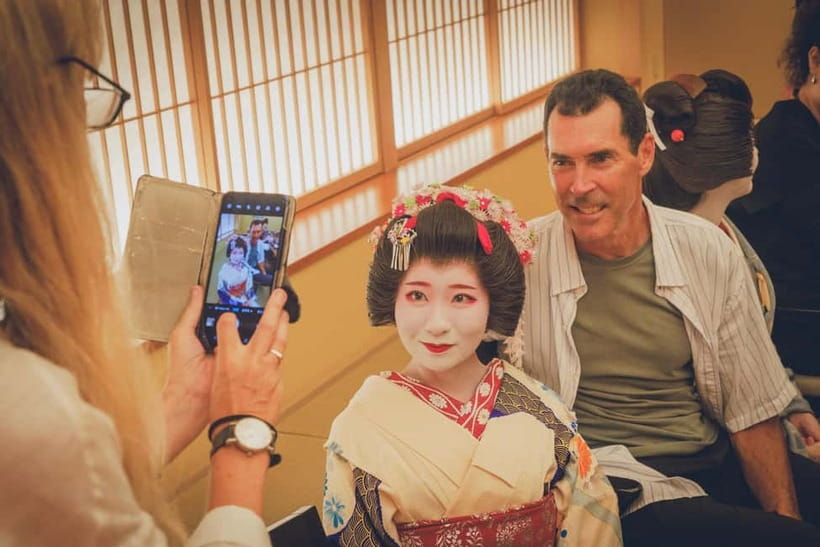
A major reason this experience earns strong ratings is the chance to ask questions. Guests highlight that they could speak with the geisha and get personal answers about their world and daily life.
That’s where the value really shows up. You’re not just hearing a script. Even with translation support and a host guiding the conversation, the Q&A format turns the evening into two-way learning.
Specific performer names show up in guest stories. One account mentions geiko Chizuru and maiko Tamaaki performing, and another references a shamisen performer named Shisa. Those details are more than trivia—they reinforce that you’re not seeing a themed impersonation. You’re watching skilled traditional artists in a dedicated setting.
One more thing I appreciate: the room atmosphere is described as welcoming and friendly. That’s not a small detail. In a culture where etiquette matters, feeling comfortable makes it easier to pay attention to the nuances.
The Commemorative Photo: A Keepsake That Fits the Evening
At the end, you’ll take a commemorative photo with the geisha. Photos can be hit-or-miss on tours, but here it’s positioned as part of the cultural hospitality rather than a rushed souvenir moment.
If you care about getting a nice shot, think about how you’ll dress and how you’ll sit. Low-stool seating and traditional interiors can make it easier to look stiff if you’re tense. Relax your shoulders, and trust the staff to guide you into position.
This is the kind of keepsake that actually makes sense to take home: it documents an evening you can’t replicate with quick temple selfies.
Group Feel and Timing: Why 75 Minutes Works
The experience lasts 75 minutes. That’s an ideal length for two reasons.
First, it’s long enough to include multiple elements—performance, game, tasting, and photo—without feeling like a marathon. Second, it’s short enough to keep the energy light. Konpira Fune Fune and the Q&A don’t feel like you’re stuck in one mode for too long.
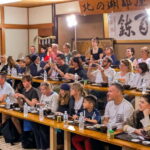
In one account, the group is described as relatively small (around 16 people). A smaller group generally improves the feeling of intimacy and makes questions and participation easier.
Price and Value: Is $106 for 75 Minutes Fair?
At $106 per person, you’re paying for a concentrated set of expensive-to-produce ingredients:
- skilled performers in traditional attire
- live shamisen music
- a structured ozashiki-asobi game with staff guidance
- seasonal sweets and fresh matcha
- an included commemorative photo
You’re not paying for transportation, and you’re not getting a full meal (only sweets). That’s important for value math: if you’re comparing this to a standard ticketed show, it may look pricey.
But if you compare it to what you’re actually buying—direct interaction, live music, and tasting inside a tea-house environment—the price starts to make sense. The real bargain isn’t the price number. It’s the access: meeting real geisha in a setting designed for that kind of hospitality.
If you want maximum value, treat this as an event. Pair it with a relaxed Asakusa stroll before or after, and avoid stacking it with other heavy-tour items that same window.
Who Should Book This (and Who Might Pass)
This works best for:
- couples and solo travelers who want a memorable, guided cultural evening
- small groups who enjoy interaction and don’t mind being seated and following a flow
- anyone who wants to see geisha performance as living entertainment, not a history lecture
You might consider another option if:
- you’re uncomfortable with low-seating or traditional indoor etiquette
- you want a casual, flexible experience with no structure
- you dislike paying extra for a drink order tied to the experience (one drink per guest is required)
A few practical tips to make your night smoother
- Arrive a bit early so you’re settled before the show begins.
- Budget for the required drink in addition to the complimentary matcha.
- Bring a curious mindset. The Q&A is where the evening can become personal and memorable.
- If you’re sensitive to seated comfort, think ahead about footwear and how you’ll sit.
Should You Book Miyakodori’s Geisha Performance and Tea House Experience?
Yes, if you want a structured, respectful, high-contact cultural evening in Asakusa. The combination of live shamisen, a geisha dance performance, the participatory Konpira Fune Fune game, and the tasting of seasonal sweets + fresh matcha is the recipe for a memorable night.
I’d especially recommend booking if you value interaction and conversation, not just a one-way show. The experience is designed to fit solo travelers, couples, and small groups, and it runs long enough to feel complete without dragging.
If you hate paying per-person for add-ons, or you need lots of free time to wander during the activity, you may want to skip. But for most people visiting Tokyo for the first time, this is the kind of evening you’ll remember long after the photos.
FAQ
How long is the Asakusa tea house and geisha experience?
The experience lasts 75 minutes.
Is the experience in English?
Yes. There is an English host or greeter.
What is included besides the matcha?
You get seasonal Japanese sweets, a dance performance, live shamisen music, an ozashiki-asobi game (Konpira Fune Fune), a meeting with real geisha, and a commemorative photo with the geisha.
Do I need to order a drink?
Yes. One drink order is required per guest, aside from the complimentary matcha. The drink can be alcoholic or non-alcoholic.
Where is it located?
It takes place in Asakusa, a district in Tokyo, on Honshu, Japan.
What is not included in the price?
Transportation to the venue and meals other than the sweets are not included.