REVIEW · TOKYO
Tokyo: Imperial Palace, the history of Japan (ENGLISH GUIDE)
Book on GetYourGuide →Operated by Sunrise Adventure · Bookable on GetYourGuide
The palace grounds tell louder stories than buildings. I love how an English/French-guided walk turns the Tokyo Imperial Palace outer grounds into a clear timeline, and I like that the route is built for good photo angles and garden calm.
The main drawback is simple: you won’t get access to the inner palace. If you’re hoping to go beyond the outer areas, this tour won’t match that wish, and you should dress for real-world weather since it runs in good or bad conditions.
In This Review
- Key Things I’d Do Again
- Why This Tour Works: Japan’s History in Real Space
- Meeting at Starbucks by Wadakuramon Fountain Park
- First Stop at Otemon Gate: What You Learn Before You Wander
- Eastern Gardens and Palace Ruins: Calm Views With a Purpose
- The Edo Castle Connection: Walking Over Centuries
- Special Koi in the Gardens: A Small Detail That Feels Like a Reward
- Trees From Different Prefectures: How the Whole Country Shows Up
- Photo Stops Without the Guesswork
- Pace, Group Size, and How the Tour Feels in Motion
- Price and Value: Is $40 Reasonable?
- Should You Book This Tour?
- FAQ
- What parts of the Imperial Palace can I access on this tour?
- Where do I meet the guide?
- How do I get to the meeting point?
- Is this tour in English or French?
- What is included in the price?
- What should I wear?
- Are there rules on what I can bring or do?
- What if I arrive late?
Key Things I’d Do Again
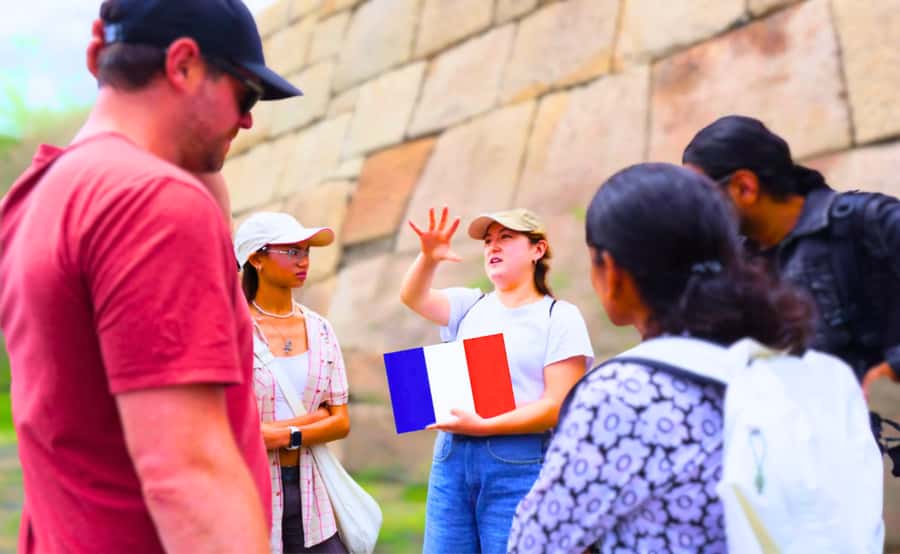
- Meet at the Starbucks near Wadakuramon Fountain Park, then start with easy orientation fast.
- Otemon Gate first, so you get the context before you wander.
- Oriental garden + palace ruins, with explanations about what’s missing and why.
- Rare koi fish that are specifically tied to this spot.
- Trees from different prefectures of Japan, so the grounds feel connected to the whole country.
- Photo-friendly stops pointed out by your guide, not by guesswork.
Why This Tour Works: Japan’s History in Real Space
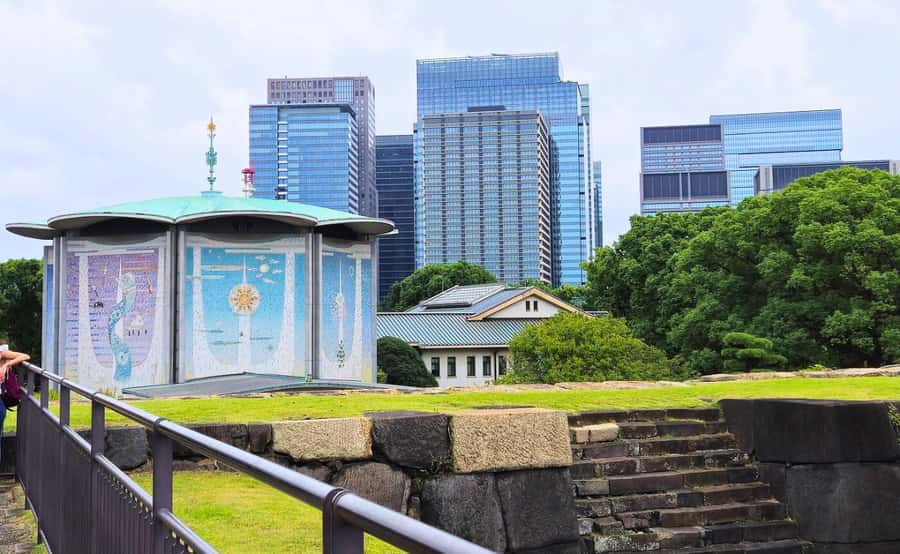
Tokyo’s Imperial Palace grounds can feel like a quiet park until you learn what you’re looking at. This tour gives you the missing captions. Instead of reading history in a book, you see how the setting shaped power, rules, and daily life across centuries.
I also like the focus on the story of how Japan became Japan. You start with the Edo Palace era and move through layers that connect the past to today. It’s not just facts. It’s cause-and-effect, told while you’re walking where the events happened.
You’ll get plenty of small moments that make the history feel human: old foundations, the idea of former spaces that are now gone, and explanations for why certain structures don’t exist anymore. That makes the whole place feel less “museum” and more “still operating in memory.”
You can also read our reviews of more guided tours in Tokyo


Meeting at Starbucks by Wadakuramon Fountain Park
Getting started is part of the experience here—minus the stress. You take the train to Tokyo Station or Otemachi Station, then walk about 5–10 minutes to Wadakuramon Fountain Park.
Inside the park, you head toward the Starbucks where your guide waits near the fountain. Your guide will be holding a sign that reads SUNRISE ADVENTURE. It’s a nice setup for first-timers because the location is specific and the “sign + fountain” combo makes it hard to miss.
One practical note: the tour follows a strict timing rule. If you’re late by more than 10 minutes, they may start without you. So I’d treat this like any other timed city walk: arrive a few minutes early, not at the last second.
And yes, this is a walking tour. Wear shoes you can move in comfortably, and keep water handy if it’s warm.
First Stop at Otemon Gate: What You Learn Before You Wander
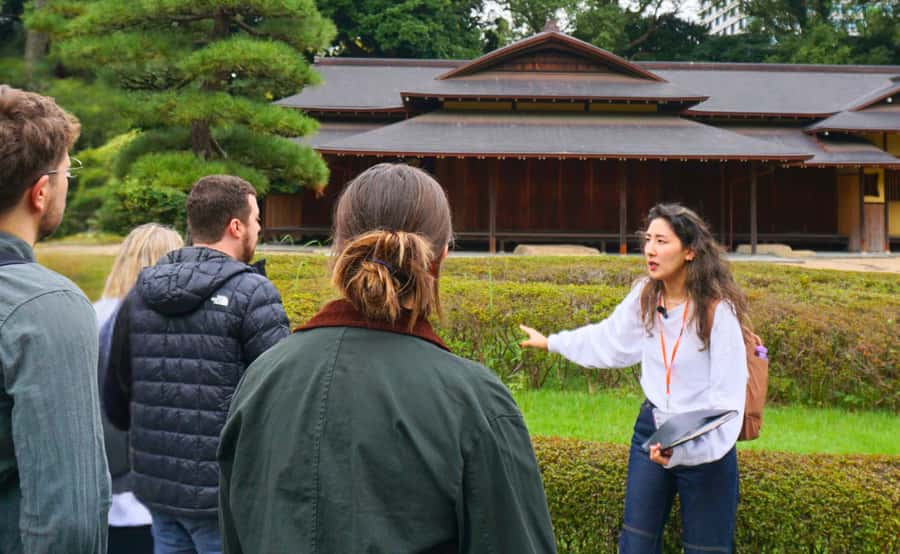
The tour route begins at the main gate (otemon) of the Tokyo Imperial Palace. That matters more than it sounds. Standing at the gate first helps you understand what kind of space this was—official, controlled, and symbolic.
From there, you follow your guide through the palace grounds. You’ll hear about the palace layout and the history connected to the Edo period. The biggest payoff is that you’re not guessing what you’re seeing. The guide connects each visible area to the “real” historical purpose behind it.
A key moment comes when the tour addresses the main castle situation. You won’t see the main castle because it no longer exists, and your guide will explain why. Even if you’ve read bits before, having the explanation tied to the exact area helps it stick.
You’ll also get a chance to see a miniature structure of the former palace. It’s the kind of thing that makes the scale make sense when the real structure isn’t there anymore.
Eastern Gardens and Palace Ruins: Calm Views With a Purpose
This is one of the main reasons people enjoy the tour: you get peace and beauty without losing the plot.
After the gate, the route takes you into the eastern gardens and through areas tied to old palace spaces. The gardens aren’t treated like generic scenery. Your guide points out what’s meaningful—how garden design fits into Japanese tradition, and how the area relates to the larger Edo Palace context.
You’ll also see palace ruins and areas that hint at former life and function. The guides’ job here is to translate absence. When something isn’t physically present—an old building footprint, a past arrangement—you still understand what used to be there and what the space was meant to do.
This is where the “how Japan became Japan” theme feels most grounded. It’s not abstract. You see how environment, governance, and ceremony were intertwined, and you start to recognize why the place carries such weight.
The Edo Castle Connection: Walking Over Centuries
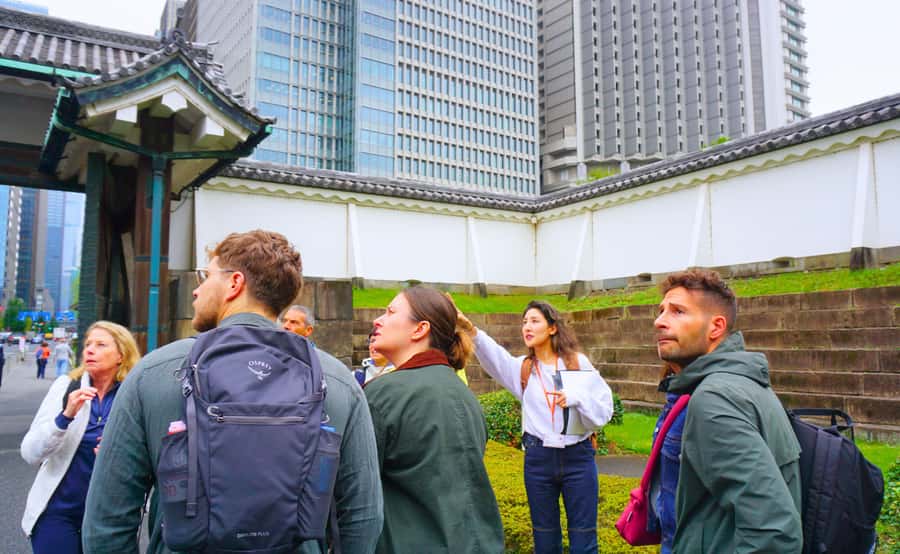
One of the strongest segments is the visit to the former base connected to Edo Castle, which dates back more than 350 years. That’s the kind of timeline that can turn into trivia if it’s not explained clearly—but on this tour, it stays practical.
You’ll move through the areas tied to that history while the guide helps you understand what Edo Castle represented. Since this is an outer-grounds tour, you won’t be doing “inner access sightseeing.” Instead, you’re learning how the location itself functioned as part of a much bigger political system.
For me, this stop is valuable because it clarifies something travelers often miss: you’re not only looking at one “palace.” You’re looking at a transformation of Japan’s political center over time, and the grounds show where earlier eras left marks.
You can also read our reviews of more historical tours in Tokyo


Special Koi in the Gardens: A Small Detail That Feels Like a Reward
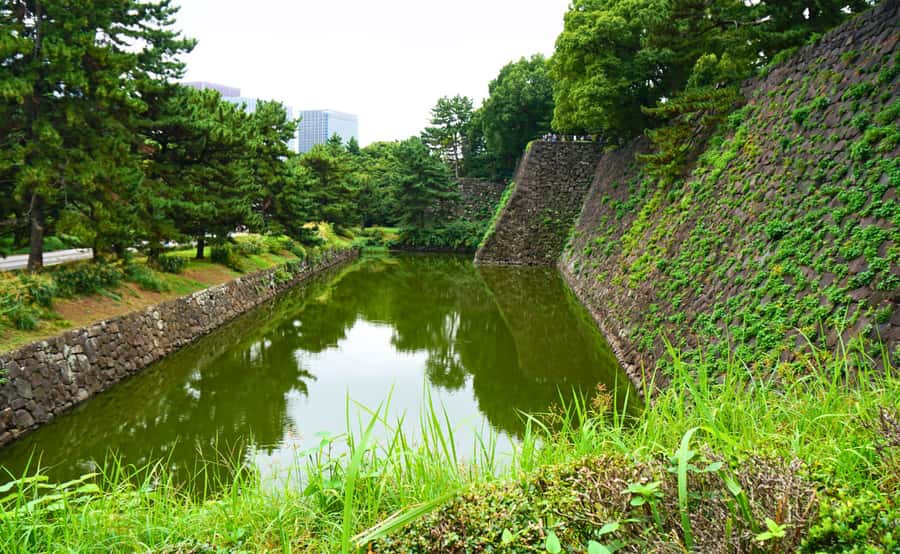
A tour can have great history and still feel dry. This one avoids that by adding a few sensory moments—especially the special koi fish.
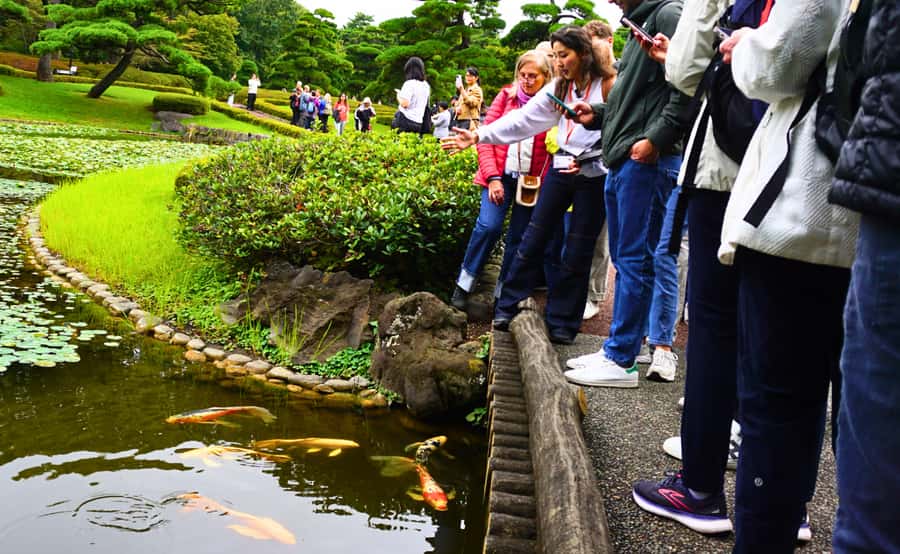
You’ll meet a unique breed of koi that can only be found here. That alone is fun, like a living symbol rather than another signboard. But the payoff is that it’s tied to place. The guide brings attention to the pond moments and explains why this feature belongs in the story of the grounds.
It’s also a useful reset. After walking and listening, seeing the koi gives you a pause point. You get to look slowly, take photos, and let the information settle.
If you like wildlife-y moments in cities (without turning it into a zoo experience), this is a good balance.
Trees From Different Prefectures: How the Whole Country Shows Up
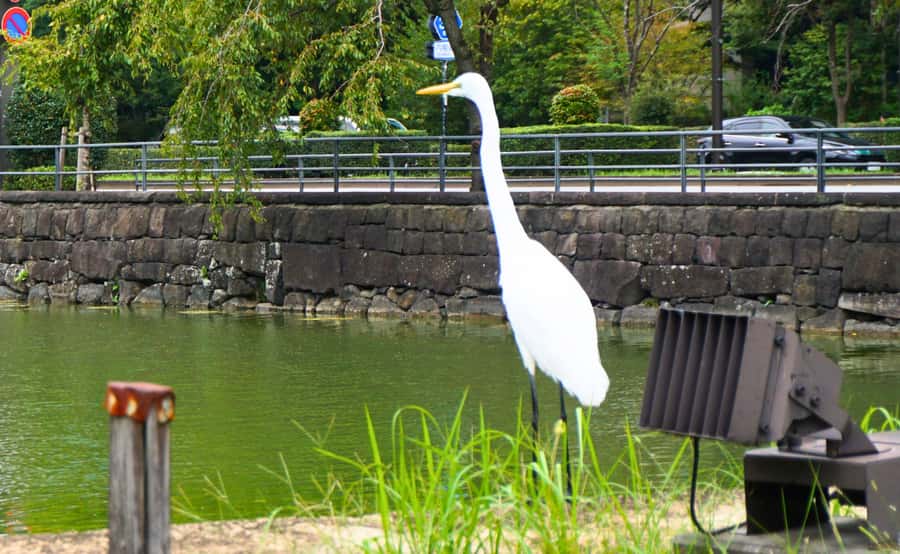
Another stop I’d call out is the section with trees from different prefectures of Japan. It’s the kind of detail that’s easy to overlook if you’re only half-paying attention, but your guide makes it feel meaningful.
This part helps you understand the Imperial Palace grounds not just as a Tokyo attraction, but as a national idea. Trees from across Japan act like living connections, reinforcing the sense that this site represents more than one city.
And it’s visually calming. You’re walking through structured garden paths, then breaking into shaded areas where you can look, photograph, and rest your ears for a minute.
Photo Stops Without the Guesswork

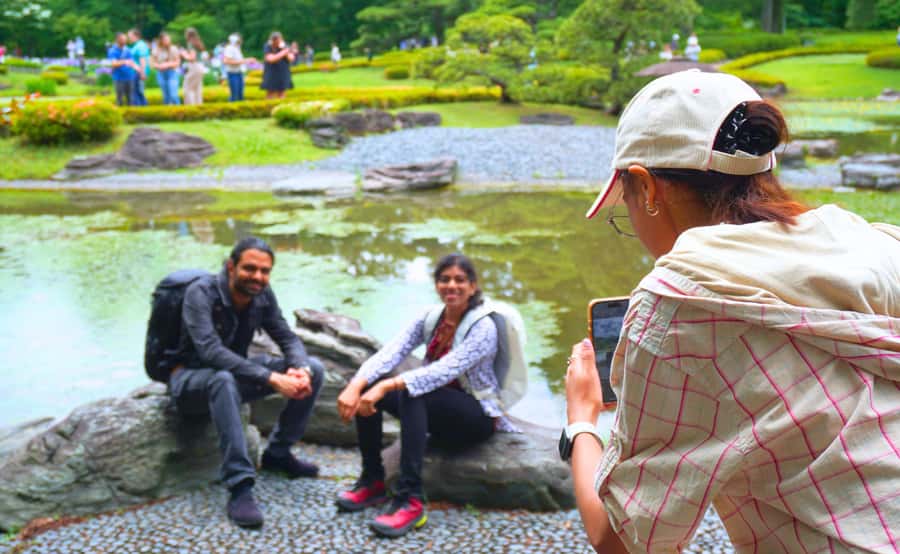
You’ll get the “best spots for taking great photos” guided, not improvised. That matters in places like this because photo angles can be blocked by fences, lines of sight, or plain old crowd behavior.
With a guide, you can focus on composing shots instead of walking in circles trying to find the one view that works. The tour also includes quiet garden scenery where a photo can feel more like an experience than a snapshot.
A practical tip: bring a small lens cloth or keep your phone protected. Palace gardens can be humid, and you’ll be outside for a while.
Pace, Group Size, and How the Tour Feels in Motion
The vibe here is best described as respectful and unrushed. It’s not a sprint through highlights. You’re walking the grounds while your guide shares stories and answers questions.
I particularly liked the friendly group feel. In one of the experiences, the group was small (5 people), which made it easier to talk and ask follow-ups. If you’re the type who likes asking why something matters—rather than just hearing the headline—small groups are a big plus.
Your guide can also cover more than the palace basics. For example, a guide named Nicolas shared answers about Japanese mythology, Japan in general, and even language questions. That kind of Q-and-A turns a standard walking tour into something more personal.
If you enjoy history but don’t want to be lectured, this style tends to land well.
Price and Value: Is $40 Reasonable?
At $40 per person, this isn’t a budget-only splurge and it isn’t priced like a luxury private tour either. The value comes from what you get for that price: a guided walking experience focused on interpretation, not just sightseeing.
Here’s why the price feels fair:
- You get access to a wide portion of the outer grounds plus explanations that tie the place to national history.
- The guide does more than read a script. If you get a strong storyteller like Nicolas, you’ll likely leave with answers to questions you didn’t know you had.
- The tour includes variety: gates, gardens, ruins, koi, and trees, so you don’t get stuck in one theme for too long.
The main value trade-off is that you do not get access to the inner palace. So if your top priority is getting inside restricted areas, you might feel shortchanged. If your priority is understanding the grounds and history behind what you can see, the price makes more sense.
Should You Book This Tour?
I’d book it if you want a guided, history-focused walk where the setting is the lesson. It’s especially good for you if:
- You’re curious about how Japan evolved and want the story in context.
- You like calm gardens but also want substance behind the scenery.
- You want help finding the photo angles and not just wandering.
I wouldn’t book it if:
- You need inner-palace access (this tour doesn’t include it).
- You hate walking or you’re not prepared to dress for weather since it runs in good or bad conditions.
- You’re counting on a specific language and haven’t confirmed it. The details mention French and the title also points to an English guide, so check what you’ll actually hear before you go.
If you’re in the middle—interested in history, open to a gentle walking pace, and happy to experience the outer grounds deeply—this one is a solid pick.
FAQ
What parts of the Imperial Palace can I access on this tour?
This tour covers the palace grounds and gardens. It does not include access to the inner palace.
Where do I meet the guide?
Meet at Wadakuramon Fountain Park, near the Starbucks, where the guide is waiting holding a sign with the Sunrise Adventure logo.
How do I get to the meeting point?
Take the train to Tokyo Station or Otemachi Station, then walk about 5–10 minutes to the park.
Is this tour in English or French?
The information provided lists French as the tour language, and the tour title mentions an English guide. Confirm which language you will receive before booking.
What is included in the price?
The price includes a historical walking tour and a French guide.
What should I wear?
Wear clothing appropriate for the weather. This tour runs in good weather or bad.
Are there rules on what I can bring or do?
Yes. Smoking, drones, alcohol and drugs, littering, and skateboards are not allowed.
What if I arrive late?
If you do not show up within 10 minutes of the meeting time, the tour may start without you.