REVIEW · TOKYO
Tokyo: Rice Ball Making Class
Book on GetYourGuide →Operated by Tokyo Rental Bicycle · Bookable on GetYourGuide
Making onigiri changes Tokyo fast. In this Tokyo onigiri making class, you learn the hands-on craft of shaping seasoned rice balls, then you get to enjoy your own creations at Hamarikyu Gardens with a calm picnic moment built in.
I especially like the combo: cooking skills you can take home in your brain, plus a guided bicycle ride that turns familiar Tokyo sights into a practical route through real neighborhoods. One consideration: this experience includes biking, so if you’re not a confident rider, it won’t feel relaxing.
In This Review
- Key Things You’ll Love About This Tokyo Onigiri and Bike Tour
- From Steamed Rice to Onigiri Shapes at the Class
- Fillings Matter: Salmon, Pickled Plum, and Tuna-Mayo
- The Warm Picnic at Hamarikyu Gardens
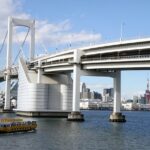
- Cycling Through Tokyo Bay and Iconic Sights
- Price and What You’re Actually Getting for $51
- Timing: Why 1 to 3 Hours Works Well
- What’s Included, What’s Not, and Small Details That Count
- Who This Tour Is Best For (And Who Should Skip It)
- Should You Book This Tokyo Onigiri and Bike Tour?
- FAQ
- How long is the Tokyo onigiri making class and bike tour?
- Where does the experience start?
- What’s included in the price?
- Do I need to bring anything?
- What fillings do you learn to make?
- Is the tour guided in English?
- Is the group size small?
- Are extra snacks and drinks included?
- Is this tour suitable for children?
- What’s the cancellation and payment policy?
Key Things You’ll Love About This Tokyo Onigiri and Bike Tour
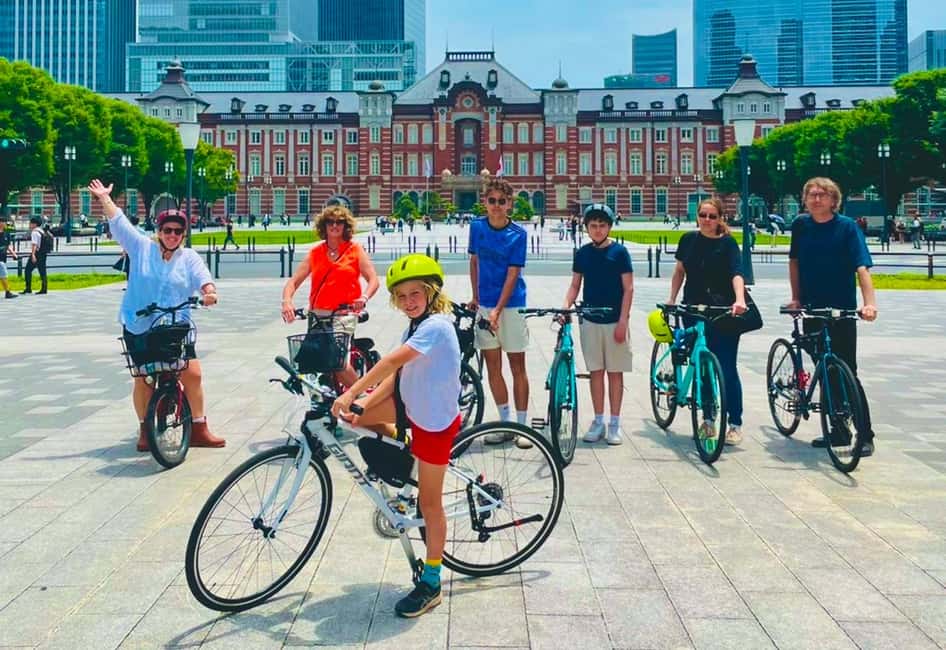
- Small group of up to 6 means more time for questions and hands-on coaching during the rice-shaping part.
- Onigiri class with a friendly English-speaking local expert helps you nail technique instead of guessing.
- Classic fillings like savory salmon, tangy pickled plum, and creamy tuna-mayo give you variety fast.
- Hamarikyu Gardens entrance included, plus the plan to picnic right after you make the onigiri while it’s still warm.
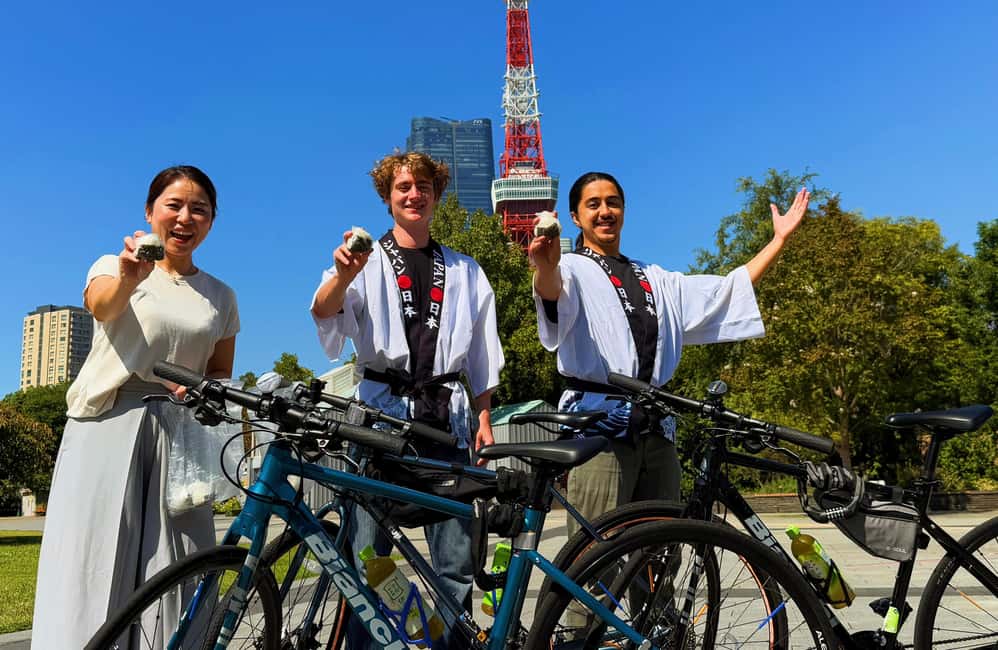
- Bike route that mixes backstreets and waterfront paths, with big landmarks you can spot like Tokyo Tower, the Imperial Palace area, and Zozoji Temple.
From Steamed Rice to Onigiri Shapes at the Class
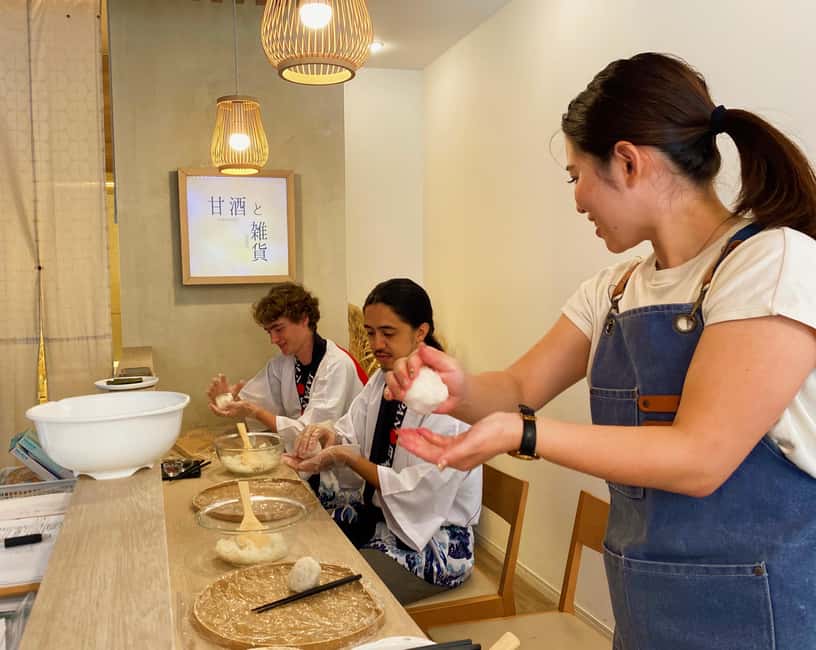
You start with the actual “how.” Not just watching someone else do it, but learning the steps to make onigiri the traditional way. The class is guided, with a local expert teaching you how to season the rice and shape it so it holds together.
The real value here is that onigiri looks simple until you try it. The instructor helps you learn the feel—how to handle warm, steamed rice without turning it into sticky chaos, and how to shape neat rice balls that don’t fall apart the moment you pick them up.
This is also where the small group size pays off. With limited participants, you can get quick feedback instead of waiting your turn. If you’ve ever wanted to bring home a Japanese skill that’s more than a souvenir, this is the kind that sticks.
You can also read our reviews of more tours and experiences in Tokyo


Fillings Matter: Salmon, Pickled Plum, and Tuna-Mayo
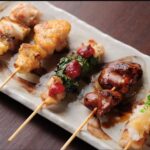
Next comes the fun part: building flavor. You’ll season and shape the rice, then you’ll experiment with classic onigiri fillings. The options offered include savory salmon, tangy pickled plum, and creamy tuna-mayo.
Why this matters: each filling changes the bite, so you learn how Japanese snack logic works. Onigiri isn’t one “generic rice ball.” It’s a compact meal idea—salted rice plus a filling designed to balance taste and texture.
If you’re the type who likes trying multiple things, you’re set up for that. You get the chance to make your own onigiri rather than just eating one pre-made piece. And because you’re doing it right before the outdoor picnic, you’re eating something that feels intentionally made, not just collected.
The Warm Picnic at Hamarikyu Gardens
After the rice ball class, you hop on a bike and head to Hamarikyu Gardens, where Tokyo slows down near the water. This garden is known for the contrast between urban Tokyo and a peaceful setting by the bay—saltwater ponds, walking paths, and seasonal flowers.
The schedule gives you a practical reward: you spread out on the grass, unwrap your homemade onigiri, and enjoy a picnic while it’s still warm. That detail may sound small, but it’s a big difference in experience. Warm rice and a cool breeze (even in mild weather) makes onigiri taste exactly like a snack you’d actually want every day.
You also get a visual mix that’s part of the appeal here: traditional teahouses and the modern skyline in the same view. It’s a Tokyo lesson you can see without reading a guidebook—how the city’s edge can feel calm when you step into the right spaces.
Cycling Through Tokyo Bay and Iconic Sights
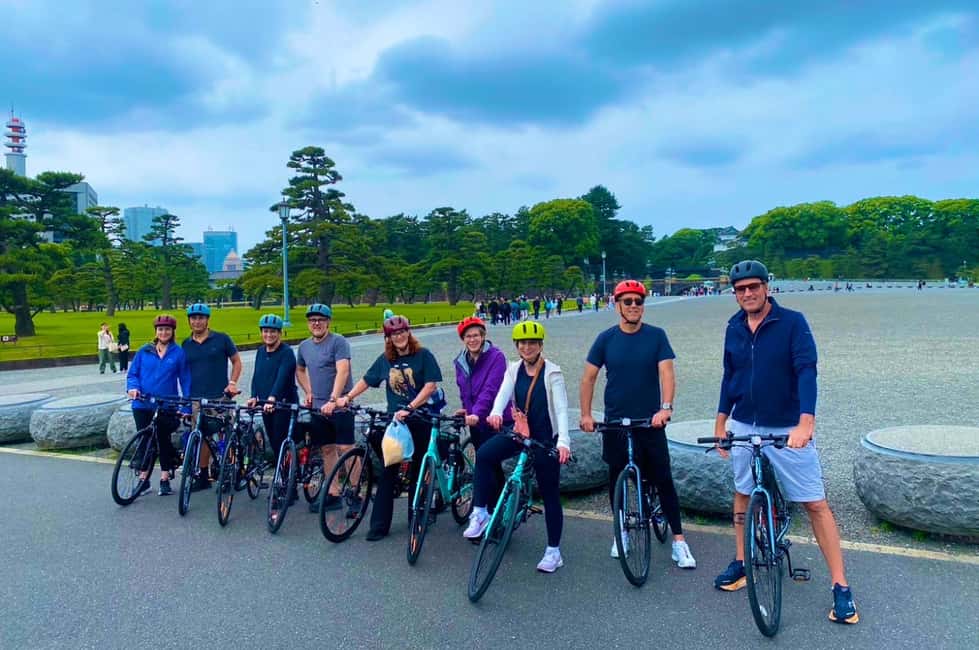
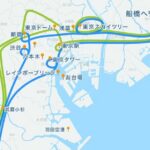
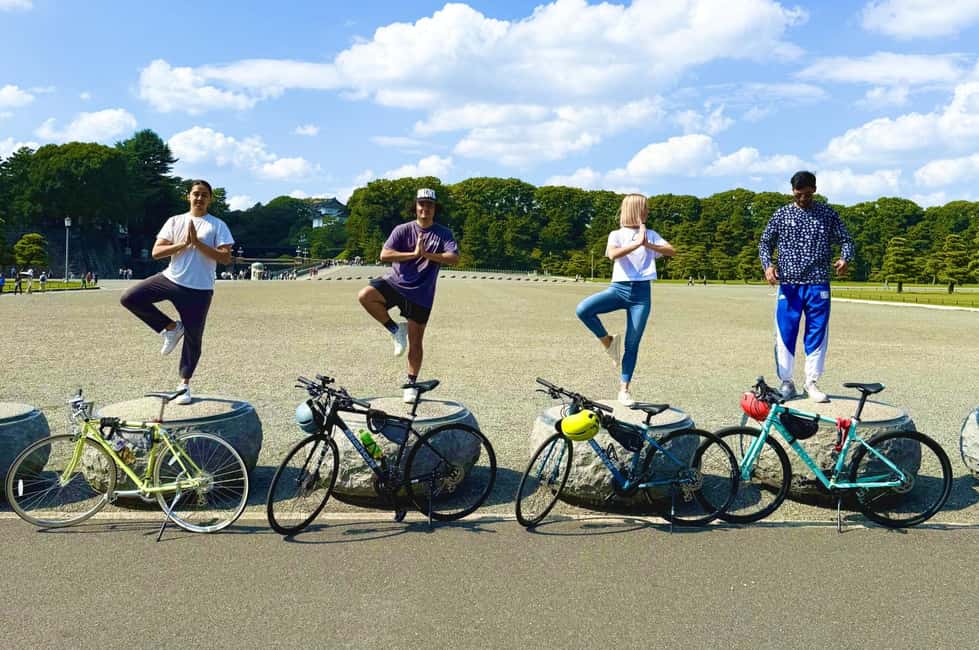
Once you’ve eaten, the ride continues. Your guide leads a carefully chosen route using backstreets and riverside paths, designed to show Tokyo in layers instead of just from one big “tour view.”
This part is where the experience earns its name as more than a cooking class. On a bike, you move through everyday areas and get city details faster—small streets, quiet corners, and gradual changes in scenery. Then the route opens up to waterfront lanes with panoramic views of Tokyo Bay.
Along the way, you may catch sights of major landmarks like Tokyo Tower in the distance, the Imperial Palace area, and Zozoji Temple. You don’t have to treat these as checklist stops. The value is how they appear naturally through the route, like Tokyo is telling you its story while you ride.
The tone is leisurely, too. This isn’t a “train for a race” bicycle outing. The goal is to keep you comfortable enough to look around, not just pedal hard.
Price and What You’re Actually Getting for $51
At about $51 per person, this can look like a bargain—or a strange mix—until you break down what’s included. You’re paying for two distinct experiences in one short window: a guided onigiri-making class with ingredients, plus a bike tour experience with a guide, a provided bicycle, and the entrance to Hamarikyu Gardens.
That’s the real value angle. If you priced these separately in your head (a workshop, a garden admission, and a guided bike tour), the total usually climbs quickly. Here, the cost is bundling logistics for you: guide, equipment, entry, and a schedule that flows from food to scenery.
It also helps that the group is limited to 6 participants, which often improves the quality of instruction and keeps the bike part from turning into a chaotic pack.

Timing: Why 1 to 3 Hours Works Well
The class and bike plan are designed to fit into a typical Tokyo day without swallowing half your life. The duration listed is 1 to 3 hours, so you should expect something compact: rice shaping, eating, then cycling to the gardens and back through the planned route.
For you, that means this can be a smart “morning or early afternoon” activity—especially if you want hands-on time followed by a chill outdoor break. If you like your Tokyo days structured with small, high-quality blocks (rather than long sightseeing marathons), this fits that style.
Just keep in mind: because cycling is involved and comfortable clothing is recommended, you’ll enjoy it more if you’re dressed for movement.
What’s Included, What’s Not, and Small Details That Count

Here’s what you get included: the onigiri making class with an expert guide, onigiri ingredients, a local bike tour guide, a bicycle, and entrance to Hamarikyu Gardens.
What’s not included: extra snacks and drinks at the shop. So don’t plan to rely on random purchases during the day for your energy. The tour asks you to bring water, which is exactly the right kind of prep for a short bike + walking + picnic schedule.
A couple other practical points:
- Baby strollers aren’t allowed.
- You’re advised to wear comfortable clothes for cycling.
If you show up ready to move, the whole day feels smooth. If you don’t, even a great tour can feel like work.
Who This Tour Is Best For (And Who Should Skip It)
This experience is best for adults and teens who can handle a bike comfortably and want something more hands-on than typical sightseeing. It’s live-guided in English, and the group is small, so it suits people who like interactive travel.
It’s listed as not suitable for:
- children under 12
- people who can’t ride a bike
- wheelchair users and people with mobility impairments
- people with back problems
- people with low level of fitness
- people over 70
- people with high blood pressure
- visually impaired people
That doesn’t mean it’s “unsafe” in a dramatic way—it means the activity demands certain physical comfort and clear movement. If you’re near the edge for biking or fitness, you’ll likely feel it more than you would on a totally seated experience.
Should You Book This Tokyo Onigiri and Bike Tour?
I’d book it if you want a Tokyo experience with both heart and structure: you learn a real Japanese snack skill, eat it immediately in a peaceful garden setting, then roll into the city on a bike with a guide. It’s the kind of day that feels personal because the main part—your onigiri—is made by you.
Skip it if cycling makes you uneasy or you know you won’t be comfortable for any reason listed under the non-suitable categories. This isn’t just a gentle walk with a snack stop; it’s a bike day built around the food.
If you’re trying to choose between “another temple photo” and a hands-on cultural workshop, this one earns its place. You leave with edible memories and a route you can picture later, not just a list of landmarks.
FAQ
How long is the Tokyo onigiri making class and bike tour?
The duration is listed as 1 to 3 hours, depending on the starting time and how the day’s activities run.
Where does the experience start?
You meet your guide at the onigiri making class meeting point.
What’s included in the price?
Included are the onigiri making class with an expert, onigiri ingredients, a local bike tour guide, a bike, and entrance to Hamarikyu Gardens.
Do I need to bring anything?
Yes. You’re asked to bring water.
What fillings do you learn to make?
Classic options include savory salmon, tangy pickled plum, and creamy tuna-mayo.
Is the tour guided in English?
Yes, it includes a live tour guide in English.
Is the group size small?
Yes. It’s a small group limited to 6 participants.
Are extra snacks and drinks included?
No. Extra snack and drinks at the shop are not included.
Is this tour suitable for children?
No. It’s not suitable for children under 12 years.
What’s the cancellation and payment policy?
It offers free cancellation up to 24 hours in advance for a full refund, and you can reserve now & pay later to keep your plans flexible.
![[Narita Airport Terminals 1, 2] 40-60km Sawara Itako Historic Bike Tour - Price and value for a private half-day cycling tour](https://b.tokyosights.com/wp-content/uploads/narita-airport-terminals-1-2-40-60km-sawara-itako-historic-bike-tour-400x267.jpg)