REVIEW · TOKYO
Hakone: Self Guided Trip to Mt. Fuji // Made by Local Guides
Book on GetYourGuide →Operated by Sunrise Adventure · Bookable on GetYourGuide
Mt. Fuji, mapped out for you.
This self-guided Hakone day tour is interesting because it turns a complicated region into a simple route: an easy-to-follow PDF itinerary plus practical food and transportation recommendations at each stop. You also get structured photo moments for the big payoff sights, including Owakudani and its famous geothermal treats. One thing to keep in mind: it’s not a fully guided day, and Japan’s sites can close earlier than you expect, so you’ll want to build in breathing room for timing, plus there’s some walking (and it’s not a good fit if you have mobility or back issues).
I like that you start and end in Shinjuku City, with “break time” built into the plan so you can move at your own pace without losing the thread. The day has a classic rhythm—town streets, a tea-house break, rail/old-route sightseeing, Lake Ashi views, then Owakudani’s volcanic activity—so you’re not just hopping between points.
For value, the price is shockingly low because you’re paying for the route and guidance, not for transportation or admission. If you’re the type who likes to explore independently but wants to get it right fast, this is the kind of day plan that saves time and reduces stress.
In This Review
- Quick hits: what’s especially good here
- Starting in Shinjuku: a day plan that keeps your independence
- Moto Hakone streets and your snack-and-lunch window
- Amazake Chaya: a warm tea-house stop that’s more than a break
- Old Tokaido route vibes: train, then a stone-paved walk
- Lake Ashi and the pirate-ship cruise: views that do the work for you
- Mount Fuji viewpoint time: short, focused, and camera-friendly
- Owakudani, Hakone: black onsen eggs are the star
- Price and logistics: what you’re really paying for
- Who this self-guided Hakone day is best for
- How to use the PDF so the day feels smooth
- Should you book this Hakone self-guided Mt. Fuji day trip?
- FAQ
- Where does the tour start and end?
- What’s the meeting point location?
- How long is the tour?
- What’s included in the price?
- What’s not included?
- When will I receive the PDF itinerary?
- Is this trip suitable for wheelchair users or mobility limitations?
- What languages is the tour available in?
Quick hits: what’s especially good here
- Clear PDF itinerary that explains where to go and how to get there step by step
- Food and transport tips at each major stop so you don’t waste time guessing
- Moto Hakone + local snack time for a real Hakone feel before the big views
- Amazake Chaya for warm amazake and traditional tea-house snacks
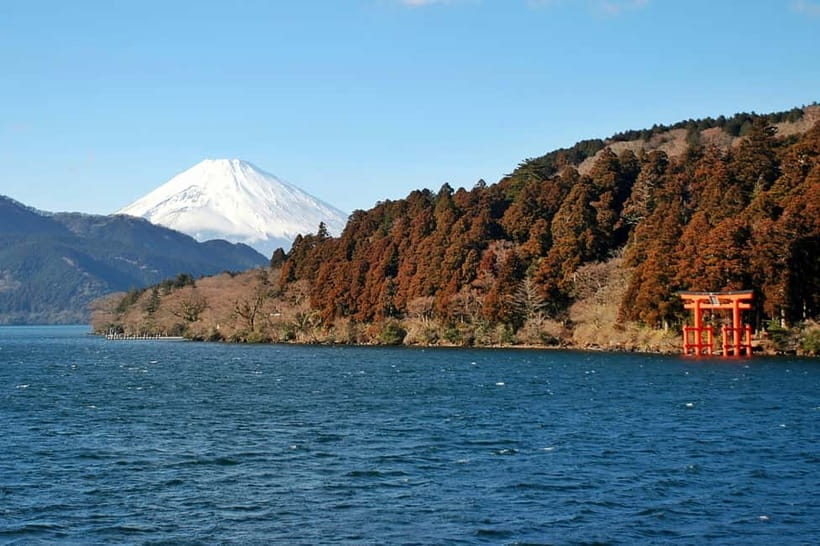
- Lake Ashi cruise by “pirate ship” for Mt. Fuji photo angles from the water
- Owakudani black onsen eggs plus a memorable geothermal stop-and-sightsee slot
Starting in Shinjuku: a day plan that keeps your independence
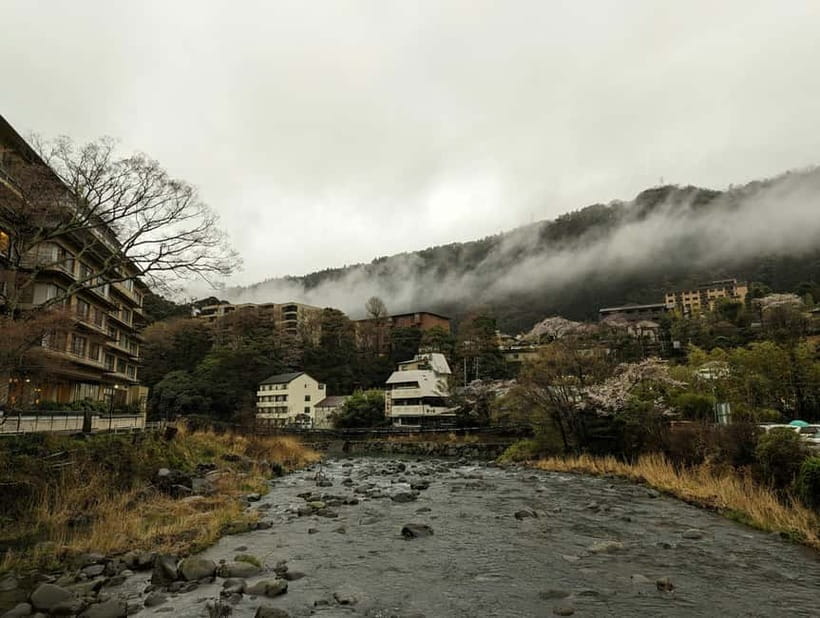
The tour starts from Shinjuku station in Tokyo, with the first train onward. Your meeting point is listed as 35.6938253, 139.7033559, so you can use that for quick confirmation in a map app. You’re also back at Shinjuku City by the end of the day, which matters because it keeps the whole thing simple—no mid-trip hotel changes or complicated end-of-day routing.
You’ll love this if you enjoy being responsible for your own pace. The itinerary includes break time blocks, and it’s built around short, focused activities rather than one long grind. That style works well when you’re self-guiding, because the plan keeps you from drifting into the wrong station or arriving too late for a timed stop.
The trade-off is that you’re the one managing timing. Since you’re using public transport and self-directed sightseeing, you’ll want to keep an eye on opening/closing times and not treat every stop as open-ended. In practice, even a small delay can cascade when you’re moving between Hakone areas.
You can also read our reviews of more guided tours in Tokyo


Moto Hakone streets and your snack-and-lunch window
Your first Hakone stop is Moto Hakone, described as a quaint village surrounded by greenery, with traditional shops and eateries. The itinerary gives you about 1 hour here, with time for break, visiting, lunch, and free time, plus local snacks and regional food.
This is a smart first move. Instead of jumping straight to the famous scenery, you get an initial “arrive and reset” period—where you can orient yourself, grab something to eat, and get comfortable with the area before you go bigger and more scenic.
Practical tip: use this hour to plan your energy. If you’re going to do photos and some walking later, eat something that won’t leave you regretting it at Owakudani (where you’ll be focused on climbing and viewing). The tour’s food recommendations are meant to reduce decision fatigue, which is a big deal on a day trip.
Amazake Chaya: a warm tea-house stop that’s more than a break
Next comes Amasake Tea House, where the plan sets aside about 1 hour for tea. This is the kind of stop that turns a scenic day trip into a Japan day trip, because it’s not just another viewpoint.
The tour description highlights warm amazake (sweet rice wine) and savory snacks in a cozy, historic teahouse setting. If you’re curious about Japanese drinks that aren’t just coffee or soda, this is the most directly cultural moment in the early part of the day.
What I’d watch for is pacing. Tea-house time can quietly expand if you slow down for photos or linger with snacks. Since the rest of the day includes viewpoints and Owakudani, it’s worth keeping this hour controlled so you can arrive at the more active part of the itinerary feeling ready.
Old Tokaido route vibes: train, then a stone-paved walk

After Amazake Chaya, the plan includes the Old Tokaido Line, described as a historic railway route once connecting Tokyo and Kyoto. That rail segment is a nice bridge: it’s a transport experience with a story, so it doesn’t feel like you’re just getting from point A to point B.
Then the itinerary brings in 旧街道石畳(バス), which is listed for walk/hiking for 45 minutes. Even without getting too specific on exact path details, the important part for you is the time on your feet. Old-route stone pavement and sightseeing walks can be more tiring than you expect, especially if you’re carrying a camera bag.
So here’s the decision point: if you’re comfortable with a moderate walking block, this is a great way to feel the old-route atmosphere. If you’re dealing with a back issue, limited mobility, or recent surgery, this is exactly the type of segment listed as not suitable.
Lake Ashi and the pirate-ship cruise: views that do the work for you
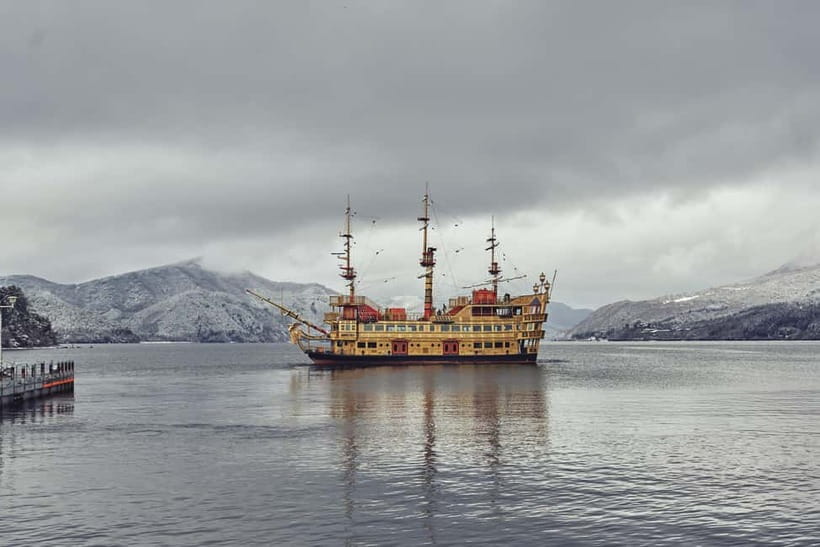
Lake Ashi is where the day shifts into “scenery first.” The itinerary includes photo stop, visit, self-guided tour, and scenic views on the way for about 1 hour.
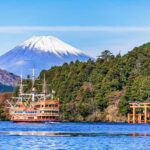
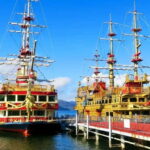
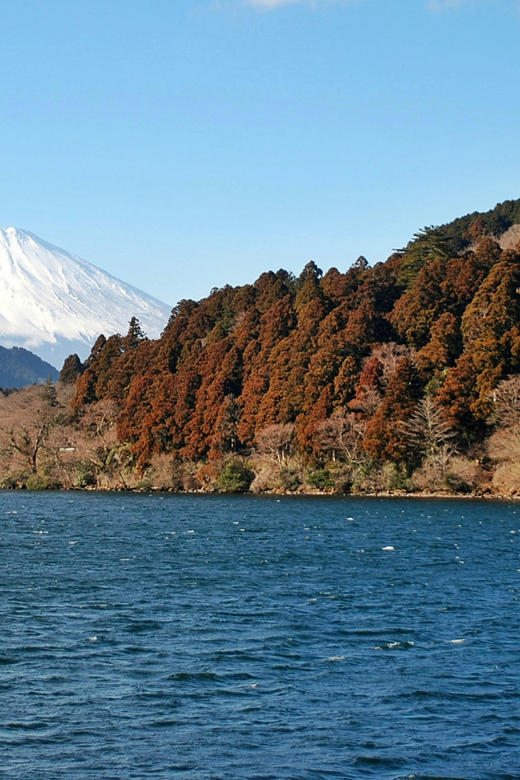
The tour description emphasizes a pirate ship style cruise across the lake, with Mt. Fuji visible in the distance. That matters because a cruise angle gives you a different perspective than roadside viewpoints. If you want classic Mt. Fuji framing without turning the day into a frantic chase for the perfect platform, a scheduled water stop is one of the best ways to do it.
Photo strategy tip: treat the boat portion as your “shoot now, don’t overthink” time. Later stops are still about Fuji, but the cruise is often where you can slow down and let the scene pass across your lens.
You can also read our reviews of more tours and experiences in Tokyo


Mount Fuji viewpoint time: short, focused, and camera-friendly
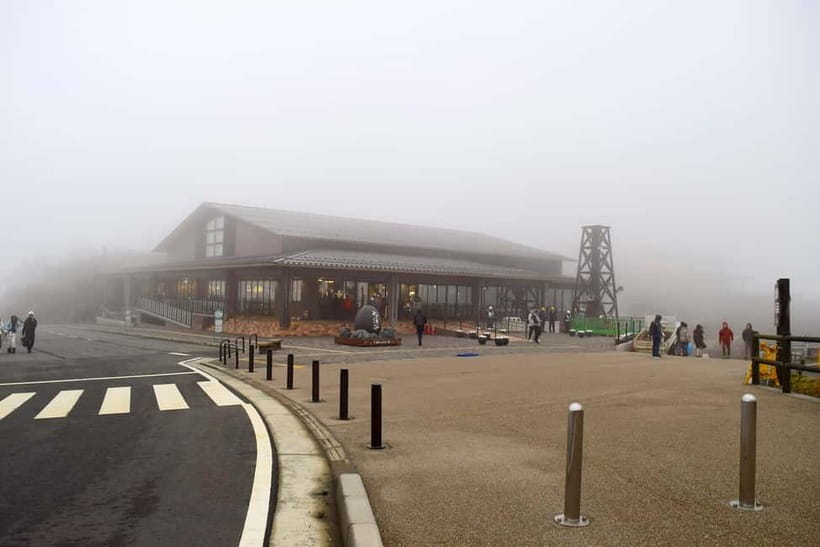
The itinerary then includes a Mount Fuji block with break time, photo stop, visit, boat cruise, and sightseeing for about 30 minutes.
This is a compact slot, which is good news if you don’t want a half-day dedicated to just one viewpoint. It’s also a reminder that Mt. Fuji-focused sightseeing can be schedule-driven: you’re not meant to linger for hours. Use these 30 minutes for your priority shots, then move on.
One practical note: because the plan is self-guided, you’ll want to arrive with your basics ready—phone charged, camera settings sorted, and comfortable shoes on. If you’re thinking about weather or visibility, the safest approach is to rely on the fact that the itinerary includes multiple photo moments aimed at Mt. Fuji.
Owakudani, Hakone: black onsen eggs are the star
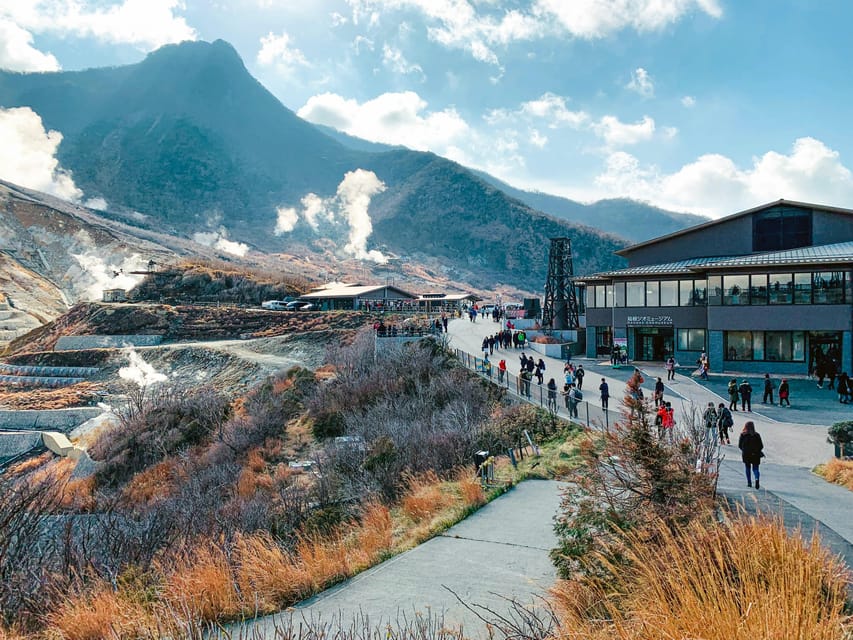
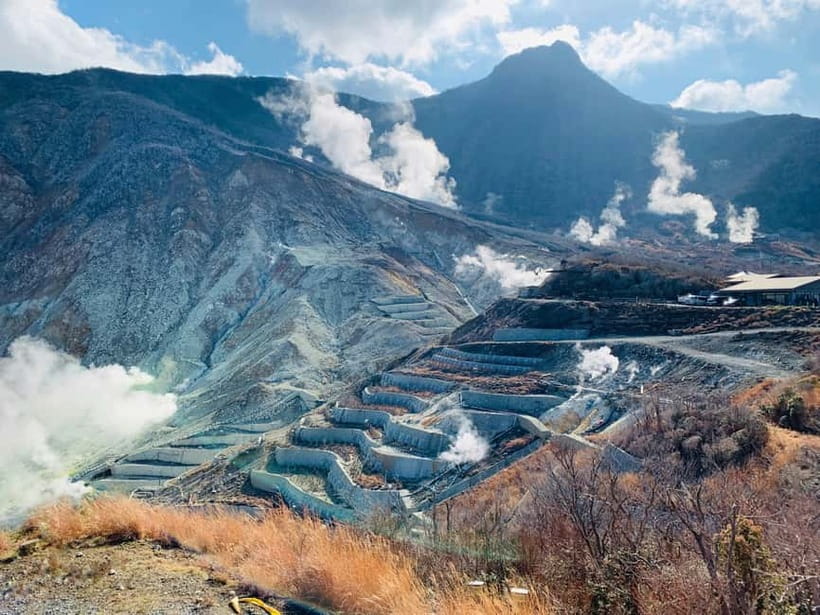
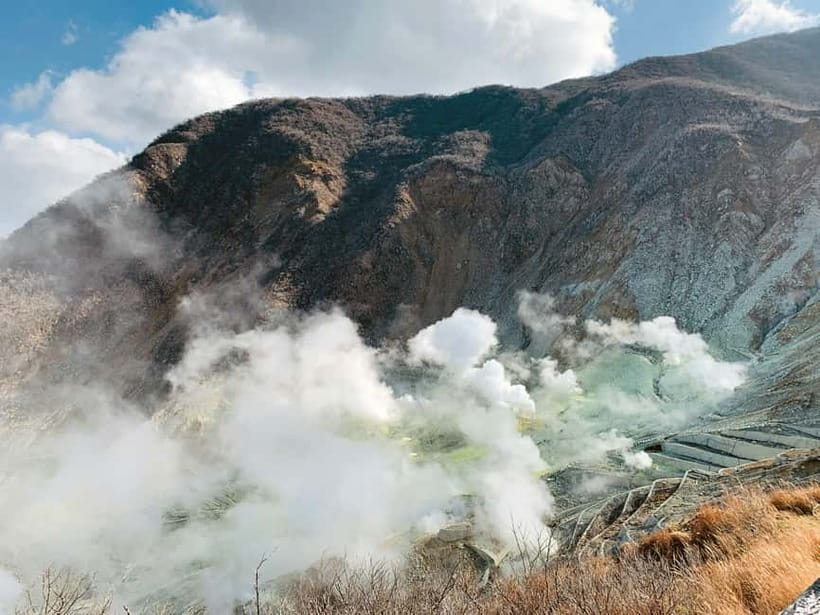
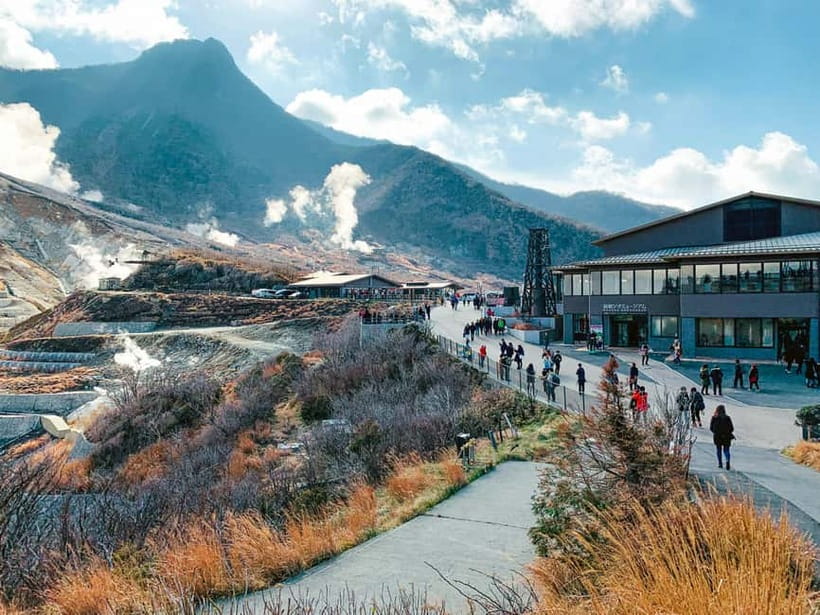
The day’s most memorable “only-in-Hakone” moment is Owakudani, Hakone. Your time here is listed as about 1 hour, with photo stop, visit, sightseeing, self-guided tour, and scenic views on the way.
The tour description paints Owakudani as a dramatic geothermal area where you can ascend for panoramic views. The big food highlight is the famous black onsen eggs, boiled in the geothermal waters. There’s also a legend attached: each egg adds seven years to your life.
Whether you buy into the legend or not, this stop works because it combines a sensory place (geothermal activity) with an eat-it-there payoff. If your day trip goal is a single moment you’ll actually remember later, this is it.
Just be smart about logistics on a self-guided day. You’ll likely want a quick photo cadence and a plan for when to eat so the rest of the day stays on track. Since the itinerary keeps Owakudani to about an hour, it’s meant to be a concentrated experience rather than a long, slow hang.
Price and logistics: what you’re really paying for
The price shown is $3.22 per group (up to 1) for a 1-day experience in Honshu, Japan. That number sounds almost too small, and that’s because most of the cost of actually getting around Japan isn’t included.
What you do get included:
- A full PDF with a detailed route and explanations
- Food recommendations at the different stops
- Photo stops at scenic viewpoints and picturesque spots
- Some general useful tips for traveling Japan
- A $3 discount on an eSIM in Japan using a code inside the PDF
What isn’t included:
- The actual costs of getting to places (transport and any entry tickets)
- Food
- Hotel/accommodations
- A personal guide walking you around
So the value equation is simple. If you’d otherwise spend hours building your own route (and cross-checking train transfers and timing), you’re paying to remove that planning burden. On a day trip, time is your most expensive currency. A clear itinerary that prevents wrong turns can easily be worth more than the low price suggests.
The one caution: because the day isn’t fully paid for, you still need to budget for transport and whatever you choose to eat. This tour doesn’t replace public transport costs—it replaces planning guesswork.
Who this self-guided Hakone day is best for
This experience is best for you if you like independence but you don’t want to build the day from scratch. The structure fits travelers who want a full itinerary with photo stops, practical food ideas, and a route that starts and ends in Shinjuku.
It’s also a good fit if you enjoy a “variety pack” day: town streets (Moto Hakone), a tea break (Amasake Chaya), an old-route sightseeing feel, a Lake Ashi water cruise, and Owakudani’s geothermal stop-and-eat moment.
Skip it if any of these apply:
- You have back problems
- You have mobility impairments, use a wheelchair, or have respiratory issues
- You’ve had recent surgeries
- You have low fitness
That’s not being dramatic. The plan includes walking/hiking time and a self-directed style where you handle your own pace and movement.
How to use the PDF so the day feels smooth
The tour includes an itinerary PDF sent by email after purchase. You should plan for 1–3 business days to receive it, since the provider has a lot of emails to answer. Once you have it, treat it like your day’s script.
Here’s how I’d use it:
- Follow the PDF stop order exactly until you know the local flow.
- For each stop, use the food recommendations first, then decide whether you’ll deviate.
- For sightseeing blocks, plan your photo time early so you’re not rushing at the last minute.
One more practical idea: since some activities can close earlier, build in a buffer. The itinerary already has break time, but you’ll still want to avoid the habit of arriving right at the last possible moment.
Also, keep the self-guided nature in mind. You’re not being escorted, so confirmations matter. If you’re the kind of traveler who likes slack in plans, this tour is still workable—just keep your schedule flexible and don’t assume every segment will run exactly as written.
Should you book this Hakone self-guided Mt. Fuji day trip?
Book it if you want a Mt. Fuji-focused day that feels organized without paying for a human guide. This is especially true if you value a clear PDF route, practical food and transport suggestions, and the chance to go your own pace through Moto Hakone, Amazake Chaya, the Lake Ashi cruise area, and Owakudani.
Skip it if you want someone to manage everything for you, or if your mobility needs are limited. The plan is efficient, but it includes walking time and geothermal terrain where you’re moving under your own steam.
If you’re comparing options, think of this as “buying back planning time.” For this price, the core benefit isn’t the sights themselves—it’s the way the day is packaged into a usable route so you can focus on enjoying Hakone once you’re there.
FAQ
Where does the tour start and end?
It starts at Shinjuku station (Shinjuku City) and ends back at Shinjuku City.
What’s the meeting point location?
The meeting point is listed with coordinates 35.6938253, 139.7033559.
How long is the tour?
The duration is 1 day.
What’s included in the price?
Included items are the full PDF itinerary, food recommendations, photo stops at scenic viewpoints, some general travel tips, and a $3 eSIM discount code included in the PDF.
What’s not included?
Not included are transport and entry ticket costs, food, hotel/accommodations, and a personal guide.
When will I receive the PDF itinerary?
After purchasing, you’ll receive an email with the PDF. The provider says it may take 1–3 business days to get back to you.
Is this trip suitable for wheelchair users or mobility limitations?
No. It is listed as not suitable for wheelchair users and people with mobility impairments (as well as those with back problems, respiratory issues, recent surgeries, or low fitness).
What languages is the tour available in?
Languages aren’t listed beyond the general note that you can cancel up to 24 hours in advance for a full refund. (No specific language options are provided in the data.)