REVIEW · TOKYO
Tokyo: Manga Drawing Workshop Guided by Pro Manga Artist
Book on GetYourGuide →Operated by Manga Do · Bookable on GetYourGuide
Tokyo can feel like pure anime fuel. This workshop lets you make the manga yourself, using pro steps and tools. What I like most is the no-prior-skills approach and the way you follow a real manga workflow in just 150 minutes.
You’ll also appreciate the small group size (up to 8), with a professional manga artist plus an interpreter working as a team. The class atmosphere stays patient and encouraging, even when you start from zero and even when you’re drawing something unique.
One drawback to consider: the level of creative freedom can vary by instructor and class flow. In one case, the session felt more like drawing a manga-style version of a provided image than a full step-by-step “teach you everything from scratch” workshop.
In This Review
- Key Highlights You’ll Actually Feel
- Why Shibuya Manga Comes With Real Studio Cred
- Meeting On the 6th Floor of a Skinny Black Building
- The 150-Minute Flow: From Idea to Finished Manga Panel
- The Magic Bits: Inking, Solid Blacks, and Screen Tones
- You Pick the Character: Samples or Your Own Reference
- Small Group Teaching That Feels Patient, Not Pressure-Cooker
- The Manga Artist and Interpreter Team: Names Matter Here
- Your Keepsake: A Signed Panel You’ll Want on the Wall
- Price and Value: Is $129 Reasonable for 150 Minutes?
- Who Should Book This Workshop (and Who Might Want a Different Class)
- Should You Book This Tokyo Manga Drawing Workshop?
- FAQ
- How long is the manga drawing workshop?
- Where is the meeting point in Tokyo?
- What does the workshop cost?
- Do I need previous drawing skills?
- What language support is available during the class?
- Are manga drawing materials provided?
- Is food and drinks included?
- Will I get picked up from my hotel?
- What group size should I expect?
- Is the workshop wheelchair accessible?
- Can I cancel for a refund?
Key Highlights You’ll Actually Feel
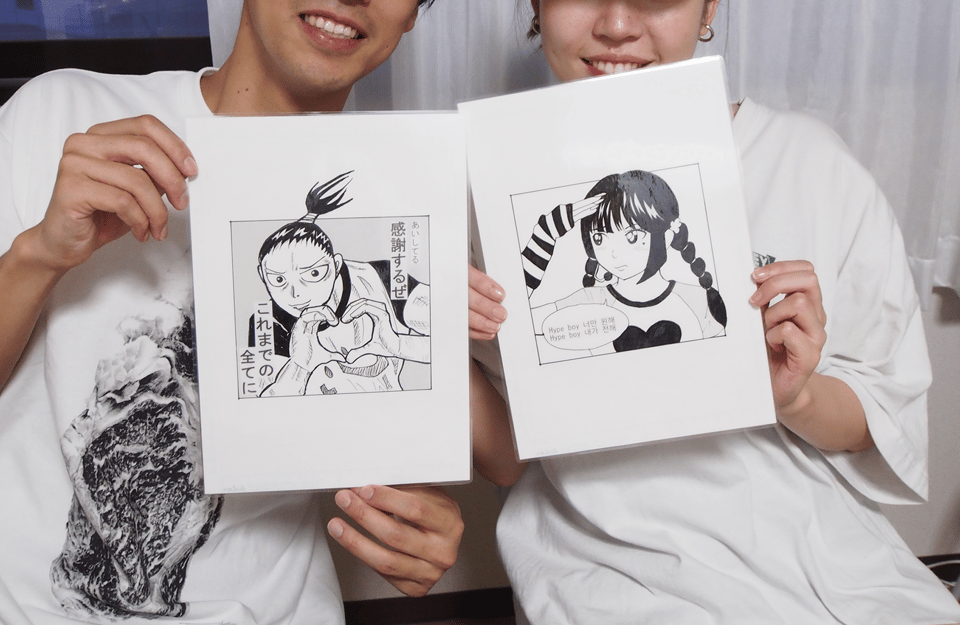
- Pro manga process, step-by-step: from ideation and rough sketch to inking, solid blacks, screen tones, and speech bubbles
- No art talent required: beginners and kids can finish a finished panel
- Screen tones get explained in plain terms: the “how” behind that classic manga look
- Interpreter support matters: you can ask questions and keep the pace comfortable
- Choose your subject: you can pick characters from samples or use your own reference
- A keepsake you’ll want to frame: the result is taken home as a finished panel
Why Shibuya Manga Comes With Real Studio Cred
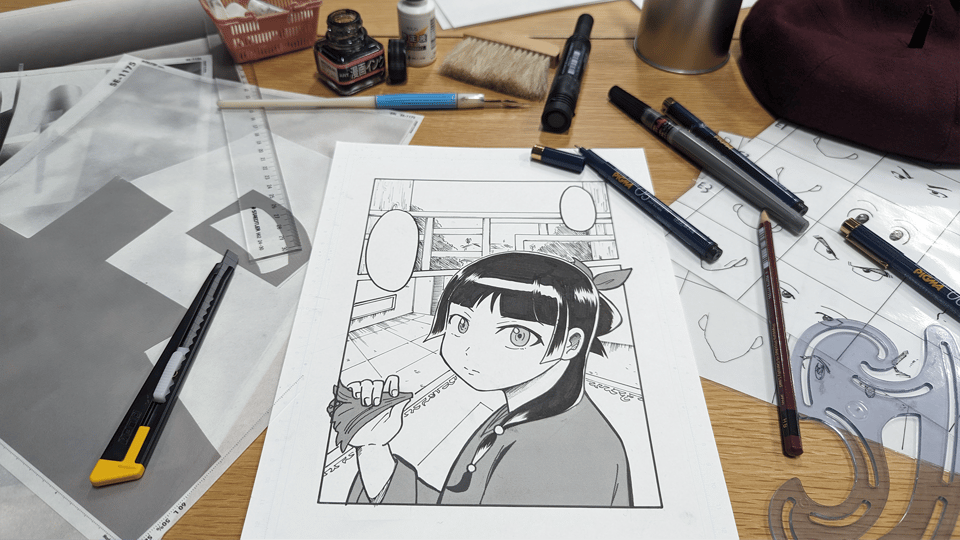
This isn’t a “try a fun hobby for an hour” class. It’s a structured manga creation session built around the same kinds of steps pros use to turn an idea into a readable page panel.
The big appeal is that you don’t just watch technique—you do the work. In multiple classes described by participants, the manga artist quickly helps you lock in proportion, line quality, and the right finishing touches so the panel starts looking like manga as you go.
And yes, the fan factor is real. If you love series like One Piece or Naruto, it feels good to step into the craft behind the pages: the inks, the tone dots, and the speech bubble rhythm.
You can also read our reviews of more guided tours in Tokyo


Meeting On the 6th Floor of a Skinny Black Building
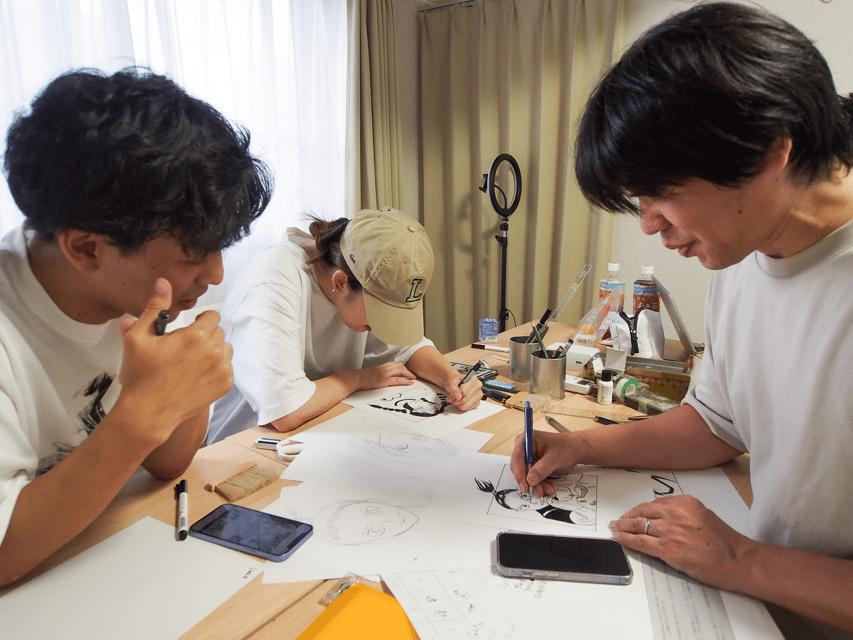
You meet at 6F, Shibuya 3-chome TR Building, 3-8-11 Shibuya, Shibuya-ku. The building is described as black and relatively thin, which is exactly the sort of detail that helps when you’re standing there looking at too many similar facades.
Shibuya is also… Shibuya. One family described getting confused due to a political rally near Shibuya Crossing. If you want a stress-free start, arrive a bit early and plan to ask for directions if needed. The good news: the guides are used to helping people find the right spot.
Because the workshop lasts 150 minutes, you’ll want time to settle in before you start sketching and inking. Showing up late can compress that calm, step-by-step learning pace.
The 150-Minute Flow: From Idea to Finished Manga Panel
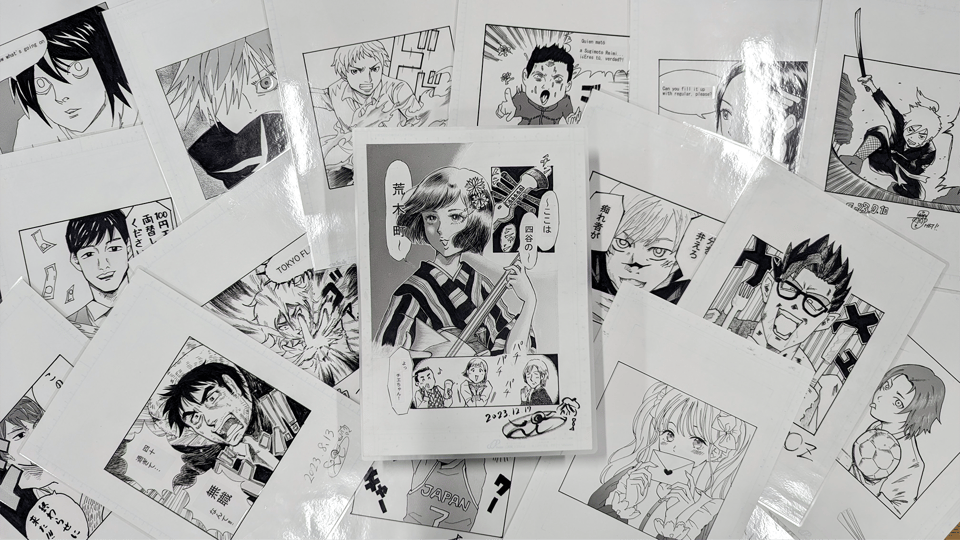
At the start, you’re guided through the manga workflow in a sequence that makes sense even if you’ve never drawn manga before. The process is typically: ideation → rough sketching → drafting → inking → adding solid blacks → applying screen tones → speech bubbles.
Here’s what that means for you, in human terms:
- You begin with an idea or reference. You might pick from given samples, or you may use something from your own photos or character ideas.
- The instructor helps with a rough sketch. This is the stage where you learn how to place features and shape the pose so it reads well as manga.
- Then you move into refining and inking. Once ink goes on, the panel starts looking crisp and final.
- Finally, you add the finishing ingredients that create the manga look: solid blacks and screen tones, plus the speech bubble details.
One detail I think matters for first-timers: the pacing is designed so you can finish. People reported completing high-quality manga in around the same window, which strongly suggests you’re not expected to “invent the whole process” from scratch.
The Magic Bits: Inking, Solid Blacks, and Screen Tones
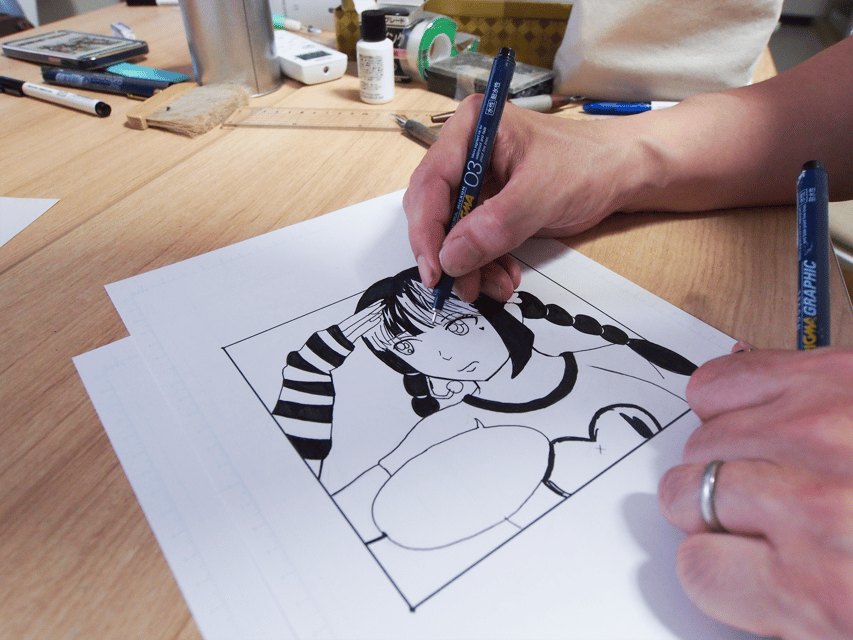
If you want the moment where the panel transforms, it’s when you hit the inking and then the black areas. Participants repeatedly call out how interesting it is to understand the tools and effects that make manga look like manga.
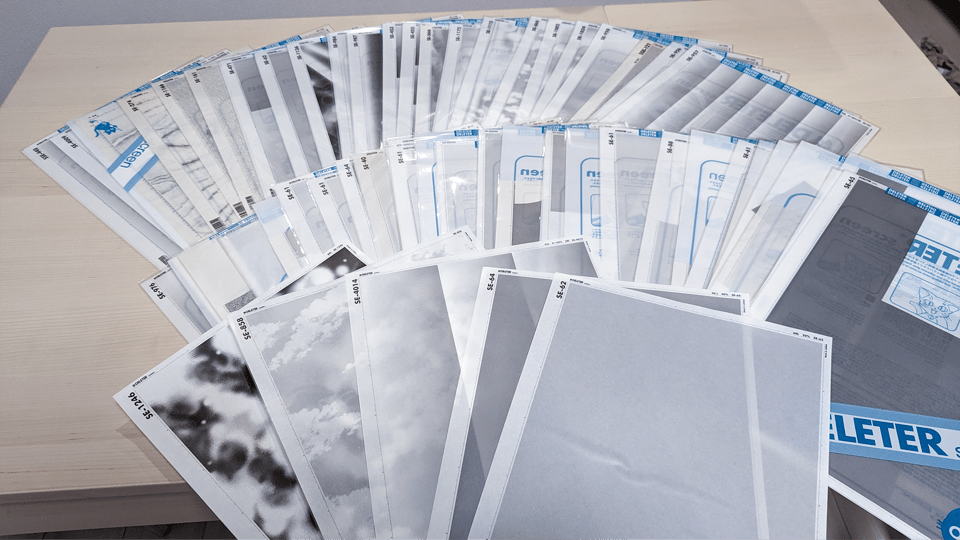
Solid blacks are part of it, but so are screen tones. Screen tones are those patterned shading areas that give depth, mood, and clarity without needing full realism. In one example, a participant learned about using screen tones and got hands-on guidance with them, including how to cut and apply tone material for the right shapes.
You may also use materials and methods such as:
- brush work for dark background/solid areas
- erasable pencil steps before final lines
- tone application tools, and techniques for gray tone effects
Even if you don’t remember every tool name, you’ll leave with a better mental map of how manga pages are built: clean linework plus selective shading, not “draw everything like a photo.”
You Pick the Character: Samples or Your Own Reference
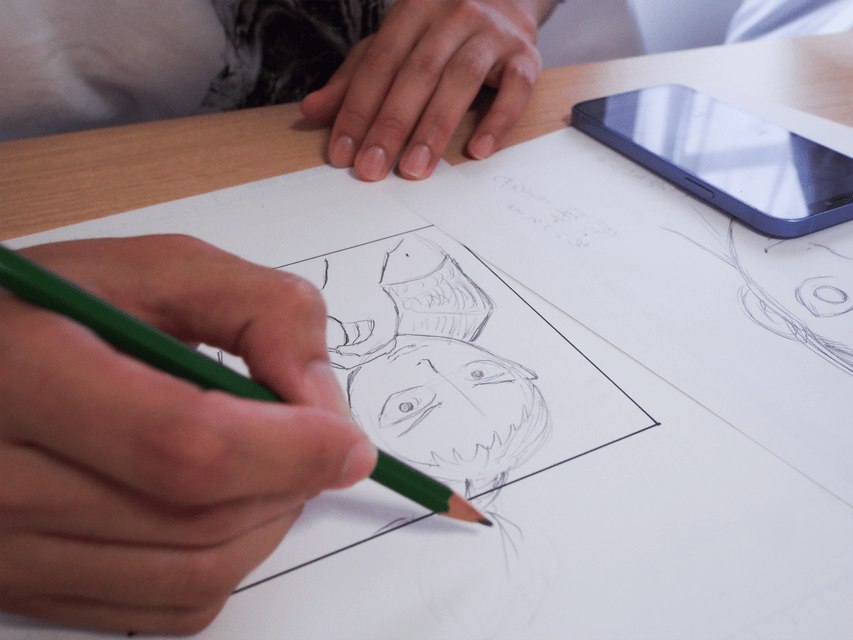
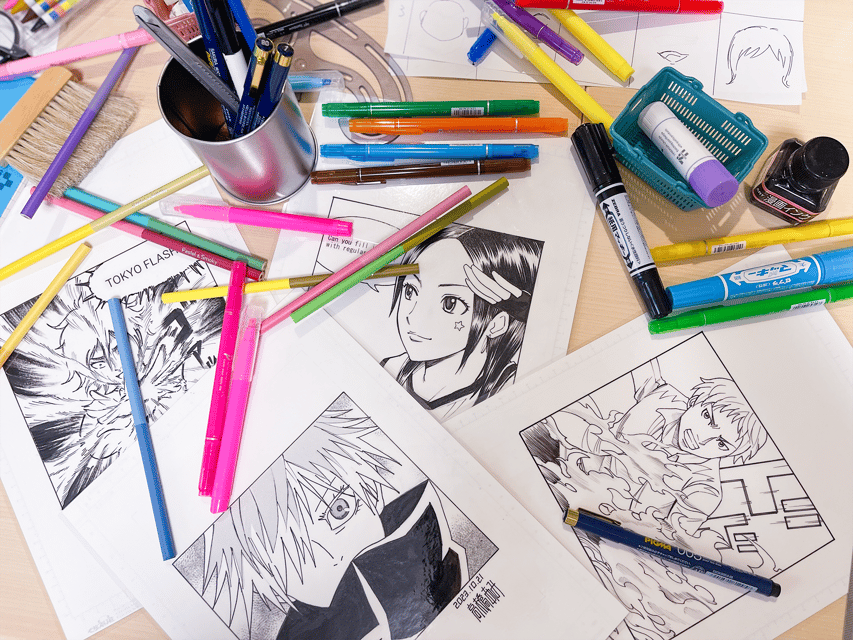
A big quality-of-life feature is that you can choose what you draw. Several participants describe being able to pick an image from a set of samples, and others mention using their own reference (including their own characters or likeness).
This matters because it shifts the workshop from generic instruction to personal motivation. When you’re drawing a character you actually want, your brain cooperates faster. You’re also more likely to enjoy the last steps—adding tones and speech bubbles—because the panel already feels like yours.
In at least one class example, participants described a customized outcome where the instructor shaped the rough outline based on the prompt and then guided the student through turning it into a real manga-style panel.
If you’re bringing a reference photo, just remember: clarity helps. A more readable face or pose generally gives the instructor more to work with.
You can also read our reviews of more tours and experiences in Tokyo



Small Group Teaching That Feels Patient, Not Pressure-Cooker
This is capped at 8 participants, which is a big deal. In a small group, you’re more likely to get corrections when something isn’t reading right—line weight, proportions, speech bubble placement, or screen tone placement.
The reviews consistently mention patience, support, and encouragement. People described the instructor guiding both beginners and experienced artists in the same session, without making anyone feel behind.
There’s also a practical upside for families and mixed-skill groups. One family described doing the workshop with two 11-year-old boys and still getting strong results, with the instructors keeping the energy positive. That’s what you want: guidance that adapts without rushing anyone.
One note of fairness: not every class will feel identical. A 4/5 review mentioned a slower start and a feeling that it was more like the instructor transformed a provided image rather than giving unlimited freedom to invent the panel from the ground up. If you’re expecting totally open-ended “create anything” freedom, you might want to set your expectations around structured guidance and a guided finished result.
The Manga Artist and Interpreter Team: Names Matter Here
The workshop is designed as a two-person teaching unit: a professional manga instructor plus an interpreter. Languages supported are English and Japanese, and the materials include an interpreter on-site, so you’re not left translating everything in your head.
From reviews, you’ll hear specific names attached to the experience, including:
- Hanae (translation support noted)
- Machi (interpreter role repeatedly praised)
- Madoka (interpreter role praised for making communication smooth)
- Ai (translator support described as natural and warm)
- Multiple instructors referenced as sensei, including Shige Mathumori, Hiroshi, Kousei-sensei, Rokkaku sensei, and Kamaya Katsuki
Even if you don’t meet the exact same people, the pattern is what counts: translation isn’t an afterthought. Participants mention feeling comfortable asking questions about the craft and about working in manga, because the interpreter keeps the flow clear and friendly.
If you speak basic Japanese, you might still lean on the interpreter for manga-specific terms and for the “how does this step actually work?” parts. And if you don’t speak Japanese, you’ll still be fully included.
Your Keepsake: A Signed Panel You’ll Want on the Wall
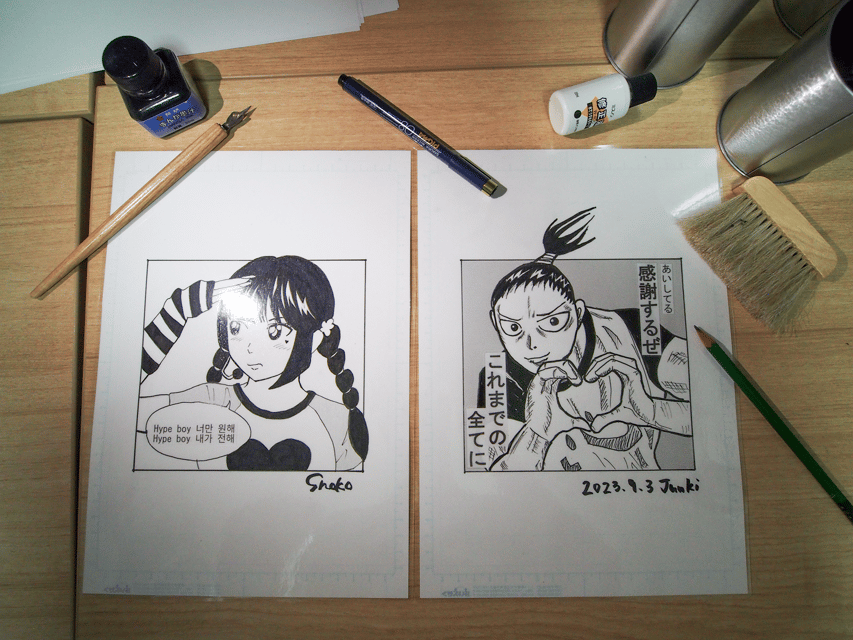
The best souvenir is the one that gets used. This workshop gives you a tangible artwork to take home: your one-of-a-kind manga drawing made during the session.
Multiple participants mention that the final panel is laminated, which is a smart touch for real-life ownership. Lamination protects the paper and makes it easier to frame later. One person even described the panel becoming part of their home wall display.
You’ll also likely leave with a finished feel: inked lines, tones applied, and speech bubbles added. Even when your starting reference is simple, the structured workflow helps you end with a panel that reads as manga rather than a sketch that never went anywhere.
If you’re a fan, this is more satisfying than buying manga merch. You get something you made with your own hands—plus the memory of how each step changes the look.
Price and Value: Is $129 Reasonable for 150 Minutes?
At $129 per person for 150 minutes, this sits in the category of “paid experience” rather than “cheap activity.” But it also includes a lot of what normally costs time and money on your own.
Here’s what you’re getting for the price:
- A pro manga artist instructor with long experience
- An interpreter, meaning you’re not locked out by language
- All materials provided, so you don’t need to shop for ink, tone sheets, cutters, or paper
- A guided workflow that ends with a finished keepsake
That combination is the value. You’re paying for expertise plus translation plus supplies plus a structured end result. If you tried to do this independently in Tokyo—buying supplies, finding materials like screen tones, and figuring out the workflow—you’d spend money and time and still might not get the same finishing support.
In other words, you’re not just buying a ticket. You’re buying a fast path to a polished outcome.
Who Should Book This Workshop (and Who Might Want a Different Class)
I’d put this high on the list if you:
- love manga or anime and want to learn how the page is built
- want a hands-on activity with real instruction, not a vague demo
- are traveling with kids or a group with mixed drawing ability
- want a souvenir you’ll actually display
It also works well for solo travelers. One participant described enjoying the intimate setting and spending time talking with the interpreter and sensei.
If you’re an art pro, you’ll likely appreciate the focus on traditional tools and tone application. Reviews mention experienced artists were able to learn the traditional workflow and compare it with digital habits.
If you’re the type who needs maximum creative freedom, read the room carefully. This is still a guided panel creation process. One review suggested it felt more like transforming a given image into manga style and then drawing along with the instructor, rather than a completely open-ended brainstorming workshop. It’s still fun, but it’s not the same as doing a self-directed manga page from idea to final without structure.
Should You Book This Tokyo Manga Drawing Workshop?
If you want a meaningful Tokyo souvenir and you like learning by doing, yes, book it. The consistent strengths are the pro instruction, the patient guidance, and the way screen tones and finishing steps turn your sketch into a real manga panel.
My main reason to hesitate would be if you’re expecting a fully self-directed, improvisational art class. Based on the overall description and one noted experience, the workshop leans structured: you create your own panel, but the instructor steers the workflow and the result.
If you’re okay with that—and you want the classic manga look made using actual traditional steps—this is a very satisfying use of a Tokyo afternoon.
FAQ
How long is the manga drawing workshop?
The workshop lasts 150 minutes.
Where is the meeting point in Tokyo?
Meet at 6F, Shibuya 3-chome TR Building, 3-8-11 Shibuya, Shibuya-ku, Tokyo.
What does the workshop cost?
The price is $129 per person.
Do I need previous drawing skills?
No. The class is designed so you can participate even if you’re not confident in your drawing.
What language support is available during the class?
You’ll have a live guide/interpreter with English and Japanese.
Are manga drawing materials provided?
Yes. All materials are provided, so you can come as you are.
Is food and drinks included?
No. Food and drinks are not included.
Will I get picked up from my hotel?
No. Pickup is not included.
What group size should I expect?
This is a small group limited to 8 participants.
Is the workshop wheelchair accessible?
Yes. The experience is listed as wheelchair accessible.
Can I cancel for a refund?
Yes. You can cancel up to 24 hours in advance for a full refund.