REVIEW · TOKYO
Full-Day Tour to the Picturesque Spots of Mount Fuji
Book on GetYourGuide →Operated by Japan Visionary Tour · Bookable on GetYourGuide
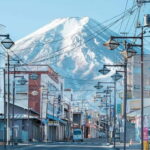
Mount Fuji in one long day can work. This tour strings together classic stops so you get traditional village calm plus Fuji postcard views, all with a bilingual guide (English/Chinese) and an early start that’s actually useful. I especially love the quiet atmosphere of Saiko Iyashi-no-Sato Nenba and the chance to taste the crystal-clear springs at Oshino Hakkai. The only real variable is weather, since Fuji visibility can drop fast when clouds roll in.
Logistics are straightforward: you depart Tokyo around 8:00 AM (and 8:30 AM from Shinjuku), ride in a comfortable, A/C vehicle, and return to your meet-up point later the same day. The pace is built for sightseeing and photos, and you’ll be walking at multiple sites—good shoes help. A lot of people like the way guides such as Kevin keep the day flowing and help you time viewpoints right.
In This Review
- Quick highlights you’ll feel right away
- From Tokyo to Fuji viewpoints: the day’s rhythm and travel time
- Saiko Iyashi-no-Sato Nenba: thatched-roof village calm with Fuji in the frame
- Oishi Park and Lake Kawaguchiko: kochia carpets, reeds, and those big Fuji moments
- Oshino Hakkai (UNESCO springs): tasting Mount Fuji meltwater
- Arakurayama Sengen Park and the Chureito Pagoda: shrine views and a 400-step payoff
- Food, pacing, and what $49 buys you (and what it doesn’t)
- When visibility is good (and when it isn’t): how to plan for real Fuji weather
- Who this Mount Fuji day trip suits best
- Should you book this full-day Mount Fuji tour?
- FAQ
- Where does the tour start, and when does it depart?
- How long is the travel time during the day?
- What is included in the $49 per person price?
- Are meals included?
- Can I taste the water at Oshino Hakkai?
- Is the tour affected by weather?
- What should I bring?
- Is this tour suitable for everyone?
Quick highlights you’ll feel right away
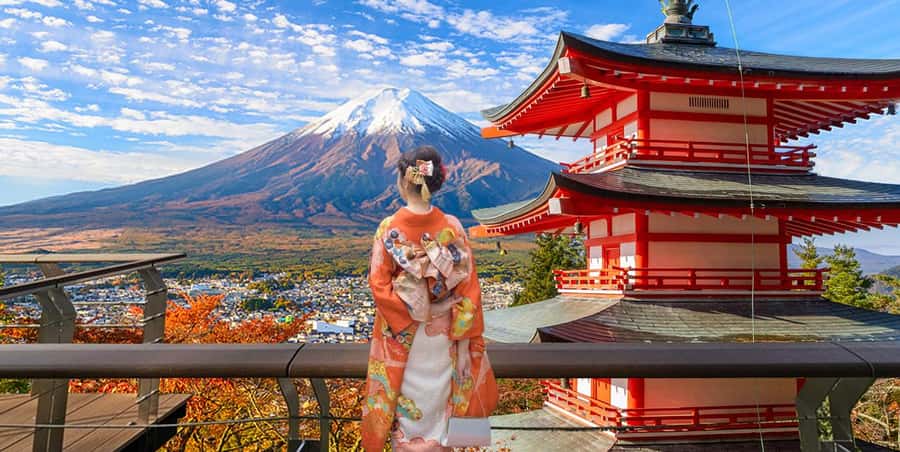
- Saiko Iyashi-no-Sato Nenba: a recreated thatched-roof village that frames Mount Fuji on clear days
- Oishi Park + Lake Kawaguchiko: kochia bushes form a living green carpet toward the water and Fuji
- Oshino Hakkai (UNESCO): eight springs fed by Mount Fuji meltwater, plus a chance to taste
- Arakurayama Sengen Park: a climb to a viewpoint built for the Chureito Pagoda + Fuji photo
- Seasonal swaps: during maple/cherry seasons, the Oishi Park stop can be replaced with local seasonal corridors
From Tokyo to Fuji viewpoints: the day’s rhythm and travel time
This is a full-day style tour with one job: get you out of Tokyo quickly and into the Mount Fuji photo zone before the day gets too crowded. Transfers are estimated at about two hours each way, and that timing can stretch with traffic, so the tour is flexible for safety and road conditions.
The morning starts early—8:00 AM from Tokyo Station and 8:30 AM from Shinjuku. That matters because Fuji is often clearer earlier, and your best viewpoints are also the most popular. If you’re the type who wants photos without feeling like you’re sprinting every minute, this schedule fits better than DIY travel that can take longer between stops.
One more practical note: the guide is multilingual (English and Chinese). If you speak either of those, you’ll get smoother explanations on what you’re seeing—especially at Oshino Hakkai and the shrine area at Arakurayama.
You can also read our reviews of more tours and experiences in Tokyo
Saiko Iyashi-no-Sato Nenba: thatched-roof village calm with Fuji in the frame
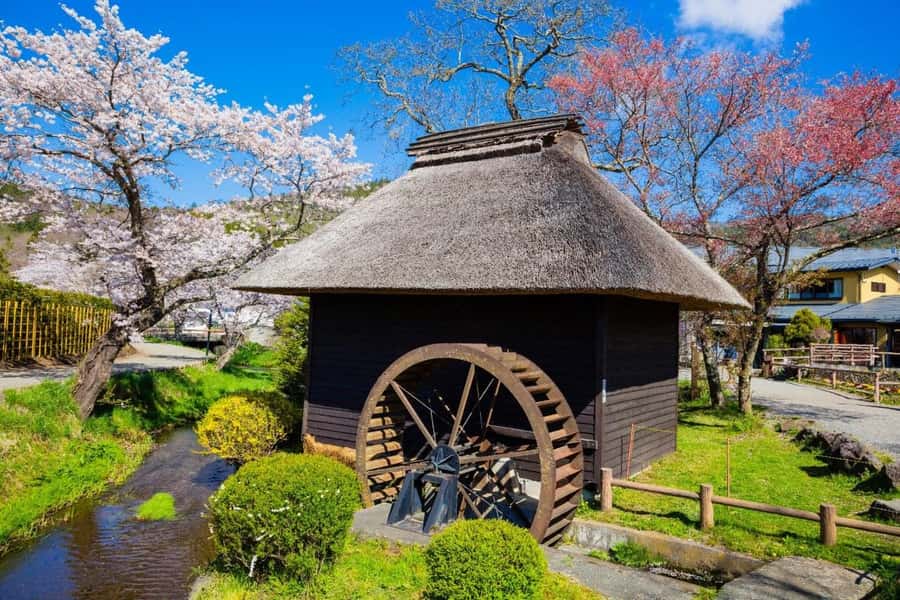
This stop is the mood-setter. Saiko Iyashi-no-Sato Nenba is a carefully reconstructed Heian-era style village, built with thatched roofs and traditional countryside architecture in mind. It’s not just buildings—it’s the feeling of stepping into a quieter Japan, where the countryside vibe is the point, not the shopping.
What makes it special is the way the village layout can create a natural framing for Mount Fuji. On a crystal-clear day, the two traditional thatched-roof houses can line up visually so Fuji looks distant but dramatic. Even if the visibility isn’t perfect, the reconstructed street-and-courtyard look still gives you strong “old Japan” photos and a break from the constant lake-and-shrine scenes.
Tip: wear comfortable shoes. You’re not doing a marathon, but the village is still a walking stop, and you’ll want to move slowly enough to find good angles.
Oishi Park and Lake Kawaguchiko: kochia carpets, reeds, and those big Fuji moments
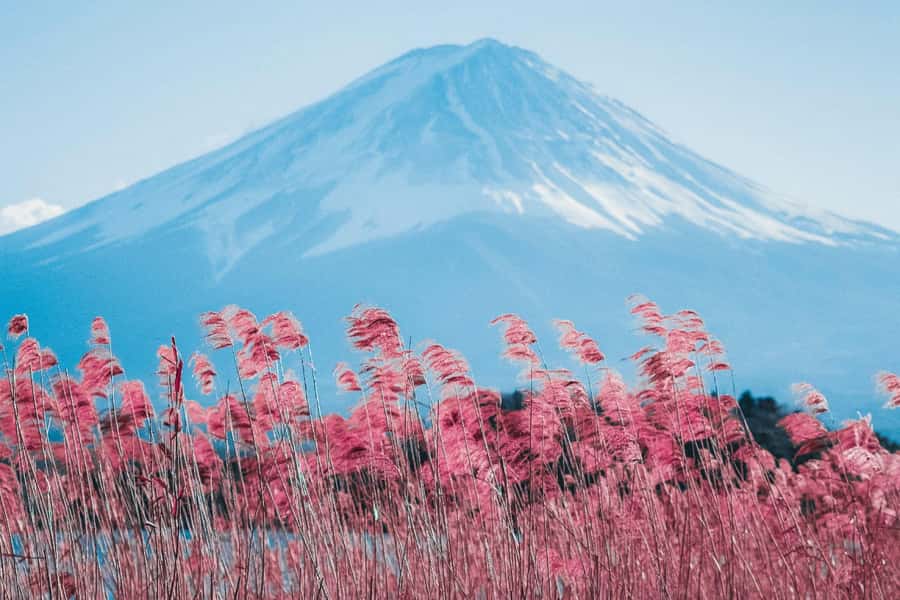
Oishi Park is a classic because it’s simple to understand from a distance. Green kochia bushes stretch in organized rows, looking like a soft carpet when you watch them from certain paths. A little breeze moves the reeds near the waterline, and then Lake Kawaguchiko opens up behind the plants with shimmering reflections.
If your timing is right and the sky cooperates, this is one of the most satisfying Fuji viewpoints on the route. The mountain is the main character, sitting across the water, while the park’s foreground helps your photos feel “composed” instead of flat.
What I like here is that it’s not just a viewpoint. You get an easy stroll, so it feels like a walk in a garden rather than a quick stop and go. The best part is the layering: kochia in front, lake in the middle, Fuji behind.
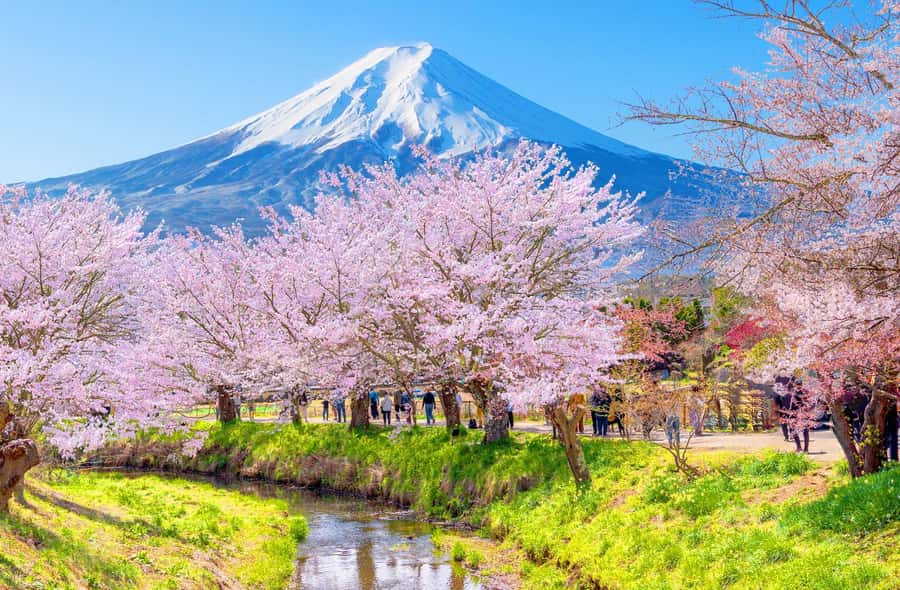
Season reality check: the tour notes a swap during maple and cherry blossom seasons. Instead of the regular Oishi Park timing, you may visit the Maple Corridor in autumn or the cherry blossom groves in spring. So if you’re traveling during those months, don’t get locked into expecting the exact same plant colors—your Fuji framing might be different, but the “walk with Fuji in view” idea remains.
Oshino Hakkai (UNESCO springs): tasting Mount Fuji meltwater
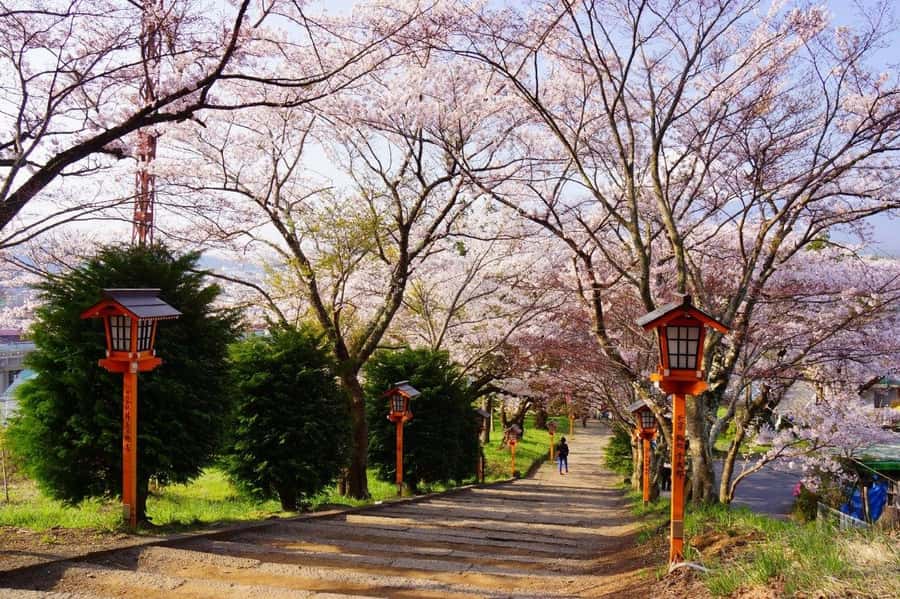
Oshino Hakkai is where the tour turns from scenery to a very real, very physical connection to Mount Fuji. This area is named for eight crystal-clear springs fed by Mount Fuji’s snowmelt. It’s listed as a UNESCO World Heritage site, and the whole place is built around the water channels, pools, and the way the springs look as they feed the surrounding areas.
Legend and tradition are part of the experience here, including the idea that the water can bring you good health and long life. The tour also includes a chance to taste the meltwater. That’s the kind of small detail that makes a day trip feel memorable because it’s something you can actually do, not just look at.
Even without tasting, it’s worth treating this as a slower stop. The surface of the water and the clean flow are visually calming, and you’ll likely see locals and guides paying attention to the springs like it’s normal daily life—because for them, it kind of is.
Practical tip: bring water for yourself too. The water stop is about tasting and viewing, but the rest of the day still depends on comfortable walking and weather.
Arakurayama Sengen Park and the Chureito Pagoda: shrine views and a 400-step payoff
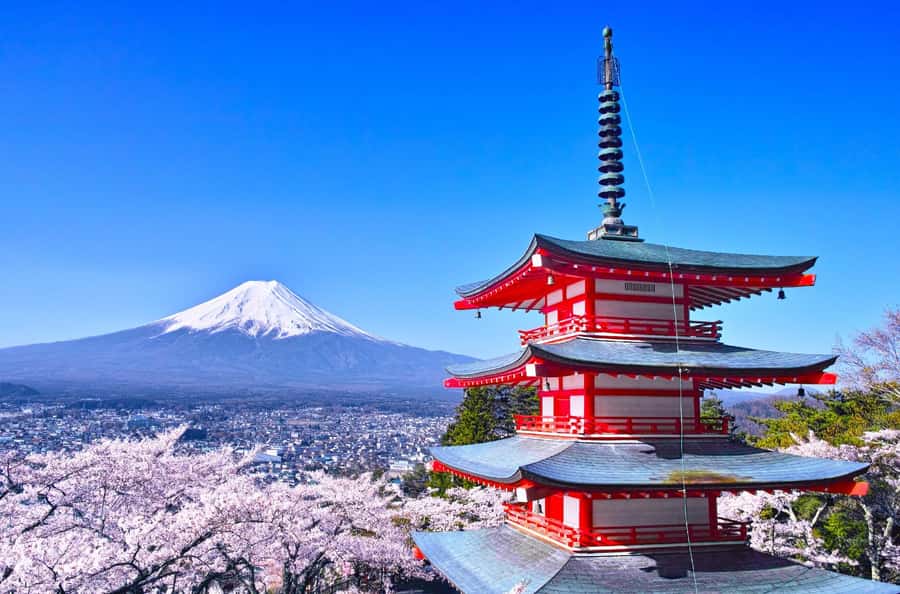
If you want the iconic image—Chureito Pagoda with Mount Fuji in the same frame—this is the part of the day designed for that. Arakurayama Sengen Park is set up for viewpoints, and you’ll climb toward an observation deck.
You should expect a hike with about 400 steps. The good news: it’s paced as part of reaching the best angle, not a random detour. As you climb, you move through greenery and hear birdsong, which makes the “upward” effort feel more like a nature walk than a chore.
When you reach the top, you get the payoff: the vermillion five-story pagoda sits in front of the mountain, creating that instantly recognizable composition. If you’re into photography, this is the stop that justifies getting up early.
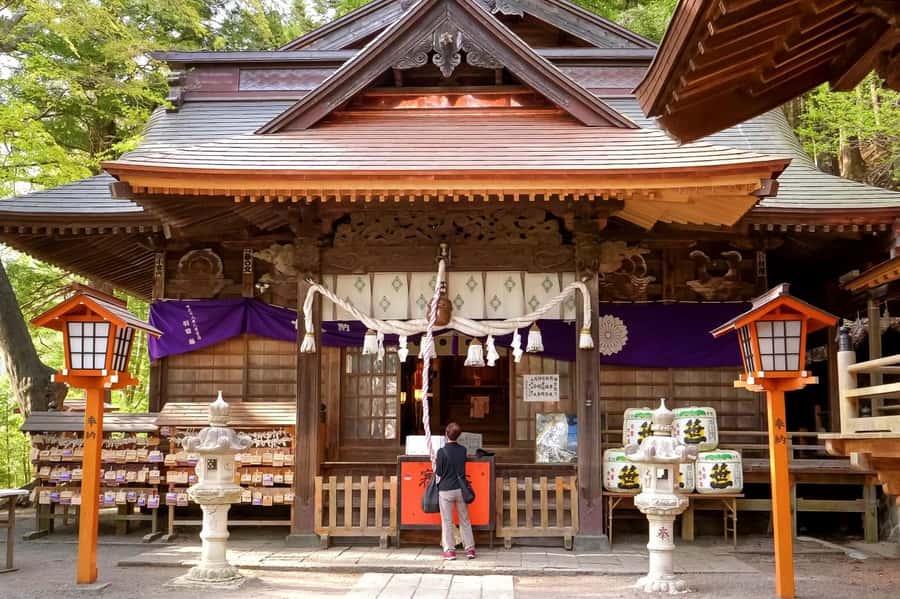
There’s also Arakurayama Fuji Sengen Shrine on site. The shrine dates back to 705 and is dedicated to the deity of Mount Fuji. It once played an important role in solemn rituals aimed at calming the mountain’s fiery eruptions. In other words, this isn’t only a photo deck; it’s a place with spiritual context built into the viewpoint.
Tip: go at a steady pace on the steps, and give yourself a little time at the top to line up photos without rushing.
Food, pacing, and what $49 buys you (and what it doesn’t)
At $49 per person, this tour is priced like a value-focused day trip—especially because the inclusions are broad. You’re paying for:
- a professional multilingual guide (English and Chinese)
- entry tickets for the listed attractions
- round-trip transfers from the meet-up area
- a comfortable A/C vehicle
- taxes, parking, toll fees, gas, and environmental fees
That’s the key value point. Many add-on tours from Tokyo nickel-and-dime you once you’re in the van. Here, the cost structure is cleaner because so many basics are already covered.
What’s not included is meals and beverages. So you’ll want to plan around that. One important practical expectation: lunch may be handled at an amusement-park style area. In that kind of stop, admission can be covered, but rides may cost extra, so you may want to focus on finding a normal meal option rather than assuming food and activities are all bundled together the same way.
Also bring some cash. Many local merchants don’t accept credit cards, so having a little money helps you buy snacks or simple items on the way.
Finally, pacing is “see it, shoot it, move on.” You’re visiting several popular Fuji-related sites in one day, so it’s not a slow countryside stay. If you like breathing room, you might find you want more time at each stop—especially the village and the shrine/pagoda area. That doesn’t make it a bad tour; it just helps you choose the right expectations.
When visibility is good (and when it isn’t): how to plan for real Fuji weather
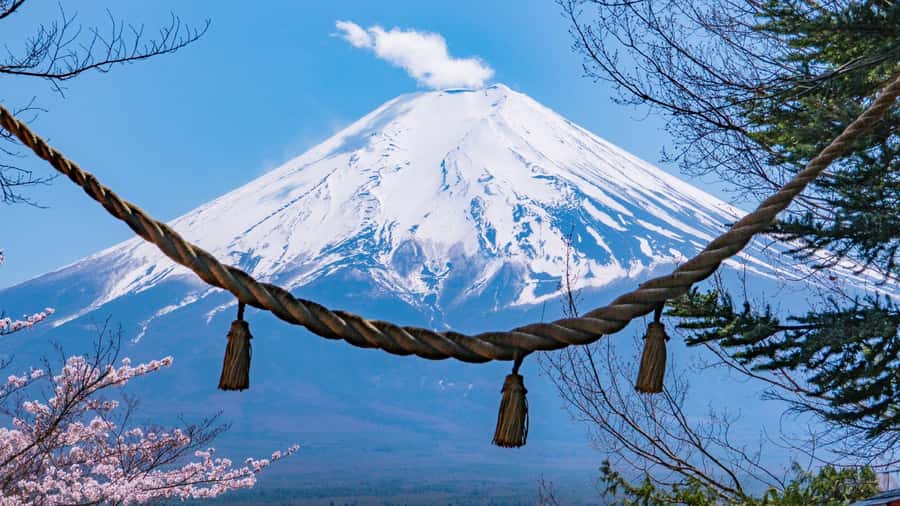
You don’t control clouds. What you can control is how you prepare.
- Check the weather forecast before your trip, because Mount Fuji visibility can change quickly.
- During peak seasons, expect crowds at the most famous points.
- Peak days also mean traffic congestion is common, so build flexibility for the day’s timing.
If visibility is great, you’ll get the full “Fuji at every stop” feel: framed in the village, layered across Lake Kawaguchiko, and paired with the pagoda on the hilltop.
If visibility is worse, the tour still has value because the stops aren’t only about mountain visibility. Oshino Hakkai works even on an overcast day because you’re still seeing the springs up close. And the shrine/pagoda area has its own visual identity even when Fuji is faint.
The tour also notes schedule adjustments for traffic or weather safety. That’s not a surprise problem; it’s reality in this region.
Who this Mount Fuji day trip suits best
This tour fits best if you want a classic Mount Fuji overview without the stress of arranging transport between scattered sites.
You’ll likely enjoy it if you:
- want a high-value day with multiple major sights
- like walking photo stops more than sitting for hours
- can handle a moderate hike with steps at Arakurayama
- want guided explanations at places like Oshino Hakkai and the shrine
It’s not suitable for pregnant women, and it’s also not suitable for people with mobility impairments or wheelchair users. If you fall into either category, you’ll want to choose a different format with fewer walking segments and step climbing.
If you’re traveling with strollers or large luggage, you need to indicate that during booking, since the tour includes several walking-heavy attractions.
Should you book this full-day Mount Fuji tour?
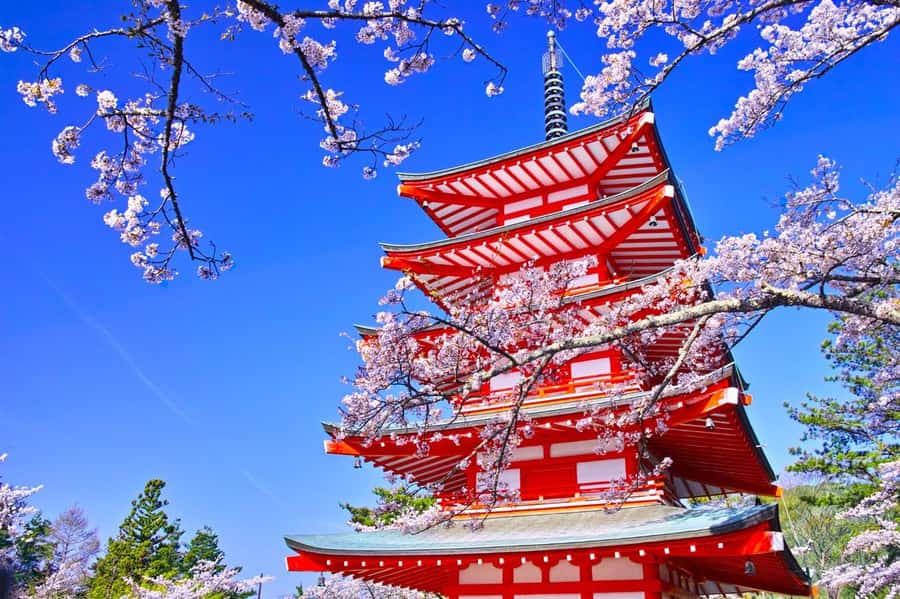
Yes, I’d book it if your top goal is to see Mount Fuji’s most famous surrounding spots in one organized day at a reasonable price—with a bilingual guide and ticketed entry included.
Skip it only if you’re very sensitive to visibility changes and you want a guarantee of clear mountain views. In Fuji season, you can be prepared and still get a cloudy day. But even then, the thatched village atmosphere, the UNESCO springs, and the shrine-and-pagoda viewpoint give you a full cultural and scenic payoff beyond just the mountain picture.
FAQ
Where does the tour start, and when does it depart?
You depart from central Tokyo at two possible start points: Tokyo Station around 8:00 AM, or Shinjuku Station around 8:30 AM. The exact meet-up point can vary depending on the option booked, and the tour ends back at the meeting point.
How long is the travel time during the day?
Estimated transfer time is about 2 hours, though it can extend due to traffic.
What is included in the $49 per person price?
The price includes a professional multilingual guide (English and Chinese), entry tickets, round-trip transfers to and from the meet-up location, and all taxes, parking fees, toll fees, gas fees, and environmental fees.
Are meals included?
No. Meals and beverages are not included.
Can I taste the water at Oshino Hakkai?
Yes. The tour highlights tasting the clear spring water from Mount Fuji at Oshino Hakkai.
Is the tour affected by weather?
Yes. Mount Fuji visibility depends on weather conditions, and the schedule may be adjusted for traffic or weather safety.
What should I bring?
Bring comfortable shoes, water, and comfortable clothes. Some cash is also advisable since many local merchants may not accept credit cards.
Is this tour suitable for everyone?
No. It is not suitable for pregnant women, people with mobility impairments, and wheelchair users. Smoking is not allowed in the vehicle, and food and drinks are not allowed in the vehicle.