REVIEW · TOKYO
Tokyo:Customizable Private Day Trip to Mt.Fuji & Safari Park
Book on GetYourGuide →Operated by Mount Fuji Discoveries · Bookable on GetYourGuide
Fuji, safari animals, and skywalks in one day. This private 10-hour ride is built around Mount Fuji views plus real-time local context from a private guide. I like that you cover multiple Fuji Five Lakes areas (including Lake Yamanaka and Lake Kawaguchiko), and you get time for iconic photo spots instead of rushing only one overlook. One possible drawback: the vehicle experience can feel a bit basic, and on some days it may be noisy.
The day starts with a Tokyo-area pickup and moves fast into the countryside. You’ll do the thrill stuff early at Fuji Safari Park, then add a big walking viewpoint at Mishima Sky Walk, Japan’s longest suspension bridge. If you’re sensitive to noise or long drives, it’s worth packing comfort items for the road.
Mt. Fuji 5th Station is a highlight, but access depends on weather and road conditions. When it’s closed, you’ll shift to the best alternative areas (often around Lake Kawaguchiko) so the day still works. Expect some walking, and plan your pace.
In This Review
- Key things that make this trip worth your time
- Tokyo pickup that actually feels like you’re going somewhere
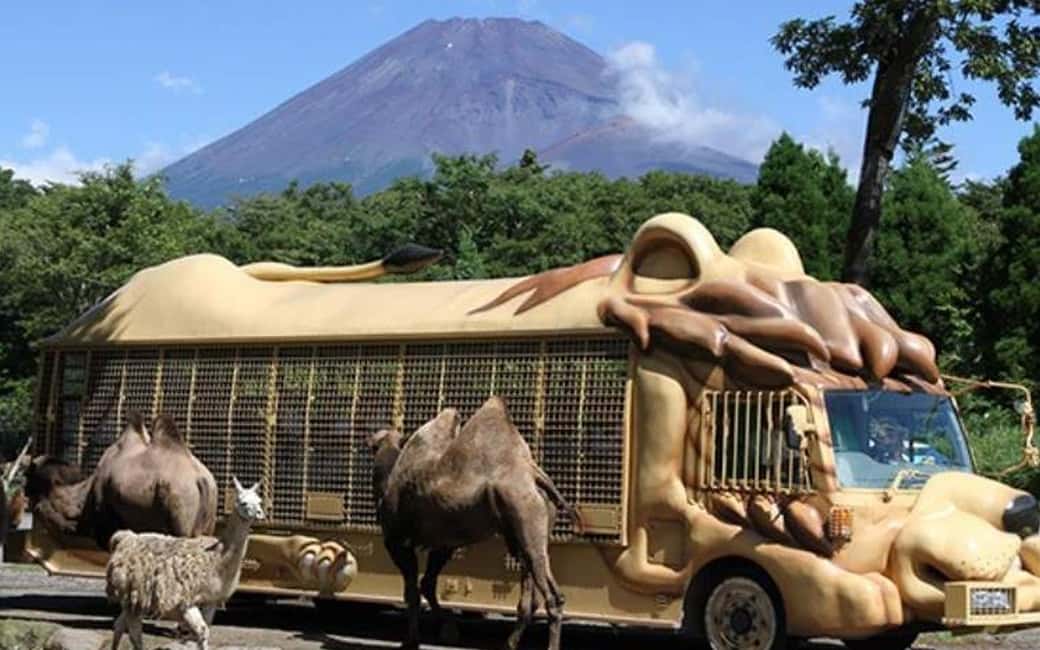
- Fuji Safari Park: the jungle bus ride portion of the day
- Mishima Sky Walk: the longest suspension-bridge walk
- Fuji Five Lakes time: more than one pretty lake
- Oshino Hakkai springs and the Lake Kawaguchiko photo moment
- Mt. Fuji 5th Station: what you can plan, and what you can’t control
- Chureito Pagoda: classic framing for your Fuji photos
- Optional stops that help you shape the day: Gotemba, Numazu, and the museum
- What your guide actually brings (and why the best days feel personal)
- Price and comfort: value math, plus one honest note
- Practical stuff you should pack and plan for
- Who this trip suits best, and who should think twice
- Should you book this private Mt. Fuji day trip?
- FAQ
- How long is the Tokyo to Mt. Fuji day trip?
- How much does the tour cost, and what group size does it fit?
- What’s included in the price?
- Are entry tickets and meals included?
- Where do pickups and drop-offs happen?
- What if Mt. Fuji 5th Station is closed due to weather?
- What are the main stops during the day?
- What should I bring?
- Is this tour suitable for everyone?
- What is the cancellation policy?
Key things that make this trip worth your time
- Private guide explanations: culture and context, not just driving and pointing
- Fuji Five Lakes photo time: including Lake Yamanaka, Lake Kawaguchiko, and Lake Saiko
- Safari Park adds a wild card: jungle bus ride plus wildlife viewing and safety briefing
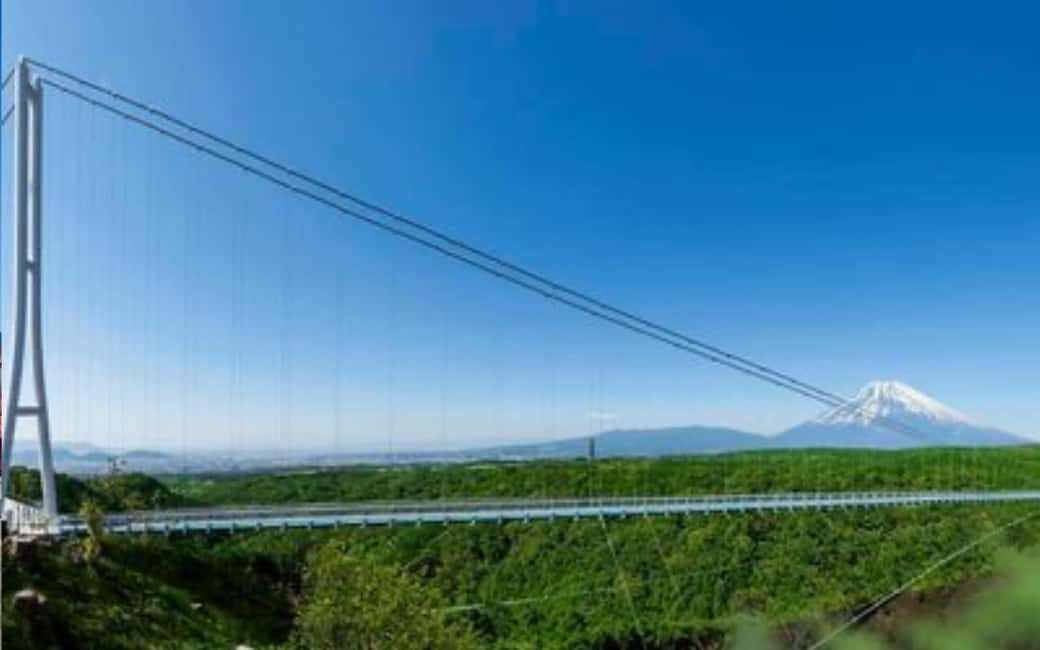
- Mishima Sky Walk: a long suspension-bridge walk built for dramatic views
- Smart backup plan: Mt. Fuji 5th Station access can swap to nearby viewpoints
Tokyo pickup that actually feels like you’re going somewhere
This is a true private group day. The price is $322 per group (up to 6 people), so when you split it, the per-person cost gets much easier to swallow than booking a solo tour or joining a bus with strangers. You’re also traveling in air-conditioned comfort with a driver, and your guide comes along to shape the stops.
Pickup is flexible across Tokyo’s 23 wards, with common areas like Chuo, Chiyoda, Minato, Shibuya, and Shinjuku. You’ll want to be ready 10 minutes before your scheduled pickup time, and drivers will wait up to 60 minutes after that. Tokyo traffic can cause delays, so build in patience; that’s just how the city plays.
The big value here is time management. A 10-hour day is long enough to reach the Fuji region and still enjoy several stops, but short enough that you don’t want to spend it figuring out transit. This itinerary keeps you moving, while letting the guide adjust timing based on conditions.
You can also read our reviews of more private tours in Tokyo
Fuji Safari Park: the jungle bus ride portion of the day
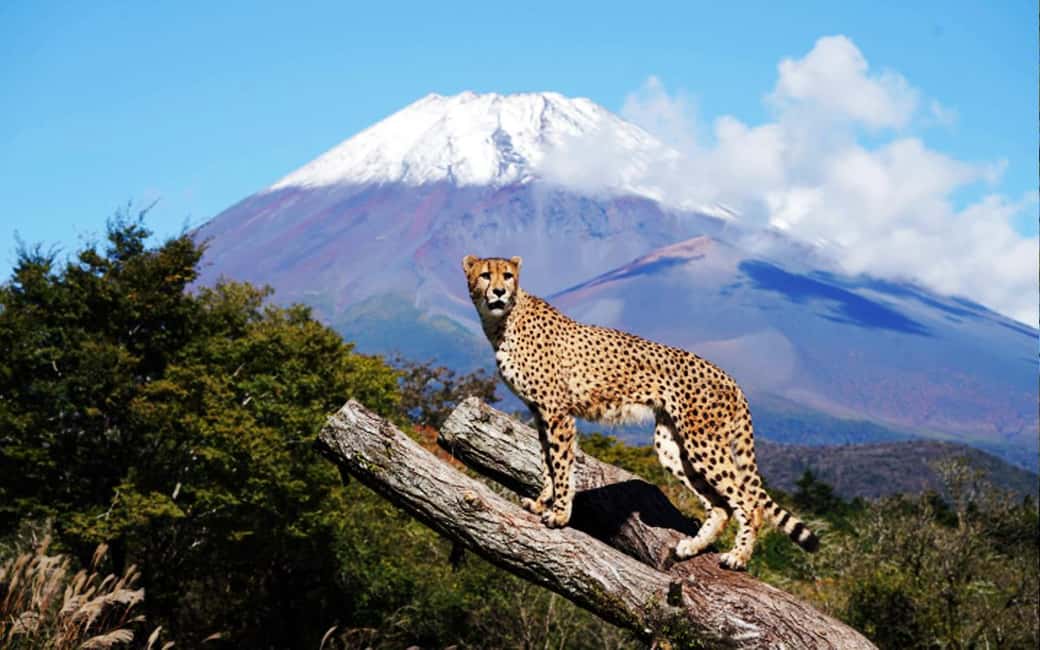
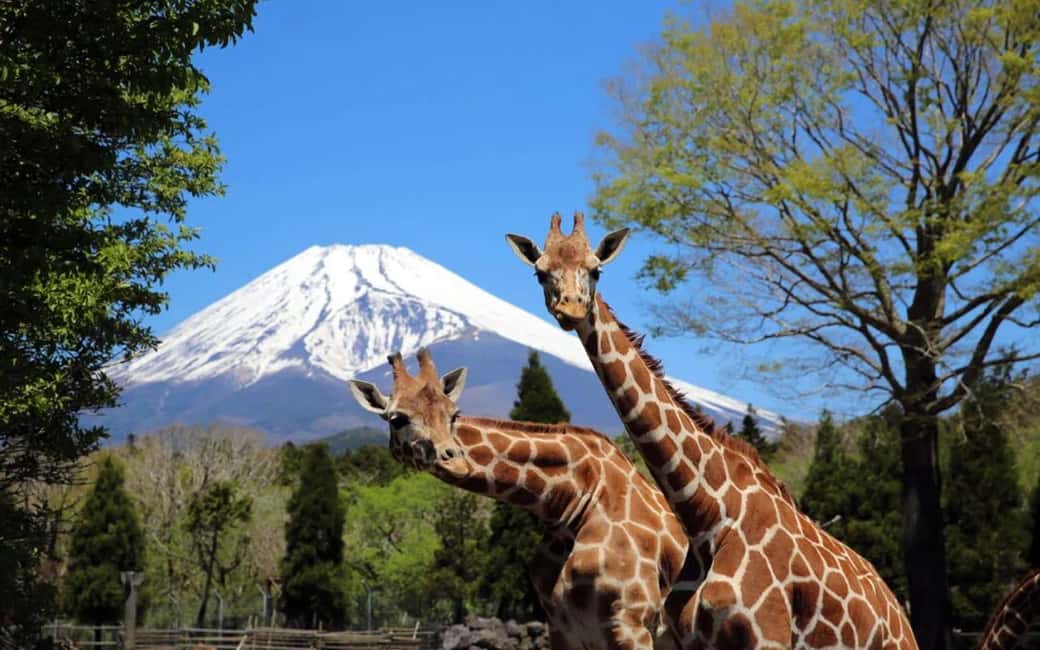
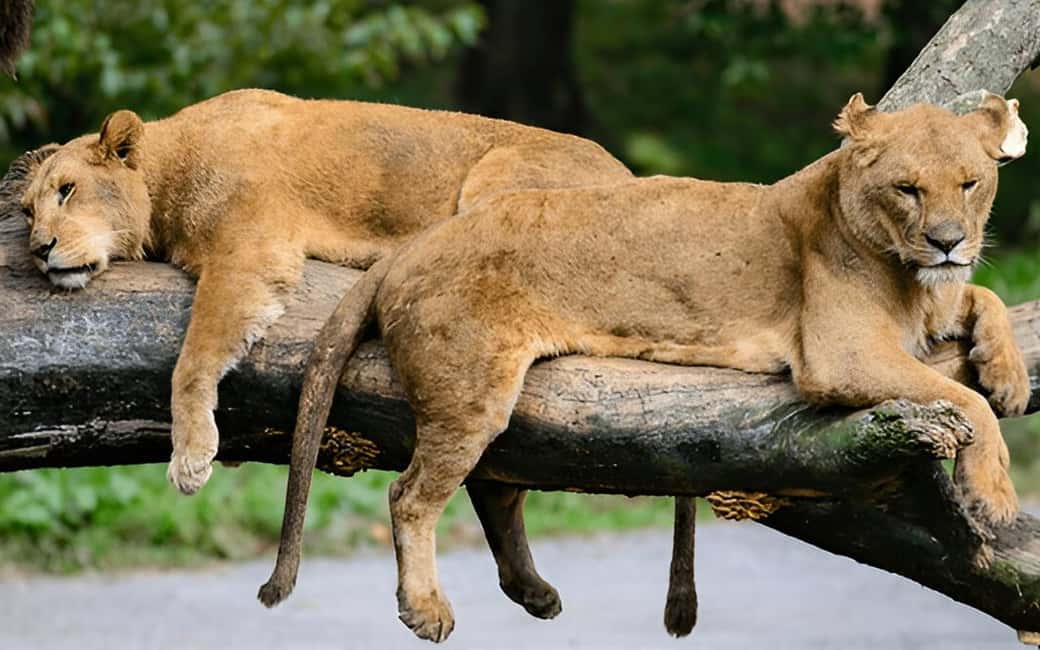
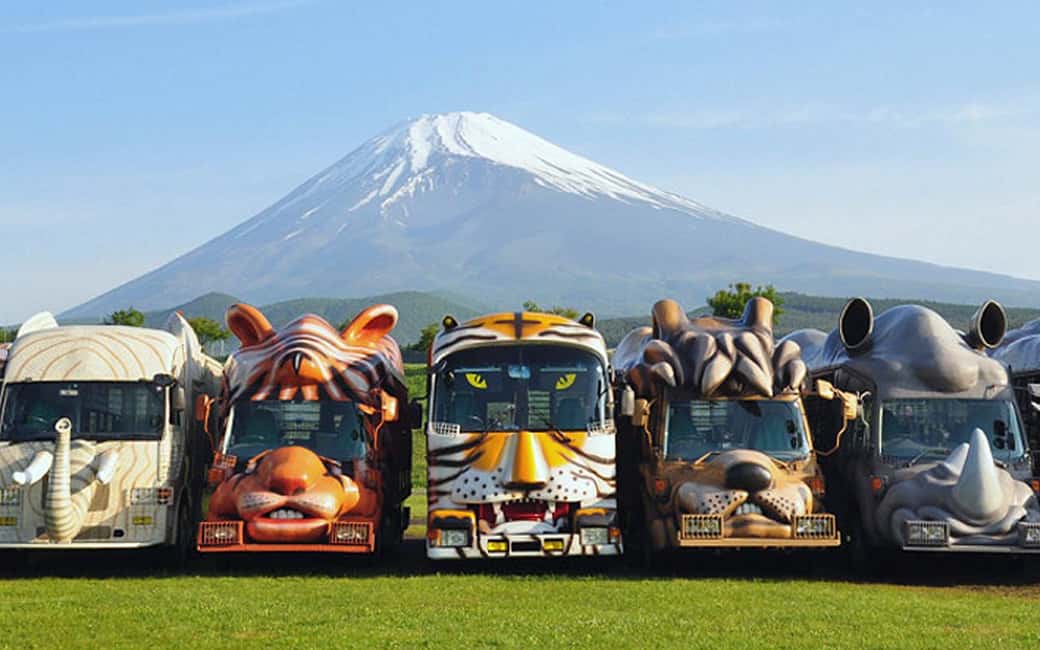
Fuji Safari Park is one of those stops that makes the day feel less like a checklist. You get a wildlife-focused visit with a jungle bus ride (you also have walking and self-guided time), plus a safety briefing before you head into the viewing areas. Expect about one hour here.
What I like about this stop is the variety. While the rest of the day centers on Mount Fuji views, Fuji Safari Park gives you something different: animal viewing with an organized route so you’re not wandering and guessing. If you’re bringing kids or you’re simply tired of straight-line sightseeing, this is a nice break in tempo.
There’s also horse riding listed, though it depends on what’s available during your visit. If horse riding is important to you, plan to ask your guide during the park time so you don’t miss the window.
Mishima Sky Walk: the longest suspension-bridge walk
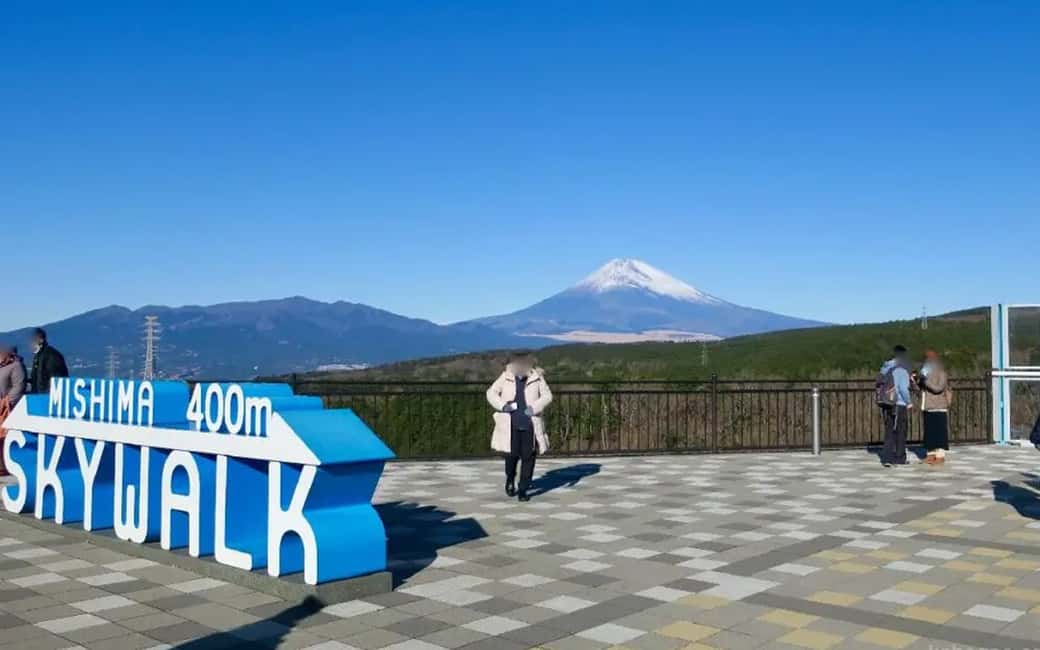
Next comes Mishima Sky Walk, another highlight with a “yes, you’re really doing this” factor. You’ll have about one hour for the visit, including sightseeing and time to walk. There’s a safety briefing, and you’ll also have scenic views on the way.
This bridge is described as Japan’s longest suspension bridge, and you’ll feel that length as you go. It’s not just about the photo at the end. The views build gradually, and the walk gives you time to breathe between the driving and the next Fuji stops.
If you’re planning for timing, ask your guide about whether sunset light is realistic on your day. Your guide can help you decide if you should chase golden hour or prioritize other scheduled photo points.
Fuji Five Lakes time: more than one pretty lake
The Fuji region is famous for views, but the lakes are what give you choices. This day trip includes five lakes in the Fuji Five Lakes area, and your itinerary specifically calls out Lake Yamanaka, Lake Kawaguchiko, and Lake Saiko. The other two lakes are also part of the route, even though their names may vary by your day and what conditions allow.
Here’s why that matters: each lake shifts the mood and the photo angles. Lake Yamanaka, for example, is often calmer for certain viewpoints, and it stood out as a favorite on this tour experience. Lake Kawaguchiko ties directly into the classic Fuji-photo route because it’s a strong place for your mountain views from the lakeshore area. Lake Saiko is a quieter-sounding stop that still fits the “Fuji from different angles” goal.
In a 10-hour day, you don’t just want one lake. You want variety. That’s what makes five lakes feel like value instead of “driving past scenery.”
Oshino Hakkai springs and the Lake Kawaguchiko photo moment
Your Fuji day gets a cultural anchor at Oshino Hakkai. These are sacred springs, and they’re a meaningful stop because they connect the mountain to daily life through water. You also get photo opportunities of Fuji from the shore area around Lake Kawaguchiko, where the mountain view is the whole point.
This is where I’d slow down slightly—at least mentally. Your guide can explain why Mount Fuji matters beyond the skyline. In one guided day I saw, Syed leaned into Japanese culture and practical context, and that made the same views feel more grounded than just a postcard.
If it’s a clear day, the lake area tends to reward patience. If it’s cloudy, Oshino Hakkai still gives you something to do and a reason to care, because it’s not only a “see Fuji” stop.



Mt. Fuji 5th Station: what you can plan, and what you can’t control
Mt. Fuji 5th Station is where the day can feel like a big score. The climb is not the focus here in the way an all-day hike would be, but the stop is built for breathtaking views from around 2,300 meters.
Important: access to Mt. Fuji 5th Station is subject to weather and road conditions, especially outside peak summer periods. The tour plan is designed with that reality in mind. When access is limited, you’ll still get the best available alternatives, often by leaning more heavily into the Lake Kawaguchiko area.
That backup plan is one of the smartest parts of this experience. It keeps the day from collapsing if conditions aren’t perfect. Instead, your guide can shift the emphasis to viewpoints that are reachable and still aligned with your photo goals.
Chureito Pagoda: classic framing for your Fuji photos
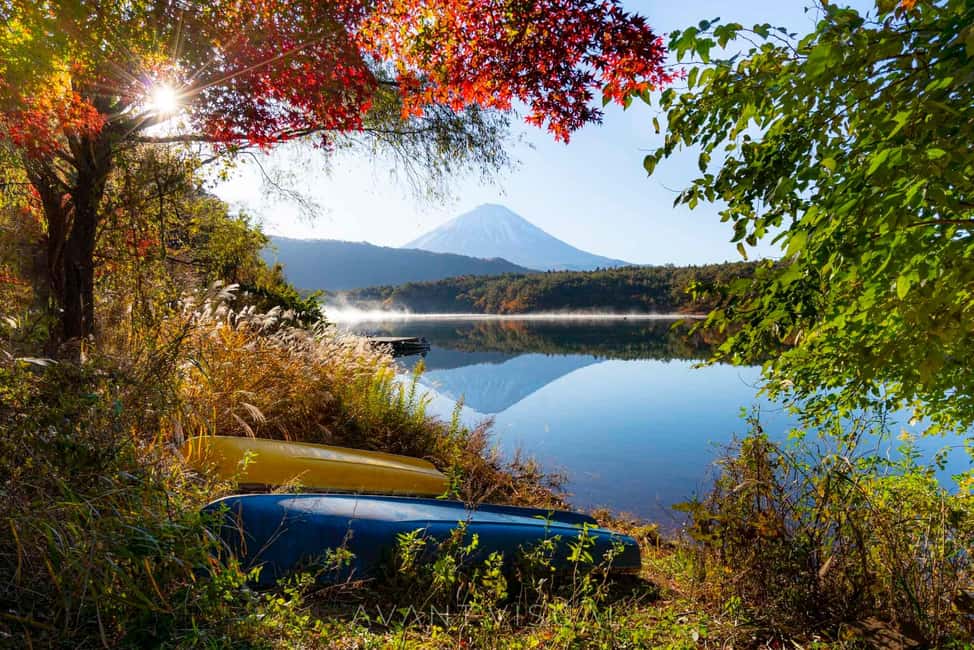
For the iconic shot, the Chureito Pagoda stop is included as an option during the return route, especially when the day runs in the direction of the Lake Kawaguchiko side. This is a “get the postcard composition” stop, and your guide can help time it so you can get photos without turning it into a half-hour panic.
Even if you think you’ve seen Chureito Pagoda photos before, the real reason this stop works is composition. Fuji becomes more than a background mountain when the pagoda and the mountain share the same frame.
Optional stops that help you shape the day: Gotemba, Numazu, and the museum
This tour has room for optional switches, which is useful because not every day should feel identical.
If shopping is your vibe, Gotemba Premium Outlets is offered as a photo stop plus shopping time. It’s listed as about one hour, so it works best for quick browsing rather than a full shopping marathon.
If you want something more food-focused, Numazu Port is listed with fresh seafood as an option. This is a good “reward yourself” add-on after driving and walking.
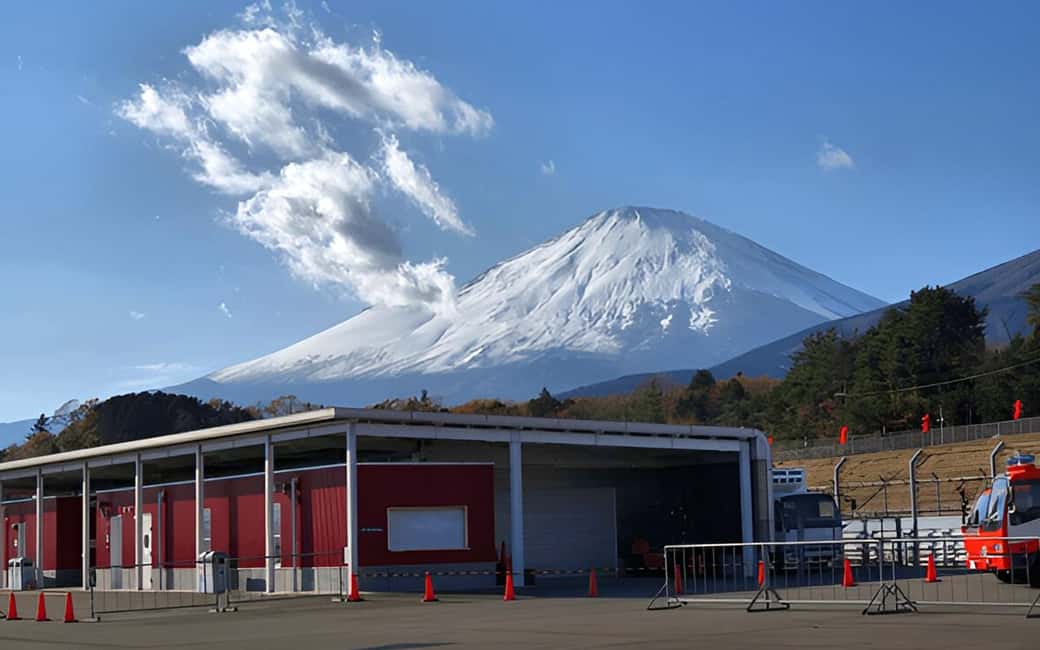
There’s also the Fuji Motor Sports Museum, with a Segway ride listed as part of the visit. Like the other optional blocks, it’s roughly one hour, so it fits when you want a break from pure viewpoints and want something active and fun.
The key is thinking like a guide would. In a tight 10-hour day, you don’t add everything. You choose one optional block that matches your energy: shopping, seafood, or a more playful museum visit.
What your guide actually brings (and why the best days feel personal)
The biggest difference between an ordinary day trip and a great one is the human factor. This tour includes a driver and a guide, and the guide role isn’t just “explain the route.”
I’ve seen guided days where Syed helped adjust the plan on the spot, stretching the experience a bit so the day felt complete instead of rushed. I’ve also seen Saim lead with fun facts during the drive and focus on the lakes in a way that made Lake Yamanaka feel like a must-see rather than a name on a map. Vicky also recommended surrounding spots and suggested a typical restaurant for lunch, with calm, careful driving that keeps everyone comfortable.
If you care about the cultural significance of Mount Fuji, this is built for that. Your guide can put the mountain into Japanese perspective, not only weather and geography. That turns the views into meaning.
Price and comfort: value math, plus one honest note
Let’s talk value. At $322 per group up to 6, you’re paying for privacy and a full day of transportation plus guide time. If you fill the group, you can think in terms of roughly $54 per person (before adding anything you buy on your own). Tickets and meals are not included, but the major logistics are handled.
What’s included that you’ll feel: hotel pickup and drop-off, driver, air-conditioned transportation, and the guide. That’s the difference between spending your morning wrestling trains and spending it looking at Fuji.
The one honest caveat from the experience record: some vehicles may feel basic and a bit noisy. If that would bother you, bring ear protection or plan to use travel time to rest. The trade is you’re buying control and coverage, not luxury.
Practical stuff you should pack and plan for
This tour is outdoors and walking-friendly, so your “what to bring” list matters.
Bring:
- Comfortable shoes (you’ll do some walking)
- A hat and sunscreen (especially on sunny days)
- A camera (this is a photo-heavy day)
- Water (keep hydrated during viewpoints and park time)
Also, be ready to dress for the weather. Mt. Fuji conditions can change quickly, and the day includes both walking areas and longer driving segments.
One more rule to note: pets are not allowed, and fireworks are not allowed. If you’re traveling with animals or you’re planning any event-style extras, this won’t be the right day trip.
Who this trip suits best, and who should think twice
This private Fuji day trip is a great match if you want:
- Fuji viewpoints without transit stress
- A mix of nature, wildlife, and photo stops
- A guide who explains the cultural side of Mount Fuji
- A day plan with smart backups if weather doesn’t cooperate
It’s not suitable for people with back problems, and it’s not suitable for people over 95 years. Also, because there’s some walking (Sky Walk, park areas, viewpoints), you’ll want a solid comfort level on your feet.
Should you book this private Mt. Fuji day trip?
I’d book this if you have one day and you want it to feel full: Fuji Five Lakes photo time, Oshino Hakkai springs, and the big walking moment at Mishima Sky Walk, with Fuji Safari Park as a fun curveball. The best days are the ones where your guide can read the conditions and keep the plan flowing.
You should think twice if your main goal is only Mt. Fuji 5th Station on a clear day. Access is weather/road dependent, and while the tour offers alternatives, it won’t guarantee the station itself.
If you want value, privacy, and a guide-led day built around reachable viewpoints, this is a strong pick for families, couples, and small friend groups who’d rather not spend the day solving logistics.
FAQ
How long is the Tokyo to Mt. Fuji day trip?
It runs for about 10 hours, so you’ll want to plan for a full day starting with pickup in Tokyo and ending back in your area.
How much does the tour cost, and what group size does it fit?
The price is $322 per group, and the group size is up to 6 people.
What’s included in the price?
You get hotel pickup and drop-off, a driver, air-conditioned transportation, and a guide.
Are entry tickets and meals included?
No. Entry tickets and food and drinks are not included, so budget for what you’ll buy on your own during stops.
Where do pickups and drop-offs happen?
Pickup is available within Tokyo’s 23 wards, including areas like Chuo, Chiyoda, Minato, Shibuya, and Shinjuku. Drop-off is also available in several listed areas around Tokyo and Kanagawa.
What if Mt. Fuji 5th Station is closed due to weather?
Access to Mt. Fuji 5th Station can be limited by weather and road conditions. If it’s closed, the plan suggests the best available alternatives, such as focusing more on the Lake Kawaguchiko area.
What are the main stops during the day?
The experience includes Fuji Safari Park, Mishima Sky Walk, and Mount Fuji region sights that cover five lakes (including Lake Yamanaka, Lake Kawaguchiko, and Lake Saiko), plus Oshino Hakkai and photo stops like Chureito Pagoda. Optional stops may include Gotemba Premium Outlets, Numazu Port for seafood, and the Fuji Motor Sports Museum.
What should I bring?
Bring comfortable shoes, a hat, a camera, sunscreen, and water.
Is this tour suitable for everyone?
It’s not suitable for people with back problems, and it’s not suitable for people over 95 years old.
What is the cancellation policy?
You can cancel up to 24 hours in advance for a full refund.