REVIEW · TOKYO
Licensed Guide Tokyo Meguro Cherry Blossom Walking Tour
Book on GetYourGuide →Operated by STIJ · Bookable on GetYourGuide
Cherry blossoms in Tokyo, but without the crush. This 90-minute walk and culture stop hits the famous Meguro River and adds temple and architecture stories that make the petals feel personal.
I especially like the way this tour mixes three very different “Kyoto-free” sights: a river walk for the flowers, Daienji temple for Edo-era context, and Hotel Gajoen Tokyo for an elegant dose of showa-era glamour. You’ll also get an end-to-end flow that doesn’t drag, even with photo stops built in.
One consideration: the meet-up spot is specific. If you arrive and can’t locate the guide quickly, you can end up missing the start, and that kind of failure is hard to fix last-minute.
In This Review
- Quick take
- A 90-minute cherry blossom hit in Nakameguro
- Where to start: Starbucks opposite Nakameguro Station (and how not to miss your guide)
- Meguro River: one of Tokyo’s most photogenic blossom walks
- Daienji Temple: Edo-era fire, rebuilding, and “seven luck” tradition
- Hotel Gajoen Tokyo: the oldest general wedding hall idea, in dignified showa halls
- Shinjuku by bus and the cartwheeling samurai show
- Price and value: $22 for a licensed guide plus multiple themed stops
- Who this tour suits best (and who should think twice)
- Should you book this Tokyo Meguro Cherry Blossom tour?
- FAQ
- Where is the meeting point for the Tokyo Meguro cherry blossom walking tour?
- What’s the tour duration and pace like?
- Is the guide available in English?
- What does the tour include besides the walking?
- When are the cherry blossoms likely to be at their best?
- Where does the tour end?
- What should I bring?
- Is this tour private or group-based?
- Who is this tour not suitable for?
- Is there free cancellation?
Quick take
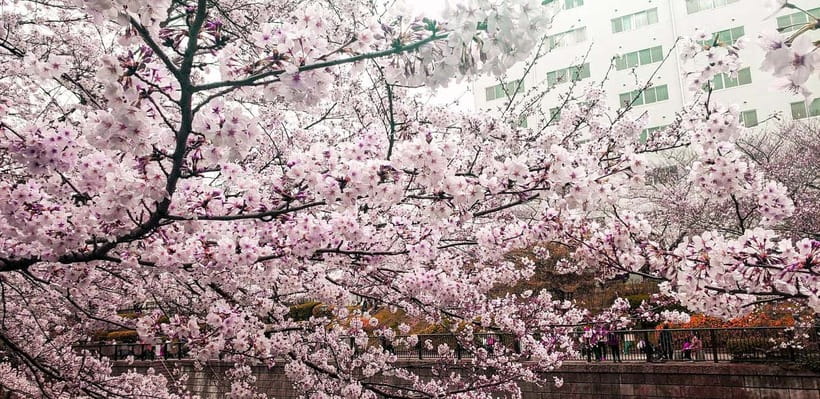
- Meguro River cherry blossoms: the classic viewing stretch, with guided timing during late March to early April.
- Daienji Temple: Edo-fire history tied directly to the temple’s later rebuild.
- Hotel Gajoen Tokyo: a photo-friendly stop at the old general wedding hall concept.
- Ryukyu Castle in Showa vibe: dignified banquet halls with cultural-property status.
- Shinjuku by bus plus a show: cartwheeling samurai, breakdancing ghosts, and taiko drums.
A 90-minute cherry blossom hit in Nakameguro

If your cherry blossom plans include long lines, packed trains, and people jockeying for the best angle, this tour’s pace is a relief. Ninety minutes is short enough to feel efficient, but long enough to get more than postcard snapshots.
The core experience is a guided stroll from the Nakameguro side toward the Meguro River viewing area, built around the bloom season window of late March through early April. If the weather is rainy (or the blossoms are patchy), don’t panic. The tour style is structured so your guide can shift the emphasis to what you can still see and learn.
And because this is an English, licensed guide experience, you get context as you walk. That means you’re not just looking at flowers and temples—you understand why these places matter.
You can also read our reviews of more walking tours in Tokyo

Where to start: Starbucks opposite Nakameguro Station (and how not to miss your guide)
The meeting point is at Starbucks opposite Nakameguro Station, on the Metro of Hibiya line, right across from the Tsutaya Books area. Your guide should be easy to identify: they carry the company logo brochure and a licensed guide certificate.
This sounds obvious, but it’s the difference between a smooth start and a stressful one. One issue that has come up for people is that the guide wasn’t found at the exact spot even when they were on time. So do yourself a favor: arrive a bit early, stand where you can see both entrances, and give yourself a couple of minutes to confirm you’re in the right place.
Practical tip: before you go, open your map app and zoom in on the Starbucks pin. In busy Nakameguro station areas, two nearby “Starbucks-looking” spots can confuse you fast.
Meguro River: one of Tokyo’s most photogenic blossom walks
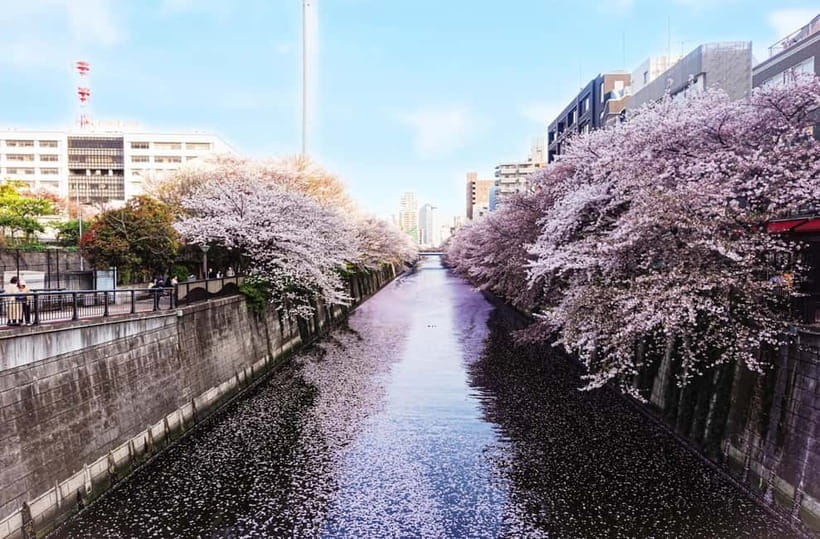
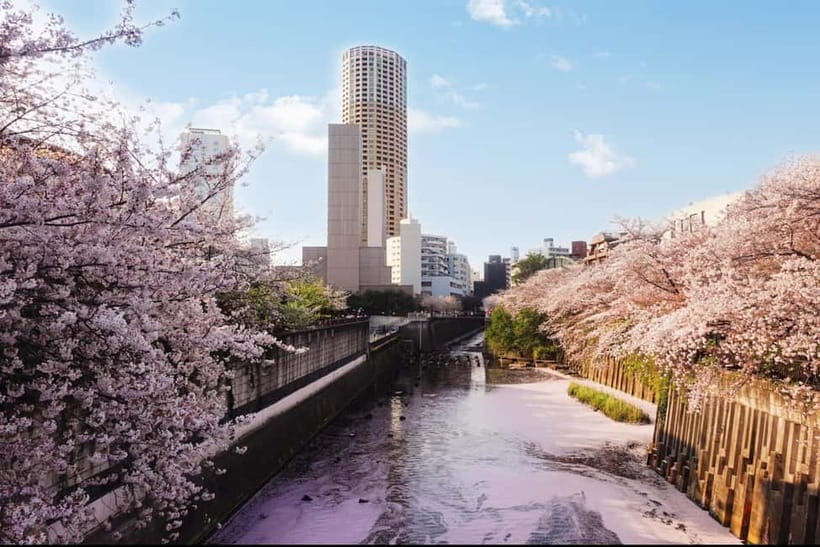
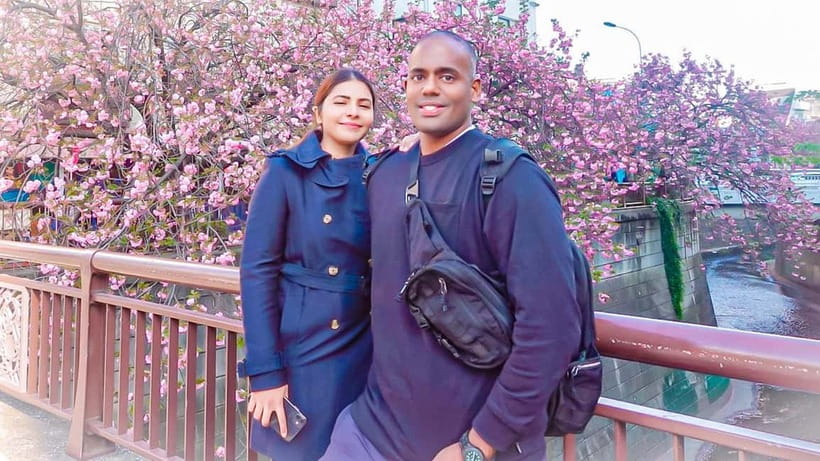
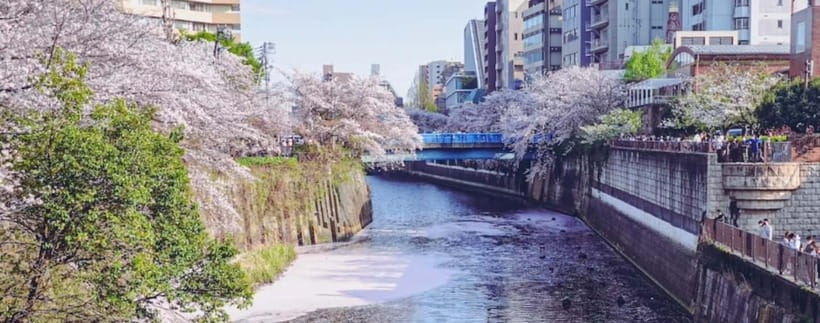
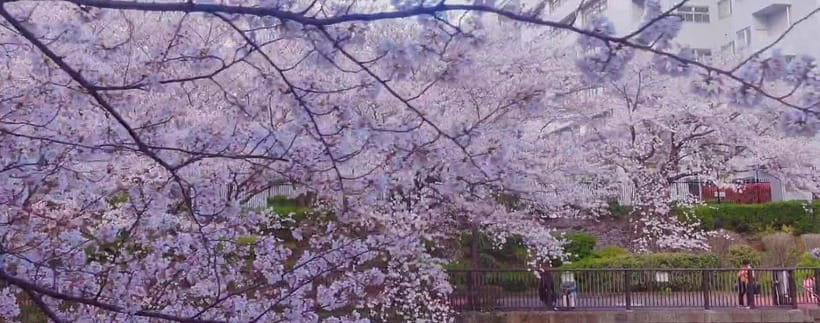
The tour’s walking segment focuses on Meguro River, one of the city’s most famous cherry blossom scenery spots. Expect a scenic route and built-in time to watch the trees as you move along the water.
What I like about this approach is that it doesn’t lock you into one single “best view” spot. Instead, you drift through the river-side atmosphere, which is often where the magic is—petals catching light, reflections on the water, and the sense that the street itself is part of the show.
Keep your eyes open for the little details the guide will point out. Even if you’ve seen cherry blossoms in photos a thousand times, having a guide explain what to look for makes the walk feel fresh rather than repetitive.
Timing note: the cherry blossom season is typically late March to early April. If you book with flexibility, you’re giving yourself a better chance of catching the blossoms at their peak.
Daienji Temple: Edo-era fire, rebuilding, and “seven luck” tradition
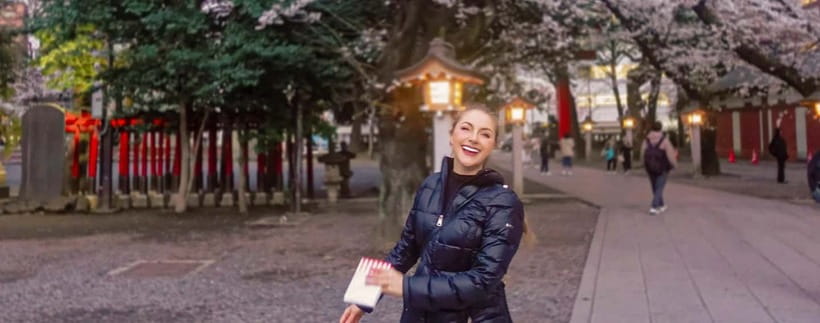
After the river, you head to Daienji temple. This is the kind of stop that turns a beautiful season into a deeper story.
Daienji has an Edo-era connection that’s unusually direct. In the mid-18th century, a fire broke out from the temple area, and Edo became a sea of fire. The temple wasn’t permitted to be rebuilt until the end of the Edo period. Later, it was newly built as a tribute to those who died in the Edo fire.
So when you’re standing in a temple courtyard, you’re not only admiring architecture—you’re seeing a physical marker for a major historical event and its long aftermath.
Also, Daienji is known as one of the seven luckiest temples during the Edo era. That matters for how locals might think about it: it’s not just sightseeing. It’s tied to the older rhythm of pilgrimage and luck.
What to consider: this part is still part of a walking tour, so comfortable shoes are not optional. Even though the route isn’t described as a long hike, temples and river-side streets in Tokyo still mean real walking.
Hotel Gajoen Tokyo: the oldest general wedding hall idea, in dignified showa halls
Next comes Hotel Gajoen Tokyo, a major photo stop and guided pass-by experience. This is where the tour adds an architecture-and-lifestyle layer that feels different from most blossom tours.
In 1931, the Meguro Gajoen concept opened as a restaurant named after Meguro. It’s described as the first general wedding hall in Japan. But it wasn’t only weddings on the menu. It also served authentic Beijing cuisine and Japanese cuisine, which helped it attract not just elites but everyday people too.
A key detail you’ll hear is how they made the idea accessible: prices were placed on the menu, and other innovations helped ordinary visitors feel welcome. That’s a practical social insight, not just trivia. It explains why the place gained popularity across different social levels.
Inside, the banquet hall interior style is sometimes nicknamed “Ryukyu Castle in Showa,” pointing to the dignified decoration that makes the building feel theatrical without being loud.
There’s also an official recognition element. On March 16, 2009, the Tokyo Metropolitan Government designated four of the seven banquet halls as tangible cultural properties (buildings). That means you’re not looking at something random for photos; you’re stepping near spaces with formal cultural status.
What to expect on the ground: you’ll get a guided look and time for photos, but not a full deep architectural tour. If you care a lot about interior detail, consider bringing a phone camera and asking your guide what to focus on at the stops you’ll pass.
You can also read our reviews of more guided tours in Tokyo


Shinjuku by bus and the cartwheeling samurai show
The tour also includes a bus ride around Shinjuku with a national government-licensed guide, followed by a performance. This is the tonal shift that makes the experience feel like more than a cherry blossom walk.
The show description is pure energy: cartwheeling samurai, breakdancing ghosts, and taiko drums. If you’re the type who likes your cultural day to have a live, kinetic finish, this part will land well.
Even if you’re primarily there for the blossoms and temples, I’d treat this as a bonus that adds variety. It’s also useful if the weather turns. A performance is one of the easiest ways to keep your day enjoyable while you still squeeze in the rest of the Tokyo highlights.
One thing to watch for: because this segment isn’t laid out in minute-by-minute detail here, stay flexible. Your best move is to keep your schedule calm for the 90-minute window and follow the guide’s lead on where you’re going next.
Price and value: $22 for a licensed guide plus multiple themed stops
At $22 per person for a 90-minute experience, the value is mostly about what’s included, not what’s skipped.
You’re paying for:
- a licensed English guide
- a structured walk that stitches together three distinct locations
- guided stops with photo time
- plus the added Shinjuku bus view and show segment described in the highlights
If you’ve ever tried to “DIY” a cherry blossom itinerary in Tokyo, you know the hidden costs: time lost figuring out the route, language friction, and the odds you’ll miss something important. Even with your own transit skills, you still need context to make history and architecture click.
This tour aims to solve that in one compact block. The price feels low for the mix—especially during blossom season when everything else is crowded and rates creep up.
The only real value risk is if you have a bad start (like not locating the guide) or if blossoms aren’t at their best. In those cases, you might not get the exact cherry blossom payoff you hoped for, but the guide’s knowledge and flexible emphasis should still make the time worthwhile.
Who this tour suits best (and who should think twice)
This experience is ideal if you want:
- a short, guided cherry blossom outing in Tokyo
- Edo-era story context tied to real sites
- a blend of scenic, religious, and showa-era architectural stops
- an energetic live performance finish
It may be less ideal if:
- you’re traveling with anyone under 3 years old or a baby under 1 year (not suitable)
- you have altitude sickness concerns
- you’re over 95 years old (not suitable)
- you need extremely hands-free navigation and worry about meeting a guide at a specific spot at a specific time
In short: it suits active adults and older kids who can comfortably walk for a short urban route and enjoy both history and performance.
Should you book this Tokyo Meguro Cherry Blossom tour?
Book it if you’re chasing the classic Meguro River cherry blossoms look but you also want meaning behind the temples and buildings you see. The $22 price makes it a smart way to spend one pleasant stretch in Tokyo without turning the day into a logistical puzzle.
I’d hesitate only if meeting-point accuracy is a big stress point for you. This tour’s success depends on finding your guide at Starbucks across from Nakameguro Station. If you tend to get turned around, build in extra buffer time and double-check the exact meeting spot.
If your goal is a compact cherry blossom experience with real guide-led context and a fun, theatrical ending, this is a solid choice.
FAQ
Where is the meeting point for the Tokyo Meguro cherry blossom walking tour?
Meet your guide at Starbucks opposite Nakameguro Station, across from Nakameguro Tsutaya Books, on the Metro of Hibiya line.
What’s the tour duration and pace like?
The tour lasts 90 minutes and includes a walking route with guided time at each stop, plus photo and pass-by moments.
Is the guide available in English?
Yes. The live tour guide speaks English.
What does the tour include besides the walking?
In addition to the walking and temple/architecture stops, the tour includes a bus tour around Shinjuku and a show featuring cartwheeling samurai, breakdancing ghosts, and taiko drums.
When are the cherry blossoms likely to be at their best?
The season is between late March and early April, usually.
Where does the tour end?
The tour ends at JR Meguro Station.
What should I bring?
Wear comfortable shoes.
Is this tour private or group-based?
It’s listed as a private group.
Who is this tour not suitable for?
It is not suitable for children under 3 years old, babies under 1 year, people with altitude sickness, and people over 95 years old.
Is there free cancellation?
The tour offers free cancellation up to 24 hours in advance for a full refund.