REVIEW · TOKYO
Daikoku Meet in a Subaru WRX
Book on GetYourGuide →Operated by Tokyo Cars · Bookable on GetYourGuide
One meeting. One car obsession. Then Tokyo at night. This short tour packages the parts-and-people side of Japanese car culture, plus real skyline time with Daikoku PA and Tokyo Tower.
I especially like the Super Autobacs stop because it is not just window-shopping; it feels like a car workshop that happens to sell cool stuff. I also love how the day ends with city views, including the drive across Rainbow Bridge, instead of only standing around at car spots.
One possible drawback: the Daikoku meet time can shrink if local authorities move people along, so you’ll want to stay flexible and be ready for a slightly shorter hangout.
In This Review
- Key moments you’ll care about
- Getting Oriented at LaLaport Toyosu (and why that matters)
- Super Autobacs: parts, tools, and the joy of Japanese car shopping
- Daikoku Parking Area car meet: what you’re really paying for
- Rainbow Bridge: skyline views with the perspective most people miss
- Tokyo Tower at night: souvenirs and iconic lighting
- The guide experience (Shigeru, Ken, and making it feel easy)
- Price and value: is $141 for 4 hours worth it?
- How to make the most of your 4-hour schedule
- Who this tour fits best (and who might want something else)
- Should you book the Daikoku Meet in a Subaru WRX?
- FAQ
- Where does the tour meet?
- How long is the tour?
- What stops are included?
- What’s included in the price?
- What languages are offered by the guide?
- Are car meet times guaranteed?
- Can I cancel or pay later?
Key moments you’ll care about
- Super Autobacs first: a quick, focused taste of Japanese aftermarket parts, tools, and accessories.
- Daikoku Parking Area car meet: a concentrated slice of JDM life, from everyday favorites to serious exotics.
- You get time to roam: the schedule gives you moments to look around rather than only sitting in the group.
- Rainbow Bridge drive-by views: picture Tokyo skyline angles from the road, not just postcards.
- Tokyo Tower at night: iconic lighting and souvenir shopping as your final “Tokyo finish.”
Getting Oriented at LaLaport Toyosu (and why that matters)
The tour starts at GLOBAL WORK ららぽーと豊洲, inside LaLaport Toyosu. Your real meeting cue is the entrance of the Hands store next to Global Work on the 1st floor. That extra detail is useful because LaLaport is big, and car-meet day energy can make you move faster than your phone can follow.
You’ll likely get a quick check-in, then you’ll head straight into the shopping portion. This matters because the best part of a short tour is not wasting early minutes. You’re only out for about 4 hours, so the pacing is set up so you actually see Daikoku PA and Tokyo Tower—not just hear about them.
If you’ve ever shown up late to a meetup, you’ll be glad the tour uses a live guide. People have gotten lost before, and the guides have handled it calmly enough for you to get back on track. Still, I’d recommend planning to arrive a bit early so you don’t start your car day with stress.
You can also read our reviews of more tours and experiences in Tokyo.
Super Autobacs: parts, tools, and the joy of Japanese car shopping
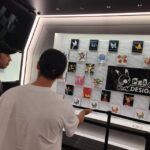
Super Autobacs is the first big stop, and it’s more than a store. It’s a car-enthusiast environment where you can browse accessories, parts, and tools with the same mindset as the people who install and track them. Even if you don’t buy anything, it gives you context for the culture you’ll see at Daikoku PA later.
You get about 30 minutes of shopping, so I’d treat it like a guided sprint. Look for three things:
- Something you can actually picture on a real car (filters, interior accessories, small upgrades).
- A tool or product that shows how Japanese workshops think.
- A souvenir-style item that’s easy to bring home.
This is also a smart momentum builder. Instead of walking into the parking-meet scene cold, you start by seeing the ecosystem that supports it: the aftermarket, the branding, the practical gear, and the enthusiasm around upgrades. If you’re a photographer, this stop can also give you details to shoot—product signage, branded displays, and the kind of car culture language you won’t get from typical sightseeing.
Daikoku Parking Area car meet: what you’re really paying for
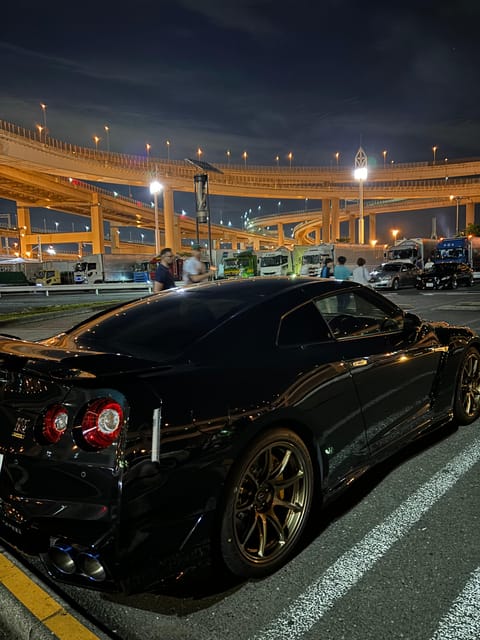
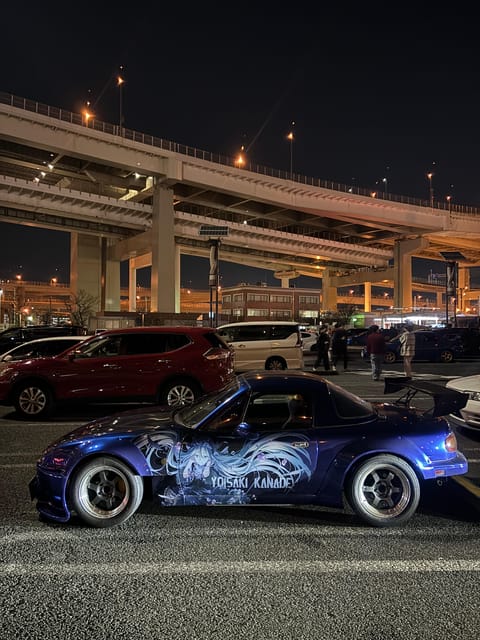
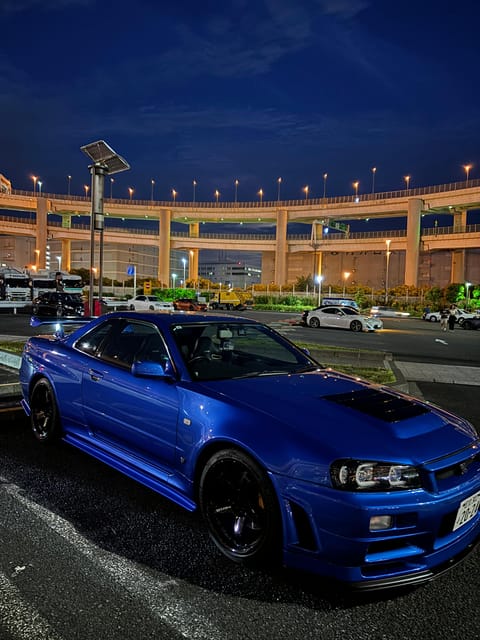
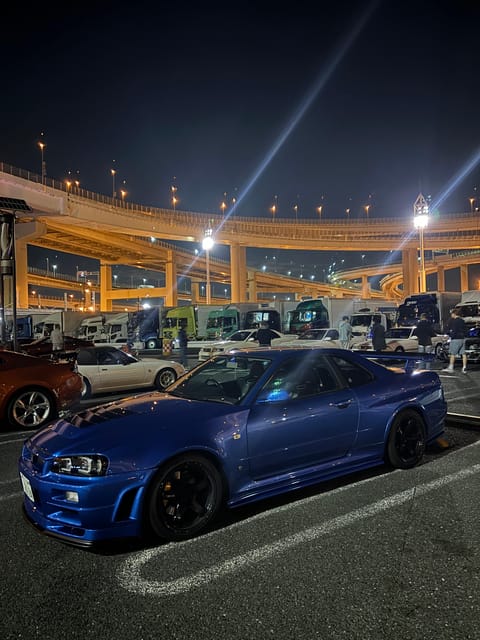
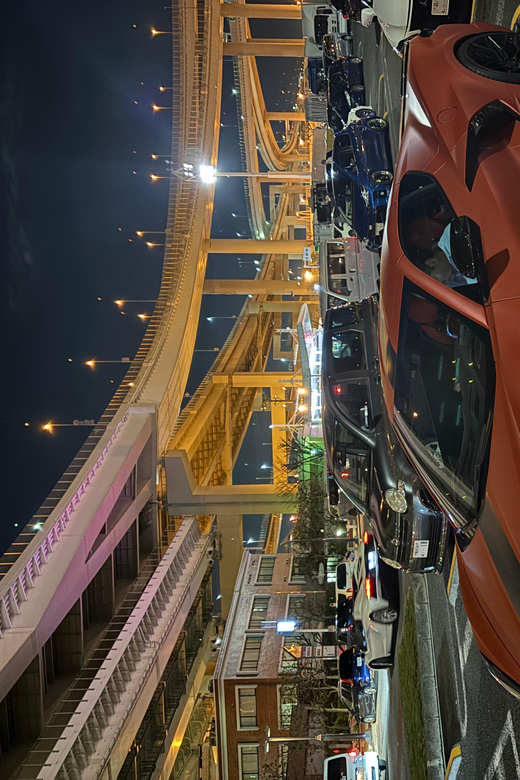
Daikoku Parking Area is the headline, and for good reason. This is one of those Tokyo-area places where you see a dense concentration of car culture in a short radius. Expect a mix that can range from classic Japanese domestic models to more dramatic supercars. The point isn’t just seeing cars—it’s watching how a community gathers around them.
You get about 1 hour at Daikoku PA. That’s a real window. It’s long enough to walk the area, spot interesting builds, and take photos without rushing every 30 seconds. It’s also short enough that the day still works with Rainbow Bridge and Tokyo Tower.
Here’s the practical thing to know: the meet can be cut short by police. That doesn’t mean you’ll have a bad experience—it means the schedule is subject to what happens on the ground. So my advice is to use your first few minutes for the biggest photo angles and your must-see car types, so you’re not disappointed if time compresses later.
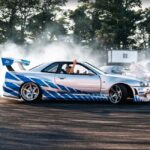
Also, don’t underestimate the social feel. Even if you only read body language and camera flashes, you’ll get the rhythm: people checking each other’s setups, the calm “car-first” conversation vibe, and the way everyone reacts to famous models. If you own a Nissan GT-R, you’ll likely feel extra satisfaction seeing how revered that kind of car is in Japan’s enthusiast world.
Rainbow Bridge: skyline views with the perspective most people miss
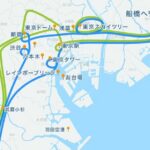
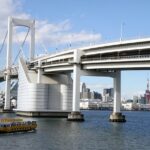
After Daikoku, you’ll pass Rainbow Bridge. The drive includes a view of the city and crossing the bridge, plus a quick sightseeing pass. You’re not getting a long stop here, so treat it like a moving photo moment: windows down (if the weather allows), camera ready, and expect Tokyo to look different from the road.
The value of Rainbow Bridge in a tour like this is simple. You get variety. One hour you’re in the car-meet zone, focused on metal and engineering. Then you’re in the open air—Tokyo’s skyline geometry showing how dense and organized the city is. That contrast is part of what makes the whole day feel like more than a single-interest outing.
If your timing lines up for evening light, you’ll likely get that warm-to-night transition effect—lights gradually switching on—so your photos won’t all look flat. And even if you just enjoy it from your seat, the bridge crossing gives you a sense of scale you can’t replicate in a short train ride.
Tokyo Tower at night: souvenirs and iconic lighting
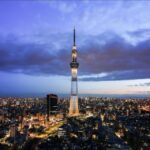
The day’s Tokyo finale is Tokyo Tower, timed so you can enjoy it with evening lighting. This matters because Tokyo Tower is famous in daylight, but it’s also a night landmark—especially when the city glow wraps around it.
Your visit includes time at and around the tower area, plus shop time for unique souvenirs. That’s one of those small but meaningful tour extras. It saves you from having to guess what to buy at the last minute, and it turns your final stop into something you can take home, not only something you photograph.
The tour also includes skip-the-line through express elevators. The practical benefit for you is time. With only four hours total, every minute helps, and express access can prevent the day from feeling like it turns into a line-waiting contest.
The guide experience (Shigeru, Ken, and making it feel easy)
A big part of why this tour works is the human layer. You’ll have a live guide available in English, Japanese, and Russian, and the vibe is friendly, not stiff. Names you might hear include Mr. Shigeru and Ken, and both show up in past guests’ experiences as attentive and helpful.
What that translates to for you: you’re not just dropped at locations. You get explanation, context, and—just as important—someone who can read the situation if plans shift. When the meet is shorter than expected, the guide’s job is to help you still get value out of the time you have.
Guides also tend to give you roaming space. In other words, it’s not a constant “follow me, follow me.” You get moments to walk, look, and take photos at your own pace, then regroup when needed. That balance is perfect for car people: you want freedom, but you also want someone who knows where the best angles and timing are.
Price and value: is $141 for 4 hours worth it?
At $141 per person for about 4 hours, you’re paying for four things that add up quickly in Tokyo: transport, a guide, access help, and the concentration of stops.
First, you’re not just going to one place. You’re combining Super Autobacs, Daikoku PA, Rainbow Bridge, and Tokyo Tower in one run. That’s a lot of logistics for a single day. Second, the tour includes things like gasoline and highway tolls, which makes it feel more like a managed ride than an DIY transfer.
Third, you’re getting guided car culture context—how to look at what you see, what parts of the scene matter, and how to make the most of limited time at Daikoku PA. For many visitors, that’s the difference between seeing cars and understanding why people care.
The one value-check I’d recommend: come ready to be present. This is not a long museum-style day. It’s a focused hit of car culture plus iconic Tokyo views. If you want two-hour buffer times for wandering into every shop and every side street, you might feel rushed. But if you like tight pacing and clear highlights, this price-to-time ratio can feel fair.
How to make the most of your 4-hour schedule
This tour is short, so your preparation affects your enjoyment. Here are the most practical moves:
- Eat beforehand. There’s time for a shopping stop and sightseeing segments, but there’s no guarantee you’ll get a meal window. One guest specifically noted they skipped dinner and it would have been better to handle food first.
- Bring a charger or power bank. You’ll likely take a lot of photos at Daikoku PA and Tokyo Tower.
- Plan for shifting timing at the meet. Police can shorten the Daikoku stay. When that happens, your best strategy is to already have a photo plan.
- Wear shoes you can walk in. Daikoku PA is a parking area environment—flat, but you’ll still be moving for photos and spotting details.
- Keep your meeting point simple in your head. Hands store entrance next to Global Work, inside LaLaport Toyosu. That clarity saves time.
If you’re the type who enjoys cars, even casually, this tour is built for you. If you’re a photographer, it’s also strong because it mixes “detail browsing” at Super Autobacs with “large subject” car-meet shots and then skyline night lighting at Tokyo Tower.
Who this tour fits best (and who might want something else)
I think this tour is a great match if you:
- Love Japanese car culture and want to see it in real life, not only online.
- Want a short, efficient day that still includes Tokyo Tower as a classic stop.
- Prefer small groups or private pacing so you can roam without feeling trapped.
If you don’t care much about cars, you might find Daikoku PA less engaging than Tokyo’s other sights. In that case, Tokyo Tower plus Rainbow Bridge can still be worth it, but you’d be paying mainly for the car portion. So the real question is what you want most: car culture, or standard sightseeing. This is built for the first one.
Also, if you dislike the idea of changing plans due to on-site rules, remember the possible Daikoku time compression. It’s not controllable, but your flexibility will make it feel smooth instead of annoying.
Should you book the Daikoku Meet in a Subaru WRX?
I’d book it if you want a compact, high-energy day where Tokyo’s automotive scene meets iconic landmarks. The biggest strengths are the car-focused lineup (Super Autobacs + Daikoku PA) and the night skyline payoff (Rainbow Bridge views plus Tokyo Tower).
You should think twice only if you hate uncertainty. A police presence can alter the Daikoku meet length, and since the whole tour is just 4 hours, you’ll feel it more than on longer tours.
My final take: if you’re a car person and you want Tokyo that feels a little more personal than the usual route, this hits the target. Plan to arrive on time, eat before you go, and be ready to enjoy whatever the meet scene gives you in the moment.
FAQ
Where does the tour meet?
You meet at the entrance of the Hands store next to the Global Work store on the 1st floor inside LaLaport (GLOBAL WORK ららぽーと豊洲 / LaLaport Toyosu).
How long is the tour?
The duration is 4 hours.
What stops are included?
The tour includes Super Autobacs, Daikoku Parking Area, a Rainbow Bridge drive/pass by, and a visit to Tokyo Tower.
What’s included in the price?
The tour includes gasoline, highway tolls, and drop-off in central Tokyo. It also includes the Rainbow Bridge drive-by views and express elevator access where applicable, plus a live guide.
What languages are offered by the guide?
The live guide is available in English, Japanese, and Russian.
Are car meet times guaranteed?
Daikoku PA is scheduled for a 1-hour visit, but the meet can be affected by on-site conditions such as police activity, which may shorten time.
Can I cancel or pay later?
Free cancellation is available up to 24 hours in advance for a full refund, and there is a reserve now & pay later option to keep plans flexible.