REVIEW · KAMAKURA
Kamakura; First Samurai Capital walking tour
Book on GetYourGuide →Operated by Alpha Creation · Bookable on GetYourGuide
Samurai stories start in calm streets. This Kamakura walk takes you from the first shogun’s power base to two major Zen stops, then lands you in the world of 800-year-old Kamakura Lacquerware.
What I like most is the mix of big-time symbolism and small details you can actually see up close. I also love the licensed English guide approach, with clear explanations of temple architecture and why it matters.
The main drawback: it is a lot of walking, ups and downs, and there are stairs (including a 135-step climb), so plan for your legs and energy.
In This Review
- Key points to know before you go
- Kamakura in 3.5 Hours: Samurai Power to Zen Quiet
- Starting at Kita-Kamakura Station (and not getting it wrong)
- Engaku-ji: Sanmon Gate to the 135-Step Bell
- Kencho-ji: Bigger Zen Scale After a Short Stroll
- Tsurugaoka Hachimangu: The Hilltop Shrine and Dankazura’s 450m Walk
- Kamakurabori Lacquerware Museum: Craft From Buddhist Workshops
- Price and What You Actually Get for $63
- What to Expect on the Ground: Pace, stairs, and weather
- Is This Tour for You? (Quick fit check)
- Should You Book This First Samurai Capital Walking Tour?
- FAQ
- How long is the Kamakura First Samurai Capital walking tour?
- Where does the tour start, and where is the meeting point?
- What is included in the tour price?
- What is not included?
- Is the tour free cancellation?
- Do I need to pay temple fees, and what about Goshuin?
- Is there any accessibility limitation?
Key points to know before you go
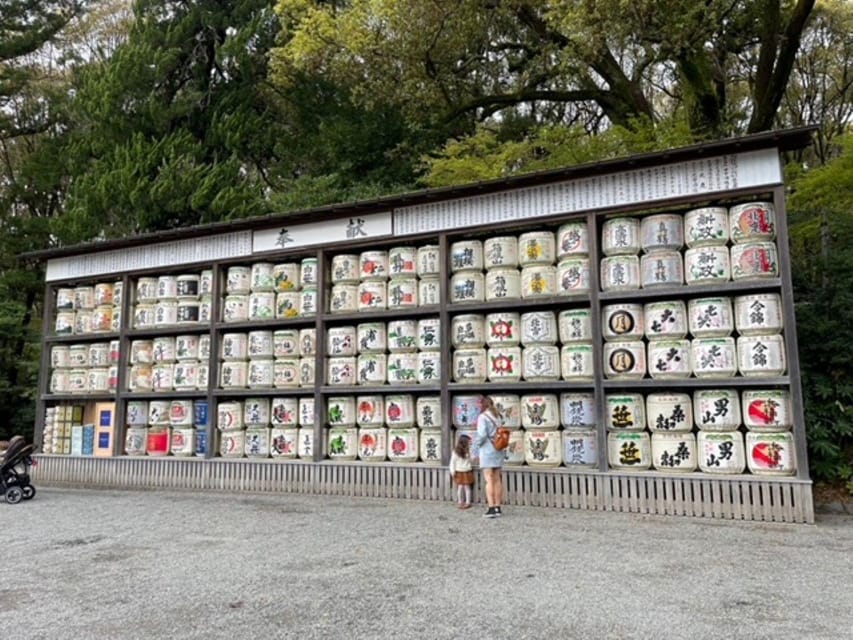
- Kita-Kamakura to Zen temples: a short jump off the train line, then straight into Engaku-ji and Kencho-ji.
- Engaku-ji’s 135 stairs: you earn the view and the national treasure temple bell at the top.
- Tsurugaoka Hachimangu + Dankazura: a 450m walkway with hilltop shrine vibes and cherry blossom season cred.
- Kamakura-bori lacquerware: an actual traditional craft story, not just museum photos.
- Small group of up to 4: easier questions, fewer bottlenecks, and a more personal pace.
- Rain or shine: bring weather gear and expect the day to run.
Kamakura in 3.5 Hours: Samurai Power to Zen Quiet
Kamakura can feel like a peaceful seaside town until you slow down and think about what happened here. This tour builds that switch in your head: samurai-era authority, Zen discipline, then a craft tradition born in temple workshops.
You’ll get two major Rinzai-Zen temples and one iconic shrine tied to the first shogun’s legacy. That combination is the whole point: Kamakura is where you can see how politics, religion, and everyday objects all fed each other.
You can also read our reviews of more walking tours in Kamakura
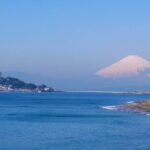
Starting at Kita-Kamakura Station (and not getting it wrong)
You start at Kita-Kamakura Station, East exit. The info that helps most here is simple: the Yokosuka line is the only train line that stops at Kita-Kamakura, so you need the correct train to arrive without extra juggling.
Kita-Kamakura station is long. If you’re arriving from Tokyo, ride in the carriage closest to the driver and exit through the ticket gate at the front of the platform. For the opposite direction (heading toward Tokyo), take the back carriage, cross the railroad crossing, and exit through the closest ticket gate.
It’s also worth slowing your steps at the start. The tour asks you not to cross the railroad crossing the wrong way to reach the other side before you’re meant to, which can save you stress right away.
Engaku-ji: Sanmon Gate to the 135-Step Bell
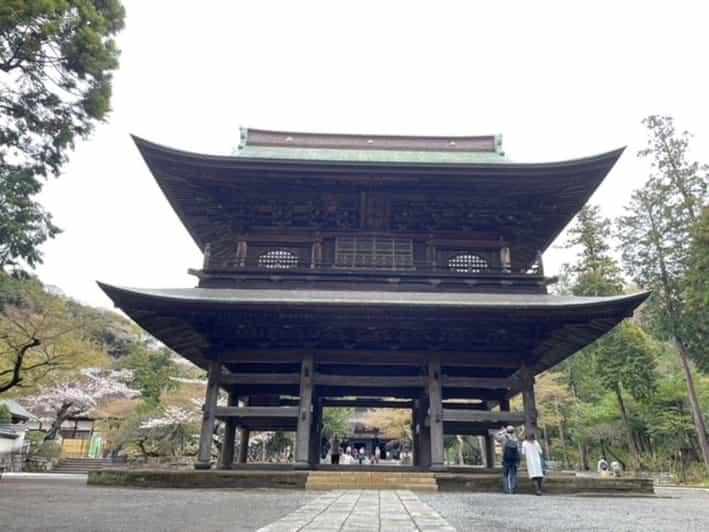
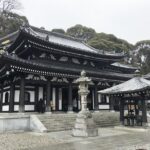
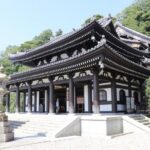
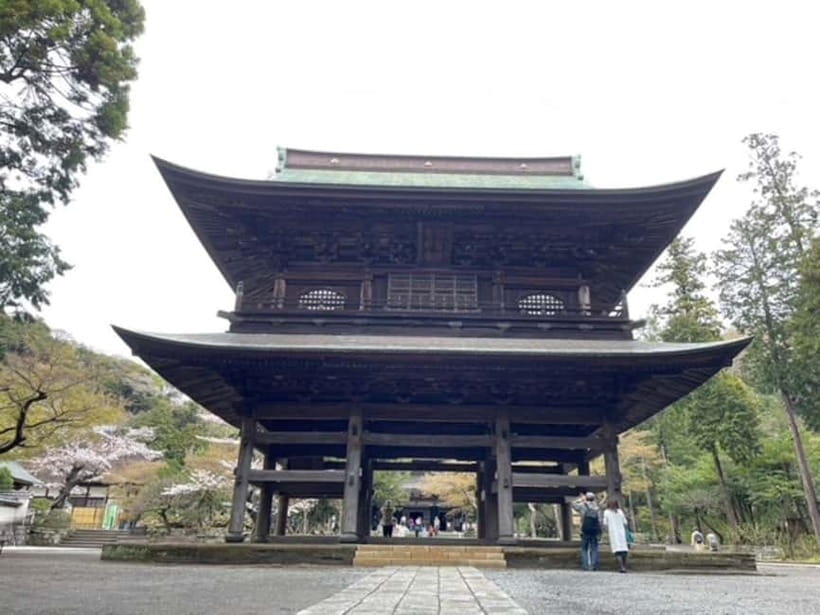
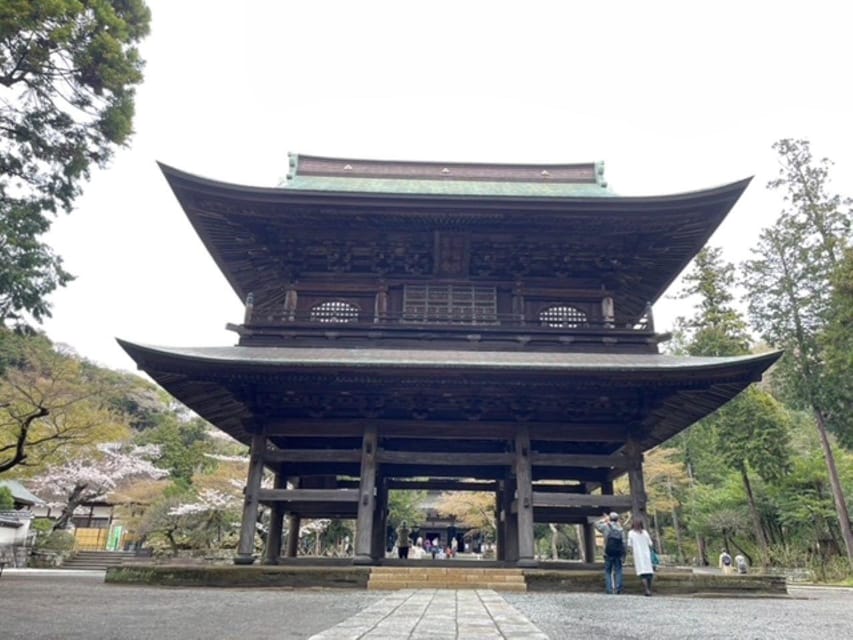
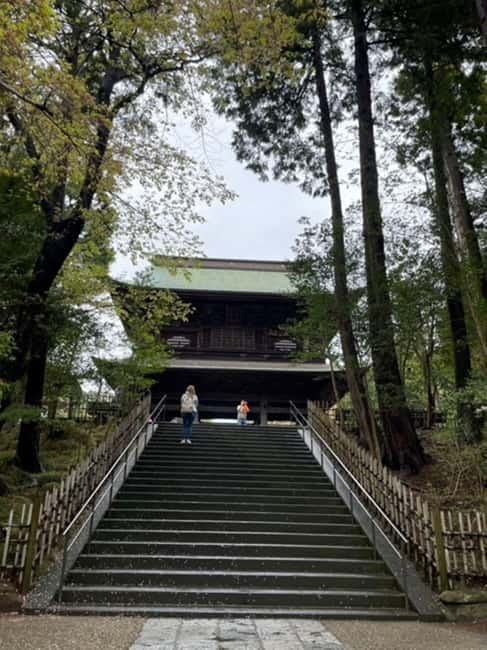
Engaku-ji is your first big temple stop, and it’s a strong start because it’s close to the station. You’ll walk in through the Sanmon Gate, which is the kind of entrance that makes you adjust your pace without anyone telling you to.
Inside, you go from the Butsuden (Buddha Hall) area toward other key spaces like the Hatto (Dharma Hall). The ceiling in the Hatto is painted with a dragon, and it’s the kind of detail that turns a temple visit into a visual memory, not just a checklist.
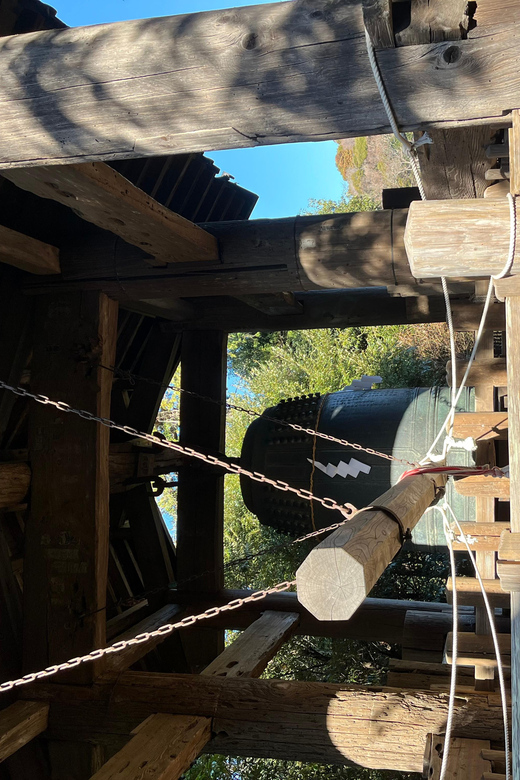
Then comes the workout: you climb 135 stairs to reach the Bonsho (temple bell), listed as a national treasure. If your body is willing, this is the moment that feels earned. You’re not just walking in circles; you’re moving upward in a way that matches the temple’s own drama.
One important heads-up: the Butsuden is noted as closed for maintenance until 2027. So you should expect the visit to still focus on the other major halls and the bell climb, with less emphasis on that specific Buddha Hall stop while it’s under maintenance.
Kencho-ji: Bigger Zen Scale After a Short Stroll
After Engaku-ji, you’ll walk for about 15 to 20 minutes to the next temple, then spend time at Kencho-ji. This part of the day works well because the transition is short, and you don’t lose the Zen mood you just built.
Kencho-ji is described as the most prestigious Zen temple in Kamakura. Here, the main halls you’ll see are on a grander scale than your first stop, including the Sanmon Gates and the Hatto area again. The idea is that Rinzai Zen has a recognizable structure, but the scale and feel change as you move through different temples.
If you’re the type who likes comparing buildings, this stop is a gift. You’ll likely notice how the gates, halls, and route through the grounds shape your attention. The walk also gives your legs a breather between the two temple sequences, even if you still expect plenty of steps.
Tsurugaoka Hachimangu: The Hilltop Shrine and Dankazura’s 450m Walk
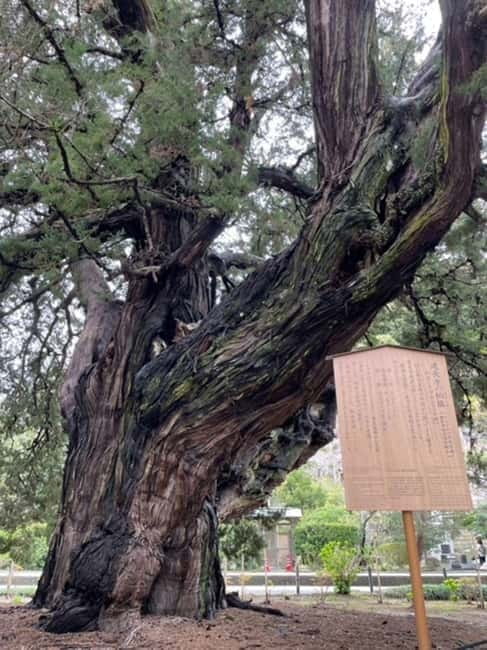
When you reach Tsurugaoka Hachimangu, the tone changes again. This shrine was built to project the power of the first shogun, and it’s been a symbol of Kamakura ever since. It’s dedicated to Hachiman, a deity connected with good fortune in warfare, which helps explain why this site feels so tied to power rather than just worship.
The setting matters. It sits at the top of a hill, and that gives you the scenic view effect that you can’t get from temple grounds in a flat city grid.
A big piece of the approach is Dankazura, a 450m walkway that extends from the old seacoast to the Third Torii gate. It was built by the first shogun as part of praying for the safe delivery of an heir. That detail adds a human note to what can otherwise feel like stone and ceremony.
Dankazura is also famous for cherry blossoms. Even if your visit isn’t during peak bloom, knowing that the route is designed to be walked with seasons in mind helps you understand why people love lingering there.
From the Third Torii gate you’ll move toward the Second Torii gate, which is where Dankazura’s road is described as starting in the current layout. It’s a clear, story-driven progression as you cross from the approach area into the shrine grounds.
Kamakurabori Lacquerware Museum: Craft From Buddhist Workshops
The last stop is where the tour does something smart: it shifts from monuments to objects. You’ll visit the Kamakurabori Lacquerware Museum, plus a local gift shop and cafe area afterward.
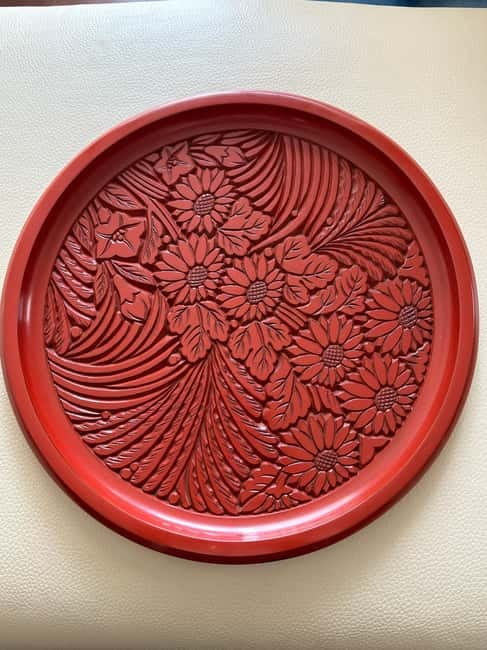
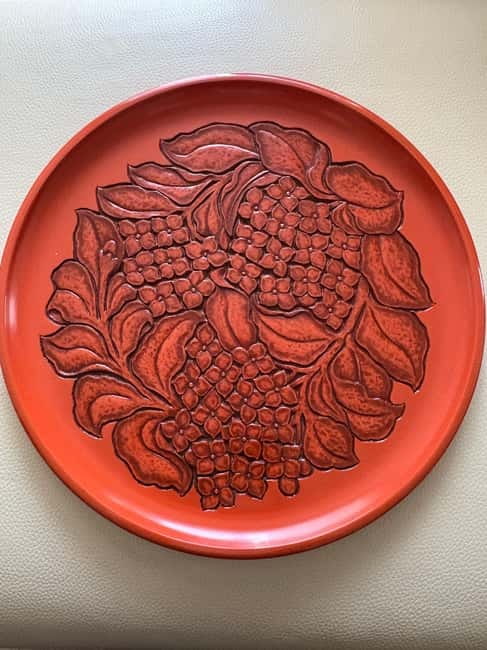
Kamakura lacquerware is described as a traditional craft dating back about 800 years. One of the best parts is the origin: it was originally made by Buddhist sculptors, which ties the craft directly to the temple world you just walked through. That connection makes your whole day click.
During the Edo period, it expanded beyond Buddhist ritual items into daily goods. Today, it’s still used in contexts like tea ceremonies, so you’re not just seeing an old craft behind glass. You’re seeing how it kept a role in Japanese daily culture.
The museum focuses on works from the Muromachi period (1336 to 1568) through to the present day. That time span gives you a sense of continuity, not a single isolated craft moment. And if you like bringing something home that has a real story behind it, this is a better ending than simply browsing souvenirs.
Price and What You Actually Get for $63
The price is listed at $63 per person for a 210-minute (about 3.5 hour) English walking tour with a licensed guide, plus the admission fee for the Kamakura Lacquerware Museum.
Temple entry fees are not included, and the estimate given is about ¥500 per temple. Since you’re visiting multiple temples, budget for a temple entry total on top of the tour price. It’s a small add-on, but it’s worth planning so the day stays smooth.
So does the price make sense? For me, it does because you’re paying for more than “walking to places.” You’re paying for guide-led context: how Kamakura’s power structure shaped religious sites, and how Zen architectural elements are meant to be read. Museum admission is included too, which helps the value land cleanly at the end.
Also, small group matters here. The group is limited to 4 people, and that usually means you can ask follow-ups and move at a pace that doesn’t feel like a race.
What to Expect on the Ground: Pace, stairs, and weather
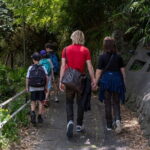
This tour is rain or shine. That’s not a “deal breaker” statement; it’s a reminder to pack for reality. Wear weather-appropriate clothing and comfortable shoes because you’ll have ups and downs and stairs throughout the day.
Your body should plan for at least one big stair moment at Engaku-ji: 135 steps to Bonsho. If stairs make you nervous, you’ll still be okay if you go slow and use the rhythm of your group, but this is not a flat stroll.
In summer, bring drinks and hats to protect yourself from the hot sun. The day also asks you to carry some cash for temple entrance fees. If you want a Goshuin (temple stamp/calligraphy book), it’s noted as about ¥500.
Finally, the tour is not suitable for wheelchair users, and it’s not meant for people with a cold. There’s also a stated upper age limit of over 95, so check that before you book.
Is This Tour for You? (Quick fit check)
This is a great fit if you want Kamakura to feel more than scenic. You’ll like it if you care about how Zen temples are designed and how a shogun’s political goals shaped religious space.
It also works well if you like crafts with a chain of meaning. The lacquerware stop isn’t just a souvenir shop; it’s a chance to connect what you saw in temple halls with objects made by temple hands.
If you’re looking for a totally easy, minimal-walking day, you might want to choose another plan. Between stairs and the temple-to-temple hops, you need decent walking comfort.
Should You Book This First Samurai Capital Walking Tour?
Yes, I’d book it if you’re excited by the combination of samurai-era symbolism, Zen temple structure, and Kamakura lacquer craft. The 4-person group size and the licensed guide setup make this feel like a guided day you can actually learn from, not just a tour where you glance and move on.
I’d skip or reconsider if stairs are a problem for you, or if you’re traveling with a cold and don’t want to spend the day exposed in a rain-or-shine schedule. Also keep the Butsuden maintenance note in mind, so you don’t come expecting a specific hall stop to be open no matter what.
If you do book, bring comfortable shoes, some cash, and your curiosity about why these places were built the way they were.
FAQ
How long is the Kamakura First Samurai Capital walking tour?
The duration is 210 minutes, or about 3.5 hours.
Where does the tour start, and where is the meeting point?
Meet at Kita-Kamakura Station, East exit.
What is included in the tour price?
It includes a 3.5-hour walking tour in English with a licensed guide, plus admission to the Kamakura Lacquerware Museum.
What is not included?
Temple admission fees (about ¥500 per temple), food and drinks, hotel pick-up/drop-off, transportation fees, and personal expenses are not included.
Is the tour free cancellation?
Free cancellation is available up to 24 hours in advance for a full refund.
Do I need to pay temple fees, and what about Goshuin?
You’ll need cash for temple entrance fees. If you want a Goshuin, it’s noted as about ¥500.
Is there any accessibility limitation?
The tour is not suitable for wheelchair users. It’s also stated as not suitable for people with a cold and for people over 95 years old.