REVIEW · TOKYO
Tokyo Tsukiji Fish Market Food&Culture Walking Tour With a LOCAL!
Book on Viator →Operated by 38TOURS · Bookable on Viator
One more Tokyo food maze, but this one comes with a guide. This Tsukiji Fish Market walking tour pairs market wandering with temple-and-shrine stops, plus a quick Japanese survival lesson so you know what to say and how to act. I especially like the small group size (max six), which makes it easier to keep up and ask questions, and I like that you get luggage storage without having to figure it out on your own.
The main drawback is simple: there’s a lot of walking and standing, and the tour isn’t designed for people who struggle with extended walking (it’s roughly a 2-hour stretch on foot).
In This Review
- Key things to know before you go
- Why Tsukiji Needs a Guide More Than You Think
- Starting at Tsukiji Hongwanji Temple (and learning how not to be awkward)
- 38KIOSK: the calm hub, and free luggage storage that saves your energy
- Jogai Market: the ingredient hunt with tools, knives, and real context
- Namiyoke Shrine detour: a quiet cultural reset between snack stops
- How the pay-as-you-go tasting works (and how to not overspend)
- Lunch at 38KIOSK: a shared meal built from what you found
- Timing tips: why a morning start can feel easier
- Value for $75: what you’re really paying for
- Who this tour is best for
- Practical stuff to plan before you go
- Should you book this Tsukiji Fish Market Food & Culture Walking Tour?
- FAQ
- How long is the Tsukiji Fish Market Food & Culture Walking Tour?
- Where does the tour start and end?
- What time does the tour begin?
- What is the price per person?
- Is luggage storage included?
- What’s included in terms of attractions?
- Is lunch included?
- Are alcoholic beverages included?
- Can the tour accommodate dietary needs?
- Is the tour suitable if I have trouble walking for extended periods?
- What group size should I expect?
Key things to know before you go
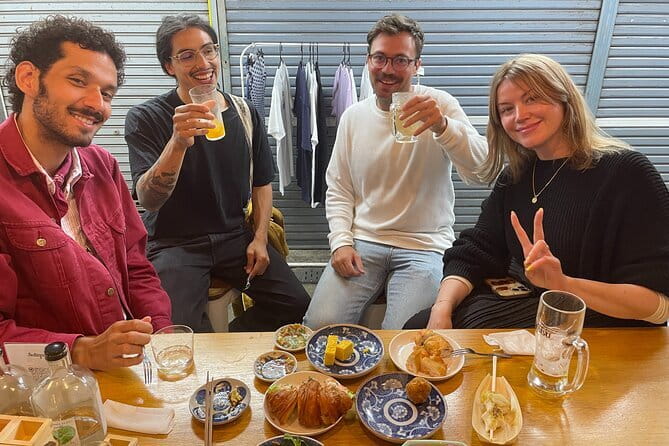
- Small group (max 6) means you’re not fighting a crowd just to hear your guide.
- Luggage storage is free during the tour, so you can travel light.
- Temple and shrine entrances are included, including Tsukiji Hongwanji Temple and Namiyoke Shrine.
- No fixed food list: you pay for what you want to try, guided by your local.
- Jogai Market focus on ingredients, culture, and the tools behind Japanese cooking.
Why Tsukiji Needs a Guide More Than You Think
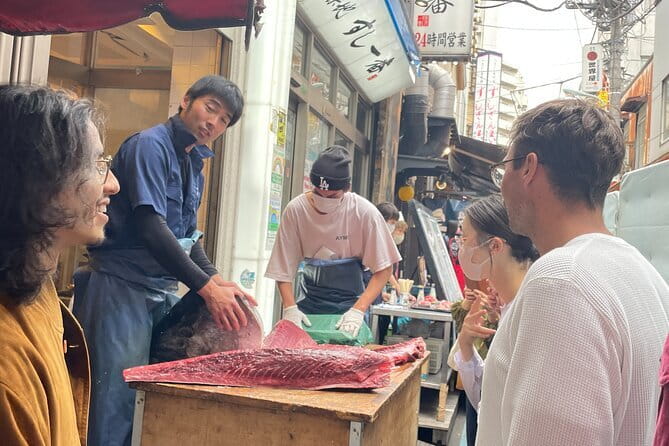
Tsukiji is famous for food, but it can also feel like a plan without a map. Even if you’ve watched videos and bookmarked spots, the market layout can still throw you off—signs, alleys, and counter-style stalls don’t always read like a tidy “see these three places” route.
That’s where this tour earns its keep. You’re not just doing a food hit list; you’re getting walked through the market in a logical order, with your guide explaining what you’re looking at and why it matters. And because the group is capped at six, you can actually move at a comfortable pace and still hear details instead of sprinting after strangers.
If your goal is to taste things you’d be curious about anyway—fresh seafood, grilled bites, and other market snacks—this tour helps you skip the guesswork. You’ll spend less time asking, Where do I go next? and more time deciding what you want to try right now.
You can also read our reviews of more walking tours in Tokyo
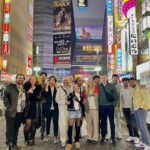
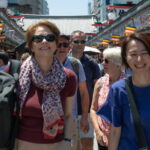
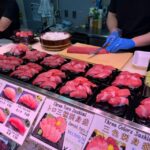
Starting at Tsukiji Hongwanji Temple (and learning how not to be awkward)
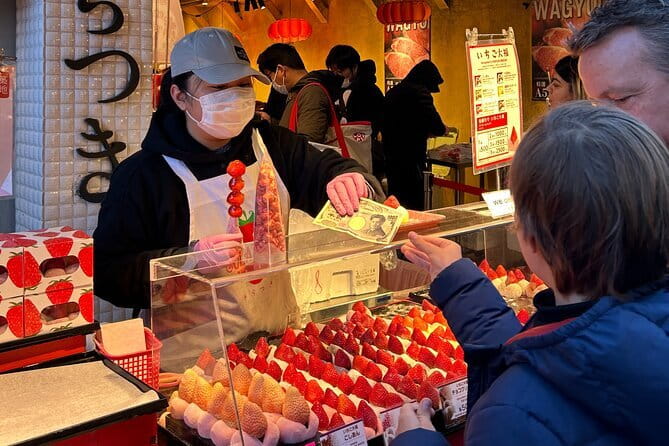
The tour kicks off at Tsukiji Hongan-ji Temple, which works well because it sets a respectful tone before you hit the market noise. You meet at the temple main gate area, and your guide shares brief Buddhist ritual context—short, practical info that helps you understand what you’re seeing instead of treating it like a photo stop.
You also get a quick survival Japanese lesson during the early part of the tour. The idea isn’t to make you fluent; it’s to give you enough language and cues to order and interact more smoothly. Even basic phrasing and etiquette reminders can reduce that slightly panicky feeling when you’re staring at menu boards in a place that moves fast.
One detail I like: this isn’t presented like a lecture. You’re learning while you’re still oriented—before the market really starts to overwhelm your senses. That timing matters.
38KIOSK: the calm hub, and free luggage storage that saves your energy
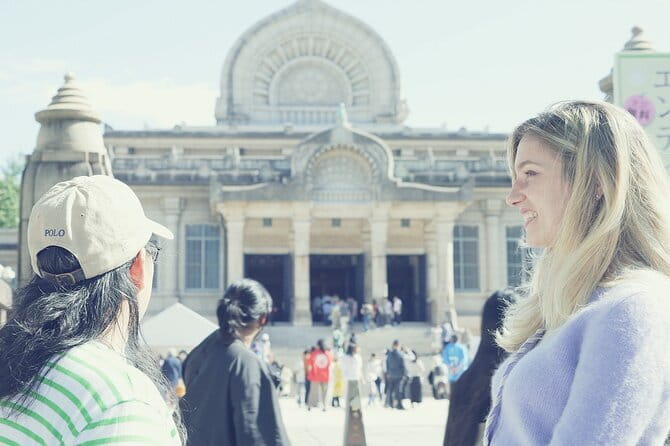
Next you head to 38KIOSK, which acts like a hub before the market route gets more intense. This is also where the tour offers free luggage storage for small suitcases and similar bags. That small service is a big deal in Tsukiji, because you don’t want to be wrestling luggage while you’re navigating tight walkways and market steps.
At the hub, you also get your tour intro. Think of it as the moment your guide helps you understand how the rest of the morning (and the way you’ll eat) will work. No big mystery later—just a clear plan for where you’re going and how you’ll sample.
You’ll finish near 38KIOSK too, so it ends up being a useful “anchor” point. When you’re done eating and looking at more stalls, having a familiar location nearby helps you relax instead of wondering where you’ll end up.
Jogai Market: the ingredient hunt with tools, knives, and real context
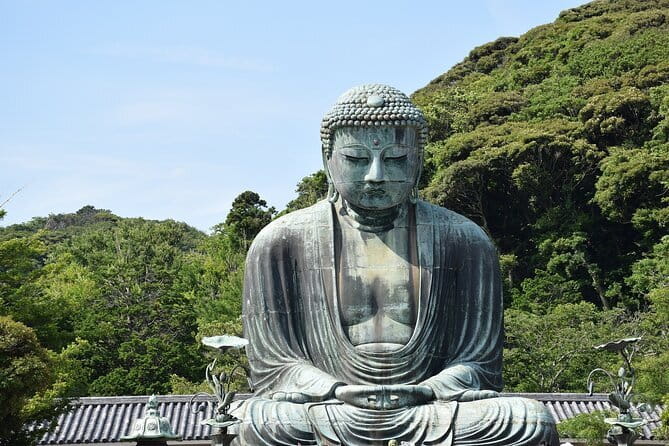
The longest stop is the walk through Tsukiji Jogai Market—about 1 hour 20 minutes. This is the part that turns famous-market energy into something more meaningful.
Your goal here is not just to “see stalls.” It’s to learn how Japanese food culture shows up in the ingredients themselves, and even in the handcrafted knives and tools that have been passed down through generations. That matters because it changes how you interpret what you’re looking at. You start noticing that the market isn’t only about products—it’s also about the craftsmanship and routines behind using them.
Practically, you’ll have time to:
- spot what’s fresh and why it’s being displayed the way it is
- ask questions as you go, instead of trying to remember every detail later
- build a mental map of which counters and alleyways are worth stopping at
A bonus from the reviews: guides like Ronnie are known for pointing out unique food and helping you connect the dots. That kind of direction makes the difference between collecting random bites and choosing tastes that actually fit together.
Namiyoke Shrine detour: a quiet cultural reset between snack stops
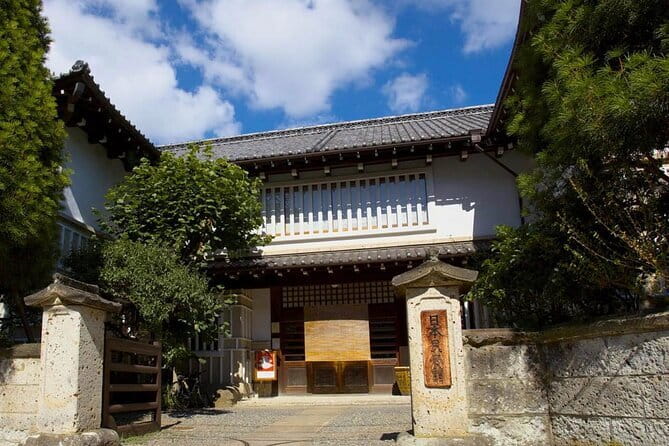
The tour includes entrance fees for Tsukiji Namiyoke Shrine as well. Even though the market is the star, this kind of pause helps you reset. It also gives context for the neighborhood beyond food—shrines like this are part of why people treat places like Tsukiji as ongoing community spaces, not just tourist attractions.
From a planning standpoint, shrine time is also a useful break. You’ll get a chance to step away from the busiest lanes, regroup your thoughts, and check that you’re still following the group pace.
If you care about culture as more than a background scene, you’ll appreciate that you’re not only chasing the next plate.
You can also read our reviews of more food & drink experiences in Tokyo

How the pay-as-you-go tasting works (and how to not overspend)
One of the best things about this tour’s format is that it uses no preset food inclusions. That sounds like less “free food,” but it’s actually a smart approach in a market setting.
Here’s what it means for you:
- You try what looks good to you, at the moment.
- Your guide can steer you toward choices that fit what you’re already tasting.
- You don’t end up paying for a fixed menu you might not like.
You’ll still get advice on what and where to try—fresh sushi, grilled skewers like Wagyu skewers, and other market snacks are part of the typical tasting style—but you pay for the dishes you select.
This is especially valuable if you have dietary needs. The tour states it can accommodate vegetarian, gluten-free, allergy, and religious needs if you specify when booking. A flexible ordering style makes that easier than a one-size-fits-all tasting.
If you’re watching your budget, set a rough target before you start eating. Markets can tempt you fast, and small-group guidance makes it easy to keep adding “just one more bite.”
Lunch at 38KIOSK: a shared meal built from what you found
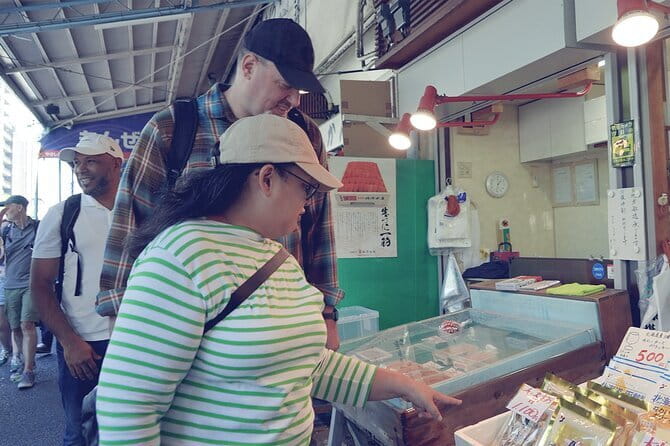
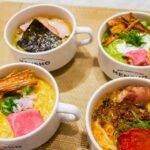
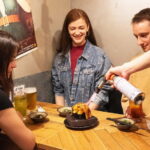
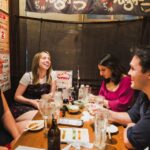
After the Jogai Market walk, you head back to 38KIOSK for lunch. The experience describes it as a party-style meal using fresh ingredients sourced during your market tour.
Even though “lunch” is part of the flow, the tour is still pay-as-you-go in practice. The helpful part for you is that your guide isn’t just dropping you at a restaurant and leaving you alone. They help connect your lunch choices to what you saw earlier—so you understand what you’re eating and why it fits the market day.
I like this approach because it turns lunch into a continuation of the story, not a separate event. You’re still thinking like a food shopper: what’s fresh, what’s local, what’s worth eating now.
If you prefer to keep alcohol out of your day, that’s fine too. Alcoholic beverages aren’t included, and your guide can suggest pairings if you want them.
Timing tips: why a morning start can feel easier
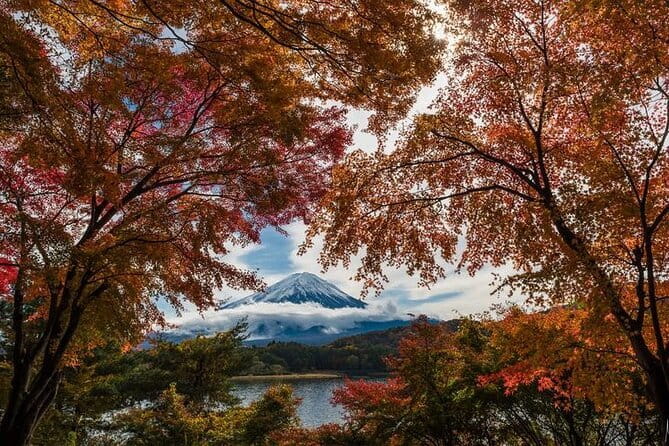
The tour starts at 10:00 am, and there’s a practical reason to like that. Tsukiji can get more crowded as the day goes on, and an earlier start generally keeps things from becoming pure traffic management. One review experience described the market as busy but manageable in the morning, then more crowded later—so arriving with a plan early is your friend.
If you’re deciding what day to book, aim for the part of the week and time window that fits your walking comfort. You’ll get the benefit of moving through the market while people are still “in the earlier mode.”
Value for $75: what you’re really paying for
At $75 per person for about 3 hours, you’re not just paying for a walk and a map. You’re paying for:
- a local guide who helps you choose stalls and understand what you’re seeing
- temple and shrine entrance fees included
- free luggage storage during the tour
- a small-group experience (max six), which can be worth a lot in a market like Tsukiji
Because there are no preset food inclusions, you control your spending on the tasting itself. That means the “value” is flexible: if you eat lightly, you’ll keep costs down; if you want multiple bites, the tour still gives you the direction to spend well.
Also note the demand signal: it’s commonly booked around 24 days in advance. If you’re traveling during a busy stretch, booking earlier can help you lock in the start you want.
Who this tour is best for
This tour makes a lot of sense if:
- you want Tsukiji without feeling lost in the maze
- you care about food culture, not only eating as fast as possible
- you prefer a smaller group so you can ask questions and keep a calm pace
- you want help with etiquette and customs while visiting religious sites
It’s less ideal if:
- you have difficulty with extended walking (the tour notes it’s not suitable for those who may have trouble walking for extended periods, roughly about 2 hours)
- you hate the idea of paying for food separately (the tour helps you order, but you choose what to buy)
If you’re comfortable walking but want the day to feel structured instead of chaotic, you’ll likely enjoy it.
Practical stuff to plan before you go
A few things from the tour details that you should factor in:
- It’s a mobile ticket experience, which usually makes entry smoother.
- It’s near public transportation, so you can line it up with the rest of your Tokyo day.
- Service animals are allowed.
- Confirmation is received at booking time.
- The tour requires good weather; if weather is poor, it may be rescheduled or refunded.
- The group max is six, and the provider lists a minimum number of travelers (so if that minimum isn’t met, you’ll be offered a different date or full refund).
None of this is dramatic, but it’s the kind of behind-the-scenes planning that affects how smoothly your morning goes.
Should you book this Tsukiji Fish Market Food & Culture Walking Tour?
If you want Tsukiji but dread the “where do I go first?” feeling, this is a strong pick. The mix of market time, temple and shrine entrances, a quick Japanese lesson, and free luggage storage is exactly what makes the experience feel practical—not just scenic.
I’d book it if:
- you’re excited about tasting, but you want guidance to spend your money well
- you like small groups and readable pacing
- you want cultural context while you’re eating
I wouldn’t book it if you’re not comfortable walking for about 2 hours, or if you only want an all-inclusive, pre-set food package.
If you’re on the fence, here’s my simple test: if Tsukiji sounds fun but confusing, this tour turns that confusion into a plan.
FAQ
How long is the Tsukiji Fish Market Food & Culture Walking Tour?
It runs for about 3 hours.
Where does the tour start and end?
It starts at Tsukiji Hongan-ji Temple (3-chōme-15-1 Tsukiji, Chuo City) and ends at 38KIOSK (4-chōme1014 加藤ビル, Tsukiji, Chuo City).
What time does the tour begin?
The start time listed is 10:00 am.
What is the price per person?
The price is $75.00 per person.
Is luggage storage included?
Yes. The tour offers free luggage storage during the experience for small suitcases and similar bags.
What’s included in terms of attractions?
Entrance fees are included for Tsukiji Hongwanji Temple, Namiyoke Shrine, and the Tsukiji Fish Market and Jogai market.
Is lunch included?
Lunch is part of the day at 38KIOSK, but the tour materials also describe that there are no preset food inclusions, so you should expect to pay for what you order. Your guide helps you find what to eat.
Are alcoholic beverages included?
No. Alcoholic beverages are not included.
Can the tour accommodate dietary needs?
Yes. The tour notes you can specify vegetarian, gluten-free, allergy, and religious needs when making your reservation.
Is the tour suitable if I have trouble walking for extended periods?
No. It’s not suitable for people who may have difficulty walking for extended periods (noted as about 2 hours).
What group size should I expect?
The tour has a maximum of six travelers.