REVIEW · TOKYO
From Tokyo: Private Motorcycle Tour – Fuji, Hakone, Onsen
Book on GetYourGuide →Operated by HavenJapan · Bookable on GetYourGuide
Fuji looks better from a motorcycle. I love the private, guided riding that gets you out of Tokyo and onto the kind of mountain roads riders dream about, and I especially love the onsen payoff afterward, with time to slow down and reset. One thing to consider: Japan weather can shut down the view of Mt. Fuji, so you may end up with clouds instead of that postcard moment.
This is the sort of day where the details matter. Guides such as Elie and Evan (real names I’ve seen in bookings) manage the route, pacing, and safety, and they’re quick with cultural context at shrines and viewpoints. With a small group capped at 6, you’re not just passing through you’re actually riding with someone who can adjust for your comfort level, your bike-handling skills, and how much you want to linger.
In This Review
- Quick take
- Tokyo Pickup to the First Turns: The Value of Going Private by Bike
- Leaving Tokyo for the Mountain Roads: Safety, Pacing, and That Rider Feel
- Mt. Fuji Viewpoints: Timing the Clouds and Making Stops Count
- Lake Ashi and Hakone Shrine: Scenic Stops That Feel Like Places, Not Checkpoints
- Tenzan Onsen: The Best Part of a Motorcycle Day (and Why It Matters)
- Shakushi Pass and the Art Museums: When the Day Slows Down on Purpose
- The Practical Stuff: Gear, Breaks, and Riding Comfort
- Price and Logistics: Why $548 Can Still Be Good Value
- Who This Tour Fits Best: Riders, Passengers, and Comfort-Level Reality
- Should You Book This Private Fuji and Hakone Motorcycle Day?
- FAQ
- How long is the private motorcycle tour from Tokyo?
- How many people are in the group?
- What languages do the guides speak?
- Are the onsen stops tattoo friendly?
- Is food included?
- Where does pickup happen in Tokyo?
Quick take
- Private motorcycle day trip with hotel pickup and drop-off around Tokyo’s 23 wards
- Fuel, tolls, helmet, and gloves are included, so the day runs without surprise admin
- Tattoo-friendly onsen at Tenzan Onsen, plus optional private baths by request
- Mt. Fuji, Lake Ashi, Hakone Shrine, and art stops built in, with flexibility for your pace
- Real breaks for stretching, hydration, and coffee along the ride
- Weather can affect the Fuji view, so plan for plan B scenery
Tokyo Pickup to the First Turns: The Value of Going Private by Bike
I like starting this kind of day with someone else handling the logistics. Pickup is built for convenience: you meet at your hotel, Airbnb, or a train station within Tokyo’s 23 wards, and you don’t have to coordinate trains or buses while jet-lagged and excited. The tour runs for about 10 hours, so you’re committing a full day, but you’re also getting a focused route rather than a half-day shuffle.
The biggest value is that you’re on a private motorcycle with an English-speaking guide, and additional language support is available (French, Japanese, and German). You’ll feel it immediately once you leave the city grid. Tokyo traffic can be brutal, and you’ll typically spend a chunk of time just getting out. After that, the day shifts into mountain-road mode: fewer stops for transit, more time for riding.
Also, the group size matters. Limited to 6 participants, this is small enough that your guide can steer the day toward what you actually want. You might see more roadside scenes if you’re a passenger. You might ask for more viewpoint time if you’re the rider. Either way, you’re not fighting crowds.
You can also read our reviews of more private tours in Tokyo
Leaving Tokyo for the Mountain Roads: Safety, Pacing, and That Rider Feel
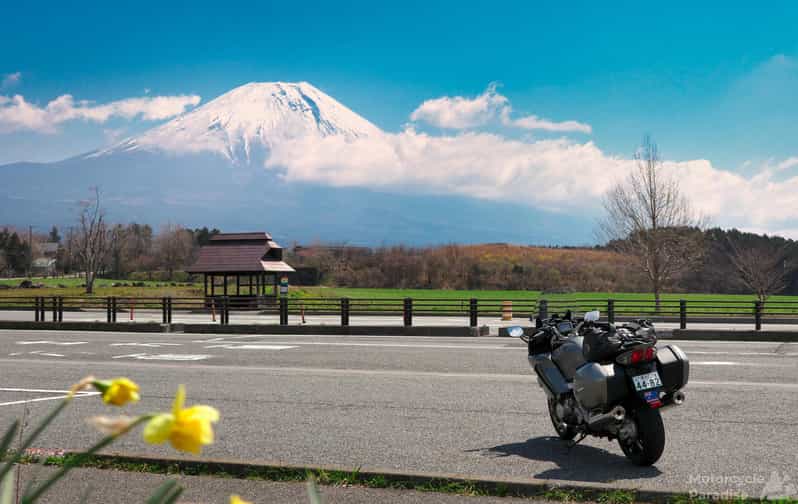
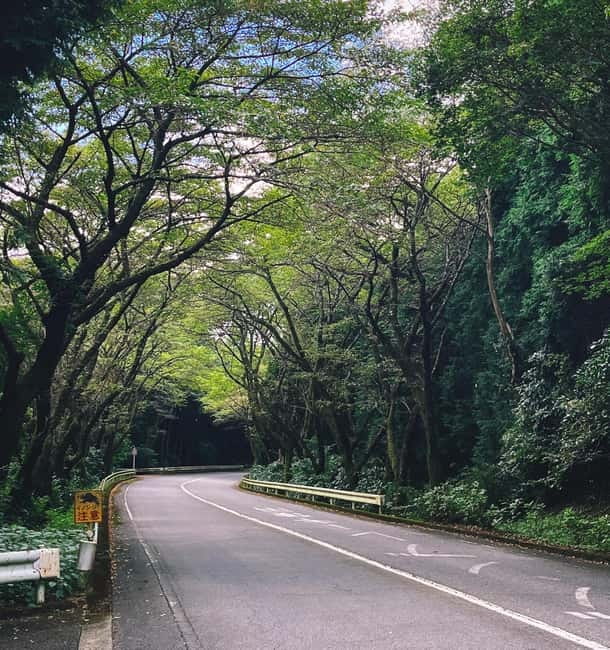
The road quality is a major part of the pitch, and you can feel why. Once you’re on country roads, the ride becomes the experience: long curves, clean sightlines, and panoramas that show you why motorcyclists brag about certain routes.
Your guide’s role is not just navigation. They help set the rhythm so the day is enjoyable, not exhausting. From what I’ve read in feedback, the better guides also build in practical breaks, like stopping for coffee and stretching. That’s not fluff. On a motorcycle day, you need breaks for posture, hand comfort, and basic hydration, especially when the gear adds heat.
One more real-world point from riders: don’t assume every day will feel mild. If you hit a hot day, your motorcycle jacket can feel warm even when you’re moving. I’d treat the day like a long outdoor ride, not a sightseeing stroll. Pack accordingly: breathable layers under your gear help, and you’ll thank yourself later.
Mt. Fuji Viewpoints: Timing the Clouds and Making Stops Count
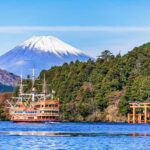
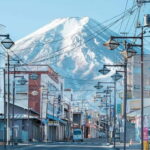
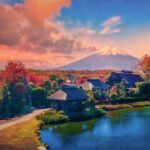
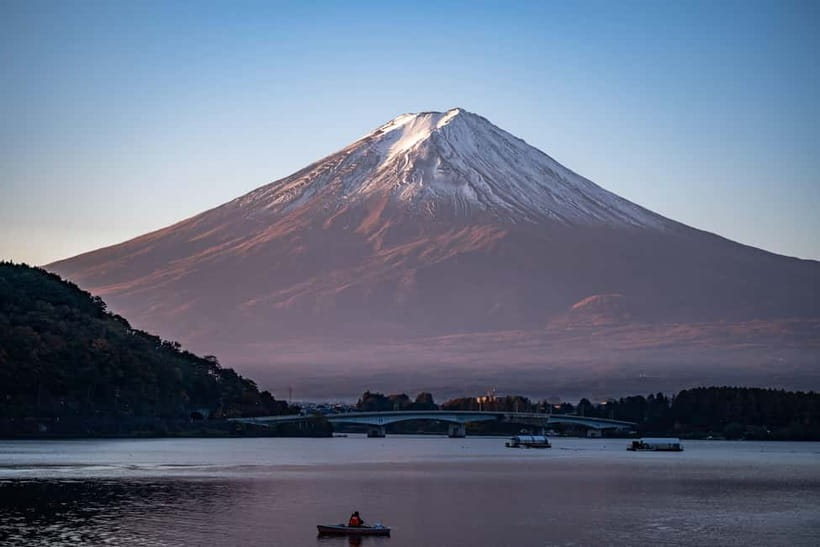
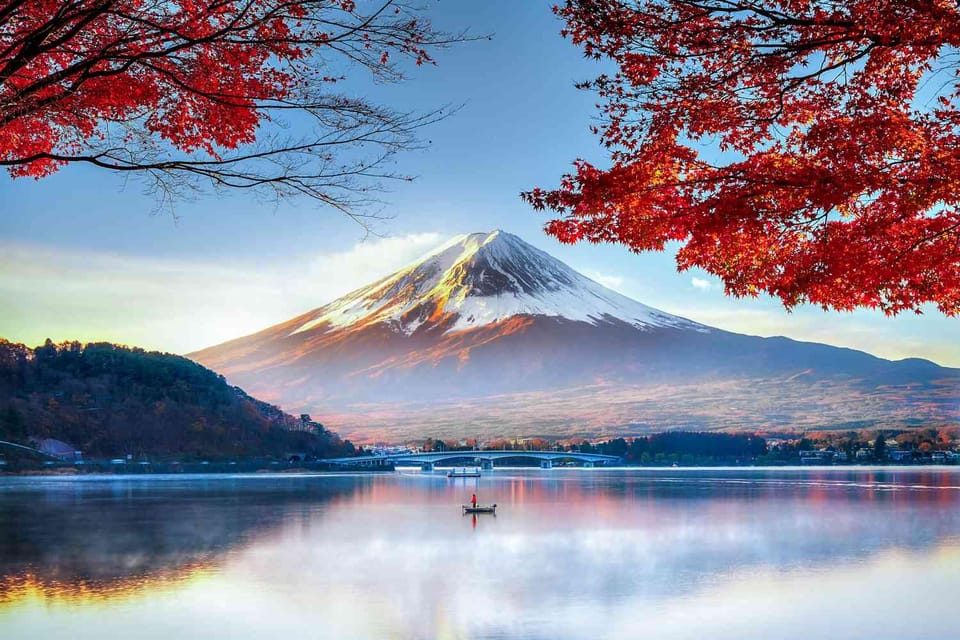
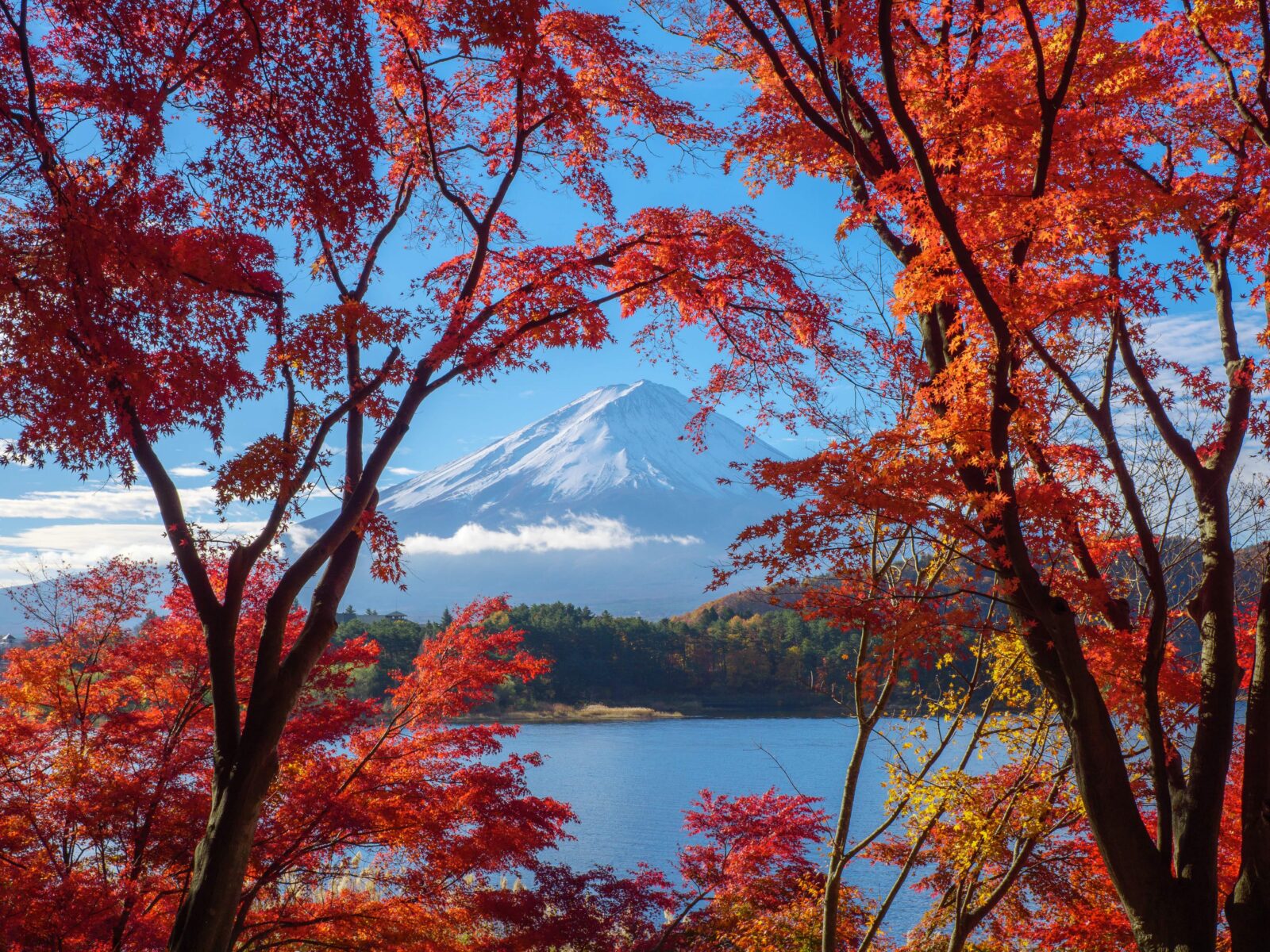
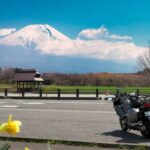
Mt. Fuji is the headline, but here’s the honest part: visibility changes. Even with perfect planning, weather can move in fast. In one booking, Mt. Fuji was missed due to conditions, but the rest of the ride still delivered strong scenery. That tells me you should treat Fuji as a bonus you hope for, not the only reason to go.
What you do get is a structured chance to see Fuji from the road and at a viewpoint stop. The time allocated for Fuji sightseeing is on the short side, so you don’t get dragged around. Instead, you get focused time where the view is most likely to land.
If you’re riding, you also get a different perspective than you would from a bus window. You can angle your body toward the horizon, and you’re more likely to notice where the light hits the slopes. If you’re a passenger, you’ll still get that sense of approach, like the mountain grows as you rise and curve.
My practical advice: dress for cool-to-cold mornings and warmer afternoons, and keep your expectations flexible. Fuji day or no Fuji day, you’ll still be riding through Hakone and the Fuji area in a way most visitors never experience.
Lake Ashi and Hakone Shrine: Scenic Stops That Feel Like Places, Not Checkpoints
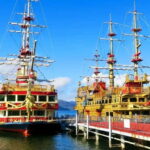
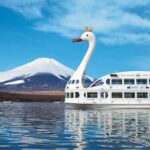
After the early riding, the day shifts into slower, more ceremonial sights. Lake Ashi is where Hakone starts to feel like a world of its own. The combination of water, distant hills, and shrine architecture gives you those classic Japan postcard elements, but the real win is pacing. You’re not just rushing from one photo spot to another; you’re stopping long enough to take it in.
The Hakone Shrine visit adds a cultural layer to the day. It’s not only about the view. Shrines in Japan are living places, so it helps to have a guide who can explain the customs you’ll see nearby. That kind of context turns a quick look into a more respectful, more interesting stop.
You should also expect some time for photos and a simple wander, not a guided lecture that keeps you standing still. The goal is to let the scenery and atmosphere do their job while you stay comfortable.
Tenzan Onsen: The Best Part of a Motorcycle Day (and Why It Matters)
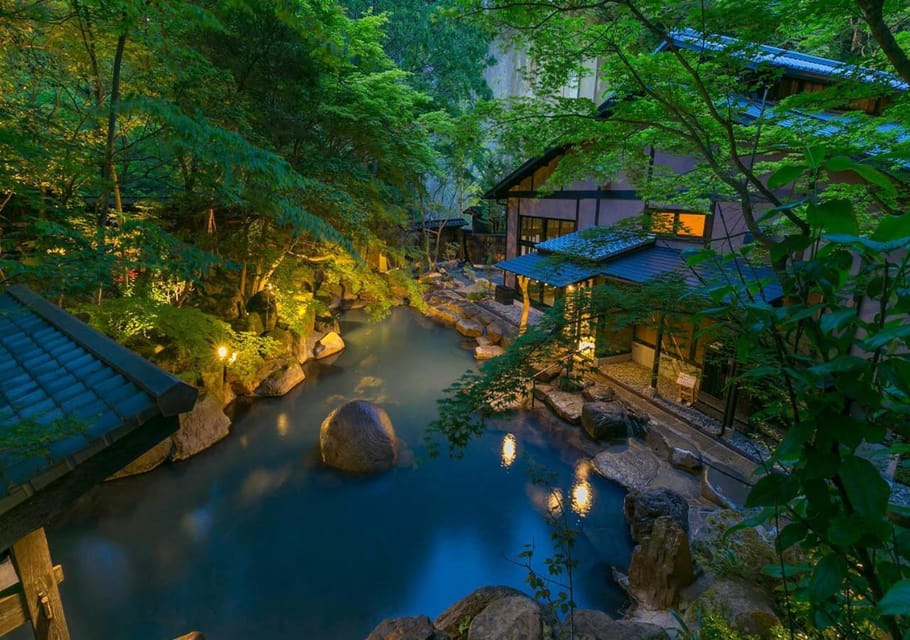
On a motorcycle trip, the best moment is often when the riding ends and your body finally unclenches. That’s exactly why the Tenzan Onsen stop is a big deal. You get lunch time there, plus free time to soak and reset.
The onsens included are tattoo friendly, which is huge if you’ve had to worry about finding somewhere that will actually welcome you. You’re also given time to enjoy the onsen without feeling rushed.
If you want privacy, private baths can be reserved on request, around 13,000 JPY for two hours, subject to availability. I like this option because it’s perfect for couples or for anyone who wants a quieter soak after a full day of riding.
One more practical tip from rider feedback: bring cash for onsen-related payments. It sounds small, but on a day where you’re busy riding and changing locations, a cash withdrawal can eat time. Having yen ready avoids that kind of stress.
You can also read our reviews of more tours and experiences in Tokyo
Shakushi Pass and the Art Museums: When the Day Slows Down on Purpose
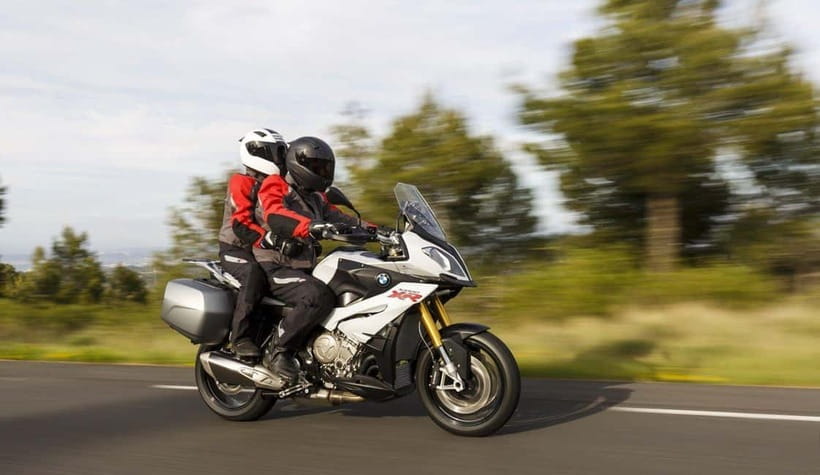
Not every day trip balances riding and culture well. This one does, mainly because it doesn’t overload you with museum time. After the big scenic stretches, there’s a viewpoint stretch around Shakushi Pass, then you move into art and museum space.
The Hakone Open-Air Museum visit is allotted enough time that you can actually wander, not just pass through. You’re also able to slow the day down after being on the bike for hours. If you’re the type who likes a calm break between big scenic moments, you’ll appreciate this built-in breather.
Then there’s the Pola Museum of Art. Another block of time here gives you the chance to mix your day: motorcycle scenery on one side, indoor cooling and art appreciation on the other.
There’s also a key detail that makes these stops feel less rigid. This is a private tour, so your guide can tailor the route based on your interests and skill level. In at least one case, a couple chose to skip the museums in favor of more onsen time, and they didn’t regret it. That’s a good signal: this day is designed to flex.
The Practical Stuff: Gear, Breaks, and Riding Comfort
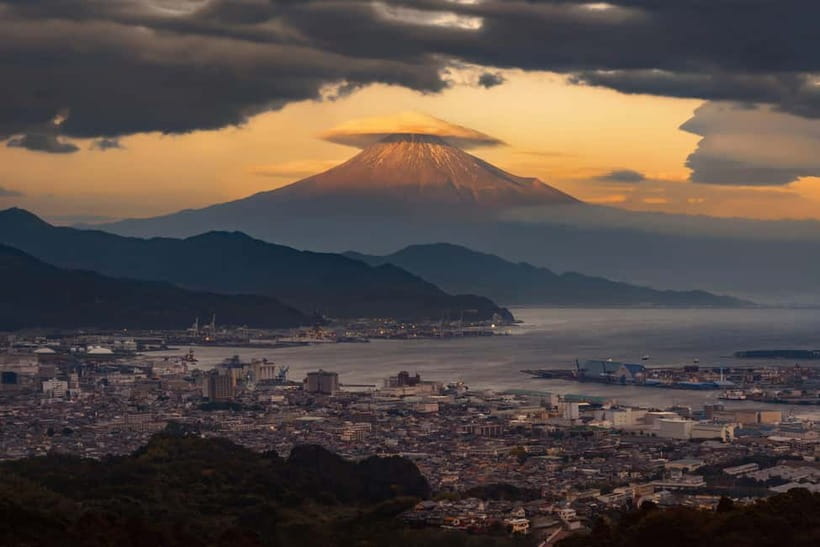
A great tour isn’t just pretty it’s comfortable and safe. Here you get helmet and gloves included, which removes one of the biggest friction points when you’re traveling. Jackets and riding layers are still your problem to manage, but having the core protective gear handled makes it easier to pack smarter.
Pacing matters more than people think. In feedback, guides were praised for safe, careful driving and for adjusting to the riders’ needs. If you’re newer to riding, you’ll want a guide who can keep your stress level low and help you understand what to do at stops and during onsen time.
Hydration is also not optional on a motorcycle day. One booking pointed out that breaks and water stops helped a newer rider, and that heat can be no joke with the gear. Plan for that. Even if you feel fine at pickup, you’re likely to work harder than you expect once you’re focused on road lines, speed control, and staying warm.
And if you’re thinking about who can ride and who can be a passenger: at least one booking shows the organizer arranged things so that riders and passengers could both be accommodated with proper handling.
Price and Logistics: Why $548 Can Still Be Good Value
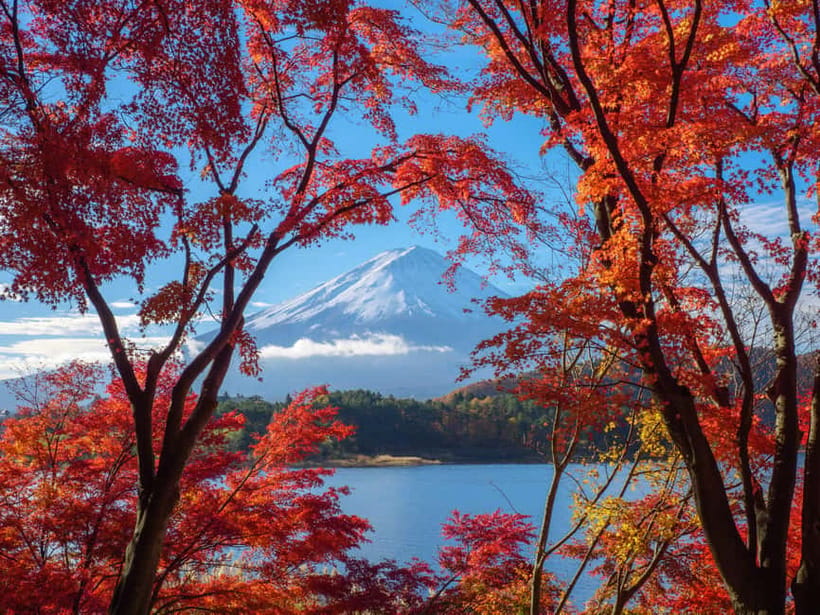
At $548 per person, you’re not paying for cheap transport. You’re paying for a full-day setup: private motorcycle time, guided driving, hotel pickup and drop-off, and the included ride-related gear plus fuel and tolls.
The value part is the reduced burden. If you tried to do this yourself, you’d need to:
- arrange a rental that fits riding comfort and permits,
- solve route planning across Fuji and Hakone without wasting time,
- and coordinate a safe riding plan plus onsen timing.
Here, you’re buying time and stress reduction. You’re also buying someone to interpret what you’re seeing: viewpoints, shrines, and local habits. That’s part of the “you’ll remember this” factor, because it turns scenery into meaning.
Still, it’s not a totally all-in-one package. Food and drinks are not included, and entry fees are not included. Parking fees and motorcycle rental costs are also not included. So when you budget, assume you’ll still spend on meals and any ticketed entry where applicable.
Who This Tour Fits Best: Riders, Passengers, and Comfort-Level Reality
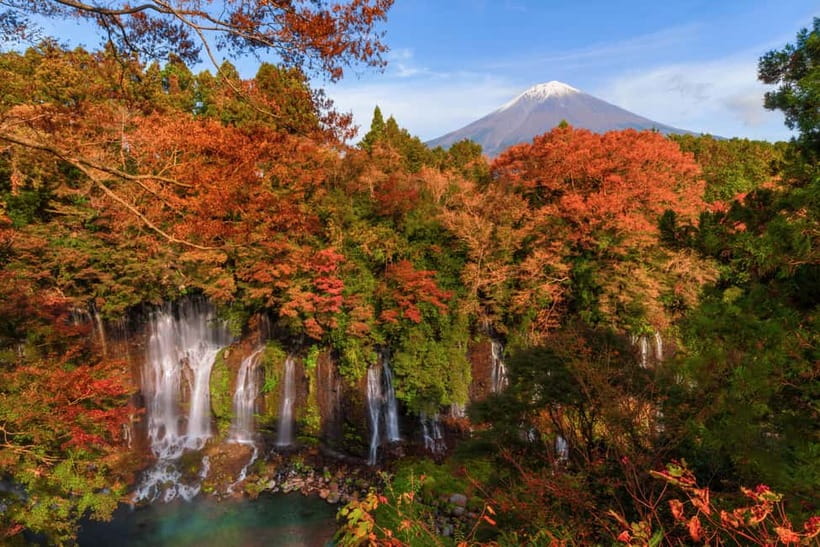
This tour is best for people who want the motorcycle experience without turning the day into a logistics project. If you want to see Mt. Fuji and Hakone but you also want to feel like you’re actually traveling across Japan, this works.
It also suits mixed comfort levels. Some couples prefer to ride part of the time and keep another person as a passenger. The private nature of the tour helps make that practical.
A heads-up for people who run cold or heat-sensitive: it’s a 10-hour outdoor riding day in motorcycle gear. If you’re sensitive to heat, choose your timing carefully and plan for breaks. If your main goal is long museum time indoors, you can still do it, but remember the day is built around riding first, then sightseeing and culture.
And if weather can stress you out, treat Fuji as uncertain and focus on the ride itself. Even with clouds, the route through Hakone and the surrounding areas is still a strong experience.
Should You Book This Private Fuji and Hakone Motorcycle Day?
I’d book this if you want a day that’s more about moving through Japan than collecting stops. The combination of private riding, a guide who can adjust pacing, and a built-in onsen reset at Tenzan Onsen makes this feel like a complete experience rather than a checklist.
I wouldn’t prioritize it if you only care about Mt. Fuji photos. The view depends on weather, and a short Fuji stop means you can’t control the sky.
If you go, go with a plan for real riding comfort: dress for changing temperatures, carry water, and bring cash for the onsen. And give your guide room to tailor the day, especially if you want more soaking time or less museum time.
Overall, it’s a strong use of a full day in Japan. You’ll come back tired in a good way, smelling faintly like gear and yen, with the kind of road memories you can’t get from a bus.
FAQ
How long is the private motorcycle tour from Tokyo?
It runs for about 10 hours.
How many people are in the group?
It’s a small group limited to 6 participants.
What languages do the guides speak?
The guide can operate in English, French, Japanese, and German.
Are the onsen stops tattoo friendly?
Yes. The onsens visited are tattoo friendly. Private baths can be reserved on request, around 13,000 JPY for two hours, subject to availability.
Is food included?
Lunch is included at the onsen. Food and drinks beyond that are not included.
Where does pickup happen in Tokyo?
Pickup is available at hotels, Airbnb, or train stations within Tokyo’s 23 wards. Pickup outside these areas may involve an additional surcharge.