REVIEW · TOKYO
[Seasonal Limited] Mt. Fuji 5th Station &Hot Spring Day Tour
Book on GetYourGuide →Operated by JRT Group · Bookable on GetYourGuide
Mt. Fuji in one day is a fun, low-effort trade. I like how the tour hits Fuji’s 5th Station for postcard views without hiking, and I also like the chance to relax at Konohananoyu Onsen with Mt. Fuji in sight. The main drawback to plan for is the long bus ride, plus weather: when clouds hang around, your Fuji photos can be hit-or-miss.
This is the kind of day trip that works best when you want classic sights and an easy pace. You’ll get clear time blocks for photos and free wandering, then a proper soak to end the day feeling less tourist-tired.
In This Review
- Key Things You’ll Notice on This Tour
- Why This Fuji Day Trip Works: High Views Without the Climb
- Getting Started in Tokyo: Pickup Options and the Bus Reality
- The Seasonal Switch: Mt. Fuji 5th Station or Asama Park
- Mt. Fuji 5th Station: What You’ll Do in 60 Minutes
- Oshino Hakkai: Eight Ponds, Old-Japan Charm, and Slow Walking Time
- Konohananoyu Onsen: The Best Way to End a Fuji Day
- Gotemba Premium Outlets: When Shopping Replaces Onsen Time
- Guide Style, Group Pace, and Photo Help That Actually Matters
- Price and Value: What $50 Gets You (and What It Doesn’t)
- Who Should Book This Tour (and Who Should Skip It)
- Should You Book the Mt. Fuji 5th Station & Hot Spring Day Tour?
- FAQ
- How long is the Mt. Fuji 5th Station & Hot Spring day tour?
- When is Mt. Fuji 5th Station open on this tour?
- What happens if the 5th Station is closed?
- Is the onsen fee included in the $50 price?
- What languages are available for the guide?
- What should I bring for the tour and onsen?
Key Things You’ll Notice on This Tour
![[Seasonal Limited] Mt. Fuji 5th Station &Hot Spring Day Tour - Key Things You’ll Notice on This Tour](https://b.tokyosights.com/wp-content/uploads/seasonal-limited-mt-fuji-5th-station-hot-spring-day-tour-1.jpg)
- No-hike Fuji viewing at 5th Station (60 minutes up at 2,300 meters)
- Oshino Hakkai’s eight ponds fed by Mt. Fuji snowmelt, plus village strolling time
- Konohananoyu Onsen with indoor and open-air baths plus Mt. Fuji views
- Seasonal 5th Station timing (May 10 to Nov 30) with an alternate stop when it’s closed
- Weekday flexibility vs weekend limits involving Gotemba Premium Outlets and onsen access
- Guide-led photo help and explanation time, with limited commentary while the bus is moving
Why This Fuji Day Trip Works: High Views Without the Climb
![[Seasonal Limited] Mt. Fuji 5th Station &Hot Spring Day Tour - Why This Fuji Day Trip Works: High Views Without the Climb](https://b.tokyosights.com/wp-content/uploads/seasonal-limited-mt-fuji-5th-station-hot-spring-day-tour-2.jpg)
If you’re short on time in Tokyo but still want to see Mt. Fuji in a meaningful way, this tour is built for you. You don’t need climbing gear. You don’t need to manage altitude. You just ride up, look out, snap photos, then switch gears to culture and hot springs.
The best part is how the day is split between three “Fuji mood” experiences: cloud-level views at 5th Station, the calm, scenic Oshino Hakkai ponds, and the body-reset onsen soak at Konohananoyu. It’s not a single dramatic moment only. It’s a steady drip of Fuji-ness all day long.
But be honest with yourself about expectations. This is a bus day. It’s also subject to visibility. When the mountain is hidden, you’ll still get the culture stops—yet the “iconic Fuji photo” payoff can shrink.
You can also read our reviews of more tours and experiences in Tokyo
Getting Started in Tokyo: Pickup Options and the Bus Reality
![[Seasonal Limited] Mt. Fuji 5th Station &Hot Spring Day Tour - Getting Started in Tokyo: Pickup Options and the Bus Reality](https://b.tokyosights.com/wp-content/uploads/seasonal-limited-mt-fuji-5th-station-hot-spring-day-tour.jpg)
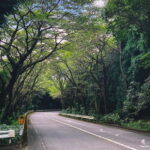
You’ll meet the tour at one of two starting points in central Tokyo: SMBC Bank Shinjuku Nishiguchi or Tokyo Station (Marunouchi North Exit). From there, plan on a roughly 2-hour coach ride up toward the mountain.
This kind of itinerary lives or dies by timing, and traffic can matter. The tour notes that weekends and national holidays often bring heavier congestion, and that route order and stop timing can shift to keep things efficient. Also, the vehicle type isn’t guaranteed, since it can vary by group size.
Here’s my practical tip: before you go, check your exact meeting location again right before departure. One real-world headache that can happen on any group tour is confusion over pickup details. The lesson is simple: confirm the meeting point in the app or message thread the evening before, and show up early.
The Seasonal Switch: Mt. Fuji 5th Station or Asama Park
![[Seasonal Limited] Mt. Fuji 5th Station &Hot Spring Day Tour - The Seasonal Switch: Mt. Fuji 5th Station or Asama Park](https://b.tokyosights.com/wp-content/uploads/seasonal-limited-mt-fuji-5th-station-hot-spring-day-tour-4.jpg)
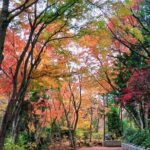
This is a seasonal limited tour, and Mt. Fuji’s 5th Station isn’t always open. The station opening period is May 10 to November 30. During other dates, the tour redirects you to Shintaku-yama Asama Park instead.
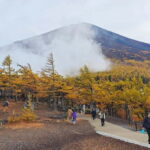
Why does that matter? Because your “Fuji viewing” setup changes. When 5th Station is open, you go up to 2,300 meters, which is exactly why those panoramic views can feel so dramatic—almost like you’re looking down from above the clouds.
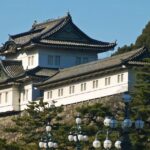
If the station is closed, Asama Park becomes your alternative vantage point. The tour also frames Asama Park as an iconic postcard spot where Fuji often lines up visually with traditional Japanese architecture (including a crimson pagoda view). So even when conditions force a change, the goal stays the same: strong classic Fuji imagery without complicated planning.
Mt. Fuji 5th Station: What You’ll Do in 60 Minutes
![[Seasonal Limited] Mt. Fuji 5th Station &Hot Spring Day Tour - Mt. Fuji 5th Station: What You’ll Do in 60 Minutes](https://b.tokyosights.com/wp-content/uploads/seasonal-limited-mt-fuji-5th-station-hot-spring-day-tour-5.jpg)
At Mt. Fuji 5th Station, you get about 60 minutes for a break, photos, and sightseeing. The ride takes you up by bus, so you’re not hiking. You’re simply arriving at a high-altitude viewpoint and walking around at 2,300 meters.
What makes this stop valuable is that it’s a “greatest hits” Fuji moment without the physical demand. You’ll likely find:
- Panoramic views with crisp mountain air
- Small shops and souvenirs that are specific to this altitude
- Photo stops built for the iconic angles people come for
Also note the tour is careful about timing: it includes a guided tour component plus time to roam on your own. In practice, that means you get help with the best spots for pictures, and then you can move at your own rhythm.
The one thing I’d keep in mind: weather. Even in good seasons, Fuji can hide behind clouds. If visibility is limited, you’ll still enjoy the atmosphere and the viewpoints—but don’t assume every photo will look like the postcard version.
Oshino Hakkai: Eight Ponds, Old-Japan Charm, and Slow Walking Time
After 5th Station, you head toward Oshino Hakkai. The ride is about 30 minutes, then you have around 60 minutes on site.
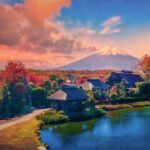
Oshino Hakkai is famous for eight crystal-clear ponds, fed by Mt. Fuji’s snowmelt. The ponds sit in a village setting with traditional thatched-roof houses, flowers, and footbridges—so you’re not just looking at water. You’re looking at a whole scene that feels rooted in how Japan used to look (and how it’s often imagined).
Why this stop is worth your time: it’s the calmer side of the day. You go from “high altitude spectacle” to something gentle and walkable. This is where you can slow down, take photos at water level, and actually enjoy the atmosphere instead of rushing between viewpoints.
If you want a smart use of time, here’s the approach that works: pick one or two ponds to linger near, then make a loop through the village. Don’t try to photograph everything at once—you’ll feel rushed and miss the small details that make Oshino Hakkai special.
Konohananoyu Onsen: The Best Way to End a Fuji Day
![[Seasonal Limited] Mt. Fuji 5th Station &Hot Spring Day Tour - Konohananoyu Onsen: The Best Way to End a Fuji Day](https://b.tokyosights.com/wp-content/uploads/seasonal-limited-mt-fuji-5th-station-hot-spring-day-tour-6.jpg)
The highlight for many people is the hot spring. You’ll travel about 30 minutes to Konohananoyu Onsen, then have roughly 120 minutes there. This is long enough to do what a good onsen day requires: soak, rinse, relax, and then recover with tea or a meal in the rest area.
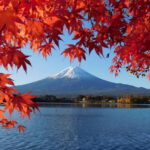
The selling point is the view. Konohananoyu offers direct views of Mt. Fuji and includes both indoor and open-air baths. So you can choose: warm and sheltered, or a bit freer outdoors depending on how the weather feels.
Quick onsen reality checks (important):
- You must follow the onsen bathing rules: Japanese onsens require nude bathing.
- If you have tattoos, you’re required to cover them; otherwise entry can be refused.
- The onsen fee is not included in the tour price, so bring money for this cost.
- The tour also notes rules and timing can change on busy days.
Also, keep expectations grounded. On weekends and national holidays, hot springs can get crowded with long queues, and you might be unable to experience the onsen if the waiting time becomes excessive. When that happens, the tour gives you a choice to shift toward nearby shopping instead.
My practical tip: if you’re arriving expecting a peaceful, slow soaking experience, arrive with flexibility. Sometimes the best Fuji onsen day is the one where you keep your cool when lines happen.
Gotemba Premium Outlets: When Shopping Replaces Onsen Time
![[Seasonal Limited] Mt. Fuji 5th Station &Hot Spring Day Tour - Gotemba Premium Outlets: When Shopping Replaces Onsen Time](https://b.tokyosights.com/wp-content/uploads/seasonal-limited-mt-fuji-5th-station-hot-spring-day-tour-7.jpg)
There’s a shopping option built into the plan, but it’s not identical every day.
From Monday to Friday, you can choose between Gotemba Premium Outlets or a hot spring experience. On weekends and Japanese national holidays, the tour notes that hot spring arrangements may not be available, and you may be guided toward checking nearby malls instead.
So how should you think about this section? If you’re the type who wants photos first and shopping later, you’ll need to line up your expectations with the day-of schedule. If you’re truly focused on soaking, you’ll want to book on a date when onsen time is clearly part of the plan.
Gotemba is also described as a place to shop with views of Mt. Fuji while you’re at the foot of the mountain. That’s not the same experience as a bath with open-air views, but it can still scratch the “Fuji sight” itch.
Guide Style, Group Pace, and Photo Help That Actually Matters
![[Seasonal Limited] Mt. Fuji 5th Station &Hot Spring Day Tour - Guide Style, Group Pace, and Photo Help That Actually Matters](https://b.tokyosights.com/wp-content/uploads/seasonal-limited-mt-fuji-5th-station-hot-spring-day-tour-8.jpg)
This tour includes a professional guide and round-trip transfers from the meet-up location. For language, you’ll see English and Chinese services. The tour also notes that for international guests, multilingual support is provided, not just one language locked in.
One detail I appreciate is the way the guide role works on smaller groups: the driver may also act as a guide with limited English commentary, and there’s no commentary while driving. That’s not a flaw—it’s how you keep the trip moving. It means you’ll usually get your explanations when you’re stopped, not during the bus ride.
In real-world terms, this kind of structure matters for photos. The tour includes photo stops at key points, and the guide tends to help with the best angles and timing. In the feedback connected to this route, guides such as Anna, Ken, Coco, and Jacob are repeatedly credited with clear explanations and friendly, hands-on help for getting good shots.
If you care about photos, arrive ready to move. Don’t treat the photo spots like a casual stroll where you can take your time. You’ll get time blocks, but Fuji scenes are time-sensitive: light changes fast, crowds build, and clouds can decide to show up or not.
Price and Value: What $50 Gets You (and What It Doesn’t)
![[Seasonal Limited] Mt. Fuji 5th Station &Hot Spring Day Tour - Price and Value: What $50 Gets You (and What It Doesn’t)](https://b.tokyosights.com/wp-content/uploads/seasonal-limited-mt-fuji-5th-station-hot-spring-day-tour-9.jpg)
At $50 per person for a full day, this is positioned as a value-friendly way to see multiple Mt. Fuji icons from Tokyo. The price is especially appealing because it bundles several “costly in time” parts:
- Round-trip transfers between central Tokyo meet points and the sights
- Parking and fuel fees
- A professional guide
What’s not included is also clearly spelled out:
- Meals and beverages
- Onsen fee
- Personal expenses
- Travel/accident insurance
So the math is simple. If you plan to eat somewhere near the sights and soak at Konohananoyu, budget a bit more on the day. Still, you’re paying mainly for transportation + guided routing + time organization. For many people, that’s the real value: you avoid the “how do I get there efficiently?” stress.
Also, since this tour is 1 day, your alternative might be hiring your own transport or coordinating multiple segments. Even if those options can be cheaper sometimes, they take more planning and more decision fatigue. For a lot of travelers, paying $50 for a guided day is a smart trade.
Who Should Book This Tour (and Who Should Skip It)
This trip fits best if you want a classic Mt. Fuji highlight day without physical strain. It’s great for:
- Couples chasing famous views and a relaxing ending
- Solo travelers who want someone else to handle the routing
- Families who prefer a gentle pace over hiking
It’s not suitable for some people based on the tour’s own limits, including:
- Pregnant women
- People with mobility impairments
- Wheelchair users
- People over 70
And one more personal factor: tattoos. Because hot spring entry rules can be strict, you’ll need to plan to cover tattoos properly.
Finally, if your travel style is highly independent—where you want total control over timing—this tour may feel structured. The good news is that there’s still free time at Oshino Hakkai and at the onsen, so you can breathe. But you won’t get the freedom of a private driver.
Should You Book the Mt. Fuji 5th Station & Hot Spring Day Tour?
I’d book it if you match the goal: classic Fuji sights plus a real onsen, all in one day, with simple logistics handled for you. If you’re on a tight Tokyo schedule, this tour is an efficient way to see 5th Station, Oshino Hakkai’s ponds, and Konohananoyu without turning your vacation into a transportation puzzle.
I would hesitate if:
- You’re arriving on a weekend or national holiday and onsen access is your top priority
- You strongly need predictable Fuji visibility (clouds can happen)
- You’re concerned about a long bus day or you fall into one of the tour’s non-suitable categories
One last decision helper: if Mt. Fuji is your one must-see and you want the best odds, try to choose a date when the 5th Station is open (May 10 to Nov 30). The route swap to Asama Park can still work visually, but it’s not the same experience as being up at 2,300 meters.
FAQ
How long is the Mt. Fuji 5th Station & Hot Spring day tour?
It’s a one-day experience, and the full duration is listed as 1 day.
When is Mt. Fuji 5th Station open on this tour?
The opening period for Mt. Fuji 5th Station is May 10th to November 30th.
What happens if the 5th Station is closed?
If the Fifth Station is closed due to winter conditions or other reasons, the tour redirects you to Shintaku-yama Asama Park instead.
Is the onsen fee included in the $50 price?
No. The onsen fee is not included, and it’s listed as a cost you pay at your own expense.
What languages are available for the guide?
Live tour guide languages listed are Chinese and English.
What should I bring for the tour and onsen?
Bring comfortable shoes and clothes, and cash. The tour also notes onsen rules, including that tattoos must be covered and that Japanese onsens require nude bathing.