REVIEW · TOKYO
Mt. Fuji Skiing Experience- YETI Ski Resort & Onsen Day Trip
Book on GetYourGuide →Operated by TAIHOU CO,LTD · Bookable on GetYourGuide
A snowy Mt. Fuji fix in one day. This trip pairs YETI Ski Resort (an early-season favorite) with a real hot-spring stop at Konohana no Yu, so you get action and recovery in the same package. I like how the ski part is designed for beginners and intermediates, and I like how the onsen rewards you with Mt. Fuji views. The main drawback to watch: this is a tight, shared-group schedule, so delays can squeeze your time on snow.
You start early at JR Tokyo Station, with a meet-up at 7:15AM and departure at 7:30AM from Marunouchi North Exit. I also appreciate that the live guide works in Chinese, English, and Japanese, and guides like Wanting and Samuel are mentioned for history and sightseeing tips. Bring cash, because credit cards may not be accepted at certain stops, and you’ll want to grab snacks without friction.
In This Review
- Key things that make this day trip work
- A quick reality check: what this 10-hour Fuji ski day really includes
- Meeting at JR Tokyo Station and the bus ride up to 1,400 meters
- YETI Ski Resort: what the four-slopes plan means for you
- Mt. Fuji and Suruga Bay views from the upper runs
- Ski packages and equipment: choosing the option that saves you money
- Konohana no Yu hot spring: why the Mt. Fuji bath is the right ending
- Timing and the main reason the day can feel rushed
- Food, shopping, and the Gotemba-area vibe after snow
- Price and value: is $90 a fair deal?
- Who should book this (and who might want to skip)
- Should you book this YETI Ski and Onsen day trip?
- FAQ
- Where is the meeting point for the Mt. Fuji skiing day trip?
- How long is the day trip from Tokyo?
- What is included in the tour price?
- What is not included?
- What hot spring do you visit after skiing?
- Do I need to bring cash?
- What languages does the guide speak?
Key things that make this day trip work
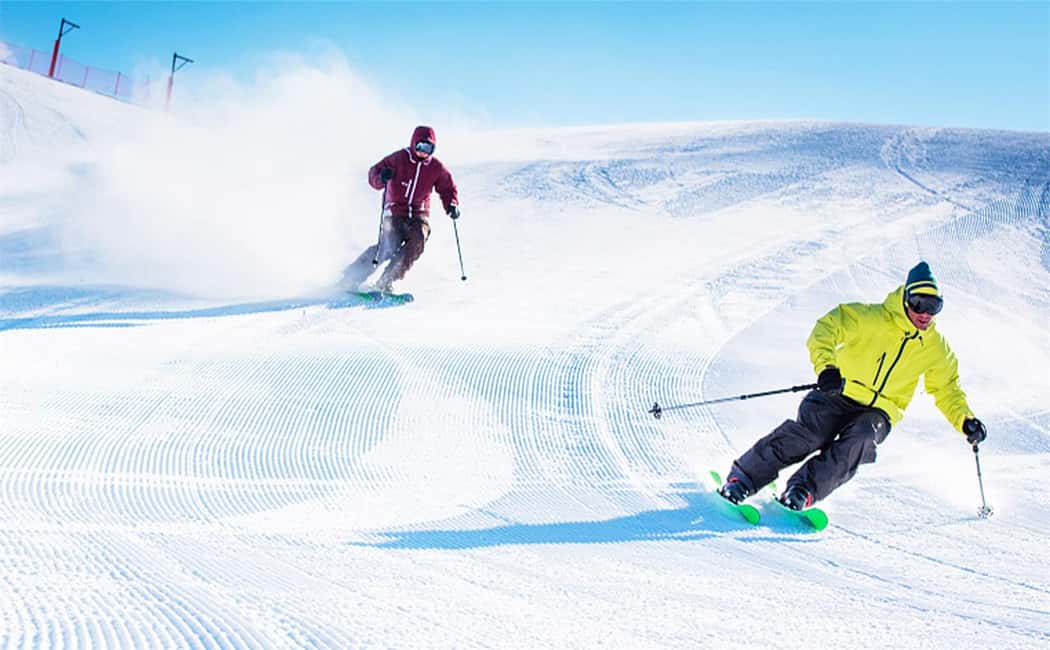
- YETI Ski Resort at 1,400 meters: higher altitude usually means more reliable winter conditions
- Four slopes for beginners and intermediates: easier entry if you’re new to skiing
- Mt. Fuji and Suruga Bay views from the upper runs on clear days
- Konohana no Yu open-air bath: you soak with Mt. Fuji in sight, plus natural spring water
- Optional onsen fee and backup onsens: if Konohana no Yu is closed, you’ll pivot to Gotemba Fuji Hakkei or Gotemba City Onsen Hall
- Ski equipment included depending on package: less to carry, more time for the slopes
A quick reality check: what this 10-hour Fuji ski day really includes
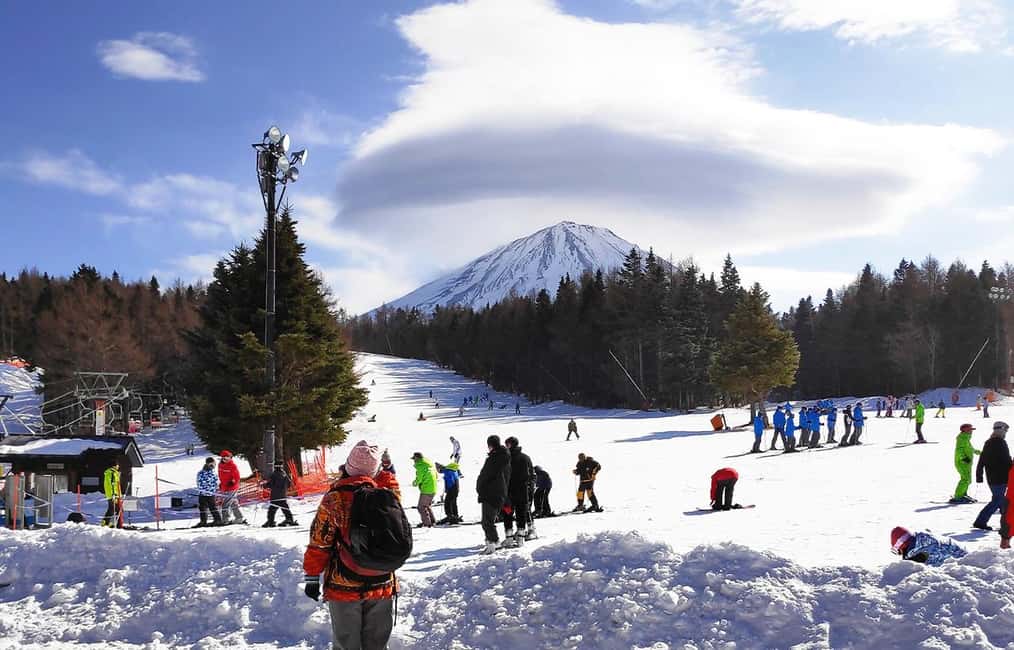
This is a straightforward “snow + onsen” format. You’re on a bus from Tokyo, spend about four hours at the YETI snow park, then switch to hot-spring time with an additional sightseeing stop before heading back.
What makes it appealing is that the trip is built around two high-reward experiences: skiing with a view, and then a hot soak that feels like a reward rather than a rushed afterthought. It also helps that YETI is described as Japan’s earliest snow park, which is exactly what you want if you’re trying to catch winter conditions early.
The value pitch is also practical: round-trip air-conditioned transportation, resort entry, parking fees, and a professional driver are included, and ski equipment may be included depending on your chosen package. Food and drinks are on you, and the onsen fee is optional (listed around 12USD), so plan a little extra budget beyond the $90.
You can also read our reviews of more tours and experiences in Tokyo
Meeting at JR Tokyo Station and the bus ride up to 1,400 meters
Your day starts at JR Tokyo Station (Marunouchi North Exit). The guide waits at the meeting point around 7:15AM, and the bus leaves at 7:30AM. This matters because the itinerary depends on getting out smoothly—late arrivals don’t get refunded.
The ride is about 2.5 hours. That’s long enough that you’ll probably want to use the time strategically: bring something warm for the bus, and don’t plan on shopping or eating right before departure. If you’re sensitive to early starts, this tour rewards you for committing to the schedule.
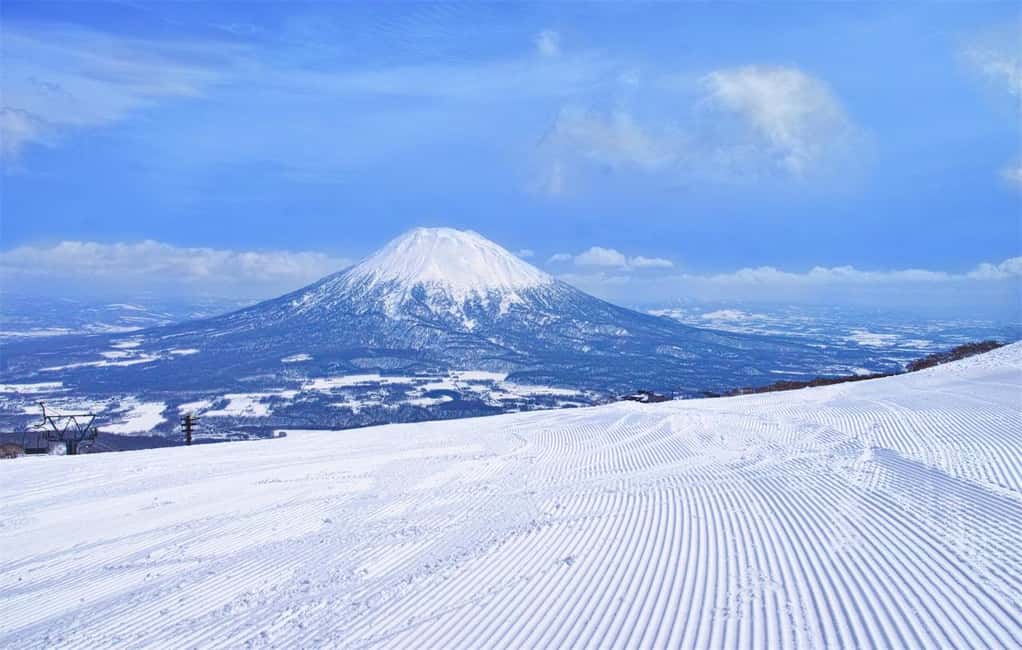
You also get an important altitude context: YETI Ski Resort is at about 1,400 meters. That’s not just trivia. Higher elevation tends to mean more winter comfort for snow activities, and it also sets up the chance for those big Mt. Fuji views from higher runs later.
YETI Ski Resort: what the four-slopes plan means for you
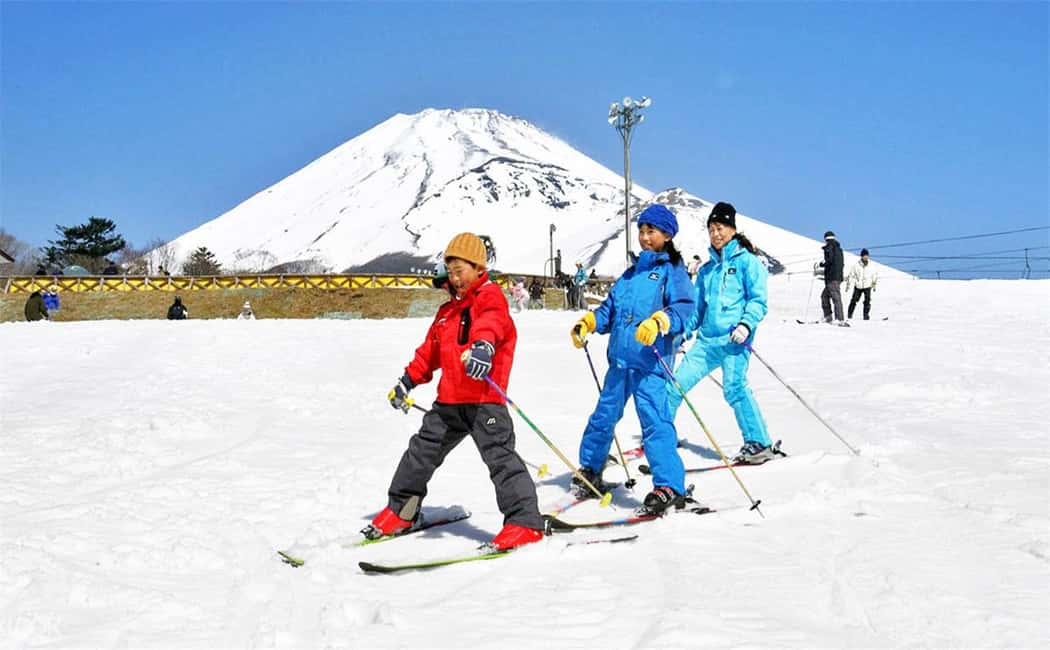
At YETI, you get roughly four hours of free time at Japan’s earliest snow park. The setup includes four ski slopes aimed at beginners and intermediate skiers. That matters because it reduces the pressure of the day. You’re not trying to fit everything into one frantic run between lessons.
If you’re new, this structure is a win. You can practice turns, get used to speed control, and still have time to try more than one route. If you’re intermediate, you still have room to move around without the day collapsing into a beginner-only experience.
One more smart point: clear-day views are part of the pitch from the slopes. That means you’ll likely want to be mentally ready for moment-to-moment scenery—look up once in a while, not just at your feet. It’s easy to forget Mt. Fuji is a real presence when you’re concentrating on balance.
Mt. Fuji and Suruga Bay views from the upper runs
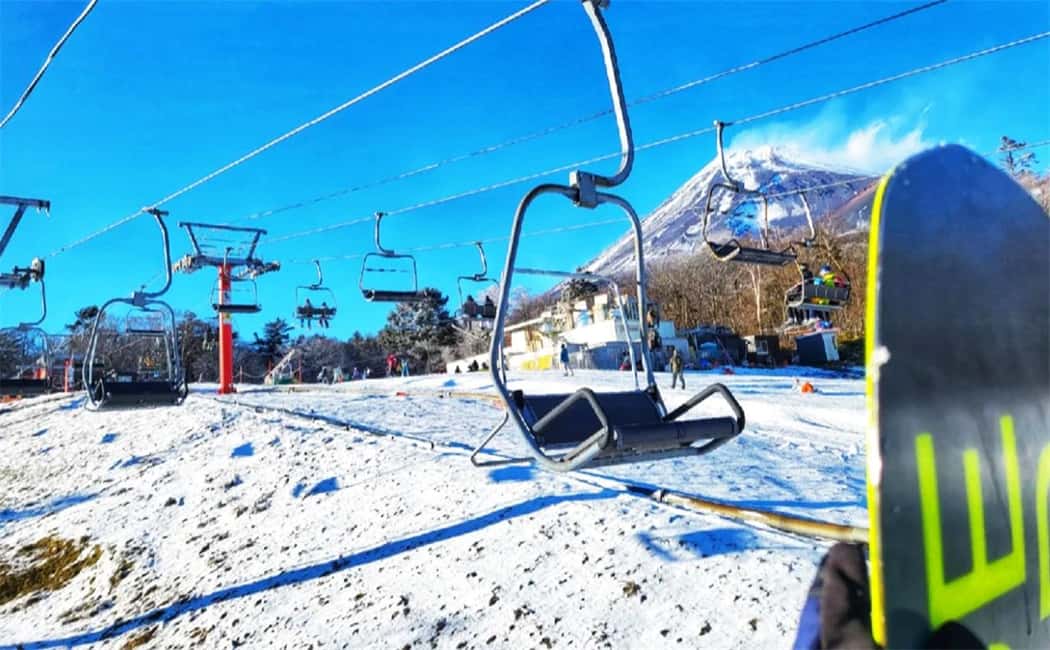
The best part of skiing here is the scenery bonus. On clear days, you can see Mt. Fuji and Suruga Bay from the upper slopes. That’s a rare pairing. Many ski areas give you mountains; fewer give you both a famous peak and a coastline view during your runs.
Practical tip: if the sky is clear in the morning, treat it like a cue to spend at least part of your time higher up. If conditions cloud over later, you still have the skiing, but you’ll lose that signature “wow” moment.
Also remember: weather isn’t just about comfort. The itinerary notes that bad weather can impact timing, potentially shortening or rescheduling parts of the day. So keep your expectations flexible. Think of this as a snow-focused outing with a view payoff when conditions cooperate.
Ski packages and equipment: choosing the option that saves you money
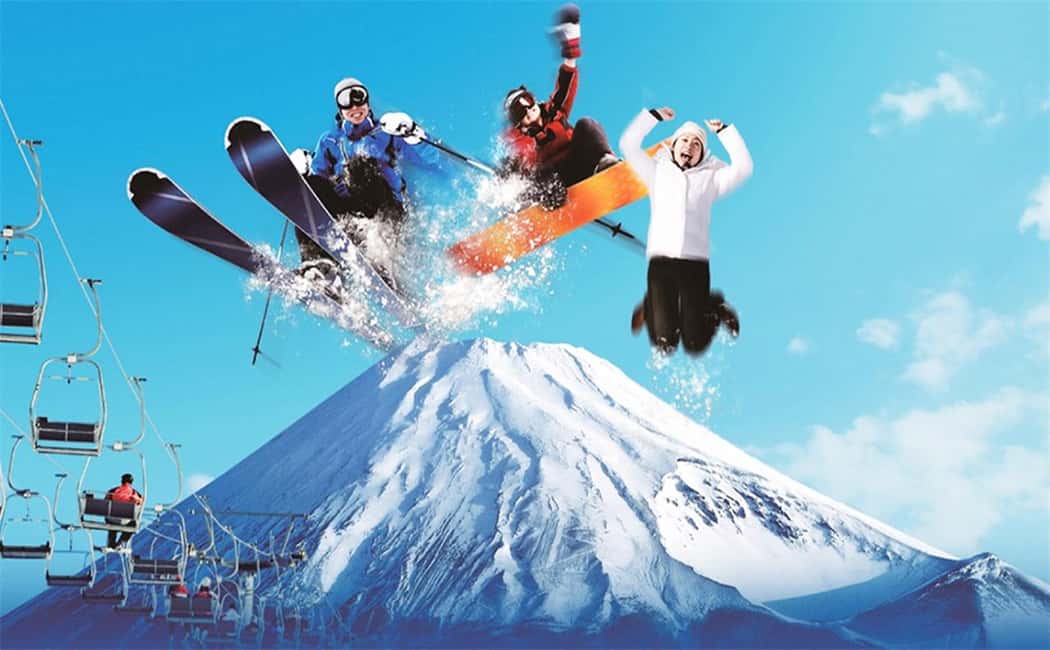
Ski equipment is listed as included depending on the package you choose. That’s a big deal if you’re traveling light. Renting gear in Tokyo is possible, but it’s an added stop and added hassle on top of an already early day.
Because the exact package options aren’t spelled out here, your best strategy is simple:
- Pick the option that includes equipment if you don’t already have boots/skis.
- If you’re a beginner, choose a package that matches your confidence level so you don’t waste the best snow hours trying to figure out gear and technique at the same time.
If you do want more freedom, remember you’re on a shared group day trip. Your time at the resort is allocated, so the best package is the one that minimizes friction and gets you on snow quickly.
You can also read our reviews of more tours and experiences in Tokyo

Konohana no Yu hot spring: why the Mt. Fuji bath is the right ending
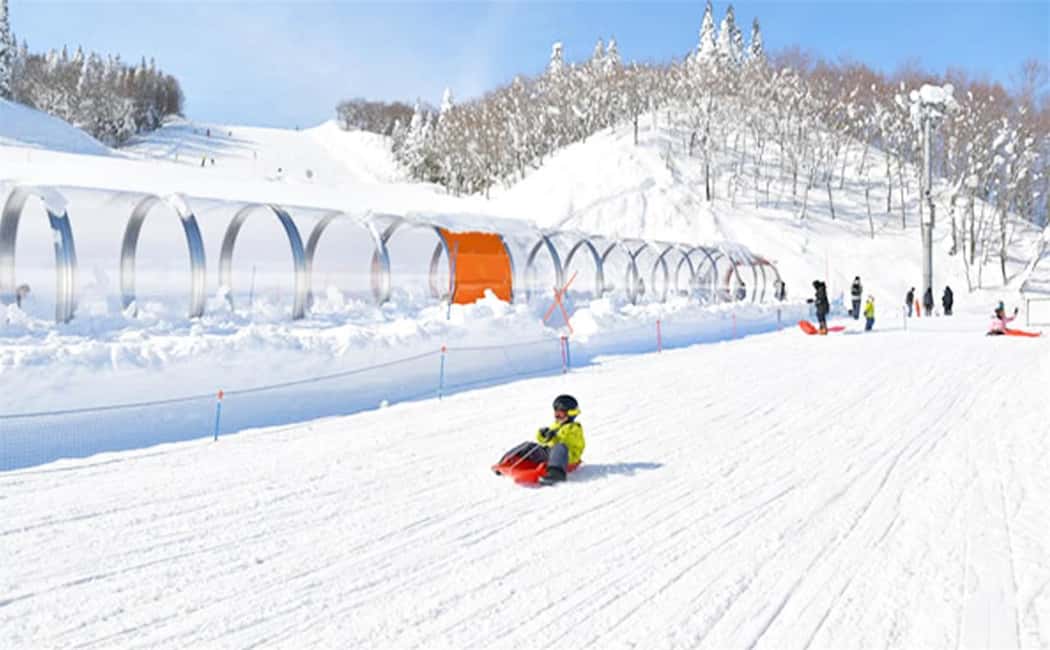
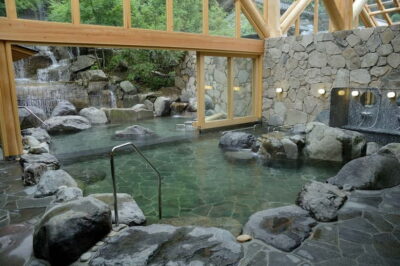
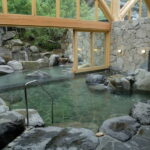
After skiing, you head to hot springs—Konohana no Yu is the planned stop. The ride isn’t just a general “go relax” moment. It’s described as an open-air bath with breathtaking Mt. Fuji views, using high-quality natural spring water.
There’s also a specific practical detail: you take an elevator from the parking area up to Konohana no Yu. That makes it easier to connect your arrival with the onsen without extra hiking or guesswork.
If Konohana no Yu is closed, you’ll switch to Gotemba Fuji Hakkei or Gotemba City Onsen Hall. So you’re not stuck without a soak.
One more thing to keep expectations realistic: onsen fees are noted as optional (around 12USD). Even if the hot spring is included in spirit, the entry cost may be separate, so bring a little cash buffer for this part of your day.
Timing and the main reason the day can feel rushed
This is a shared tour with fixed blocks. The structure is bus in, ski time, onsen time with sightseeing, then bus back. That’s efficient, but it has one consequence: if the group runs into delays—weather, crowds, or traffic—your day can tighten.
Bad weather can shorten or reschedule parts of the itinerary. Traffic during return is also a real-world factor on day trips, especially when everyone is trying to get back to Tokyo around the same time.
I’d treat the listed ski duration as a target, not a guarantee. If you absolutely need lots of uninterrupted skiing practice, consider this as a “try it + soak it” day rather than a long training session.
Food, shopping, and the Gotemba-area vibe after snow
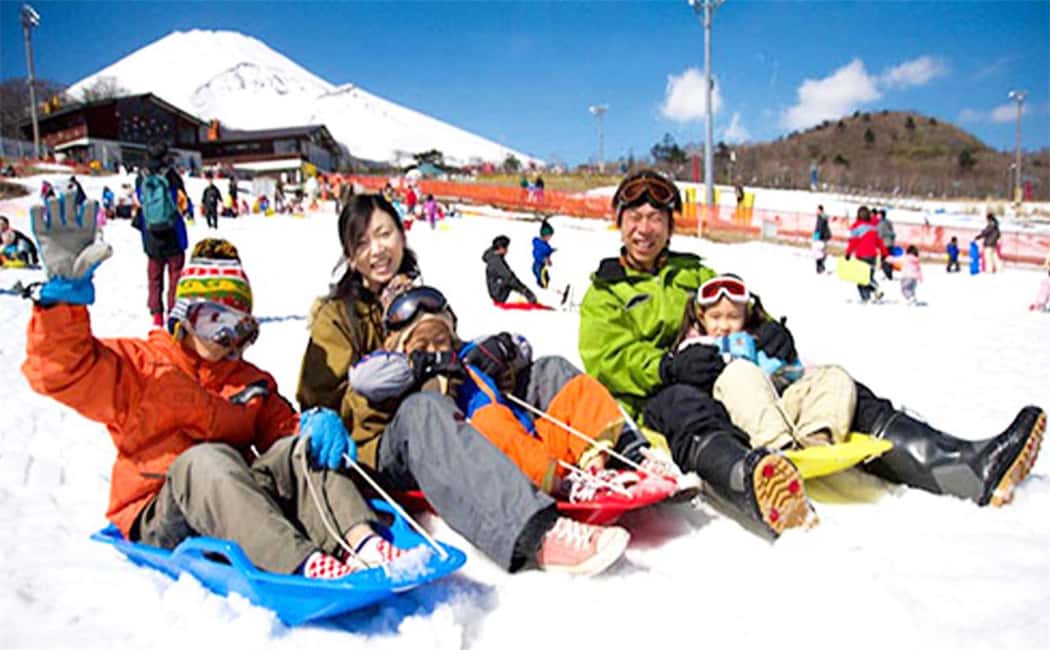
Food and drinks aren’t included. That’s common, but on a day trip it’s worth planning. When you’re away from Tokyo that long, having cash on hand helps you eat quickly and keep your energy up between skiing and the onsen.
There’s also an onsen-related alternate area mentioned: if Konohana no Yu is unavailable, the tour may route through Gotemba options. The timing can also intersect with outlet-style shopping in the area depending on how the day lands. If you’re hoping to do a full shopping detour, this schedule is probably not built for it—this is more about getting back on time.
If you want convenience, aim for simple meals near where the group pauses. The tour is designed to move, not meander.
Price and value: is $90 a fair deal?
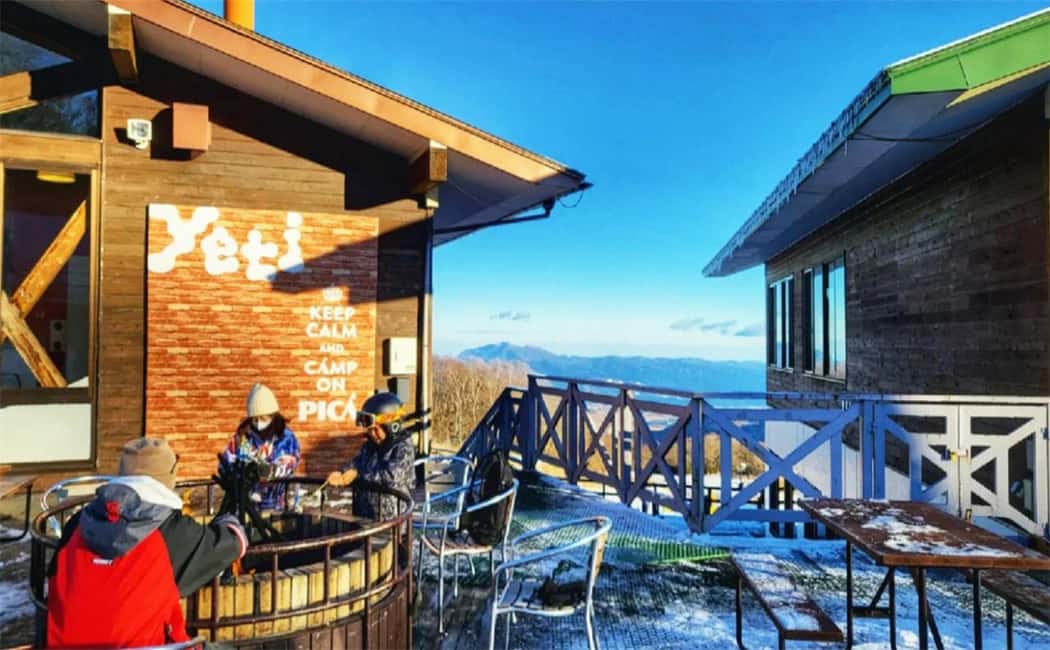
At $90 per person for a 10-hour day, the value comes from bundling. You’re paying for:
- Round-trip air-conditioned bus
- YETI ski resort entrance
- Parking fees and a professional driver
- Ski equipment depending on your selected package
So you’re not just paying for “a little skiing.” You’re paying for the whole logistics engine: leaving Tokyo, transferring to the mountain area, and returning after the onsen.
Where you’ll spend extra is also clear: food and drinks are not included, and the onsen fee is listed as optional around 12USD. That means your true spend depends on what you eat and whether you take the onsen entry as part of your personal plan.
Is it a great deal? Usually, yes—especially if the ski equipment is included in your package. If you’re already bringing your own gear and you don’t care about the onsen, the bus-and-entrance bundle is less compelling. But for most people, this is a clean way to get both mountain time and a proper hot-spring reset without juggling separate tickets.
Who should book this (and who might want to skip)
I’d book this if you want:
- A beginner-friendly structure with four slopes meant for less advanced skiing
- The chance to see Mt. Fuji from the snow, not just from a distant viewpoint
- A hot-spring ending that includes Mt. Fuji views at Konohana no Yu
- A guided day trip that handles the big transfers from Tokyo
I’d be more careful if:
- You’re an advanced skier looking for long, challenging runs. This is oriented toward beginners and intermediates.
- You’re very sensitive to schedule changes. The tour can be affected by weather, traffic, and holiday crowding.
- You expect very detailed English narration the whole time. The tour guide language is listed as Chinese, English, and Japanese, but real-world communication can vary by guide and day. Some people do love the guide’s energy and tips; if you prefer strictly practical skiing instruction only, keep your expectations simple.
Should you book this YETI Ski and Onsen day trip?
If your goal is one memorable Fuji day with actual time on snow, this is a strong pick. The combination of a beginner-friendly ski plan and a Mt. Fuji-view onsen is the kind of payoff you don’t usually get from a simple bus tour.
Book it if you can commit to the early start, show up on time at JR Tokyo Station, and plan for a cash-friendly day. Don’t book it if you’re trying to stack multiple attractions that same day—you’ll want this trip to be the main event, not a side quest.
FAQ
Where is the meeting point for the Mt. Fuji skiing day trip?
Meet your guide at JR Tokyo Station Marunouchi North Exit (address: 1-chome-6 Marunouchi, Chiyoda city, Tokyo 100-0005 Japan). The guide waits for you at 7:15AM, and the bus departs at 7:30AM.
How long is the day trip from Tokyo?
The duration is listed as 10 hours.
What is included in the tour price?
Included items are round-trip transportation by air-conditioned bus, entrance fee to YETI ski resort, parking fees, professional driver, and ski equipment depending on the package you choose.
What is not included?
Food and drinks are not included. The onsen fee is listed as optional (around 12USD).
What hot spring do you visit after skiing?
The planned hot spring is Konohana no Yu, with open-air baths and Mt. Fuji views. If it is closed, the tour may use Gotemba Fuji Hakkei or Gotemba City Onsen Hall.
Do I need to bring cash?
Yes. Cash is recommended, and credit cards may not be accepted at certain locations.
What languages does the guide speak?
The live tour guide offers Chinese, English, and Japanese.