REVIEW · TOKYO
Nagano/Tokyo: Snow Monkey Private Day Tour At Lowest Rate
Book on GetYourGuide →Operated by Travels Luxurious Japan · Bookable on GetYourGuide
Snow monkeys, temples, and a long winter drive. What I like most is the Snow Monkeys at Jigokudani, and the way Zenko-ji slows the day down with quiet, spiritual atmosphere. One caution: it’s a long day with real commuting time, so you’ll want to go in with a relaxed mindset.
I also like that this is genuinely private, with pickup options across Tokyo’s 23 wards and Nagano/Hakuba/Obuse areas, plus a driver who speaks English and can also handle Hindi, Japanese, or Urdu. On past trips, drivers like Alex and Cheema have even adjusted timing to dodge traffic and crowd pressure.
The comfort is real: you ride in a clean, luxury Vellfire with bottled water, tea, and coffee, and Wi‑Fi onboard. Just remember meals and attraction fees are not included, and winter walking can be slippery, cold, and uphill in spots.
In This Review
- Key things to know before you go
- A Private Day That Actually Feels Like Your Day
- Price and Value: What $399 Covers (and Why It Can Be Fair)
- Pickup, Timing, and the Reality of Tokyo-to-Nagano Drive Time
- Jigokudani Snow Monkey Park: The Cold Walk to the Hot Springs
- Zenko-ji Temple: Spiritual Calm After the Mountain Air
- Matsumoto Castle and Obuse: Feudal Power Meets Snack Time
- Matsumoto Castle: Crow Castle Views
- Obuse: Hokusai, Chestnuts, and a Breather
- When You Customize: Samurai District and Togakushi Options
- Matsushiro Samurai District
- Togakushi Shrine Trails
- Comfort and Practicalities That Matter on a Long Winter Day
- Who This Tour Fits Best (and Who Should Think Twice)
- Should You Book This Snow Monkey Private Day Tour?
- FAQ
- How long is the Nagano/Tokyo Snow Monkey private day tour?
- What is the price for this tour?
- Where can I be picked up from?
- Is airport or port pickup included?
- What’s included in the tour?
- Are meals included?
- What are the main stops in the standard day plan?
- How much walking is involved?
- Is the tour customizable?
- What should I bring and what’s not allowed?
Key things to know before you go
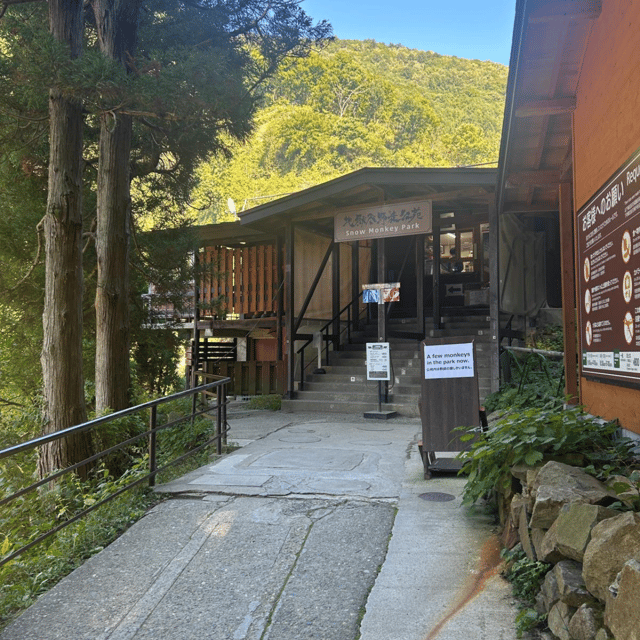
- Jigokudani in winter is the point: the hot-spring monkey viewing feels extra special when the valley is snowy.
- You control the day: it’s customizable, so you can steer toward temples, samurai history, or nature.
- Timing matters: some drivers recommend earlier pickup to reduce crowds and traffic stress.
- Walking is part of it: expect an uphill start and a few chilly, outdoor stretches near the monkey park.
- Good drivers make the difference: from Alex to Arslan to Sikandar, the trips in the notes were praised for smooth, attentive driving.
- Snacks/meals aren’t included: plan for at least one meal break on your own.
A Private Day That Actually Feels Like Your Day
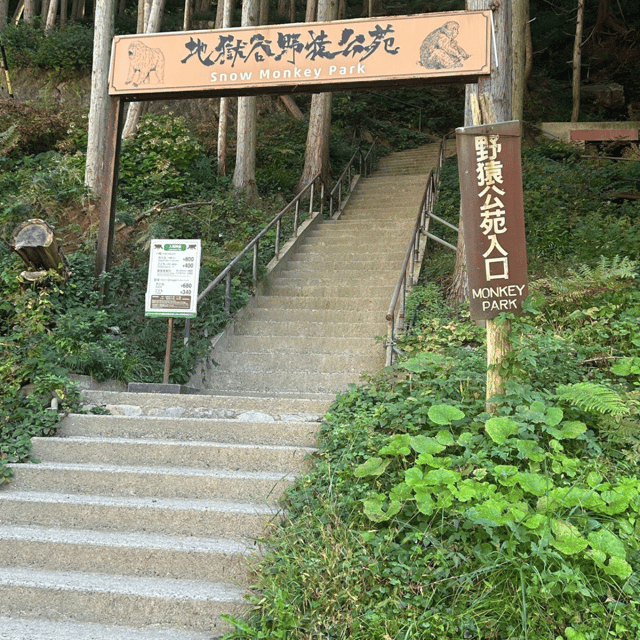
This is the kind of tour I’d book when I want Nagano’s highlights without turning the day into a scavenger hunt. You’re not chasing trains, ticket machines, and transfer times. Instead, you sit back in a luxury Vellfire, with hotel pickup and drop-off, and you get a driver who can handle the logistics cleanly.
What makes it work best is the balance between fixed, high-impact stops and customization. The core day centers on Jigokudani Snow Monkey Park and a major temple visit, then adds strong “pairings” nearby, like Zenko-ji and Matsumoto Castle. If you’re more interested in samurai-era history or shrine trails, the tour is designed to let you adjust the order and choose which add-ons you want.
You also get practical touches that make a long day easier: water, tea, and coffee onboard, plus Wi‑Fi so you can map, translate, or keep family in the loop while you’re on the road.
You can also read our reviews of more private tours in Tokyo
Price and Value: What $399 Covers (and Why It Can Be Fair)
The headline price is $399 per group (up to 6 people) for about 10 hours including commuting time. If you spread it across the max group size, that works out to roughly $66 per person. The math matters because private transport in Japan doesn’t come cheap, especially when you’re going between Tokyo-area hotels and Nagano’s mountain regions.
More importantly, the price includes the parts that usually sneak up on you:
- private luxury transportation in a Vellfire
- hotel pickup and drop-off
- highway taxes, fuel, parking fees
- a Wi‑Fi hotspot router
- water, tea, and coffee
Not included are meals and attraction fees. That’s the main trade-off. But the tour is structured so you can plan your own lunch break the way you want (quick, local, or something cozy), rather than feeling trapped by a pre-set “tour lunch.”
Also keep in mind: a group larger than 6 can be facilitated with additional cost. If you’re traveling with a bigger crew, ask early so the vehicle plan stays comfortable.
Pickup, Timing, and the Reality of Tokyo-to-Nagano Drive Time
Plan for a full day. The tour duration is about 10 hours including commuting time, and the driving leg from Tokyo can be long. In the notes, guides recommended earlier pickup times to avoid traffic spikes, and that small shift can make a big difference in how tired you feel when you arrive.
Pickup works like this:
- you choose from 5 pickup locations (including Tokyo, Nagano, Hakuba, and Obuse)
- you meet at a clear location (often your hotel lobby)
- the driver waits 10 minutes after the scheduled pickup time
- after that, the driver won’t wait longer than 60 minutes
Two practical tips I recommend:
- Build buffer time into your morning so nobody is sprinting to the lobby.
- If you can, dress in layers before you get in the car. Cold-to-warm changes are constant on these mountain routes.
Jigokudani Snow Monkey Park: The Cold Walk to the Hot Springs
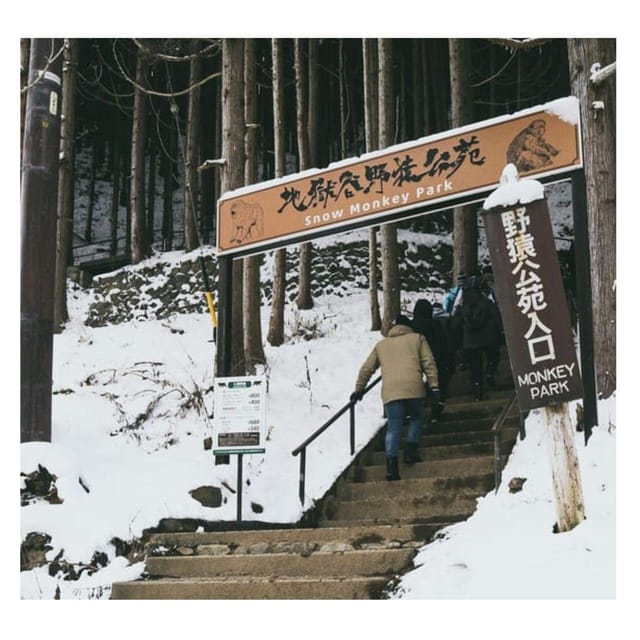
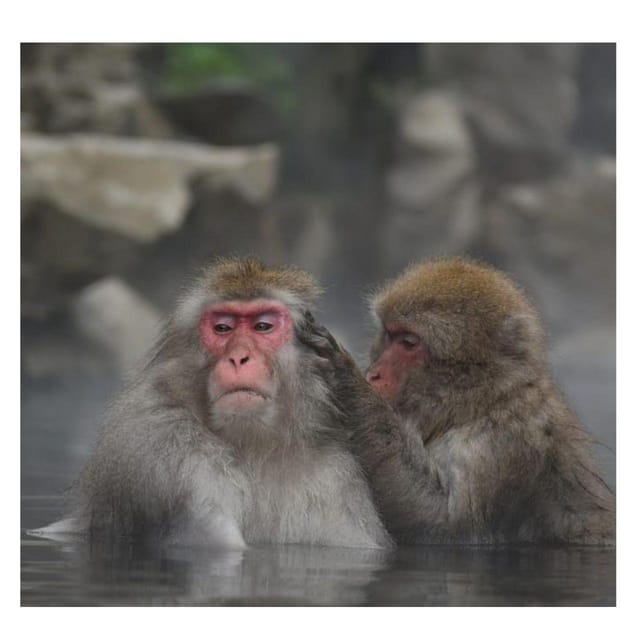
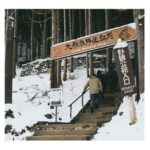
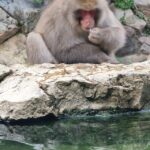
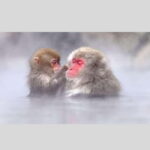
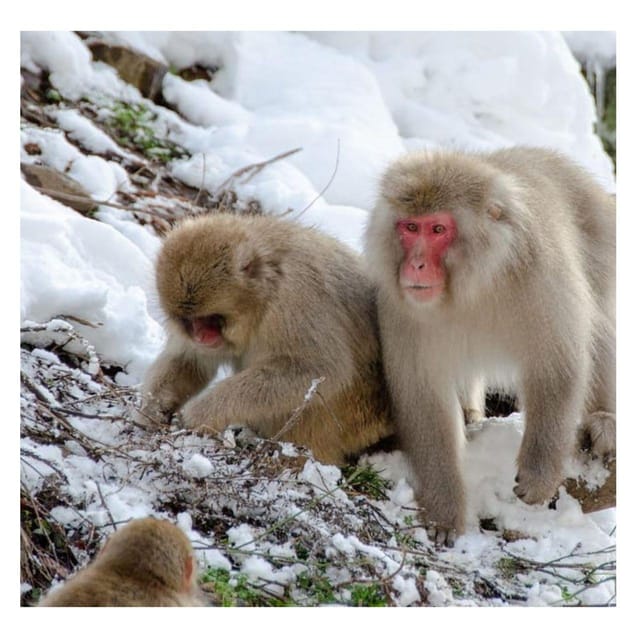
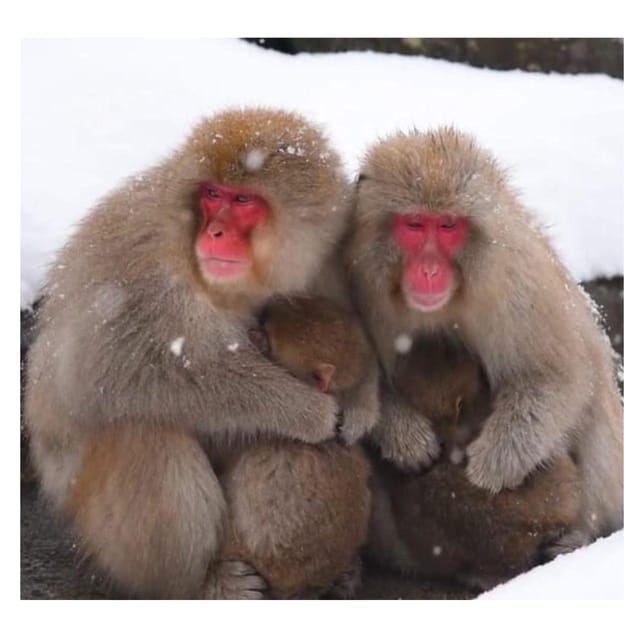
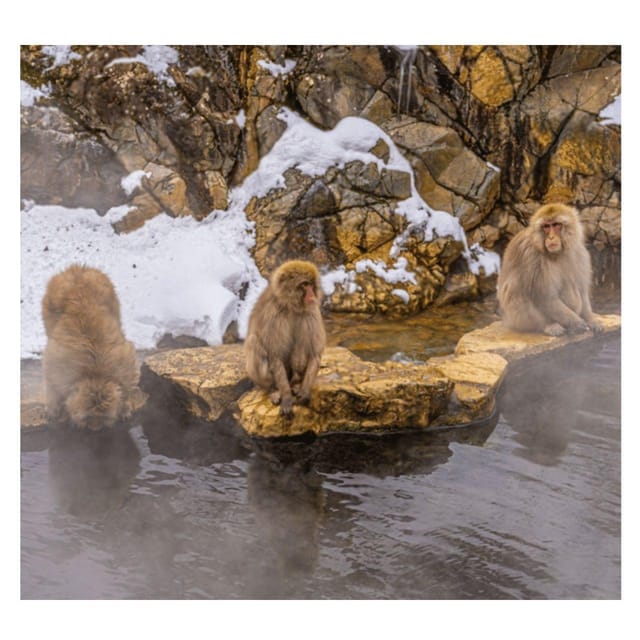
Jigokudani is the star of this day, and it’s not just because of the monkeys. It’s the whole setting: a mountain valley where wild Japanese macaques gather in hot springs while the snow falls or clings to the trees.
Here’s what to expect from the visit itself:
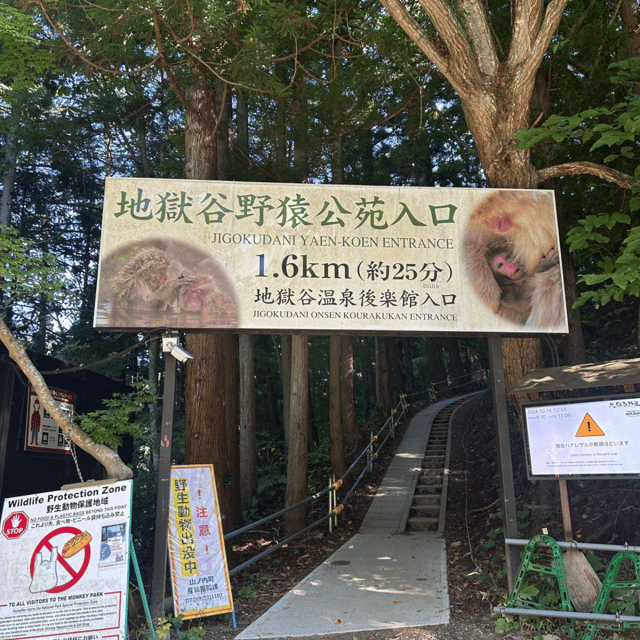
- you’ll get around 1 hour at the monkey park area (plus walking time)
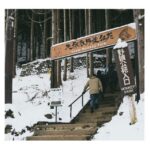
- there’s a walk involved, and in winter it can include uphill sections
- you’ll be outdoors, so waterproof camera protection can be a real quality-of-life upgrade
From the experience notes, the walk can vary by pace and conditions. One driver got people up the mountain and explained the path as mainly flat in the middle, with uphill bits at the start and end. Another tip that stood out: if you don’t see monkeys immediately, don’t panic. One guide waited patiently while people checked the live-feed and then headed back up when the macaques appeared.
A key reality check: monkey sightings are not guaranteed. One trip noted seeing only two macaques that day, though the scenery still delivered. Other days were described as having lots of monkeys and even multiple viewing opportunities. Your best bet is to treat the park as both wildlife and landscape (yes, the terrain matters here) and keep your expectations flexible.
Zenko-ji Temple: Spiritual Calm After the Mountain Air
After the cold, Zenko-ji is a welcome change of pace. It’s one of Japan’s oldest and most important Buddhist temples, and your visit is about an hour of photo stop plus sightseeing time.
What makes Zenko-ji special on a day like this is the contrast:
- you go from mountain winter energy to quiet temple stillness
- you get a chance to see traditional wooden architecture up close
- you can experience the symbolic pitch-dark passage beneath the main hall, which is traditionally believed to bring enlightenment to those who complete it
This is also the kind of stop where a good driver helps you feel grounded. In the notes, Alex and Cheema were praised for suggesting Zenko-ji after the monkey park and for giving clear guidance on what to prioritize when time is tight.
If you want a slightly calmer flow, this temple stop is your anchor. It’s easier to enjoy because you’re walking less frantically and you’re not fighting station schedules.
You can also read our reviews of more tours and experiences in Tokyo
Matsumoto Castle and Obuse: Feudal Power Meets Snack Time
The day then shifts into “Japan’s storybook past” territory with Matsumoto Castle and Obuse.
Matsumoto Castle: Crow Castle Views
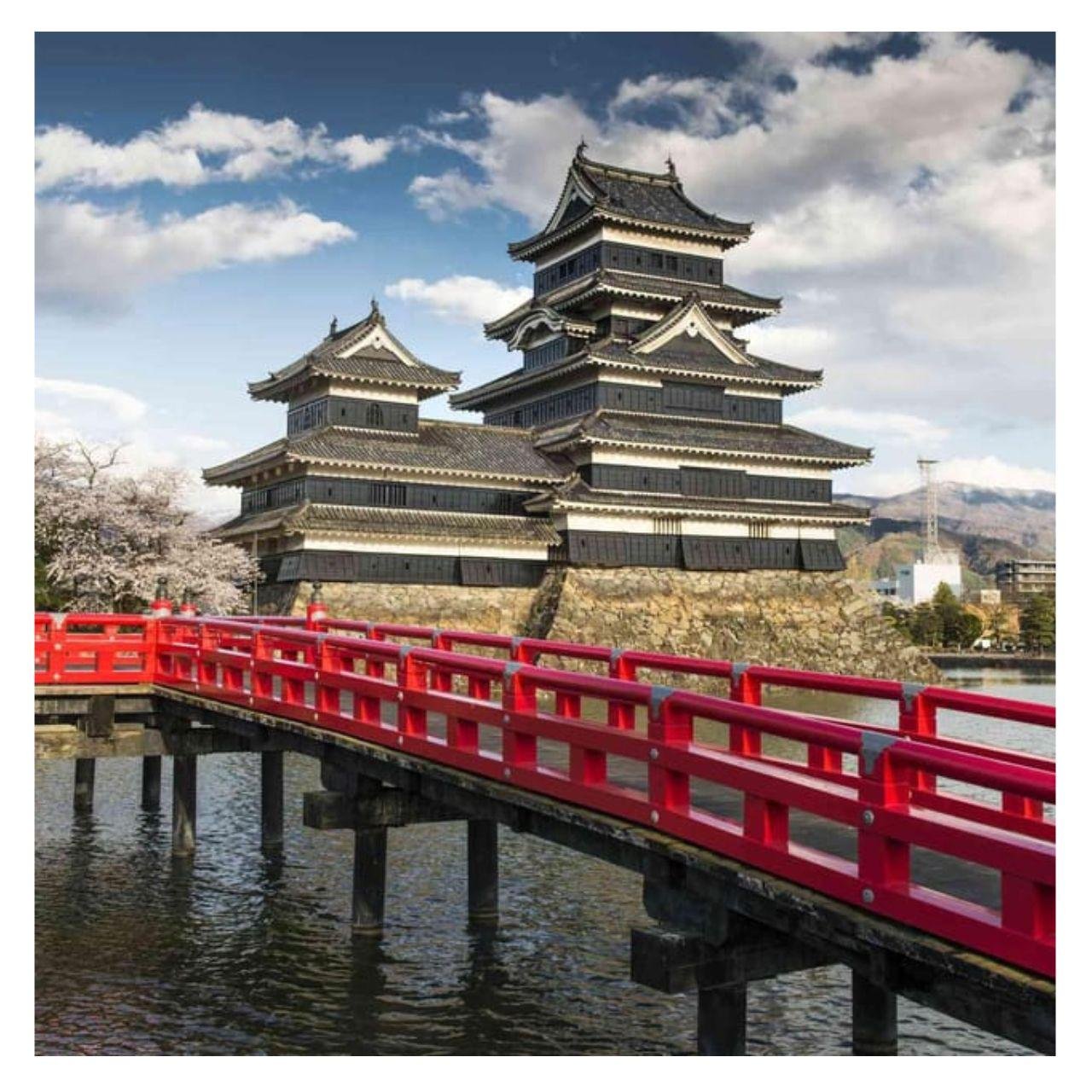
Matsumoto Castle, often called Crow Castle for its black exterior, is a strong hit if you like architecture and feudal-era defense. Your time here is about an hour for photo stop and sightseeing.
In the notes, someone mentioned that Matsumoto Castle felt smaller than expected, but still worth the visit. I’d frame it like this: you come for the original feel of one of Japan’s surviving castles and for the chance to see panoramic views when you climb inside.
Obuse: Hokusai, Chestnuts, and a Breather
Obuse is a good palate cleanser. It’s known for art galleries, historical homes, and chestnut-based sweets. If you have even a passing interest in ukiyo-e art, Obuse’s Hokusai Museum is often the highlight.
Practically, the Obuse stop in the day plan is around 40 minutes. That’s enough to:
- stroll the town streets slowly
- browse craft or art shops if time allows
- enjoy local sweets and coffee
- use the break to reset before the longer drive back
In the notes, guides like Cheema recommended Hokusai Museum timing, and one party enjoyed a great lunch at an Obuse restaurant after the temple day.
When You Customize: Samurai District and Togakushi Options
The tour is described as customizable, and the highlights point to two add-on themes that fit perfectly with the vibe of a Nagano day:
Matsushiro Samurai District
If you’re drawn to samurai-era life, the Matsushiro area can be a powerful pivot. You’re looking at samurai residences and museums connected to the Sanada clan, plus Matsushiro Castle (or ruins/reconstructed parts) dating back to the 1500s.
This works best if you want history that feels lived-in, not just stone walls. Since your day is time-limited, ask your driver how they’d rearrange stops to protect enough time at the monkey park and Zenko-ji.
Togakushi Shrine Trails
Togakushi Shrine adds a nature-and-myth angle. The setting is in cedar forest around Mount Togakushi, with multiple shrines connected by forest trails.
If you go this route, go with comfortable shoes and an expectation for gentle hiking. Your goal isn’t athletic performance. It’s atmosphere: cool shade, old trees, and a shrine walk that feels quieter than the city.
Comfort and Practicalities That Matter on a Long Winter Day
This tour includes a lot of small things that become big things after 10 hours:
- a Wi‑Fi hotspot router in the car
- water, tea, and coffee
- a clean, comfortable Vellfire vehicle
- English speaking license-holder expert driver (and the ability to work with Hindi, Japanese, or Urdu)
In the notes, multiple drivers were praised for being attentive: Arslan was singled out for careful driving through hectic Tokyo traffic and for giving toilet/snack breaks on the way. Theodore’s note emphasized that rest stops were checked proactively, which is exactly what you want on a day that starts early and ends late.
What you should bring:
- comfortable shoes (winter traction helps)
- camera
- a waterproof camera if it’s wet or snowy
What’s not allowed:
- alcohol and drugs
- fireworks
- making fire
Also, this tour isn’t listed as suitable for people with back problems. Walking and outdoor paths can be part of several stops, especially around Jigokudani.
Who This Tour Fits Best (and Who Should Think Twice)
This private day tour is a great fit if you want:
- the Snow Monkey Park experience without train transfers
- a temple stop that’s more than a quick photo
- castle and town time in the Nagano region
- a driver who can keep the day moving and adjust timing based on traffic
It can be especially good for couples, small families, and groups of up to 6 where you want one vehicle and one plan. It also suits travelers who like a little flexibility. The customization element means you can steer the story: monkeys and temples, or monkeys and samurai history.
I’d think twice if:
- you don’t handle long car days well, because the commute is a big part of the schedule
- you need minimal walking, because Jigokudani involves real outdoor walking in winter conditions
Should You Book This Snow Monkey Private Day Tour?
If your top priority is seeing Japanese macaques at Jigokudani and you want a smooth, driver-handled day from Tokyo or the Nagano/Hakuba/Obuse areas, I’d say it’s a strong choice. The value is best when you fill the group size (up to 6), because you’re paying for private logistics plus included driving costs.
If you hate long commutes or you want a very packed itinerary with zero downtime, you might feel the day is more driving than everything else. That said, the notes highlight that good drivers build in rest stops, timing adjustments, and patient pacing, which turns the drive from a chore into just part of the adventure.
FAQ
How long is the Nagano/Tokyo Snow Monkey private day tour?
The duration is approximately 10 hours, including commuting time.
What is the price for this tour?
It is priced at $399 per group, up to 6 people.
Where can I be picked up from?
Pickup is available from accommodations in Tokyo’s 23 Wards and surrounding Nagano areas such as Nagano, Hakuba, Obuse, and Nozawaonsen.
Is airport or port pickup included?
No. Pickup is not provided at airports or ports.
What’s included in the tour?
Private luxury transportation (Vellfire), hotel pickup and drop-off, a customizable itinerary, English-speaking licensed driver, Wi‑Fi hotspot router, water/tea/coffee, highway taxes, fuel, and parking fees.
Are meals included?
No. Meals are not included.
What are the main stops in the standard day plan?
The plan includes Jigokudani Monkey Park, Shibu Onsen (photo stop), Zenko-ji Temple, Matsumoto Castle, and Obuse (photo stop and sightseeing).
How much walking is involved?
You should expect walking at least at Jigokudani Monkey Park and at other sightseeing areas. Comfortable shoes are recommended.
Is the tour customizable?
Yes. The itinerary is customizable and you can adjust it to match your interests and travel style.
What should I bring and what’s not allowed?
Bring comfortable shoes, a camera, and a waterproof camera. Alcohol and drugs are not allowed, and fireworks or making fire are not allowed.