REVIEW · TOKYO
Tokyo Morning Tour: Meiji Shrine, Asakusa & Fish Market
Book on GetYourGuide →Operated by Goen Japan · Bookable on GetYourGuide
Tokyo feels different early.
This morning tour strings together Meiji Shrine’s calm with serious food energy at Tsukiji Outer Market, then eases you into historic Asakusa. I like how it mixes quiet-and-spiritual with snack-and-stroll moments, so your day in Tokyo starts with both atmosphere and flavor. One thing to keep in mind: it’s a morning-focused plan, so you’ll be walking at a steady pace through busy market streets.
What I really liked: you get to taste your way through the food stops, including fresh sushi and sashimi at the market and easy, street-level treats like croquettes and traditional sweets in Asakusa. I also appreciate the guide approach—English explanations plus photos taken during the tour, with historical context that helps you see why these places look the way they do.
The main drawback is simple: the tour price covers several entry fees, but you’ll still need to budget for transit—plan around 550 yen for public transportation.
In This Review
- Quick Hits: What Makes This Morning Tour Work
- A Good Morning Plan: Timing, Route, and What You’re Really Buying
- Meeting at IKEA Harajuku: A Convenient Head Start
- Meiji Shrine: Calm Ground, Shinto Customs, and a Fire Moment
- Tsukiji Outer Market: Sushi and Sashimi Without the Guesswork
- Asakusa and Senso-ji: Historic Streets Plus Easy Sweet Stops
- Guides and Group Energy: Names You Might Hear
- Price and Value: Is $83 a Fair Deal?
- Who This Tour Suits Best (and Who Might Skip It)
- Should You Book This Tokyo Morning Tour?
- FAQ
- FAQ
- What is the duration of the Tokyo Morning Tour?
- How much does the tour cost?
- Where do I meet the guide?
- Where does the tour end?
- What’s included in the tour price?
- Are public transportation fares included?
- What language is the tour offered in?
- What can I taste during the tour?
- Do I get a camera-free souvenir?
- Is free cancellation available?
Quick Hits: What Makes This Morning Tour Work
- Meiji Shrine first thing: a peaceful start before Tokyo gets loud.
- Tsukiji Outer Market food time: sushi and sashimi tasting in the heart of the action.
- Asakusa snacks on historic streets: croquettes and traditional sweets while you walk.
- Entry fees included: Meiji Jingu Shrine, Tsukiji Fish Market, and Senso-ji Temple are covered.
- English-speaking guide + photos: you get context and a visual souvenir without extra effort.
- Route ends in Asakusa: you can keep exploring right after the tour.
A Good Morning Plan: Timing, Route, and What You’re Really Buying
This is a 270-minute morning tour that starts at IKEA HARAJUKU and ends in Asakusa. For $83 per person, you’re paying for an English guide, photos taken for the group, and admission to the big-ticket sites on the route.
The value isn’t just the locations. It’s the order: Meiji first (calm), Tsukiji next (food intensity), then Asakusa (old Tokyo vibes you can keep roaming). If you’ve got limited time in Tokyo—or you want a first-day win—this kind of pacing makes the city easier to understand.
One practical note: the tour doesn’t include public transportation fares (around 550 yen). That’s normal for Tokyo day tours, but it’s good to have yen ready so you’re not scrambling.
You can also read our reviews of more shopping tours in Tokyo

Meeting at IKEA Harajuku: A Convenient Head Start
You meet in front of IKEA HARAJUKU, which is an easy landmark to find compared with smaller street-level points. I like that it keeps the start straightforward—Tokyo can be confusing if you’re juggling trains, exits, and your first morning energy.
From there, your guide steers you through the day’s main stops without making you figure out the transitions on your own. That matters on mornings when you want the schedule to feel smooth instead of stressful.
Meiji Shrine: Calm Ground, Shinto Customs, and a Fire Moment
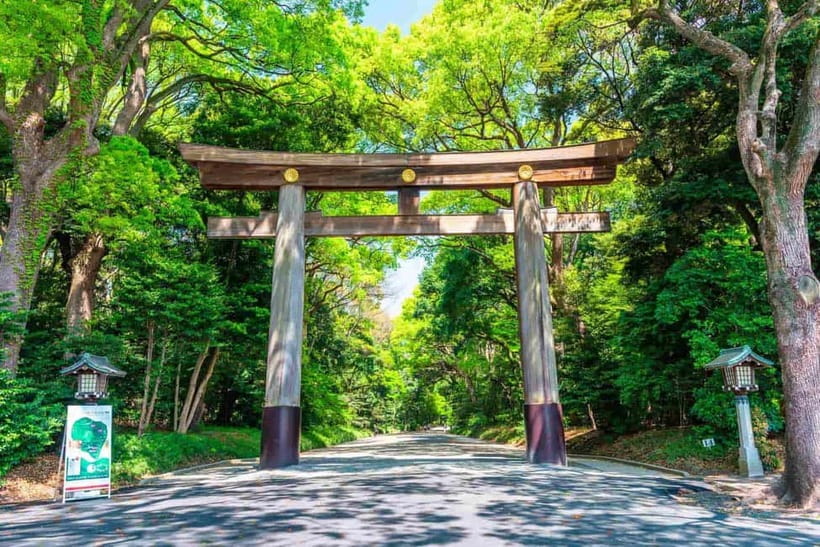
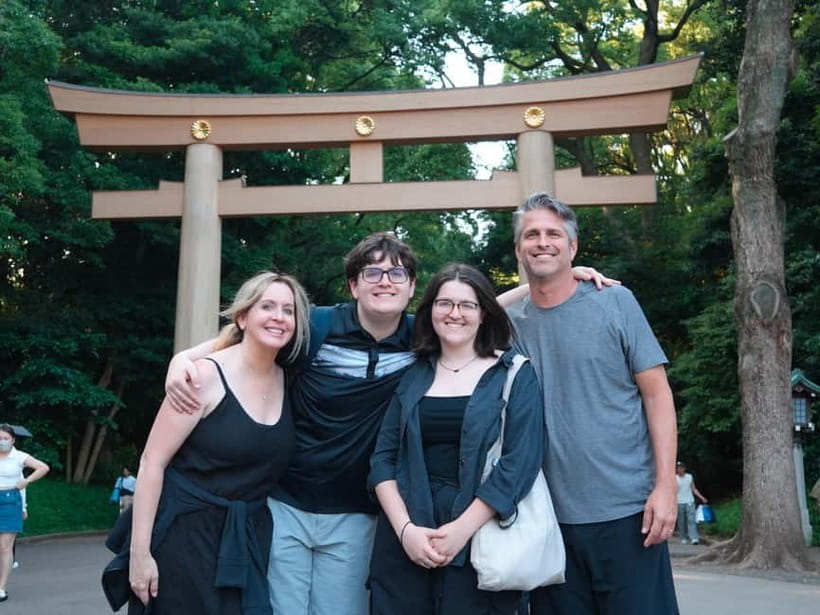
The tour’s first major stop is Meiji Jingu Shrine for about an hour. This is the part of Tokyo that slows your breathing. In the shrine setting, you get a different side of the city—less “see everything,” more “watch and respect what’s happening.”
From the guidance style described by past guests, the tour isn’t only sightseeing. You’ll learn how Shinto and Buddhism shape Japanese beliefs and rituals, including the kinds of customs you should notice while you’re there. Some groups even mention a dramatic fire ritual, which is exactly the kind of moment that sticks with you because it feels real, not staged.
If you’re visiting for culture depth, Meiji is the anchor. It helps you understand what you’re looking at before you go hunt for snacks later.
What to watch for: the tone of the place, the small etiquette details, and the guide’s explanations of why shrines look and feel the way they do. You don’t need to be an expert—you just need to pay attention.
Tsukiji Outer Market: Sushi and Sashimi Without the Guesswork
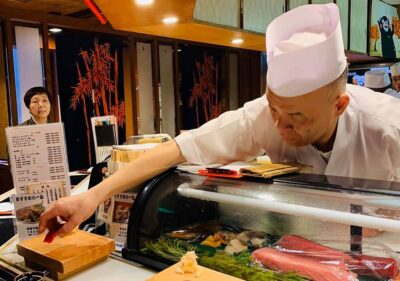
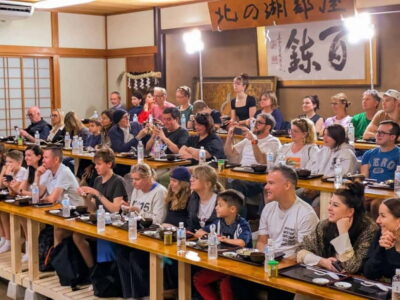
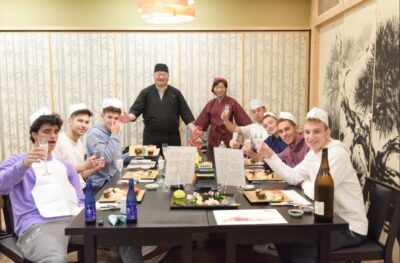
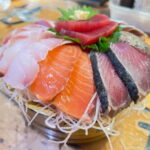
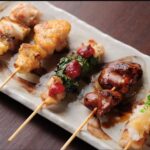
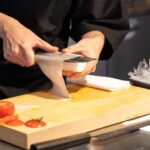
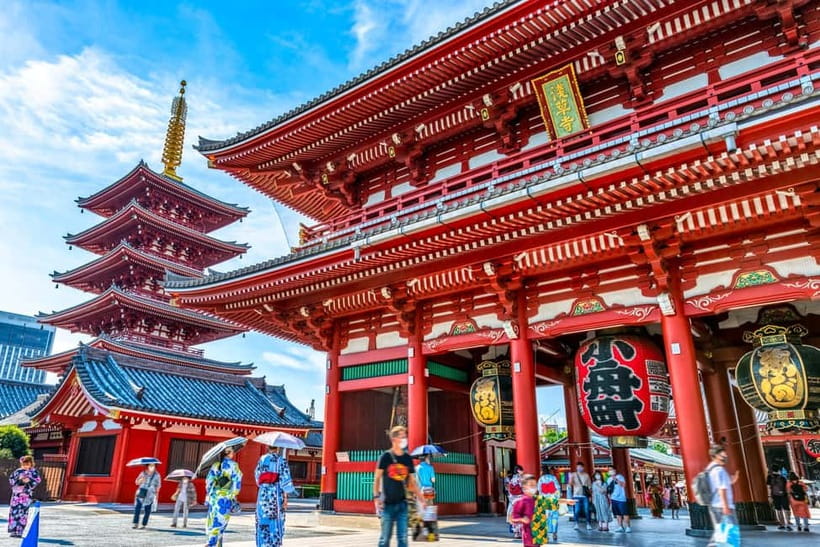
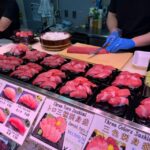
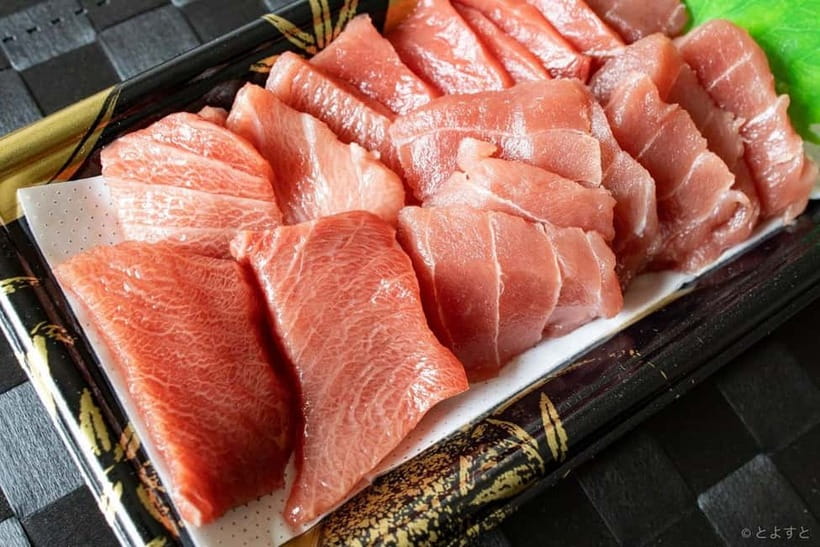
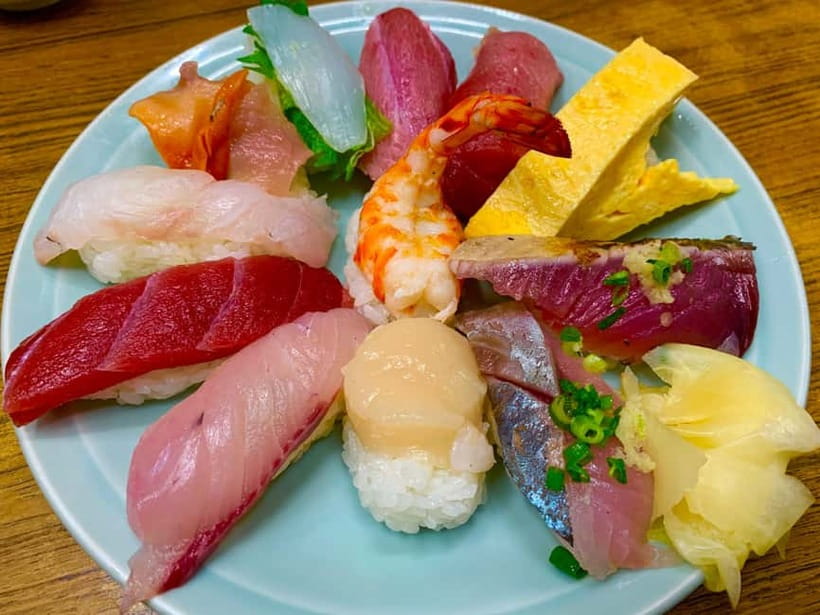
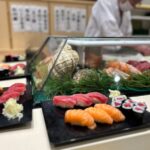
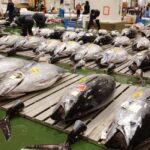
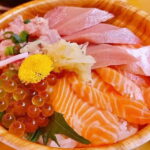
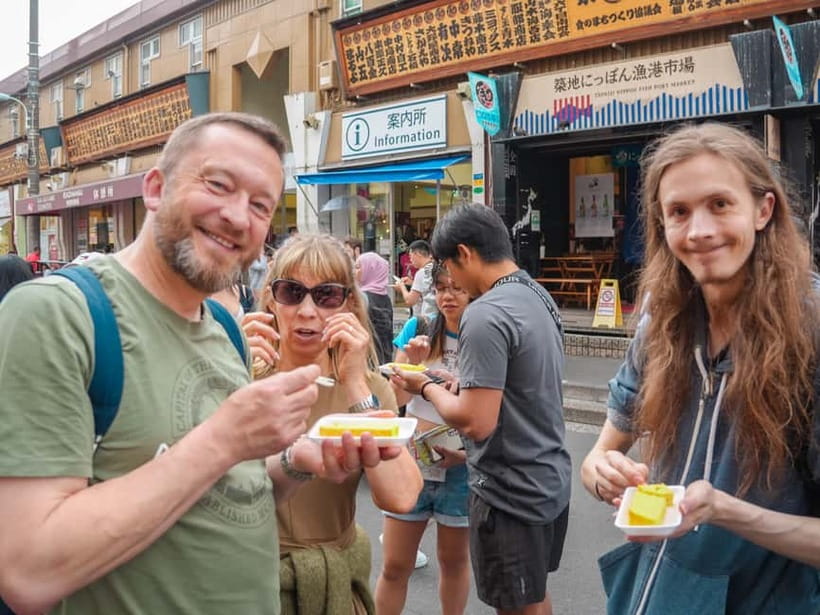
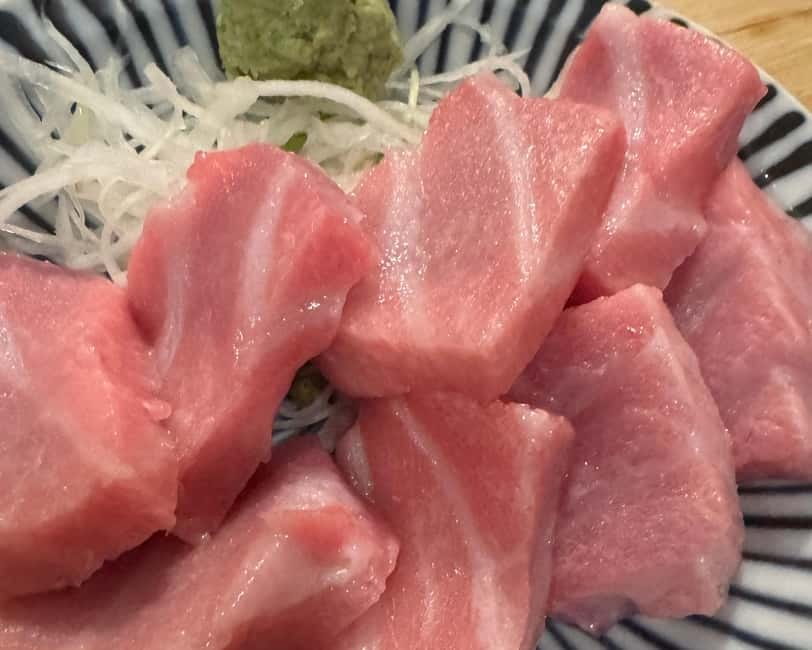
After the calm, the tour shifts gears to Tsukiji Outer Market for around 110 minutes. This is where Tokyo food culture becomes loud—in the best way. You’ll get to taste fresh sushi and sashimi from market stalls, which is exactly what you want at this stop: food first, questions second.
The guide also helps you read the scene. Past guests highlight that the explanations go beyond what you’re eating—covering history, culture, and even religious context tied to Japanese ways of life. That makes your meal feel less like random sampling and more like understanding a system.
How to make the most of this segment:
- Go with an appetite. This is the tour’s food peak.
- Expect standing and walking through active lanes.
- Listen for your guide’s cues on what to try and how to order.
One small consideration: markets like this can get crowded and loud. If you’re sensitive to noise or you need frequent sitting breaks, you might find this portion more demanding than Meiji.
Asakusa and Senso-ji: Historic Streets Plus Easy Sweet Stops
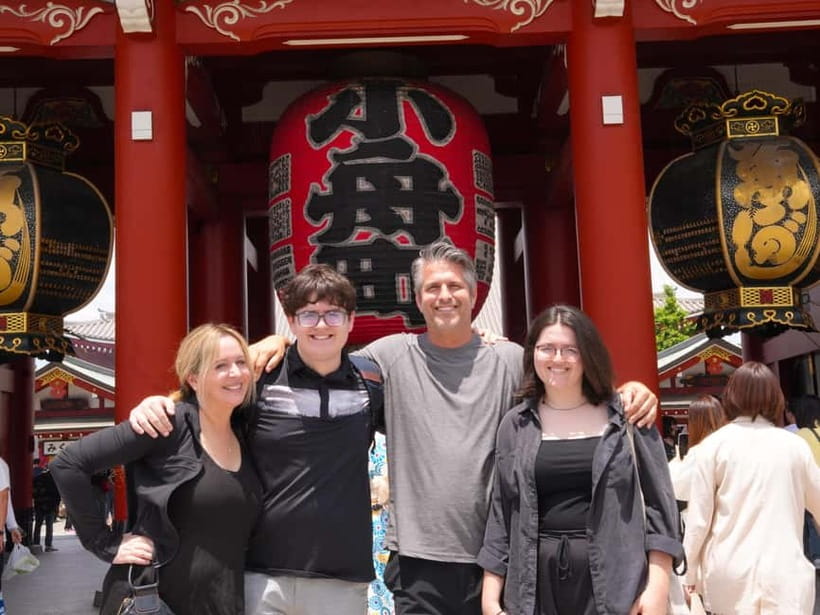
Next comes Asakusa for about an hour, ending your tour there while you’re still in the middle of the fun. On the temple side, Senso-ji Temple entry is included, which matters because it means you’re not paying extra to reach the core sights.
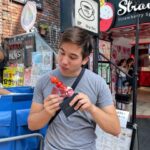
On the food side, this is where the tour turns “walking sightseeing” into “walking snacks.” You’ll enjoy treats like croquettes and traditional sweets as you stroll. It’s a smart way to experience Asakusa because it matches the area’s vibe—old streets, small shops, and quick, satisfying bites.
Also, Asakusa is a great place to keep going after the tour ends. Since you finish there, you can stretch out your explore time without planning a new departure. If this is your first trip to Tokyo, that’s a real advantage: it saves mental energy.
What to notice: the temple atmosphere, the street-level rhythm, and the way the guide frames the cultural meaning of what you’re seeing. It makes the stroll feel less like a checklist.
You can also read our reviews of more tours and experiences in Tokyo

Guides and Group Energy: Names You Might Hear
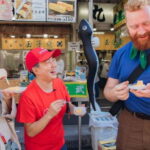
The tour runs with an English-speaking guide, and the guides’ personalities come through clearly in feedback. You might meet people like Yosuke, Lex, Remu, Ken, or Lax—and many guests specifically call out how active, caring, and attentive the guides are.
That matters because a morning tour is only as good as the person keeping the day on track. If you want history explained in a way that feels practical and human (not like a textbook), this tour seems to deliver.
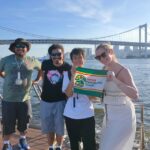
Also, photos are included. That’s a nice quality-of-life perk on a day when you’re busy eating and walking and you don’t want to keep switching between camera and directions.
Price and Value: Is $83 a Fair Deal?
At $83 per person for a 4.5-hour morning, you’re paying for three key things: a guide, included admissions, and structured time in the most time-sensitive parts of Tokyo.
Here’s where the math feels fair:
- Entry fees are included for Meiji Jingu Shrine, Tsukiji Fish Market, and Senso-ji Temple.
- You’re getting a guided food tasting component rather than just “go there and figure it out.”
- You’re also getting photos taken for you, plus historical and cultural insights.
Your additional cost is mainly transit (around 550 yen public transportation), plus any extra shopping or extra eating beyond what’s part of the tour experience. Since market areas are built for browsing and buying, you’ll likely feel tempted—but the tour still gives you a full experience without requiring you to spend more to “make it worth it.”
If you’re the type who likes your time guided (especially on a first Tokyo trip), this pricing is easy to justify.
Who This Tour Suits Best (and Who Might Skip It)
This is a strong fit if you want a Tokyo morning that doesn’t feel random. It’s ideal for:
- First-time visitors who want culture + food without planning every connection.
- People who prefer a clear route: Meiji, Tsukiji, Asakusa, then off you go.
- Anyone who likes learning the meaning behind what they’re seeing, not only taking photos.
You might consider skipping (or pairing with something quieter) if:
- You hate crowds and loud market spaces.
- You need frequent sit-down time and lots of breathing room between stops.
- You’re allergic to moving at a moderate walking pace for a few hours.
Should You Book This Tokyo Morning Tour?
I think this is a smart booking for most people doing Tokyo for the first time. You get the big early-morning win: Meiji’s calm, then Tsukiji’s food action, then Asakusa’s historic streets—all in one smooth block that ends where you’ll want to keep exploring.
Book it if you want structure, an English guide, and a morning that feels meaningful instead of just “see a temple, eat something, repeat.” If you prefer fully DIY and you enjoy figuring out routes and meals on your own, you may not need a guided plan—but for $83, the included admissions and guide support make it hard to beat.
FAQ
FAQ
What is the duration of the Tokyo Morning Tour?
The tour lasts about 270 minutes.
How much does the tour cost?
The price is $83 per person.
Where do I meet the guide?
Meet up is in front of IKEA HARAJUKU.
Where does the tour end?
The tour finishes in Asakusa.
What’s included in the tour price?
Included features are an English-speaking guide, photos taken during the tour, historical insights, and entry/admission for Meiji Jingu Shrine, Tsukiji Fish Market, and Senso-ji Temple.
Are public transportation fares included?
No. Public transportation fare is not included (around 550 yen).
What language is the tour offered in?
The tour is offered in English.
What can I taste during the tour?
You’ll taste fresh sushi and sashimi at the fish market, and you’ll enjoy local treats like croquettes and traditional Japanese sweets in Asakusa.
Do I get a camera-free souvenir?
Yes. Photos are taken during the tour.
Is free cancellation available?
Yes. You can cancel up to 24 hours in advance for a full refund.