REVIEW · TOKYO
AKEMI’s SUSHiKiTCHEN: A fun sushi cooking lesson in Tokyo
Book on GetYourGuide →Operated by Blue-J ~ AKEMI's SUSHiKiTCHEN · Bookable on GetYourGuide
Sushi lessons in a real Tokyo home. That alone makes AKEMI’s SUSHiKiTCHEN feel more human than a studio class, and it’s guided by Akemi Castellano in a relaxed at-home setting. You’ll work hands-on, start with vinegar rice, and leave with a real appreciation for how sushi fits Japanese food culture.
What I like most is the focus on technique you can actually reuse—especially the vinegar rice process. I also love the variety of styles you make in one go: Nigiri, Maki-sushi, Gunkan (battleship), and Inari (fried tofu pockets). The small group size keeps the pace friendly, not rushed.
One thing to think about: this experience can’t accommodate food or animal allergies, and it’s not suitable for children under 10. If either applies, you’ll need to look for a different option.
In This Review
- Key things that make this class work
- A Tokyo home kitchen, not a rushed studio class
- Meet Akemi and Dan, and get the sushi context
- Rice first: the vinegar rice workshop that sets everything
- Four sushi styles in one class: what you’ll actually learn
- Nigiri-zushi: hand-pressed balance
- Maki-sushi: rolling that doesn’t fall apart
- Gunkan (battleship sushi): shaping with attitude
- Inari: the tofu-pocket shortcut with real technique
- The seafood part: how fish preparation fits sushi craft
- Vegetarian option: what to do if you need it
- What you eat: lunch or dinner you built yourself
- Price and value: $103 for technique, not just entertainment
- Logistics that matter: small group, timing, and meeting the host
- Who this sushi class fits best
- Should you book AKEMI’s SUSHiKiTCHEN?
- FAQ
- How long is AKEMI’s SUSHiKiTCHEN sushi cooking lesson?
- What sushi types will I learn to make?
- Do I get to choose the sushi I make?
- Is there a vegetarian option?
- Is this lesson taught in English?
- How big is the group?
- Can you accommodate allergy needs?
- Where is the meeting point, and do I need to find the house myself?
- FAQ
- Can I cancel if my plans change?
- Do I pay right away when I book?
- Is the class suitable for children?
- What’s included in the price?
- What’s not included?
Key things that make this class work
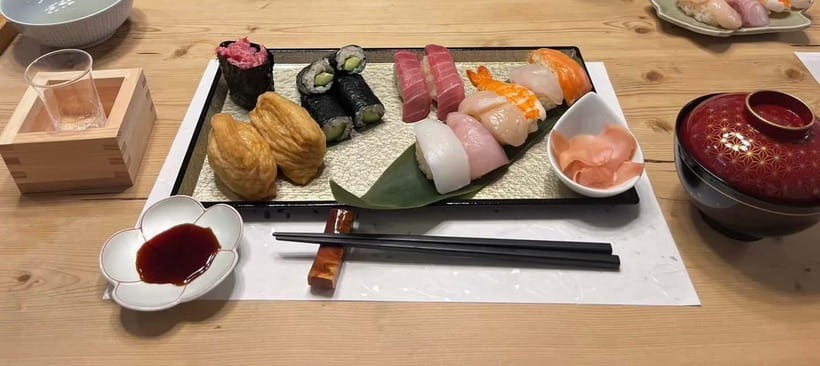
- A real home setting with a relaxed vibe, not a showroom kitchen
- Four sushi styles made from scratch, not just one technique
- Vinegar rice training first, so your sushi isn’t just assembled
- Seafood preparation shown as part of the process, not skipped over
- Small group (max 6), so you can ask questions while you work
- You eat what you make with Japanese sake and dessert
A Tokyo home kitchen, not a rushed studio class
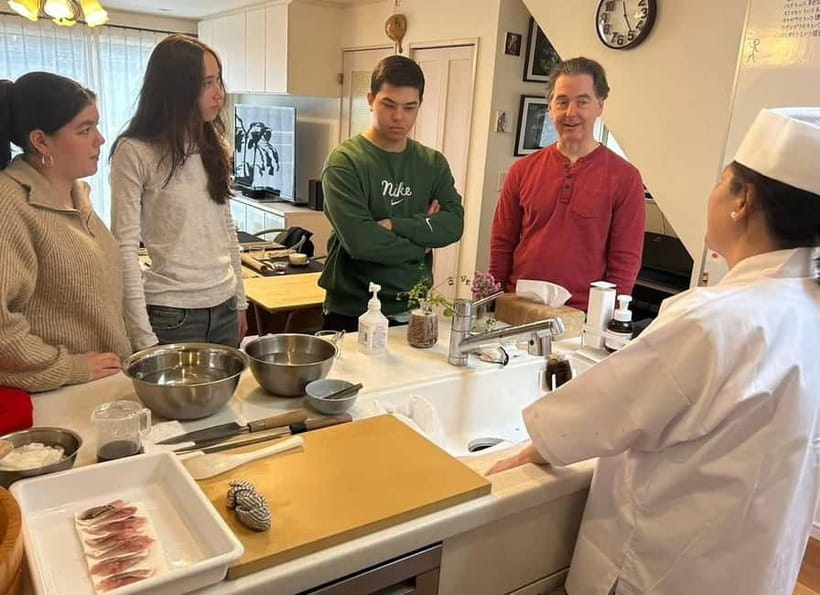
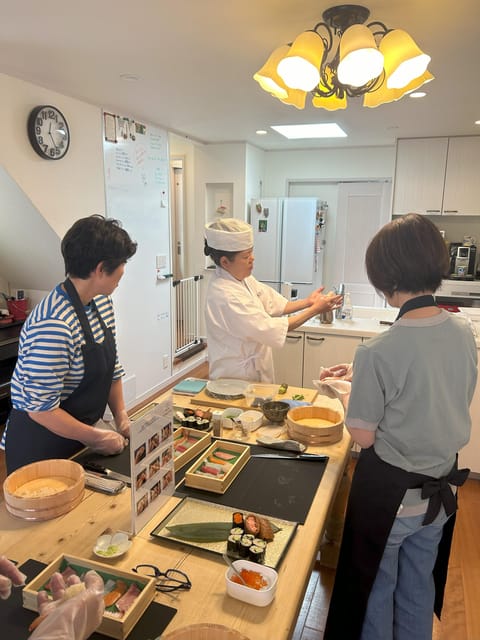
This is the kind of lesson where you can feel the difference the moment you arrive: the space isn’t trying to impress you. It’s trying to teach you. You’re not standing in a line watching someone else cook. You’re at a counter, rolling up your sleeves, and learning how sushi gets built.
Because it’s in a Japanese home, the lesson naturally slows down. You’ll spend more time on the steps that matter—like seasoning the rice properly and pressing or rolling without crushing the texture. That matters more than people think. Sushi is picky about feel: grain by grain for nigiri, and tight-but-not-squashed for maki.
A practical plus: the setup is convenient for visitors. The location has easy access from Shinjuku and Shibuya, two major Tokyo hubs. That means you’re not spending half your day commuting.
You can also read our reviews of more tours and experiences in Tokyo

Meet Akemi and Dan, and get the sushi context
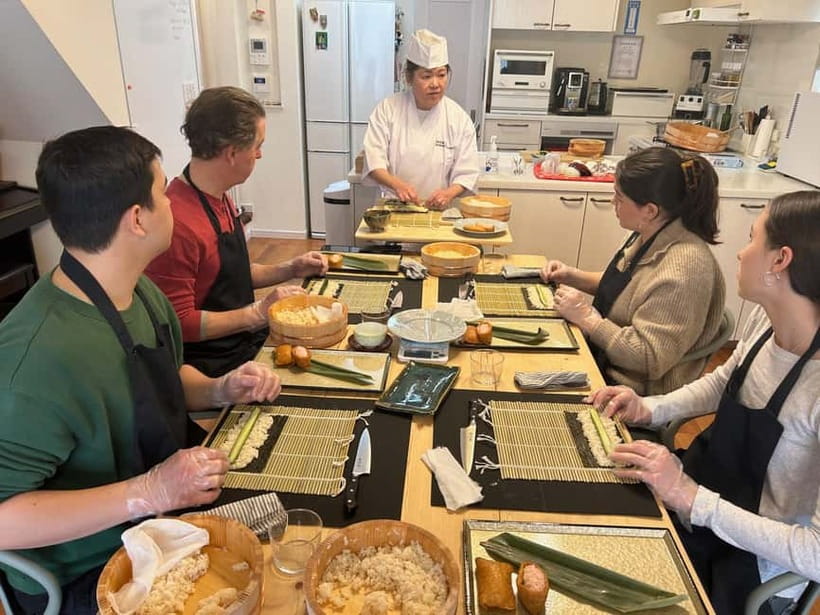
The instructor is Akemi Castellano, with English and Japanese support. You’ll also be welcomed by her husband Dan, and the whole tone is friendly and family-like. In practice, that translates to fewer awkward moments and more direct help while you cook.
Before you start shaping sushi, Akemi walks you through the history and technique side of the meal. You learn about sushi’s roots, including Edo-era origins, and why certain choices exist—like how the rice is seasoned and how toppings are handled.
I like when a cooking class explains the why, not just the how. Sushi is one of those foods where the tradition is part of the flavor. Even if you don’t memorize every detail, you start noticing what good sushi is trying to protect: the rice texture, the balance of vinegar, and how the topping (the neta) behaves on top.
Rice first: the vinegar rice workshop that sets everything
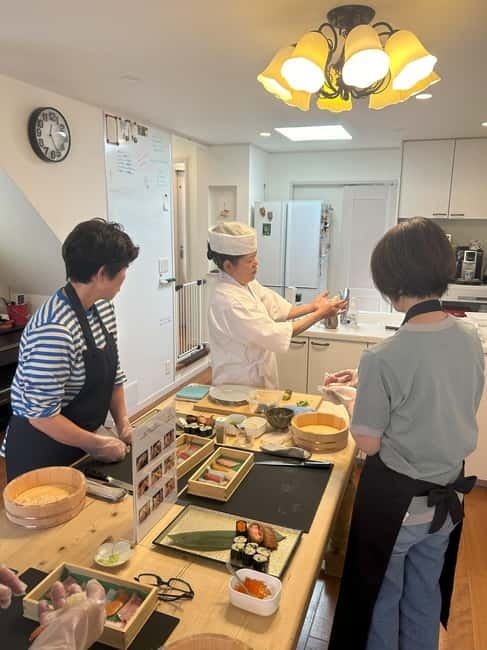
If sushi rice is wrong, the whole thing falls apart. That’s why the lesson starts with the rice prep. Akemi guides you through making vinegar rice, which is the base for the rest of what you’ll cook.
You’ll focus on:
- Cooking and seasoning the rice with vinegar-based dressing
- Getting the texture right so the grains stay distinct
- Handling the rice without turning it into a sticky paste
This step is the difference between sushi you feel confident making again at home and sushi that looks pretty but eats flat.
Here’s the bigger takeaway for you: learning vinegar rice means you’re learning the foundation, not a single trick. When you understand how the rice behaves, you’ll have an easier time with every style you make after that.
And since the instruction is step-by-step, you’re not guessing. That’s the kind of structure that helps even if you’ve never cooked Japanese food before.
Four sushi styles in one class: what you’ll actually learn
This lesson is built around making four kinds of sushi. That’s the main reason it’s worth your time: you get multiple technique patterns in one sitting.
Nigiri-zushi: hand-pressed balance
Nigiri is where you learn the “feel” of sushi. You’ll form rice and then top it with the appropriate neta, learning how to keep pressure controlled so the rice holds its shape but doesn’t get packed too tightly.
The skill here isn’t just pressing. It’s matching rice size to topping and maintaining a clean, tidy finish. When you learn nigiri properly, you also learn how sushi restaurants think: simple ingredients, executed with precision.





Maki-sushi: rolling that doesn’t fall apart
Maki is more technique than artistry. You’ll roll sushi in a way that stays intact when sliced. The main challenges are:
- Even distribution of fillings
- Rolling tight enough for structure
- Avoiding overstuffing
Once you’ve done it once under guidance, you’ll realize why good maki takes practice. The class makes that practice feel manageable.
Gunkan (battleship sushi): shaping with attitude
Gunkan sushi looks like it means business, and the lesson shows you how the shape works. You’ll build a little rice mound and then wrap it with seaweed in a way that holds the topping like a boat holds cargo.
This is a great “wow” moment because you can see progress quickly. It also helps you understand how sushi can be built for texture contrast, not just looks.
Inari: the tofu-pocket shortcut with real technique
Inari sushi uses fried tofu pockets, which change the game. Instead of raw seafood topping (like you do with nigiri), you’re dealing with a pouch that needs to be filled and handled correctly.
I like inari because it teaches you that sushi isn’t one single style. It’s a family of methods built around different ingredients, and this tofu pocket gives you a useful alternative that’s easier to share and re-create.
The seafood part: how fish preparation fits sushi craft
One of the included parts is a demonstration of how fish are prepared for sushi. That’s important, because sushi quality isn’t only about taste. It’s also about preparation and handling.
What you gain from this:
- A clearer sense of what sushi vendors do before serving
- Understanding why certain textures and cuts are used
- More respect for the work behind what looks simple
Even if you don’t cook fish yourself at home, you leave with the knowledge that sushi is controlled, not improvised.
It also helps you understand the ingredient choices. Many sushi classes skip the prep and jump straight to assembling. Here, you’re shown that the steps before serving are part of the craft.
Vegetarian option: what to do if you need it
If you want a vegetarian option, you can request it when you place your order. That’s a real plus because it lets you take the class without forcing substitutions.
A note for your planning: the experience cannot accommodate customers with food or animal allergies. Vegetarian is available, but allergy-specific needs aren’t. If that’s your situation, you’ll want to double-check the safest route before booking.
What you eat: lunch or dinner you built yourself
The payoff comes at the end. You’ll enjoy a lunch or dinner that you’ve prepared. Japanese sake is included for adults, and dessert follows.
This is the best part of cooking lessons: you stop being a spectator. You taste what you made, right away, and you can connect technique to flavor and texture.
You also get a fuller sense of Japanese dining style because the meal is treated like a complete experience, not just a sample bite. The sushi you make isn’t separated from the rest of the flavors. It’s served in a way that feels like a real meal.
If you’re someone who likes to learn and then eat immediately, this format is a good fit. A three-hour class can sometimes feel like a lot of prep. Here, you get the satisfaction of sitting down and enjoying your work without a long wait.
Price and value: $103 for technique, not just entertainment
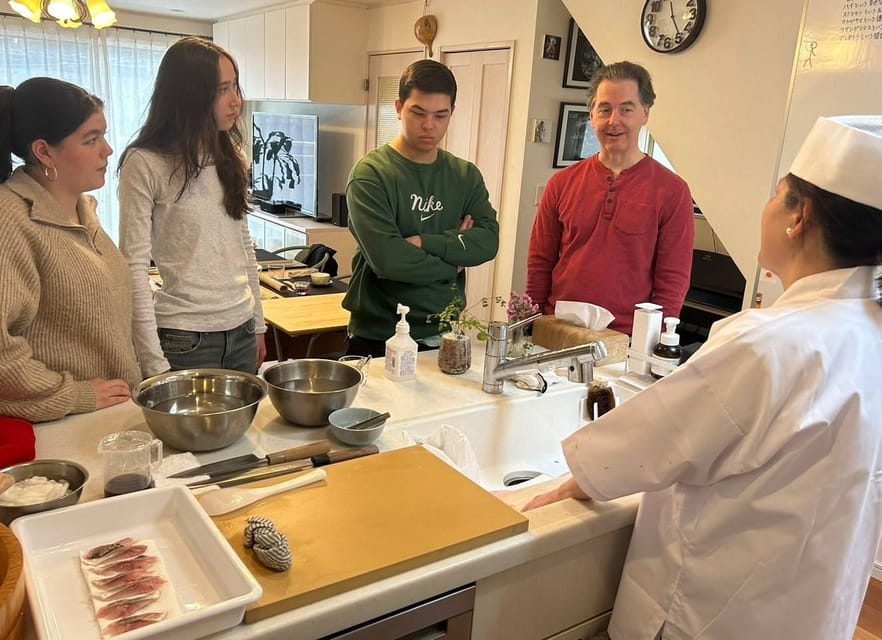
The price is $103 per person for a 3-hour lesson. That’s not cheap, but I think it’s easier to justify when you look at what you’re getting:
- A trained chef-led class with direct guidance
- Small group size (limited to 6), which reduces “watching time”
- Multiple sushi styles, so you leave with several skills
- Included sake and dessert
- A home setting with a more personal pace
Cooking classes in Tokyo can range from casual to very curated. This one feels closer to curated craft than casual fun. If you’re into sushi beyond ordering it, you’re paying for actual technique instruction and ingredient understanding.
Also, you don’t pick the sushi styles you’ll make. The class uses a set menu, so you’re committing to the structure. In exchange, you get a balanced set of skills rather than a menu-style pick-and-choose experience.
Logistics that matter: small group, timing, and meeting the host
The class runs for about three hours, with options in the morning or afternoon. You can choose a morning lesson with lunch or an afternoon lesson with dinner.
Group size is a big deal here. With up to 6 participants, Akemi and Dan can help while you work. That’s also why the class works well for first-timers—you won’t feel like you’re on your own.
Getting there is straightforward. Many people find the house using Google Maps. If you’d rather not navigate on your own, the host can meet you at the nearest train station. In one case, a simple route involved metro travel plus about a 10-minute walk through a pleasant neighborhood.
If you’re the type who likes clarity before you go, message them ahead of time about pickup versus walking. It’s an easy way to reduce stress on the day you’re going to cook.
Who this sushi class fits best
This is for you if:
- You want to learn sushi techniques you can repeat
- You care about Japanese food culture, not just a cooking gimmick
- You’d enjoy a hands-on lesson with real ingredient handling
It’s especially good if you like the idea of making multiple sushi styles in one sitting. That way, you’re not leaving with one skill. You leave with a mini toolkit.
It may not be the best fit if:
- You have food or animal allergies
- You’re traveling with kids under 10
- You only want a quick snack experience (this is a full 3-hour working class)
Should you book AKEMI’s SUSHiKiTCHEN?
I’d book it if you want a sushi lesson that feels like a guided craft session in a Tokyo home. The combination of vinegar rice training, four different sushi styles, and a chef who explains the cultural background makes this more than a hands-on meal.
Skip it if allergies are part of your planning, or if you need a kid-friendly setup for younger children. The class rules are clear, and it’s better to match your needs up front.
If your budget allows and you’re serious about sushi, this is a strong choice.
FAQ
How long is AKEMI’s SUSHiKiTCHEN sushi cooking lesson?
It lasts 3 hours.
What sushi types will I learn to make?
You’ll make four kinds of sushi: Inari, Gunkan (battleship), Maki-sushi, and Nigiri-zushi.
Do I get to choose the sushi I make?
No. The class uses a set menu, so guests are not able to select which sushi they will be making.
Is there a vegetarian option?
Yes. A vegetarian option is available. You should indicate your preference when you place your order.
Is this lesson taught in English?
Yes. The instructor teaches in English and Japanese.
How big is the group?
It’s a small group, limited to 6 participants.
Can you accommodate allergy needs?
No. The experience cannot accommodate customers with food or animal allergies. If you have allergies, you’ll need to tell them beforehand, but be aware they cannot provide allergy accommodation.
Where is the meeting point, and do I need to find the house myself?
Many guests find the house on their own using Google Maps. If you prefer, the host can meet you at the nearest train station—just let them know.
FAQ
Can I cancel if my plans change?
You can cancel up to 24 hours in advance for a full refund.
Do I pay right away when I book?
You can reserve now & pay later, meaning you can book your spot and pay nothing today.
Is the class suitable for children?
No. It is not suitable for children under 10.
What’s included in the price?
Included are instruction on making vinegar rice, making four kinds of sushi, and a demonstration of how fish are prepared, plus the sushi lunch or dinner you make, with Japanese sake and dessert.
What’s not included?
There’s no separate add-on list given, but the key point is that the class does not allow sushi choice because it uses a set menu.
If you tell me your travel dates and whether you’re doing a morning or afternoon session, I can help you plan the timing so you’re not rushed before or after.