REVIEW · TOKYO
Tokyo Private SightSeeing Day Tour With Guide
Book on Viator →Operated by Thetokyotravel.com · Bookable on Viator
Tokyo can be a lot. This tour turns the volume down with a private car and a guide who keeps the day moving. You hit big-name sights without wrestling trains, and you get a route that feels like Tokyo in slices: food, power, temples, and neon.
I like the way the itinerary stacks famous stops that are close enough to do in one long day. You’ll get Tsukiji, the Imperial Palace East Gardens, and Senso-ji in a clean sequence that helps you build a mental map fast.
One thing to plan for: entry tickets and lunch are not included, and Tokyo Skytree specifically is ticketed separately. Also, at $718.53 per group (up to 5), it’s best when you have enough people to spread the cost.
In This Review
- Key points worth caring about
- Why a 10-hour private Tokyo day actually feels doable
- Price and what extra costs to budget for
- The itinerary flow: from Tsukiji to Shibuya in one smart line
- Tsukiji Fish Market: start with Tokyo’s food energy
- Imperial Palace East Gardens: calm contrast to the city buzz
- Senso-ji Temple in Asakusa: classic Tokyo spirituality
- Tokyo Skytree: one long landmark window (and a ticket decision)
- Meiji Jingu: a 45-minute reset in a shrine setting
- Takeshita Street: Harajuku fun with a reality check
- Shibuya Crossing: end with Tokyo’s most famous moment
- How the guide and driver make the day worth the money
- In-car comforts you’ll notice more than you think
- Tickets, lunch, and avoiding time-sinks
- Who should book this private Tokyo day tour
- Should you book this Tokyo private sightseeing day tour?
- FAQ
- How long is the Tokyo private sightseeing day tour?
- How many people are in a group?
- Is hotel pickup included?
- What’s included in the tour price?
- What is not included?
- Is Tokyo Skytree admission included?
- What stops are included in the day?
- Is the tour private?
- Can I get a full refund if I cancel?
Key points worth caring about
- Private car pacing that saves you time and reduces Tokyo fatigue
- Guide flexibility, with your schedule shaped around what you care about most
- Hotel pickup offered, so you start the day with less logistics stress
- One-day highlight route from Tsukiji and temples to Harajuku and Shibuya
- In-car comforts like air-conditioning, WiFi, and bottled water
- Extra costs to budget for attraction admissions and lunch
Why a 10-hour private Tokyo day actually feels doable
Tokyo has a talent for eating your time. Lines. Transfers. Wrong turns. This is built to fight that problem. You’re on a clock—about 10 hours including travel time—and the driver and guide handle the moving parts so you can focus on seeing.
The format is simple: you ride in a comfortable, air-conditioned private vehicle, then you walk and explore as needed with a guide. That matters because Tokyo’s main sites are famous, but they’re also busy. A private setup helps you steer around the chaos more than a self-guided day usually does.
Also, this itinerary is customizable, which is a big deal if you want more culture (temples/shrines) or more modern Tokyo (Skytree, Harajuku, Shibuya). You’re not stuck with a rigid checklist if you’d rather shift emphasis.
You can also read our reviews of more guided tours in Tokyo
Price and what extra costs to budget for
At $718.53 per group (up to 5), this is a “family and friends” kind of purchase. If it’s just you or you and one other person, the per-person cost can feel steep fast. But if you’re traveling with a small group, the private car turns that number into something more reasonable—because you’re buying time, convenience, and guidance all at once.
Here’s what you do get included:
- Air-conditioned private vehicle
- WiFi on board
- Bottled water (plus a complimentary soft drink)
- Parking fees and fuel surcharge
- Private transportation
And here’s what you should budget separately:
- Attraction entry/admission fees (not included)
- Lunch (the tour notes lunch options you can choose around the day, but it’s not part of the base price)
The sneaky cost item for most people is Tokyo Skytree, since it’s on the route but not included. You’ll likely want to decide ahead of time whether you’re doing the observation areas (and how long you want there). If you’re paying for a view, it’s worth using your time well.
The itinerary flow: from Tsukiji to Shibuya in one smart line
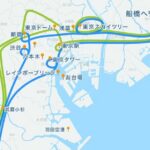
This day is built around a logical arc. You start with Tokyo’s food-energy zone, move into imperial history and classic temple streets, then head into modern landmarks and youth culture, ending with one of the world’s most recognizable crossings.
Stops and time blocks (roughly):
- Tsukiji Fish Market: 1 hour
- Imperial Palace East Gardens: 1 hour
- Senso-ji (Asakusa): 1 hour
- Tokyo Skytree: 2 hours
- Meiji Jingu: 45 minutes
- Takeshita Street (Harajuku): 45 minutes
- Shibuya Crossing: 30 minutes
That pacing is practical. You get two big “walk-and-look” zones (Asakusa and Harajuku), two “big landmark” moments (Skytree and the Imperial Gardens area), and then a fast finish in Shibuya before you’re fully melted.
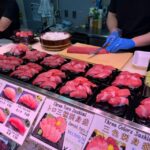
Tsukiji Fish Market: start with Tokyo’s food energy
Tsukiji is famous worldwide, and even if you don’t care about seafood nerd facts, the area has a good sense of momentum. You get one hour here, and that’s about right: long enough to wander, short enough to avoid spending your whole day in a single spot.
What to expect:
- Lots of people, lots of sights and smells
- Shops and food stops concentrated in one area
- A “Tokyo food” introduction that sets the tone for the rest of the day
A consideration: one hour can feel quick if you want to snack heavily or stop at multiple stalls. If you have a clear food priority, tell your guide early. That’s where private time is worth paying for.
Imperial Palace East Gardens: calm contrast to the city buzz
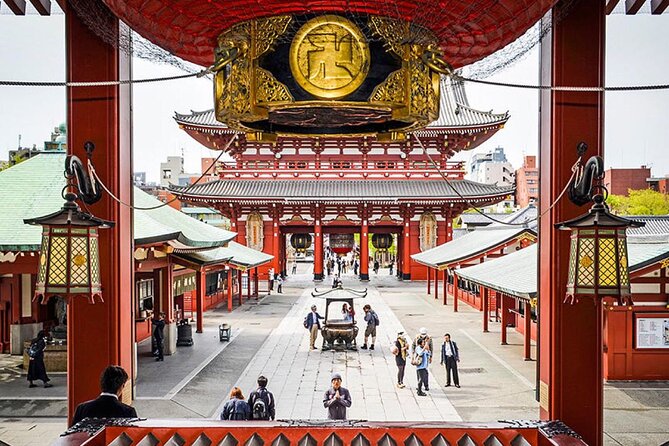
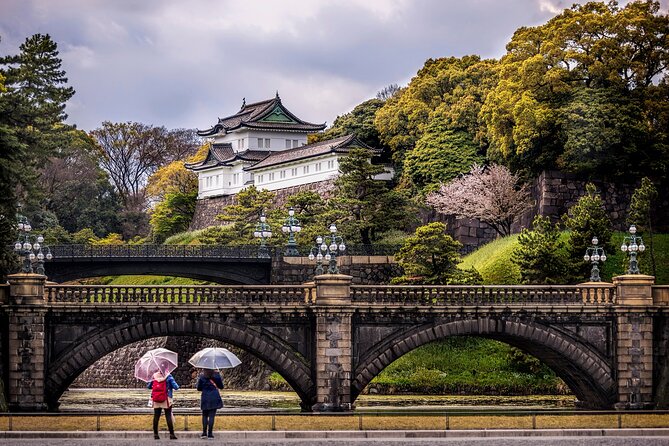
Next up is the Imperial Palace East Gardens (Kōkyo Higashi Gyoen), part of the inner palace area and open to the public. This is where the day gets quieter in a good way.
You’ll have about 1 hour, and admission here is listed as free. It’s a smart counterbalance after Tsukiji’s crowd energy. The setting helps you see a different Tokyo mood: ordered, historical, and slower.
What to watch:
- This is more about walking and atmosphere than “one photo spot.”
- If you’re history-curious, you’ll get more out of this stop with your guide explaining what you’re looking at.
You can also read our reviews of more private tours in Tokyo

Senso-ji Temple in Asakusa: classic Tokyo spirituality
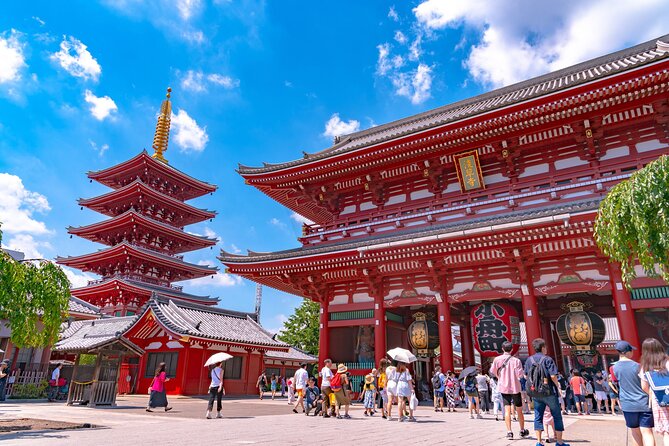
Senso-ji (often called Asakusa Kannon Temple) is one of those places that’s popular for a reason. You’re given about 1 hour and it’s free to enter.
What makes this stop special:
- The temple area is colorful and visually busy
- It gives you a strong sense of older Tokyo culture
- It’s easy to orient yourself in a way that doesn’t require map-nerdery
Practical note: this is a “stand, walk, look, and people-watch” kind of stop. If you want a bit more quiet, go with a plan before you arrive—otherwise the crowd flow can pull you along faster than you expect.
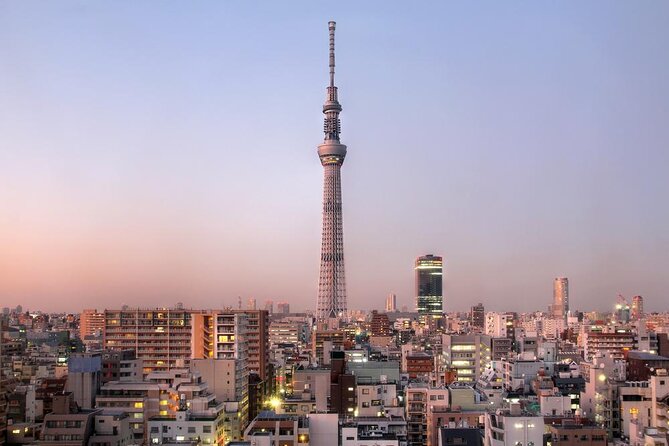
Tokyo Skytree: one long landmark window (and a ticket decision)
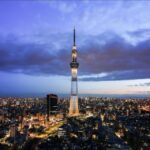
Then you hit the big modern magnet: Tokyo Skytree. You get around 2 hours, but admission is not included, so you’ll be paying separately if you want to go up.
Why this time block makes sense:
- Skytree is a destination, not just a quick stop.
- Two hours gives room for time to get oriented, take photos, and decide how much you want to do inside the tower area.
What I’d think about before you commit:
- If your main goal is the view, you’ll want to plan how long you’ll spend at the observation areas.
- If the tower ticket costs or lines change your mood, you can still use the time for surrounding viewpoints and area browsing, but the big “up there” experience may be what you’re paying for.
Meiji Jingu: a 45-minute reset in a shrine setting
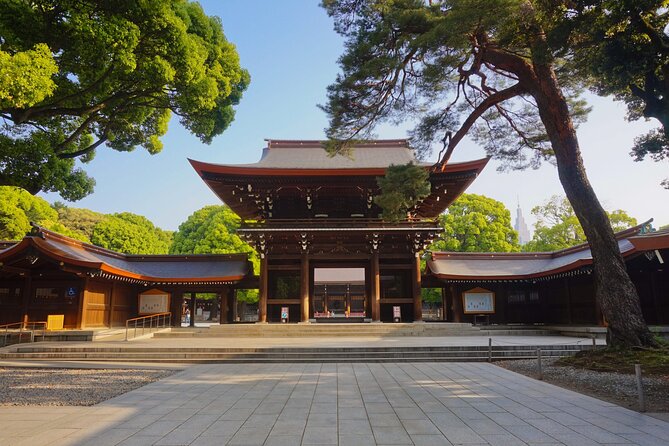
After Skytree’s height and city feel, Meiji Jingu Shrine works as a reset. You’ve got about 45 minutes, and admission is listed as free.
Meiji Jingu is dedicated to Emperor Meiji and Empress Shoken, and it’s a very different experience from the temple tourism style elsewhere in the day. This stop tends to reward people who like quiet space and respectful walking.
The main consideration is timing. You’re not here long, so this is not the place to wander off on a long loop. Use your time for the core paths your guide points out.
Takeshita Street: Harajuku fun with a reality check
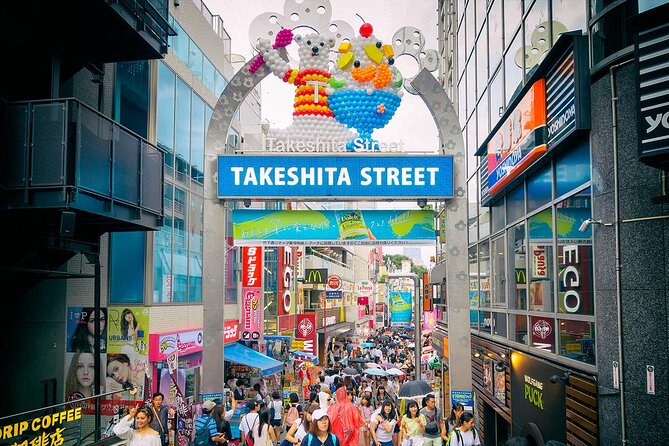
Takeshita Street is where youth fashion and playful street culture show up. You get about 45 minutes and admission is free.
This is a fun, fast hit of modern Tokyo:
- Lots of small shops
- People watching on maximum volume
- Easy photo moments and snack grabs
A realistic note: this area can be crowded and a little chaotic. If you want specific items (or you’re hunting for a particular style), tell your guide and move with purpose. Private time helps you avoid wandering without getting what you came for.
Shibuya Crossing: end with Tokyo’s most famous moment
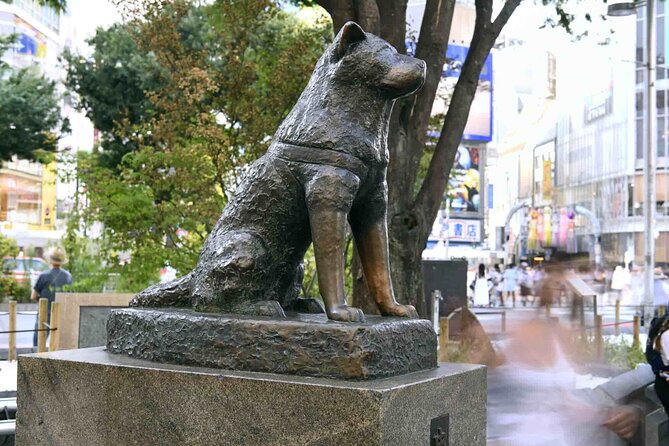
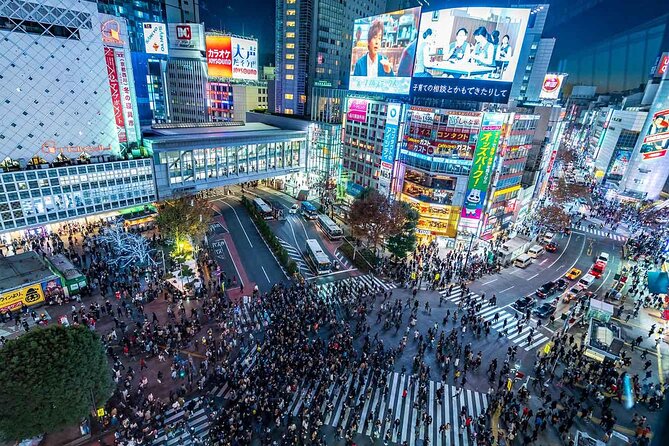
You wrap the day at Shibuya Crossing, with about 30 minutes. It’s free and it’s located by Shibuya Station, which makes it a convenient “final touchdown” for most itineraries.
Shibuya Crossing is simple in concept and memorable in practice. It’s one of those places you’ll understand faster by being there than by reading about it. You’ll likely take photos, stand at a safe viewing spot, and watch the pedestrian flow.
Because it’s the end of the tour, this stop is also your mental decompression. After temples, towers, and shopping lanes, this is pure city energy.
How the guide and driver make the day worth the money
The private nature of the tour matters, but the guide quality is the difference between a good day and a great one. The names that keep showing up with high marks include Imran and Moon, plus other guides such as Abid, Angel, and Ahmed.
The consistent theme: guides are flexible with timing and helpful with pacing. Some guides also tailor the day so you see what you want, even if it means shifting the order a bit. That flexibility is especially valuable in Tokyo, where crowds and weather can change quickly.
Here’s how to get more value from your guide during the day:
- Give them a priority list at the start (one must-do, one nice-to-have)
- Ask what order makes sense for crowds that day
- Use them as a translator for practical choices: where to eat, where to walk, and where to slow down
And yes, people call out safety and professionalism around the driving. That’s important when you’re tired at the end of a long day. You want to feel in good hands the whole way.
In-car comforts you’ll notice more than you think
You’re in a private vehicle for a large chunk of the day. That can sound like a lot of “riding,” but the included comforts make it feel like a breather:
- Air-conditioning (big deal in hot or rainy seasons)
- WiFi on board (useful for tickets and maps)
- Bottled water and a complimentary soft drink
- Parking fees and fuel included, so there’s less friction
A small but smart touch from guide feedback: some setups include practical extras like umbrellas, which can save your day if weather turns. Even if you travel light, Tokyo weather can change fast.
Tickets, lunch, and avoiding time-sinks
Since attraction admissions and lunch aren’t included, you’ll want a simple plan:
- Decide which paid site(s) you’re doing fully. Tokyo Skytree is the key ticket item on this route.
- Treat lunch as a quick but intentional stop rather than an open-ended search.
- Use your guide to minimize detours.
Lunch options mentioned with the tour include places around Senso-ji (including the 6th floor of Solomachi Tower) or options around Takeshita Street. If you hate long meals during a sightseeing day, go for something you can eat and keep moving.
For crowd control, the private car helps most with transitions. For example, when you’re moving from Asakusa into modern areas, you’re not fighting trains at peak times with a tight schedule.
Who should book this private Tokyo day tour
This is a great match if:
- You’re in Tokyo for a short stay and want a big highlights mix
- You prefer comfort over navigating train changes all day
- You’d like a guide to shape the day around your interests
- You’re traveling as a small group (up to 5) so the per-person value improves
It’s less ideal if:
- You want a purely budget-first day and plan to DIY every stop
- You dislike paying extra for attraction tickets and want everything included
- You’re the type who wants long, slow exploration at just one site (this itinerary is built for coverage)
If you’re someone who likes checkmarked landmarks but also wants context and smooth logistics, this fits nicely.
Should you book this Tokyo private sightseeing day tour?
I’d book it if you want a low-stress way to hit the classic Tokyo sampler—Tsukiji, imperial gardens, Senso-ji, Skytree, Meiji Jingu, Harajuku, and Shibuya—without losing hours to transit.
Skip it if you’re comfortable navigating Tokyo on your own and you’re trying to keep the day strictly under a tight budget. Also, if you don’t plan to pay for Skytree or other ticketed elements, the value drops.
The best way to make it worth it: go in with a short priority list, expect extra costs for admissions and lunch, and lean on the guide for timing and pacing. With a flexible guide and a private car doing the heavy lifting, you’ll end the day feeling like Tokyo gave you a full show.
FAQ
How long is the Tokyo private sightseeing day tour?
The tour duration is approximately 10 hours, including travel time.
How many people are in a group?
The price is for a group of up to 5 people.
Is hotel pickup included?
Pickup is offered, and the tour is set up for private transportation for your group.
What’s included in the tour price?
Included are an air-conditioned vehicle, WiFi on board, bottled water, a complimentary soft drink (plus bottled water), parking fees, fuel surcharge, and private transportation.
What is not included?
Attraction entry/admission fees and lunch are not included.
Is Tokyo Skytree admission included?
No. Tokyo Skytree is listed as admission not included.
What stops are included in the day?
The route includes Tsukiji Fish Market, the East Gardens of the Imperial Palace, Senso-ji Temple, Tokyo Skytree, Meiji Jingu Shrine, Takeshita Street, and Shibuya Crossing.
Is the tour private?
Yes. It’s a private tour/activity, and only your group participates.
Can I get a full refund if I cancel?
There is free cancellation. You must cancel at least 24 hours before the experience start time for a full refund.