REVIEW · TOKYO
From Tokyo:Nikko Full Day Tour w/Hotel Pickup by Private Car
Book on GetYourGuide →Operated by Japan tours International by Unemoto LLC · Bookable on GetYourGuide
You can see Japan’s sacred and wild sides in one long day. This private Nikko trip pairs Nikko Toshogu shrine with the Kegon Falls payoff, plus a couple of classic lake-and-mountain stops that make the whole outing feel like a route, not just a checklist. I especially like the straight-to-the-front setup with hotel pickup and a driver who can handle English (and Tagalog). One caution: you’re mainly moving between sights, not getting a full-on guided lecture at each stop.
Because it’s private and timed as one smooth loop, I think this works well if you want a lot of scenery without wrestling trains, transfers, and schedules. The host or greeter helps with the ticket steps and where to wait, but you’ll still explore most places on your own.
In This Review
- Key highlights at a glance
- Why Nikko makes sense as a Tokyo day trip
- Price and value: $709 for a private group (up to 2)
- Door-to-door timing: pickup, waiting, and how the day flows
- Akechidaira Observation Area: start with mountain views
- Shinkyo Bridge: a classic photo moment with shrine energy
- Chuzen-ji Temple: where nature and faith share space
- Kegon Falls: the big waterfall moment
- Entering Nikko Toshogu: Tokugawa Ieyasu and UNESCO details
- Wildlife, hot springs, and nature: what the tour actually helps you notice
- How long you’ll have at each stop (and why “private” still matters)
- Rain or shine: what to pack so the day stays enjoyable
- Who should book this Nikko private day trip from Tokyo
- Should you book this tour?
- FAQ
- How long is the Nikko day tour?
- What stops are included in the itinerary?
- Is food included?
- Do I need to pay admission tickets?
- Is this a fully guided tour?
- What languages are available?
- Does the tour run if it rains?
Key highlights at a glance
- Hotel pickup and drop-off with private air-conditioned car, door-to-door convenience
- Nikko Toshogu (UNESCO) with the shrine dedicated to Tokugawa Ieyasu
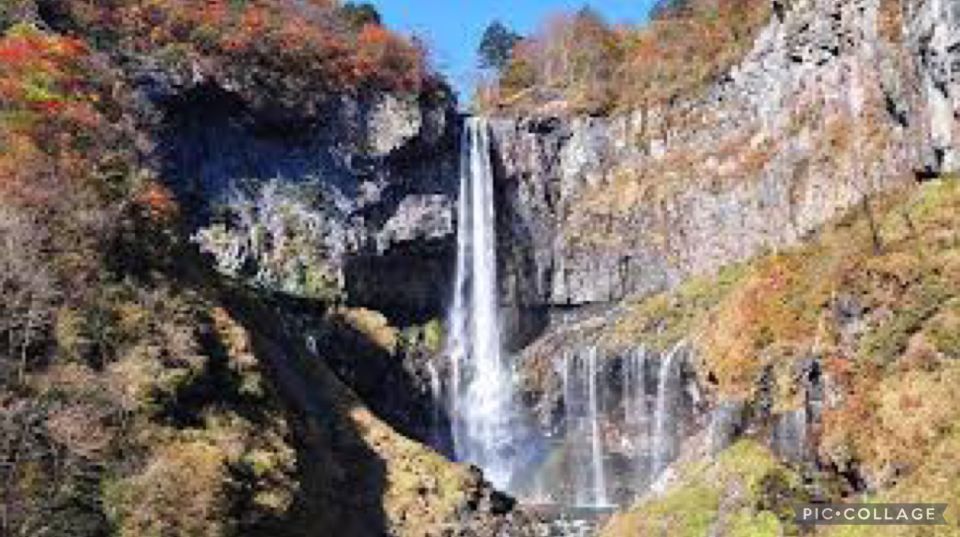
- Kegon Falls as the big natural spectacle stop on the route
- Akechidaira Observation Area for early high-view moments
- Shinkyo Bridge as a photogenic, shrine-world gateway over the gorge
- English-speaking driver (Tagalog too), with practical on-the-day help
Why Nikko makes sense as a Tokyo day trip
Nikko isn’t only about hot springs. It’s also forests, mountains, and cultural landmarks that feel spread across a natural setting. When you do it by private car from Tokyo, you’re basically turning a long travel day into a single, controlled experience.
What I like most is the mix. You get a UNESCO shrine built for power and memory, then you swing into dramatic nature where the main drama is weather, rock, and water. Even if you’re not the type to chase temples all day, the scenery does the heavy lifting.
This tour is also built for people who want structure without being trapped in a museum-style pace. There’s enough routing to keep you moving, but you still have time to slow down where it matters.
You can also read our reviews of more private tours in Tokyo
Price and value: $709 for a private group (up to 2)
At $709 per group (up to 2), this isn’t a budget outing. You’re paying for time savings and comfort: hotel pickup, air-conditioned private transportation, and a driver who can communicate in English and Tagalog.
So the real question is value-for-you, not value-for-everyone. If you’d otherwise spend hours figuring out connections, then pay for taxis anyway at odd times, the private format starts to look more reasonable. If you’re traveling with a second person and want the day to feel easy and planned, the per-group pricing tends to work better.
Also note what’s included—and what isn’t. You’re not buying a full guided tour at each attraction. You’re buying the vehicle, the driver, and light coordination (ticket-line help, guidance on logistics). That can be perfect if you like to wander and control your own pace.
Door-to-door timing: pickup, waiting, and how the day flows
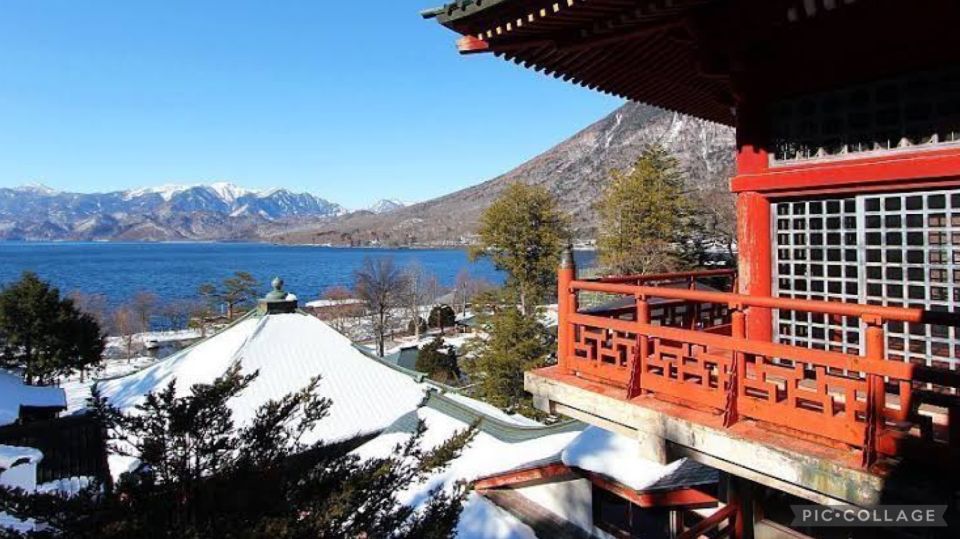
The tour is 12 hours from hotel pickup to drop-off. That long window is important in Nikko, because mountain areas can mean changing traffic and weather. This is rain-or-shine, so the schedule is built as a real day trip, not a fragile weather fantasy.
Your day begins with hotel pickup. Plan to be in the lobby about 10 minutes early. That small habit matters on a private car tour because you want to avoid losing time to late departures.
On the ground, you’ll get English-speaking support from the driver, plus a host/greeter who helps with the basics like purchasing tickets and waiting in line. One of the most consistent practical takeaways: you’re led to the sights, and then you’re responsible for your own exploring once you arrive.
That can be a drawback if you’re hoping for continuous commentary at every stop. But if you want flexibility—time for photos, time for quiet corners, time to move at your speed—it’s also the upside.
Akechidaira Observation Area: start with mountain views
Akechidaira Observation Area is the kind of stop that changes how you feel about the rest of the day. It gives you the “you’re really in the mountains” moment early, before the route gets busy with bridges, temples, and waterfalls.
Think of this as your visual warm-up. You’ll likely get viewpoints over the area and a chance to orient yourself. If it’s clear, the photos can be rewarding; if it’s rainy, you can still appreciate the mood and the way clouds sit on the terrain.
Why it works: it sets expectations. After this, the later nature stops like Chuzen-ji and Kegon Falls feel like part of the same story instead of random pit stops.
Shinkyo Bridge: a classic photo moment with shrine energy
Shinkyo Bridge is one of those Nikko icons people recognize instantly. It’s also not just a bridge for pictures. This stop sits in the wider shrine-and-water world of Nikko, so it has a calmer feel than a typical roadside overlook.
Here’s the practical idea: arrive ready to walk a bit and take your time. Bridges can look better from specific angles, and you’ll want a minute to find a spot that gives you both the bridge and the setting.
If the weather is rainy, the bridge area may feel slick and busier with people seeking shelter. You can still enjoy it—just give yourself a little more time and slower steps. This is one of those “small stop, big payoff” locations when you don’t rush.
You can also read our reviews of more tours and experiences in Tokyo
Chuzen-ji Temple: where nature and faith share space
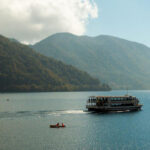
Chuzen-ji Temple is a scenic cultural stop tied to the broader Nikko landscape. Even when you don’t know every detail, the atmosphere makes sense. The surroundings help explain why Nikko’s spiritual sites are often described through nature—because the place itself does the storytelling.
What I like about this stop in a long day is the pacing. After bridges and viewpoints, a temple setting gives you a mental reset. It’s a chance to slow down, stand still for a moment, and let the day’s motion settle.
Practical note: because you’re in mountain weather, clothing matters. If it’s damp or chilly, you’ll feel it more while standing around, and you’ll appreciate being prepared.
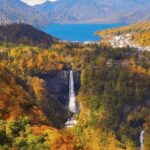
Kegon Falls: the big waterfall moment
Then you reach the highlight that people come for: Kegon Falls. This is the stop that turns the day from “scenic” into “wow.”
Kegon Falls earns its reputation because it’s visually strong and dramatic, even if the light isn’t perfect. In misty conditions, you may get a different look than on clear days, but the power of water tends to show through either way.
How to get the most out of it: don’t treat this like a quick photo sprint. Give yourself enough time to walk, find a viewpoint you like, and watch how the water and mist move. If you’re the kind of person who reads signs, you’ll probably enjoy the context around the falls too—just don’t let information replace observation.
This is also one of the best points in the day to check your timing. If you want slower browsing, do it after the falls so you’re not sprinting later.
Entering Nikko Toshogu: Tokugawa Ieyasu and UNESCO details
Nikko Toshogu is the signature cultural experience of the day. It’s a 17th-century shrine complex and it’s UNESCO-listed. The shrine is dedicated to Tokugawa Ieyasu, the first Shogun of the Edo Period, so it’s not just a beautiful building—it’s a statement of authority and memory.
This is where the value of having a driver and a planned loop really shows. Toshogu is famous, and it’s easy to lose time if you’re trying to figure things out on your own. Here, the host/greeter support helps with the practical steps like getting tickets and joining the right lines, even though you’ll still explore largely on your own once inside.
What I recommend: aim for steady pacing instead of trying to absorb everything in one pass. If you rush, the complex can feel like a blur of ornament and structures. If you slow down, you start noticing patterns and contrasts—the kind of details that make Toshogu more than a single photo.
And remember the day is long. If Kegon Falls already took your breath away, Toshogu is the cultural version of that moment. Give it room to land.
Wildlife, hot springs, and nature: what the tour actually helps you notice
Nikko National Park is known for nature and wildlife, and that theme is part of the reason this trip feels rewarding even beyond the big stops. Even if you don’t see wildlife on cue, you’ll feel the environment: mountains, water, and seasonal shifts that change how everything looks.
The tour also ties in Nikko’s reputation for hot springs as part of what the region is famous for. That matters because it frames the atmosphere: Nikko isn’t a place that feels built only for tourism. It feels like a long-used destination for relief and ritual.
One careful point: this trip’s stated highlights focus on the shrine, bridge, temple, observation area, and Kegon Falls. So if your top priority is soaking in hot springs, plan your expectations. This day is mostly about getting around and seeing the region’s major landmarks and viewpoints.
How long you’ll have at each stop (and why “private” still matters)
The exact minutes at each location aren’t spelled out, but the structure is clear: you have about 10 hours of sightseeing time from pickup to drop-off, and you hit five main stops. That means your schedule can feel fuller than you expect, especially if you linger at viewpoints or if weather reduces comfort outside.
A private car helps because it removes a lot of friction:
- You’re not waiting for connections.
- You’re not dealing with multiple ticket types for transit.
- You can adjust when you arrive (within reason) based on how the crowd and weather feel.
You’re also not locked into a continuous spoken guide. The host/greeter supports the ticket/line steps, but you control exploration. This is great for photo lovers and people who prefer to read and look at their own pace.
If you want a narration at every corner, you may find that this is more of a “transport and orientation” format than a full guiding experience.
Rain or shine: what to pack so the day stays enjoyable
Since the tour runs rain or shine, you’ll want to treat weather like part of the itinerary. Mountain rain can mean cold wind, wet surfaces, and sudden mist.
Bring:
- A compact rain layer (hooded if possible)
- Shoes you trust on wet walkways
- A small umbrella or rain hood if you like having one on hand
- A warm layer, even if Tokyo feels mild earlier in the day
This matters because your enjoyment is tied to time outdoors. Kegon Falls and the bridge areas are exposure-heavy. With the right clothing, the same stops feel manageable instead of tiring.
Who should book this Nikko private day trip from Tokyo
This tour is best if you match the “small group, big route” style:
- Couples or two-person groups who want convenience and comfort
- People who want to see major Nikko highlights in one day without navigating transit
- Travelers who like structured logistics but still want to wander on their own
It’s less ideal if you:
- Want a full guided tour with continuous commentary at every stop
- Plan to spend a long time at multiple attractions beyond what’s built into the route
- Need a short, low-walking day (the stops require normal sightseeing walking)
That said, many travelers enjoy exactly this format: a driver who gets you there, a host who handles the ticket-line basics, and you doing the enjoying.
Should you book this tour?
I’d book it if you want a low-stress Nikko day with private hotel pickup, a real route through top sights, and communication support in English (and Tagalog). The Kegon Falls and Nikko Toshogu stops are the headline energy, and the observation area plus Shinkyo Bridge help the day feel like a complete Nikko experience.
I’d hesitate if you’re the type who needs a detailed guide at every moment. Since the host/greeter focuses on practical help (tickets and lines) rather than a full guided explanation at attractions, you’ll want to be okay with reading signs, looking around, and figuring things out as you go.
If that sounds like you, this is a strong way to do Nikko when you’re short on time.
FAQ
How long is the Nikko day tour?
The tour duration is 12 hours, running from hotel pickup to drop-off.
What stops are included in the itinerary?
The main stops are Akechidaira Observation Area, Shinkyo Bridge, Chuzen-ji Temple, Kegon Falls, and Nikko Tosho-gu.
Is food included?
No. Food and drinks are not included.
Do I need to pay admission tickets?
Yes. Admission tickets are not included for the destinations where tickets are required.
Is this a fully guided tour?
Not in the full sense. The host or greeter helps with practical steps like purchasing tickets and waiting in line, but you do most of the attraction visiting on your own. The driver also provides help as needed.
What languages are available?
The driver is listed as English and Tagalog.
Does the tour run if it rains?
Yes, it operates rain or shine.