REVIEW · KAMAKURA
Kanagawa: Kimono Rental in Kamakura Provided by RikaWafuku
Book on GetYourGuide →Operated by TripFarm · Bookable on GetYourGuide
Kamakura in a kimono feels instant. At RikaWafuku in Kamakura, you get pro help to wear a kimono fast, and I like that the experience is built for going straight into sightseeing with an included hair set for women; the only real catch is the hair styling service is not available for men. It’s also good value at about $19 per person, with a huge selection and a convenient location.
You’ll walk in, pick your kimono, get dressed, and head out—typically taking 45 to 70 minutes from reception through dressing and hair styling to when you’re ready to leave. One more thing to plan around: no matter when you book, the final return time is 5:30 p.m., with a late fee if you miss it. Small-group size (up to 6) keeps the flow smooth.
In This Review
- Key things that make this kimono rental work
- Why RikaWafuku is a smart Kamakura stop
- From reception to stepping out: what your 45–70 minutes are for
- Picking your kimono: 300+ options and no price surprises
- Luggage, accessories, and the cash-only add-on detail
- Women’s hair styling and ornaments: included and built for different hair lengths
- Getting matching sandals and leaving ready to walk
- Using the time well: how to plan a Kamakura kimono day
- Option A: Use the kimono as your “midday sightseeing outfit”
- Option B: Treat it like a timed theme experience
- Price and value: is $19 worth it in Kamakura?
- Who this experience fits best (and when it won’t)
- Should you book RikaWafuku Kimono Rental in Kamakura?
- FAQ
- How far is the store from JR Kamakura Station?
- What’s the typical time from check-in to leaving in your kimono?
- What time do I need to return the kimono?
- Is hair styling included?
- Can I rent the kimono empty-handed?
- Can I choose any kimono style, even if I book a specific plan?
- Is there a fee for storing luggage?
- Can I pay for optional accessories with a card?
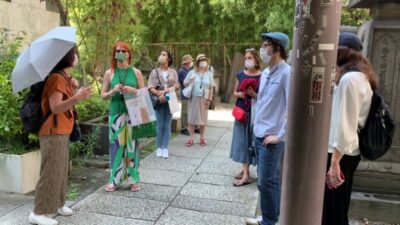
- What’s the group size?
Key things that make this kimono rental work
- 4 minutes on foot from JR Kamakura Station, so you can fit it into a normal day
- 300+ items in stock, and you can choose from all types
- Empty-handed is fine—you’re provided the accessories you need
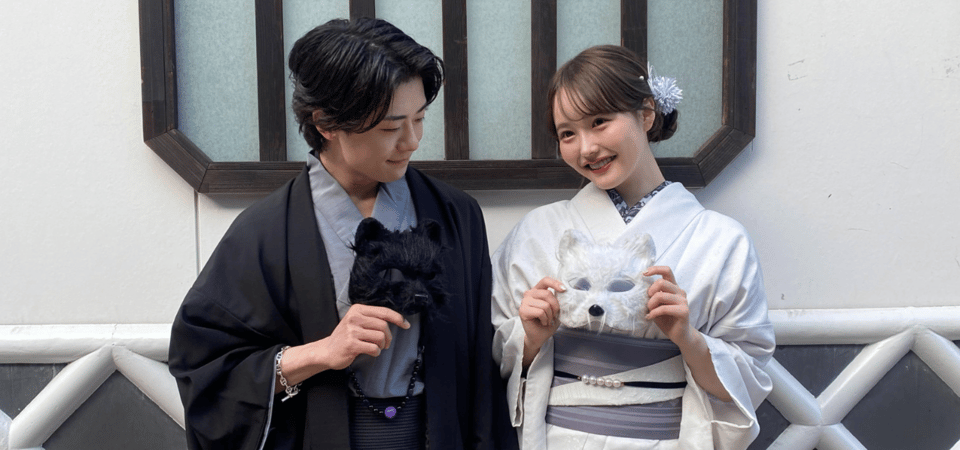
- Hair styling + ornaments for women included in the set
- Custom-made zori sandals available to match your kimono style
- Add-on accessories are cash only, so bring cash if you want extras
Why RikaWafuku is a smart Kamakura stop
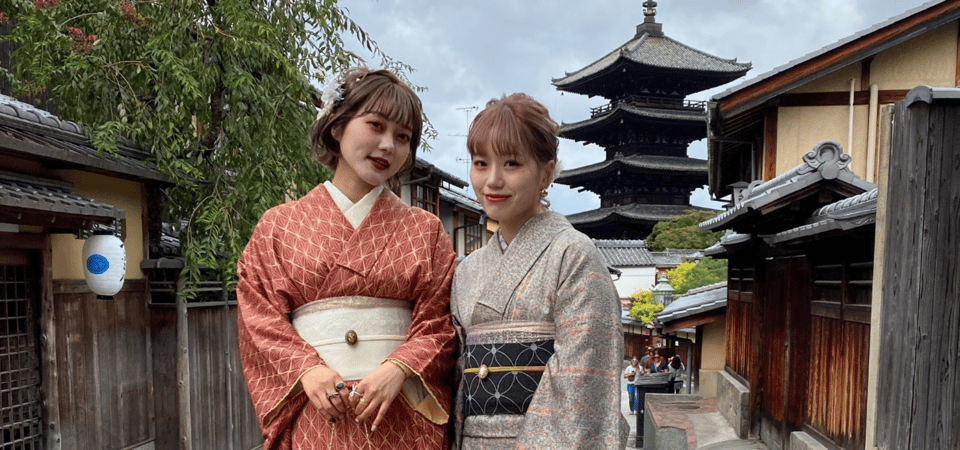
Kamakura is a place you walk. You visit temples, wander backstreets, stop for snacks, then repeat. Renting a kimono works best when it’s easy to start and easy to get out the door in—RikaWafuku is set up exactly that way.
First, the location is a huge practical win. The branch is about a 4-minute walk from JR Kamakura Station, which means you can do this before or after your main sighting blocks without turning your day into a logistics puzzle. Second, you get a lot of clothing choice without stress. They say they have over 300 items, and you can select from all types. That matters because kimono decisions can be personal: you may want a bold pattern, a calmer color, or something that photographs well.
The third reason I think this is a good pick is how the experience is structured around you leaving ready to go. They don’t just hand you fabric and instructions. They help with dressing, include matching sandals support, and—if you’re a woman—include hair styling and hair ornaments. That turns your kimono time into real sightseeing time, not time spent figuring out knots and belts.
You can also read our reviews of more tours and experiences in Kamakura.


From reception to stepping out: what your 45–70 minutes are for
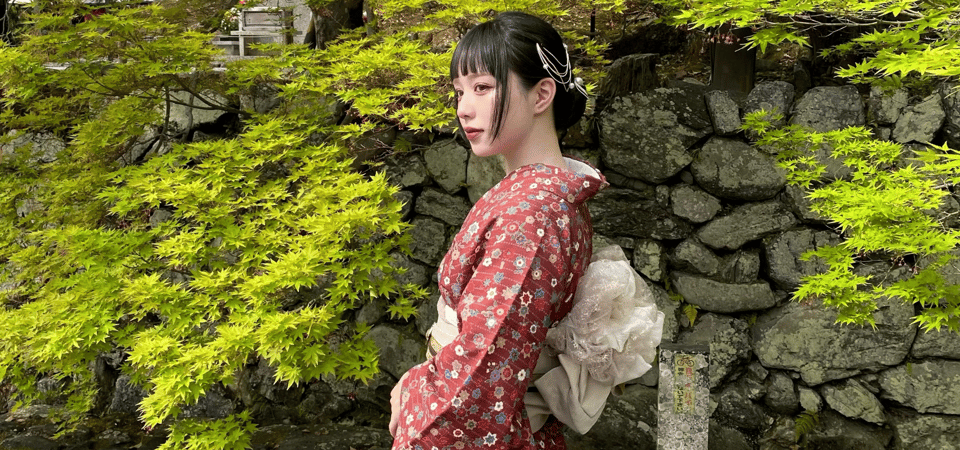
Even though the activity is listed as 1 hour, the realistic rhythm is: arrive, get received, then get dressed (and styled, if you’re eligible), then head out. The store notes it usually takes 45 to 70 minutes from reception to dressing and hair styling to departure, and the timing can shift with the time of day and season.
Here’s what the flow looks like in plain terms:
1) Visit the store at your reserved time
You’ll come in when your slot starts. The store emphasizes that you can arrive without bringing kimono accessories, since they provide what you need.
2) Reception and plan check
At the desk, they confirm what you booked for (kimono rental or yukata rental) and then talk accessory options. If you want extra decorations or add-ons, you can buy them locally—but the only payment method for add-ons is cash.
3) Kimono selection with guidance
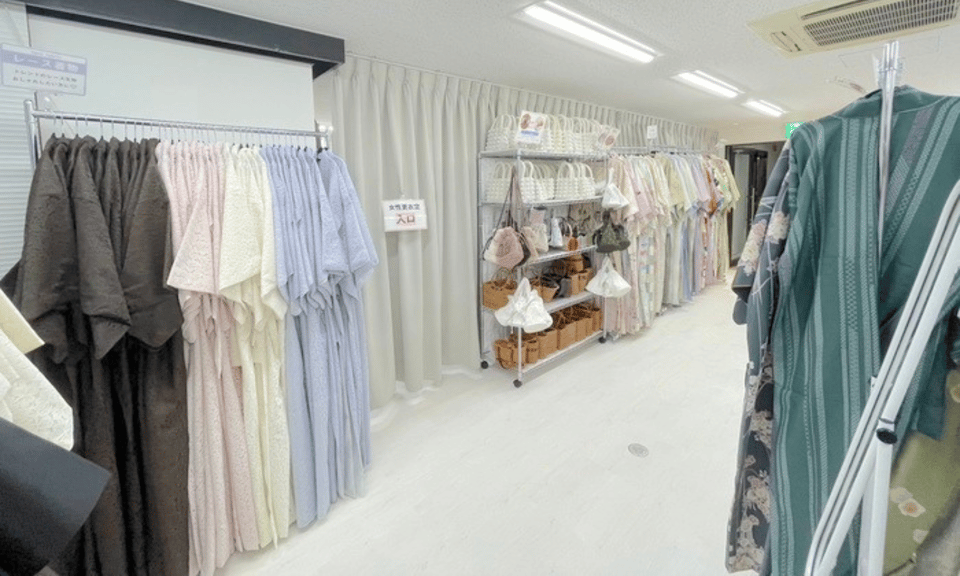
This is where the stress drops. You can choose as many options as you like, and prices don’t change based on the type you select. If you want help matching an obi (belt) style, or picking a kimono look that fits you, experienced staff will advise.
4) Change luggage and what to do with your bag
You can leave clothes you take off or extra items you don’t need for sightseeing. There can be an additional charge for large luggage like carry cases, so if you travel with a big suitcase, it’s worth thinking ahead.
The value of this timing is simple: you don’t need to arrive early with a plan for how you’ll get dressed. The store has a dedicated dressing area and staff who handle the process. That’s the difference between wearing a kimono for photos and wearing one while actually moving around.
Picking your kimono: 300+ options and no price surprises
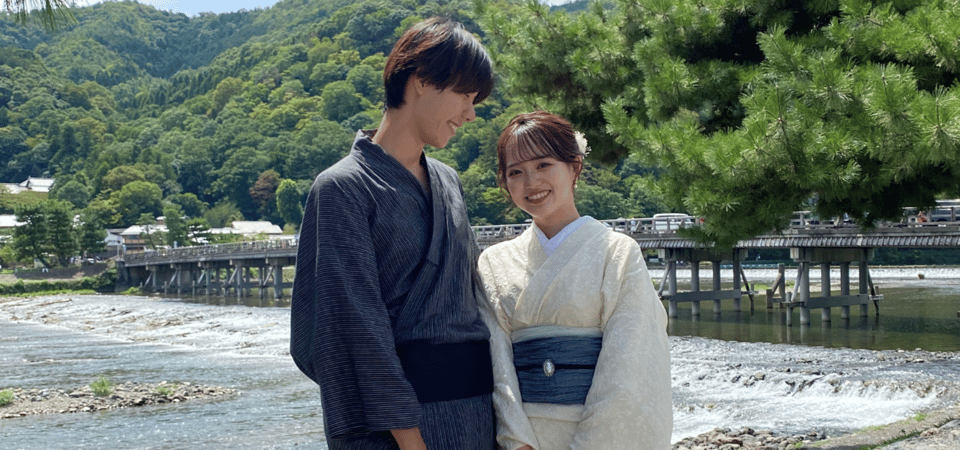
One of the most practical perks here is the selection rules. The store notes that you can choose from all types, and prices do not change depending on whether you rent a different kimono or yukata. That means you can focus on what you like instead of playing a pricing guessing game.
So what should you do with that freedom?
- If you care about photos, pick a kimono color and pattern that suits the light you’ll see in Kamakura. Dark tones can look great in shaded areas, while lighter tones can photograph nicely when the sun hits.
- If you’re worried about comfort, ask for a recommendation. Staff can steer you toward styles that look good and fit well.
- If you want a specific vibe—cute, classic, modern—use the accessory conversation to bring it together. Your accessories and obi choices can shift the whole feel.
Also, the store says you can select as many kimonos as you like no matter which plan you book. That’s helpful because the first kimono you try might not be the one. It gives you room to compare.
Luggage, accessories, and the cash-only add-on detail
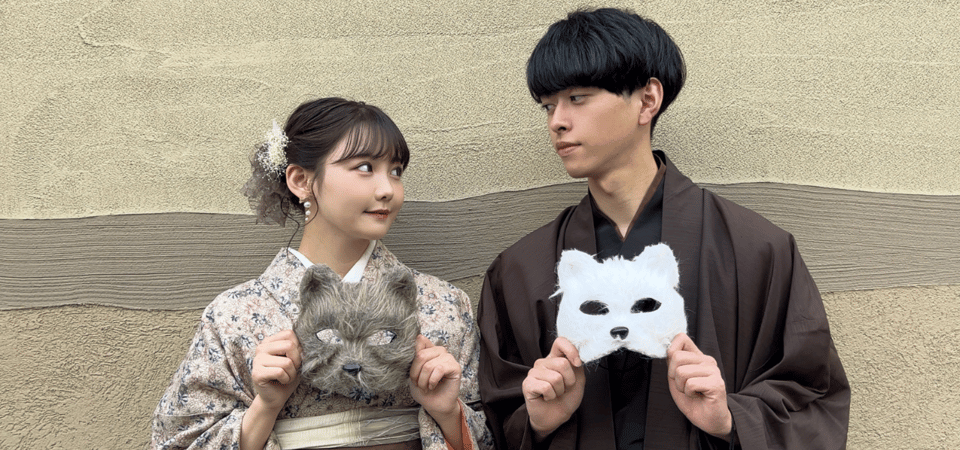
Most kimono rentals include some handling of personal items, but the details matter because you’re trying to go sightseeing right after.
RikaWafuku lets you leave clothes you take off and luggage you don’t need for sightseeing. That keeps you from carrying around layers you won’t wear, especially if you start in winter or early morning.
Two practical considerations:
- Large luggage (like carry cases) can cost extra. If you’re traveling with something big, plan to either pack lighter for the kimono segment or expect an additional fee.
- Optional accessory add-ons are cash only. When staff offer extras, you can add them—but the payment method for those extras is only cash. If you think you might want something like a small bag or extra ornament, bring some yen.
This cash detail is small, but it’s the kind of small thing that can ruin a moment if you’re unprepared. I like that the store is clear about it, which makes it easy to plan.
Women’s hair styling and ornaments: included and built for different hair lengths
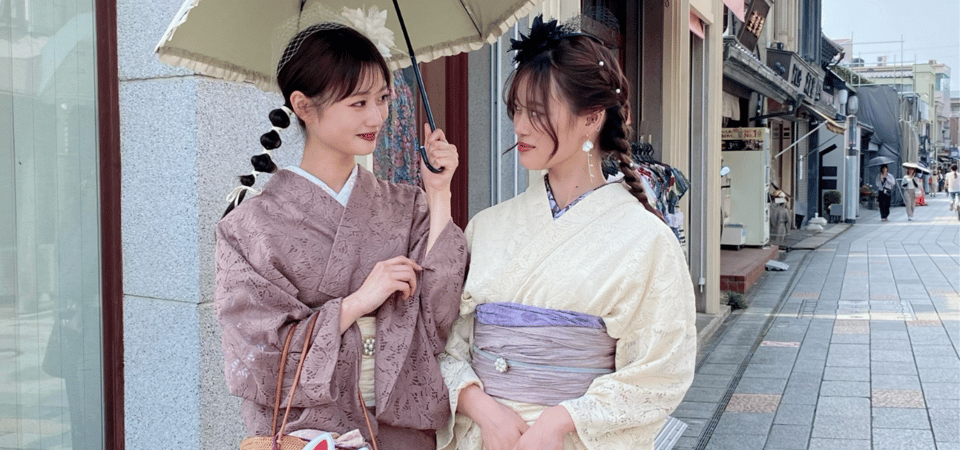
If you’re going to spend time walking around Kamakura in a kimono, your hair matters. RikaWafuku includes hair set (women only) and hair ornaments (women only) in the rental set.
The store states that the hair stylists use irons and hair accessories are included. They say suitable styles work for all hair lengths, and you can choose a hairstyle from 5 patterns. That’s important because some rental shops can feel “one size fits all,” especially for hair length. Here, you’re not stuck.
A key limitation: hair styling service is not available for men. If you’re bringing a mixed group, plan accordingly so men don’t expect the same finished look.
From a visitor-experience standpoint, included hair styling is one of the biggest value drivers. You’re not just paying for clothes; you’re paying for the styling that makes a kimono look intentional rather than improvised. And it saves you time, too.


Getting matching sandals and leaving ready to walk
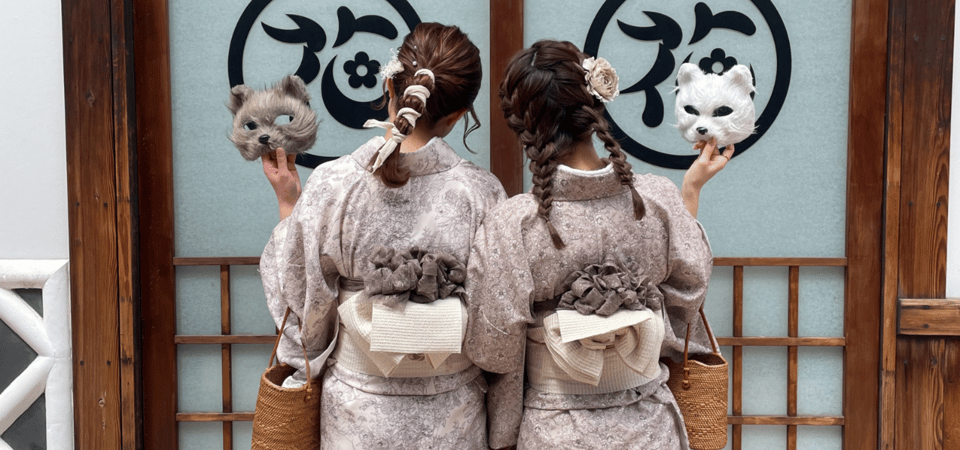
Kimono look is 50 percent clothing and 50 percent the details. RikaWafuku helps with sandals and gets you matched to your kimono and yukata.
They’ll help you choose sandals and geta that fit the outfit. They also mention that at Rika Wafuku they make custom-made zori sandals that go well with trendy kimono patterns each season. That suggests you’re not only getting something generic—you’re getting a pair chosen to match the outfit.
Then comes the best part: you wear the kimono and go sightseeing. The store is positioned so you can head out right away to nearby tourist spots and restaurants. You’re not limited to one photo stop. You can stroll around as long as you’re back by the final return time.
Two tips I’d give you for a smoother day:
- After dressing, take a minute to learn how to walk comfortably with your footwear. If you’ve never worn geta or zori, you want to find your rhythm early.
- Bring a backup plan for photos. You’ll likely want to pause in a few places, but your schedule ends at 5:30 p.m. so keep moving between stops.
Using the time well: how to plan a Kamakura kimono day
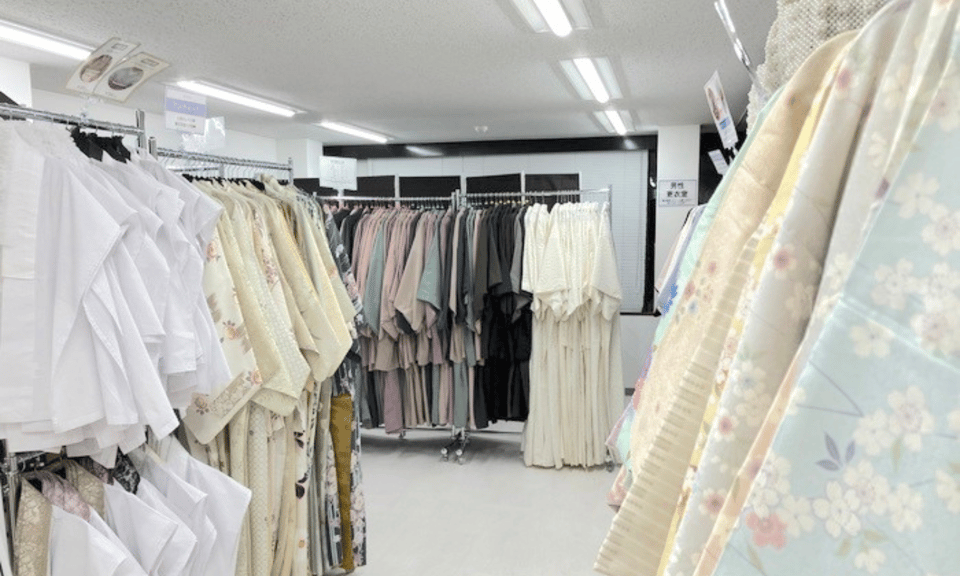
Here’s the reality: your rental experience includes preparation time, and the store expects you’ll leave after 45 to 70 minutes of reception, dressing, and hair styling (for women). The scheduled duration is 1 hour, but the departure timing is what governs your sightseeing.
So you have two good ways to plan:
Option A: Use the kimono as your “midday sightseeing outfit”
Reserve a slot when you’ll still have enough daylight and time to walk around after you’re dressed. Aim to build your itinerary backward from 5:30 p.m.
Option B: Treat it like a timed theme experience
Pick a few high-priority areas you can reach on foot (temples, shopping lanes, photo streets), then let the kimono time be your theme. This avoids rushing back from farther neighborhoods.
Also remember: no matter what time you reserve, the final return time is 5:30 p.m. That means a late-day reservation can feel shorter once you factor in dressing time. If you hate feeling rushed, choose earlier.
Price and value: is $19 worth it in Kamakura?
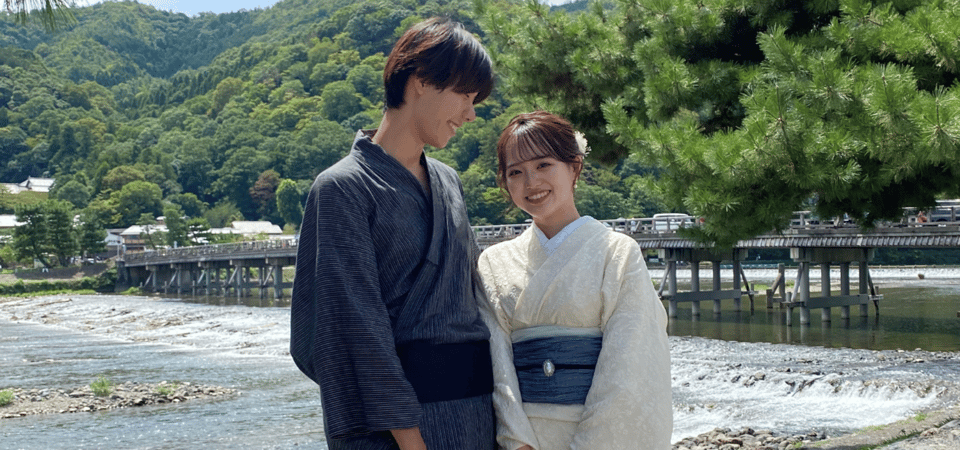
At about $19 per person, this kimono rental can be a strong value—especially because you’re not only renting a garment. You’re getting:
- Kimono rental set
- Dressing
- Hair set and hair ornaments (women only)
That combo is what makes the price feel fair. If you’ve priced a kimono rental plus separate styling elsewhere, you already know how quickly costs climb.
Where value can shift is in what you add. Optional decorations and accessories are available for purchase locally, and you’ll pay extra. The store flags cash-only for those add-ons, so don’t let that surprise you.
But even without extras, the included service is what matters most. You don’t need to bring accessories. You don’t need to figure out your own obi. The store provides the support and finishing touches that help you get out the door and enjoy your time in town.
Who this experience fits best (and when it won’t)
This is a good match if you want the classic Kamakura experience with minimal fuss.
Best fit:
- You’re doing a day in Kamakura and want an outfit that instantly changes the feel of your walk.
- You want staff support for dressing and (if you’re a woman) included hair styling.
- You like a wide choice of kimono types and don’t want price surprises based on style.
Not ideal (or needs planning):
- Men who expect the hair styling service won’t have it included.
- Anyone traveling with large luggage should consider that large storage like carry cases may cost extra.
- If you plan to buy optional decorations, bring cash because add-ons use cash payment only.
- If you only speak English, you’ll be dealing with a Japanese-speaking staff environment. One review noted that an English-speaking staff member helped, but the official language is Japanese, so you should be ready to communicate with a little patience.
Should you book RikaWafuku Kimono Rental in Kamakura?
If you’re deciding whether to book, I’d say this: book it when you want a smooth, walk-ready kimono experience without complicated prep. The JR Kamakura Station proximity, the big selection (300+ items), and the included dressing plus women’s hair styling make it one of the more practical ways to try kimono style for a sightseeing day.
Skip it or plan carefully if you’re traveling with a man who expects hair styling, you’re bringing large luggage, or you want to spend heavily on add-ons and don’t want to bring cash.
In short: if your priority is getting dressed well and heading out quickly into Kamakura, this rental is an easy yes.
FAQ
How far is the store from JR Kamakura Station?
It’s about a 4-minute walk from JR Kamakura Station, so it’s easy to fit into your day.
What’s the typical time from check-in to leaving in your kimono?
It usually takes 45 to 70 minutes from reception to dressing and hair styling to when you depart, depending on the time of day and season.
What time do I need to return the kimono?
The final return time is 5:30 p.m., no matter what reservation time you choose.
Is hair styling included?
Yes for women. The package includes hair set (women only) and hair ornaments (women only). Hair styling is not available for men.
Can I rent the kimono empty-handed?
Yes. You can come without kimono accessories because the store provides what you need for the rental.
Can I choose any kimono style, even if I book a specific plan?
Yes. The store says you can choose as many kimonos as you like no matter which plan you book, and prices don’t change based on the type you pick.
Is there a fee for storing luggage?
You can leave clothes and luggage you don’t need, but additional charges may apply for large luggage such as carry cases.
Can I pay for optional accessories with a card?
No. If you add options, the only payment method is cash payment.
What’s the group size?
It’s a small group limited to 6 participants.