REVIEW · KAMAKURA
Kamakura Historical Walking Tour with the Great Buddha
Book on Viator →Operated by MagicalTrip Inc. · Bookable on Viator
You can hit Kamakura’s highlights on foot. This small-group day walk threads snacks and entrance fees into a smooth route: Tsurugaoka Hachimangu, Hasedera, and Kotoku-in’s Great Buddha, plus seaside time at Yuigahama. One thing to plan for: you’ll cover about 5 km, and some parts of the trail can be slippery, so bring real walking shoes.
I like that the guide focuses on what you’re looking at, not just where to stand for photos. In practice, names like Isao, Mark, Ken, and Fujii show up as guides for this route, and the common thread is calm, patient explanations plus helpful pacing.
If you’re new to Japan and want a well-organized day trip from the Tokyo area, this is the kind of plan that lowers stress. Just remember it starts on time, so you’ll want to arrive early at the meeting spot by Kamakura Station.
In This Review
- Key things to know before you go
- Kamakura in a Half-Day: What You Actually Get for the Price
- The Meeting Point Near Kamakura Station: How to Not Miss the Start
- Komachidori Street Food: The Best Way to Power Up
- Tsurugaoka Hachimangu Shrine: Learning Etiquette While You Walk
- Hasedera Temple: Coastal Views You’ll Feel in Your Legs
- Kotoku-in and the Great Buddha: The Photo That Actually Means Something
- Yuigahama Beach and the Mt. Fuji Across the Ocean Moment
- The Walking Route: About 5 km, Plus Slip Risk
- Lunch at a Temple: Vegetarian-Friendly, but Know the Limits
- Photos and Guide Support: Getting More Than a Wander
- Who This Tour Suits Best (and Who Might Want a Different Plan)
- Should You Book This Kamakura Great Buddha Walking Tour?
- FAQ
- What’s the duration of the Kamakura Historical Walking Tour with the Great Buddha?
- How much does the tour cost?
- What’s included in the price?
- What food options are available if I’m vegetarian?
- Is transportation included?
- How much walking and hiking should I expect?
- What should I wear?
- What happens if it rains?
- How big is the group?
- Can I cancel and get a full refund?
Key things to know before you go
- Entrance fees and snacks are included, so you start eating right away on Komachidori
- Small group size (max 7) helps you keep questions coming and the pace comfortable
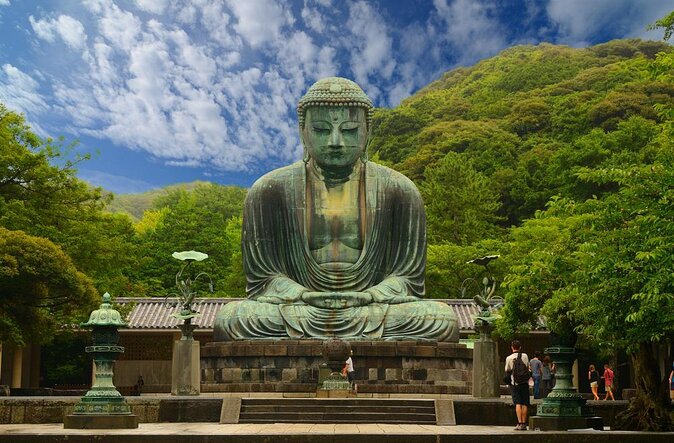
- A real Great Buddha visit at Kotoku-in, plus time at Hasedera and its views
- Beach time at Yuigahama with a photo-friendly ocean outlook and Mt. Fuji across the water
- Rain plan uses train instead of the hiking trail to reach the Great Buddha area
- Vegetarian lunch is available, but choices can be limited and allergies can’t be guaranteed
Kamakura in a Half-Day: What You Actually Get for the Price
At $98.44 per person for about 5 hours, the value here is in what gets bundled. You’re not just paying for a guide; you’re also getting entrance fees (including the Great Buddha and Hasedera) and snacks, plus a temple-style lunch with vegetarian options.
That matters because Kamakura can eat up your day with ticket lines, route decisions, and meal planning. This tour keeps the focus on the big moments: shrine culture, temple viewpoints, and the famous Daibutsu at Kotoku-in, without you having to piece it all together.
The small-group cap of 7 travelers is another quiet win. Smaller groups tend to mean fewer waiting gaps, and it’s easier for the guide to adjust pace when paths get steep or slippery.
You can also read our reviews of more walking tours in Kamakura
The Meeting Point Near Kamakura Station: How to Not Miss the Start
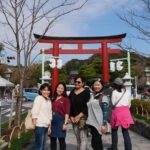
You’ll meet at 鎌倉駅西口駅前時計台広場12-3 (the clock plaza area at the west side of Kamakura Station). The tour kicks off at 10:00 am and the day runs on time, so don’t rely on a last-minute sprint from the train platform.
If you’re coming in from Tokyo, I suggest arriving with a cushion. Even a small navigation slip in a busy station can snowball, because once the group leaves, you’re not likely to catch up mid-walk.
Also note a practical detail: some routes can change if hiking trails are unusable due to weather. That’s normal in coastal Kamakura, but you’ll appreciate that it’s handled without you needing to redesign your day.
Komachidori Street Food: The Best Way to Power Up
Your first stop puts you on Komachidori, the Kamakura shopping street atmosphere where you can grab Japanese snacks on the way to temples. It’s a clever start because it solves the usual day-trip problem: you want energy early, but you also don’t want to waste time hunting for food once your feet start moving.
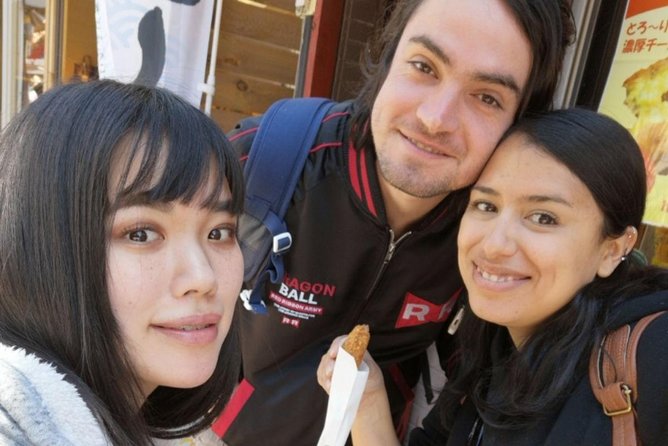
You’ll have snack food samplings included, and you’ll also be around the shops and street vibe—useful if you want to pick up small gifts later. This is the part of the day that feels most like Kamakura as a living town, not just a checklist of monuments.
If you’re sensitive to hunger pang timing, this section helps a lot. The walking picks up across the day, and having fuel early keeps you from needing to stop constantly.
Tsurugaoka Hachimangu Shrine: Learning Etiquette While You Walk
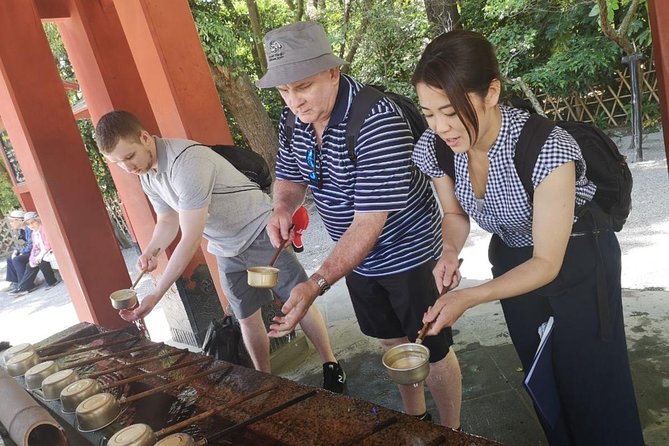
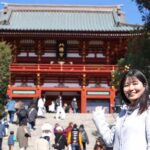
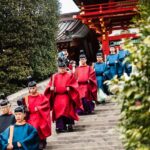
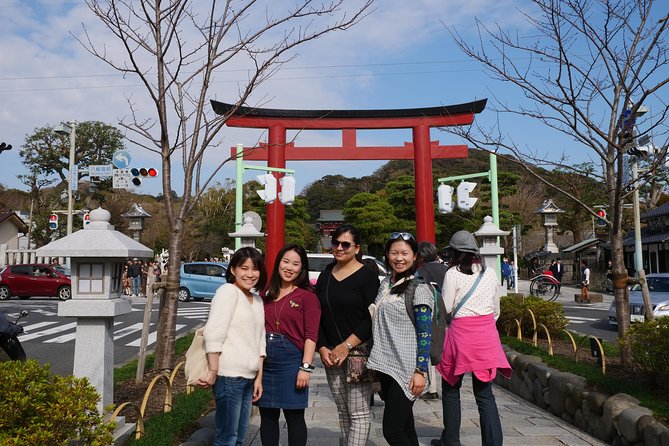
At Tsurugaoka Hachimangu, you’re stepping into Kamakura’s Shinto heart. The shrine is also called Kamakura Hachimangu, and it’s a key historical anchor for understanding how people practice and honor traditions here.
This stop is about more than admiring buildings. A good guide helps you notice the small cues: where people pause, how visitors move through the space, and what matters when you’re around offerings and sacred areas. Those details make your photos more meaningful, because you understand what you’re seeing rather than treating it like a backdrop.
It’s also a helpful mental reset point. After the snack-and-stroll energy of Komachidori, Hachimangu gives the day structure: calm pacing, clear sights, and a story you can carry into the next temple climbs.
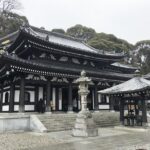
Hasedera Temple: Coastal Views You’ll Feel in Your Legs
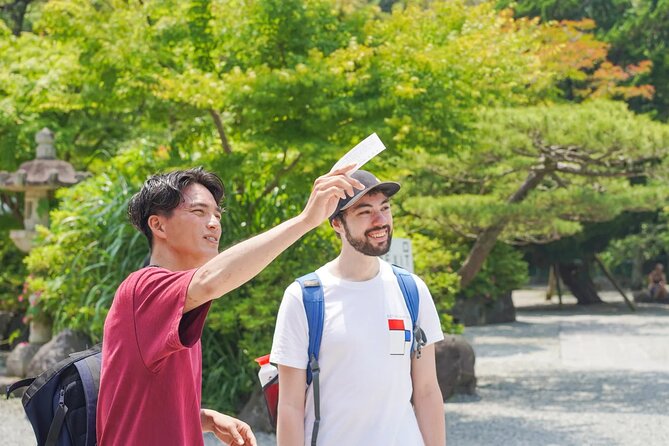
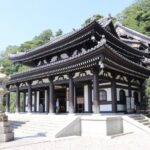
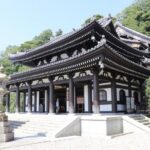
Hasedera is the kind of place where the journey matters as much as the main grounds. Expect scenic views toward the coastline and the feeling that you’re climbing through layers of temple approach.
This is one of the older stops too, said to be founded in 736 during the Nara period. That age shows up not as a lecture, but as a sense of place—stone paths, garden care, and the way the temple works with the hilly terrain.
You’ll have about 50 minutes here, which is long enough to do two things: take in the views, and still have time to walk slowly without rushing. The downside is obvious: you’ll be using your legs. If your shoes aren’t up to scratch, this is where you’ll notice it.
If you want the cleanest photos, aim to pause at view spots rather than rushing straight onward. The coastline framing improves the farther you settle and take in the angle.
You can also read our reviews of more historical tours in Kamakura
Kotoku-in and the Great Buddha: The Photo That Actually Means Something
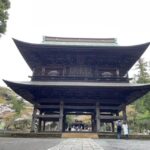
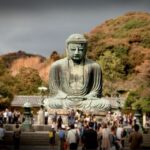
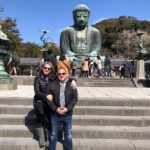
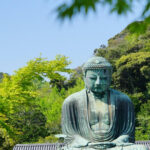
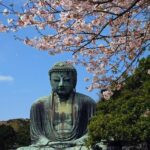
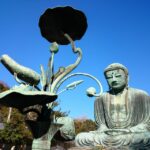
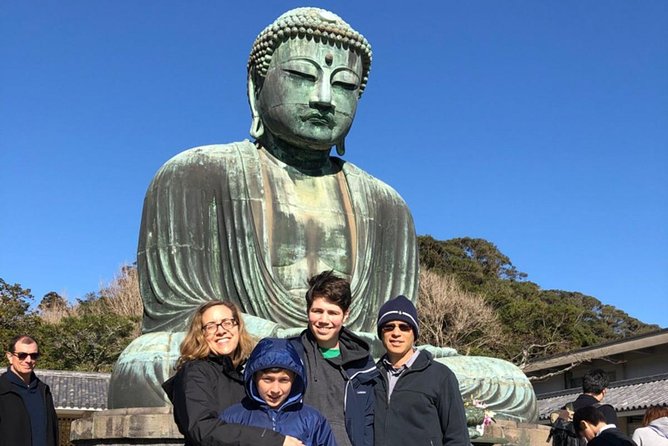
Then comes the star: the Great Buddha of Kamakura, enshrined at Kotoku-in Temple for over 750 years. This is your major entrance-fee stop, and it’s the one you came for.
The most valuable part of visiting with a guide is context. You don’t just see a giant statue; you learn why it’s revered, how it fits into Kamakura’s temple landscape, and how to experience the grounds respectfully.
This stop also changes with weather. If trails are slippery or conditions push the hike off the table, the tour uses train instead of the hiking trail to reach the Great Buddha statue area. Translation: you still get the highlight, even when the coastline path is not friendly.
Time-wise, plan around a bit of walking plus a solid visit window (about 40 minutes). You’ll want to do two things during that window: slow down enough to take in the scale, and watch how other visitors move through the space so you can follow the rhythm.
Yuigahama Beach and the Mt. Fuji Across the Ocean Moment
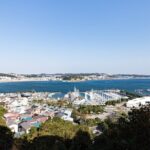
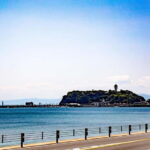
After Kotoku-in, the day turns toward the coast. You’ll pass Enoshima Island, then finish with Yuigahama Beach and the seaside park area.
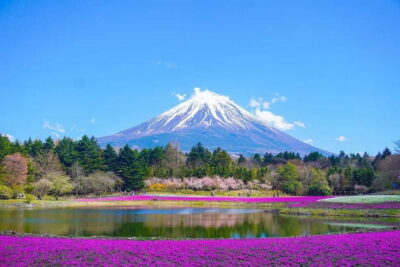
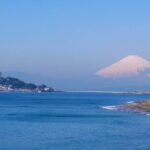
Yuigahama is known for sandy, shallow waters and a big open look out over the ocean. The bonus here is the possibility of Mt. Fuji across the water in the right conditions, so if you’re lucky with visibility, this turns into one of those postcard moments that feels earned.
You’ll have about 20 minutes at Yuigahama and another short stretch around the seaside park area. That’s enough for photos and a breather, but not enough to forget you still have a walking day behind you.
If you want a practical win: bring a towel. Not for drama—just because beach wind and damp steps happen fast in coastal Japan. Also keep water in mind, especially in hot months.
The Walking Route: About 5 km, Plus Slip Risk

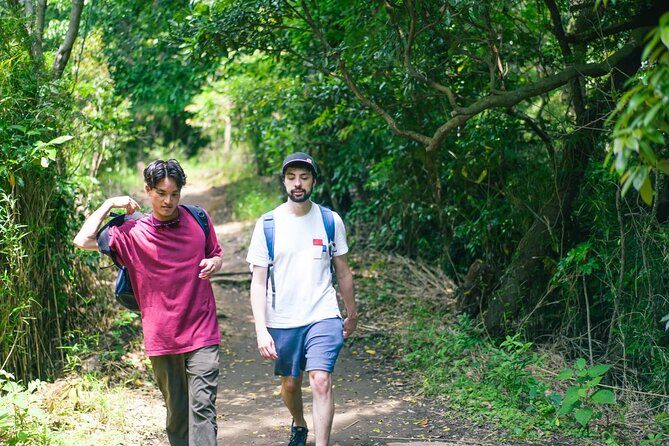
This tour is roughly a 5 km walking and hiking day, with around 2.5 km described as the hiking trail. That’s not a backcountry trek, but it is real footing time—stairs, slopes, and uneven ground are part of the experience.
The guide notes slippery sections, so proper shoes aren’t optional. I’d rather you plan for traction than count on luck. And because routes can change due to weather, stay flexible: the best day is the one where you trust the pivot.
Weather in Japan can swing hard. Summer highs can reach around 40°C (110°F), and winter lows can drop to about -5°C (20°F). If you’re visiting outside spring and autumn, pack for conditions, not for comfort fantasies.
Lunch at a Temple: Vegetarian-Friendly, but Know the Limits
Lunch is included as a temple lunch, and vegetarian and vegan menus are available. That’s a big win if you travel with dietary preferences, because you won’t have to scramble for options right after temple entrances.
That said, the vegetarian choices can be limited. The tour also mentions that restaurants may not be fully ready to serve vegetarian meals, which means your exact dish can depend on what’s available that day.
Also keep expectations realistic about allergies. The tour can’t guarantee allergy-free dining, since food is prepared in kitchens that do not belong to MagicalTrip. If you have allergies or strict dietary needs, treat this as a “check carefully” situation rather than a guarantee.
On the plus side, the day includes photos and snack samplings, so you’re not just eating one meal and calling it done. It’s built for steady energy without constant stops.
Photos and Guide Support: Getting More Than a Wander
You’ll get photos included, which saves time and hassle—especially if you’re traveling solo or in a couple. It’s one less thing to manage while you’re focused on the places themselves.
What I also appreciate is the guide’s role in making the cultural points land. People often come to Kamakura for the Great Buddha, but the shrine and temple etiquette is where the day becomes truly memorable. You’ll get explanations tied to each stop, not generic facts.
Finally, guide help can extend beyond the walking itself. In at least some cases, guides have helped guests figure out which train to take to return toward their next city. If you’re building a longer Tokyo-area route, that guidance can save time and confusion.
Who This Tour Suits Best (and Who Might Want a Different Plan)
This works well if you’re:
- Doing a day trip from the Tokyo area and want a structured walking route
- Interested in Japan’s shrine and temple customs, not just famous sights
- Looking for a small-group experience with entrance fees and lunch handled
- Comfortable with about 5 km of walking, including slippery or uneven sections
It may not fit you if:
- You want a mostly flat stroll with minimal hiking
- You need strict allergy accommodation beyond what’s described
- You prefer super flexible pacing with lots of unscheduled breaks
If you’re the kind of traveler who likes to understand what you’re looking at, this kind of guided day tends to feel satisfying rather than rushed.
Should You Book This Kamakura Great Buddha Walking Tour?
I’d book it if you want the highlights—Tsurugaoka Hachimangu, Hasedera, and Kotoku-in’s Great Buddha—wrapped into one efficient half-day plan with snacks, lunch, and guides who keep the culture understandable. It’s also a smart choice for first-time visitors to Japan because you’re not left guessing how to behave in sacred spaces.
Skip it or think hard before booking if you dislike hiking trails, hate slipping-on-stones uncertainty, or have complicated food needs that require guaranteed allergy-free cooking. The tour is designed for a typical day-trip rhythm; it’s not a slow museum stroll.
If you’re ready for a real Kamakura day—temples, coast views, and a Great Buddha you can actually stand in front of—this one makes practical sense. Just wear the shoes, arrive early, and bring water and a towel. That’s how you turn the route into a smooth win.
FAQ
What’s the duration of the Kamakura Historical Walking Tour with the Great Buddha?
The tour runs about 5 hours.
How much does the tour cost?
It’s $98.44 per person.
What’s included in the price?
Entrance fees for the Great Buddha and Hasedera Temple are included, along with temple lunch (vegetarian; vegan menu available), snack food samplings on Komachi street, photos, and a certified guide by MagicalTrip.
What food options are available if I’m vegetarian?
A vegetarian lunch is included, and a vegan menu is available. The tour notes that vegetarian choices can be limited, so options depend on availability.
Is transportation included?
No. A transportation fee of 440 yen is not included. The tour may use train in case of rain instead of the hiking trail for the Great Buddha area.
How much walking and hiking should I expect?
It’s around a 5 km walking & hiking tour, with about 2.5 km described as the hiking trail.
What should I wear?
Wear suitable hiking clothes and shoes because the hiking trail can be slippery on some parts.
What happens if it rains?
In case of rain, the tour uses a train to see the Great Buddha statue instead of using the hiking trail.
How big is the group?
The tour has a maximum of 7 travelers.
Can I cancel and get a full refund?
Yes. You can cancel for free up to 24 hours in advance for a full refund. Canceling less than 24 hours before the start time is not refunded.