REVIEW · KAMAKURA
Kamakura Private & Customized Half-Day Tour with Local Guide
Book on GetYourGuide →Operated by Japanese Cultural Experience Kamakura · Bookable on GetYourGuide
Kamakura makes a strong case for short trips. This private half-day tour is built around your interests and pace, led by local guide Takumi Ikeda, with history explained in plain terms as you move between top shrines and quieter corners. It’s a great way to see more than the postcard version of Kamakura without turning your day into a sprint.
I especially love how the plan stays flexible. You’ll spend real time where you’re curious, from shrine grounds to street shopping, and you get clear explanations of Zen and Shinto traditions instead of vague “this is old” answers. I also like the built-in lunch choice: vegan bento, a local restaurant, or skipping lunch so you can keep sightseeing time.
One consideration: entrance fees and transportation aren’t included, and meals are on you unless you choose the included lunch option. So come with some cash and comfy shoes—Kamakura is scenic, but it’s still walking.
In This Review
- Key highlights worth your attention
- Why this Kamakura half-day feels more personal than a checklist
- Starting at Kamakura Station: the easiest way to get your bearings fast
- Tsurugaoka Hachimangu and Komachi Street: where history becomes real
- Kotoku-in and Hase-dera: the temple pair that balances awe and atmosphere
- When your route includes Engaku-ji (and other Zen classics)
- Swapping in hidden-feeling stops: bamboo, torii, money luck, and sea air
- Lunch choices: vegan bento, local restaurant, or skipping
- $85 for 3–6 hours: is it good value in Kamakura?
- Pace, practicalities, and what to bring
- Who should book this Kamakura tour (and who might skip it)
- Should you book this Kamakura Private & Customized Half-Day Tour?
- FAQ
- How long is the Kamakura private tour?
- Where do we meet the guide?
- Is this a private tour?
- What languages does the guide speak?
- What lunch options are available?
- Are transportation fees and entrance fees included?
- Can I cancel and get a full refund?
Key highlights worth your attention
- Private and customized route that fits your interests and rhythm
- Local guide Takumi Ikeda guiding in English or Japanese
- Temple-and-street combo: big landmarks plus quieter spots you can swap in
- Lunch that adapts to your needs, including vegan options (and gluten-free help if you ask)
- Seasonal opportunities for adding special touches when dates line up
- Short training and transit moments keep you moving without feeling rushed
Why this Kamakura half-day feels more personal than a checklist
Kamakura is packed. The temples and shrines are famous, and the streets around them can get busy fast—especially near major landmarks. What makes this tour work is that it’s private, so your schedule doesn’t get welded to a group timetable.
Your guide is local-born, which matters because it’s not just facts—it’s context: why a shrine matters to locals, how Zen spaces feel different from busy tourist corridors, and what to look for while you’re walking. You can ask questions on the spot, like how rituals work, what certain offerings mean, or what people do there on ordinary days.
Also, you get to set the tone. Want quieter, gentler stops? Lean that way. Prefer photo time and street browsing? Your guide can adjust. That’s a big deal in a place like Kamakura, where one extra detour can turn your afternoon from “nice” into “this is why I came.”
You can also read our reviews of more guided tours in Kamakura
Starting at Kamakura Station: the easiest way to get your bearings fast
The meeting point is the East Exit of Kamakura Station. From there, your tour typically begins with some easy orientation time and a walk into the parts of Kamakura that set the mood.
In a common flow, you’ll start with a stop at Komachi Dori Street for about 30 minutes of free time. It’s a practical way to settle in: snacks, small shops, and browsing without pressure. You can treat this as your warm-up—grab a drink, pick up small gifts, or just watch how the area feels before you enter temple and shrine spaces.
From there, the tour often transitions toward the shrine core. If your route includes Tsurugaoka Hachimangu, you’ll get a guided walk that gives you something most solo visitors miss: understanding the shrine as the spiritual heart of Kamakura, not just another impressive building.
Tsurugaoka Hachimangu and Komachi Street: where history becomes real
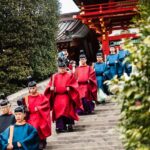
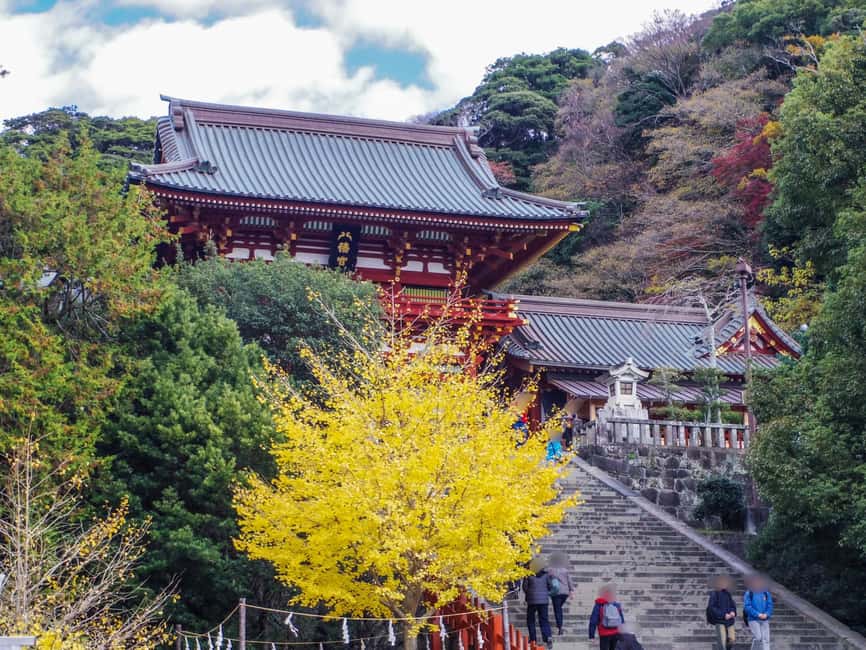
Tsurugaoka Hachimangu is the emotional center for a lot of people visiting Kamakura. It’s connected to samurai-era tradition and sits at the heart of the city’s spiritual life. But what you’ll remember from a good visit isn’t the fact that it’s important—it’s how it’s explained to you while you’re standing there.
This tour guides you through the area with time for both structure and freedom. You can walk, pause, and take in the scale while your guide ties the details together—Shinto traditions, how the space functions, and why this area became such a focal point.
A key bonus here is the pairing with Komachi Dori Street. Temple visits can feel a little stiff if they come back-to-back. A street segment gives your eyes and feet a break and lets you reset. Plus, you’ll have a chance to buy small essentials or souvenirs without turning the day into a logistics puzzle.
Kotoku-in and Hase-dera: the temple pair that balances awe and atmosphere
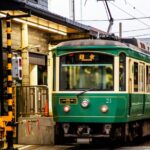
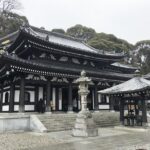
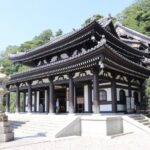
A very typical flow includes a short train ride, then guided time at two major sites: Kōtoku-in and Hasedera.
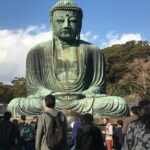
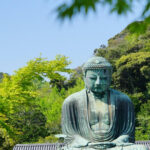
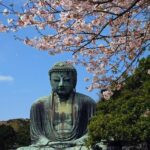
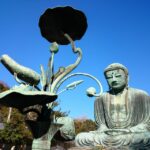
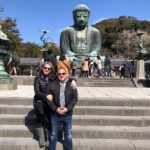
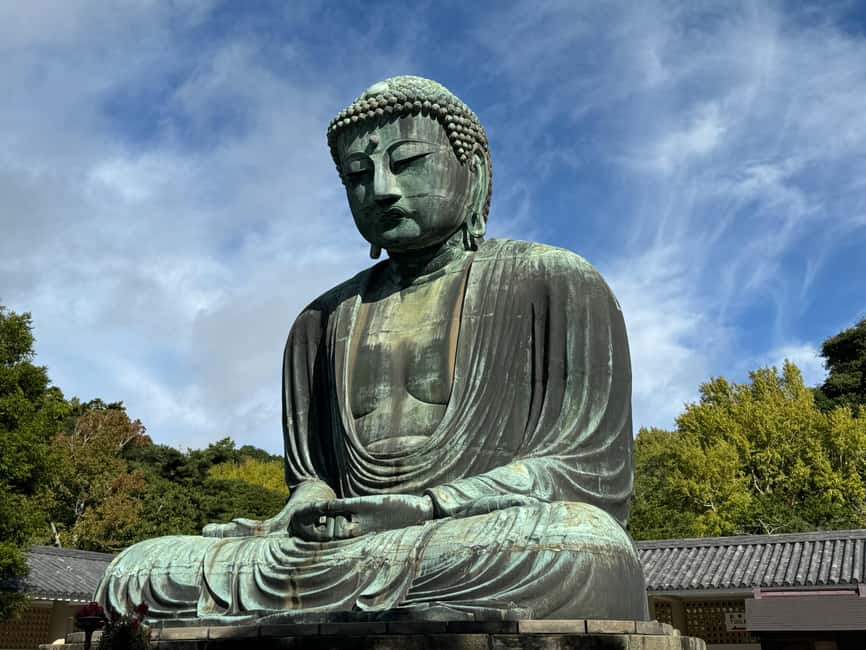
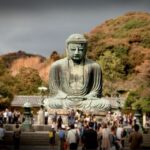
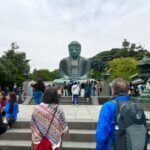
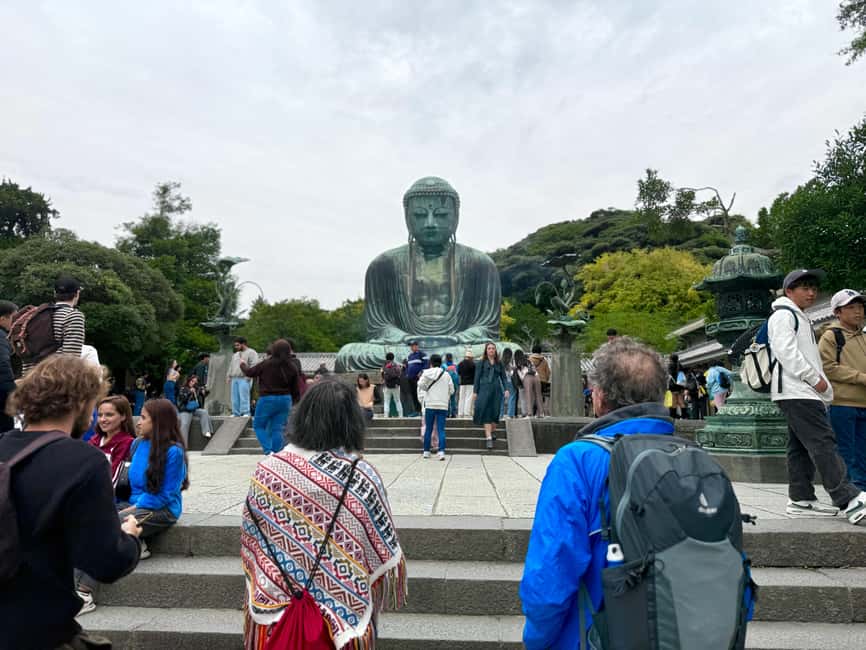
At Kōtoku-in, you’ll see the big-ticket Buddha sight most people come for. But the guide’s job isn’t just pointing at it—it’s giving you cues to notice what’s around it and how the site is meant to be experienced. With good pacing, you get both the wow moment and the quieter, reflective minutes that make it feel more than a photo stop.
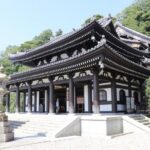
Then comes Hasedera, another stop that’s worth more than a quick walk-through. You’ll spend about 50 minutes there with guidance, which gives you time to slow down. This is where the tour’s “private pace” advantage really shows up. If you want more time at viewpoints or gardens, you can ask. If you’d rather focus on the main halls and leave before the busiest crush, your guide can help you do that.
Practical note: temple steps and slopes add up. That’s why comfortable shoes matter. Even if the total day is only around 4 hours, the walking quality is “up-and-down,” not flat city strolling.
When your route includes Engaku-ji (and other Zen classics)
One example route starts a bit north, around Kitakamakura Station, with Engaku-ji as the first major temple stop. Another common Zen stop that you might swap in is Kencho-ji. These are the kinds of sites that can feel very different from each other—but your guide ties them together so you understand the broader Zen landscape of Kamakura.
At Engaku-ji, the highlight is the atmosphere: a quieter, calmer environment where the spaces invite slower attention. You’ll get explanations that help you understand Buddhist rituals and traditions in a way that feels grounded, not like a lecture.
Why add this Zen leg? Because it balances Kamakura. If you only do shrines and street shopping, the day can feel like a set of highlights. Add a Zen temple experience and suddenly the trip has a “mindful center.” You get to contrast the energy of Komachi Dori and shrine areas with a space built for quiet.
And if you’re not set on Engaku-ji, you can often steer your day toward other options like:
- Hokokuji Bamboo Forest (a peaceful walk and matcha tea chance if it fits your route)
- Kencho-ji (old Zen temple energy and a hillside path viewpoint)
- A general shift toward quieter corners depending on your preferences
You can also read our reviews of more private tours in Kamakura
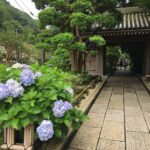
Swapping in hidden-feeling stops: bamboo, torii, money luck, and sea air
This tour is flexible about what you include, and that flexibility is what turns Kamakura from “I saw the highlights” into “I understood the place.”
Some swap-in options you might consider:
- Hokokuji Bamboo Forest: great if you want a calm pause and a gentle rhythm between larger sites. It’s a nice “reset button.”
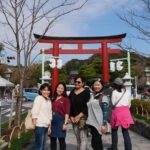
- Sasuke Inari (rows of torii and fox statues): a more unexpected shrine vibe, with lots of red and a sense of playful symbolism.
- Zeniarai Benzaiten: a shrine built around a money-washing ritual in spring water, meant for luck and prosperity. If you’re curious about local beliefs, this is the kind of stop that makes those beliefs tangible.
- Kamakura Yuigahama Beach: if you want your day to end with sea air and a more relaxed mood.
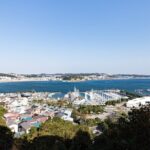
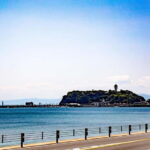
- Enoshima: an easy way to extend your afternoon beyond Kamakura proper, with viewpoints and the feel of a small island trip.
Here’s the key: these are not “extra for the sake of extra.” They’re high-leverage because they change your sensory experience—quiet to scenic, city energy to ocean air. In a short half-day, that variety helps the day feel complete.
Lunch choices: vegan bento, local restaurant, or skipping
Lunch is one of the best parts of this setup because you’re not forced into one plan. You can choose:
- Vegan bento
- A local Japanese restaurant
- Or skip lunch to keep your sightseeing time longer
I like this approach because it respects how sightseeing actually works. Some days you want a sit-down reset. Other days you’re in motion and a long meal break would feel like time theft. If you’re sensitive to that, the option to skip lunch is a smart gift.
Food itself gets treated as part of the cultural experience, not just fuel. If your route includes a restaurant stop, you can expect explanations around Japanese cuisine—for example, how miso soup is made using dashi, and what dishes like shrimp “shinjō” are like when served hot.
Also, if you have dietary needs beyond vegan, ask directly. One review notes the guide gave helpful input on gluten-free options—so it’s worth mentioning your needs early rather than hoping a restaurant will magically match them.
$85 for 3–6 hours: is it good value in Kamakura?
At $85 per person for a private half-day (listed as 3–6 hours, and often around 4 hours), the value comes from three places:
First, you’re buying flexibility. Kamakura can be as much about route choices as it is about sites. Being able to tailor what you see, when you pause, and which type of experience you want is hard to replicate with a group tour.
Second, you’re buying local interpretation. The guide doesn’t just translate signs. You get guidance on meaning—rituals, traditions, what to notice, and why it matters in daily life and in the temple/shrine context.
Third, you’re paying for efficiency in how the day flows. Even with breaks and guided time, the structure helps you avoid the common solo-trip problem: you end up spending half the afternoon figuring out what matters most.
That said, do your math with what’s not included. Transportation fees, entrance fees, and meals can add cost. If you already plan to take trains and pay temple entry anyway, you’ll likely feel the value more clearly. If you’re trying to keep everything ultra-budget, a group tour might be cheaper—but it also won’t be as responsive to your pace and interests.
Pace, practicalities, and what to bring
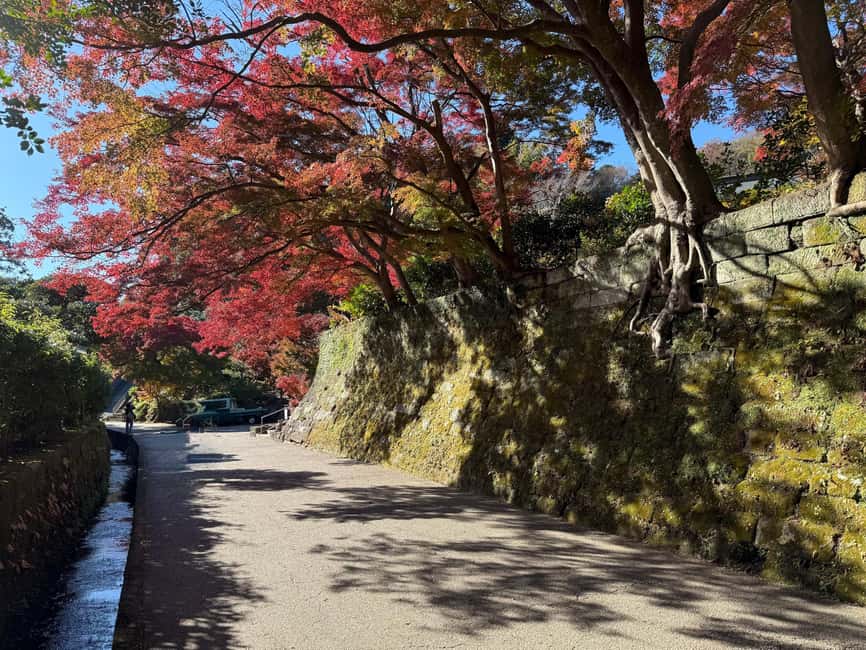
This isn’t a formal “push through every site” tour. You’ll have guided time at major places and free time for street browsing. The biggest practical factor is footwear and stamina.
Bring comfortable shoes. Expect some walking on uneven ground and along temple approaches. Kamakura’s scenery is the point, but it’s also why you’ll feel your legs the next day.
You should also plan around the day being flexible rather than rigid. Your guide will confirm your preferences via message, and the schedule can be tailored. If you want a particular temple, a specific food style, or a slower rhythm for photos, tell them early.
One more detail: alcohol and drugs aren’t allowed on the tour. If you’re hoping to turn the afternoon into a drinking outing, this probably isn’t the fit.
Who should book this Kamakura tour (and who might skip it)
This tour is a strong match if you want:
- A private guide instead of following a fixed group pace
- A mix of major landmarks and more reflective, quieter stops
- Clear explanations you can understand without a history degree
- Lunch flexibility, including vegan bento options
It may not be the best fit if you:
- Want every cost included in the price (transport and entrance fees aren’t included)
- Prefer a fully predetermined itinerary with no choice
- Have very limited mobility and need minimal walking (the schedule involves temple grounds and walking time)
Should you book this Kamakura Private & Customized Half-Day Tour?
If you’re aiming for a half-day that feels thoughtful, not rushed, I’d book it. The biggest win is the combination of private customization and a guide who can explain what you’re seeing in real time, while also building in practical lunch choices and optional swaps like bamboo forest, torii shrine vibes, or even ocean air toward Enoshima.
Just go in with clear expectations: you’ll handle entrance fees and transportation, and you’ll walk. If that fits your style, this is the kind of Kamakura afternoon that leaves you with more than a list of stops. You’ll leave with a better sense of how the place works—spiritually, historically, and day-to-day.
FAQ
How long is the Kamakura private tour?
The duration is listed as 3–6 hours, and the tour notes it’s approximately 4 hours.
Where do we meet the guide?
The meeting point is the East Exit of Kamakura Station.
Is this a private tour?
Yes, it’s a private group tour.
What languages does the guide speak?
The live tour guide speaks English and Japanese.
What lunch options are available?
Lunch can be vegan bento, a local restaurant, or you can choose to skip lunch.
Are transportation fees and entrance fees included?
No. Transportation fee and any entrance fees are not included.
Can I cancel and get a full refund?
Yes, it offers free cancellation up to 24 hours in advance for a full refund.