REVIEW · KAMAKURA
From Kamakura: Daibutsu Hiking Trail Tour with Local Guide
Book on GetYourGuide →Operated by JGA Inc. · Bookable on GetYourGuide
Kamakura is a short trip with big mood. This private 6-hour hike links the Great Buddha area to Zen temples along the Daibutsu Trail, and a licensed local guide helps you make sense of what you’re seeing as you walk. I especially like the personal pacing and the way guides such as Shinji or Shingi stay practical while sharing context that actually fits the route.
What I also love is the built-in mix of walking and culture, from the Zeniarai Benten money-washing shrine to chances to visit major temple stops like Engaku-ji and Kencho-ji. The one clear drawback to plan around is logistics: pick-up and drop-off happen only in Kamakura, not Tokyo, so you’ll need to reach Kamakura first.
In This Review
- Key highlights to notice before you go
- Walking from Great Buddha to Zen temples in one guided day
- Price and what you’re really buying for about $151
- Meeting up in Kamakura: simple on paper, important in practice
- Daibutsu Trail route: the 6km walk that connects meaning
- Zeniarai Benten: a money-washing stop that breaks up the route
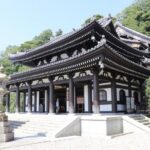
- Jufuku-ji, Engaku-ji, and Kencho-ji: temples that fit the walking story
- How guides make the difference: pacing, explanations, and real flexibility
- The “best of Kamakura” feeling without the checklist stress
- What to bring (and what to think about before the hike)
- Picking the right version of the hike for your group
- Should you book this Kamakura Daibutsu Trail guided hike?
- FAQ
- How long is the Kamakura Daibutsu Hiking Trail tour?
- Where does the tour start, and do you pick up from Tokyo?
- What’s the hiking distance on the Daibutsu Trail?
- What’s included in the tour price?
- What should I bring?
- Are entrances, food, or local transportation included?
Key highlights to notice before you go
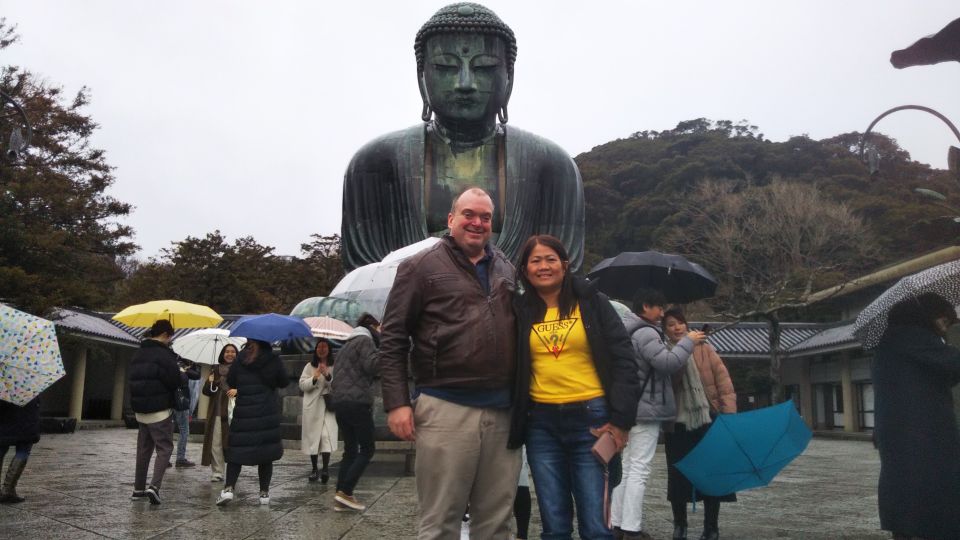
- A 6km route with real structure: The Daibutsu Trail runs between Daibutsu (Great Buddha) and Jochi-ji, so you’re not wandering blindly.
- Money-washing at Zeniarai Benten: A small detour/stop that turns a shrine visit into a memorable moment on the walk.
- Zen temple focus without the museum feeling: Engaku-ji and Kencho-ji fit naturally into the day.
- Optional longer hike via the Tennen Trail: You can keep going toward the rest of the five important temples.
- Private guiding with flexible personalization: Your guide customizes what you prioritize and how the day flows.
- Guides handle real-life curveballs: Communication and adaptability come up often in the experiences people describe, including cases where the day gets shorter.
Walking from Great Buddha to Zen temples in one guided day
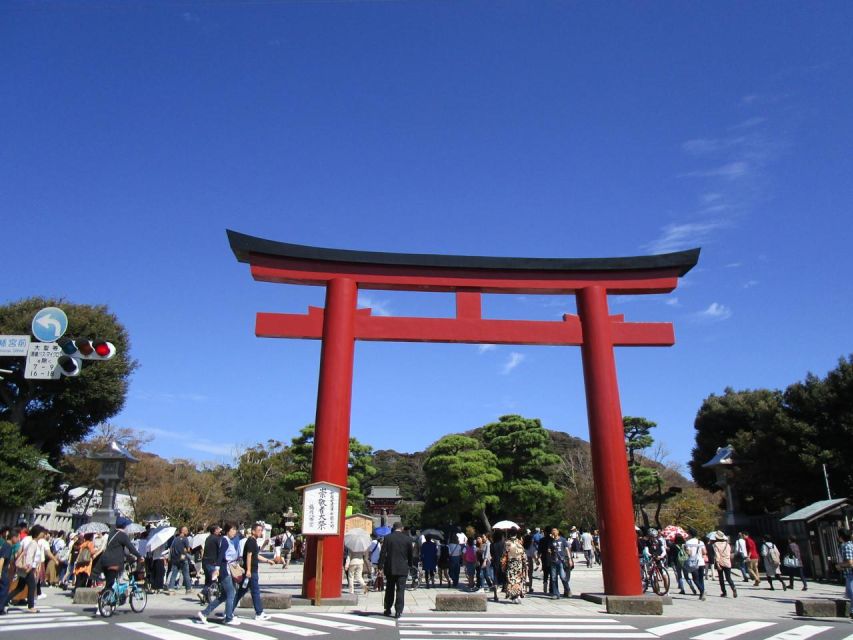
Kamakura is an easy day trip from Tokyo in time, but it feels different the moment you arrive. You get old-school atmosphere, temple routes that make sense on foot, and that calm-in-the-middle-of-everything feeling that Tokyo sometimes lacks. This tour is built for that balance: you’re walking outside, but you’re not doing it alone.
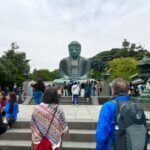
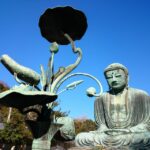
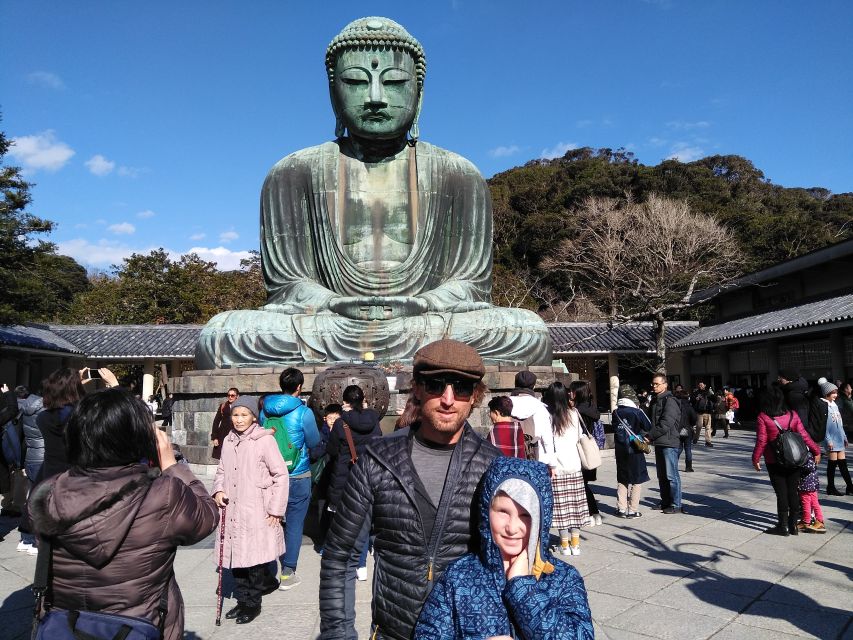
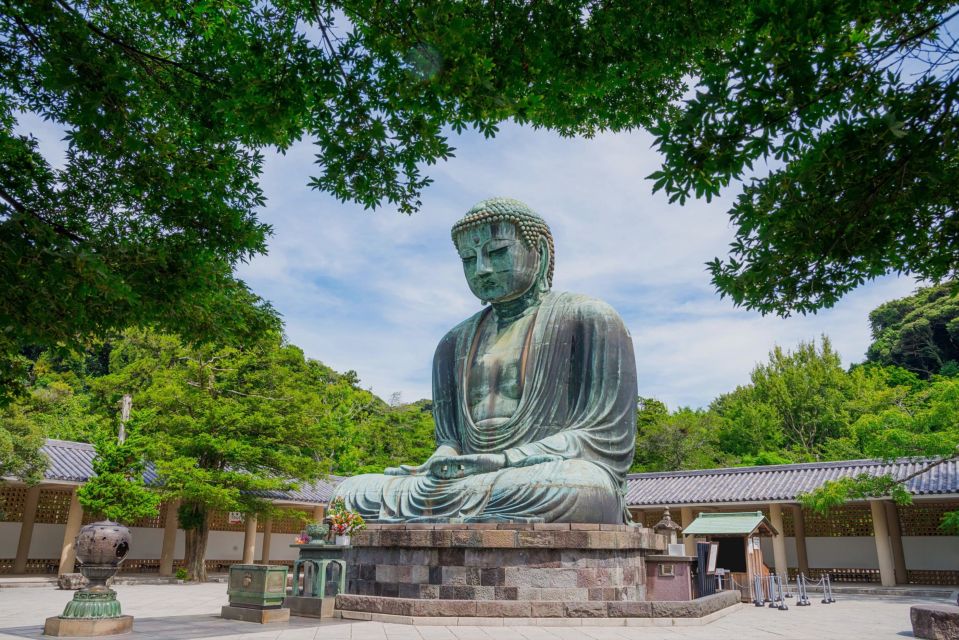
The core of the experience is a private guided hike along the Daibutsu Trail. It’s about 6km (3.7 miles) long, and it connects the south side of the route near the Great Buddha (Daibutsu) with Jochi-ji Zen temple to the north. Along the way, you pass Zeniarai Benten, where the money-washing ritual gives you a very specific, very Kamakura-style stop.
What makes this tour worth considering is the guide component. You’re paying for a nationally licensed local guide who can explain what you’re looking at and adjust the day to your interests. People describe guides such as Seizo, Andy, and Michio as careful with pacing, especially when the weather gets hot.
You can also read our reviews of more guided tours in Kamakura
Price and what you’re really buying for about $151
At $151 per person for a 6-hour private guided hike, the value depends on how you like to travel. If you’re the type who would rather not piece together routes, temple timing, and context from scratch, this price can feel fair fast. You’re essentially paying for time with a licensed local, private attention, and a route that’s designed around major sites.
Also, the route isn’t just point-to-point. It’s a hike with a story: Great Buddha down south, Zen temple direction up north, and a shrine stop that’s distinctive. That’s harder to replicate if you’re relying on random maps and trying to figure out which turns matter.
One thing to budget mentally: the tour price doesn’t include food and drink, entrance fees, or transportation during the tour. Public transport or taxis within the Kamakura area can add up, depending on how your guide structures the day and whether you branch off for extra temple time. For many people, that’s fine, because the core experience is the walk plus guided interpretation.
Meeting up in Kamakura: simple on paper, important in practice
Your guide meets you in Kamakura, either at your hotel lobby or at the station you request, about 10 minutes before the scheduled pickup time. The tour starts from there by foot, which is convenient because it avoids that awkward “where do we actually begin” feeling.
But here’s the practical consideration: pick-up and drop-off are in Kamakura only. Pick-up from Tokyo isn’t available. So you’ll want to plan your train or local transport into Kamakura first, then make sure you can easily reach your meet point.
If you’re staying near a station in Kamakura, you’ll likely find this smooth. If you’re arriving from further out or dealing with limited mobility, you’ll want to choose a starting point that keeps the first steps stress-free.
Daibutsu Trail route: the 6km walk that connects meaning
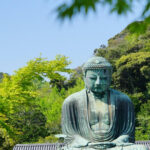
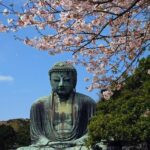
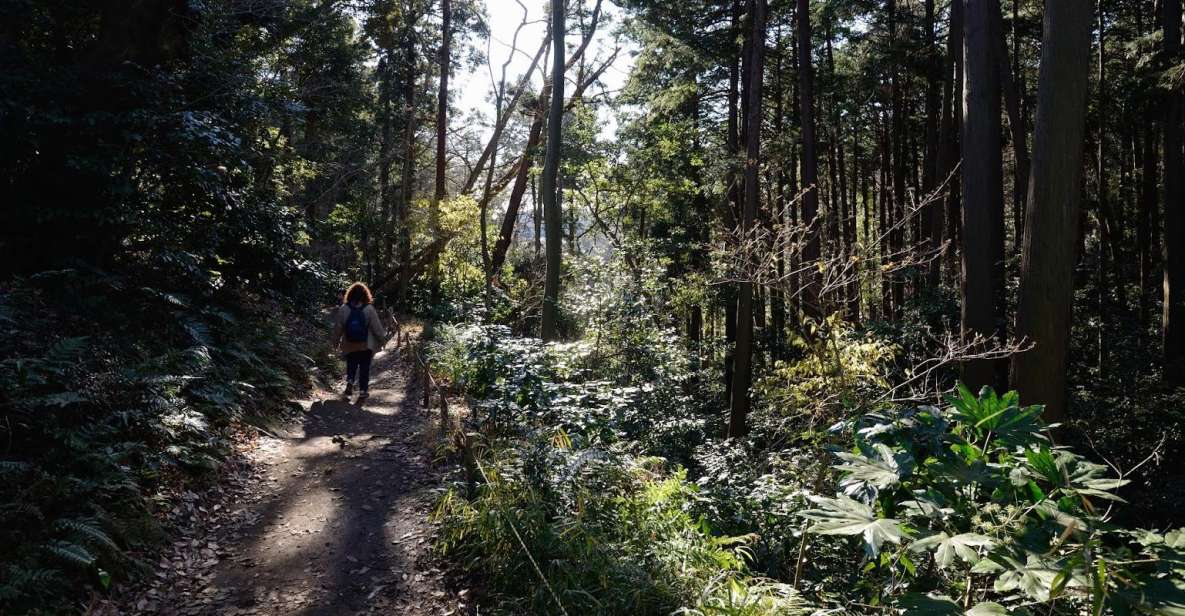
This is the heart of the tour. The Daibutsu hiking trail runs between Daibutsu (Great Buddha) and Jochi-ji Zen temple, and that north-south structure matters. It means you’re not only “seeing temples,” you’re moving along a route that gives the day a natural direction.
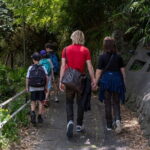
The walk itself is about 3.7 miles (6km). That’s long enough to feel like a hike, but it’s also short enough that most people can manage it with comfortable shoes and a steady pace. Guides can personalize timing, and the descriptions you’ll see emphasize pacing, especially in hot weather.
If you’re sensitive to heat or you tend to slow down during climbs, build in a realistic expectation: this is outdoor walking. Even with a guide adjusting things, you’ll feel the breeze more than you’ll feel shade in many spots. Bring the kind of water plan you’d use for a walk that lasts several hours, even though food and drink aren’t included.
Zeniarai Benten: a money-washing stop that breaks up the route
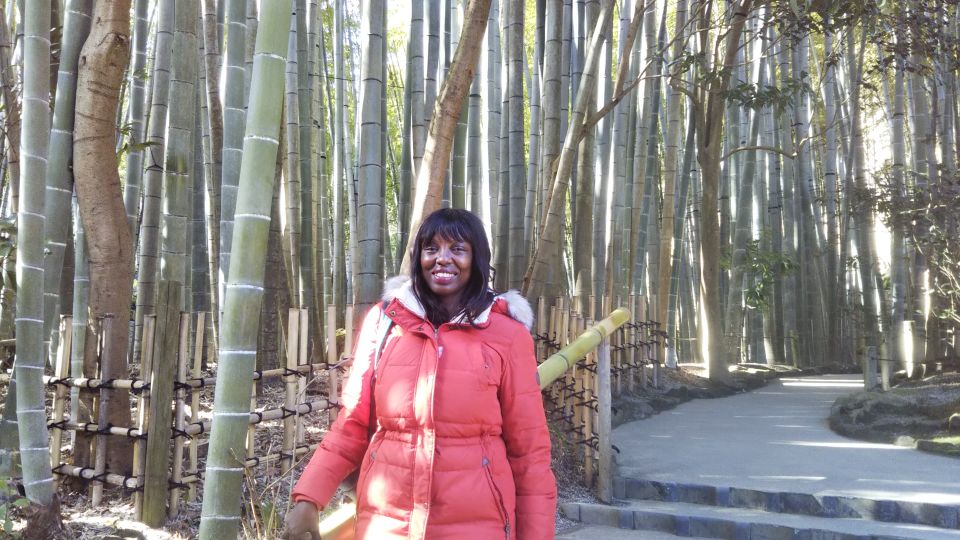
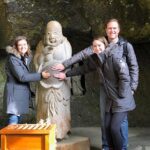
One of the most unique moments on this tour is Zeniarai Benten. The trail passes this shrine, where you can branch off and see the money-washing shrine ritual. It’s not just a pretty photo stop. The experience is specific to the place, and it gives you a cultural anchor point in the middle of the hike.
I like stops like this because they add texture. Temple routes can sometimes feel like a sequence of buildings unless someone explains what’s going on and why it’s done. A good guide helps you understand the symbolism, then you’re back on your feet with something more personal than just sightseeing.
If you want to keep the day moving quickly, you can treat Zeniarai Benten as a shorter branching moment. If you want the meaning, plan to slow down a bit so you can absorb what you’re seeing.
Jufuku-ji, Engaku-ji, and Kencho-ji: temples that fit the walking story
From Zeniarai Benten, you can branch off toward Jufuku-ji, described as the first of five important Zen temples in Kamakura. This matters because you’re not choosing random temples. You’re following a known set, which helps the day feel coherent.
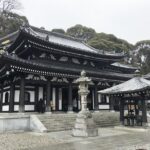
Nearby, the tour can include Engaku-ji and Kencho-ji. These stops work well in a walking day because they’re not only about architecture. They’re about atmosphere: quiet courtyards, temple grounds, and the sense that you’re seeing Zen culture as practiced, not staged.
Kencho-ji is also a stepping stone for an optional longer walk. From Kencho-ji, you can continue on the Tennen trail by foot for a longer hike that ends near the fifth and last of the five temples. That option is useful if you like exercise and you want your day to feel like an actual trek rather than a short circuit.
How guides make the difference: pacing, explanations, and real flexibility
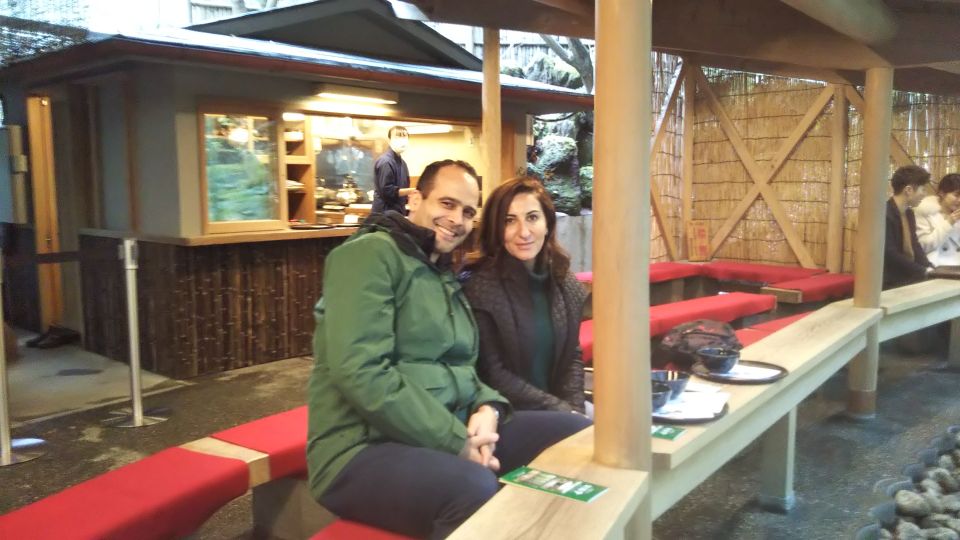
This is a private tour, and the guide is the product as much as the sights. People often highlight professionalism and communication. For example, Shinji is described as knowledgeable and helpful with clear communication, while Andy gets praised for going the extra mile, including handling a child’s illness in a way that still made the day meaningful even though it had to end earlier.
You don’t need that kind of emergency for a private guide to matter. Regular issues come up in travel: heat, fatigue, you want to linger at one shrine more than planned, or you’d rather swap one stop for another. The tour is designed for personalization. You can tell the partner what you want to experience, your preferred start time, and where you’re staying in Kamakura.
That personalization is also a subtle value boost. A fixed group schedule can feel like a checklist. A private guide can shape the order and the time so it matches how you like to travel, and you’ll spend less time trying to figure things out on your phone.
The “best of Kamakura” feeling without the checklist stress
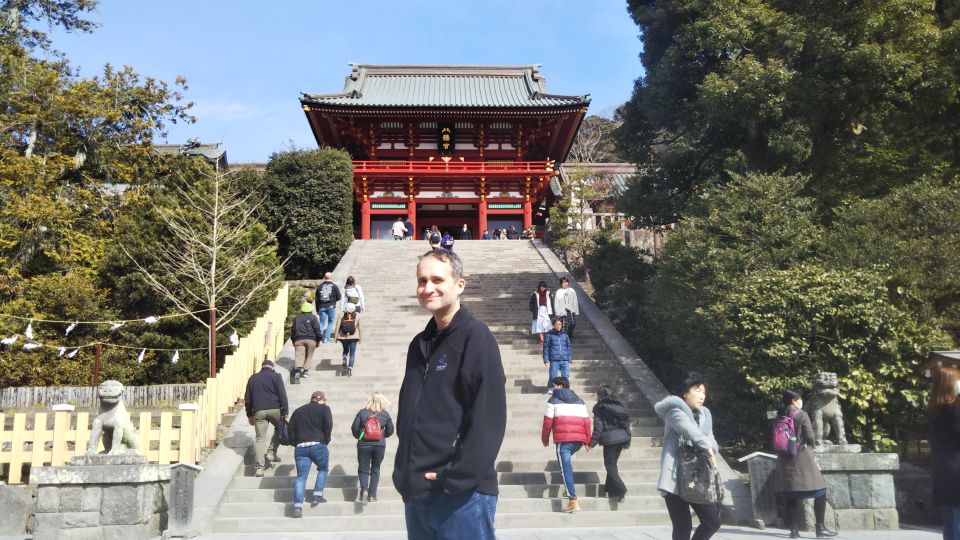
The tour promise is seeing the most important highlights of Kamakura, and the route structure supports that. Great Buddha anchors the south end. Jochi-ji and the five Zen-temple set give you the north-direction focus. Zeniarai Benten adds a distinctive ritual moment between.
It’s an efficient way to get broad coverage without cramming every stop into tiny time slots. You’re walking, so your attention naturally shifts from one site to the next. A guide helps keep that shifting connected. Instead of thinking, I’m looking at another temple, you’ll get more like: this fits because of the way the area developed and why this particular set of temples matters.
If you want authentic experiences that don’t feel like a theme park version of Japan, temple walks with a local guide are one of the best formats. The day has rhythm.
What to bring (and what to think about before the hike)
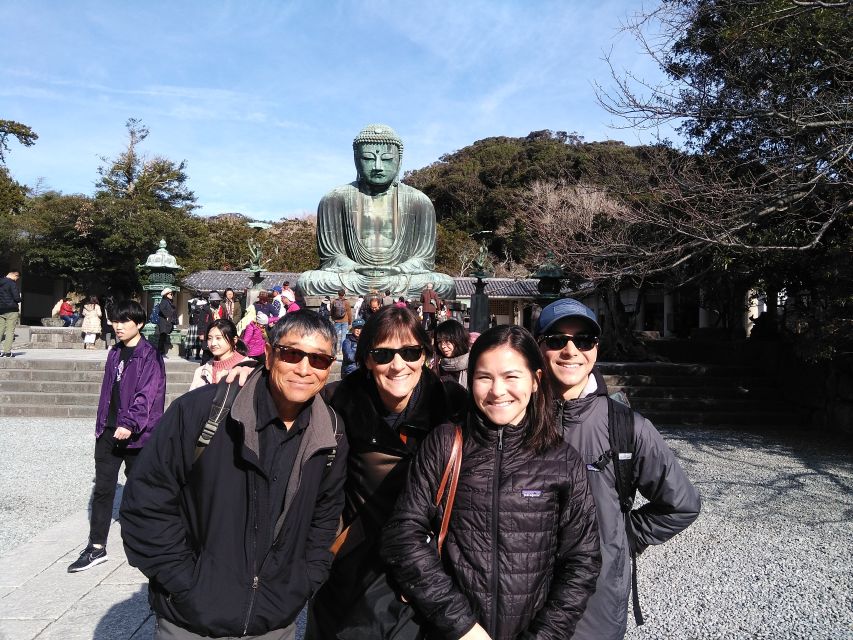
For this tour, you’ll want to show up ready for several hours outdoors. The essentials are straightforward:
- Comfortable shoes you can walk in for 6km and more if you choose the longer option
- Comfortable clothes for the weather
- Cash, since you may pay for things not included (like entrance fees or any extra transport during the hike)
Because the tour doesn’t include food and drink, plan on buying your own. And if you choose the longer Tennen Trail option after Kencho-ji, give yourself extra time to slow down and drink water.
Heat came up in guide descriptions, with Seizo making sure the group could still do and see what they wanted without overheating. That’s a good reminder: even if you’re fit, the day is still about comfort and attention, not just distance.
Picking the right version of the hike for your group
This tour is private, so you can aim for a version that matches your energy level.
If you want the classic, focused day: stick to the main Daibutsu route with the key temple and shrine stops. You’ll still get the feeling of an all-important Kamakura highlight route.
If you want more walking: ask about extending from Kencho-ji to the Tennen trail for the longer hike toward the fifth temple. This is a good choice if you like staying in motion and you can handle a longer period on foot.
If your priority is culture over distance: you can still enjoy the same major sites, but you’ll want to schedule more time for explanation and slower temple breaks. The tour’s personalization helps here.
Should you book this Kamakura Daibutsu Trail guided hike?
Book it if you want a guided temple-and-shrine day that feels like walking with purpose, not rushing through photos. The route makes sense (Daibutsu toward Zen), and the licensed local guide adds the kind of context that turns temple architecture into a story you can follow. I also think the private setup is a strong match if you like customizing your day, or if your travel style depends on flexible pacing.
Skip it or reconsider if you know you’ll struggle to get to Kamakura independently, since pick-up from Tokyo isn’t available. Also reconsider if you’re looking for everything included and worry about entrance fees and transport costs during the tour, since those aren’t part of the package.
If you’re doing Kamakura as a Tokyo add-on, this is one of the more satisfying ways to connect the main sights with walking energy. And if you end up with a guide like Andy, Seizo, or Shinji, the experience has a pattern that people clearly value: clear communication, practical help, and attention to what matters on the day.
FAQ
How long is the Kamakura Daibutsu Hiking Trail tour?
The tour lasts 6 hours.
Where does the tour start, and do you pick up from Tokyo?
The guide meets you in Kamakura at your hotel lobby or at the train station you request. Pick-up from Tokyo is not available.
What’s the hiking distance on the Daibutsu Trail?
The Daibutsu hiking trail is 3.7 miles (6km) long.
What’s included in the tour price?
Included are a private 6-hour hiking tour, the services of a licensed local guide, and pickup from your accommodation on foot if it’s within reasonable distance.
What should I bring?
Bring comfortable shoes and clothes, plus cash.
Are entrances, food, or local transportation included?
Food and drink are not included. Entrance fees and public/private transportation fees during the tour are also not included.