REVIEW · TOKYO
Tokyo Private Customizable Tour with a Local Guide
Book on GetYourGuide →Operated by Travels on peak · Bookable on GetYourGuide
Tokyo hits hard on day one. This private, customizable tour mixes top sights with real Tokyo street life, led by an English-speaking guide. You get a local feel without juggling trains, and you can steer the day toward what you care about most.
I love how the route focuses on Tokyo’s spiritual and street-side contrast. You start with Sensō-ji area landmarks like Nakamise Street and the Asakusa Kannon temple complex, then you swing to modern icon stops like Skytree and Shibuya Scramble. The guide names people have received, like Mukkarram, Shomo, and Yoshi, show that the storytelling can be personal and patient, with time for your questions. A possible drawback: the day packs in a lot of walking and includes crowded zones like Shibuya and Harajuku, so plan your pace and shoes carefully.
In This Review
- Key Points You’ll Actually Care About
- How the Private Format Works in Tokyo (and Why It Matters)
- Nakamise Street and Sensō-ji: Start With Old Tokyo, Not the Train Station
- Tokyo Skytree: Panoramic Views and a Proper “Where Am I” Moment
- Imperial Palace Outside Photos and Meiji Jingu’s Peaceful Reset
- Tsukiji Outer Market: One Hour to Snack, Browse, and Plan Your Own Lunch
- Harajuku and Takeshita Street: Fashion Energy With Café Options
- Shibuya Scramble Crossing: Tokyo’s Biggest Crossing, Up Close
- Price and Value: What $367 Gets Your Group
- What to Pack for 10 Hours: Comfortable Shoes Win
- Who This Tour Fits Best (and Who Should Rethink It)
- Should You Book This Tokyo Private Custom Tour?
- FAQ
- How long is the Tokyo Private Customizable Tour?
- How many people are in a group?
- Where do you get picked up?
- What does the tour include?
- What is not included?
- Is it wheelchair accessible?
Key Points You’ll Actually Care About
- Private group time: Up to 5 people, with pick-up and drop-off from Tokyo so you’re not stuck waiting on a bus
- Nakamise to Sensō-ji first: A strong start that blends souvenir shopping with big temple energy
- Skytree city views: A high point for photos and orientation, with the ticket situation worth confirming
- Meiji Jingu calm, Imperial Palace outside views: Two different “Tokyo nature vs. power” moods without long detours
- Harajuku + Shibuya in one day: Fashion streets and Tokyo’s most famous crossing, with lots of crowd time
How the Private Format Works in Tokyo (and Why It Matters)
Tokyo can be intense. So I like tours that put you in the driver’s seat instead of forcing a fixed group pace. This one runs for 10 hours and is built around a private setup for your group (up to 5), with transportation plus pickup from your hotel lobby or a specified address in Tokyo.
The biggest win is flexibility. You’re not just ticking boxes. The day can be shaped around your interests, which is handy if you love temples more than markets, or if you want to spend extra time near Harajuku cafés and photo spots. And because you have an English-speaking guide, you’re less likely to wander through places without understanding what you’re seeing.
One more practical note: this is a full-day itinerary built for sightseeing. You’ll move between neighborhoods, then walk through busy pedestrian areas. That’s why the right footwear and water matter more than people expect.
You can also read our reviews of more guided tours in Tokyo
Nakamise Street and Sensō-ji: Start With Old Tokyo, Not the Train Station
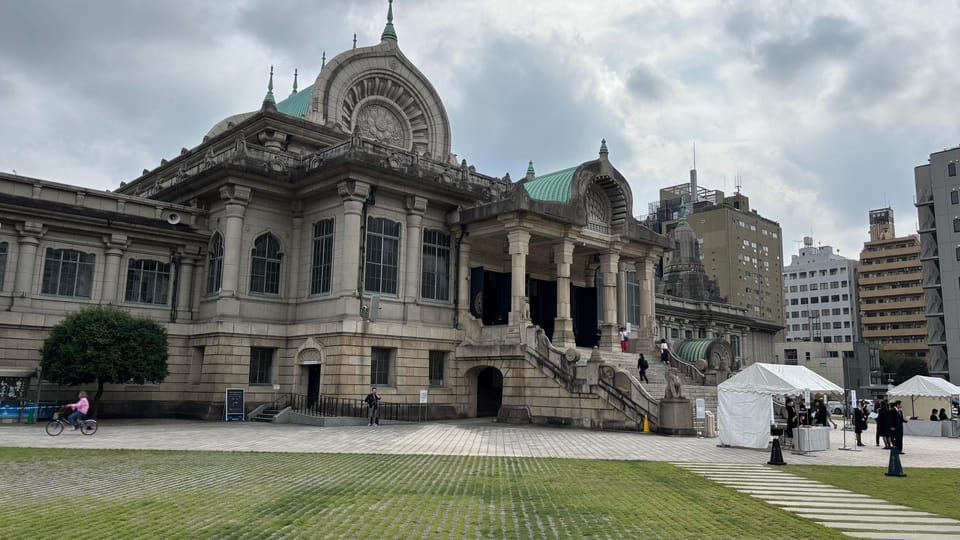
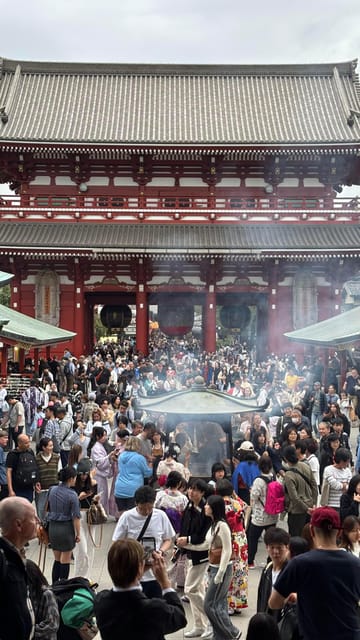
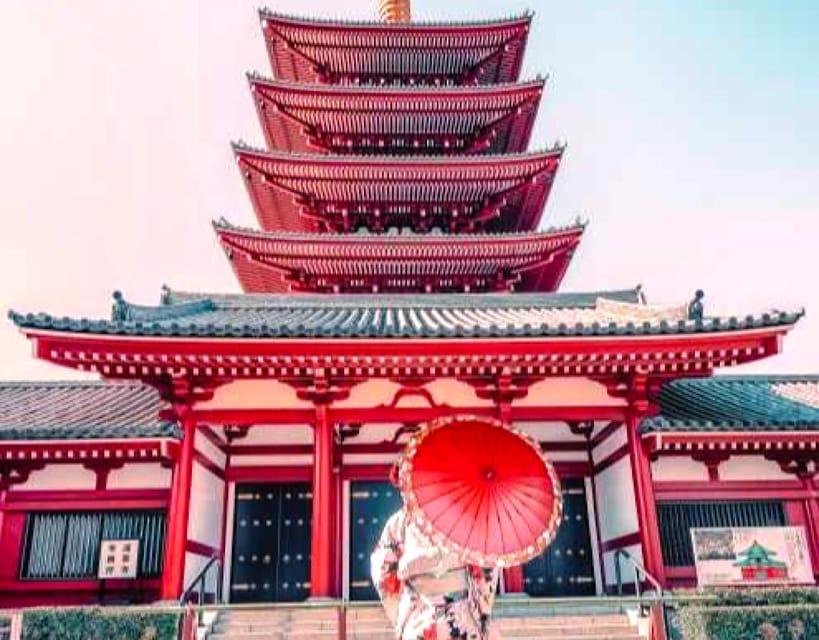
The tour kicks off in Asakusa territory with Sensō-ji (also known as Asakusa Kannon Temple) and the surrounding approach area. First comes Nakamise Shopping Street, a traditional lane lined with souvenir shops and food vendors. It’s one of those streets where you get Tokyo history in your nose first: snack smells, incense atmosphere, and that sense of going somewhere older than the skyline.
Then you move into the Sensō-ji complex area for a guided visit. This is a great early stop because the temple grounds give you a clear “Tokyo model” for the day: detailed architecture, gardens, shrines, and a lot of meaningful symbolism packed into a walking-friendly space. If you’ve never visited a major Buddhist site in Japan, this is a clean starting point.
What I like for your planning: you’re there during a time when you can still take photos and ask questions without feeling like the day is already behind schedule. If you’re the type who likes to understand what you’re looking at, the guide’s temple stories tend to make the architecture and layout feel much more legible.
A small consideration: this area can get crowded, especially around peak sightseeing hours. Go slow on the first walk, and don’t let shopping crowds push you into rushing.
Tokyo Skytree: Panoramic Views and a Proper “Where Am I” Moment
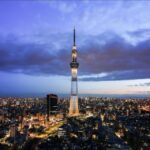
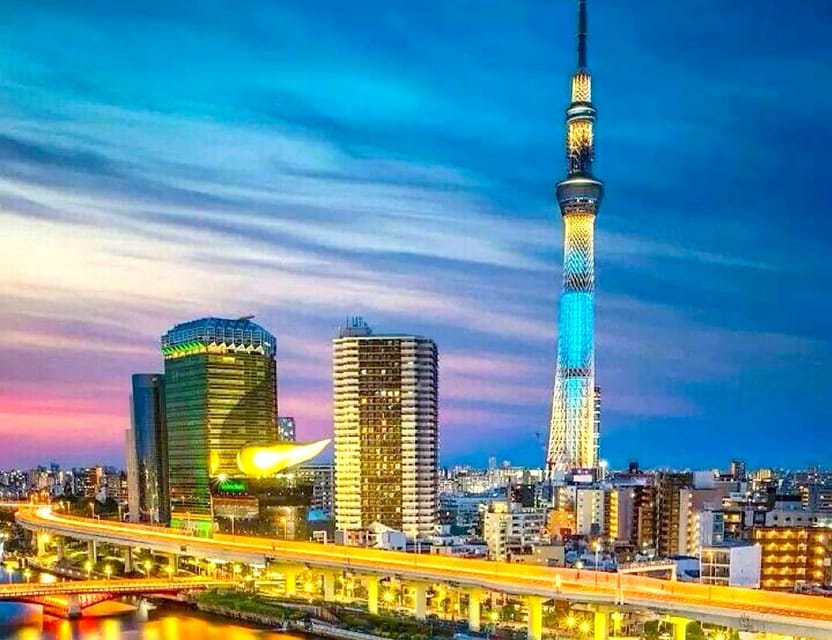
After Asakusa, you head to Tokyo Skytree, Japan’s tallest building. Even if you’re not a “view person,” you’ll likely appreciate this stop because it helps you mentally map Tokyo. Seeing the city from above makes later neighborhoods easier to understand, even after you’re back on the streets.
You’ll spend about an hour sightseeing here. The panoramic angle is the main event, and it’s also where a lot of people aim their camera because Skytree often becomes the photo anchor for their trip.
Ticket detail to double-check: the trip info includes a note that Skytree admission may not be included (it lists an admission amount), yet another note says Skytree admission is included. Before you go, confirm what you personally will pay at booking so there are no surprises on the day.
If you want the best use of that hour, plan to use the time for both views and a bit of slow wandering. People often rush to the highest view point, then forget that photos and orientation take time.
Imperial Palace Outside Photos and Meiji Jingu’s Peaceful Reset
Next is the Imperial Palace area, with a guided-style visit and photo time from the outside. This is not the kind of stop where you’ll cover every internal detail, but it works well as a quick “Tokyo power center” contrast after temple and shopping time.
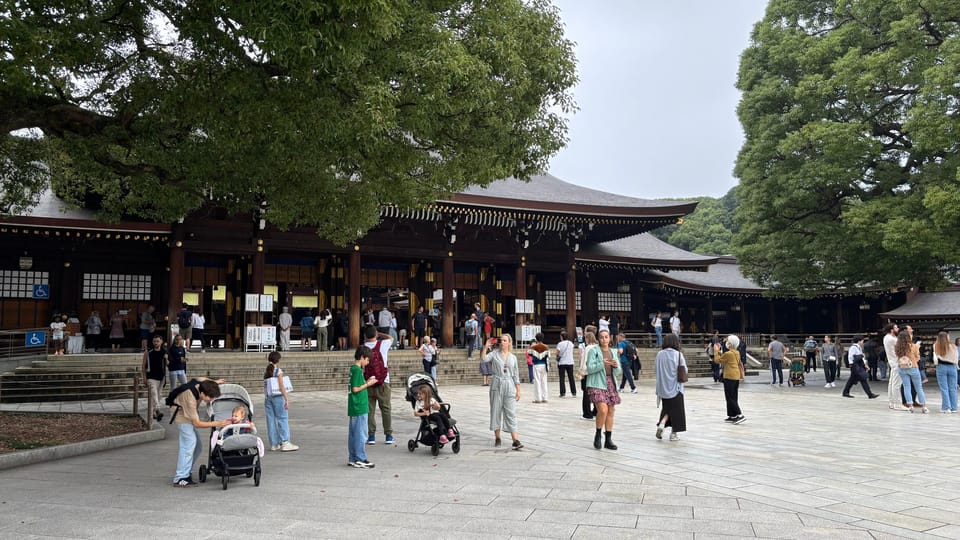
Then you head to Meiji Jingu Shrine, described as the most respected shrine in Japan and dedicated to Emperor Meiji and his consort, Empress Shoken. What makes Meiji Jingu a smart mid-day choice is that it shifts the atmosphere again. You get a calmer, more reflective vibe compared with the shopping lanes and major crossings later in the itinerary.
The guided time here helps a lot because shrines have their own etiquette and visual language. If you know what the main elements mean, your visit feels less like you’re just walking through a pretty park and more like you’re reading a cultural space.
Timing tip: by the time you reach Meiji Jingu, you’ll likely have already walked a lot. This stop works as a pace reset. Take it slow, keep water handy, and let your brain catch up before Shibuya and Harajuku.
Tsukiji Outer Market: One Hour to Snack, Browse, and Plan Your Own Lunch
The day also includes time at Tsukiji Outer Market for sightseeing. The key point: this tour does not include lunch, so treat Tsukiji as either a snack stop or a place to spot ingredients and food styles you might want later.
Tsukiji Outer Market is ideal in short bursts because it’s visually busy and fast-moving. In one hour, you can get the atmosphere, see stalls and food counters, and try a small bite if that’s your style. If you’re the type who likes to sample, this time slot is enough to taste the neighborhood without losing your whole afternoon.
If you prefer sitting and resting, Tsukiji can still work. But because it’s a market environment, you’ll have to decide whether you want to prioritize browsing or waiting for food. I recommend you pick a plan early: either focus on a couple of tastings, or do more walking-through shopping and keep your meal for another time.
You can also read our reviews of more private tours in Tokyo

Harajuku and Takeshita Street: Fashion Energy With Café Options
After Tsukiji, you’ll head toward Harajuku. The tour includes time around Takeshita Street for shopping (about 30 minutes), then time for café stops in the Harajuku area.
This is where Tokyo goes loud in the most fun way. Harajuku’s fashion identity and street style are a big part of why people come, and Takeshita Street gives you that concentration of youth fashion trends in a compact area. You’ll likely see a mix of quirky outfits, accessories, and storefront energy.
Cafés are part of the attraction too. The tour specifically mentions different kinds of cafés, such as owl cafés and cat cafés. I’d treat that as a menu of possibilities rather than a promise you’ll do every single category. The value here is that you’re not hunting randomly. Your guide can help you match what you want with what’s practical in your time window.
My practical advice: with only a short window on the street, keep your shopping expectations realistic. This isn’t a slow browse across multiple blocks. Instead, think of Takeshita Street as a “first look” and let the café time become your break.
Shibuya Scramble Crossing: Tokyo’s Biggest Crossing, Up Close
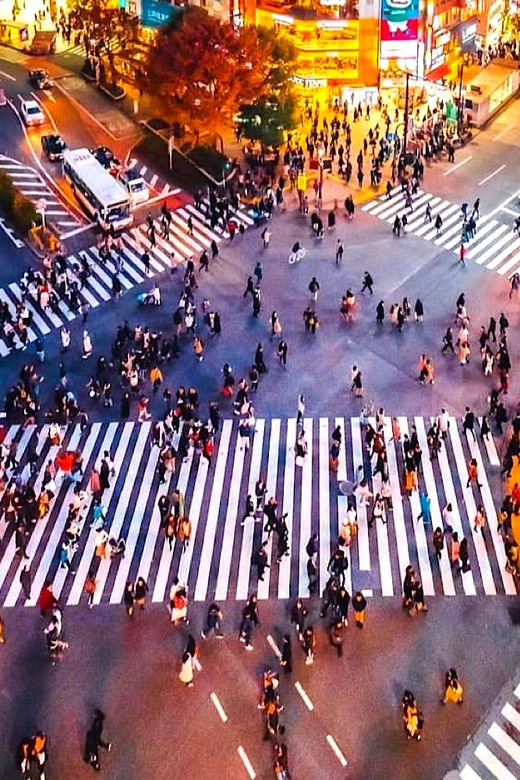
Then comes Shibuya Scramble Crossing, billed as the busiest crossing in the world. You’ll spend around 30 minutes here for sightseeing. That may sound short, but Shibuya works best in focused bursts. The whole point is to experience the flow and the scale, then move on before your patience runs out.
To get the most out of this stop, think of it as a sensory moment. Look at how crowds move in multiple directions, how people navigate phones and crosswalk signals, and how the street level becomes a kind of choreography. With your guide, you’re less likely to waste time wandering for the best viewpoint because the goal is to hit the crossing effectively within the schedule.
Expect crowds. Even if you’re comfortable in busy cities, Shibuya can feel intense. So keep your plan simple: one or two photo attempts, a slow look around, and then regroup for the end of the day.
Price and Value: What $367 Gets Your Group
At $367 per group up to 5 for a 10-hour private tour, this is priced for people who want convenience plus a guide, not just transport. If you’re traveling with 3 to 5 people, the cost often starts to make sense compared to paying separately for taxis and an individual guide.
What you’re buying includes private transportation, pickup and drop-off, and an English-speaking guide/driver experience. You also get a customizable itinerary, which is harder to price when you’re not locked into a specific bus-style route.
What’s not included matters too. Lunch is not included, and any activities fees are not listed as included. Skytree admission has conflicting notes in the trip details, so again, confirm how you’ll handle tickets on the day.
Is it “worth it”? For first-timers, I’d say yes if your goal is to see the highlights without planning every transfer. For seasoned Tokyo walkers who already know every station and enjoy navigating alone, you might not need this kind of full-day private structure. But for most people balancing time, energy, and context, it’s a solid value.
What to Pack for 10 Hours: Comfortable Shoes Win
This is a walking day. You’ll want comfortable shoes first, then a hat and sunscreen for daytime sun. Bring a camera and remember water because you won’t always have time to stop for long breaks.
Also note the rules: smoking isn’t allowed, and flash photography is not allowed. That can affect how you take photos inside temple or shrine environments, so plan on natural light and your camera settings.
Weather matters. Tokyo in many seasons can swing from hot to damp or cool quickly, and you’ll be outside through parts of the day. Dress for walking, not for looking perfect in photos.
Who This Tour Fits Best (and Who Should Rethink It)
This tour is best for you if you want a guided highlights day with a bit of flexibility. It’s ideal for first-time visitors who want to hit Asakusa, Skytree, Imperial Palace outside views, Meiji Jingu, Tsukiji Outer Market, Harajuku, and Shibuya without spending hours figuring out the route.
It also makes sense if you’re traveling as a small group and want your time to move with you. The private setup helps when someone wants more photo time or when you’d rather swap one shopping stop for another kind of café.
Two important cautions from the trip info:
- It says wheelchair accessible, but it also says it is not suitable for people with mobility impairments and wheelchair users. I’d treat this as a “confirm before booking” situation with the provider.
- It’s not suitable for children under 5.
Should You Book This Tokyo Private Custom Tour?
If your dream day in Tokyo includes temples, iconic landmarks, and at least a taste of Harajuku fashion energy, this tour is a strong bet. The private format plus an English-speaking guide helps you get more meaning from each stop, not just a photo postcard.
I’d only hesitate if you want a slow, low-walking day. This plan is built to cover a lot in 10 hours, including crowded zones like Shibuya and Harajuku. Also, because Skytree admission and accessibility details have conflicting notes, spend a minute confirming what you’ll personally pay and whether the mobility setup will truly work for your needs.
If those points line up for you, booking here can turn a stressful Tokyo logistics day into a focused, guided experience you’ll actually remember.
FAQ
How long is the Tokyo Private Customizable Tour?
The tour lasts 10 hours.
How many people are in a group?
It is a private group with pricing listed as $367 per group up to 5 people.
Where do you get picked up?
Pickup is included. You meet in the hotel lobby or at the provided pick-up address in Tokyo.
What does the tour include?
It includes private transportation, pickup and drop-off service, a customizable itinerary, and an English-speaking guide/driver.
What is not included?
Lunch and any activities fees are not included. Tokyo Skytree admission is listed as not included in one part of the details, while another note says Skytree admission is included, so you should confirm before you go.
Is it wheelchair accessible?
The details mention wheelchair accessible, but it also states it is not suitable for wheelchair users and people with mobility impairments. I recommend confirming the real-world accessibility for your specific needs with the provider before booking.