REVIEW · TOKYO
Tokyo: Mt. Fuji, Arakurayama Sengen Park, Oshino Hakkai Tour
Book on GetYourGuide →Operated by WONDER STYLES CO.,LTD. · Bookable on GetYourGuide
Mount Fuji in one packed day. This experience strings together classic Fuji photo spots—starting with Arakurayama Sengen Park and pushing on to Oshino Hakkai and Fujiyoshida—so you get multiple looks at Japan’s favorite mountain in the same outing, with Mount Fuji as the constant backdrop.
I really like how the day is organized around seasonal changes, not just “see a view.” The seasonal scene at Arakurayama Sengen Park (pagoda + blossoms or autumn maples or snow) and the included ticket for Saiko Iyashi-no-Sato Nenba (thatched-roof atmosphere) make it feel more like experiencing the region than rushing through it.
One consideration: the schedule is full, and there’s walking with stairs and some uphill stretches. Also, Oishi Park is weekday-only, and even on weekdays it can be dropped if traffic delays mess with timing.
In This Review
- Key points at a glance
- Fuji Views From Shinjuku: What Your Long Day Feels Like
- Arakurayama Sengen Park and the Pagoda-Fuji Photo Moment
- Hikawa Clock Shop: The Convenient Detour for Small Souvenirs
- Oshino Hakkai: Clear Spring Water and Fuji Reflections
- Saiko Iyashi-no-Sato Nenba: Thatched-Roof Healing Time (Ticket Included)
- Oishi Park on a Weekday: Tulips, Lavender, and Snowy Silence
- Fujiyoshida Honcho Street: The Culture Pause Between Views
- Getting the Most Out of Free Time (Without Burning Out)
- Price and Value: Is $50 Fair for a Full Fuji Day?
- Guide and Language Reality Check
- Should You Book This Fuji Day Trip?
- FAQ
- How long is the tour?
- What does the price include?
- What is not included?
- Where do I meet the group in Shinjuku?
- Do I need to bring cash?
- Is Oishi Park included on every day?
- Which languages do I get on the tour?
- Is the tour suitable for seniors or people who use crutches?
Key points at a glance
- Seasonal Fuji photos built in: Arakurayama Sengen Park and Oshino Hakkai change dramatically from spring to winter.
- Thatched-roof calm is part of the deal: you get ticket access to Saiko Iyashi-no-Sato Nenba.
- Oishi Park has a weekday rule: it can be closed on weekends/holidays/Golden Week, and timing can cancel it.
- Short stops add up: you’ll likely do more walking than you expect at viewpoint hubs.
- You’ll need cash: bring it for small purchases since meals aren’t included.
Fuji Views From Shinjuku: What Your Long Day Feels Like
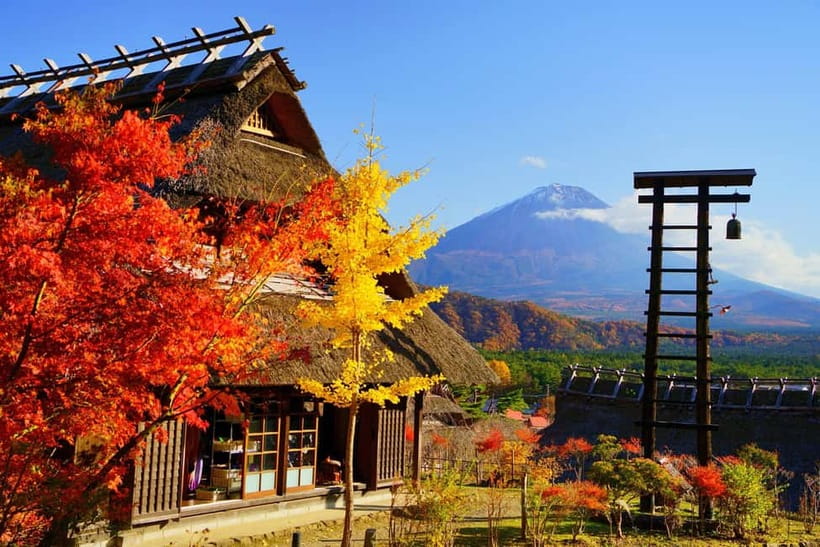
This is a day trip that runs about 570 minutes—roughly 9.5 hours—so it’s not “slow travel.” You leave Shinjuku, ride out to the Fuji area, and then work through several scenic stops with free time built in.
The big value is focus. Instead of piecing together trains and buses across multiple towns, you get roundtrip transportation plus an English-speaking guide to keep things moving. That matters because the Fuji area is spread out, and weather can change quickly. If you want a full day that’s mostly outdoor sightseeing (with a couple culture stops thrown in), this format fits.
I also like that the experience leans into context. You’re not just getting a single postcard view—you’re seeing how Fuji looks over pagodas, spring water, thatched rooftops, and even street scenes, depending on the season.
You can also read our reviews of more tours and experiences in Tokyo.

Arakurayama Sengen Park and the Pagoda-Fuji Photo Moment
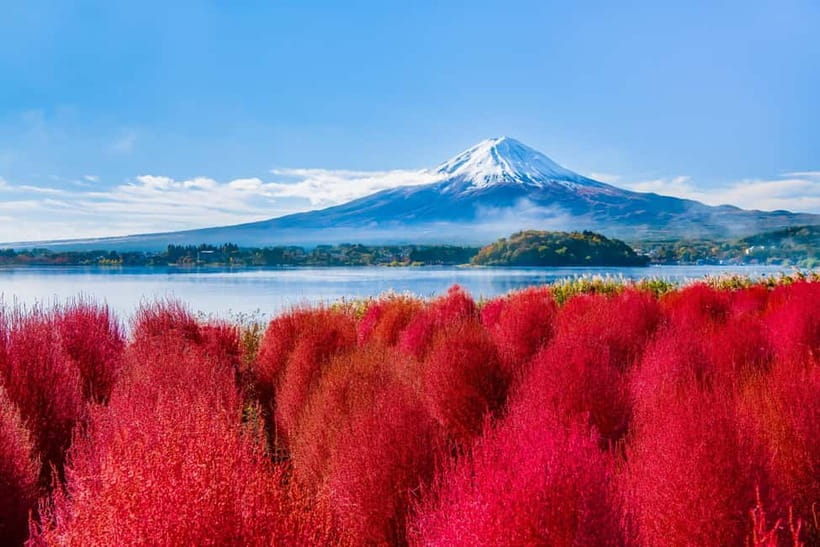
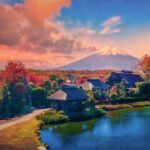
Arakurayama Sengen Park is where the day earns its hype. The star set-up is straightforward: the five-story pagoda and Mount Fuji in the same frame. The park’s seasonal “theme” is what makes it memorable—your best angles aren’t random; they change with the scenery.
Here’s what you should expect by season:
- Spring: Around the late April to early May window, cherry blossoms bloom, turning the hillside dreamy. In the right light, the pagoda and Fuji look like they belong on the same postcard.
- Summer: Lush greenery and bright skies make Fuji feel crisp and clean. It’s a strong choice if you want clear, high-contrast photos without snow.
- Autumn: Late October to early November is the sweet spot for foliage. Orange and red leaves around the pagoda create a romantic, layered look.
- Winter: Snow on the roof and a white-capped Fuji peak can create a dramatic, almost stark scene—especially on crisp days.
You’ll get about an hour here for sightseeing. That’s enough time to wander, take photos, and still have slack if the best viewing spot has a queue.
Practical tip: wear shoes with grip. Even if the walking doesn’t sound huge on paper, viewpoint parks tend to have uneven paths and short stair climbs.
Hikawa Clock Shop: The Convenient Detour for Small Souvenirs
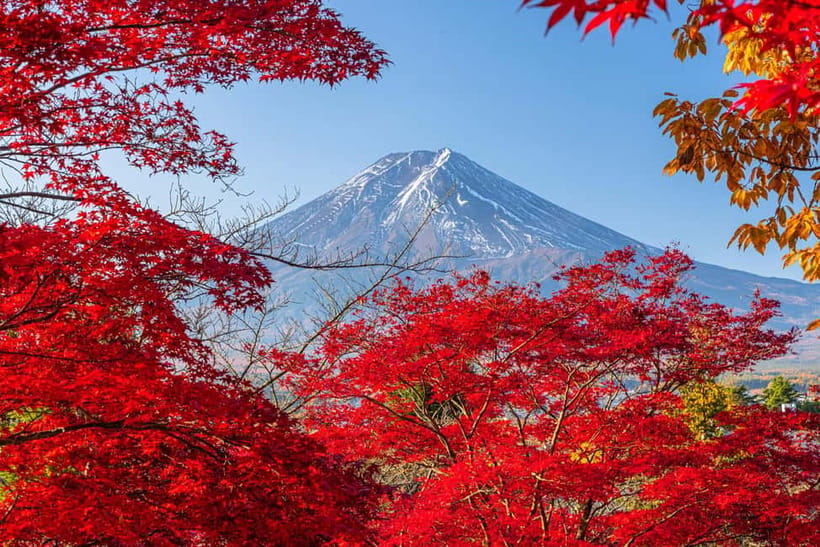
Between major scenery stops, you’ll make a quick stop at Hikawa Clock Shop with around 30 minutes of free time. This is one of those places you go for something small and tangible—often the kind of souvenir you can carry back without guilt.
Think of it as a reset. It breaks up the ride, gives you a chance to stretch your legs, and helps you avoid the all-day “always in motion” feeling.
If you hate rushed shopping, treat this like a quick browse only. You’re in the Fuji region for the views, not for a long retail stop.
Oshino Hakkai: Clear Spring Water and Fuji Reflections
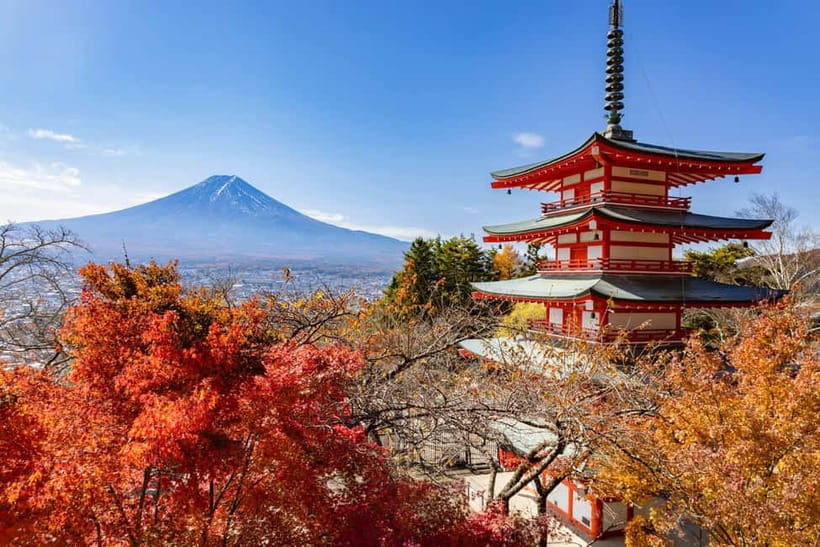
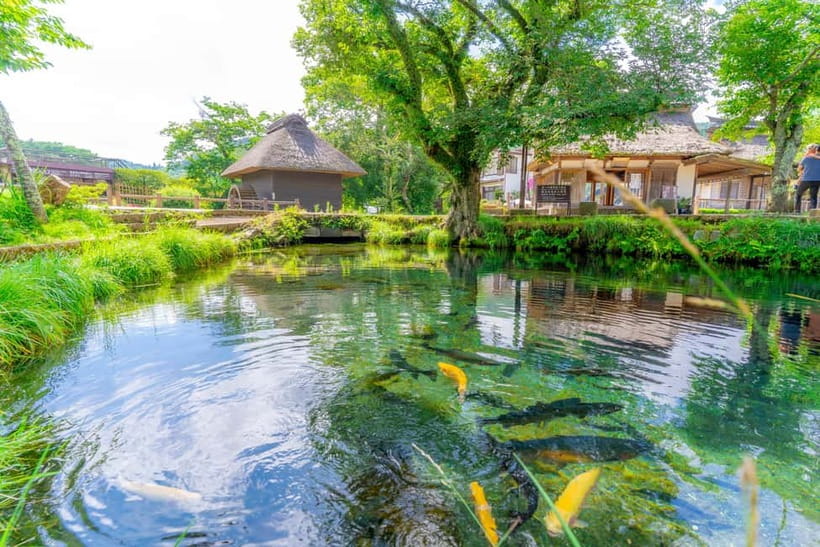
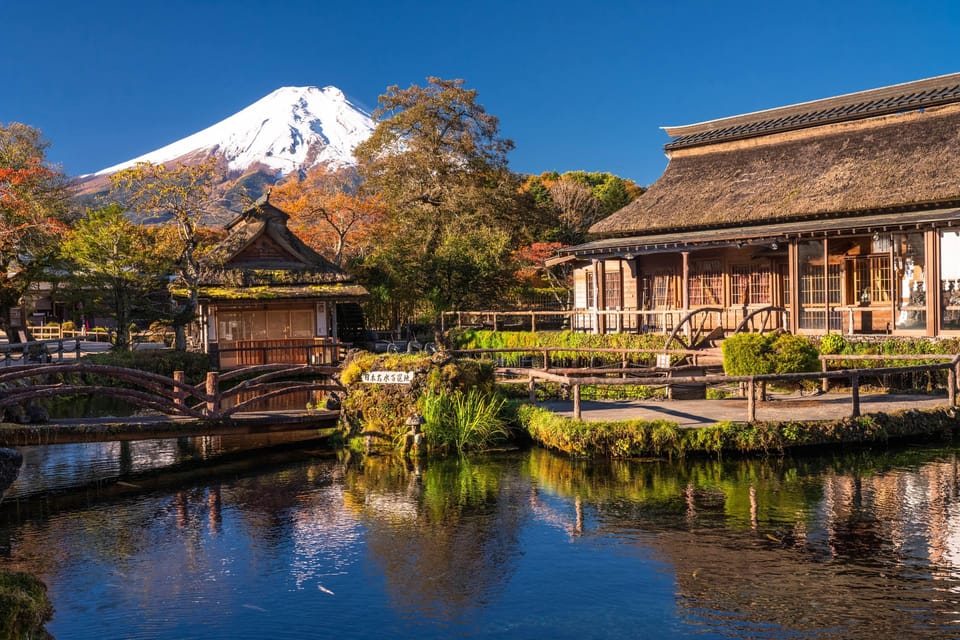
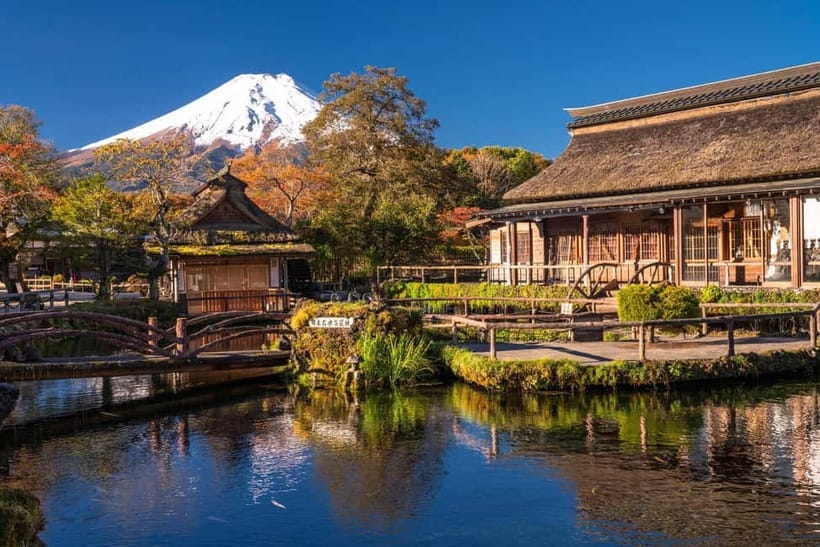
Oshino Hakkai is the calm chapter of the day. The scenery centers on spring water feeding multiple pools, with Mount Fuji often acting like a mirror and an always-present backdrop.
Season by season, it changes its mood:
- Spring: Cherry blossoms appear around the water, and Fuji reflections can be especially poetic.
- Summer: Cool, clear spring water and bright greenery make the area feel refreshing—like a short escape from the city.
- Autumn: Red leaves falling onto the water add quiet elegance.
- Winter: Snow blankets the village while the spring water stays clear. It’s a striking mix of cold-and-calm, with clean visibility on clearer days.
You’ll typically have about 1.5 hours here. That timing works well because you want a little room for photo hunting without feeling trapped. The pools and paths reward slower wandering, and you can often find spots where you’re not right on top of other people.
One more reality check: even in “easy walking” areas, there can be steps near viewing points. Plan for at least some walking and small climbs.
Saiko Iyashi-no-Sato Nenba: Thatched-Roof Healing Time (Ticket Included)
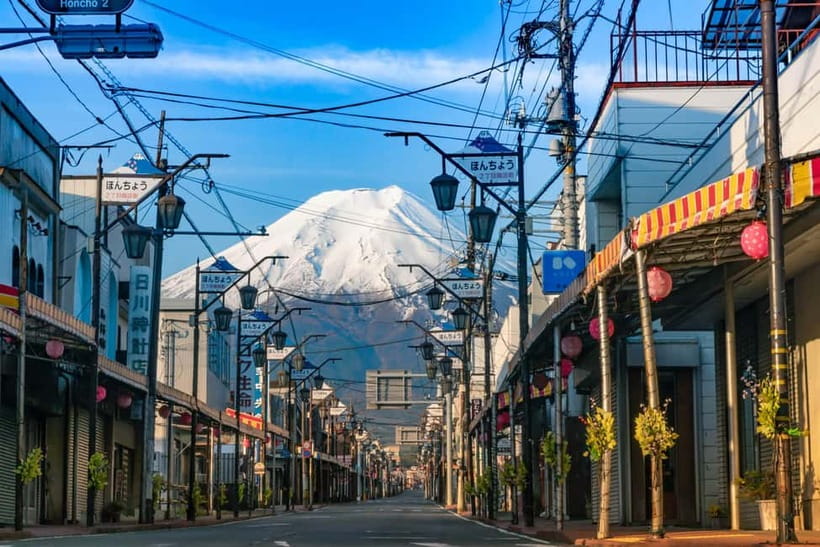
If you want a break from the constant Fuji-photo mission, Saiko Iyashi-no-Sato Nenba is your decompression stop. This is a traditional-style rural village with thatched-roof houses, and it’s included with a ticket—so you’re not paying extra just to enter.
What I like is how strongly it matches the season:
- Spring: Ancient thatched houses with cherry blossoms give you a strong traditional rural vibe.
- Summer: Rice fields and streams, with mountain breezes, can make the air feel different from the town streets.
- Autumn: Red leaves highlight the rooftops, and the hillside feel is more “time tunnel” than “theme park.”
- Winter: Snow covers the roofs, and steam rises from hot springs, which creates a fairytale-like atmosphere.
You’ll get about an hour here, which is the right amount of time to wander between buildings, snap photos, and simply slow down for a bit.
Practical tip: dress in layers. Indoor/outdoor temperature swings can surprise you, especially if the weather turns windy on lakeside roads.


Oishi Park on a Weekday: Tulips, Lavender, and Snowy Silence
Oishi Park is the wild card—and it’s also why timing matters. It’s only open for visits on weekdays. It’s closed on weekends, holidays, and during Golden Week (April 29 to May 5). Even if it’s open, the visit can be canceled on weekdays if traffic delays throw off the schedule.
If you’re going on a weekday and you’re able to visit, the seasonal show is worth it:
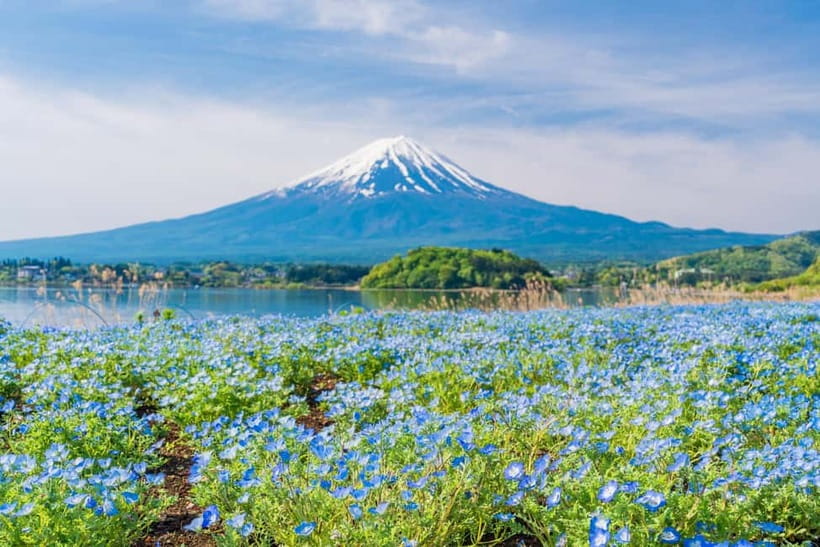
- Spring: Tulips and moss phlox decorate the lakeside, with Lake Kawaguchi and Fuji in the same view.
- Summer: Lavender blooms along the shore and adds fragrance—your senses get a little vacation moment.
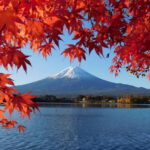
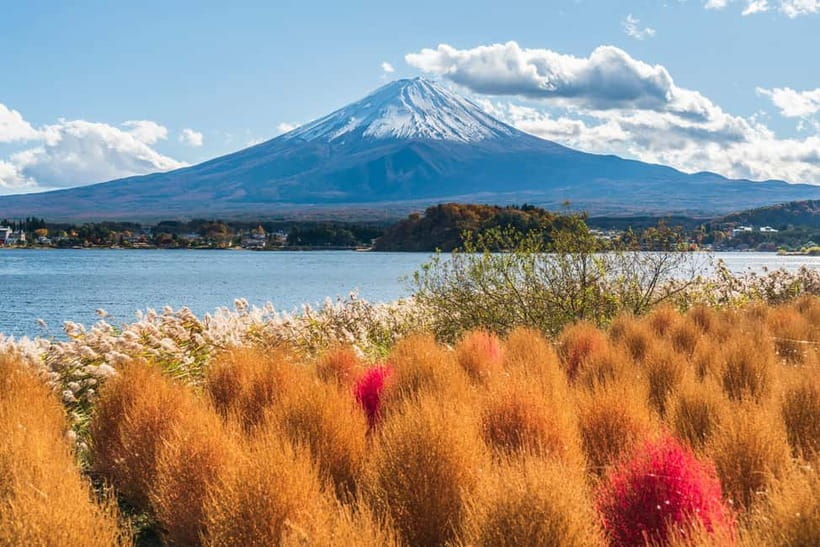
- Autumn: Golden lakeside grass with Mount Fuji’s first snow in the distance can be a gentle, understated payoff.
- Winter: The lake reflects snowy mountain views, and the quiet can feel almost cinematic.
You’ll have a short photo stop here (around 30 minutes). That’s not a lot of time, so you’ll want to move efficiently: pick your best viewpoint early, take your photos, then decide if you want a quick loop around the area.
Important: if Oishi Park is canceled, don’t panic. The day still includes multiple Fuji-focused stops, and Saiko Iyashi-no-Sato Nenba often becomes your main “slow calm” moment.
Fujiyoshida Honcho Street: The Culture Pause Between Views
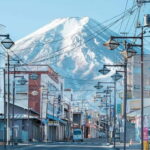
After the scenic sites, you’ll head toward Fujiyoshida Honcho Street for a cultural dose. This is where you see everyday Japan—shopfronts, traditional architecture, and the sense that Fuji isn’t only something you photograph. It’s something the town lives with.
Seasonal vibes here:
- Spring: Cherry blossoms line the streets, with Mount Fuji quietly watching at the end of the street.
- Summer: You may find festival energy, including summer fireworks and lively stalls.
- Autumn: Yellow and red leaves combine with the street scene, and Fuji’s first snow can faintly appear.
- Winter: Early morning air can be crisp and clear, setting up a magnificent snow-covered Fuji view from afar.
You’ll typically get free time here as part of the flow. It’s a great place to browse small goods and grab a snack if you’ve budgeted for it (meals aren’t included).
If you’re sensitive to crowds, consider arriving to your browsing spots early in your free time window. Street areas in the Fuji region can get busy, especially during peak seasons.
Getting the Most Out of Free Time (Without Burning Out)
This trip is a mix of ride time and free time. That means your comfort depends on how prepared you are for “short but frequent walking.”
A few things I’d do:
- Wear comfortable shoes with real grip. Some stops have long stairs and uphill sections.
- Bring layers. Lakeside weather changes fast, and winter can be icy.
- Keep cash ready for small purchases and rest stops.
- Have your camera charged before you board. Once you’re out, time is your limiter.
Also, note this: some parts involve stairs and hills. If you use crutches or have mobility limitations, this may not be the best choice. And the operator specifies it’s not suitable for people over 70.
Price and Value: Is $50 Fair for a Full Fuji Day?
At about $50 per person, what you’re paying for isn’t just the views—it’s the convenience package.
You get:
- roundtrip transportation from Shinjuku
- an English-speaking guide
- the included ticket for Saiko Iyashi-no-Sato Nenba
- a day built around multiple scenic stops instead of one
Even without knowing the exact individual ticket values, the structure makes sense. Fuji-area sightseeing can get expensive and time-consuming when you handle every transfer yourself. Here, you’re paying for a ready-made route, and that’s often the difference between enjoying the day and getting stressed by connections.
That said, the price only feels great if you’re okay with a full day and some walking. If you want a slower pace, fewer stops, or a gentler mobility profile, you might prefer a more minimal option.
Guide and Language Reality Check
This is a live tour with languages listed as Chinese and English. However, there’s an important operational note: if you’re traveling by Hiace or microbus, the driver may provide Chinese or machine-translated English commentary, and it says no professional guide is included in that case.
So before you get attached to a full-guiding experience, understand you could end up with guided commentary that’s more automated than fully staffed. Still, it’s workable for most sightseeing days since the key parts are the outdoor spots and free time.
Should You Book This Fuji Day Trip?
Book it if you want a high-efficiency Fuji sampler: pagoda views at Arakurayama Sengen Park, water-and-reflection calm at Oshino Hakkai, and the village pause at Saiko Iyashi-no-Sato Nenba (ticket included). It’s also a good call if you like changing seasons—this route is basically designed for spring blossoms, autumn maples, or winter snow.
Skip or think twice if:
- you’re traveling on a weekend or holiday and really want Oishi Park (it’s weekday-only)
- you need low-walking, step-free sightseeing (there are stairs and uphill sections)
- you want a slow, relaxing pace with long stops
If your goal is to come home with lots of Fuji photos and a day that feels very “Fuji region” without planning every connection yourself, this one fits the bill.
FAQ
How long is the tour?
The tour runs for about 570 minutes (around 9.5 hours).
What does the price include?
Roundtrip transportation, an English-speaking guide, and the Saiko Iyashi-no-Sato Nenba ticket are included.
What is not included?
Meals and personal expenses are not included.
Where do I meet the group in Shinjuku?
Meet at the front of Kogakuin University Shinjuku Station West Exit. From the underground Central West Exit, walk 1–2 minutes toward the Tokyo Metropolitan Government Building and you should reach Kogakuin University-mae. Look for the Wonder Tour flag.
Do I need to bring cash?
Yes, the tour asks you to bring cash.
Is Oishi Park included on every day?
No. Oishi Park is open only on weekdays. It is closed on weekends, holidays, and during Golden Week (April 29 to May 5). On weekdays it may also be canceled if delays occur due to traffic.
Which languages do I get on the tour?
The tour is listed as Chinese and English. If the vehicle is a Hiace or microbus, the driver may provide Chinese or machine-translated English commentary and a professional guide may not be included.
Is the tour suitable for seniors or people who use crutches?
The tour is not suitable for people over 70. It also notes that some route sections have long stairs and uphill sections, so it doesn’t recommend participation for seniors who require crutches.