Tokyo can feel like sensory overload.
This tour turns that chaos into a plan, with free-to-enter highlights and local side streets packed into one small-group day. I especially like how you’re taught practical Japan basics along the way, not just shown photos—plus you get an expert guide who’s used to guiding English speakers efficiently. The main drawback is simple: it’s a lot of walking, so you’ll want comfortable shoes and a decent fitness level.
You’ll cover major neighborhoods—Shibuya, Tsukiji, Imperial Palace/Marunouchi, Tokyo Station, Akihabara, and old Asakusa—then connect them with metro trips so you aren’t stuck guessing routes. The guides you might meet include Sam-san, and past groups have also had Yasuko or Yasko leading with strong explanations, maps, and lots of answers. Just keep in mind that transport and meals aren’t included, so budget for metro/JR fares and food stops.
In This Review
- Key Things You’ll Notice on This Tour
- A Packed Tokyo Day That Still Feels Like a Local Plan
- Getting Oriented at JR Yoyogi: Why the Meeting Point Matters
- Seven-Eleven and Konbini Culture: The Smart First Lesson
- Meiji Jingu: The Forest Reset You Need After Tokyo
- Shibuya Icons: Hachiko and the Scramble Crossing Without Panic
- Tsukiji Honganji Temple and the Outer Market: Food and Design in One Day
- Imperial Palace Grounds and Marunouchi: History Meets Modern Tokyo
- Akihabara: Pop Culture Energy, In Clear Understanding
- Asakusa: Sensoji and Asakusa Shrine for Old Tokyo Meaning
- Transportation, IC Cards, and Metro Etiquette You’ll Use Again
- Price and Value: What $77 Really Buys You
- Who This Tour Fits Best (And Who Should Skip)
- Book It or Skip It: My Straight Advice
- FAQ
- How long is the Tokyo full course tour?
- How much does the tour cost?
- Are entrance fees included?
- What’s included in the price?
- Are transportation and food included?
- Where do I meet the guide?
- Is the tour offered in English?
- What should I bring and pay for during the tour?
Key Things You’ll Notice on This Tour
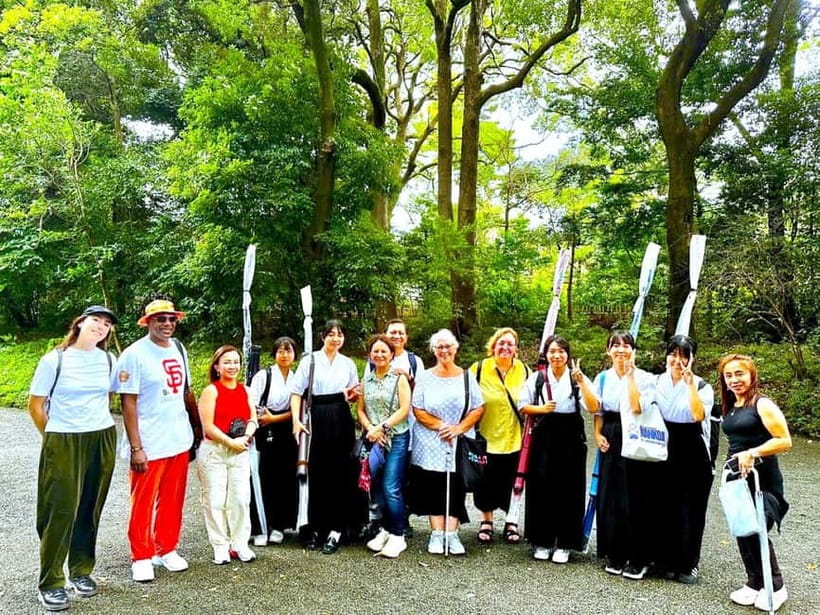
- Small group (max 7): more time for questions and less waiting around
- All stops are free to enter: you spend your money on getting around and eating, not tickets
- Comfortable pace, serious walking: expect around 20,000 steps
- Real Tokyo stops beyond temples: including Konbini culture (Seven-Eleven) and pop-culture Akihabara
- Born-and-raised guides: guided by locals trained to a high standard, in English
- Money skills matter: bring cash (JPY) and a pre-charged IC card for metro
A Packed Tokyo Day That Still Feels Like a Local Plan
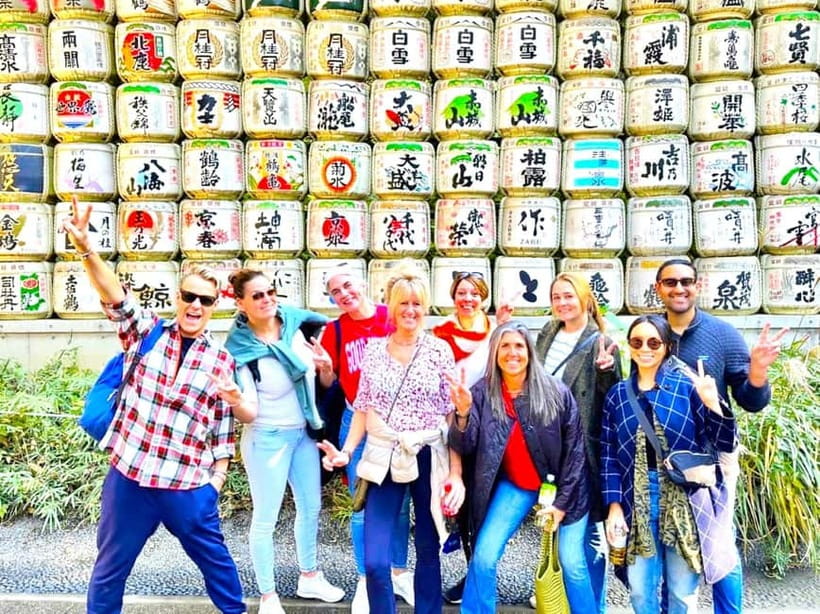
Tokyo has a talent for making first-timers feel lost, even when you know the neighborhood names. This tour fights that problem with a route that mixes big-name sights with everyday Tokyo habits, all connected by metro and on-foot segments. It’s built for momentum: you see a lot, but you’re still moving with a purpose.
The value starts with the big promise: all attractions are free to enter. That matters in Tokyo, where time is tight and ticket lines can be annoying. Here, you’re spending your energy on what to look for and how to read the city—not on paying for entry fees and then hunting down where they are.
That said, it’s not a sit-and-stare cruise. This is about learning how the city works while walking through it. If you hate long days on your feet, you’ll feel it.
You can also read our reviews of more tours and experiences in Tokyo.


Getting Oriented at JR Yoyogi: Why the Meeting Point Matters
You meet at JR Yoyogi Station, West Exit, outside the ticket gates. It’s a smart starting place because Yoyogi is well-connected, and it reduces the stress of trying to arrive at a random shrine entrance hidden three alleys from the nearest rail line.
Your guide shares their name and photo after booking. Past experiences highlight guides like Sam and Yasuko/Yasko being patient and focused—exactly what you want on day one. You’ll also get cultural context early, including etiquette and daily-life norms. That’s not “extra.” In Japan, small mistakes can be avoidable with basic guidance, and the tour gives you that groundwork.
Tip that helps immediately: bring your metro/transport IC card (Suica, Pasmo, or Icoca). The tour explicitly asks for a pre-charged one, and it’ll save you time each time you switch between areas.
Seven-Eleven and Konbini Culture: The Smart First Lesson
One of the most fun stops is Seven-Eleven, and it’s not there for brand bragging. Konbini culture is part of how Japan runs day-to-day—snacks, drinks, convenience, and the feeling that everything is available when you need it.
This is the kind of stop you’ll remember once you’re actually walking around on your own. You learn how to buy what you want, what to expect from the selection, and why these stores are such a big deal in daily life.
Also, it’s a useful pacing tool. After you’ve been traveling and thinking too hard, Konbini culture gives you something low-stress to experience. You don’t have to decode a ticket booth or fight your way into a crowded museum. You just practice being a human in the system.
Meiji Jingu: The Forest Reset You Need After Tokyo
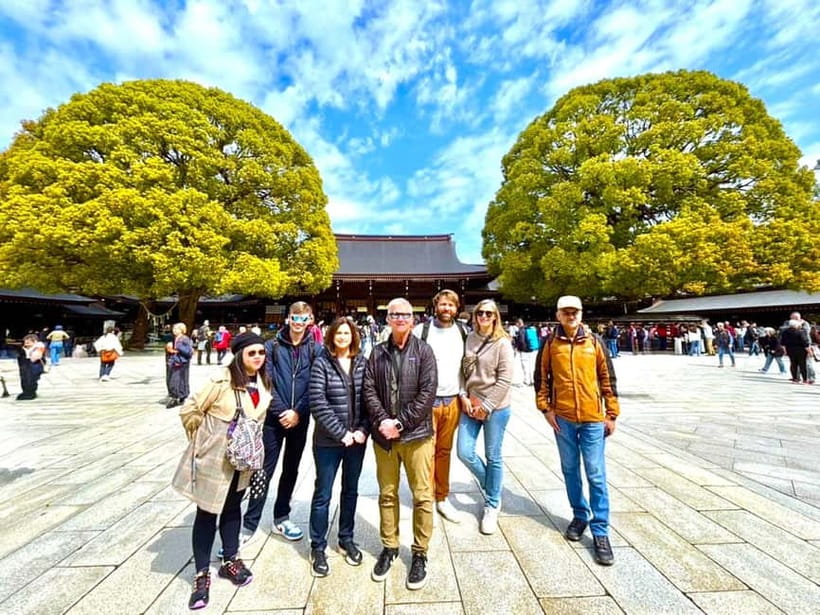
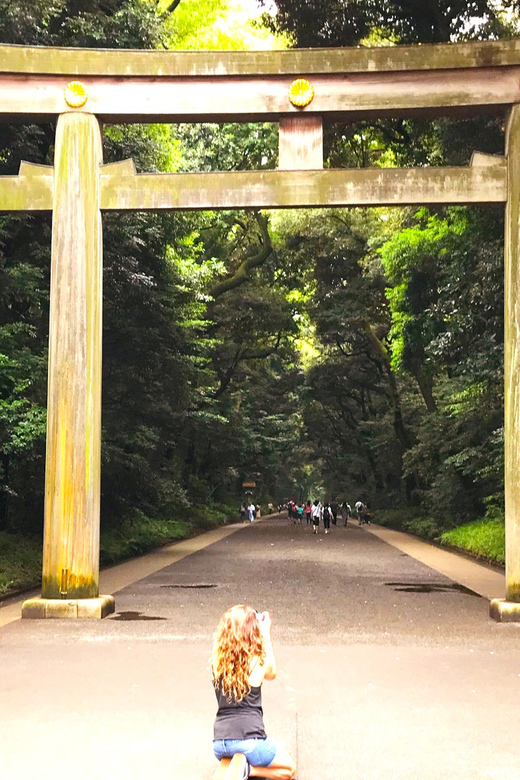
Then comes Meiji Jingu Shrine, and it plays a key role in the day’s rhythm. Tokyo can be loud, fast, and tightly packed. This shrine offers a quiet shift: a walk through a more natural, forest-like environment in the middle of the city.
What you’ll take from this stop is how shrines work as living places, not just photo backgrounds. The guide’s job here is to help you notice etiquette and context—how you behave, what to look for, and why people visit.
A practical consideration: you’ll still be moving on foot, so pack this stop mentally as a reset, not a long sit-down break.
Shibuya Icons: Hachiko and the Scramble Crossing Without Panic
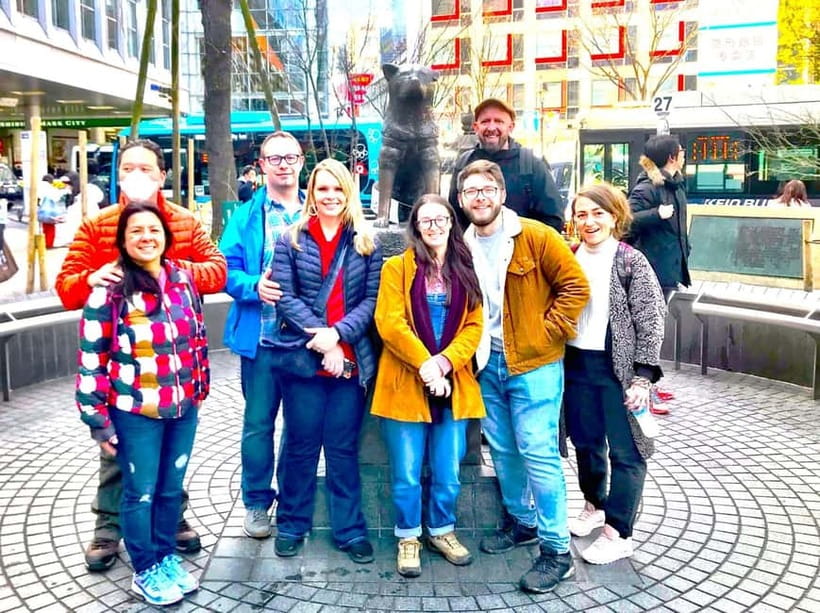
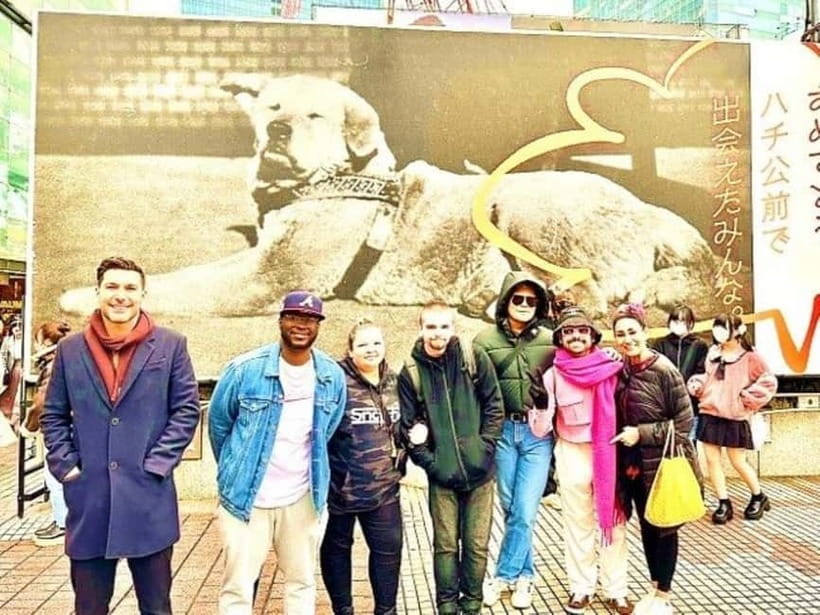
Shibuya is where Tokyo feels most like itself. You’ll hit Shibuya’s Hachiko area and then the famous Scramble Crossing.
What makes the Hachiko stop useful is the story behind it, the kind of legend you hear in Japan and in pop culture, but which lands differently when you get the real context. The tour also helps you understand what you’re looking at, and why it matters.
Then you walk to the scramble crossing, which is basically an outdoor live-action lesson in crowd flow. It’s busy, but with a guide, you’re not guessing where to stand, when to cross, and how to avoid getting swept into the wrong side. You’ll still want your phone ready, but the guide helps you focus on timing so you don’t lose time.
If you’re prone to rushing or you hate crowds, go in with the mindset that this is an organized photo moment. It’s one part spectacle, one part learning how Tokyo moves people.


Tsukiji Honganji Temple and the Outer Market: Food and Design in One Day
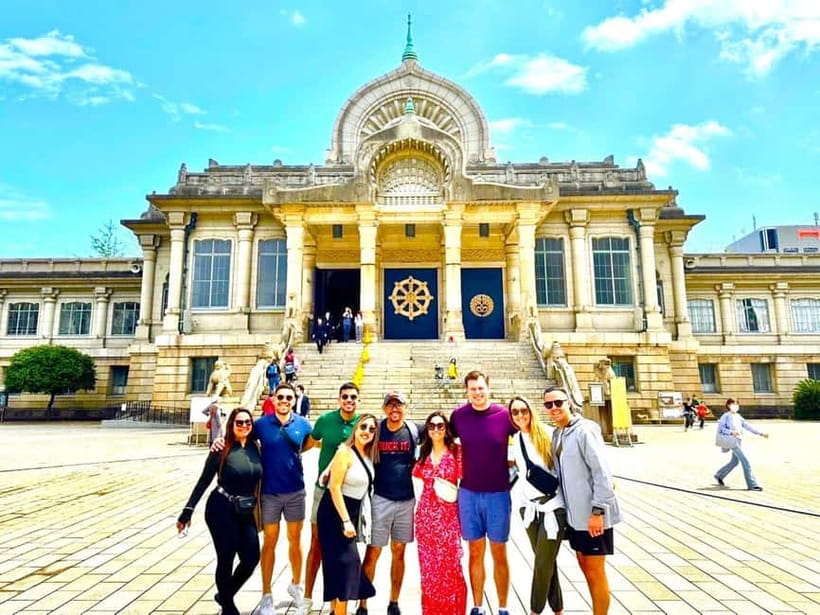
Next is Tsukiji Honganji Temple, known for architecture that’s striking, and for its stained glass. It’s a great mid-day stop because it feels special even if you’re not a hardcore temple person.
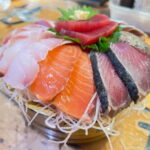
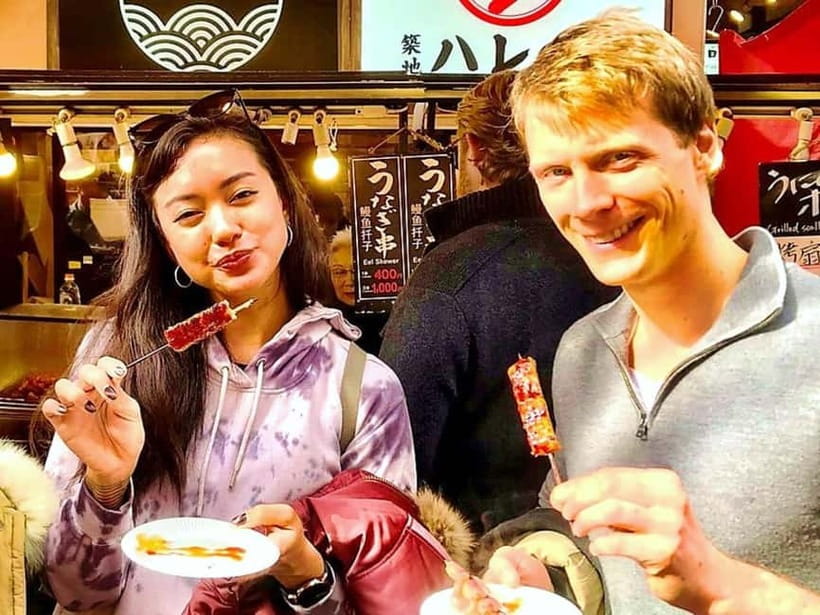
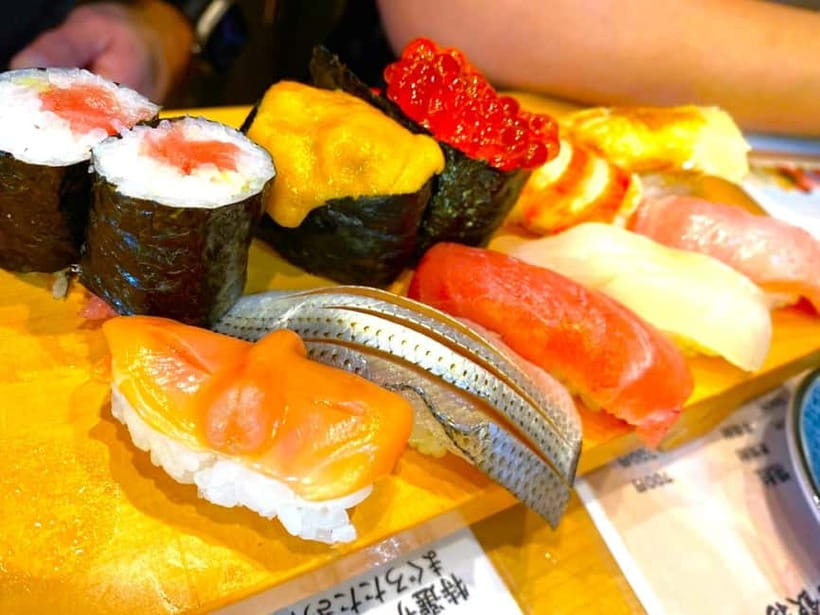
Then you head to the Tsukiji Outer Market, which is where the tour turns practical. This is Tokyo’s kitchen in real life. You get the chance to look at fresh seafood, Wagyu, and the kind of prepared foods and ingredients that make this area famous.
A key point for your planning: food isn’t included. Lunch is part of the tour plan in the sense that Tsukiji is a lunch-area destination, but you’ll still pay for what you choose. That means you should eat when you’re hungry, not because the schedule says it’s time.
If you want the best value, treat the market like a choose-your-own-adventure. Sample a few things, compare prices calmly, and don’t feel you must buy a souvenir-level amount just because everything looks impressive.
Imperial Palace Grounds and Marunouchi: History Meets Modern Tokyo
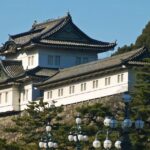
The Imperial Palace stop is a walk through the historic heart of Japan’s former Edo Castle area, with major stone walls along the way. This is a good change of pace after Tsukiji’s chaos. The focus here is on scale and perspective: Tokyo’s modern identity sits beside the long timeline of the country.
Then you move through Marunouchi, where sleek office towers and imperial heritage coexist. This segment is scenic, but it’s also practical. It helps you understand how the city’s layout shifts—from dense neighborhood energy to more formal, structured streets.
You’ll also get a chance to appreciate Tokyo Station, the red-brick landmark that doubles as a historic gateway. Even if you’re not using the station that day, it helps you learn what rail travel feels like in Tokyo, because you’ll likely pass through it later.
Akihabara: Pop Culture Energy, In Clear Understanding
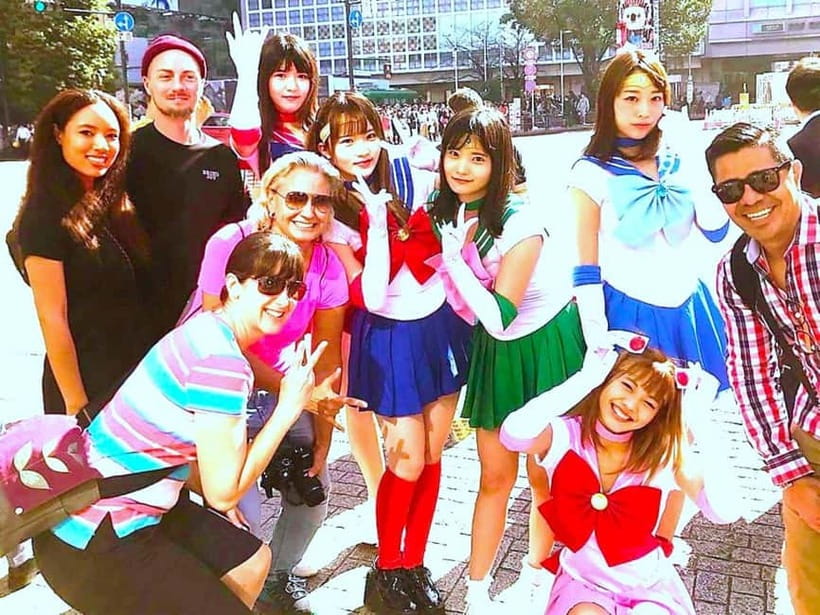
Akihabara is the stop for anyone who loves anime, gaming, or just the feeling of a place devoted to what people are into. The tour frames it as Electric Town, and that description is accurate—but the value is in how your guide helps you read the area.
Without context, Akihabara can feel random: shops everywhere, signs everywhere, and you’re just walking and absorbing noise. With a guide, you start noticing patterns—what types of stores are where, what to look for, and how the neighborhood’s identity fits into the wider Tokyo picture.
It’s a fun stop, but it’s also useful for your return trip. If you see one store you like, you’ll know where to go back, and you won’t need to start from zero.
Asakusa: Sensoji and Asakusa Shrine for Old Tokyo Meaning
The day finishes with Sensoji Temple and Asakusa Shrine, which is a strong choice for a first-timer. This is old Tokyo energy you can feel in the streets. You’ll pass through Kaminarimon Gate, which is one of the easiest landmarks to recognize and one of the easiest places to remember later.
The follow-up stop, Asakusa Shrine, sits within the broader Sensoji grounds and adds a quieter, more local feel. This pairing matters because it shows you the difference between major tourist concentration and the calmer moments within the same district.
This is also one of the best parts for photos, but I like it most for atmosphere. It feels like the tour gives you emotional contrast: modern crowds in Shibuya, food intensity in Tsukiji, then a more traditional, slower tone in Asakusa.
Transportation, IC Cards, and Metro Etiquette You’ll Use Again
The tour is a practical crash course in how to move through Tokyo. Between major areas, you take metro, then explore on foot. That means you’ll experience the rhythm of the city instead of just seeing it from a distance.
Here’s what you should remember so the day goes smoothly:
- Bring a pre-charged Suica, Pasmo, or Icoca. The tour specifically calls this out for metro travel.
- Bring cash in JPY, because some shops and gems accept cash only (the tour explicitly warns about cash-only locations).
- Dress for walking: comfortable shoes and easy-to-move clothes. The tour targets around 20,000 steps.
- If rain shows up, use an umbrella or raincoat. Tokyo weather can be sneaky.
Also, etiquette matters here. Your guide teaches daily-life norms and public transport courtesy. That’s not academic. It’s how you avoid being the person who blocks others on escalators or looks confused at the wrong moment.
If you’re the kind of traveler who likes to get things right, you’ll enjoy this part.
Price and Value: What $77 Really Buys You
The tour price is $77 per person for a 7-hour experience. What makes it reasonable isn’t only the guide. It’s that the major stops are free to enter, so you’re not paying additional entrance fees as you go.
What you should expect to pay extra:
- Transportation fares (metro and JR trains), roughly 1,500 JPY / $10 USD (estimated)
- Food and drinks (lunch at Tsukiji and snacks are not included)
So your true budget is: tour fee plus transit plus whatever you choose to eat. If you’d otherwise pay for multiple entry tickets, this format can be a good deal. If you already plan to spend a lot on food, then you’re mostly paying for guided orientation and a time-efficient route—which is still worth it if it’s your first day.
Group size also adds value. Limited to 7 participants, you’re less likely to get lost in the shuffle. That’s a big deal in Tokyo.
Who This Tour Fits Best (And Who Should Skip)
This is best for you if:
- It’s your first day in Tokyo and you want a fast, organized introduction.
- You like learning the story behind places, not just taking photos.
- You want a guide who can explain etiquette and daily life, like Sam or Yasuko/Yasko have done in past groups.
It’s less ideal if:
- You’re under 13 (the tour notes that under 13s require a private tour).
- You’re pregnant or you have mobility issues or back problems (not suitable).
- You use a wheelchair (not suitable).
- You have a low level of fitness or you’re currently sick (not suitable, including people with a cold).
- You want a relaxed pace with lots of sitting.
Also note the rules: no intoxication, no oversized luggage, and no high-heeled shoes. Basic, but worth respecting.
Book It or Skip It: My Straight Advice
If you want to get your bearings fast and stop spending your first day figuring out transit and etiquette, I’d book this tour. The mix of major landmarks and everyday Tokyo culture (like Konbini and Akihabara) makes it more than a checklist, and the free-to-enter structure keeps costs clearer.
Skip it if you hate long walks, dislike crowds, or you’re looking for a quiet, slow day. This one is a confident “move, learn, and see” plan.
FAQ
How long is the Tokyo full course tour?
It lasts 7 hours.
How much does the tour cost?
The price is $77 per person.
Are entrance fees included?
Yes. All attractions on this tour are free to enter.
What’s included in the price?
A professional guide fee and all taxes are included.
Are transportation and food included?
No. Transportation fares (metro and JR trains) are not included (about 1,500 JPY / 10 USD), and food and drinks are not included (including lunch at Tsukiji and snacks).
Where do I meet the guide?
Meet at JR Yoyogi Station, West Exit, outside the ticket gate (1-chōme-34 Yoyogi, Shibuya City, Tokyo 151-0053).
Is the tour offered in English?
Yes, the live tour guide speaks English.
What should I bring and pay for during the tour?
Bring comfortable shoes and cash. You also need a pre-charged transportation IC card such as Suica, Pasmo, or Icoca for metro travel.