REVIEW · TOKYO
Mt. Fuji & Hakone Cherry Blossom private One Day Tour
Book on Viator →Operated by Sato · Bookable on Viator
A Fuji day without train stress. This private Mt. Fuji & Hakone cherry blossom one-day tour is built for comfort and big views, with hotel pickup that drops you into the scenery fast. I love the mix of iconic stops and calm, photo-friendly timing, especially at Fuji Subaru Line 5th Station and around Lake Ashinoko. One drawback to plan for: it can feel more like a car service than a full-on history lesson, so if you want deep narration, you may need to ask for it.
You’ll ride in an air-conditioned vehicle, with a hotspot on board and a mobile ticket, so you spend less time juggling routes. The day runs about 10 hours and is priced at $450 per group (up to 5), which makes the math work best when you split cost with 2–5 people. You’ll also want to budget for a couple of add-on fees that are not included, like the Subaru line fee at 5th Station.
In This Review
- Key reasons this private Fuji and Hakone day works
- Private transport from Tokyo Station: less friction, more pictures
- Fuji Subaru Line 5th Station at 2,300 meters: the view stop that matters
- The fee you should expect
- Oshino Hakkai: Fuji-fed spring ponds you can actually taste
- Time check
- Lake Ashinoko and Togendai: Hakone’s classic crater-lake photo loop
- The potential drawback
- Moto Hakone Shrine: torii gate in the water
- Owakudani Valley: volcanic fumes and the black eggs tradition
- Gotemba Premium Outlets: shopping with a view base
- What the $450 price really buys (and when it’s worth it)
- Will you get a real guide or just a driver?
- Best fit: couples, families, and people who hate planning
- When to go: cherry blossoms versus visibility reality
- Should you book this Mt. Fuji & Hakone private one-day tour?
- FAQ
- What’s the total duration of the Mt. Fuji & Hakone private tour?
- Is pickup included, and where does the tour start?
- How many people can join the private tour?
- Are meals included?
- What extra fees might I need to pay on the day?
- Is free cancellation available?
Key reasons this private Fuji and Hakone day works
- Private pickup and drop-off so you don’t fight Tokyo transit mid-trip
- Fuji Subaru Line 5th Station (2,300 meters) for wide views and easy access
- Oshino Hakkai’s clear spring ponds with reflections of Mt. Fuji on clear days
- Lake Ashinoko sights plus Togendai area with classic Hakone atmosphere
- Moto Hakone Shrine’s torii in the water for a quiet pause on the lake
- Owakudani volcano zone and the famous black eggs tradition
Private transport from Tokyo Station: less friction, more pictures
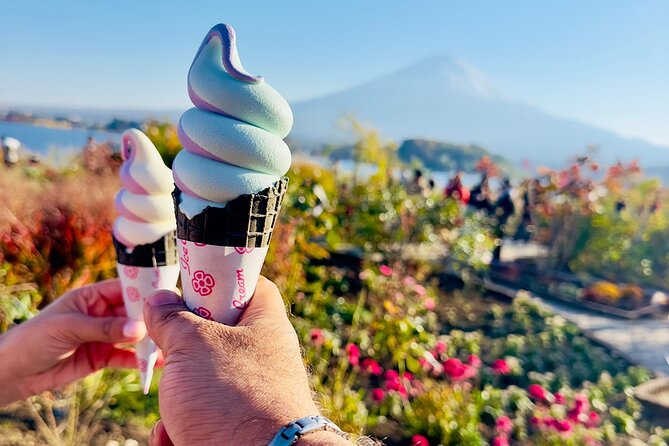
The biggest value here is simple: you’re not building a route from scratch. When your day includes Mt. Fuji, multiple Hakone spots, and traffic that can swing wildly, private transport keeps the plan intact.
You start at Tokyo Station (Marunouchi area) and end back at the meeting point, which is usually easier than trying to time transfers in the middle of the day. The vehicle is air-conditioned, and the included hotspot matters more than you’d think—while you wait for weather checks or reorder your day plan, having data on hand saves time.
You can also read our reviews of more private tours in Tokyo
Fuji Subaru Line 5th Station at 2,300 meters: the view stop that matters
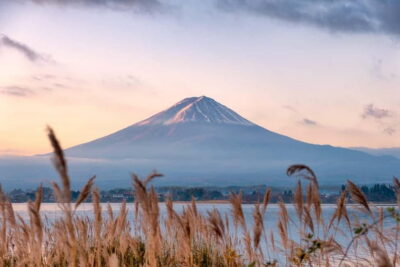
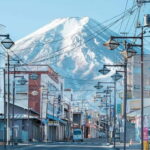
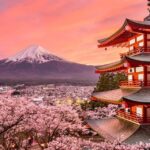
Your first big stop is the Fuji Subaru Line 5th Station, the most popular of the four 5th-station options. It sits at about 2,300 meters, and on clear conditions you get a strong, elevated view over the Fuji Five Lakes area.
This station is considered one of the easiest “Fuji climbs without climbing” options. You reach it via a scenic toll road that starts in Fujikawaguchiko Town, and the access runs almost year-round as long as snow conditions allow. Do note the seasonal reality: in heavy winter snow, partial closures can happen, and during the main climbing period (mid-July to early September in the provided timeframe), the road is closed to private vehicles.
Plan for two kinds of weather up high. Even in warmer months, the 5th-station altitude can feel cooler fast, and mountain clouds can roll in. Bring a light layer and expect that your Mt. Fuji “wow view” depends on what the sky is doing that morning.
The fee you should expect
The 5th Station Subaru line fee is not included, listed separately at $15 USD. If you’re budgeting tightly, this is the one cost that can sneak up on you, so I’d mentally add it before you commit.
Oshino Hakkai: Fuji-fed spring ponds you can actually taste
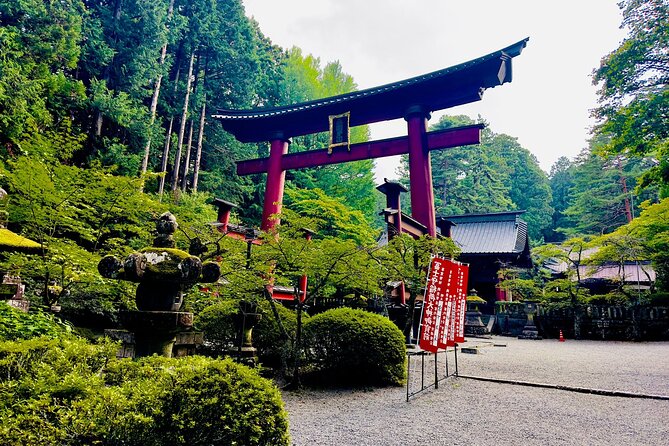
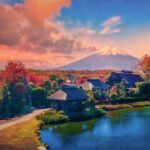
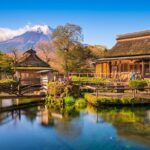
Oshino Hakkai is about water, clarity, and reflection. The eight ponds are fed by snowmelt from Mt. Fuji that filters through volcanic rock, which is why the water looks so clean and glassy on clear days.
This stop has a traditional feel without needing a long walk of museums or ticketed attractions. There are thatched-roof houses nearby, small shops for local treats, and even spring water you can drink straight from the source area. The reflection is the star: when Mt. Fuji shows itself, the ponds can mirror it in a very direct, almost postcard-like way.
One practical consideration: reflections need sun and visibility. If the skies are gray, you’ll still see the ponds and the local atmosphere, but the dramatic mirror effect may be muted.
Time check
You spend about 30 minutes here. It’s enough to walk the pond area at a relaxed pace, grab a snack, and get a few photos without feeling rushed.
You can also read our reviews of more tours and experiences in Tokyo

Lake Ashinoko and Togendai: Hakone’s classic crater-lake photo loop
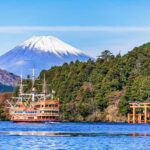
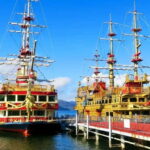
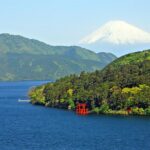
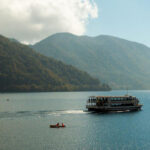
Lake Ashinoko (Lake Ashi) is the Hakone part of the day that feels like a postcard you can walk around. It’s a crater lake formed after a volcanic eruption nearly 3,000 years ago, and it’s known for views of Mt. Fuji plus the classic Hakone mix of boats and waterside strolling.
Near the lake is Togendai, a well-known hub with views over the surrounding area and the lake itself. Togendai is also associated with trail access (it’s listed as a starting point for the Fujisan Gotemba Trail), so it draws hikers and sightseers alike.
You’ll have about 2 hours around this area, which is a good length. It gives you time to slow down, take in the water, and not feel like you’re sprinting between viewpoints.
The potential drawback
Lake-area visibility can swing day to day. If you’re in thick haze, Mt. Fuji may not show up clearly from the shore. The lake is still worth the time, but I’d treat Fuji visibility here as a bonus, not a guarantee.
Moto Hakone Shrine: torii gate in the water
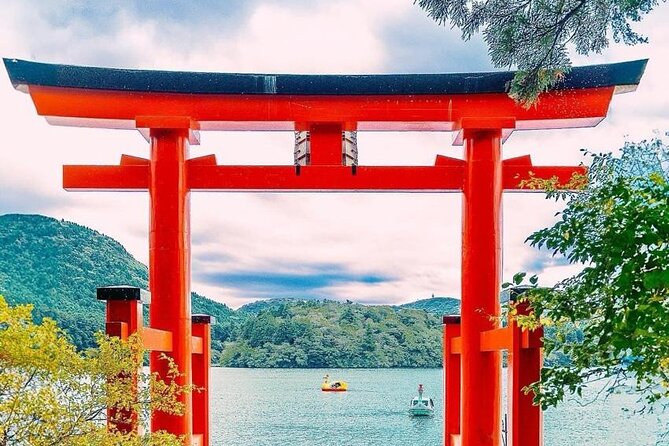
Moto Hakone Shrine is one of those places where the setting does half the work for you. The standout is the torii gate that sits right in Lake Ashinoko, often called the Torii of Peace.
The shrine area sits in a forested setting, so it feels quieter than most picture-point stops. It’s also a meaningful place for Shinto prayers, including wishes tied to travel and business, with the shrine associated with protection and prosperity.
You’ll spend around 30 minutes here, which is just enough time to enjoy the lake views, walk the grounds lightly, and get your shot without turning it into a long detour.
Owakudani Valley: volcanic fumes and the black eggs tradition
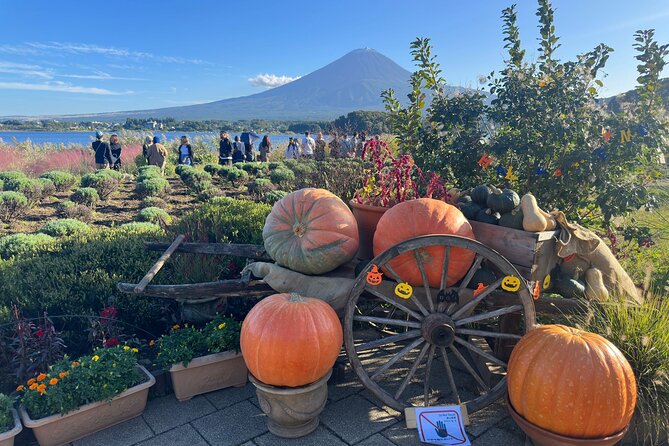
Owakudani is the “Hakone feels real” stop. This crater area is tied to the last eruption of Mt. Hakone about 3,000 years ago, and today it’s an active volcanic zone with sulfur fumes and hot spring or hot river activity.
If you like sensory travel—smell, heat, steam—this is the place. The volcanic landscape can be dramatic, and on clear days Mt. Fuji may appear again in the distance.
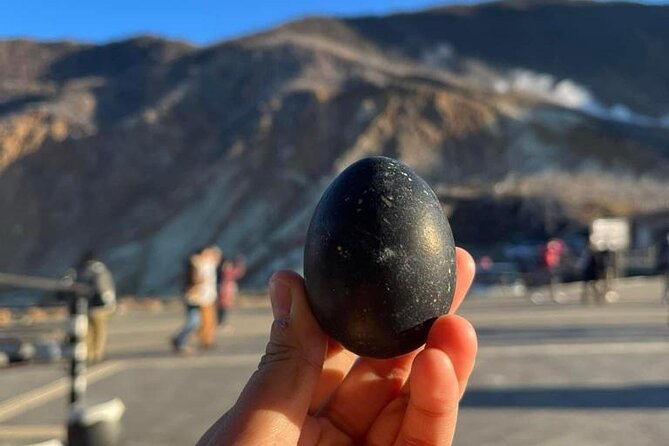
One fun detail that’s part of the local experience: eggs are cooked in the hot springs with the shells blackened by sulfur. Eating one is said to prolong life by seven years, which makes it a great, goofy-but-fun moment that fits the day’s pace. (It’s also a reminder to be a little careful around the steam and keep to marked viewing areas.)
You’ll have about 1 hour in the valley. That’s enough to walk the key points and still keep the day moving toward your next stop.
Gotemba Premium Outlets: shopping with a view base
By the time you reach Gotemba Premium Outlets, you’ve already done the spiritual and volcanic stops. This portion is a practical reset.
It’s described as Japan’s most popular outlet mall, with around 300 stores and a mix of restaurants plus a food court. There’s also a 50-meter-high Ferris wheel, a hotel, and a public hot spring bath, which hints that this isn’t just shopping—it’s a full “spend the afternoon” setup.
Prices aren’t promised as ridiculously cheap, but they tend to be better than regular retail in Japan. For many people, that makes the outlet part a smart way to close the day: you get variety, predictable hours, and less stress than searching around for brand bargains on your own.
One thing to consider: if you’re not into shopping, treat this as optional downtime rather than a must-do. It’s scheduled for about 2 hours, so check in with your group’s energy level before you commit to browsing every row.
What the $450 price really buys (and when it’s worth it)
At $450 per group for up to 5 people, you’re paying for time savings and private routing. That’s not just convenience—it’s also a way to reduce the stress factor when you’re dealing with Mt. Fuji access points, seasonal road rules, and Hakone traffic.
Here’s how I’d judge the value. It’s a strong deal if:
- You have 3–5 people splitting cost
- You want air-conditioned comfort in a 10-hour day
- You’d rather spend energy on viewpoints than on trains and transfers
It may feel steep if:
- You’re traveling solo or as a couple with no one to share the cost
- You expected a guide with deep cultural lectures for every stop
This tour includes all fees and taxes, plus air-conditioned private transport, and it also includes a hotspot on board. The two things explicitly not included are coffee/tea and lunch, plus alcohol, and the two extra fees called out: the 5th Station Subaru line fee ($15) and Hakone Open Air Museum fee ($15) if you choose to go.
Will you get a real guide or just a driver?
This is the one part I’d treat as a “know before you go” question.
The positive side shows up in how people describe professionalism and kindness, including drivers who manage the day well with kids and elderly adults. There’s also a mention of a driver named Rezi who helped keep the group on track and even shaped the day toward less crowded photo moments while still leaving time for pictures.
On the other side, some experiences described a driver style that felt less like a tour guide and more like a car-and-driver setup, with less cultural context. There are also comments about rushed pacing after drop-offs.
So here’s my practical advice: send a message before the day starts (or ask early in the morning) with your expectations. If you want history and context, ask directly for it. If you mainly want smooth transport and clear stop timing, you’ll likely appreciate the format.
Best fit: couples, families, and people who hate planning
This private day suits groups that want control without chaos. The tour is designed for convenience—especially useful if you’re traveling with kids, older relatives, or anyone who gets tired by long transit days.
If your group includes people who don’t want outlet mall time, you can plan to split interests. But remember the schedule includes that final shopping block, so you should align expectations before you start browsing.
When to go: cherry blossoms versus visibility reality
The tour name points to cherry blossoms, but your actual Mt. Fuji experience depends mostly on weather and visibility. Even in blossom season, clouds can roll in, and on lake or station viewpoints you might get views that are more muted than the photos.
I’d still go. Fuji days have a way of working even when the sky is moody—you get fresh air, clear crater-lake moments, and the volcanic spectacle doesn’t require perfect sunshine. Just pack for layers and treat Fuji visibility as a bonus.
Should you book this Mt. Fuji & Hakone private one-day tour?
Book it if you want a smooth, private way to hit the big sights without spending your day figuring out transport. The $450 group price makes the most sense when you can share it across up to 5 people, and the included air-conditioned vehicle plus hotspot can genuinely cut stress on a long day.
Skip it or adjust expectations if you’re seeking a deeply narrated cultural tour every hour. In some cases, the experience leans more toward driving and scheduling than guided storytelling. Also consider whether you want the final stop at Gotemba Premium Outlets; it’s a scheduled time block, so be sure your group is on board.
If your goal is simple—Mt. Fuji 5th Station views, Fuji-fed ponds, Lake Ashi, a shrine with a torii in the water, volcanic Owakudani, and a comfortable ride back—this is a strong format.
FAQ
What’s the total duration of the Mt. Fuji & Hakone private tour?
The tour runs for about 10 hours.
Is pickup included, and where does the tour start?
Pickup is offered, and the listed meeting point is Tokyo Station in the Marunouchi area. The tour ends back at the meeting point.
How many people can join the private tour?
It’s private for your group, and the price is for up to 5 people.
Are meals included?
Coffee/tea and lunch are not included, and alcoholic beverages are also not included.
What extra fees might I need to pay on the day?
The 5th Station Subaru line fee is listed as $15 USD only, and the Hakone Open Air Museum fee is listed as $15 USD only (if you go).
Is free cancellation available?
Yes. You can cancel up to 24 hours in advance for a full refund.