REVIEW · KAMAKURA
Kamakura Half Day Tour with a Local Expert Guide
Book on GetYourGuide →Operated by Jewel Tours Japan · Bookable on GetYourGuide
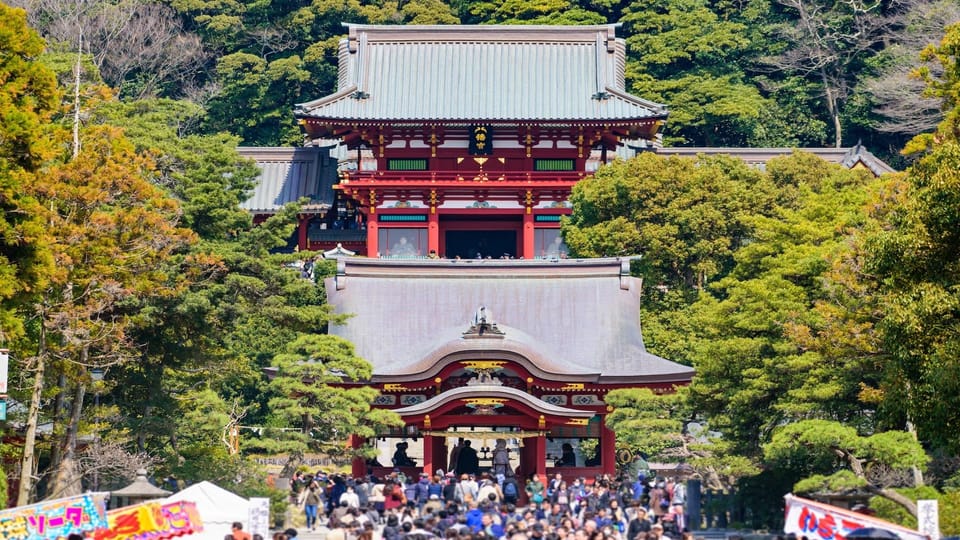
Kamakura feels like Japan on pause. A half-day walking tour here pairs Tsurugaoka Hachimangu Shrine with Zen temple gardens, all guided by someone who knows the area.
I love the local expert guidance—especially the way some guides adjust to your interests and time, including steering you toward a quieter Zen temple moment instead of only the headline stops. I also love the walk-and-garden format, which gives you scenic views along the way and breaks the day into calm, meaningful pieces.
One consideration: this isn’t a car-and-tickets package. You’ll be on foot, and transport, food, and temple/park admissions are not included, so your final cost depends on how you’re arriving and what you choose to pay for.
In This Review
- Key highlights to know before you go
- Kamakura in Four Hours: the realistic game plan
- Tsurugaoka Hachimangu Shrine: where the story starts
- Zen temple gardens and a Buddha moment you’ll remember
- The local guide factor: customization, clarity, and how to ask better questions
- Pickup and drop-off: Tokyo or Kamakura, and the no-private-car truth
- Cost and value: why $87 can be a bargain or a miss
- Walking pace, comfort, and who this tour is really for
- Should you book? The short decision guide
- FAQ
- How long is the Kamakura half-day tour?
- Where do pickups happen?
- Is this a walking tour?
- What is included in the price?
- Are food and drink included?
- Are temple and park admissions included?
- Are transportation costs included?
- What languages are the guides?
- Is the tour wheelchair accessible?
- What is the cancellation policy?
Key highlights to know before you go
- Tsurugaoka Hachimangu Shrine anchors the route with a big, ceremonial start in Kamakura.
- Zen temple gardens give you that classic quiet Kamakura feeling, not just sightseeing photos.
- A local guide handles the in-between details like what to look for and how to make sense of each site.
- Pickup is flexible (Tokyo or Kamakura), but there’s no private car service.
- It’s a walking tour in a compact area, so comfortable shoes matter.
- Private group means the pace and focus can be more personal than standard group tours.
Kamakura in Four Hours: the realistic game plan
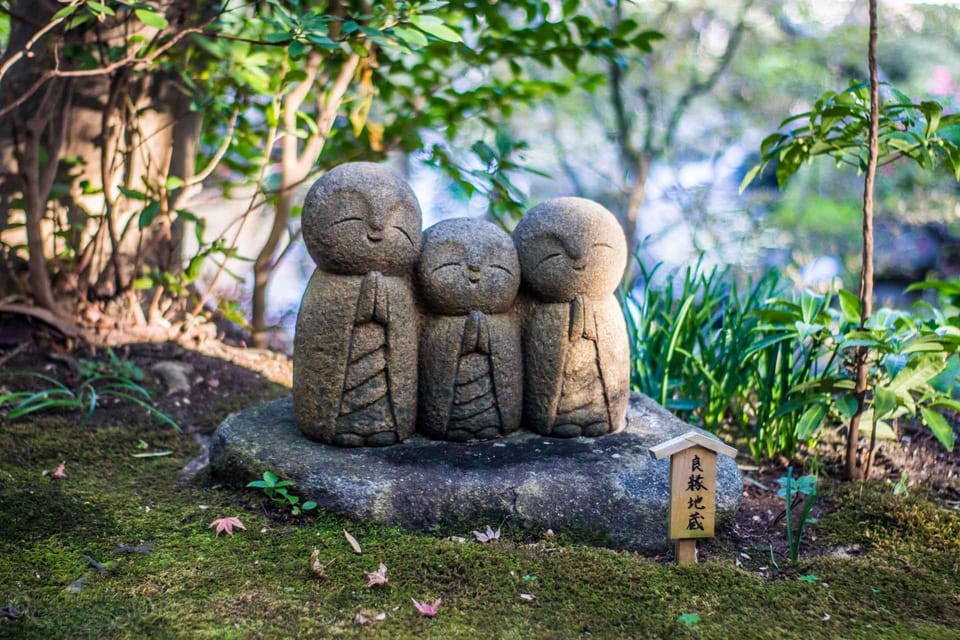
Kamakura is compact, but it’s not small on meaning. In one half day, you can’t see everything—yet you can see the part that matters: shrines, Zen temples, and garden space arranged for slow walking and quiet attention. That’s exactly what this tour is built for.
The 4-hour timing works best if you treat it like a guided path through themes. You’re not just collecting stamps. You’re learning how a shrine sets the tone, how Zen spaces slow your pace, and how gardens and parks shape what you notice.
A good half-day route also protects you from the usual Kamakura headache: the city is famous, which means it’s popular. A guide helps you keep momentum without turning the day into a rushed line-chasing workout.
You can also read our reviews of more guided tours in Kamakura
Tsurugaoka Hachimangu Shrine: where the story starts
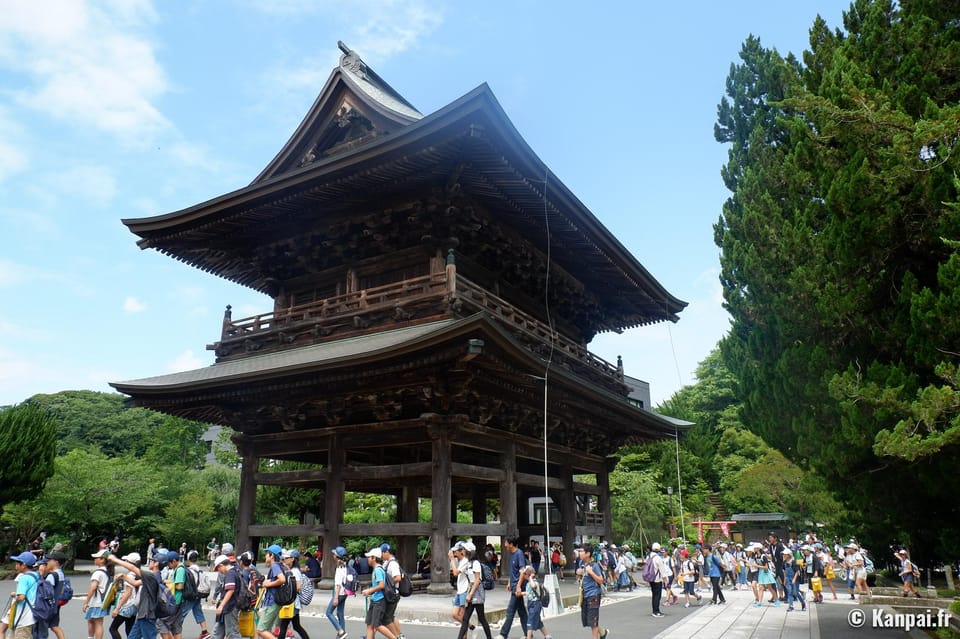
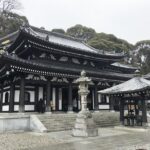
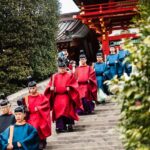
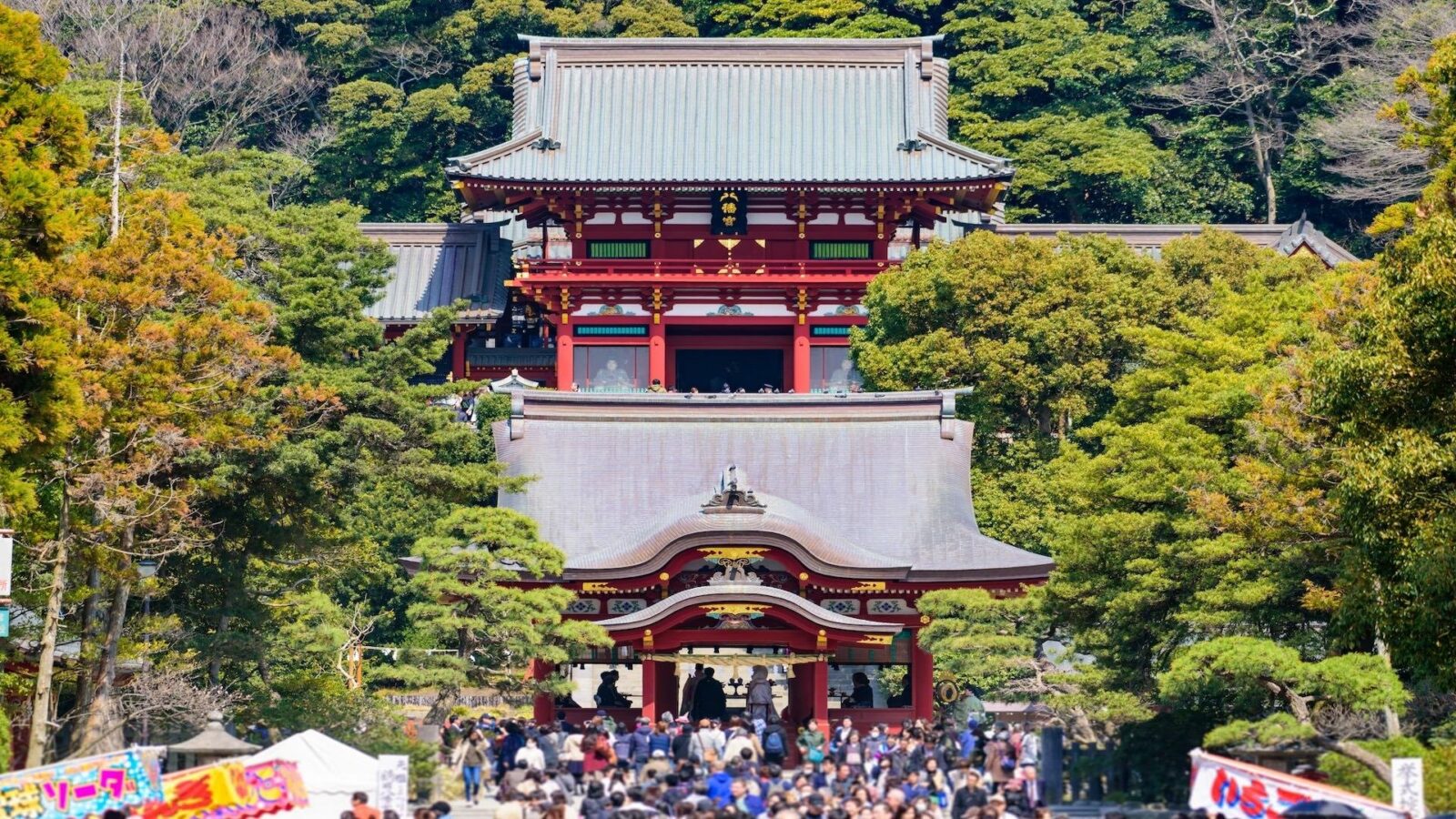
Your tour’s big starting point is Tsurugaoka Hachimangu Shrine. This matters because it’s not only a pretty shrine stop—it’s a cultural anchor for the city. You’ll get the kind of context that makes carvings, layout, and the overall atmosphere feel less random.
What I like about anchoring a Kamakura walk here is that it sets a clear rhythm. After the shrine, the day naturally shifts from ceremony to calm. That transition is one of the reasons Kamakura works so well for a short visit.
Practical note: shrine areas can involve paved paths and open walking sections. If you’re sensitive to walking time, plan for a steady pace from the start and use breaks when your guide stops to explain something.
Zen temple gardens and a Buddha moment you’ll remember
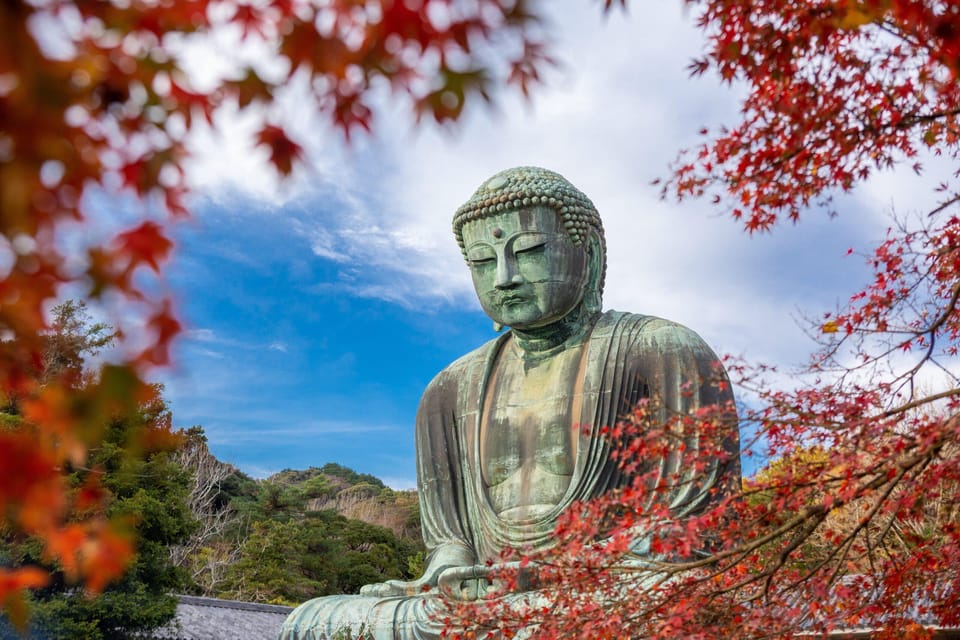
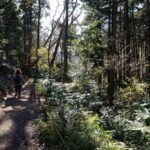
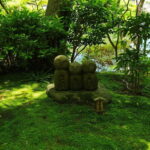
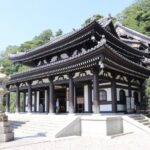
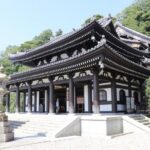
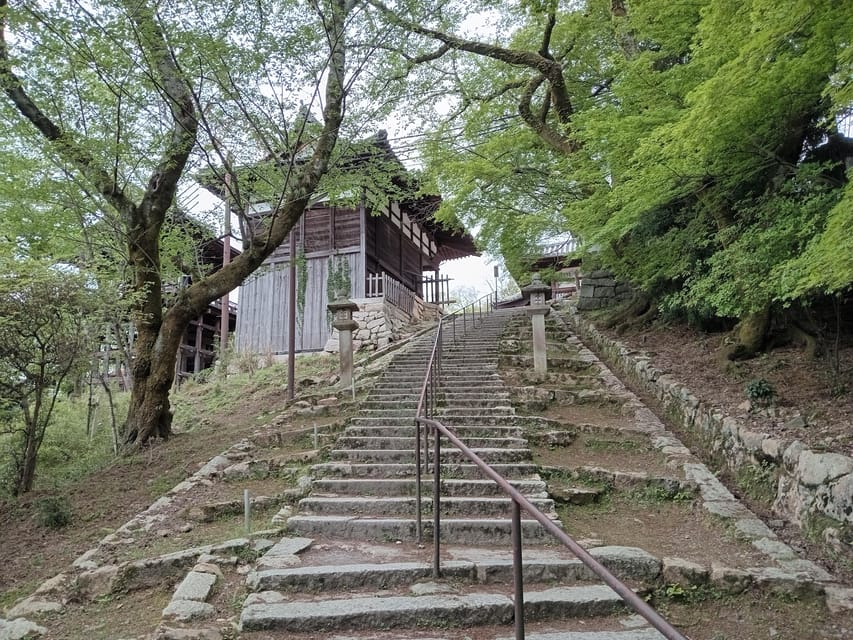
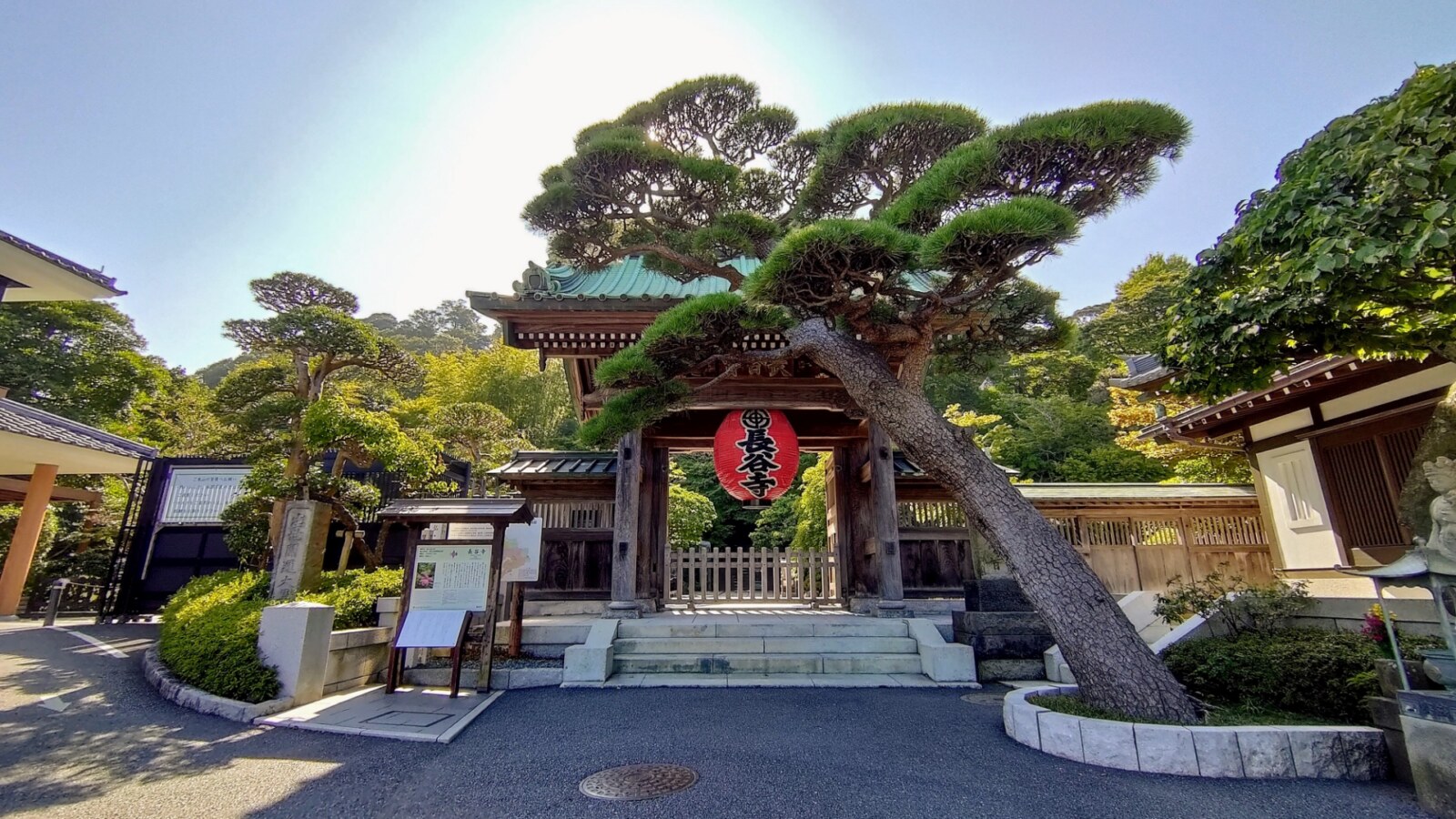
After the shrine, the focus shifts to Zen temples and the quieter side of Kamakura. The tour is described as including Zen temples surrounded by lush gardens, and you should expect the vibe to slow down compared with your first stop.
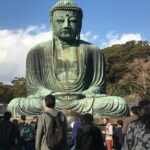
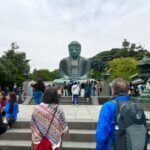
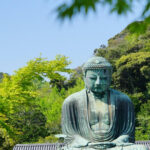
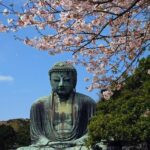
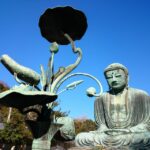
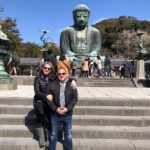
In one description of the experience, people mention seeing both a temple and the Buddha—so you can plan on at least one major Buddha-view moment as part of the route. Even if you don’t go overly specific on names, the emotional payoff tends to be the same: you’ll be standing in front of a centerpiece with context about what you’re actually looking at.
Garden time is not just scenic. In Zen spaces, gardens shape movement—where you look, how long you linger, and how your mind shifts from photo mode to observation mode. If you’ve ever felt like temples are just buildings, Kamakura’s garden-temple pairing often fixes that.
The local guide factor: customization, clarity, and how to ask better questions
This is where the tour earns its keep. You’re not just being walked from Point A to Point B. You’re with a local expert guide who can explain what you’re seeing and help you tailor the day to your interests and the time you have.
That customization is specifically called out: you can adjust the tour, and the guide can guide you toward the kind of experience you want—more history, more temple focus, or more gardens and parks.
Some guide strengths show up in feedback:
- Guides like Rafael are noted for adapting to available time and offering suggestions beyond the most obvious tourist picks, including a smaller Zen temple experience.
- Guides like Flo are described as helpful and supportive; one person also noted the tour still worked out well thanks to signage and on-site info even when the guide was learning certain location details.
- Raphaël is described as flexible and francophone, with thoughtful pacing and help finding a dinner spot afterward.
Quick reality check, based on the same type of feedback: not every guide will have the same depth for very niche questions. If you’re the sort of traveler who comes armed with advanced religion-history questions, bring them early and ask your top ones at the first stop. That way, you’re more likely to get satisfying answers in the time you have.
Also, one quirk that came up: in at least one instance, navigation leaned on Google Maps. I wouldn’t stress over it, but it’s a reminder that a guide can be great and still use modern tools to get around quickly.
Pickup and drop-off: Tokyo or Kamakura, and the no-private-car truth
You get two pickup options: Tokyo or Kamakura, and you can meet at your hotel or an agreed location. The tour is on foot, and there is no private car service.
This is important for two reasons:
- If you’re paying for a pickup, understand that the tour is more about meeting you and coordinating direction than providing a chauffeured ride.
- You’ll likely need to handle your own transportation costs and routing once you’re in the area.
One person specifically expected transport after paying extra and found it was basically the guide helping them navigate trains rather than providing a vehicle. So if you hate transit logistics, you might want to budget time for it—or consider choosing pickup from where you’re already planning to be.
For drop-off, you can end in Kamakura or Tokyo. That flexibility is handy if you don’t want to backtrack later.



Cost and value: why $87 can be a bargain or a miss
At $87 per person for about 4 hours, you’re paying for a local guide and their time. You’re not paying for everything else.
What’s not included:
- Food and drink
- Transportation costs
- Parks and temples admission
That means your true total can vary, depending on what sites charge entry fees and what you choose to eat. In a country where walking meals and ticket costs are normal, this isn’t a deal-breaker, but it is real.
So when is it great value?
- When you want context fast. A guide can turn a shrine façade and a garden layout into something you understand immediately.
- When you want the day shaped around your interests. Customization often makes a short tour feel longer in the best way.
- When you want less friction. Even if you could DIY it, the guide saves time and helps you avoid dead-end confusion.
When might it feel overpriced?
- If you’re confident doing route planning and you’re happy with minimal interpretation.
- If you expected the price to cover transport or admissions, and you end up paying extra anyway.
My advice: treat the tour price as the cost of buying someone’s local knowledge for half a day. If that’s what you want, you’ll likely feel satisfied. If you want a full-service package including every admission and ride, you’ll need to budget for those pieces.
Walking pace, comfort, and who this tour is really for
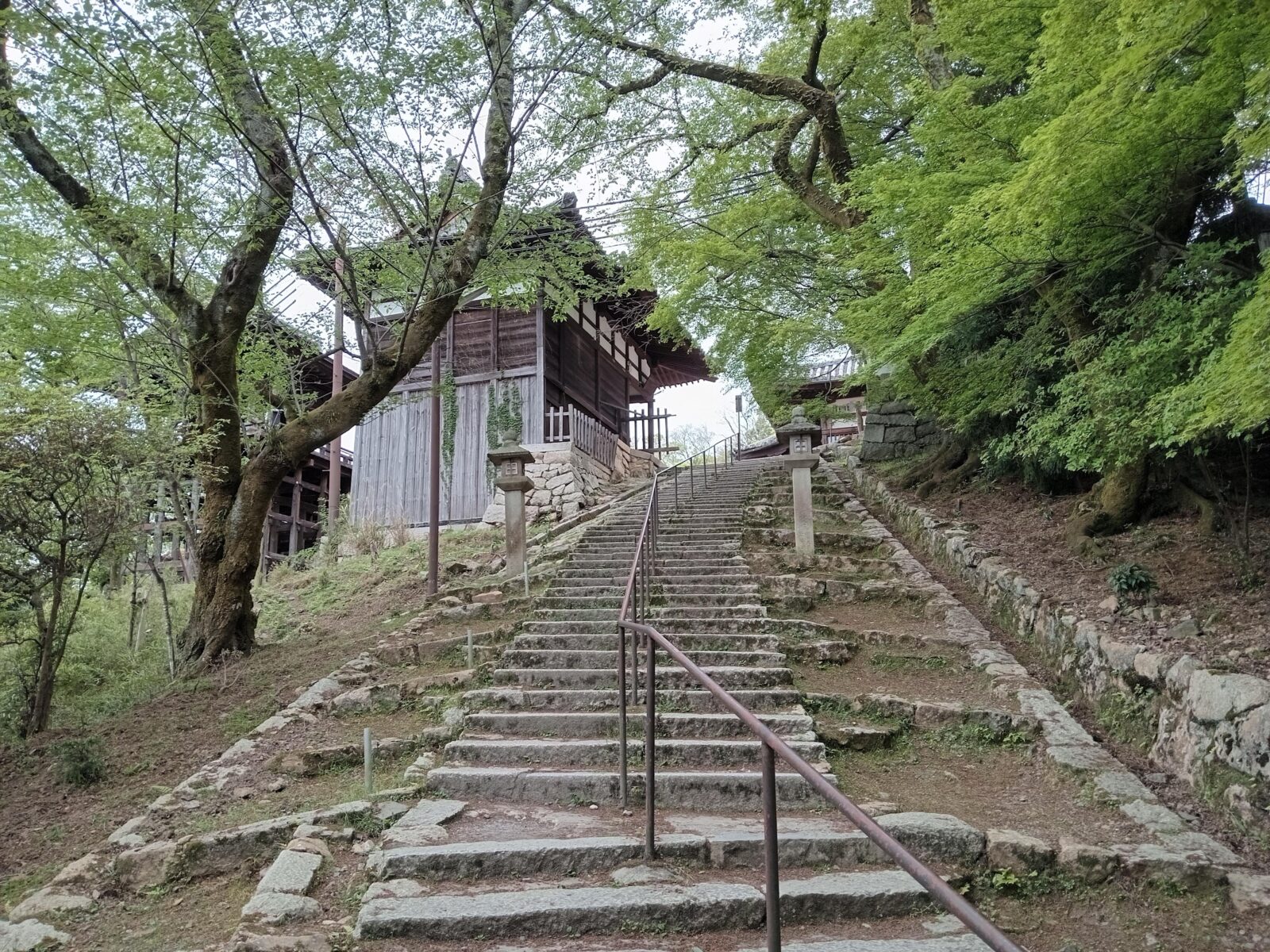
This is a walking tour, so your comfort will drive your enjoyment. Wear shoes you can walk in for a sustained stretch. Bring water, especially if you’re visiting during warmer seasons.
It’s also listed as wheelchair accessible. That’s a good sign for planning, but since it’s still a walking tour, it’s smart to confirm with the operator what the practical walking portions look like for your mobility needs.
The tour is a private group, which usually helps with pacing and questions. The smaller the group pressure, the easier it is for a guide to adjust.
And there’s one clear limit: it’s not suitable for people over 95 years. If you’re near that range—or you’re traveling with an elder who tires quickly—this one may not be the best fit.
Should you book? The short decision guide
Book this tour if you want:
- A guided walk through Tsurugaoka Hachimangu, Zen temples, and garden-focused stops in a tight 4-hour window.
- A guide who can make the route feel personal, including steering you away from only the most obvious tourist beats.
- Less guesswork than DIY, especially if you’d rather spend energy learning than figuring out logistics.
Skip it (or switch expectations) if you:
- Want a do-it-all package where transport and admissions are included.
- Plan to move slowly and would rather roam independently with lots of unplanned stops.
- Are bringing very specialized questions and need deep scholarly answers on every point in limited time.
If you’re flexible and shoes-ready, this is the kind of half-day that makes Kamakura feel coherent instead of crowded. You’ll leave with a clearer mental map of shrine-to-Zen-to-garden, and that’s exactly what a short visit needs.
FAQ
How long is the Kamakura half-day tour?
It lasts about 4 hours.
Where do pickups happen?
You can choose pickup from Tokyo or Kamakura.
Is this a walking tour?
Yes, it’s a walking tour.
What is included in the price?
The tour includes meeting your guide at your hotel or an agreed location (on foot), and the walking tour with a live guide. Transportation, food, and admissions are not included.
Are food and drink included?
No, food and drink are not included.
Are temple and park admissions included?
No, parks and temples admission are not included.
Are transportation costs included?
No, transportation costs are not included.
What languages are the guides?
The live tour guide can speak English, Japanese, and French.
Is the tour wheelchair accessible?
Yes, the tour is listed as wheelchair accessible.
What is the cancellation policy?
Free cancellation is available up to 24 hours in advance for a full refund.