REVIEW · TOKYO
Tokyo: Samurai History Walking Tour
Book on GetYourGuide →Operated by Temples and Trails Tours Japan · Bookable on GetYourGuide
A quick walk, big shadows of the past. This Tokyo Samurai History tour strings together key sites from the samurai era, and it keeps the discussion grounded in real places, not just stories. I especially like the chance to see the Edo Castle ruins in the Imperial Palace East Gardens area, and to end at Sengaku-ji, where the 47 Ronin graves make the myths feel specific. One thing to plan for: it’s a 4-hour, mostly on-foot outing, so if you tire easily, bring your stamina strategy (and you can ask for extra rests).
The vibe is smart and direct. Your guide—John, a bald white male with a gift for clear explanations—focuses on the tough questions: were samurai honorable warriors or something messier, and how did their power rise and then fade? It’s also set up with occasional public transport, and you’ll start right by Tokyo Station in Marunouchi Square, which makes it easy to reach.
In This Review
- Key Highlights You’ll Care About
- Starting at Marunouchi Square: How This Walk Gets You Oriented
- The one practical note
- 30 Minutes of Guided Setup: The Questions He Wants You to Hold
- Edo Castle Ruins in Tokyo Imperial Palace East Gardens: Power You Can See
- Why this stop is worth your time
- A possible drawback to consider
- Taira no Masakado’s Grave: The Samurai Story Before It Was Famous
- What you’ll get out of it
- Sengaku-ji and the 47 Ronin Gravesite: Legend With a Physical Address
- Plan for extra costs here
- Also plan for time and attention
- The 4-Hour Pace: Walking, But Not Punishing
- Who will like this pace
- Who might find it tough
- Price and Value: $33 Plus the Real-World Extras
- Why the guide matters for value
- Ending at Takanawa Gateway Station: Easy Exit from the Route
- Who This Samurai History Walk Is Best For
- Should You Book This Tokyo Samurai History Walking Tour?
- FAQ
- Where is the meeting point for the Tokyo Samurai History tour?
- Where does the tour finish?
- How long is the tour?
- Is the tour guided in English?
- What’s included in the price?
- What extra costs should I expect?
- Is there a food stop during the tour?
- Is the tour suitable for wheelchair users?
- Can I cancel for a refund?
Key Highlights You’ll Care About
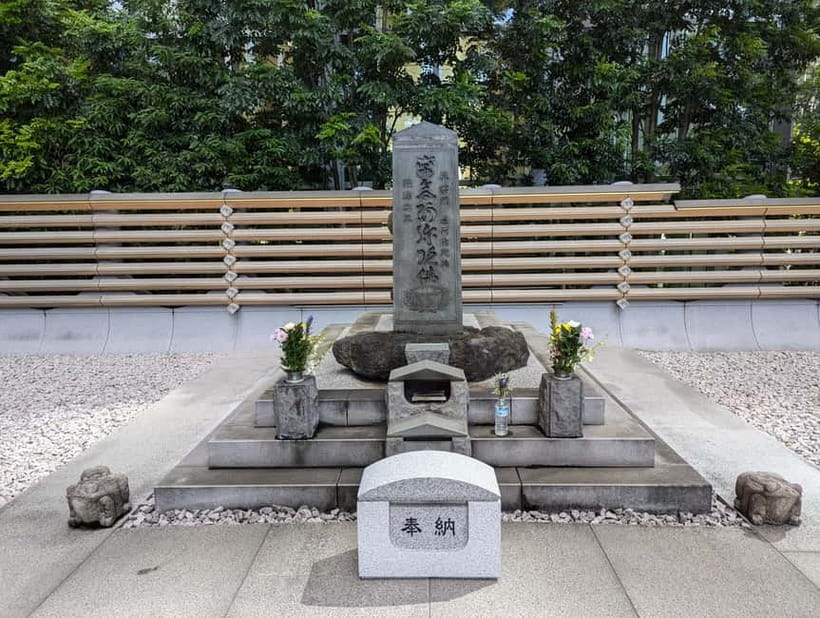
- Edo Castle ruins in Tokyo’s Imperial Palace East Gardens area: a powerful place to understand where rule was planned.
- Sengaku-ji (47 Ronin graves): where reputation, loyalty, and legend collide in one quiet stretch.
- Taira no Masakado’s Grave: a stop tied to the samurai story’s earlier chapter in the 900s.
- John’s style is Q&A friendly: he answers questions and adds extra context when you ask.
- A realistic 4-hour pace: public transport breaks exist, and you can request extra rests.
Starting at Marunouchi Square: How This Walk Gets You Oriented
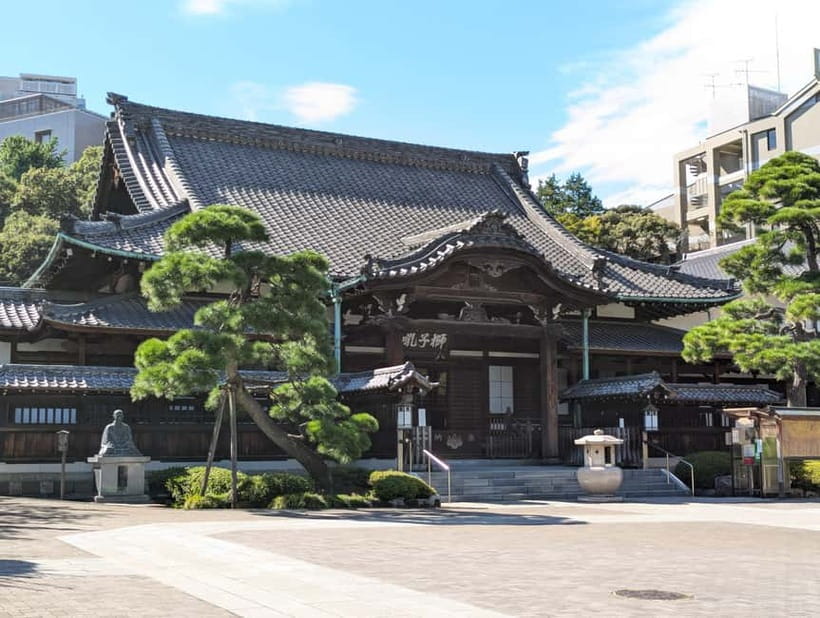
You’ll meet just outside JR Tokyo Station at Marunouchi Square, generally near the Marunouchi Central Exit. It’s a smart starting spot. You get to anchor yourself to Tokyo’s map fast, and you don’t lose time with complicated transfers before the tour even begins.
From that central hub, the tour’s structure is simple: walk, listen, look closely, then connect the sites to the broader samurai story. The whole theme is built around cause-and-effect questions—how samurai came into being, how they were judged, and how the era ended.
You also get a taste of what the guide does well right away. John isn’t just naming sites. He frames them so you can tell the difference between clean legend and messy reality. If you like history that answers your questions instead of feeding you dates only, this is your lane.
You can also read our reviews of more walking tours in Tokyo



The one practical note
The tour generally doesn’t stop for food. That means you should grab snacks beforehand from a convenience store near Tokyo Station. Eat them along the way, where it makes sense, so you don’t end up negotiating with hunger mid-walk.
30 Minutes of Guided Setup: The Questions He Wants You to Hold
Early on, there’s a guided segment right after you meet. This matters more than it sounds. The tour asks you to keep a few big ideas in mind while you’re walking among famous locations.
The guiding questions you’ll hear include:
- What does the word samurai mean in practice?
- Were they consistently honorable, or is that too simple?
- How did samurai rise, and how did they fall by the late 1800s (ending in 1868)?
Because you’re holding those ideas up to each stop, the tour feels less like a checklist and more like a guided way to read the city.
And yes, you’ll be in English. That’s important here, because the tour leans into honest explanations—not just poetic ones.
Edo Castle Ruins in Tokyo Imperial Palace East Gardens: Power You Can See
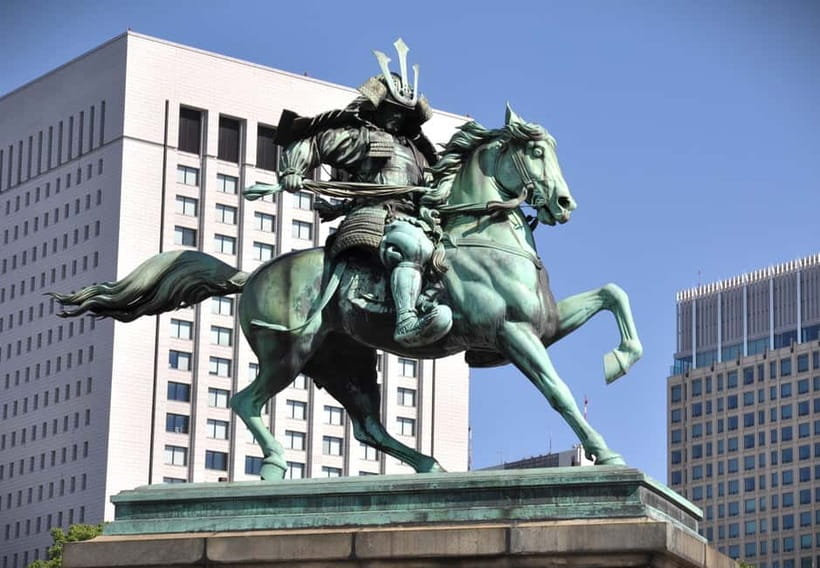
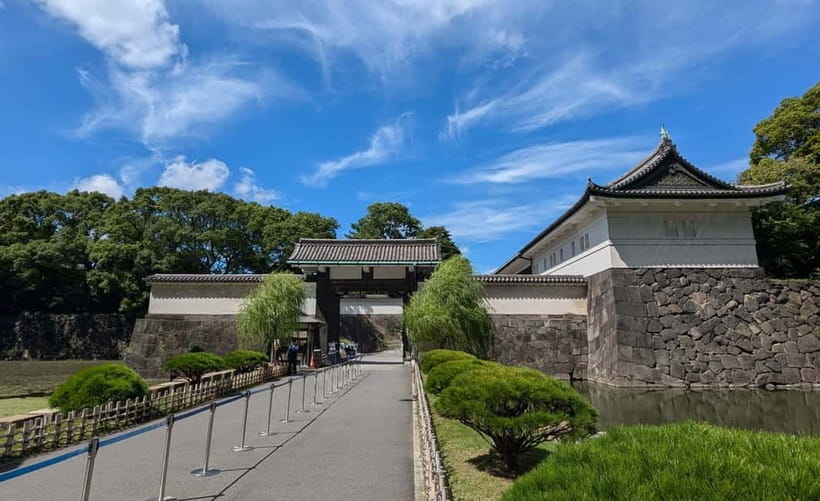
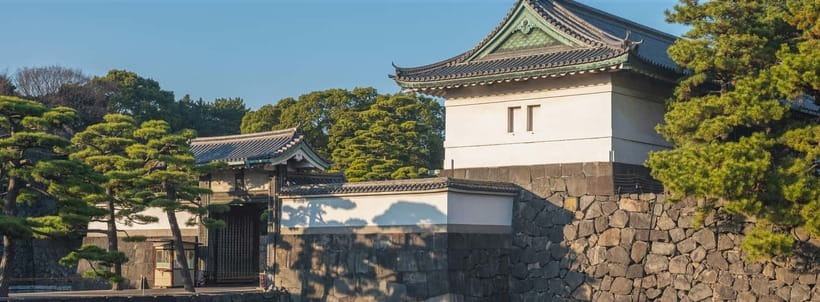
The longest stop is at the Edo Castle ruins, located in the Tokyo Imperial Palace East Gardens area. This is the part where the samurai story clicks into the “why it mattered” phase.
Even if you only know samurai from movies, Edo Castle gives you a physical sense of authority. You’re not just hearing that the Edo era was about governance. You’re standing around remnants tied to the era’s center of power. The tour guides your attention to what you see on the ground and helps you translate it into how systems worked.
Why this stop is worth your time
Two reasons:
- It connects samurai life to the machinery of rule. The tour treats samurai not as superheroes, but as people inside a power structure.
- It helps you understand the tension between reputation and reality. The guide doesn’t dodge the darker questions; instead, he anchors them to what places suggest about control, loyalty, and enforcement.
You can also read our reviews of more historical tours in Tokyo


A possible drawback to consider
This segment is long—around 105 minutes of guided time—so wear shoes that you trust. If you’re the type who starts limping after an hour, you’ll want to slow down early and speak up about breaks. The tour is structured to support that pacing with occasional transport, but your comfort still matters.
Taira no Masakado’s Grave: The Samurai Story Before It Was Famous
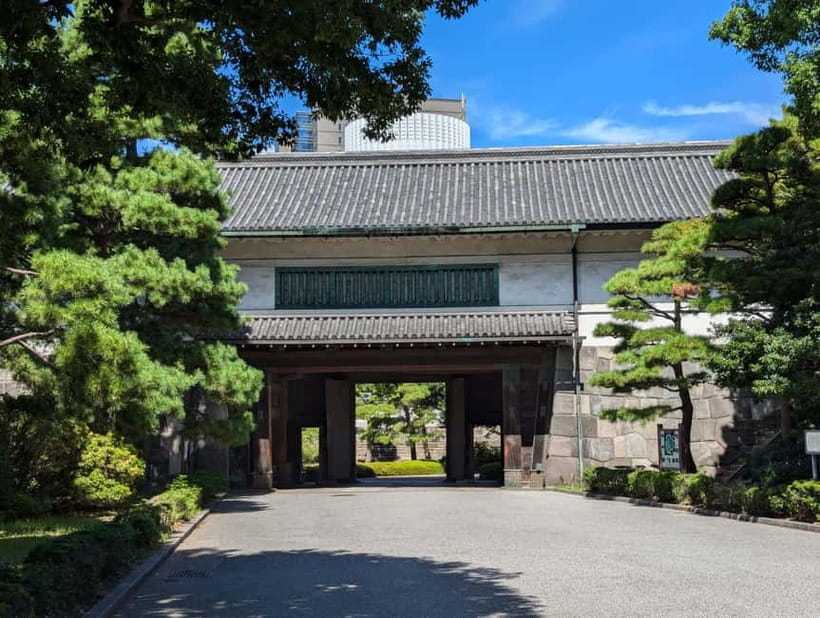
Next comes Taira no Masakado’s Grave. This is one of the stops that widens the lens. Instead of treating samurai history as a single era, the tour builds a timeline feeling: samurai history stretches back to their very beginning in the 900s, and then it continues until their demise in 1868.
The tone here is reflective. Gravesite visits naturally shift you from “what happened” to “what it meant.” And because this tour is built around the honorable-versus-messy debate, the stop nudges you to think beyond romance.
What you’ll get out of it
You’ll come away with a clearer sense that samurai weren’t born fully formed. The tour connects early origins to later power. That gives the later stops—especially Edo Castle and Sengaku-ji—more weight. You understand the timeline as a chain, not separate chapters.
Sengaku-ji and the 47 Ronin Gravesite: Legend With a Physical Address
The tour’s finale is Sengaku-ji, including time at the cemetery area tied to the 47 Ronin graves. This is where story becomes location, and where you can see why samurai narratives are still retold today.
Sengaku-ji is set up for quiet reflection. It’s not loud, and it’s not designed like an amusement ride. That’s the point. The guide helps you connect the emotional power of the tale to the broader samurai questions the tour has been asking from the start: loyalty, reputation, and what society expected from warriors.
Plan for extra costs here
Sengaku-ji has an entry fee for the cemetery and a museum charge as well—300 yen and 500 yen per person respectively. If you’re budgeting, add those on top of the tour price.
Also plan for time and attention
This stop is about 1 hour of guided time. For many people, it feels shorter than it should. If you’re the type who reads carefully or wants to sit with the atmosphere, you might want to slow down slightly so the guide’s context lands well.
The 4-Hour Pace: Walking, But Not Punishing
This is a walking tour, but it doesn’t pretend everyone enjoys nonstop pavement. You’ll take public transport occasionally to rest your legs. That’s not a small detail—it keeps the tour feeling human, especially in Tokyo, where distances add up fast.
The tour is designed for people who can manage a relatively long outing. The operator notes it’s not recommended for people who tire very easily. If you do need adjustments, you can request extra rests along the way.
Who will like this pace
- People who want a structured walk with clear stops
- Families with older kids (the tour experience has worked well with teenagers in at least one group)
- Anyone who likes asking questions and getting real answers in English
Who might find it tough
- Wheelchair users are not suitable for this tour
- People over 95 years old are not recommended
Price and Value: $33 Plus the Real-World Extras
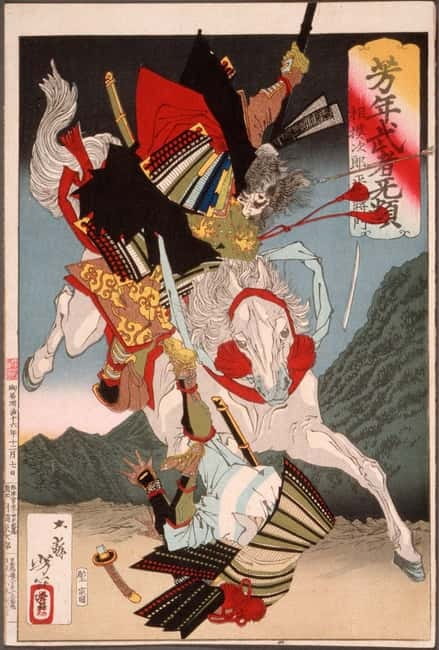
The tour price is $33 per person for a 4-hour guided experience. What you’re paying for here isn’t museum tickets or transport. You’re paying for John’s time and explanation, and for the fact that the route is built around meaningful samurai sites.
But there are extra costs you should budget:
- Public transport is about 400 yen per person
- Sengaku-ji entry fees: 300 yen (cemetery) and 500 yen (museum)
So the all-in cost is usually more than the advertised tour price. Still, it can be good value if you genuinely care about the context. At $33, you’re essentially buying a guided narrative that turns several historic locations into a single storyline.
Why the guide matters for value
The standout pattern from the tour’s feedback is not just that the sites are famous. It’s that John is friendly and actively willing to answer questions, even when you ask follow-ups. That makes the time feel less like you’re watching history from a distance and more like you’re unpacking it with a real teacher.
Ending at Takanawa Gateway Station: Easy Exit from the Route
You finish at Takanawa Gateway Station. Ending away from Tokyo Station can actually be helpful. It spreads you out across the city and can align better with your next plan—dinner, transit home, or hopping onto another line without retracing steps.
And because you start in Marunouchi and end around Takanawa, you get a sense of how this samurai history route cuts across modern Tokyo rather than circling one tiny area.
Who This Samurai History Walk Is Best For
I think this tour is a strong match if you want:
- A tight 4-hour format (not a full day)
- English explanations focused on the big arguments: virtue vs. violence, rise vs. fall
- Real locations tied to multiple eras, including the 900s beginnings and the end in 1868
- A guide who answers questions and adjusts to the group’s curiosity
It’s also a good pick for mixed groups—adults and teens—because it moves at a pace that keeps attention while still giving enough depth to feel satisfying.
If you mostly want photos and minimal talking, you might find a guided approach more engaging than you expect. But if you like to understand what you’re seeing, this is a smart use of limited time in Tokyo.
Should You Book This Tokyo Samurai History Walking Tour?
Yes, if you’re the kind of person who enjoys history that explains why people acted the way they did. The tour’s value isn’t just that it hits famous names. It’s that the route is built to answer the hard questions—how samurai formed, how they were viewed, and how the era ended—using sites you can actually stand in front of.
Book it especially if:
- You want a structured 4-hour plan starting near Tokyo Station
- You’re okay paying a bit extra for transport and Sengaku-ji entry
- You like asking questions and getting real-world context from John
Skip it if:
- You need a mostly seated experience
- You’re sensitive to longer walking stretches
- You don’t like the idea of reading history through a guided argument, not just sightseeing
FAQ
Where is the meeting point for the Tokyo Samurai History tour?
You meet outside the Marunouni Central Exit of JR Tokyo Station, at Marunouchi Square.
Where does the tour finish?
The tour finishes at Takanawa Gateway Station.
How long is the tour?
It lasts 4 hours.
Is the tour guided in English?
Yes. The live tour guide speaks English.
What’s included in the price?
The included items are the guide fee and one knowledgeable and friendly guide.
What extra costs should I expect?
You should budget for public transport (about 400 yen per person) and Sengaku-ji entry fees (300 yen and 500 yen for the cemetery and museum).
Is there a food stop during the tour?
The tour generally does not stop for food. You’re advised to pick up snacks at a convenience store beforehand and eat as needed.
Is the tour suitable for wheelchair users?
No. It is not suitable for wheelchair users.
Can I cancel for a refund?
Yes. You can cancel up to 24 hours in advance for a full refund.