REVIEW · FUJIYOSHIDA
From Tokyo: 5 Best Mount Fuji Photo Spots Private Day Trip
Book on GetYourGuide →Operated by eXplore Nippon · Bookable on GetYourGuide
Fuji photos with real breathing room. I love the chance to shoot Mount Fuji from the Lawson Fuji Store angle, and I also love the quiet reset at Oshino Hakkai with its snowmelt ponds. One thing to keep in mind: if weather turns rough or time gets tight, you may not hit every planned photo stop.
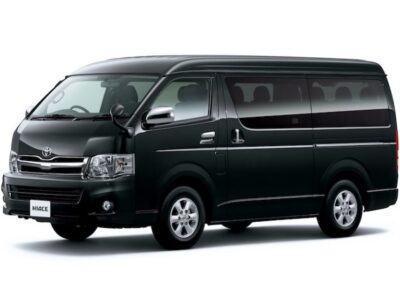
This is a true private day trip, priced per group (up to 5), with hotel pickup and drop-off in Tokyo. The vehicle is air-conditioned, and you get an English-speaking driver plus a Wi‑Fi hotspot in the car (if available), which makes the long day feel less like a commute.
Plan for walking and changing viewpoints. Wear comfortable shoes, bring a jacket since it can run chilly, and remember drones are not allowed (but regular photography is encouraged).
In This Review
- Key highlights to know before you go
- Fuji photo planning that doesn’t feel frantic (10 hours, private for up to 5)
- Arakura Sengen Shrine and Chureito Pagoda: the first classic frame
- Shimoyoshida Honcho Shopping Street: local snacks and souvenir browsing time
- Lawson Fuji Kawaguchiko Store: the iconic Mount Fuji convenience-store frame
- Lake Kawaguchi: lunch, a breather, and room to wander
- Oshino Hakkai: snowmelt ponds and the quiet Fuji reset (45 minutes)
- Mt. Fuji Dream Bridge: the panoramic payoff (and sunset timing)
- Getting picked up from Tokyo and staying comfortable all day
- Price and value: $451 per group up to 5, with transport included
- The driver difference: helpful, calm, and flexible with weather
- Who this Mount Fuji photo day trip suits best
- Should you book? My straight recommendation
- FAQ
- What is the duration of the Mount Fuji private day trip?
- How much does it cost?
- Where is pickup and drop-off?
- Is the group private and does the driver speak English?
- Are meals included?
- Is Wi‑Fi available during the trip?
- Are drones allowed?
Key highlights to know before you go
- Chureito Pagoda first: Arakura Sengen Shrine gives you the classic layered Fuji view.
- Two very different Fuji moods: busy shopping energy at Honcho Street, then calm pond country at Oshino Hakkai.
- Lawson Fuji Store photo stop: a popular, iconic frame with practical, convenient timing.
- Lake Kawaguchi break: built-in lunch time plus breathing room for the lakeside area.
- Mt. Fuji Dream Bridge panoramas: a later viewpoint that can look especially good as light shifts.
Fuji photo planning that doesn’t feel frantic (10 hours, private for up to 5)
Mount Fuji day trips can go two ways: you either spend the whole day sprinting between viewpoints, or you pick one spot and hope the weather behaves. This one tries to do the smart middle—multiple iconic angles in a single loop, in a private vehicle with an English driver doing the logistics.
Because it’s for a group of up to five, it also feels more flexible than a big coach. You’re not trapped in a schedule that belongs to 40 strangers, and you’re not stuck waiting while everyone argues about where to stand for the photo.
The price is $451 per group. When you spread that across up to five people, it can start to look like a decent deal compared with piecing together separate transport and timed entry tickets. The main trade-off is simple: you’re doing a lot of ground in one day, so the “photo day” part matters more than lingering in one location.
You can also read our reviews of more private tours in Fujiyoshida
Arakura Sengen Shrine and Chureito Pagoda: the first classic frame
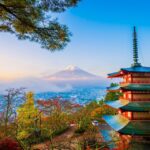
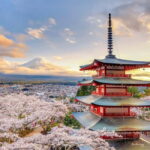
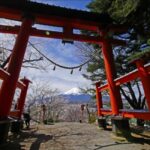
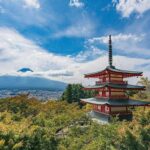
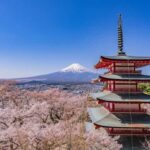
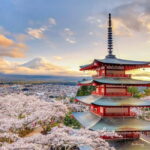
Your first stop centers on Arakura Sengen Shrine and the famous Chureito Pagoda. This is the five-story pagoda viewpoint perched up on a hillside, which is exactly why it’s such a go-to for Fuji photos: you get that layered look where Fuji can line up behind the shrine and pagoda.
You get about an hour here, which is long enough to find a good spot and still take a slow walk without turning it into a race. There’s also a lot of visual variety even within the same view—path angles, shrine steps, and different sightlines that can change how Fuji appears in the frame.
The practical tip: plan on some walking on uneven ground. Comfortable shoes matter more than you think at pagoda viewpoints, especially when you’re also trying to manage camera settings and crowds.
Shimoyoshida Honcho Shopping Street: local snacks and souvenir browsing time
After the shrine-and-pagoda photo moment, you head to Shimoyoshida Honcho Shopping Street. This is one of those places where the day stops feeling like “only a viewpoint trip” and starts feeling like you’re actually in Japan for the hours in between photos.
You’ll have about an hour, and that’s usually enough time to stroll, browse small souvenir shops, and grab something to eat without feeling rushed. The vibe here is lively but still rooted in the area—think local shopping streets rather than a theme park.
If you care about culture and not only skyline shots, this stop is a key part of the value. It gives you a break from the constant “look up at the mountain” routine and helps you reset your pacing before the next Fuji photo location.
Lawson Fuji Kawaguchiko Store: the iconic Mount Fuji convenience-store frame
Next up is the Lawson Fuji Kawaguchiko Store, with a dedicated break for photography (about 30 minutes). This stop is famous because it lets you photograph Mount Fuji with a very Japan-specific foreground—part of why it has become a must-do for serious Fuji shooters.
Here’s what I like about this arrangement: it’s short on time, but not too short to work. You can step into position, try a couple of angles, and still move on without losing the momentum of the day.
You’ll also want to keep your expectations realistic. Fuji visibility depends on weather, season, and cloud cover. This tour helps because it doesn’t rely on only one guaranteed viewpoint—if conditions aren’t perfect at one stop, you still have more chances later.
Lake Kawaguchi: lunch, a breather, and room to wander
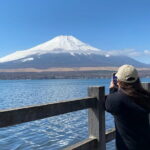
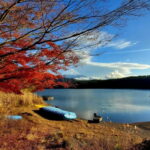
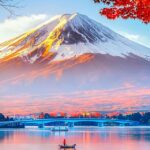
Then comes Lake Kawaguchi, with about 1.5 hours that includes a lunch break plus a photo stop. This is where the trip shifts from “point-and-shoot locations” to a more relaxed lakeside experience.
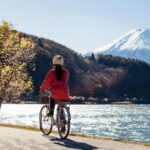
The benefit of scheduling a longer break here is that you can actually eat without panic, and you can walk around at a comfortable pace to find angles that feel right for your style. Some people focus on mountain reflections and water angles, while others just want the open-air calm after shrine steps and shopping streets.
If you’re traveling as a small group, this is a good moment to split responsibilities. One person can scout a viewpoint while another checks on lunch, then you regroup before moving on. With a private driver, you’re not stuck waiting for a coach to reload.
You can also read our reviews of more tours and experiences in Fujiyoshida
Oshino Hakkai: snowmelt ponds and the quiet Fuji reset (45 minutes)
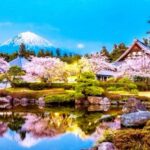
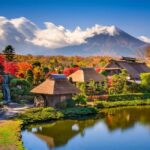
Oshino Hakkai is often described as the Springs of Mount Fuji, and for good reason: it’s a set of clear ponds fed by snowmelt. Your stop here runs about 45 minutes, and it’s one of the most peaceful parts of the day.
What I love about this contrast is how it changes the feel of the “Mount Fuji day.” You go from busy photo spots and shopping energy to a calmer walk through a landscape that’s all about water, greenery, and stillness. It’s a great place to put the camera down for a moment and just look.
Also, this stop is well suited for different travel styles. If you’re a photographer, you’ll likely find reflections and water textures. If you’re not, the walking and atmosphere still feel worth your time.
Bring that jacket here too. Pond areas can feel cooler, and you’ll be standing around longer than you think when you’re waiting for light.
Mt. Fuji Dream Bridge: the panoramic payoff (and sunset timing)
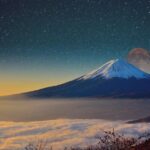
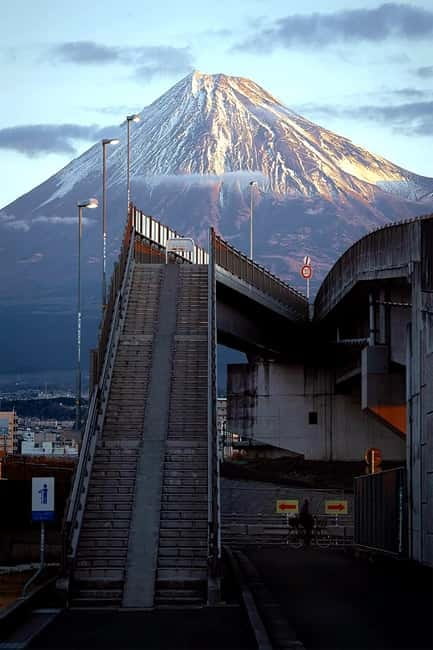
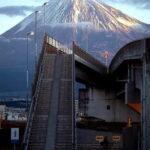
The later photo stop is the Mt. Fuji Dream Bridge, built for panoramic views. This is the part of the day where the tour tries to pay you back for all the earlier walking.
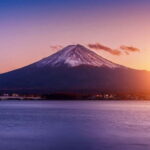
You get about 50 minutes here, which is enough to find a spot and experiment with framing. And the timing note matters: if you can catch it near sunset, the mountain can take on warm hues of light, which is exactly the kind of change that turns a decent Fuji shot into a memorable one.
Even if the light isn’t dramatic, a bridge viewpoint can give you a different sense of scale. You’re no longer photographing Fuji only as a background—sometimes it feels more like it’s part of the scene’s depth.
Getting picked up from Tokyo and staying comfortable all day
This tour is designed to be easy on you logistically. Pickup is from your Tokyo accommodation, and you’re returned back to Tokyo at the end. The vehicle is air-conditioned, and the driver is English-speaking.
One practical point: pickup may be up to 30 minutes late due to traffic. That’s not unusual for Tokyo, so plan your morning with a little slack.
What to pack is pretty straightforward:
- Comfortable walking shoes (you’ll move around at multiple stops)
- A jacket (it can run chilly)
- A small backpack for personal items
Rules are also simple: no alcohol and drugs, and drones are not allowed. If you’re traveling with kids or older relatives, note that the tour is not suitable for people over 95 years.
Price and value: $451 per group up to 5, with transport included
Let’s talk value in a real way. At $451 per group (up to five people), you’re paying for private transportation, hotel pickup/drop-off, fuel and tolls, and an English-speaking driver to manage the day.
What you get included matters because the Fuji area isn’t just one location. You’re bouncing between shrine grounds, shopping streets, a very specific Lawson Fuji photo spot, lakeside time, and Oshino Hakkai ponds. Without private transport, you’d likely spend a lot of time coordinating trains/buses and transfers.
What’s not included: meals, and there’s no tour guide. You’ll still get an English-speaking driver, but this is more about hands-on driving and practical support than a full guided lecture at every stop.
My take: if you care about photographing Fuji from several iconic locations, this price can feel fair because it buys you time and smooth logistics. If you only want one or two spots and you’re comfortable with public transit, you might spend less on your own—but you’ll also spend more energy managing the day.
The driver difference: helpful, calm, and flexible with weather
The quality of the driver is a big part of why this day trip holds up well. People consistently praise the English-speaking driver’s friendliness and calm driving, and they also mention practical help when plans get affected by rain.
In one case, the driver lent an umbrella when rain caught the group off guard. In another case, heavy rains slowed things down, and the driver checked whether the group wanted to go somewhere else. In other words: when conditions change, the day doesn’t just freeze.
Two driver names come up in feedback: Doshi and Omi. Both are described as friendly, punctual, and very willing to help, including explanations about Japanese culture along the route. That kind of support matters on a day where you’re hopping between several photo stops and trying to keep everyone aligned.
Who this Mount Fuji photo day trip suits best
This is a strong match if you want:
- Multiple classic Fuji viewpoints in one day
- A private group (up to five) rather than a crowded tour bus
- Clear, photo-focused timing plus real breaks (Honcho Street, Lake Kawaguchi, Oshino Hakkai)
It’s less ideal if you:
- Want a slow, deep-dive pace at only one location
- Can’t handle repeated short walks across different viewpoints
- Need the kind of access and comfort that would make “one-day hopping” feel stressful
If you’re the kind of traveler who likes a plan but still wants breathing room, this setup fits.
Should you book? My straight recommendation
Book this tour if your goal is to see Mount Fuji from several of the most recognizable angles without turning your day into a transportation puzzle. The mix of Chureito Pagoda, Honcho Shopping Street, the Lawson Fuji Store, Oshino Hakkai, and the Mt. Fuji Dream Bridge gives you variety, not just one view.
Skip it (or rethink) if you’re the type who hates walking or you know your travel style needs long stays and zero rushing. Also, if you’re traveling during a period with frequent rain and cloud cover, understand that no plan can guarantee perfect Fuji visibility—but having multiple stops improves your odds.
FAQ
What is the duration of the Mount Fuji private day trip?
It’s listed as a 10-hour experience.
How much does it cost?
The price is $451 per group, up to 5 people.
Where is pickup and drop-off?
You’re picked up from your accommodation in Tokyo, and you return to Tokyo at the end of the trip.
Is the group private and does the driver speak English?
Yes, it’s a private group, and the driver speaks English.
Are meals included?
No, meals are not included.
Is Wi‑Fi available during the trip?
There is a Wi‑Fi hotspot in the vehicle, subject to availability.
Are drones allowed?
No, drones are not allowed. Photography is encouraged instead.